Dog UTI symptoms can mimic stones or other issues. Learn the full treatment plan: urinalysis and culture, correct antibiotics, pain control, hydration, home ...
Article
•
Designer Mixes
What Causes UTIs in Dogs

Shari Shidate
Designer Mixes contributor
When a dog starts needing to pee more often, has accidents in the house, or strains in the yard with only a few drops to show for it, a urinary tract infection (UTI) is often the first thing families worry about. And for good reason. UTIs are relatively common, uncomfortable, and very treatable when you catch them early, especially in female dogs, seniors, and dogs with underlying health issues.
As a veterinary assistant in Frisco, Texas, I like to remind owners of one reassuring truth: most UTIs are not about “bad luck.” They usually happen because something made it easier for bacteria to get into the urinary tract, or harder for the bladder to stay healthy and flush itself out. In clinic, the biggest wins often come from finding and managing that underlying “why,” not just treating the infection.
Quick UTI basics (plain language)
A UTI usually means bacteria have traveled up the urethra (the tube that carries urine out of the body) and multiplied in the bladder. In most dogs, the bladder is typically sterile because regular urination flushes bacteria out and the body’s defenses keep the lining of the bladder healthy.
When those defenses are weakened, bacteria can take hold and cause inflammation, pain, and that constant “I have to go” feeling.
Lower vs upper infections: Most UTIs involve the lower urinary tract (bladder and urethra). If bacteria move up to the kidneys (an upper urinary tract infection, also called pyelonephritis), dogs are more likely to feel sick overall, and it can become more serious.
Common causes of UTIs in dogs
1) Bacteria from the skin or stool
This is the big one. The area around the vulva or penis naturally has bacteria on the skin, and stool bacteria can be nearby. If bacteria get into the urethra, they can travel upward into the bladder.
- Females tend to get UTIs more often because their urethra is shorter and wider, which gives bacteria an easier path.
- Dogs with long hair around the rear or those who get messy stools can have more bacterial exposure.
2) Holding urine too long
Urine is meant to be a “flush.” If a dog holds urine for long periods, bacteria may have more time to multiply, especially if other risk factors are present.
- Long stretches without potty breaks
- Dogs who avoid going out in bad weather
- Crate-trained dogs kept crated too long
3) Bladder stones (uroliths) or urinary crystals
Stones and gritty crystals can irritate the bladder lining and create a place for bacteria to hide. Some stones are also linked with infections, especially struvite stones, which in dogs are often infection-associated.
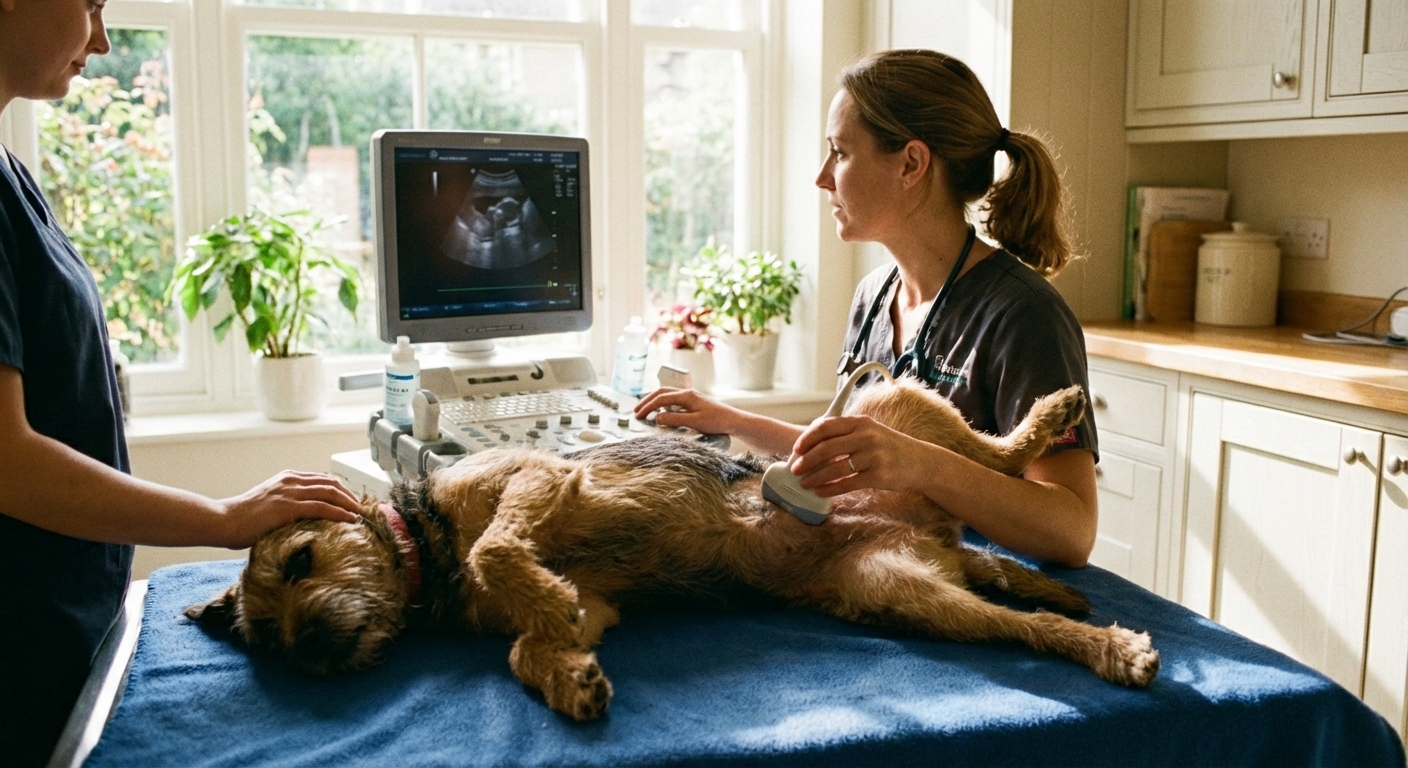
That said, not all struvite stones are driven by infection, and other common stones like calcium oxalate are typically not caused by infection. If a dog keeps getting UTIs, stones are one of the first things your veterinarian may look for using X-rays or ultrasound.
4) Anatomy that traps moisture or debris
Some body shapes make UTIs more likely, especially in female dogs.
- Recessed (hooded) vulva: skin folds can trap moisture and bacteria, leading to recurring irritation and infection.
- Extra skin folds around the rear end
- Congenital issues (less common) like ectopic ureters
5) Hormonal and metabolic diseases
Certain health conditions can raise UTI risk by affecting immune function, bladder defenses, or the urine environment.
- Diabetes mellitus: glucose in urine can feed bacteria and infections may recur.
- Cushing’s disease (hyperadrenocorticism): can suppress immune function and increase risk.
- Chronic kidney disease: not always a direct cause by itself, but dogs with more dilute urine and other comorbidities may be more prone to urinary infections.
6) Weakened immune system or medications
Dogs on immunosuppressive medications (like certain steroids or chemotherapy drugs) or dogs with immune compromise may not fight off bacteria as effectively.
7) Incomplete bladder emptying
If urine remains in the bladder after your dog tries to go, bacteria have more opportunity to grow. This can happen with:
- Neurologic conditions affecting bladder control
- Arthritis or pain that makes squatting difficult, leading to short, incomplete pees
- Obstructions (stones, masses) in severe cases
UTI signs that can be something else
This part matters because dogs can look like they have a UTI but actually have a different urinary problem.
UTI-like signs include:
- Frequent urination (pollakiuria, meaning frequent small urinations)
- Straining or taking a long time to urinate
- Accidents in house-trained dogs
- Blood in urine
- Licking the genital area
- Strong odor to urine
Common look-alikes:
- Bladder stones (may occur with or without infection)
- Sterile cystitis (inflammation without bacteria)
- Prostate disease in male dogs
- Vaginitis in females (especially younger dogs)
- Kidney infection (more serious, may include fever, lethargy, decreased appetite)
If your dog cannot pass urine at all, this is an emergency. Male dogs are at higher risk for life-threatening urinary blockage. Head to an emergency vet right away.
How vets confirm the cause
Because symptoms overlap, testing helps ensure your dog gets the right treatment.
Common tests include:
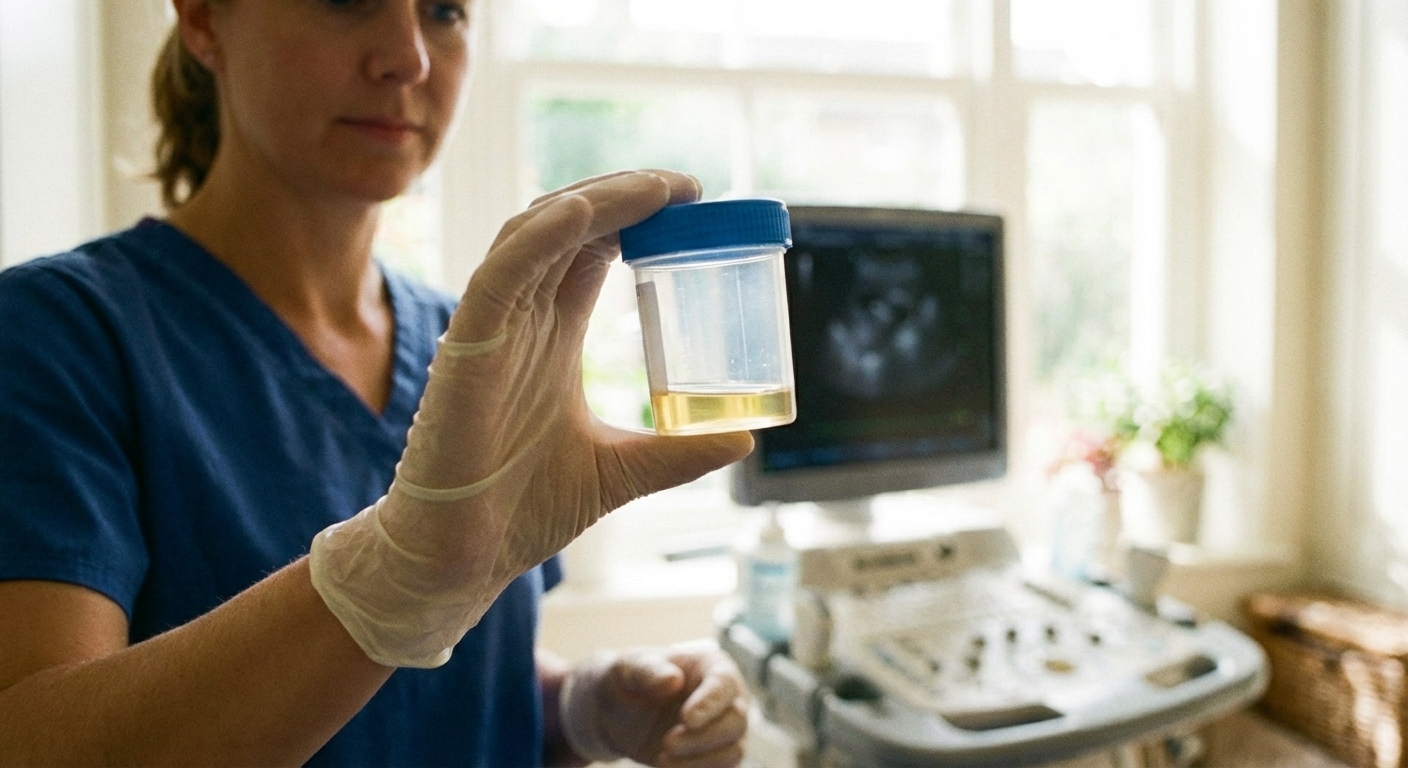
- Urinalysis: checks for white blood cells, blood, crystals, pH, and more.
- Urine culture and sensitivity: identifies the exact bacteria and which antibiotic works best. This is especially important for recurring UTIs.
- Imaging (X-ray or ultrasound): looks for stones, tumors, or anatomic concerns.
- Bloodwork: may be recommended if your vet suspects diabetes, Cushing’s disease, kidney issues, or systemic illness.
A quick note on urine collection
How the sample is collected matters. A “free-catch” sample (collected mid-stream at home or in the clinic) can be fine for basic screening, but it is easier to contaminate with skin bacteria. For the most accurate culture results, especially with recurrent UTIs, your vet may recommend cystocentesis, which is a sterile sample taken directly from the bladder using a small needle.
What you can do at home
While you cannot prevent every UTI, you can absolutely lower the odds, especially for dogs who have had one before.
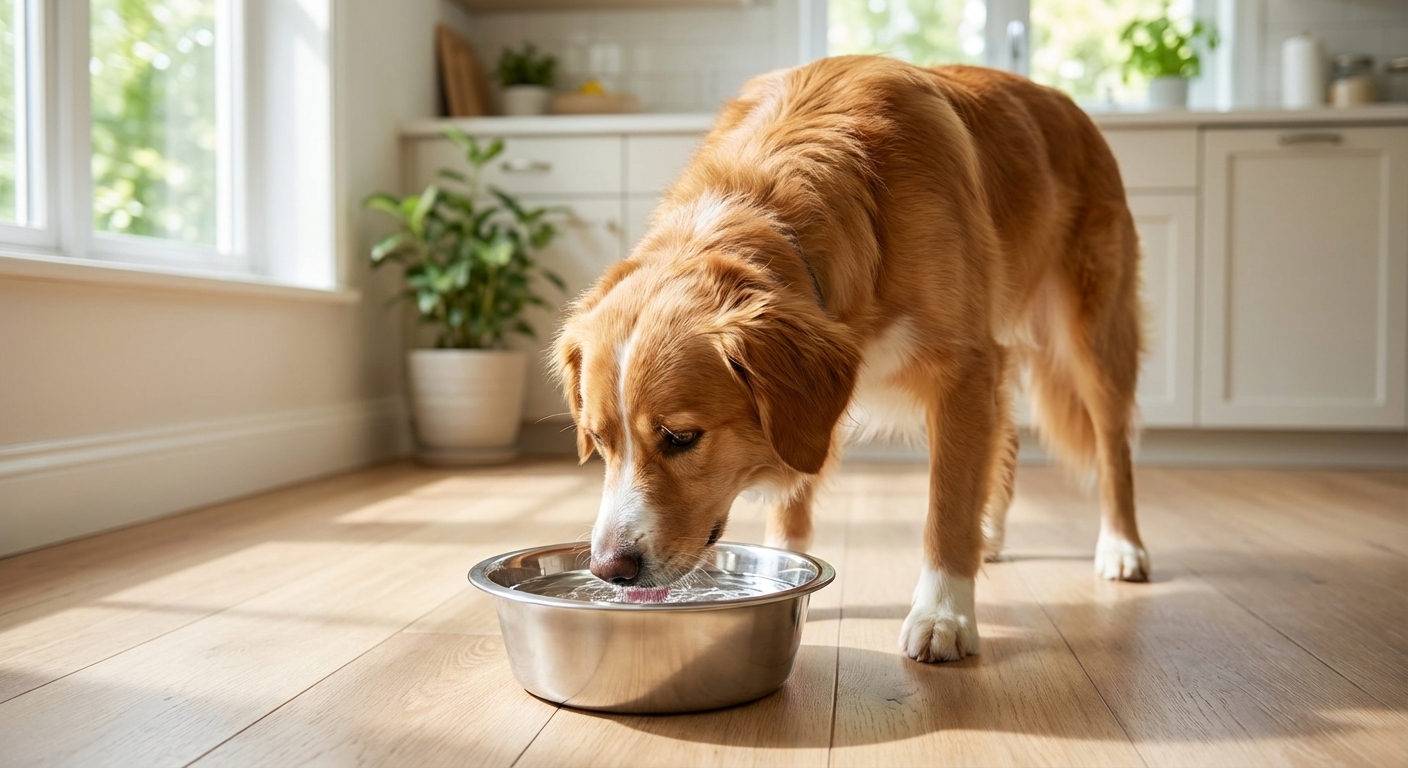
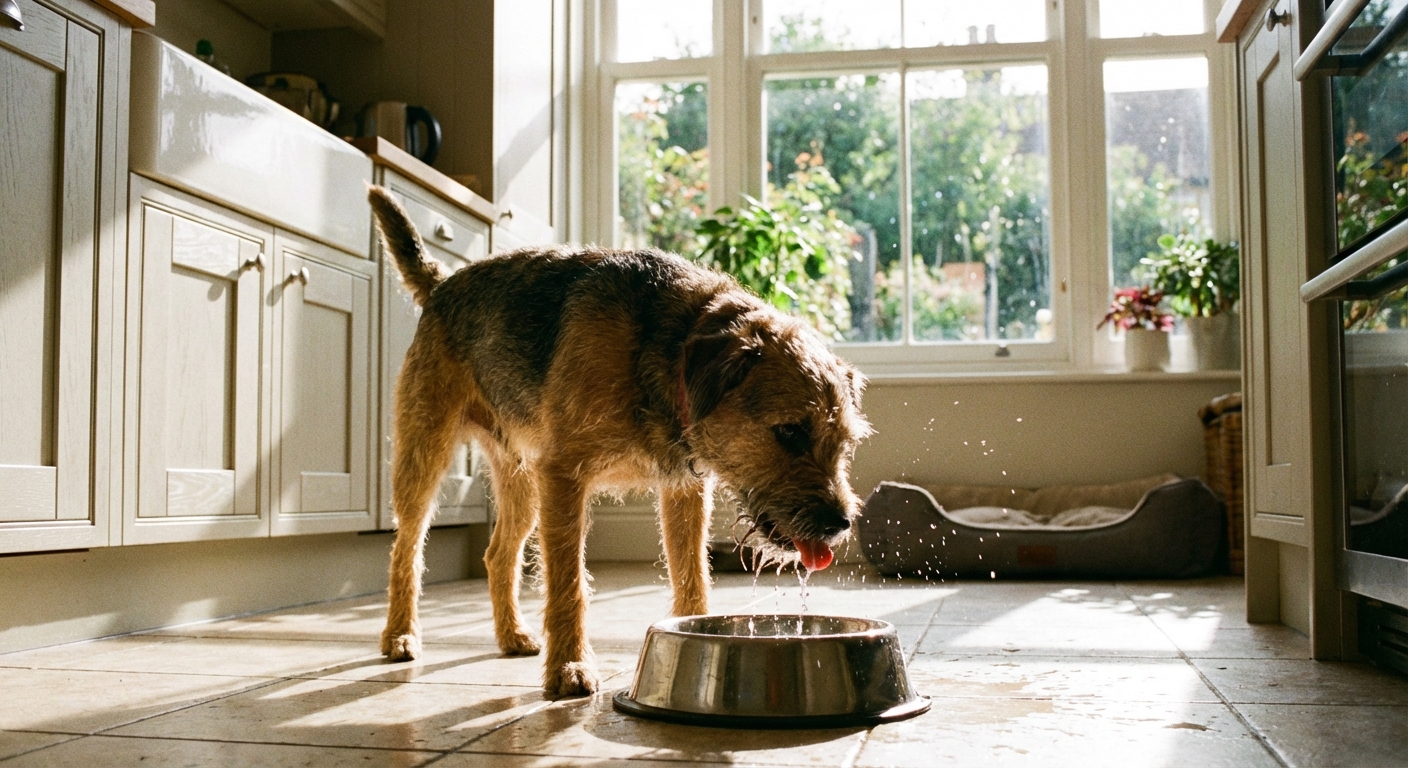
- Encourage hydration: offer multiple water bowls, clean water daily, and consider a pet fountain for picky drinkers.
- More potty breaks: aim for regular opportunities to pee, especially for small dogs and seniors.
- Keep the rear clean and dry: trim long hair, wipe after messy stools, and gently clean skin folds if your vet recommends it.
- Support a healthy weight: extra weight can worsen skin folds and inflammation and make squatting harder.
- Address underlying issues: if UTIs repeat, ask your vet about screening for stones, diabetes, or Cushing’s disease.
Antibiotics and follow-up
Only use antibiotics your veterinarian prescribed for this infection, and give them exactly as directed. Do not use leftover medications or stop early because your dog “seems better.” For recurrent infections, your vet may recommend a recheck urinalysis or culture to confirm the infection is truly gone. This helps protect your dog and supports smart antibiotic use.
A note on supplements
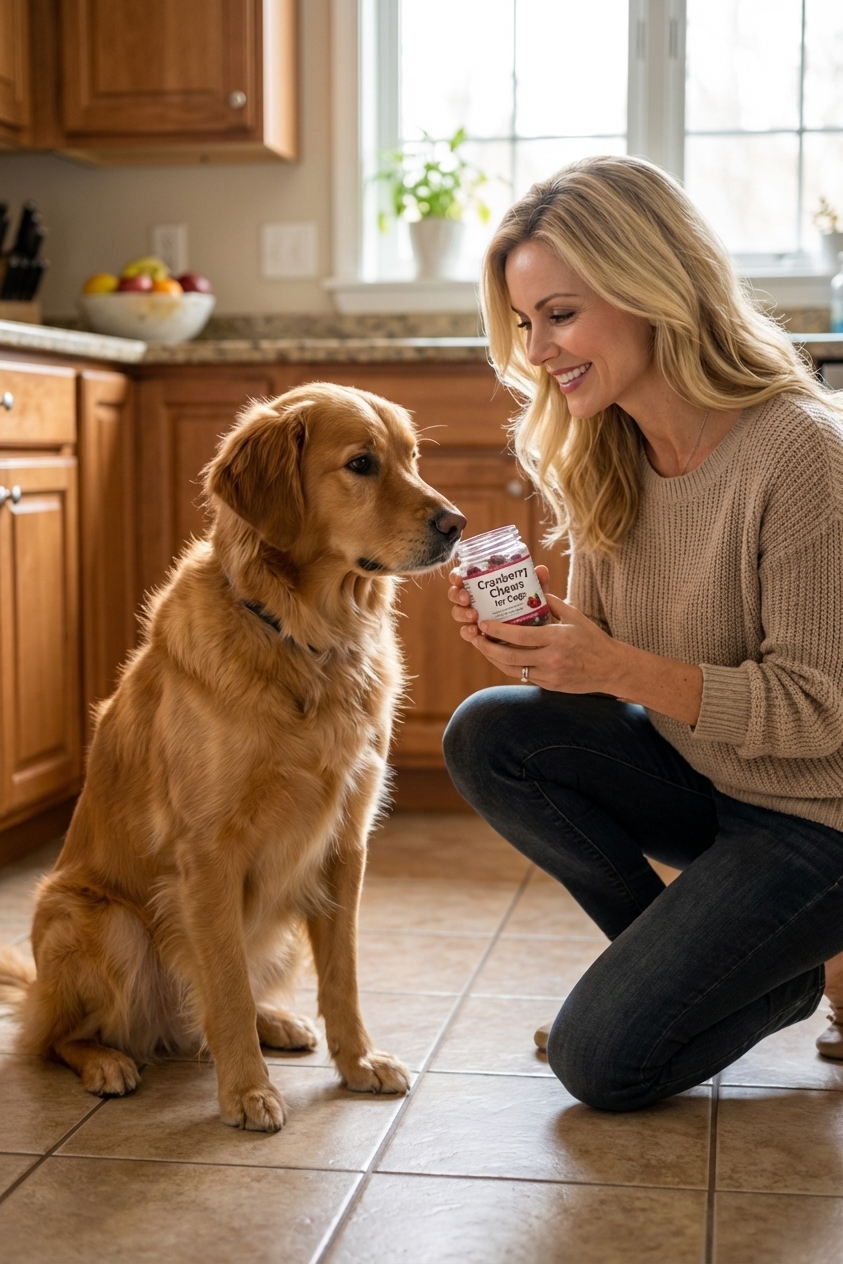
You may hear about cranberry, D-mannose, or probiotics. Evidence is mixed and results vary, but some dogs with recurrent lower urinary tract signs may benefit as part of a bigger plan. Supplements are not a substitute for antibiotics when bacteria are present. If you want to try them, do it with your vet’s guidance, especially if your dog has stones, kidney disease, or is on other medications.
When to call your vet
Call your veterinarian within 24 to 48 hours if you notice urinary changes, even if your dog seems “fine” otherwise. UTIs can worsen and, in some cases, move upward toward the kidneys.
Seek urgent care if you notice:
- Inability to urinate
- Repeated straining with little or no urine produced
- Vomiting, fever, lethargy, or refusing food
- Severe pain or crying out while trying to pee
The good news is that most dogs feel relief quickly once the right treatment starts. And if your dog is prone to recurrent UTIs, a thoughtful plan with your vet can make a big difference in comfort and long-term urinary health.