Dog UTI symptoms can mimic stones or other issues. Learn the full treatment plan: urinalysis and culture, correct antibiotics, pain control, hydration, home ...
Article
•
Designer Mixes
What Causes UTIs in Dogs

Shari Shidate
Designer Mixes contributor
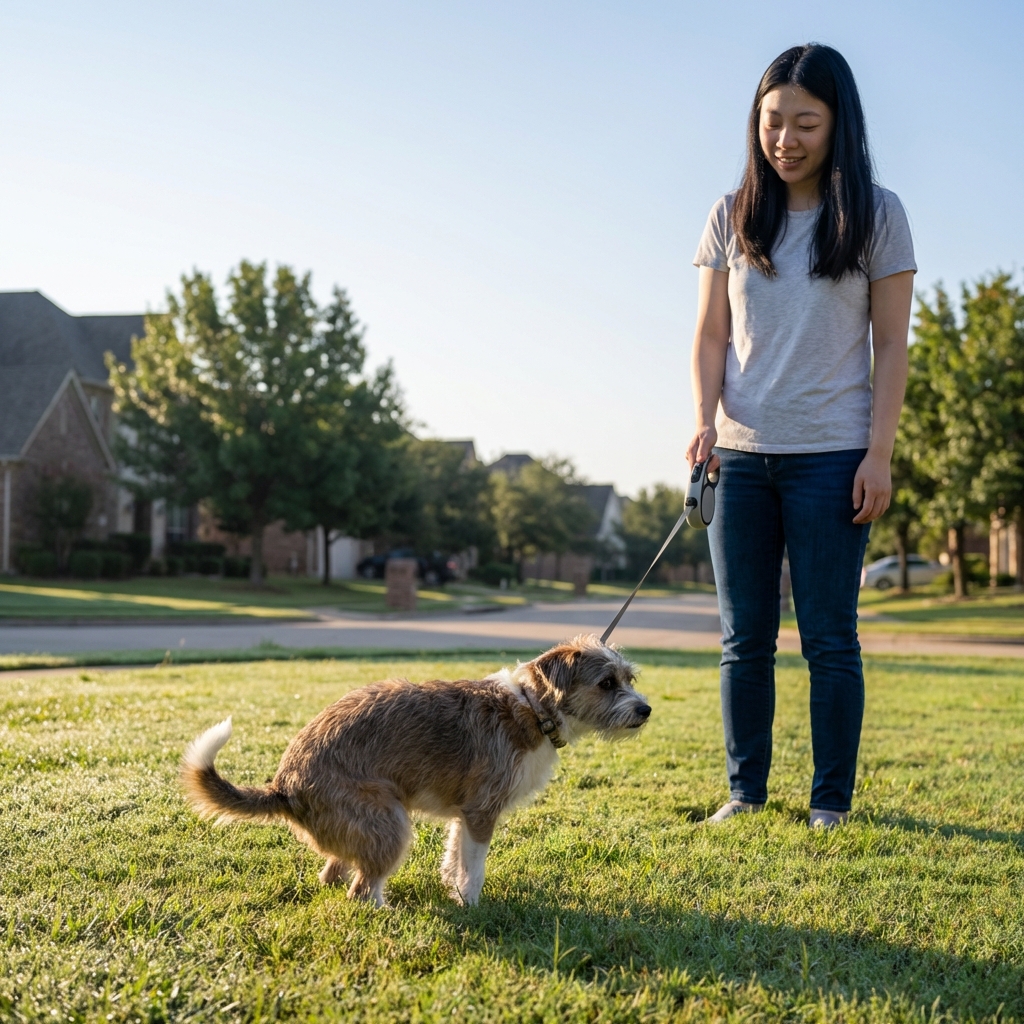
If your dog is suddenly asking to go out every 20 minutes, having accidents, or licking their genital area more than usual, you are right to wonder about a urinary tract infection (UTI). As a veterinary assistant here in Frisco, Texas, I can tell you this is one of the most common reasons pet parents call our clinic worried, and for good reason. UTIs can be painful, and in some cases they can move up to the kidneys if ignored.
The encouraging news is that most dog UTIs are very treatable, and many are preventable once you understand what causes them and what early signs look like.
What a UTI is
A UTI usually means bacteria have entered the lower urinary tract, most often the bladder, and are multiplying. The bladder lining becomes inflamed, which can create that classic cycle of frequent urination, urgency, and discomfort.
That said, UTI-like symptoms can also happen with inflammation that is not caused by bacteria. This is one reason testing matters, because signs overlap across several urinary conditions.
It helps to know that a UTI is not the same thing as:
- Bladder stones: mineral stones that irritate the bladder and can cause blood in the urine
- Crystals: microscopic mineral particles that can contribute to stones or irritation
- Incontinence: leaking urine without infection
- Kidney infection: more serious and can come with fever, lethargy, vomiting, or decreased appetite
Common causes
1) Bacteria from the skin or stool
The most common cause is bacteria traveling up the urethra into the bladder. Dogs with long hair around the rear, frequent diarrhea, or messy stools can be at higher risk because bacteria have more opportunity to reach the urinary opening.
2) Anatomy and life stage
Female dogs tend to get UTIs more often than males because the urethra is shorter and wider, making it easier for bacteria to enter. Senior dogs may be more prone due to weaker immune defenses, mobility issues, or underlying conditions.
Male dogs are less likely to get a straightforward, uncomplicated UTI. When males do have urinary signs, we are often more suspicious of an underlying issue such as prostate disease, stones, or (rarely) an anatomic problem. That does not mean it is always serious, but it does mean they deserve prompt evaluation.
3) Infrequent urination
Infrequent opportunities to urinate can contribute to UTIs, because urine sits in the bladder longer and bacteria have more time to grow. This can happen when dogs do not get enough potty breaks, when they are crated too long, or when mobility or pain makes it harder to squat and fully empty.
4) Bladder stones or crystals
Stones and crystals can irritate the bladder lining and create an environment where infections take hold more easily. Some stones are linked to infections and some are more diet and urine pH related, which is why your vet may recommend X-rays, ultrasound, and a urine culture.
5) Hormonal and medical conditions
Some health issues make UTIs more likely, including:
- Diabetes mellitus (sugar in the urine feeds bacteria)
- Cushing’s disease (immune suppression and changes in urine concentration)
- Kidney disease (changes in urine concentration and defenses)
- Vulvar conformation issues (such as a recessed vulva, which can trap moisture and bacteria)
6) Immune suppression and medications
Dogs taking certain medications (like long-term steroids) or dogs with conditions that reduce immune function may be more susceptible to infections or recurrent UTIs.
Signs to watch for
Some dogs show obvious signs, and some are surprisingly subtle. Watch for:
- Frequent trips outside with little urine produced
- Straining or discomfort while urinating
- Accidents in a previously house-trained dog
- Blood-tinged or cloudy urine
- Strong urine odor
- Licking the genital area more than usual
- Restlessness, trouble settling, or mild appetite changes
Urgent red flags: If your dog cannot pass urine at all, seems very painful, vomits, is very lethargic, has a fever, or you suspect a blockage, seek emergency care right away. Urinary obstruction can become life-threatening quickly, especially in male dogs.
How vets confirm it
Because several conditions can mimic a UTI, testing matters. Your veterinarian may recommend:
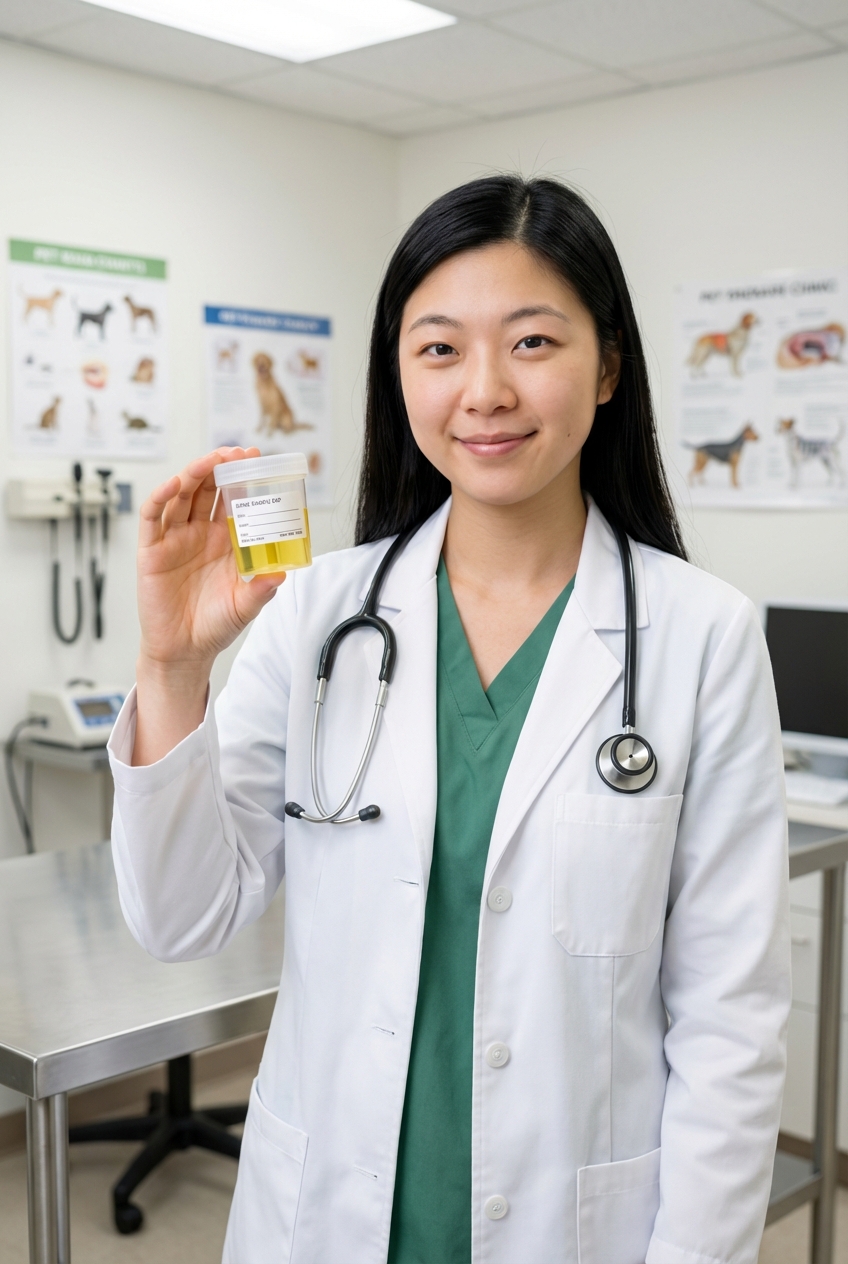
- Urinalysis: checks for blood, white blood cells, crystals, and bacteria
- Urine culture and sensitivity: identifies the exact bacteria and the best antibiotic to treat it
- Imaging: X-rays or ultrasound to look for stones, masses, or anatomical concerns
- Bloodwork: especially for recurrent infections or if your dog seems systemically ill
How urine is collected
How the sample is collected can affect how reliable the results are, especially for culture.
- Free-catch (midstream) sample: collected while your dog urinates. This is often fine for screening, but it can pick up bacteria from the skin or fur, which can complicate interpretation.
- Cystocentesis sample: collected by your veterinarian using a small needle directly from the bladder. This is typically the cleanest sample for a culture, because it reduces contamination.
If your dog has repeat UTIs, a urine culture becomes especially important. It helps prevent antibiotic guesswork and reduces the risk of resistant infections.
What treatment looks like
For a simple bacterial bladder infection, treatment often includes:
- Antibiotics: ideally chosen based on culture and sensitivity when indicated, especially for recurrent cases or complicated infections
- Pain relief: your vet may prescribe medication to help with discomfort and inflammation
- Follow-up testing: a recheck urinalysis (and sometimes a repeat culture) after treatment, particularly for recurrent or complicated UTIs
Do not use leftover antibiotics or share medications between pets. The wrong drug or the wrong duration can make the problem harder to treat and can contribute to antibiotic resistance.
Prevention tips
Hydration
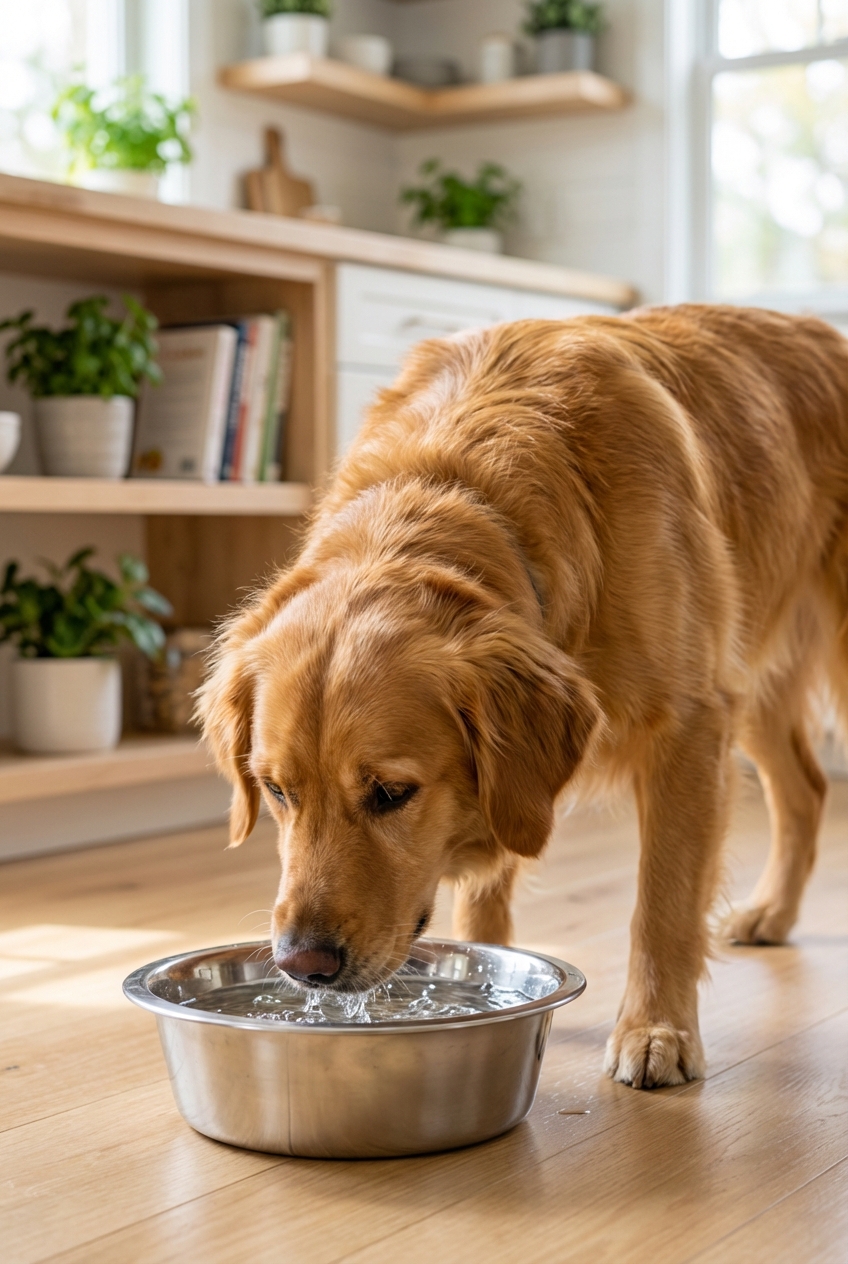
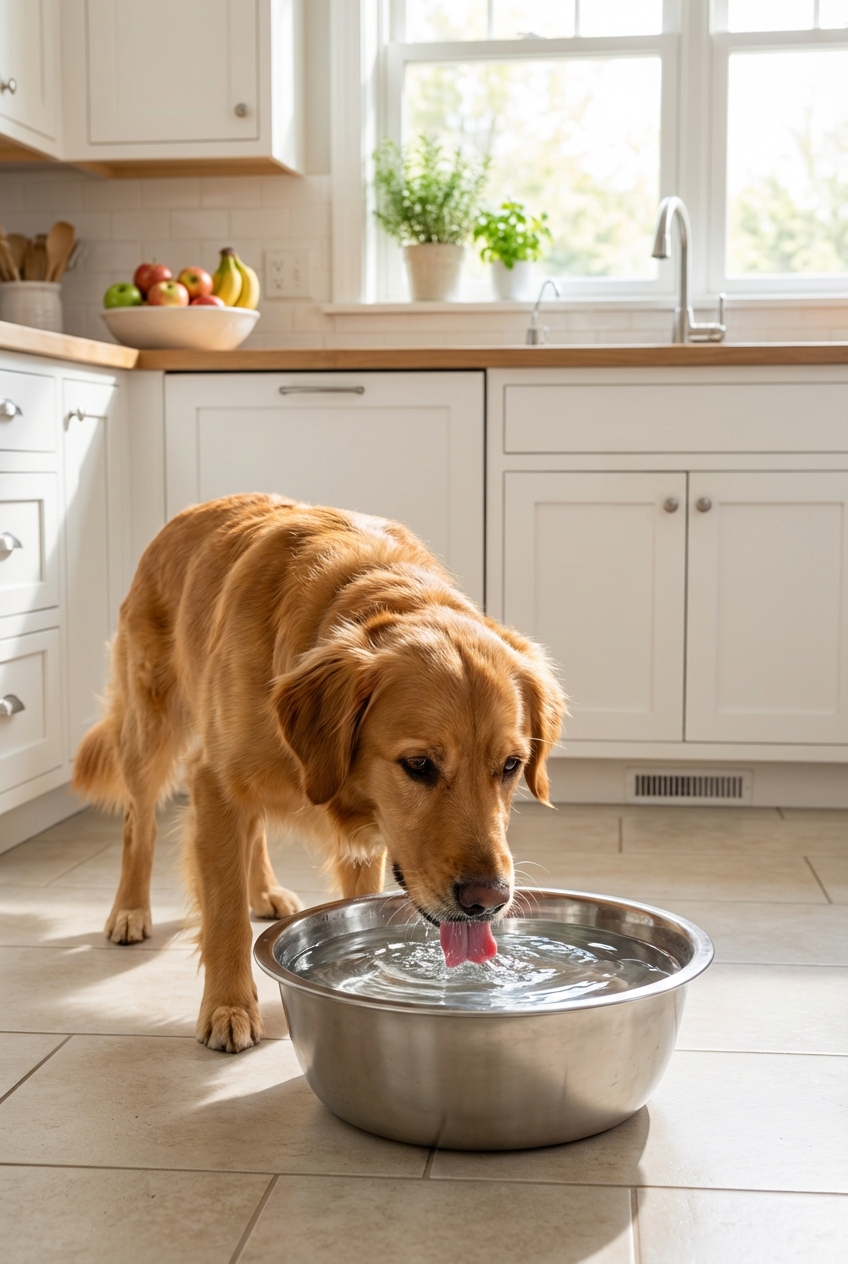
More water usually means more frequent urination, and that helps flush bacteria out. Try:
- Offering fresh water in multiple locations
- Adding a splash of low-sodium broth to water (check with your vet if your dog has heart or kidney issues)
- Switching part of the diet to wet food or adding water to meals
More potty breaks
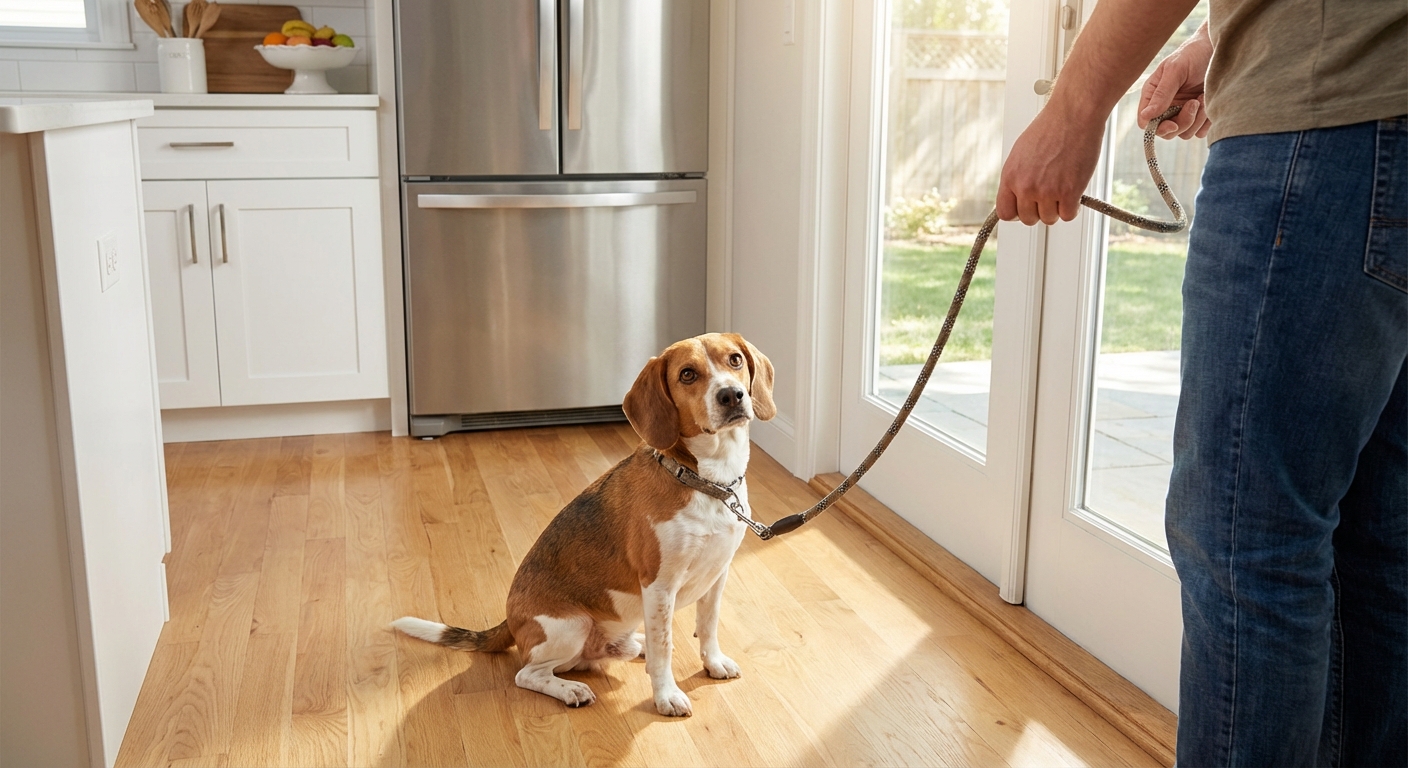
Many dogs do best with opportunities to pee every 4 to 6 hours during the day. Puppies, seniors, and small dogs may need more frequent breaks.
Rear hygiene
For long-haired dogs, a sanitary trim can reduce bacterial buildup. After messy stools, gently clean the area with a pet-safe wipe and keep fur dry.
Nutrition for stones and crystals
Diet matters most when stones or crystals are part of the story. Do not switch to a urinary diet on your own without guidance because the wrong approach can worsen certain stone types. If your dog is prone to crystals or stones, your vet may recommend a prescription urinary diet and follow-up urine checks.
Supplements
Some dogs benefit from probiotics or supplements designed to support bladder health. Evidence is mixed for popular options like cranberry and D-mannose in dogs, and they should not delay diagnostics or treatment. Consider supplements an add-on, not a replacement for veterinary care. Always ask your vet before starting supplements, especially if your dog is on medications.
Recurring UTIs
If your dog keeps getting UTIs, it is often a sign of an underlying issue rather than just “bad luck.” Common reasons include stones, diabetes, Cushing’s disease, anatomical factors, resistant bacteria, or incomplete treatment of a prior infection.
Practical next steps to discuss with your vet include a urine culture, imaging, and a recheck urinalysis after finishing antibiotics. That follow-up test is one of the best ways to confirm the infection is truly gone.
When to call your vet
Call your vet promptly if you notice UTI symptoms, especially blood in the urine or repeated straining. The sooner you test and treat, the easier it is to prevent complications and help your dog feel comfortable again.
If you only take one thing from this article, let it be this: frequent squatting with little urine is never something to “wait and see” for long. A quick urine test can save your dog a lot of pain.