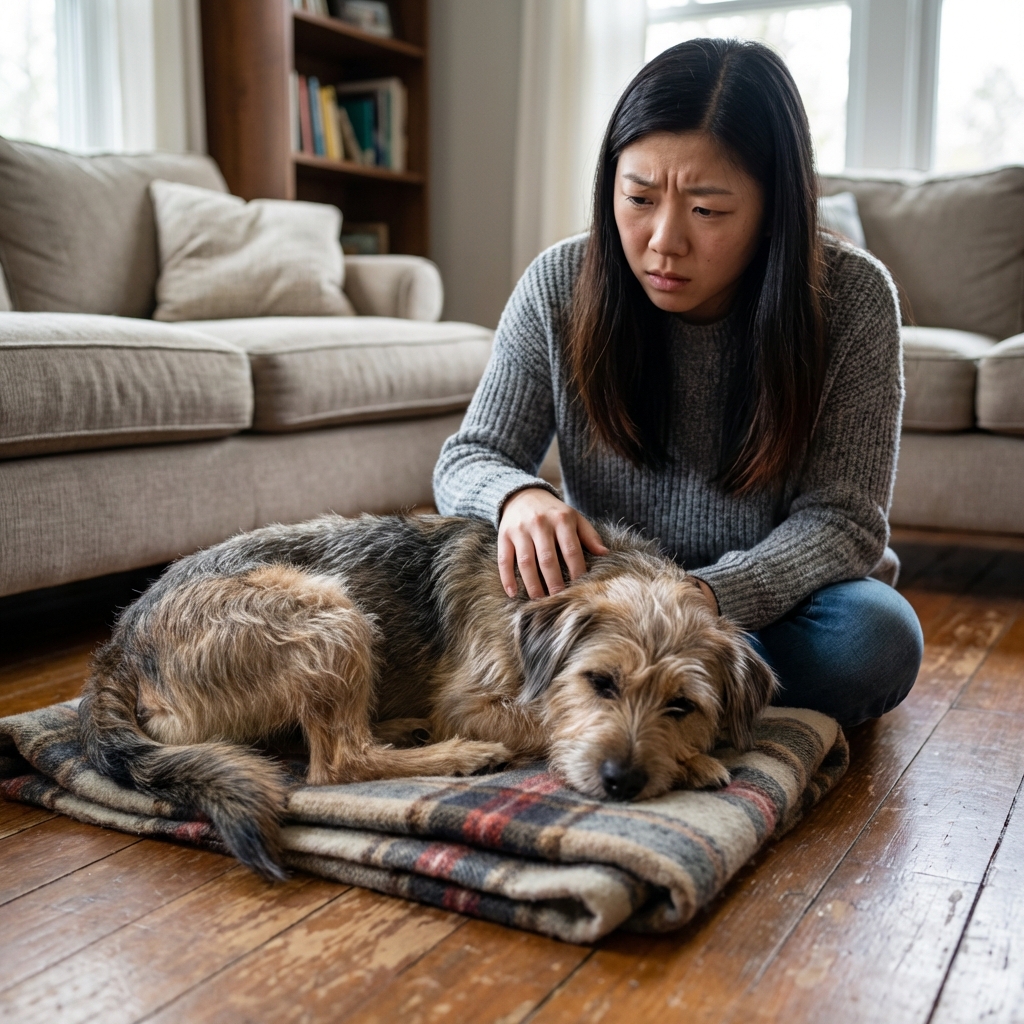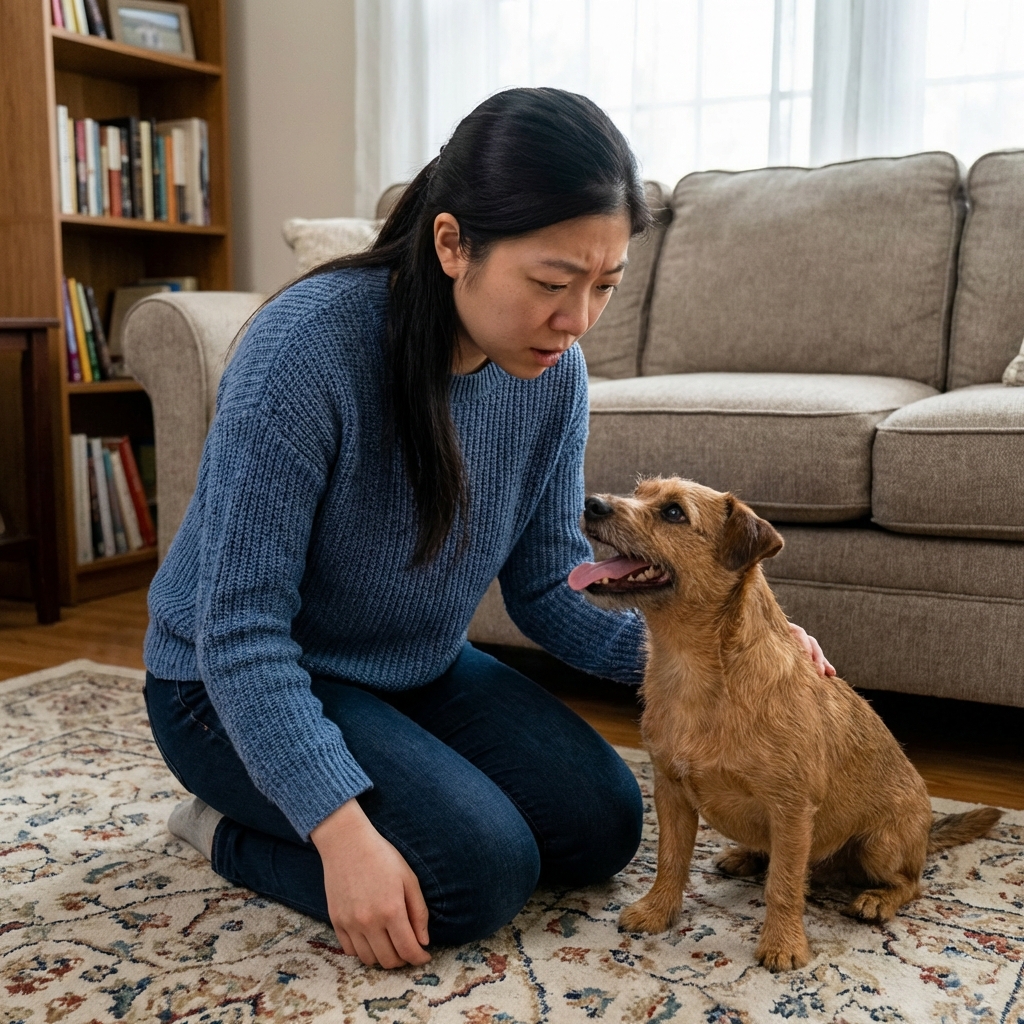
Shaking and panting can signal pain, anxiety, overheating, illness, or toxins. Use these at-home checks to spot red flags and know when to monitor vs call a ...
Article
•
Designer Mixes
What Causes Shaking in Dogs

Shari Shidate
Designer Mixes contributor
Seeing your dog shake can be scary. As a veterinary assistant here in Frisco, Texas, I have watched even very calm pet parents go from relaxed to panicked in seconds when their dog starts trembling.
The good news is that shaking has a wide range of causes, from totally normal (cold, excitement) to urgent (poisoning, pain, neurologic emergencies). This handbook will help you sort out what you are seeing, what to do at home, and when to call your veterinarian right away.
Quick note: This article is for general education and is not a substitute for an exam or diagnosis. If you are worried, calling your veterinarian is always appropriate.

Quick triage: when shaking is an emergency
If your dog is shaking and you notice any of the signs below, treat it as urgent. Call your veterinarian, an emergency clinic, or an animal poison hotline right away.
- Collapse, weakness, or cannot stand
- Seizure activity (stiffening, paddling, loss of consciousness) or repeated episodes
- Gums that are pale, blue, gray, or very bright red
- Breathing trouble (panting at rest that does not settle, noisy breathing, labored breaths)
- Bloated abdomen, repeated retching, unproductive vomiting
- Suspected toxin exposure (chocolate, xylitol, rat bait, marijuana, medications, pesticides, blue-green algae)
- Heat stroke signs (very hot body, excessive panting, drooling, vomiting, acting disoriented)
- Low body temperature signs (very cold ears and paws, slow or shallow breathing, lethargy)
- Severe pain (crying out, rigid posture, guarding belly or back)
- Repeated vomiting or diarrhea, especially with blood
- Rapidly worsening weakness, especially if it seems to move upward from the back legs (can be seen with tick paralysis or some toxins)
If you are unsure, it is always okay to call. A quick phone conversation can save you hours of worry and can sometimes save a life.
Poison hotline options (US): ASPCA Animal Poison Control (fee may apply) and Pet Poison Helpline (fee may apply). Your vet may also have a preferred number.
What “shaking” can look like
Different patterns point to different causes. Try to notice which one matches your dog.
- Trembling: fine, rapid quivering of the legs or body.
- Shivering: like being cold, often with a tucked posture.
- Whole-body shaking: like “wet dog shake” but repeated.
- Twitching: small muscle contractions, often localized.
- Rigidity or jerking: can suggest seizure activity or toxin exposure.
Helpful distinction: If your dog is doing a quick, single “shake off” after getting wet, that is normal. Repeated shaking, trembling that continues indoors, or shaking paired with other symptoms deserves a closer look.
Common, non-emergency causes of shaking
Cold or wet
Dogs shiver to generate heat. Small dogs, senior pets, short-coated breeds, and dogs with low body fat get cold quickly. If the shaking stops after warming up, it may be as simple as temperature.
Try: Dry them off, offer a warm blanket, keep the room comfortably warm, and consider a well-fitted sweater for chilly walks.
Excitement or overstimulation
Some dogs tremble when they are happy, thrilled, or overstimulated. Think: seeing the leash, greeting a favorite person, or arriving at daycare. If your dog is otherwise normal and the shaking resolves quickly, excitement can be the culprit.
Try: Calm greetings, structured routines, and rewarding relaxed behavior.
Stress, fear, or noise sensitivity
Thunderstorms, fireworks, construction noise, travel, vet visits, and new environments can all trigger shaking. Often you will see other signs like panting, hiding, pacing, drooling, yawning, lip licking, or clinginess.
Try: A quiet safe room, white noise, closing curtains, a snug anxiety wrap if your dog likes it, and talking with your veterinarian about training plans or anti-anxiety medications when needed.
Breed-related tremors
Some dogs are simply more prone to tremors. Small breeds often shake more visibly. A well-known example is white shaker dog syndrome, which causes whole-body tremors in some small dogs (often white-coated breeds like Maltese, Westies, and Bichons). It is often very treatable, but it can mimic other neurologic or metabolic problems.
Try: If it is new, worsening, or frequent, schedule an exam. Your veterinarian can rule out pain, metabolic problems, toxins, and neurologic disease.
Normal “shake off”
A quick whole-body shake after bathing, swimming, or getting caught in the rain is normal. It is how dogs reset their coat and release water.
Medical causes of shaking to take seriously
Pain
Pain is one of the most common reasons dogs tremble. It might be obvious (a limp) or subtle (tense belly, reluctance to jump, hiding, not wanting to be touched).
- Orthopedic pain: arthritis, injuries, back pain
- Mouth and ear pain: dental pain, ear infections
- Abdominal pain: pancreatitis, gastrointestinal inflammation
- Post-procedure discomfort: after surgery or dental work
Important: Do not give human pain medications unless your veterinarian instructs you. Many are toxic to dogs.
Nausea or stomach upset
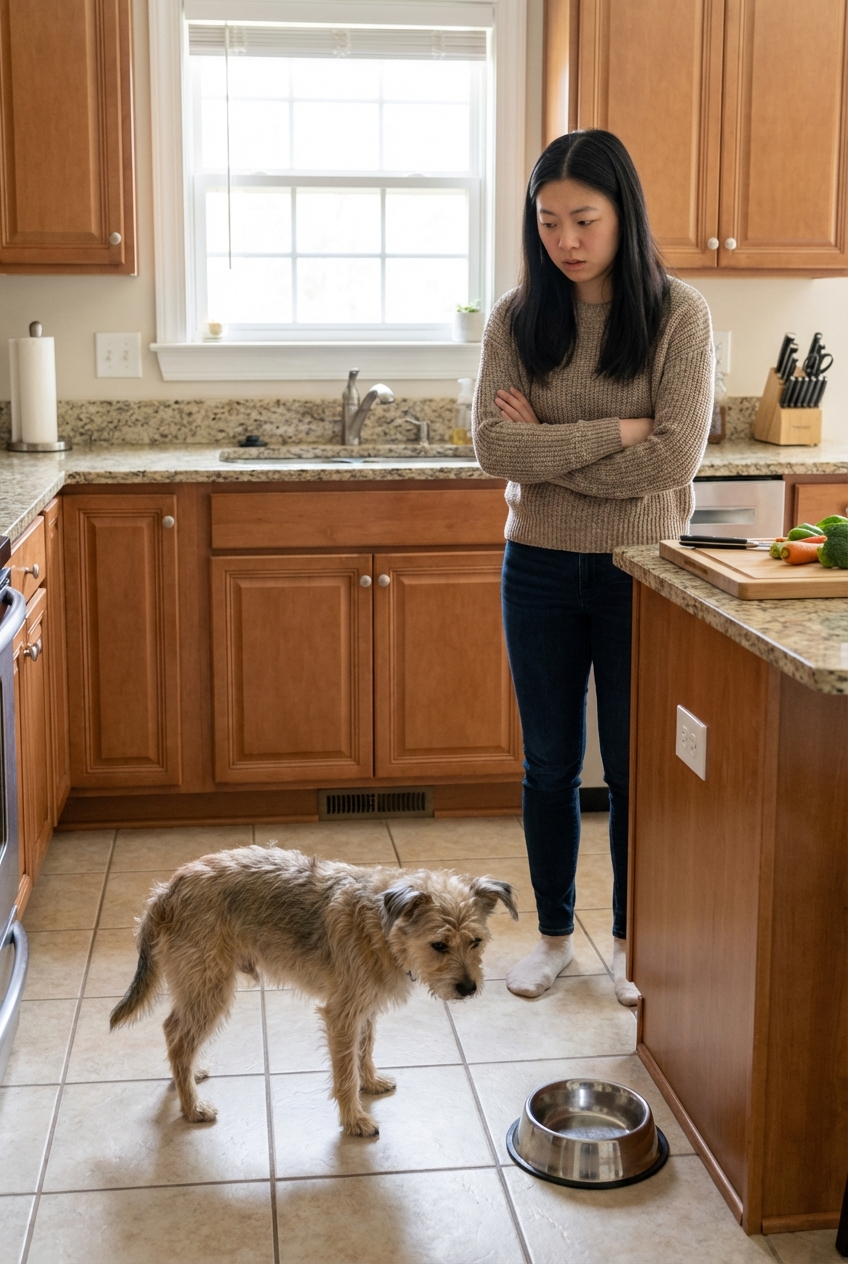
Dogs can shake when they feel nauseated. You may also notice drooling, lip smacking, swallowing, grass eating, decreased appetite, vomiting, or diarrhea.
Call your vet if vomiting or diarrhea is repeated, if there is blood, if your dog seems painful, or if your dog is very young, very small, or a senior.
Fever or infection
Shivering can happen with fever. Dogs may also seem tired, not interested in food, or generally off.
Tip: A dog’s normal temperature is often cited as about 101 to 102.5°F, but there is some individual variation. In many clinics, over about 103°F is generally treated as a fever, and below about 99 to 100°F can be concerning for low body temperature. If you can safely take a rectal temperature and it is high or low, call your veterinarian for guidance.
Low blood sugar (hypoglycemia)
Low blood sugar can cause shaking, weakness, wobbliness, confusion, and even seizures. It is more common in very small dogs, puppies, dogs with diabetes on insulin, and dogs who have not eaten.
Urgent: If your dog is weak, disoriented, or seizing, seek emergency care. If your dog is alert but shaky and you suspect a missed meal, call your vet for guidance right away.
Toxin exposure
Many toxins cause tremors, shaking, or seizures. Common culprits include chocolate, xylitol, nicotine products, certain insecticides, some essential oils, medications (prescription and over-the-counter), marijuana products, rodenticides, and toxic plants.
What helps most: Rapid action. Save packaging, estimate how much was eaten, and call your veterinarian or an animal poison hotline immediately.
Neurologic conditions and seizures
Not all shaking is a seizure, but seizures can look like trembling, facial twitching, jaw chomping, staring, or full-body convulsions.
Call your vet promptly for any first-time seizure-like episode.
Emergency rule of thumb: Seek emergency care if a seizure lasts about 5 minutes or more, or if your dog has more than one seizure in 24 hours (often called cluster seizures).
Vestibular disease (balance issues)
Dogs with vestibular problems can look dizzy and may shake from stress or nausea. Signs include head tilt, falling to one side, rapid eye movements, and vomiting.
Same-day evaluation is usually recommended, especially for sudden onset.
Endocrine and metabolic disorders
Hormone and metabolic problems can cause shaking and weakness. Examples include Addison’s disease, kidney disease, liver disease, and electrolyte imbalances.
Clues: recurring episodes, lethargy, vomiting, diarrhea, increased drinking and urination, weight loss, or poor appetite.
Generalized tremor syndromes
Some dogs develop tremors that are not seizures and not related to being cold or anxious. These can include idiopathic tremors and tremors triggered by certain toxins (for example, tremor-causing molds). Because the treatment depends on the cause, this is another situation where a video plus a veterinary exam helps a lot.
Age-related changes
Senior dogs may develop tremors, muscle weakness, anxiety, or cognitive dysfunction that can look like shaking. This deserves a veterinary workup because many conditions are treatable and comfort can improve greatly.

Shaking after vaccines, grooming, or anesthesia
After vaccination
Mild sleepiness and soreness are common for a day or so. Some dogs may shiver briefly from stress or mild discomfort.
Call your veterinarian immediately if you see facial swelling, hives, vomiting, diarrhea, weakness, collapse, or difficulty breathing. Those can be signs of an allergic reaction.
After grooming
Dogs sometimes shake from stress, being cold when wet, or skin irritation. If you notice redness, intense itching, bumps, or your dog seems painful, contact your vet.
After anesthesia or sedation
Shivering can happen as dogs wake up and regulate body temperature. This can be normal, but your clinic should know if it is intense, prolonged, or paired with abnormal behavior.
How to observe your dog like a pro
When you call your veterinarian, the details you share matter. Here is what to note:
- When it started and how long it lasts
- Triggers: sleep, excitement, walks, meals, loud noises, car rides
- Body areas: legs, head, whole body, one side
- Awareness: does your dog respond to you during the episode?
- Other signs: vomiting, diarrhea, limping, coughing, panting, drooling, itching
- Exposure risks: trash, human food, new meds, new flea and tick products, mushrooms, standing water
- Ticks: recent hikes, wooded areas, tall grass, or any ticks found on the body
- Video: a 10 to 20 second video is often extremely helpful

What you can do at home right now
These steps are safe for many mild situations. If your dog has emergency signs, skip this section and seek care.
- Warmth and comfort: move to a quiet room, offer a blanket, dry your dog if wet.
- Check the basics: is your dog eating, drinking, peeing, pooping normally?
- Look for pain: limping, yelping, tense belly, reluctance to jump, guarding.
- Check for toxins: scan the floor and yard, check bags, purses, and counters.
- Offer water: but do not force drinking.
- Record a video and write down timing and triggers.
Do not do this
- Do not give human medications (especially ibuprofen, naproxen, acetaminophen, and decongestants) unless a veterinarian directs you.
- Do not induce vomiting unless your veterinarian or poison control specifically tells you to. In some cases, it can cause more harm.
- Do not wait it out if you see neurologic signs (collapse, severe weakness, seizures, severe disorientation) or rapidly worsening symptoms.
If your gut says, “This is not my dog acting normal,” trust that instinct and call your veterinarian. You are your dog’s best advocate.
When to schedule a vet visit
Make an appointment soon if:
- Shaking happens repeatedly, even if mild
- You suspect pain or your dog is slowing down
- There is weight loss, increased thirst or urination, or appetite changes
- Your dog is a puppy, senior, or has chronic conditions
- The trembling is new and you cannot link it to cold, excitement, or a clear stressor
What your veterinarian may check
Depending on your dog’s age, history, and exam findings, your veterinarian may recommend:
- Full physical exam with pain and neurologic assessment
- Temperature check and hydration assessment
- Bloodwork to evaluate blood sugar, electrolytes, organ function, and signs of infection
- Urinalysis
- Fecal testing if gastrointestinal signs are present
- X-rays or ultrasound for injury, abdominal pain, or suspected internal disease
- Tick-borne disease testing in appropriate cases
- Medication review for possible side effects or interactions
The goal is to identify whether shaking is coming from pain, metabolic imbalance, toxin exposure, neurologic disease, or something more benign like anxiety.
Prevention tips
- Keep toxins locked up: medications, edibles, gum, cleaning supplies, insecticides.
- Use parasite prevention correctly: only dog-labeled products at the right weight range, and never use a dog product on a cat or vice versa.
- Check for ticks: especially after time in tall grass or wooded areas, and remove ticks promptly.
- Support joint health: maintain a lean body weight and talk to your vet about joint supplements if appropriate.
- Plan for noise season: work on desensitization training early and ask your vet about options for storm and fireworks anxiety.
- Feed consistent, balanced nutrition: avoid sudden diet changes and be cautious with rich treats to reduce stomach upset risk.
FAQ
Why is my dog shaking but acting normal?
If your dog is eating, drinking, walking normally, and the shaking is brief, it may be cold, excitement, or mild stress. If it keeps happening or increases, schedule a vet visit to rule out pain or metabolic causes.
Can shaking mean my dog is in pain?
Yes. Shaking can be a pain sign, especially if paired with panting at rest, hiding, tenderness, limping, or reluctance to move. Pain should be assessed by a veterinarian.
Is shaking the same as a seizure?
Not always. Many tremors happen while the dog is fully aware and responsive. Seizures often involve altered awareness, stiffness, paddling, or a post-episode period of confusion. When in doubt, record a video and call your vet.
My dog is shaking and panting. What does that mean?
Shaking plus panting commonly points to stress, pain, nausea, or overheating. If it is sudden, intense, or paired with weakness, vomiting, or collapse, treat it as urgent.
Bottom line
Shaking in dogs is a symptom, not a diagnosis. Sometimes it is as simple as being cold or excited. Other times it is your dog’s way of saying, “Something feels wrong.” If you keep one rule in mind, make it this: new, severe, or unexplained shaking is worth a call to your veterinarian, especially if anything else seems off.