
Recognize parvo in puppies fast: early symptoms, emergency red flags, when to suspect it, what to do immediately, how vets test and treat, plus home care, cl...
Article
•
Designer Mixes
What Causes Parvo in Puppies

Shari Shidate
Designer Mixes contributor
As a veterinary assistant, I wish every puppy parent could see how preventable parvo can be. Canine parvovirus is a highly contagious virus that attacks fast-growing cells in the body, especially the lining of the intestines and the bone marrow. In puppies, that can turn into severe vomiting, diarrhea, dehydration, and a low white blood cell count (leukopenia), which raises the risk of dangerous secondary infections.
The good news is that once you understand what causes parvo in puppies and how it spreads, you can take simple steps to protect your pup during the most vulnerable weeks of life.
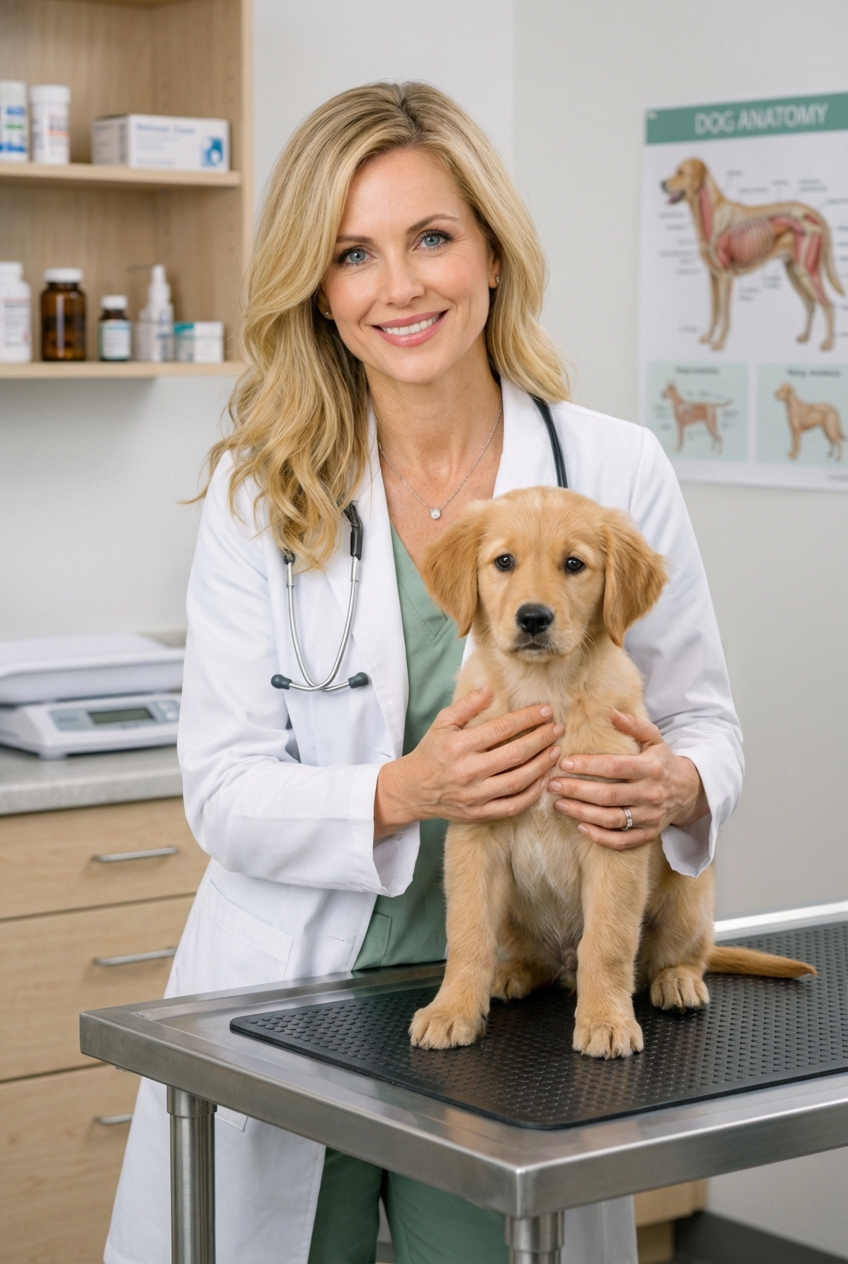
What causes parvo in puppies
Parvo is caused by infection with canine parvovirus (often abbreviated CPV). Puppies do not get parvo because of being cold, teething, or eating a new food. Those things can stress a puppy, but the true cause is exposure to the virus plus not having enough immunity to fight it off.
In practical terms, parvo happens when these three factors line up:
- The virus is present in the environment (and it often is).
- The puppy is exposed (directly or indirectly).
- The puppy is not fully protected by vaccination or maternal antibodies.
How puppies catch parvo
Parvo spreads primarily through the fecal-oral route. That sounds scary, but it simply means microscopic particles from infected stool get into a puppy’s mouth.
After exposure, most puppies that develop illness show signs within about 3 to 7 days (sometimes a bit longer). That is why vets often recommend monitoring for up to 14 days after a known risk event.
Common ways exposure happens
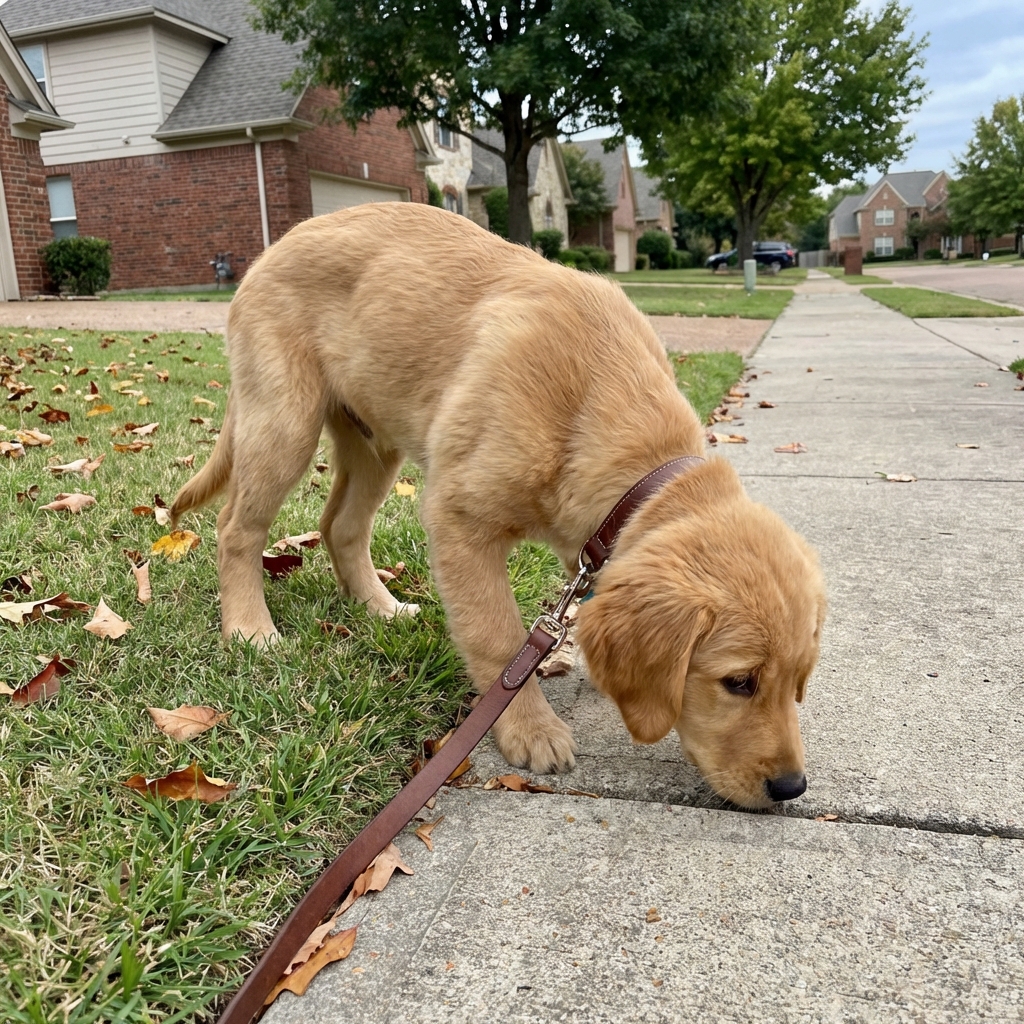
- Sniffing or licking contaminated ground where an infected dog has been.
- Contact with an infected dog, even if that dog looks “fine” at the moment.
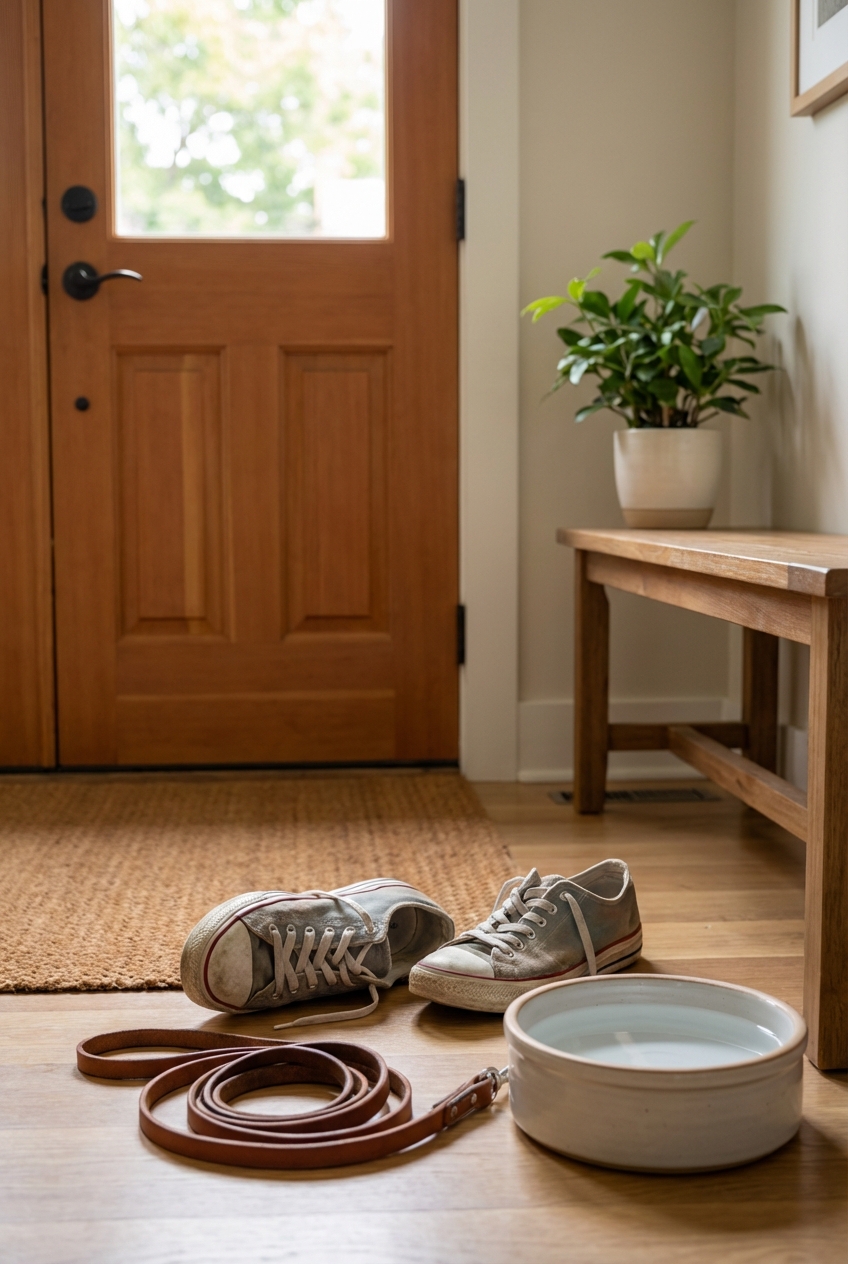
- Shared objects like shoes, leashes, collars, toys, crates, food bowls, grooming tools, or hands that carried the virus.
- High-traffic pet areas such as apartment potty spots, dog parks, pet store floors, puppy play areas that are not carefully sanitized, or vet clinic entryways and parking lot edges.
One of the toughest realities is that parvo is a very hardy virus. It can persist in the environment for months and in some conditions even longer, especially outdoors. It is also not reliably killed by many everyday cleaners.
Why puppies are high risk
Puppies are not just “small dogs.” Their immune systems are still developing, and their protection depends heavily on a carefully timed vaccine series.
Key risk factors
- Young age: Parvo is most common in puppies roughly 6 weeks to 6 months, especially during the vaccine series.
- Incomplete vaccination: Missing doses or delaying the schedule leaves gaps in protection. Unvaccinated dogs of any age can be infected.
- Maternal antibody gap: Puppies receive antibodies from mom, but those fade over time. If they fade before the vaccine has fully taken effect, there can be a window where a puppy is vulnerable.
- Higher exposure environments: Shelters, rescues, pet stores, and multi-dog households can have higher viral load if strict sanitation is not in place.
- Stress and parasites: Stressful transitions, intestinal parasites, or other illness can make it harder for a puppy to cope with infection.
Where parvo hides
Many families assume parvo only comes from “dirty kennels” or obviously sick dogs. In reality, it can be tracked in like glitter. You do not see it, but it spreads easily.
Common sources people miss
- Shoes after walking in shared dog areas.
- Yards and patios where unknown dogs have visited.
- Public grass strips used by many dogs for potty breaks.
- Shared carts, floors, and entryways anywhere dogs are frequently coming and going.
- Friend or family dogs that are unvaccinated or have unknown vaccine status.
Prevention that works
If you take nothing else from this article, take this: vaccines plus smart exposure control are your puppy’s best defense.
1) Stick to the vaccine plan
Your veterinarian will tailor timing to your puppy and your area’s risk level, but a common approach is a series every 3 to 4 weeks, starting around 6 to 8 weeks and continuing until at least 16 weeks (sometimes longer in higher-risk situations). Puppies need a series of vaccinations, not just one shot.
Also, “protected” is not instant after a single vaccine visit. Immunity builds over time, and many puppies are still vulnerable mid-series. If you adopt a puppy and you are not sure what they received, bring any records you have and ask your vet to help you build a safe plan.
2) Use safe socialization
Socialization matters, but it should be done thoughtfully. In clinic, we see puppies who missed out on social time because families were understandably scared, so I like to offer lower-risk options:
- Choose clean, controlled environments.
- Stick with healthy, vaccinated dogs you trust.
- Ask about puppy classes that require vaccine records and follow proper sanitation.
- Use carry-to-public socialization: let your puppy see the world from your arms, a clean carrier, or a sanitized cart liner instead of walking on high-traffic dog potty areas.
- Avoid high-traffic dog potty zones until your veterinarian says your puppy is adequately protected.
3) Disinfect correctly after known risk
Parvo is resistant to many disinfectants. If your veterinarian suspects parvo exposure in your home, ask for specific cleaning guidance. In many veterinary and shelter settings, a bleach solution is commonly used on appropriate hard, non-porous surfaces because it can inactivate parvovirus when used correctly. Effectiveness depends on pre-cleaning (removing organic material), using the right dilution, and allowing enough contact time. Many protocols use roughly 1:30 household bleach to water with about 10 minutes of wet contact time, but follow your veterinarian’s directions and product safety guidance for your situation. Never mix chemicals.
4) Control parasites and support the gut
Routine deworming, prompt parasite treatment, and a veterinarian-approved diet help keep the intestinal tract healthier. A healthier gut does not make a puppy immune to parvo, but it can reduce other stressors that complicate any GI illness.
5) If your puppy is sick, act fast
Parvo can move quickly. Early veterinary care saves lives.
Early signs to take seriously
Call your veterinarian or an emergency clinic right away if your puppy shows:
- Vomiting that repeats or will not stop
- Diarrhea, especially if it becomes bloody or has a strong odor
- Lethargy or refusing to play
- Loss of appetite lasting more than a meal
- Signs of dehydration like tacky gums, weakness, or sunken eyes
If you suspect parvo, do not “wait and see.” Parvo is not a home-care illness. Your vet can run a quick test and start supportive treatment, which often includes isolation, fluids, anti-nausea medications, and other medications based on what your puppy needs.
What to do after exposure
Exposure does not always mean infection, especially if your puppy is on track with vaccines. Still, take it seriously.
- Call your veterinarian the same day and describe the exposure and your puppy’s vaccine history.
- Keep your puppy away from other dogs until you have veterinary guidance.
- Monitor closely for vomiting, diarrhea, appetite changes, and energy level for the next 7 to 14 days.
- Ask about cleaning if the exposure happened in your home or yard.
Frequently asked questions
Can a vaccinated puppy still get parvo?
It is less likely, but it can happen, especially if the puppy is mid-series and not fully protected yet or if there were timing issues. This is exactly why exposure control during the vaccine series matters so much.
Can humans catch parvo from puppies?
Canine parvovirus is species-specific and does not infect humans. People do not catch canine parvo like a cold. However, humans can carry virus particles on shoes, hands, or clothing and unintentionally spread it to other dogs.
Is parvo always fatal?
No. With prompt veterinary treatment, many puppies recover. Without treatment, parvo can be deadly due to dehydration, electrolyte imbalances, and secondary infections.