Use this vet-informed puppy vaccine timeline to stay on track with DHPP and rabies, add lifestyle vaccines as needed, and learn safe socialization plus what ...
Article
•
Designer Mixes
What Causes Parvo in Dogs

Shari Shidate
Designer Mixes contributor
Parvovirus is one of the scariest words a dog parent can hear, and for good reason. Canine parvovirus, often called parvo, is a highly contagious virus that attacks rapidly dividing cells, especially in the intestinal lining and bone marrow. That combination can lead to severe vomiting, bloody diarrhea, dehydration, and a dangerously weakened immune system.
As a veterinary assistant here in Frisco, Texas, I want you to know two things: we still see parvo regularly in North Texas, and most cases are preventable. Understanding what causes parvo in dogs, how it spreads, and where risk shows up in everyday life can help you protect your pup with confidence.
What parvo is and why puppies are at risk
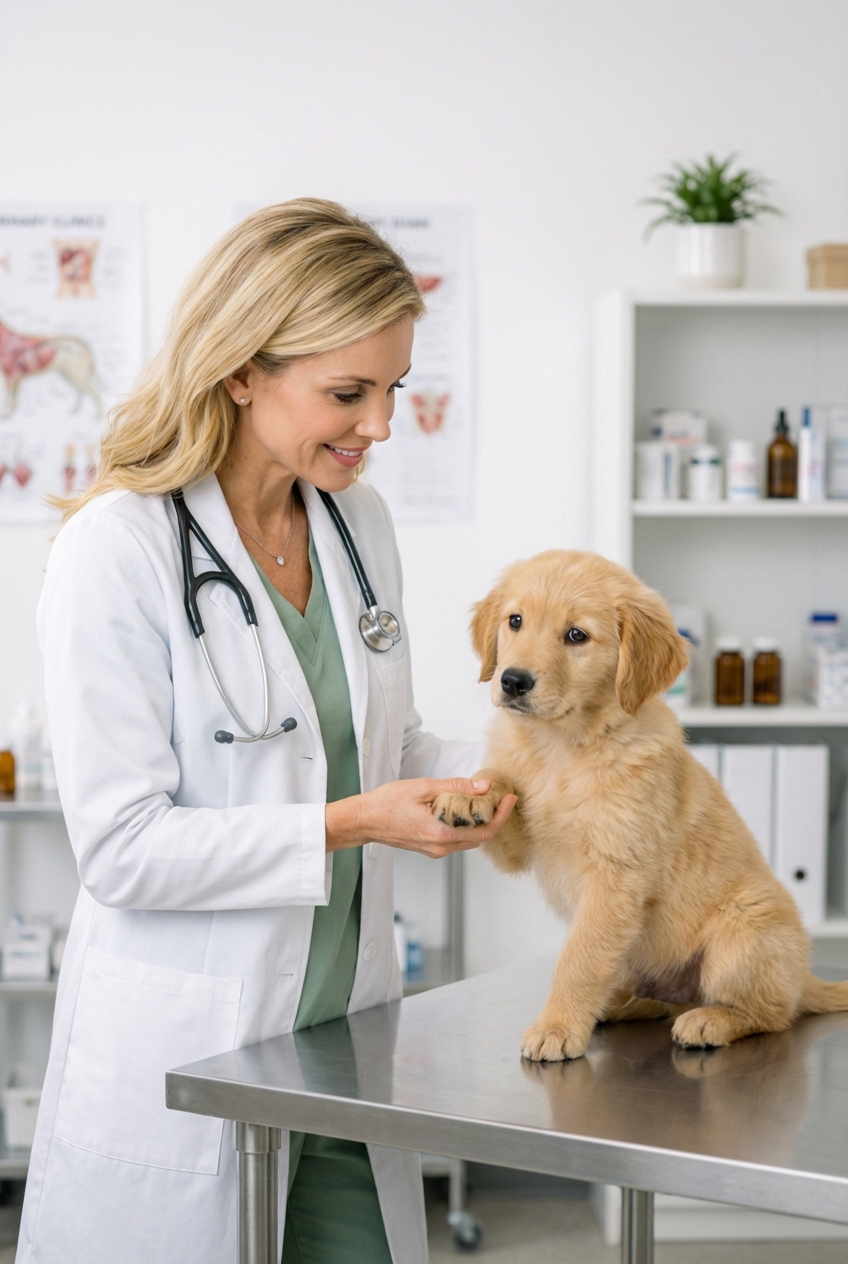
Parvo is caused by canine parvovirus type 2 (CPV-2). It is extremely hardy in the environment and spreads easily between dogs, even without direct nose-to-nose contact.
Puppies are at the highest risk because:
- They are not fully vaccinated yet. Protection builds after a series of vaccines, not just one shot.
- Maternal antibodies fade at different rates. The immunity a puppy gets from mom can wear off before the vaccine series is complete, creating a vulnerable window.
- Their bodies dehydrate faster. Vomiting and diarrhea can become life-threatening quickly in small puppies.
Adult dogs can get parvo too, especially if they are unvaccinated, under-vaccinated, or immunocompromised.
What causes parvo in dogs
Parvo is not caused by cold weather, teething, stress, or certain foods. A dog gets parvo when they are exposed to the virus and do not have adequate immunity to fight it off.
1) Exposure to infected feces
The most common cause is contact with feces from an infected dog. Parvo is shed in huge amounts in stool. Dogs can become infected when they sniff, lick, or ingest contaminated material, which can be as tiny as trace amounts on grass or pavement.
2) Contaminated environments and surfaces
Parvo can live in the environment for a long time. That means infection can happen even if you never see a sick dog.
- Yards and lawns
- Sidewalks and apartment dog run areas
- Kennels, shelters, and boarding facilities
- Pet store floors and puppy display areas
- Veterinary clinic lobbies and parking lot areas
Good facilities disinfect properly, but the virus is tough, so prevention matters everywhere.
3) People and objects as carriers
Humans cannot catch canine parvo, but we can carry the virus on our shoes, hands, clothing, or gear. So can objects like:
- Leashes and harnesses
- Food and water bowls
- Crates and bedding
- Grooming tools
- Toys and balls used in shared spaces
This is one reason parvo can spread in multi-dog homes and in community settings.
4) Dog-to-dog contact
Parvo is primarily fecal-oral, meaning it spreads when a dog ingests virus from contaminated stool or contaminated paws, fur, surfaces, or objects. Direct dog-to-dog contact can still play a role when dogs share water bowls, mouth at the same toys, or track contaminated material on their coats and feet.
But keep in mind: parvo does not require direct contact to spread.
5) Lack of vaccination or incomplete vaccine series
The biggest risk factor we see is a puppy who is not fully protected yet. Most puppies need a series of DHPP vaccinations, typically starting around 6 to 8 weeks of age and repeating every 3 to 4 weeks until at least 16 weeks. Some puppies need additional doses based on risk and veterinarian guidance.
If a puppy misses boosters or starts late, their protection may be incomplete.
Where exposure happens
Many loving owners are shocked when their puppy gets parvo because they "never went to the dog park." The truth is exposure can be surprisingly ordinary.
- Shared potty areas in apartment complexes
- Front yard and sidewalk walks where many dogs pass daily
- Visiting friends or family who recently had an unvaccinated dog over
- Rescue transports and temporary foster situations
- Puppy meet-ups before vaccines are complete
How long parvo lasts on surfaces
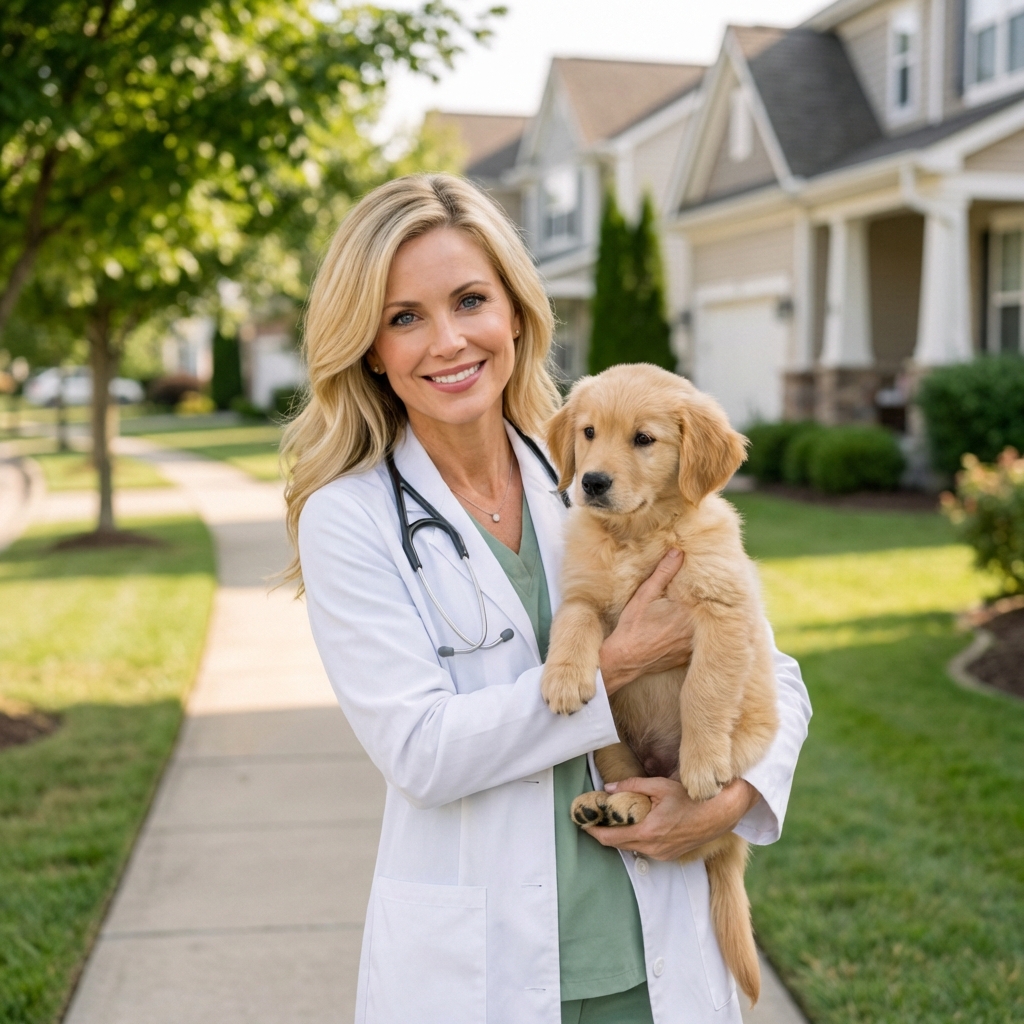
Parvo is famous for being difficult to kill. Depending on conditions like temperature, moisture, and sunlight, it can persist for months and, in some situations, up to a year. Indoor areas that are cool and protected from sunlight may hold risk longer than exposed outdoor spaces, but outdoor soil and shaded yards can still be a problem.
Because of that, the question is not only "Did my dog meet a sick dog?" It is often "Was my dog in a place where infected feces may have been weeks or months ago?"
Signs to watch for
If your dog is at risk or not fully vaccinated, treat these symptoms seriously. Early care can save lives.
- Sudden lethargy or extreme tiredness
- Loss of appetite
- Vomiting
- Diarrhea, especially watery or bloody and foul-smelling
- Fever or low body temperature
- Signs of dehydration like sticky gums or sunken eyes
If you suspect parvo, call an emergency veterinarian or your regular clinic immediately. Do not wait to see if it passes. Puppies can decline fast.
What to do after exposure
If you think your puppy had contact with a high-risk area or a dog that later tested positive:
- Call your veterinarian right away. They can advise based on vaccine status and timing.
- Watch closely for symptoms for the next 3 to 7 days. Incubation is often in this range, but it can sometimes be longer, up to about 10 to 14 days.
- Limit contact with other dogs. If illness develops, you do not want to spread it.
- Do not bring a vomiting or diarrhea puppy into a waiting room without calling first. Clinics will often have a safer plan to reduce exposure to others.
How vets test for parvo
Most clinics can test for parvo quickly using a fecal antigen test (often called a SNAP test). Your veterinarian will interpret results alongside symptoms and vaccine history.
One important nuance: in some cases, a recently vaccinated puppy may have a test result that is harder to interpret. If results and symptoms do not match, your vet may recommend repeat testing or additional diagnostics.
Treatment and outlook
Parvo treatment is supportive and often intensive. It commonly involves IV fluids, anti-nausea medications, medications to protect the gut, and antibiotics to help prevent secondary infections. Some puppies may need hospitalization for several days.
The outlook varies based on how quickly treatment starts, how sick the puppy is at presentation, and overall health. With prompt veterinary care, many dogs do survive. Without treatment, parvo can be fatal, especially in young puppies.
Prevention at home
Prevention is a mix of vaccination, smart exposure choices, and good hygiene. Here are practical, realistic steps that help.
Stay on the vaccine schedule
Parvo vaccines are highly effective when given on schedule. Work with your veterinarian to keep boosters on time. If you adopted your puppy and are unsure what they received, your vet can create a catch-up plan.
Socialize safely
Socialization matters, especially for high-energy breeds and mixes, but it should be done in low-risk ways until vaccines are complete.
- Carry your puppy in public spaces when possible
- Choose playdates only with healthy, fully vaccinated dogs
- Avoid shared potty zones, dog parks, and pet store floors
Disinfect the right way
Not all cleaners kill parvo. For hard, non-porous surfaces, a bleach solution is commonly recommended. A widely used option is 1:32 (about 1/2 cup bleach per 1 gallon of water) with a 10 minute contact time, after cleaning off all visible dirt first. Always follow product labels and talk with your veterinarian about what is safest for your home and pets.
Porous materials like soil, grass, carpet, and upholstery are harder to disinfect reliably. Your vet can guide you on risk management if you move into a home or yard with unknown parvo history.
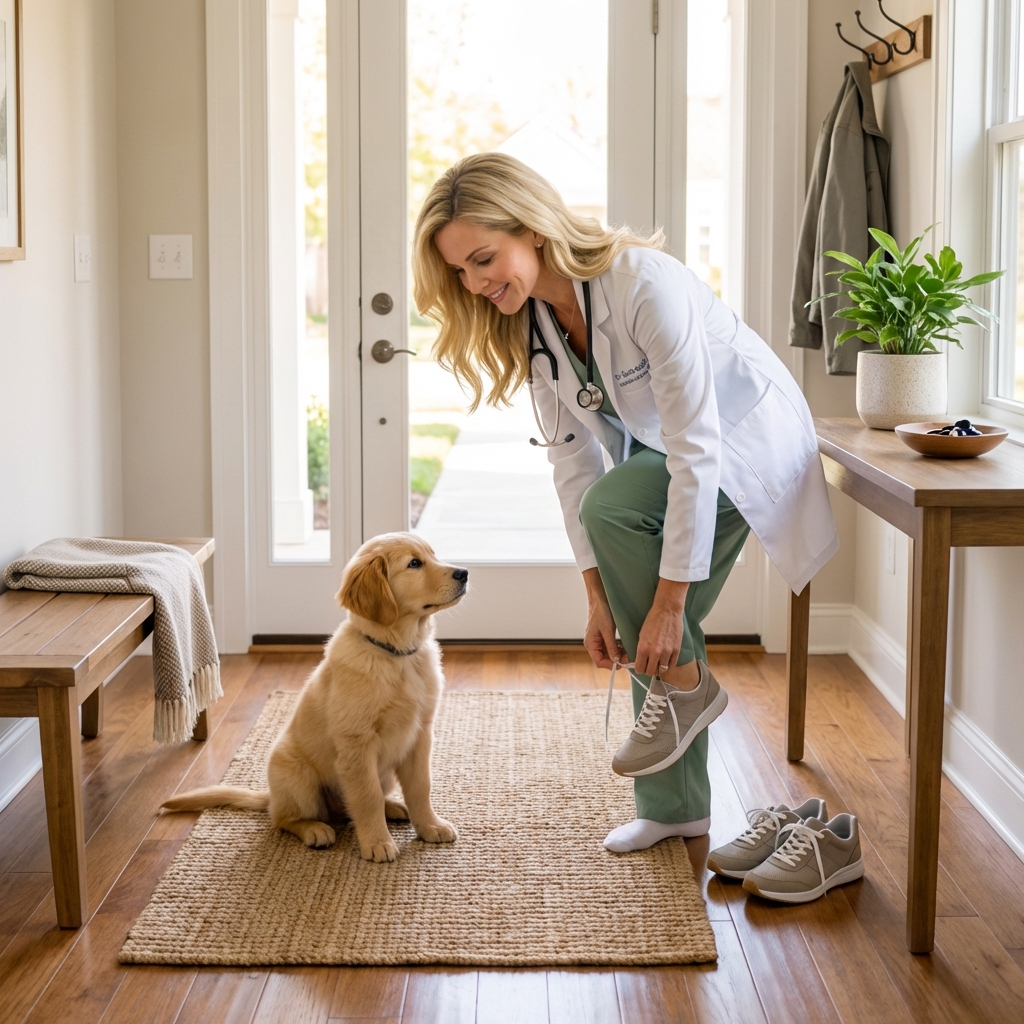
Keep a clean entry routine
If you have a new puppy, consider a simple routine:
- Remove shoes at the door
- Wipe hard soles after visiting high dog-traffic areas
- Keep your puppy from licking shoes
Cleaning after a confirmed case
If a dog in your home is diagnosed with parvo, ask your veterinarian for a specific plan. In general, these steps help reduce spread:
- Isolate the sick dog and avoid shared bowls, bedding, and potty areas.
- Pick up stool immediately and dispose of it securely.
- Disinfect hard, non-porous surfaces daily using an appropriate parvo-killing disinfectant and proper contact time.
- Wash bedding and soft items on the hottest safe setting. Some items may be safer to discard.
- Be cautious with yards: soil and grass are difficult. Your clinic can advise on realistic timelines for bringing a new puppy into that environment.
Common myths
"My puppy stays indoors so we are safe"
Indoor-only puppies can still be exposed through shoes, visitors, or shared spaces in multi-pet buildings.
"If my puppy got one shot, they are protected"
One vaccine is a start, but it is not the finish line. Full protection typically requires the full series plus time for the immune system to respond.
"Parvo only happens in shelters"
Shelters do see it often because of the number of unvaccinated dogs coming through. But parvo can show up in any neighborhood, including well-kept suburbs.
When to call your vet
Call your veterinarian if your dog is a puppy, unvaccinated, or has an unknown vaccine history and you notice any vomiting, diarrhea, or sudden lethargy. If symptoms are severe, bloody, or frequent, treat it as an emergency.
The earlier treatment starts, the better the outlook.
Key takeaways
- Parvo is caused by exposure to canine parvovirus, most commonly through infected feces or contaminated environments.
- The virus is tough and can be tracked in on shoes, gear, and shared surfaces.
- Puppies are most at risk until the vaccine series is complete.
- Vaccination plus smart, safe socialization is the best prevention plan.
- If you suspect parvo, do not wait. Call a veterinarian immediately.