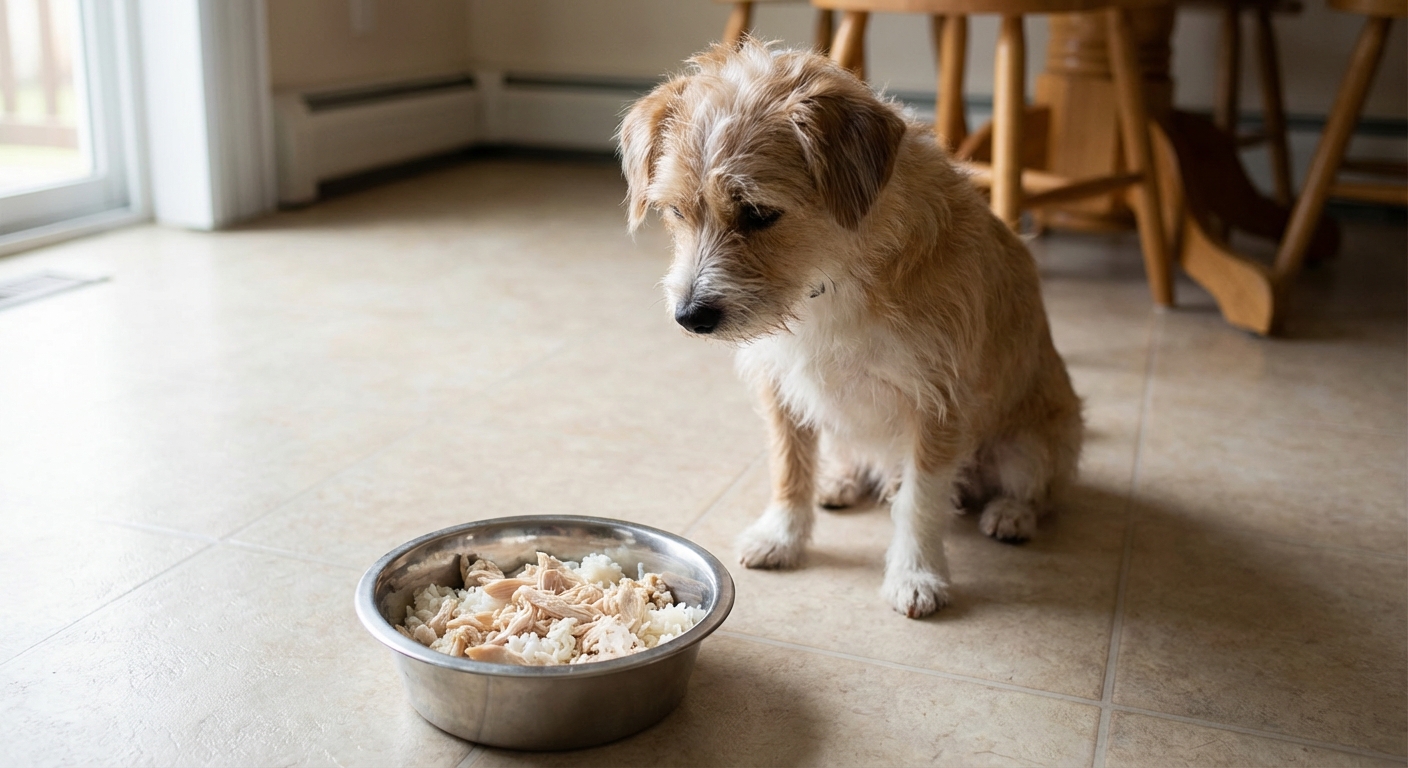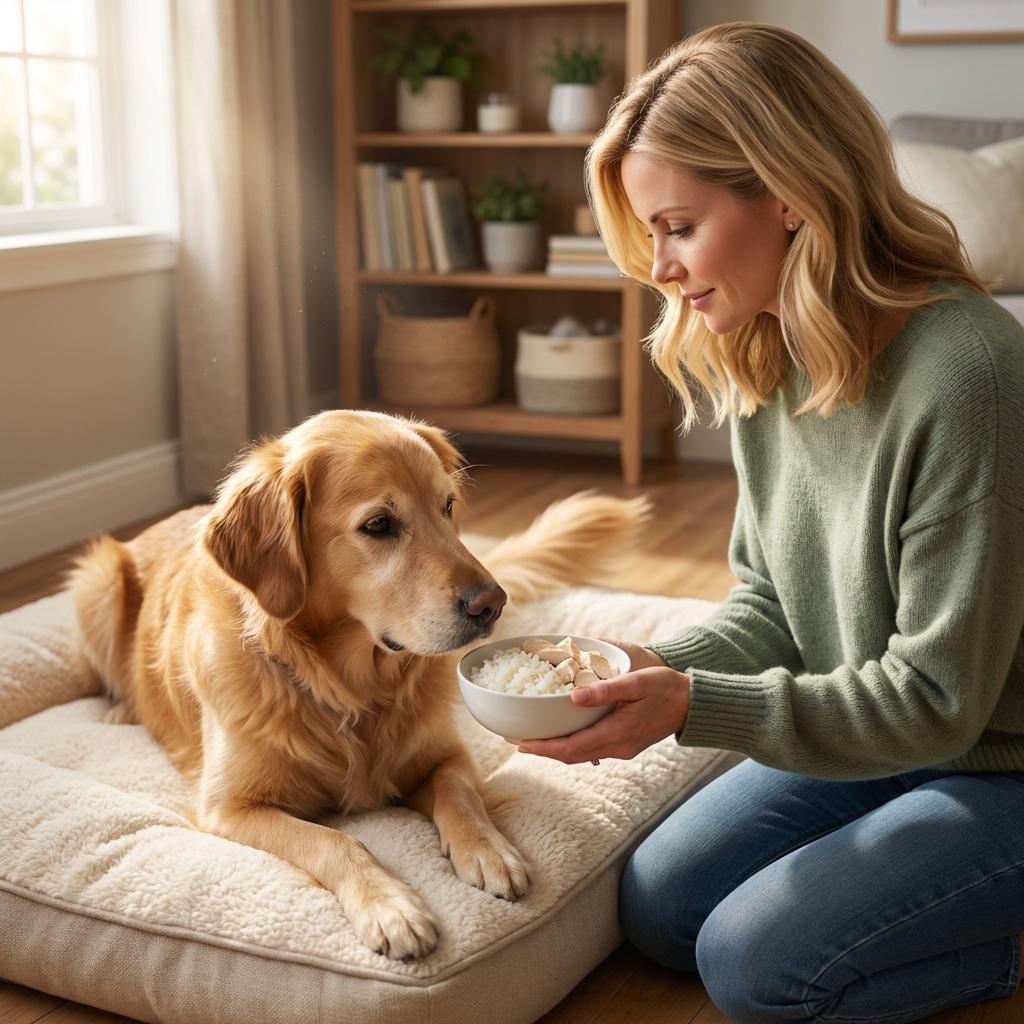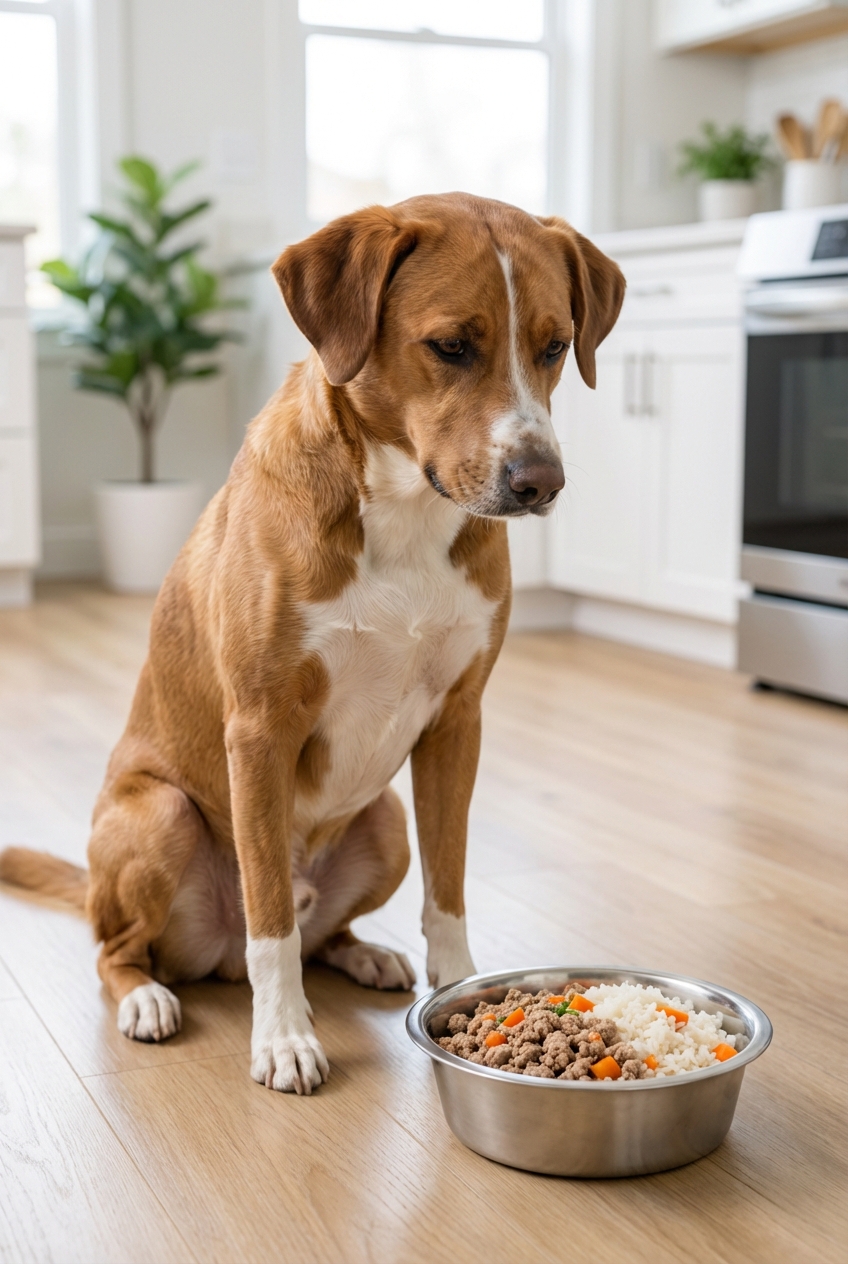
Learn what “low fat” means for dogs, how vets set fat targets, the best lean proteins and carbs, what to avoid, and starter meal templates to review with...
Article
•
Designer Mixes
What Causes Pancreatitis in Dogs

Shari Shidate
Designer Mixes contributor
Pancreatitis can feel like it comes out of nowhere. One day your dog is fine, and the next they are vomiting, refusing food, and acting like their belly hurts. As a veterinary assistant here in Frisco, Texas, I have seen how scary this is for families.
Here is what we know from clinical experience and research: pancreatitis in dogs is often linked to a combination of risk factors, not one single “mystery cause.” Once you understand the most common triggers, you may be able to reduce your dog’s risk and spot trouble earlier.
What the pancreas does
The pancreas has two big jobs:
- Digestion: it releases enzymes that help break down fat, protein, and carbohydrates.
- Blood sugar control: it produces hormones like insulin.
With pancreatitis, digestive enzymes can activate too early and start irritating and inflaming pancreatic tissue. That inflammation can range from mild to life-threatening.
Common triggers and risk factors
1) High-fat meals and “treat days”
This is the classic trigger we see around holidays and cookouts. Dogs get table scraps, greasy leftovers, bacon, sausage, brisket fat, fried foods, buttery sauces, or pan drippings. A sudden high-fat load can overwhelm digestion and is strongly associated with pancreatitis flare-ups.
Common risky foods: turkey skin, ham, ribs, pizza crust with grease, cheese-heavy snacks, fatty cuts of beef, and anything cooked in oil.
2) Getting into the trash
“Garbage gut” can be more than an upset stomach. Trash often contains spoiled meat, fatty scraps, wrappers, and unknown ingredients. Some dogs ingest a large amount of fat quickly, which can set the stage for pancreatic inflammation.
3) Obesity and long-term rich diets
Extra body fat changes how the body handles fats and inflammation. Overweight dogs tend to have a higher baseline risk. Even if a dog does not get one huge fatty meal, a consistently rich diet plus extra pounds can set the stage.
4) High blood fats (hyperlipidemia)
Some dogs have naturally higher triglycerides or cholesterol, and that can raise pancreatitis risk. Certain breeds are overrepresented, including Miniature Schnauzers. This is one reason routine wellness bloodwork can be so valuable.
5) Medications and toxin exposures
Some medications and toxin exposures have been reported in association with pancreatitis. Not every dog reacts the same way, and an association is not always the same as a proven cause. Still, it matters when your veterinarian is weighing risks and benefits.
- Medication examples that are commonly cited in reports: potassium bromide (an anti-seizure medication), L-asparaginase (a chemotherapy drug), and some immunosuppressive medications in certain situations.
- Toxins: exposures that cause systemic illness can inflame the pancreas as part of a bigger body-wide response.
Always ask your veterinarian before starting, stopping, or sharing human medications.
6) Hormone and metabolic disease
Underlying conditions can raise risk or complicate recovery, including:
- Diabetes mellitus
- Cushing’s disease (hyperadrenocorticism)
- Hypothyroidism
These conditions can alter lipid metabolism and inflammation levels in ways that make pancreatitis more likely.
7) Surgery, trauma, or severe illness
Anything that significantly affects blood flow, causes systemic inflammation, or triggers a strong stress response can be a contributor in some cases. This can include major illness, abdominal trauma, or certain surgical events.
8) Breed and individual risk
Some dogs are simply more prone. Miniature Schnauzers are well known for hyperlipidemia risk. Small breeds, middle-aged to older dogs, and dogs with a prior pancreatitis episode also tend to be at higher risk.
9) Idiopathic cases
Sometimes, even after diagnostics, we cannot pinpoint one clear trigger. That does not mean nothing caused it. It often means the cause was multifactorial or not detectable after the fact.
Commonly missed factors
1) It is often about change
A dog may tolerate a moderate-fat diet for a while, then flare after a party weekend, a boarding stay with extra treats, or a new chew. Sudden diet changes are well known to trigger GI upset. In susceptible dogs, that GI stress may precede a pancreatitis flare.
2) Treats can be the biggest fat source
Even if the main diet looks reasonable, high-calorie treats, bully sticks, cheese cubes, peanut butter overload, and “people food bites” can quietly push fat intake into the danger zone.
3) Mild episodes can repeat
Pancreatitis can be acute or chronic, and recurrence is common in some dogs. Each episode can make the pancreas more sensitive, which is why long-term prevention matters so much once a dog has had one flare.
Signs to watch for
Pancreatitis symptoms can overlap with other GI problems, but these are common red flags:
- Vomiting, especially repeated vomiting
- Loss of appetite
- Diarrhea
- Abdominal pain (praying position, tense belly, reluctance to be picked up)
- Hunched posture, panting, or reluctance to move
- Lethargy, weakness
- Dehydration
- Fever in some cases
Call your veterinarian promptly if your dog shows these signs, especially after a fatty meal or trash exposure. Severe pancreatitis can escalate quickly.
When to seek emergency care
- Repeated vomiting or your dog cannot keep water down
- Marked lethargy, weakness, or collapse
- Signs of significant pain (crying, shaking, tight belly)
- Possible dehydration (dry gums, sunken eyes, very low energy)
- Pale gums or a distended belly
If you are unsure, it is always safer to call an emergency clinic or your veterinarian for guidance.
How vets confirm it
Diagnosis is usually a combination of history, physical exam, and testing. Common tools include:
- Bloodwork to evaluate dehydration, inflammation markers, electrolytes, and organ function
- Pancreas-specific tests (often a canine pancreatic lipase test) to support diagnosis
- Ultrasound to look for pancreatic changes and rule out other causes
Because other illnesses can mimic pancreatitis, testing helps your vet choose the safest, most effective plan.
What treatment looks like
Treatment depends on severity and your dog’s overall health. Many plans include:
- Fluids (sometimes IV fluids) to correct dehydration and support circulation
- Anti-nausea medication to control vomiting and help appetite return
- Pain control because pancreatitis is painful
- Diet management with a veterinarian-recommended, easy-to-digest, lower-fat approach
Some dogs can be treated at home, while severe cases need hospitalization and close monitoring. Your veterinarian will tailor treatment to your dog’s needs.
Early steps at home
If you suspect pancreatitis, do not try to “wait it out.” While you are getting veterinary help, these are reasonable first steps for many dogs:
- Stop all treats and people food, especially anything fatty.
- Call your veterinarian the same day for advice and next steps.
- Do not force food if your dog is nauseated or vomiting.
- Offer small amounts of water if your dog is not actively vomiting, and follow your vet’s guidance.
Avoid giving over-the-counter meds unless your veterinarian specifically tells you to.
Prevention at home
Keep fat surprises away
- Use locking trash cans or keep trash behind a closed door.
- Put leftovers away immediately and wipe pans before they sit out.
- Tell guests clearly: no table scraps, not even a little bite.
Choose lower-fat treats
For many dogs, treats should be tiny and boring. That is not cruelty. That is prevention. Consider veterinarian-approved options like small pieces of lean cooked chicken breast, or low-fat dog treats made for sensitive stomachs.
If you use popcorn, keep it plain, offer only small pieces, and avoid butter, salt, and unpopped kernels (choking risk). If your dog has had pancreatitis before, ask your veterinarian before adding new snacks.
Maintain a healthy weight
If your dog is overweight, ask your veterinarian for a safe weight-loss target and a feeding plan. Even modest weight loss can improve metabolic health and lower inflammation risk.
Transition foods slowly
When switching diets, take 7 to 10 days (sometimes longer for sensitive dogs). Abrupt change can trigger GI upset and, in a dog prone to pancreatitis, may be part of what tips them into a flare.
Ask about screening
If your dog is a Miniature Schnauzer, has had pancreatitis before, has Cushing’s disease, diabetes, or unexplained high triglycerides, talk to your vet about monitoring and the best long-term diet strategy.
If your dog has had it before
Many dogs do great long-term with the right plan. The usual prevention approach includes:
- A consistent low-fat diet recommended by your veterinarian
- Low-fat treats only, measured and limited
- No rich chews unless your veterinarian says they are safe for your dog
- Routine check-ins if your dog has other conditions like diabetes or Cushing’s
If you are interested in homemade food for a dog with pancreatitis history, do not wing it. Work with your veterinarian or a board-certified veterinary nutritionist so the diet is truly low-fat and complete.
Bottom line
Pancreatitis is not always preventable, and some cases happen even when you do everything “right.” But many cases are linked to fatty foods, trash raids, extra weight, and underlying metabolic issues. The key is consistency: consistent diet, consistent treat choices, and consistent boundaries around people food.
If you want, tell me your dog’s breed, age, and what they typically eat, and I can share practical low-fat treat ideas and prevention tips to discuss with your veterinarian.