Learn what causes hot spots in dogs and how to treat mild cases at home: prevent licking, clip for airflow, clean and dry well, use pet-safe antiseptics, and...
Article
•
Designer Mixes
What Causes Hot Spots on Dogs

Shari Shidate
Designer Mixes contributor
Hot spots can show up fast, look scary, and make your dog absolutely miserable. In the clinic, we often see a small itchy patch turn into a big, oozing, painful sore in a day or two because dogs lick, chew, and scratch nonstop.
Quick definition: A hot spot is a sudden, localized area of inflamed skin that often becomes moist and infected if the licking and scratching does not stop.
The good news is that once you understand what causes hot spots, you can prevent many of them and get help early when they do appear.
Hot spots are common in dogs of all ages, from playful puppies to seniors with thinner skin. They are not contagious, but they are often a sign that something underneath needs attention, like allergies, fleas, ear infections, or moisture trapped in the coat.
What is a hot spot?
A “hot spot” is the everyday name for acute moist dermatitis. It is a localized area of intense skin inflammation, and secondary bacterial or yeast overgrowth is common. It usually looks like a red, wet, irritated patch of skin. The hair may be matted or missing, and the area may have a bad odor if infection is involved.
Hot spots are often triggered by itchiness. Your dog scratches or licks to relieve the itch, but that self-trauma breaks the skin barrier, invites microbes to overgrow, and makes the itch even worse. It becomes a cycle.
Why hot spots spread fast
Dog skin is protected by a delicate barrier. When that barrier is damaged, microbes that normally live on the skin can overgrow. Add moisture, warmth, and constant licking, and you get the perfect environment for a hot spot to expand.
- Itch begins (allergies, fleas, irritation)
- Licking and scratching breaks the skin
- Moisture and bacteria build up
- Inflammation increases, making the itch stronger
- The sore expands rapidly, sometimes over hours
Most common causes
In my experience as a veterinary assistant, hot spots are usually not random. Most dogs have an underlying reason they got itchy or wet in the first place. Here are the big ones.
1) Fleas and flea allergy dermatitis
You do not have to see fleas to have a flea problem. One bite can trigger a major reaction in sensitive dogs. Dogs with flea allergy dermatitis can develop intense itching, especially near the tail base, hips, belly, and inner thighs.
What to do: Use a veterinarian-recommended flea prevention consistently, year-round, and treat all pets in the household.
2) Environmental allergies (atopy)
Pollens, grasses, molds, and dust mites can cause itchy skin, recurrent ear infections, and licking of feet. Allergy season is a classic time for hot spots.
Clues: face rubbing, paw chewing, belly rash, frequent ear scratching, or seasonal flare-ups.
3) Food sensitivities
Some dogs react to certain proteins or ingredients. Food sensitivities can contribute to chronic itching, ear issues, and skin infections that make hot spots more likely.
Note: A true food trial should be guided by your veterinarian to be meaningful and safe.
4) Ear infections
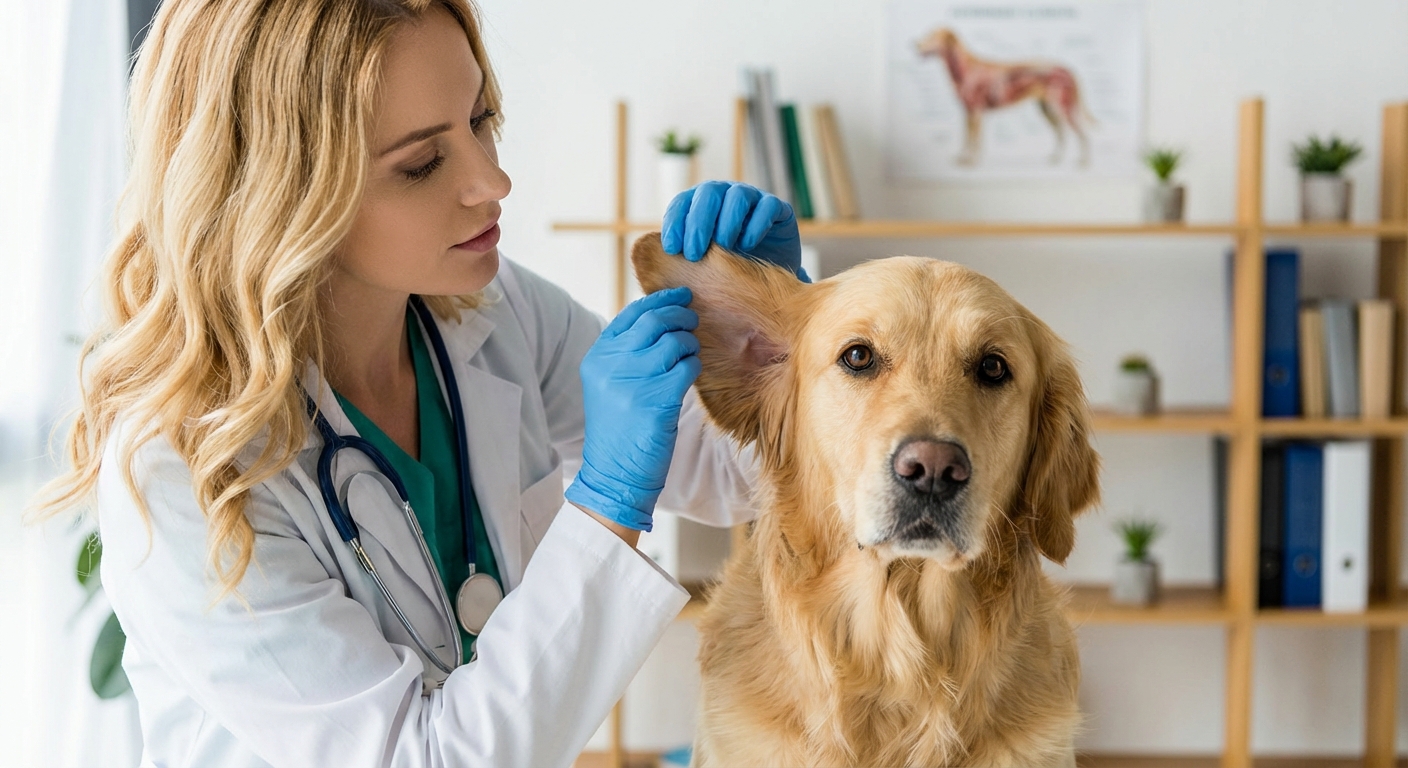
Many hot spots happen behind the ears or on the cheek because an ear infection makes dogs scratch that side of the head. That scratching can break skin fast.
Tip: If your dog keeps shaking their head or scratching one ear, do not just treat the skin. The ear may be the real source.
5) Moisture trapped in the coat
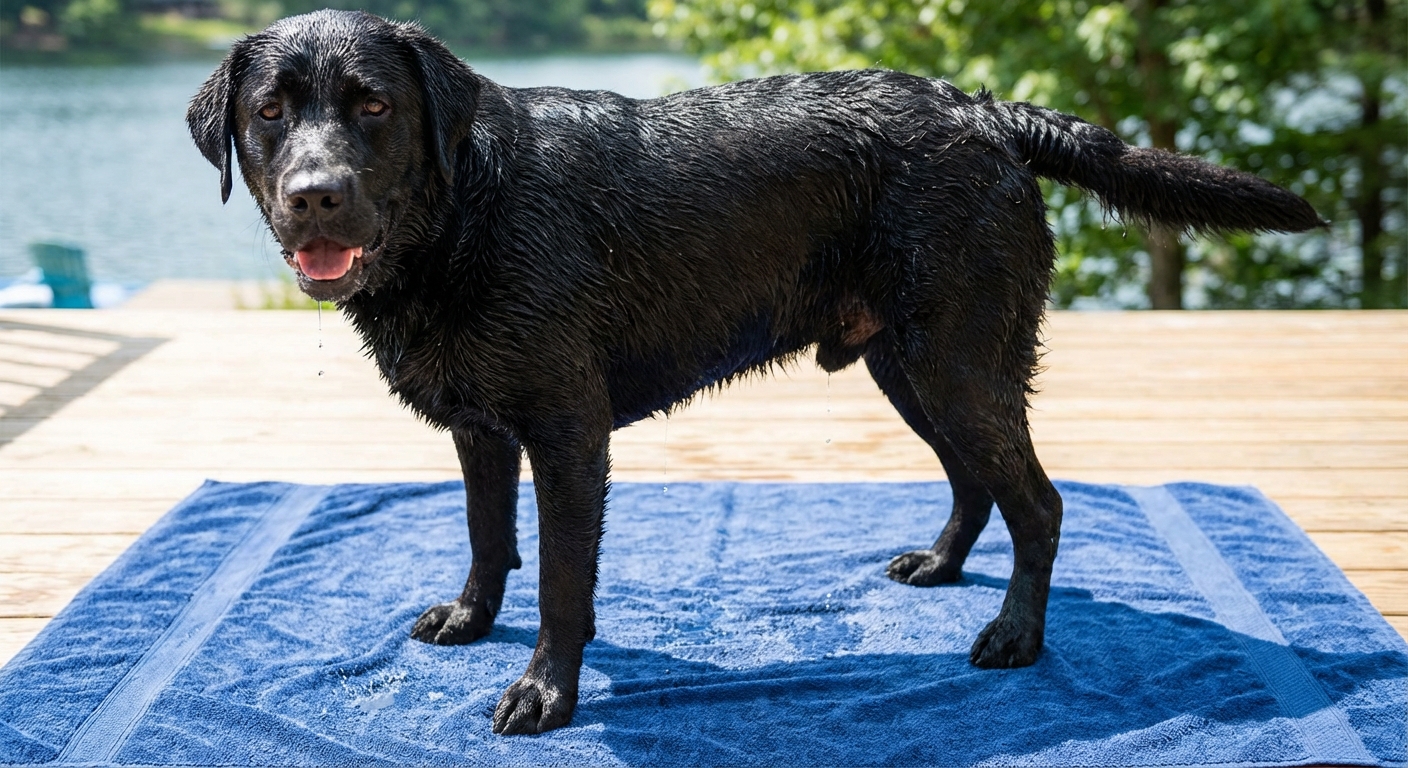
Swimming, baths, rainy walks, and humid weather can leave moisture against the skin, especially in thick-coated dogs. This is why hot spots are common after lake days or frequent grooming.
Higher-risk coats: double coats (Golden Retrievers, Labs), long coats, and dogs with dense undercoats.
6) Matted fur and poor airflow
Mats trap moisture and bacteria and pull on the skin, making irritation worse. A small mat can hide a hot spot until it becomes large.
7) Bug bites and skin irritation
Mosquito bites, fly bites, ant stings, or contact with irritating plants can start the itch-scratch cycle.
8) Pain, stress, or boredom licking
Some dogs lick compulsively when they are anxious or understimulated. Others lick one area because it hurts, such as arthritis in a joint. That repeated licking can create a hot spot, especially on legs.
9) Underlying skin infection (bacteria or yeast)
If your dog already has a bacterial or yeast imbalance, the skin is more reactive and easier to damage. Hot spots can be a symptom of a bigger skin issue that needs treatment.
Who is most at risk?
Any dog can get a hot spot, but certain factors increase risk:
- Thick or long coats that hold moisture
- Allergy-prone dogs with recurring itchiness
- Dogs that swim often or are bathed frequently without thorough drying
- Dogs with ear infections or anal gland issues
- Overweight dogs with skin folds that trap moisture
- Seniors with thinner skin or mobility pain that leads to licking
Hot spots by age
Puppies
Puppies often get hot spots from fleas, playing in water, or early allergies. They also explore the world with their mouths, so licking can escalate quickly. Keep flea prevention consistent and dry them well after baths.
Adult dogs
Adults commonly develop hot spots from allergies (seasonal or year-round), ear infections, and moisture trapped in the coat. This is the age group where prevention routines really pay off.
Senior dogs
Seniors may have thinner skin and slower healing. Arthritis or other pain can trigger repetitive licking. If a senior develops a hot spot, it is worth checking for mobility discomfort and underlying infection.
Is it a hot spot?
Hot spots can look similar to other skin problems, so it helps to know what is typical.
- Hot spot signs: sudden onset, intense itching, red moist skin, oozing or crusting, hair loss around the patch, painful to touch
- Ringworm signs: often circular hair loss that is dry and scaly; itching can be mild, but it varies
- Mange signs: depends on the type. Sarcoptic mange is usually intensely itchy and contagious. Demodectic mange is often less itchy but can cause patchy hair loss and secondary infection
- Allergy rash: redness, bumps, and itching, often on belly, paws, ears; may not be wet at first
If you are not sure, a veterinary visit is one of the best ways to avoid delays and get the right treatment.
What you can do now
Small, early hot spots can sometimes be managed at home, but you have to act quickly and safely. If the area is large, very painful, bleeding, or your dog will not stop chewing, it is time to call your veterinarian.
Safety note: A painful dog may bite, even a normally sweet one. If your dog is snapping, growling, or cannot be handled calmly, do not try to clip or clean the area. Go to the vet.
Step 1: Stop the licking
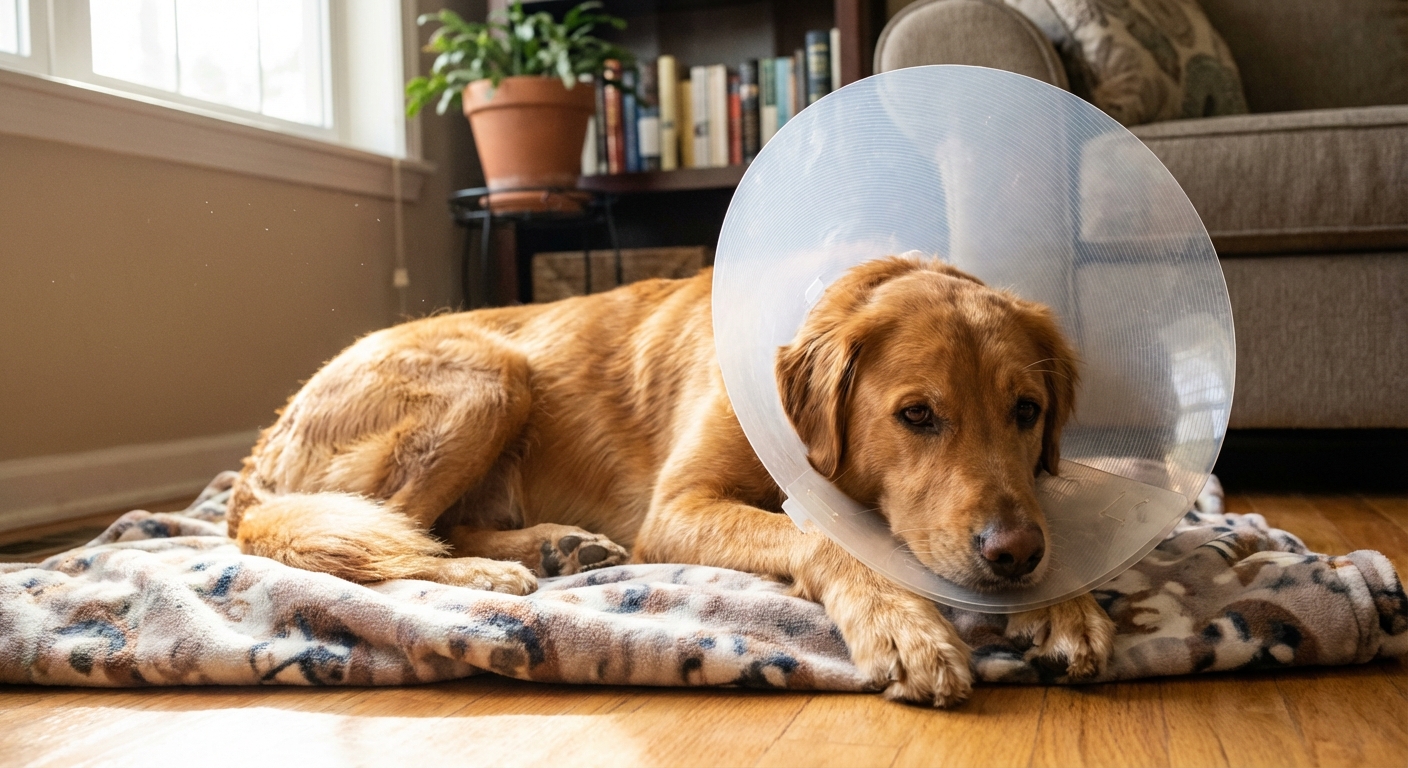
Use an e-collar (cone) or a recovery collar. This is essential. If the licking continues, the spot will keep growing.
Step 2: Clip and dry (only if safe)
If it is safe and you can do it without stressing your dog, carefully clip fur around the area to allow airflow. Do not use scissors close to the skin. If you cannot clip it safely, skip this and let your vet do it. In the clinic, we often need to shave the area to the skin to fully treat it, and some dogs need sedation if they are painful.
Step 3: Clean gently
Clean with a veterinary-recommended antiseptic, often chlorhexidine-based, and pat dry. Avoid hydrogen peroxide or alcohol because they can damage healing tissue and sting badly.
Avoid human products unless your vet directs you: steroid creams, zinc oxide diaper creams, lidocaine or benzocaine sprays, and essential oils can worsen irritation or be unsafe if licked.
Step 4: Monitor closely
If it is not clearly improving within 24 hours, or if it is spreading, schedule a veterinary exam.
When to call the vet
- The hot spot is larger than a couple of inches or spreading quickly
- Your dog seems painful, lethargic, or is not eating normally
- There is pus, strong odor, or significant swelling
- The hot spot is on the face, near the eyes, or near the genitals
- Your dog has multiple hot spots
- Your dog has recurring hot spots (you need an underlying cause plan)
- You cannot safely stop licking or clip the area
Treatment may include prescription topical medications, anti-itch medication, and addressing the trigger (fleas, allergy control, ear treatment, grooming changes). Vets choose antibiotics based on severity. Many cases do well with topical therapy, while oral antibiotics may be needed for deeper infection, severe cases, or when there are systemic signs.
Prevention that works
Most prevention comes down to controlling itch triggers and keeping the skin dry and healthy.
- Use reliable flea prevention year-round, not just in summer.
- Dry thoroughly after swims and baths, especially under the ears, around the neck, and in dense coat areas.
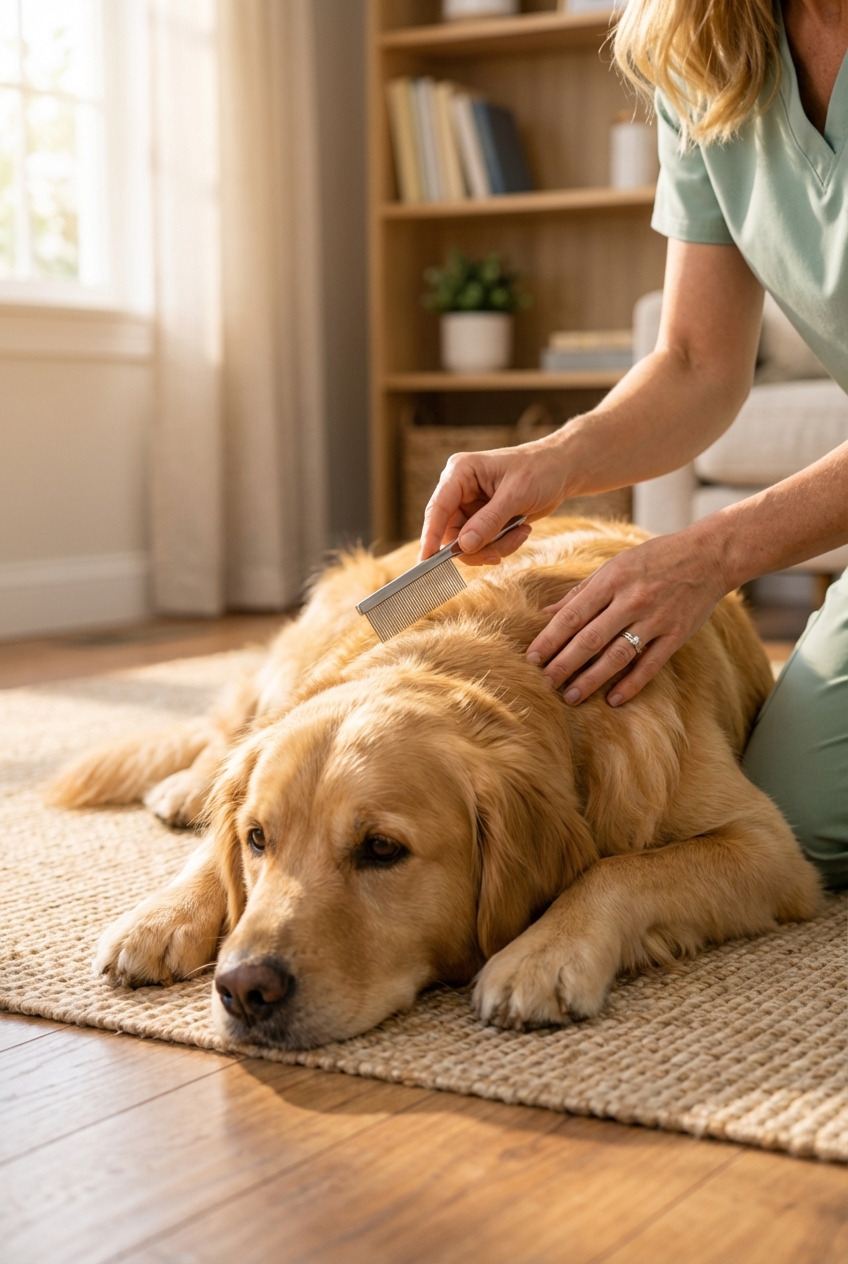
- Brush routinely to prevent mats and improve airflow to the skin.
- Check ears weekly, especially in floppy-eared dogs or swimmers.
- Address allergies early with your veterinarian. Waiting often leads to secondary infections.
- Support skin health with balanced nutrition and vet-approved omega-3s when appropriate.
- Keep nails trimmed to reduce skin trauma from scratching.
Hot spots are often the smoke, not the fire. If your dog gets them repeatedly, your best long-term solution is finding and managing the underlying trigger.
FAQ
Are hot spots contagious?
No. But the underlying issue, like fleas, can affect other pets, so it is smart to check everyone.
Do hot spots mean my dog is dirty?
Not at all. Many very well-cared-for dogs get hot spots, especially allergy-prone dogs. The key factor is itch and moisture, not cleanliness.
Can diet help prevent hot spots?
A balanced diet that supports skin health can help, and some dogs benefit from targeted food trials if food sensitivity is suspected. Work with your veterinarian so changes are evidence-based and nutritionally complete.
How long do hot spots take to heal?
With proper treatment and licking prevention, many improve noticeably within a few days and heal in about 1 to 2 weeks. Severe cases can take longer.
Why do hot spots keep coming back?
Recurrence usually means the trigger is still there, such as uncontrolled allergies, missed flea prevention, chronic ear infections, or ongoing moisture and matting. Your vet may recommend an allergy plan, ear cytology, skin testing for infection (and sometimes culture), and a prevention routine you can actually stick with.
Bottom line
Hot spots are painful, fast-moving skin flare-ups that usually start with itching or trapped moisture, and secondary infection is common. If you catch them early, stop the licking, and address the underlying cause, most dogs recover well. If you are seeing repeat hot spots, think of it as your dog’s skin asking for a better prevention plan, not a failure on your part. You are doing the right thing by learning what causes them and taking action.