Vet-assistant tips to ease dog allergy itch safely at home: rinses, oatmeal baths, omega-3s, cool compresses, and lick prevention—plus remedies to avoid an...
Article
•
Designer Mixes
What Causes Hives in Dogs

Shari Shidate
Designer Mixes contributor
Hives in dogs can look scary, especially when they seem to pop up out of nowhere. One minute your pup is fine, and the next you are seeing raised bumps, swelling around the face, or intense itching. As a veterinary assistant here in Frisco, Texas, I can tell you this: most hives are caused by an allergic reaction, and many cases improve quickly with the right care. But some can turn serious fast, so it helps to know what you are looking at and what to do next.
What dog hives look like
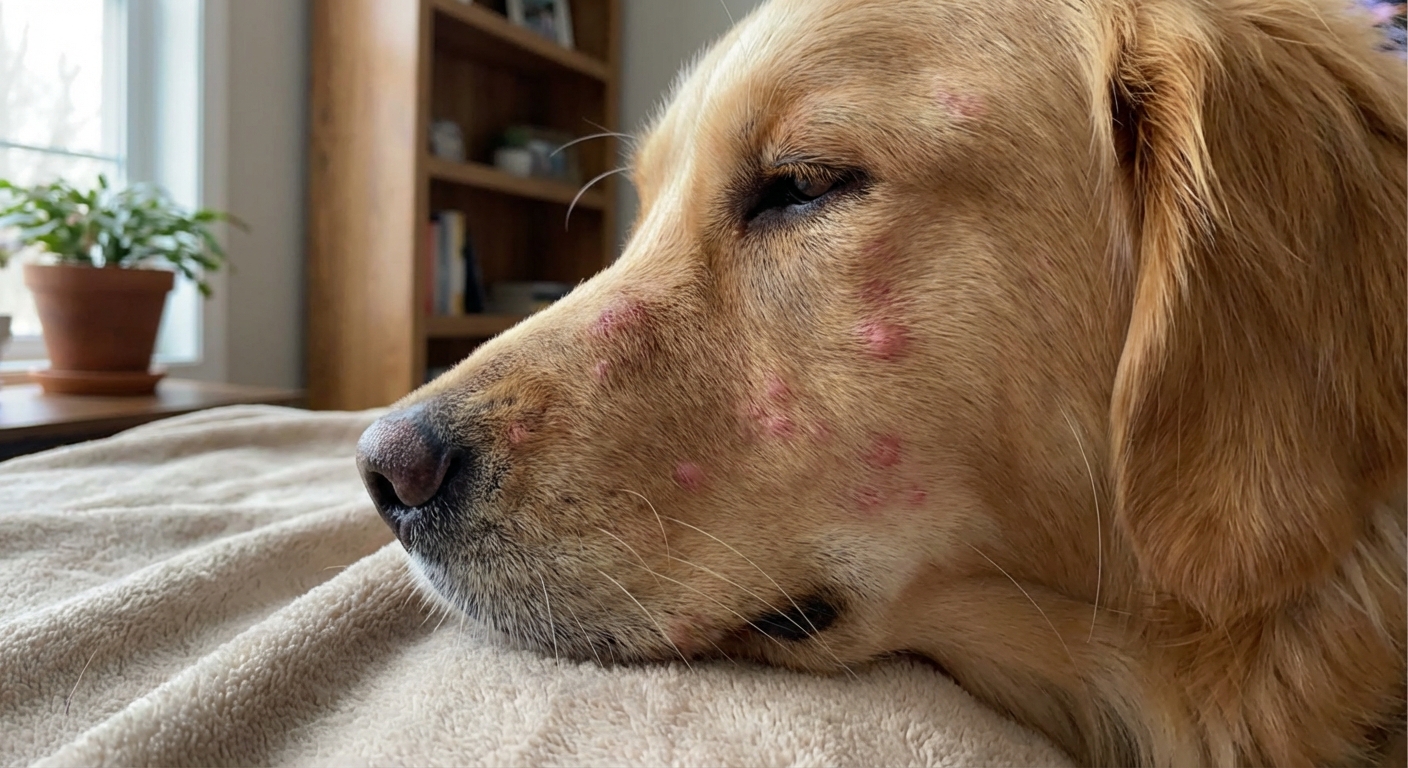
Hives are also called urticaria. They are raised, often round or irregular welts that can appear anywhere on the body. On dogs, you might notice:
- Sudden bumps that seem to come and go
- Itching, rubbing the face on the carpet, or rolling more than usual
- Facial swelling, especially eyelids, muzzle, or ears
- Redness under the coat or on the belly
- Restlessness or discomfort
Because dogs have fur, hives can be easier to feel than see. Run your hands gently over the coat, including against the grain, and you may notice bumpy patches that were not there earlier.
What it is vs. what it might be
Not every itchy bump is a hive. If you are unsure, that is normal. Here are a few common look-alikes that may need different treatment:
- Flea allergy dermatitis: lots of itching, scabs, and hair loss (often over the back end) rather than smooth, puffy welts
- Contact dermatitis: red, irritated skin (often belly or feet) without the classic raised wheals
- Hot spots: moist, painful, rapidly spreading sores from licking and scratching
- Mange or mites: intense itch and patchy hair loss, often not sudden
- Ringworm: circular hair loss and scaling (not usually sudden swelling)
- Facial swelling from a tooth problem or abscess: usually one-sided, painful, and not accompanied by widespread welts
- Angioedema: deeper swelling (often face) that can occur with or without obvious hives
If your dog has facial swelling and you do not see clear hives, it is still worth calling your veterinarian promptly.
Must-know causes of hives in dogs
Most hives are triggered by the immune system reacting to something it thinks is a threat. Sometimes the trigger is obvious, and sometimes it takes a little detective work.
1) Insect bites and stings
Bee stings, wasp stings, fire ants, and mosquitoes can cause hives. Outdoor playtime in Texas yards can increase exposure, especially in warm months. Spider bites are rare and often suspected more than confirmed, but any bite or sting can potentially trigger a reaction.
- Clue: hives start soon after being outside, plus pawing at the face or a single tender spot
2) Environmental triggers (pollen, grass, mold, dust)
Just like people, dogs can react to pollen and other airborne allergens. Most environmental allergies show up as ongoing itching, paw licking, and ear issues. Hives are more often an acute reaction, but heavy exposure or contact with allergens can sometimes contribute.
- Clue: flare-ups at certain times of year, after yard time, or on windy high pollen days
3) Food reactions
Food allergies and sensitivities are more complicated than most people realize. True food allergies in dogs usually cause chronic itch and recurrent ear or skin infections. That said, some dogs can have a more sudden reaction, including hives, after a new treat, chew, or diet change.
- Common triggers: certain proteins (chicken, beef, dairy), eggs, and sometimes additives
- Clue: hives after a new treat, chew, table food, or diet change
4) Medications and vaccines
Some dogs develop hives after vaccinations, antibiotics, pain medications, flea and tick products, or dewormers. This is not the same as saying vaccines are unsafe. It means some dogs have individual reactions that need to be noted in the medical record.
- Clue: hives within minutes to a few hours after a medication or vaccine appointment
5) Contact reactions
Dogs can react to something that touches the skin. This can include certain shampoos, grooming sprays, detergents, lawn chemicals, or plants.
- Clue: welts mostly on the belly, feet, or areas that contacted grass, carpet, or a newly washed blanket
6) Heat or stress triggers (rare)
Rarely, dogs can get hives linked to overheating, intense excitement, or stress. Because this is uncommon, it is smart to loop your veterinarian in to rule out more likely causes and build a plan.
- Clue: hives after a very hot walk, intense play, or a stressful event like boarding
7) Underlying infections or chronic allergic disease
Occasionally, hives are part of a bigger allergy picture or another medical issue affecting the immune system. Dogs with repeated episodes should be evaluated by a veterinarian.
When hives are an emergency
Most hives are uncomfortable but not life-threatening. The urgent concern is anaphylaxis, a severe allergic reaction that can affect breathing and circulation.
Go to an emergency vet now if you notice any of the following:
- Difficulty breathing, noisy breathing, or persistent coughing
- Swelling that affects the throat or tongue
- Vomiting or diarrhea along with hives
- Weakness, collapse, pale gums, or acting “out of it”
- Rapidly worsening facial swelling
If your gut says this is escalating fast, trust that instinct and get help right away. Severe allergic reactions can progress quickly.
What you can do at home
If your dog has mild hives and is breathing normally, these steps can help while you contact your veterinarian for guidance.
Step 1: Remove the suspected trigger
- Bring your dog indoors if the reaction started outside.
- Stop any new treat, chew, supplement, or food.
- Do not reapply a product that could be the cause (shampoo, spray, flea product).
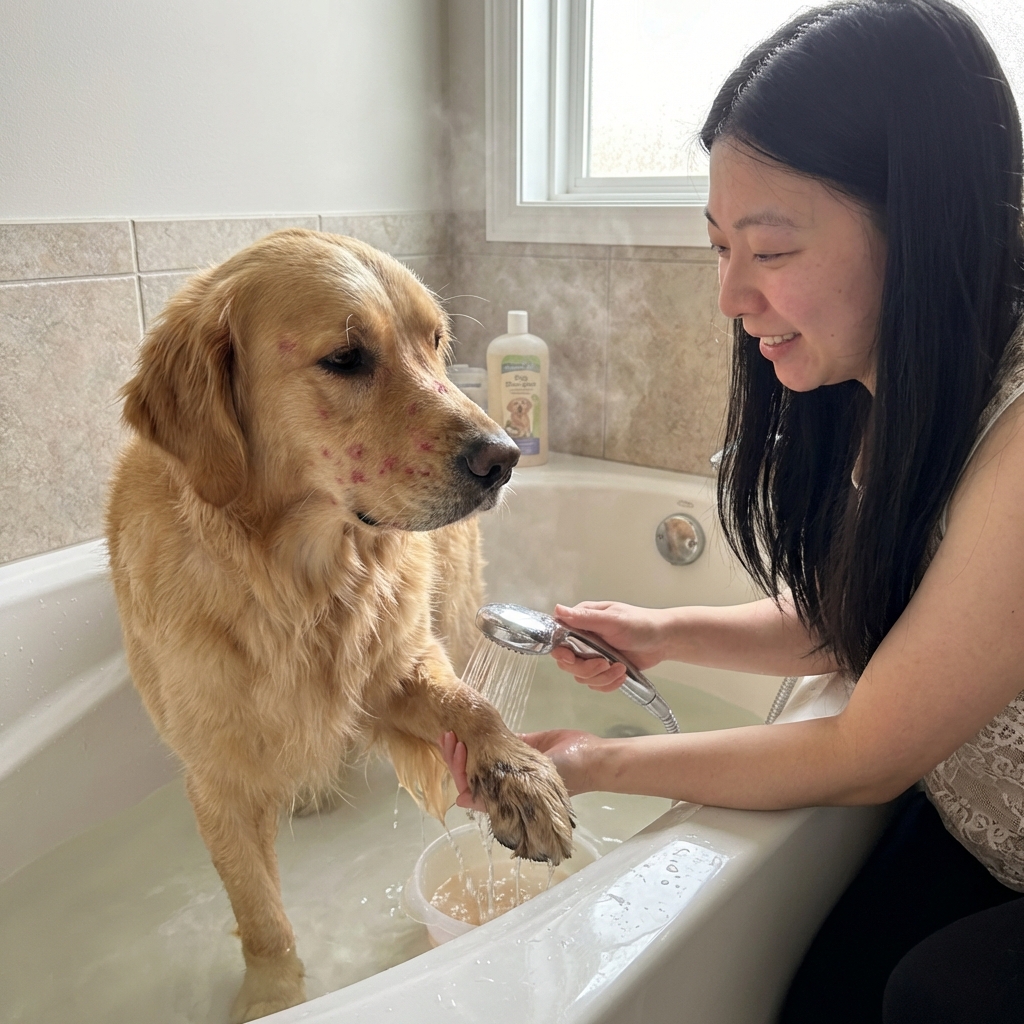
Step 2: Rinse if contact exposure is likely
If you suspect grass, pollen, or a topical irritant, a gentle rinse can help.
- Use lukewarm water to rinse paws and belly.
- A mild, fragrance-free dog shampoo can be helpful if your veterinarian agrees.
Step 3: Call your veterinarian before giving medications
Many owners ask about antihistamines. Some are commonly recommended for dogs, but the right choice and dose depends on your dog (weight, age, other conditions, and current medications). Also, some human products include added ingredients that are not safe for dogs.
- Call your vet or an emergency clinic for exact instructions.
- Do not use combination cold or allergy products.
- Avoid human topical creams or gels (including anti-itch creams) unless your vet specifically okays them. Dogs can lick them off and ingest ingredients that do not belong in their system.
Step 4: Monitor closely for 4 to 6 hours
Hives can change quickly. Take a photo and note timing. If symptoms progress, do not wait. Even if there is no emergency, contact your veterinarian if hives persist into the next day, keep returning, or you cannot identify a likely trigger.
Tips to prevent flare-ups
Prevention is not just about products. It is about building habits that reduce exposure and make care easier when something does happen.
Train a calm “check me” routine
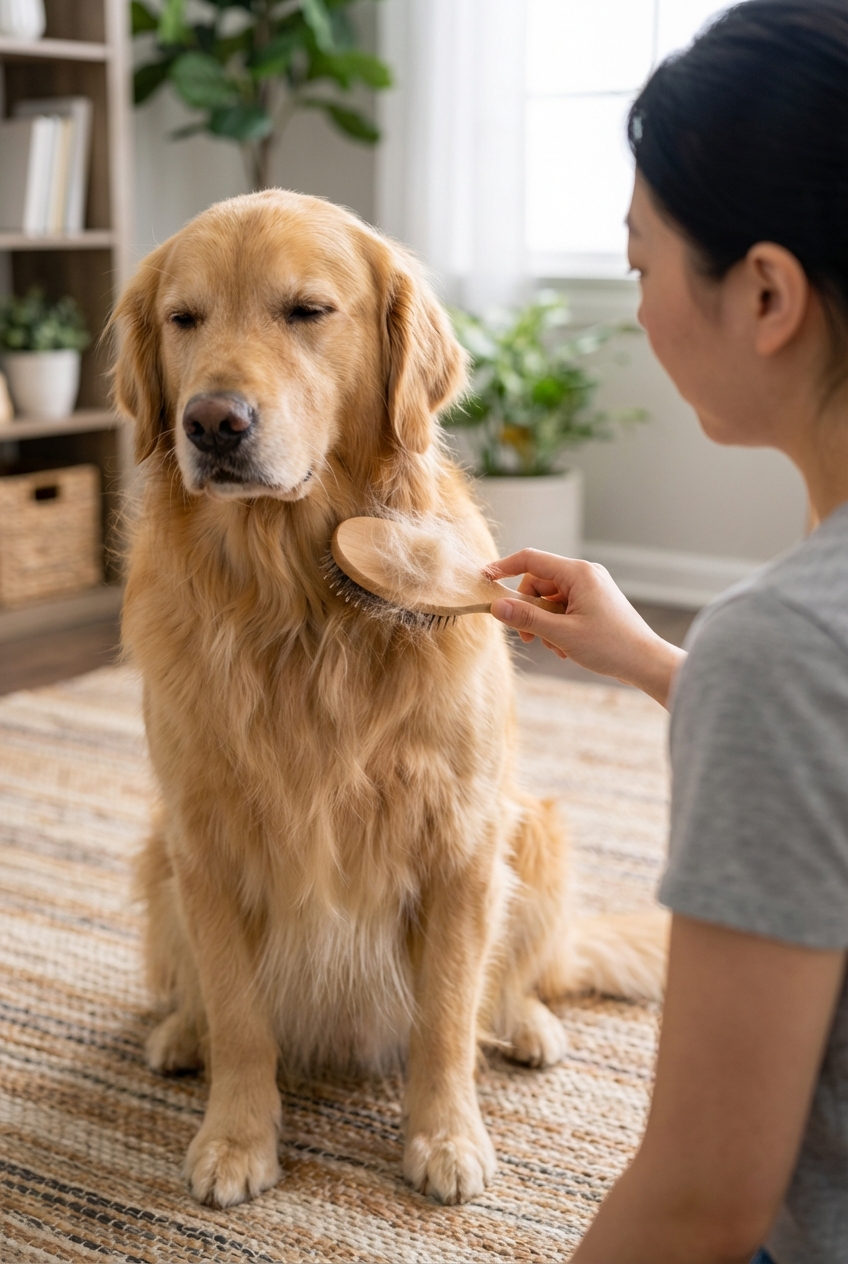
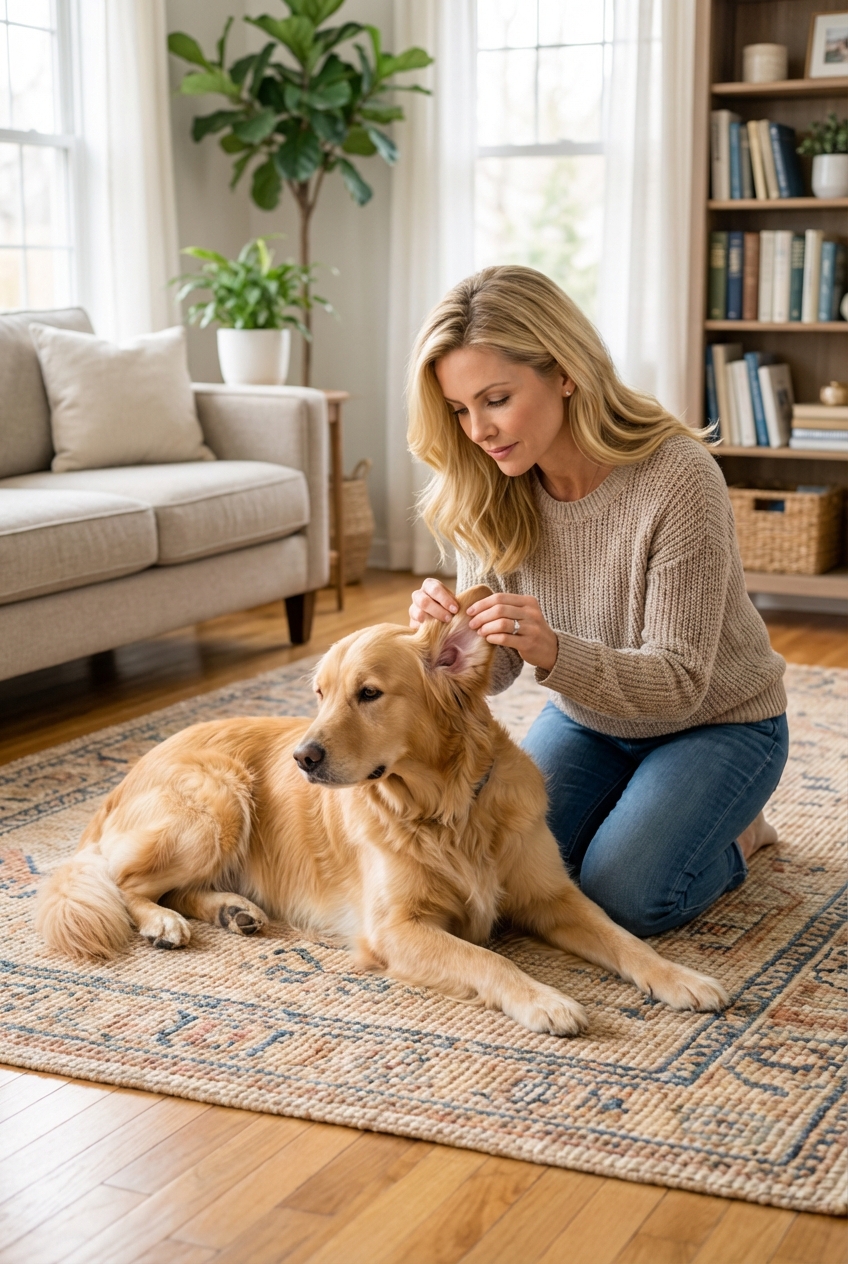
Teach your dog to stand still for quick skin checks. This helps you spot swelling early and reduces stress during flare-ups.
- Practice a 10-second body scan daily: face, ears, belly, and paws.
- Reward calm behavior with a small, familiar treat.
Desensitize for baths and paw rinses
If pollen and grass are a trigger, quick rinses can be part of your routine. Make it positive.
- Start with touching paws and rewarding.
- Add brief water exposure, then reward again.
- Keep sessions short and predictable.
Use a simple “new item” rule
Whether it is a new treat, chew, shampoo, or supplement, introduce one new thing at a time. That way, if hives show up, you have a clearer suspect list.
Keep a hives log
This is one of the most helpful tools for recurring cases. Write down:
- Date and time hives started
- Where your dog was (park, backyard, grooming)
- Foods and treats in the last 24 hours
- Any medications, vaccines, or preventives
- How long it lasted and what helped
Support the skin barrier
Dogs with sensitive skin often do better with gentle grooming and nutrition that supports the skin and coat. Ask your veterinarian about options like omega-3 fatty acids and whether a diet trial makes sense if food is suspected.
What your vet may do
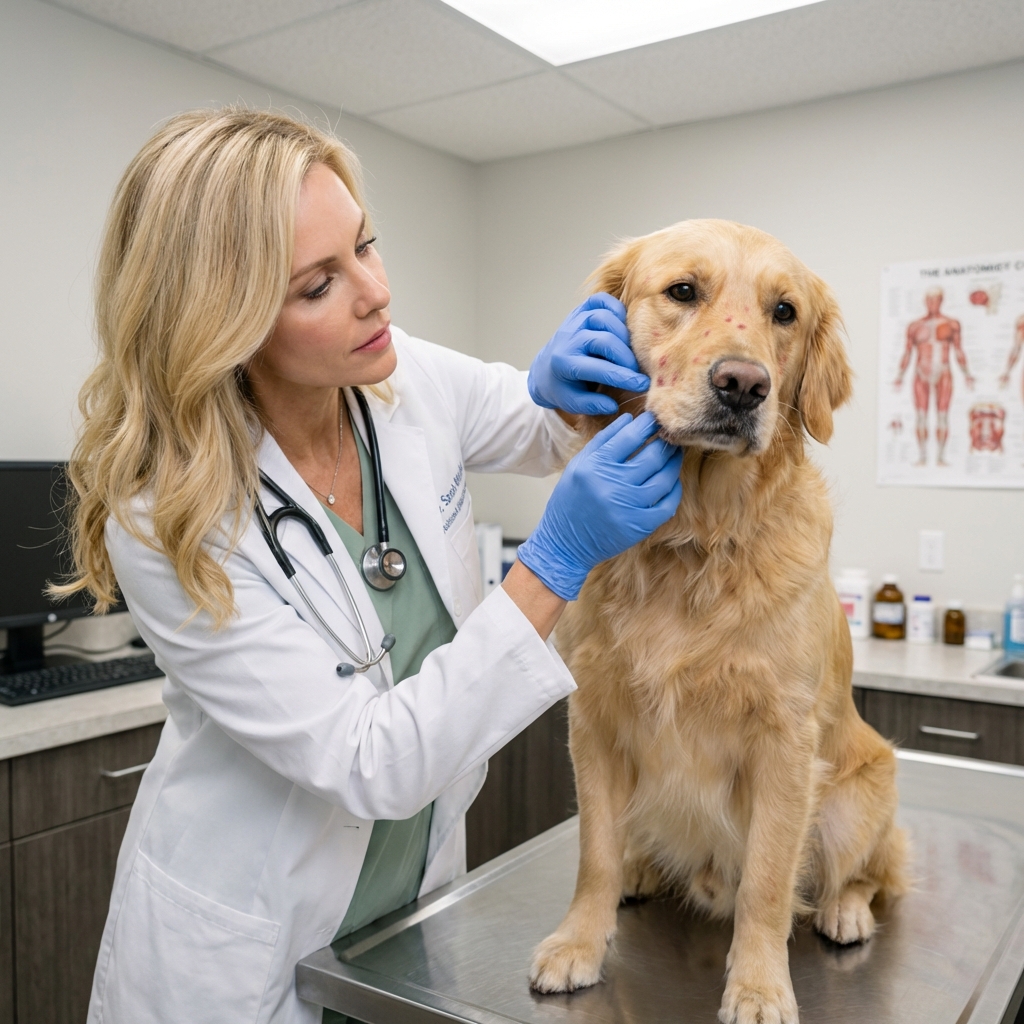
Diagnosis often starts with your dog’s history and timing. Many cases improve within hours to a day with appropriate treatment, but recurrence is a reason to dig deeper. Depending on severity and frequency, your vet may recommend:
- Physical exam to check airway, heart rate, gum color, and swelling
- Antihistamines (vet-directed dosing)
- Steroids for significant inflammation and itching in some cases
- Injectable medications for more urgent reactions
- Allergy management plan for recurring episodes
- Elimination diet trial if food allergy is suspected
If your dog has repeated hives, ask your vet whether referral to a veterinary dermatologist is appropriate. Chronic allergy cases often improve with a long-term plan rather than one-off treatments.
Bottom line
Hives are your dog’s way of telling you something triggered the immune system. The most common causes are insect stings, contact exposures, foods, and reactions to medications or topical products. Mild cases can settle with quick action and veterinary guidance, but any breathing changes, vomiting, weakness, or rapidly worsening swelling is an emergency.
If you are ever unsure, call your veterinarian or your nearest emergency clinic. I would always rather a pet parent call “just in case” than wait and worry at home.