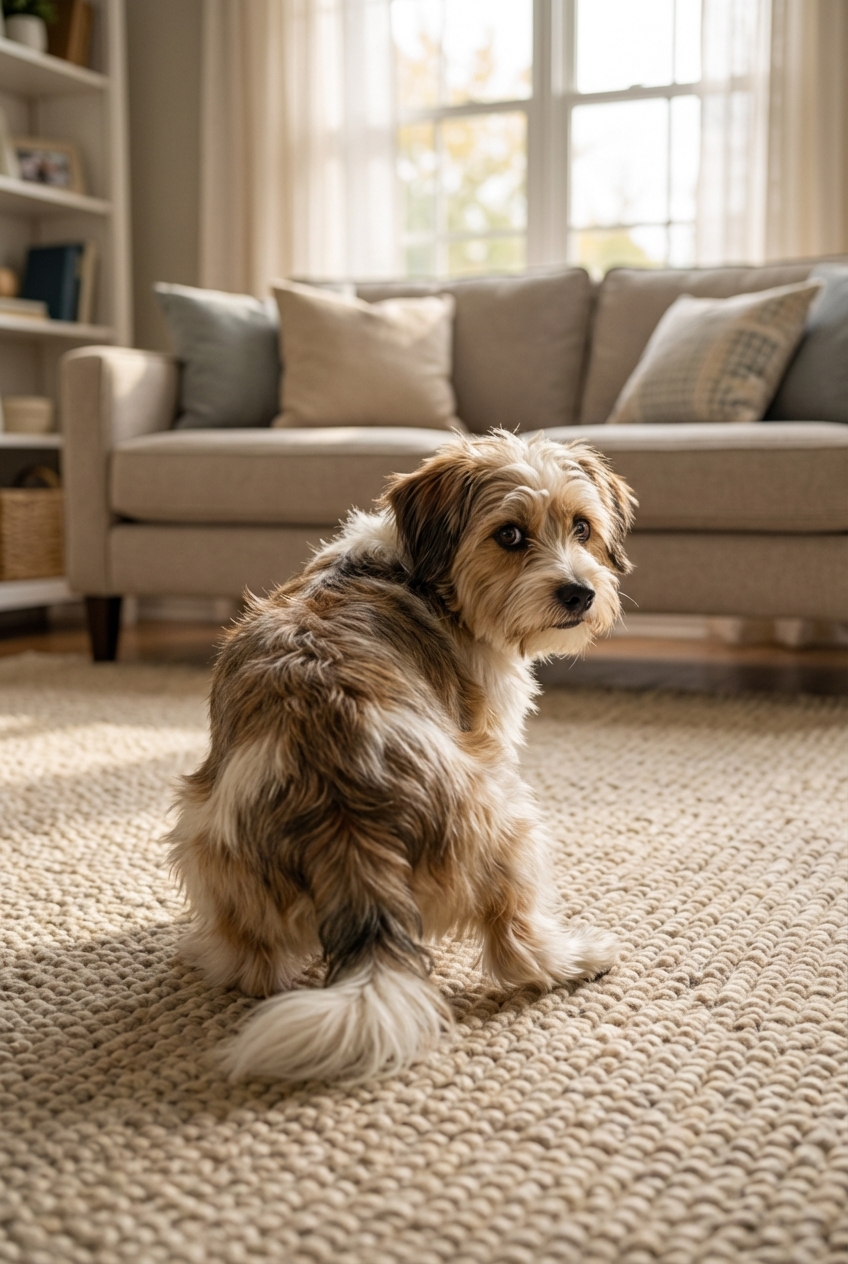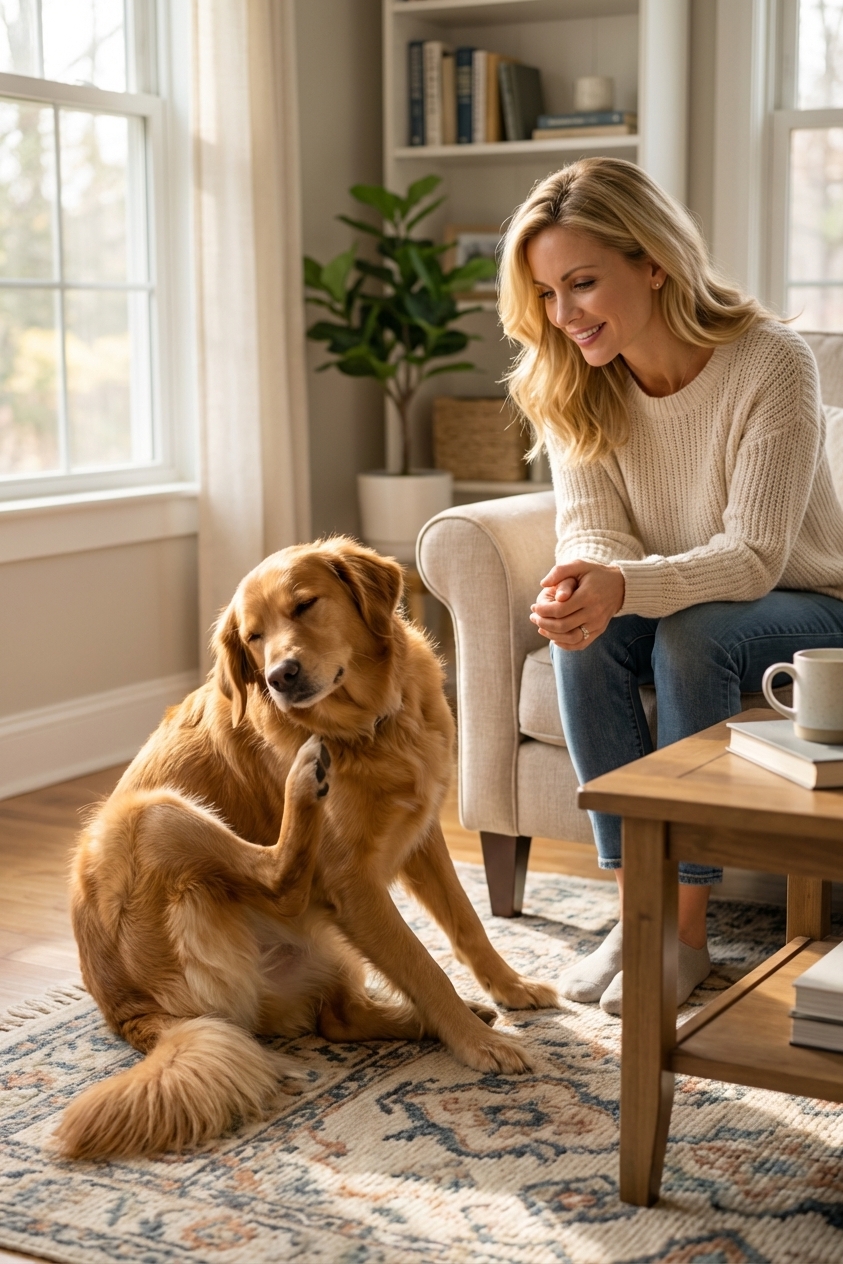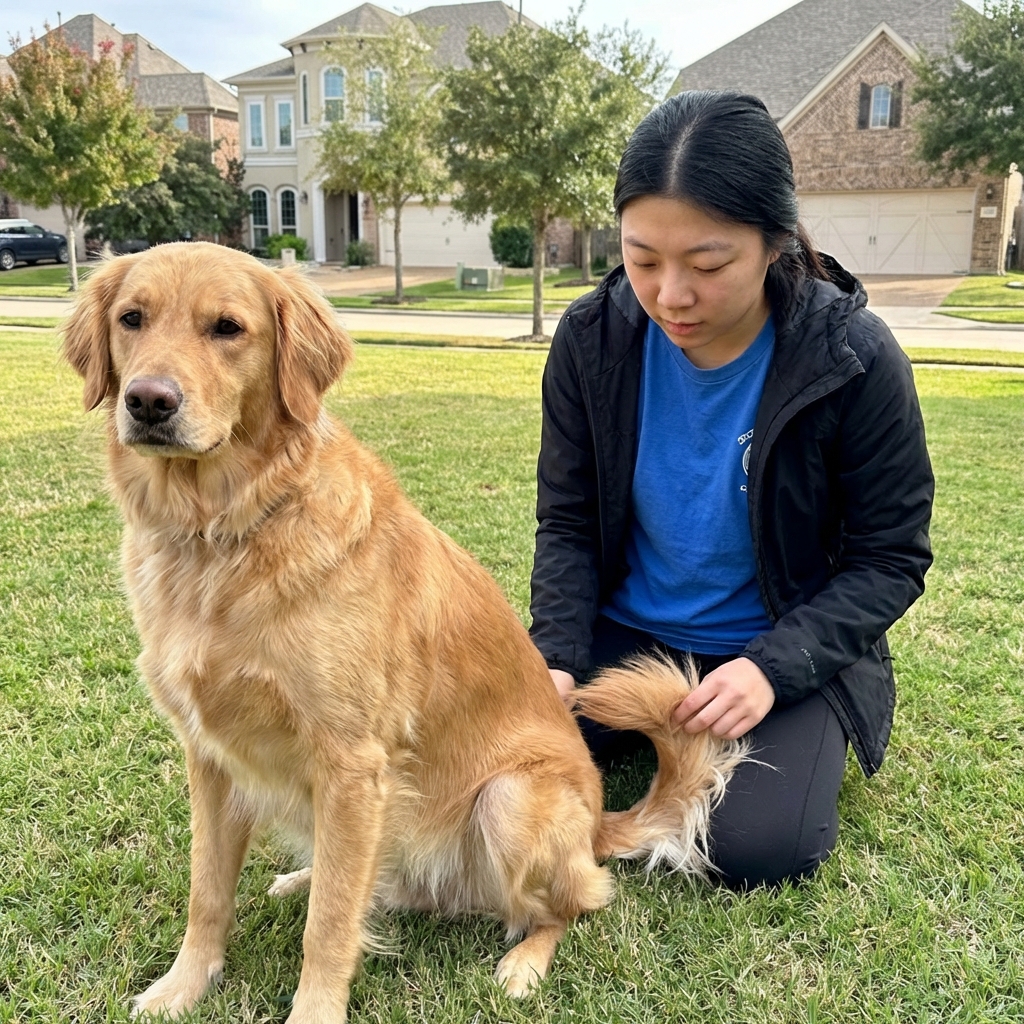
Scooting, licking, or a fishy smell can signal anal gland trouble. Learn key causes, warning signs, and prevention steps—stool quality, weight control, and...
Article
•
Designer Mixes
What Causes Dogs’ Anal Glands to Fill

Shari Shidate
Designer Mixes contributor
As a veterinary assistant here in Frisco, Texas, I can tell you this is one of the most common and most awkward concerns pet parents bring up. The good news is that it is usually very treatable once you understand the “why.” Anal glands (also called anal sacs) are the same structure: two small scent glands located just inside your dog’s anus, typically described around the 4 o’clock and 8 o’clock positions (some references note roughly 5 and 7 o’clock). Their normal job is to release a small amount of fluid during a bowel movement, basically like a natural “scent signature.”
When that fluid does not empty well, the sacs can fill, thicken, and become uncomfortable. That is when you might notice scooting, licking, a fishy odor, or sudden sensitivity around the hind end.
The real reasons anal glands fill up
Anal sac trouble is usually not one single cause. It is typically a combination of stool quality, anatomy, and underlying inflammation.
Quick terms (what they mean)
- Full: Fluid is building up, but there is no infection. Mild discomfort or scooting may happen.
- Impacted: The fluid is thick and the duct is not emptying well. The sac feels firm or “plugged.”
- Infected: Bacteria and inflammation are present. The area may be more painful, swollen, or red.
- Abscessed: Infection creates a pocket of pus and pressure. This can rupture and form a draining hole near the anus.
1) Soft stool or irregular bowel movements
Firm, well-formed stool is what naturally presses on the sacs and helps them empty. If your dog has chronic soft stool, diarrhea, or frequent incomplete bowel movements, the sacs may not get enough pressure to express.
- Diet changes that were too fast
- Food intolerance or allergy
- High-fat table scraps
- Stress-related gut upset
- Parasites or intestinal infection
- Inflammatory bowel disease (IBD)
2) Thickened gland fluid or blocked ducts
Even when stool is decent, the gland secretion can become thicker over time. Think of it like a narrow straw that clogs easily. Once a duct is partially blocked, the sac can keep filling and become uncomfortable or infected.
3) Allergies and skin inflammation
Allergies can be a common contributor, especially in dogs who also struggle with chronic skin inflammation. When the tissues around the anus are irritated or swollen, the duct opening can narrow, which makes it harder for sacs to empty. That inflammation can be driven by multiple causes, but allergies are a frequent one we see in practice.
Clues pointing toward allergies include recurring ear infections, paw licking, itchy belly, seasonal flares, or chronic recurring scooting.
4) Being overweight or low muscle tone
Extra weight can change posture and reduce the natural muscle contraction that helps express sacs. In some dogs, reduced activity or age-related muscle loss plays a role too.
5) Anatomy and breed tendencies
Some dogs simply have smaller ducts, deeper sacs, or less efficient emptying. Small dogs and many designer mixes can be prone, but it can happen to any dog. A history of repeated impactions can also stretch the sacs and make future emptying less effective.
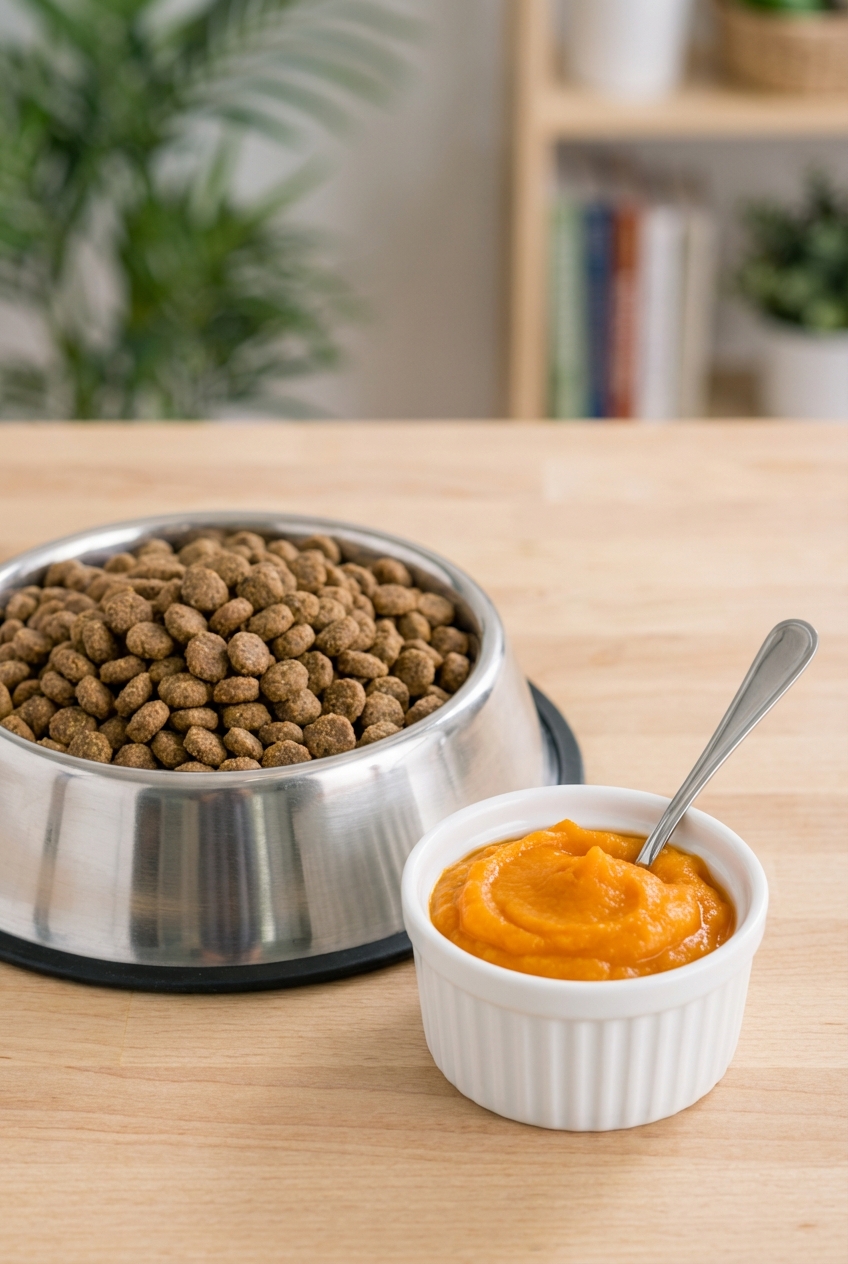
6) Not enough fiber for that dog’s body
Fiber is not a magic fix for every pet, but for many dogs with recurrent anal sac filling, the right amount of soluble and insoluble fiber can improve stool firmness and consistency.
One important note: with fiber, start low and go slow. Too much can cause gas, diarrhea, or constipation, so it is best to choose a plan with your vet.
7) Painful pooping or posture issues
If a dog is hesitant to squat fully because of arthritis, hip pain, or back pain, they may not empty as effectively. Constipation can also make things worse, either by straining or by inconsistent stool passage.
Signs your dog’s anal sacs are full
Some dogs are subtle. Others make it very obvious. Watch for:
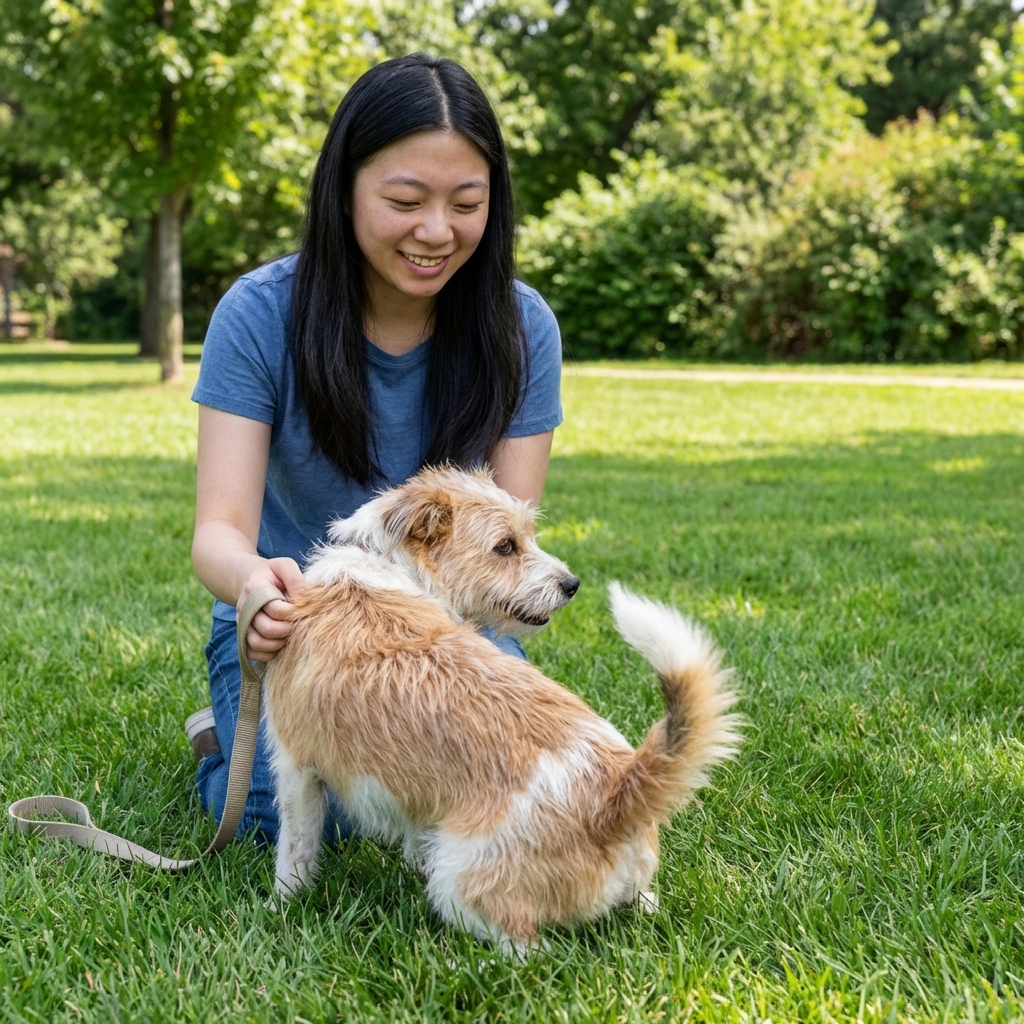
- Scooting (dragging the rear on carpet or grass)
- Excessive licking under the tail
- Fishy odor, sometimes on bedding
- Sudden discomfort when sitting or being touched near the tail
- Swelling at one side of the anus
- Redness or moist skin around the anus
When it is urgent
Contact your vet promptly if you see any of the following, because they can indicate infection, an abscess, or another problem that needs hands-on care. Painful, fast swelling on one side should be treated as a same-day concern.
- Blood or pus near the anus
- A ruptured “hole” or open draining wound near the anus
- Fever, lethargy, loss of appetite
- Crying out, sudden severe pain, or refusing to sit
- A firm, painful lump near the anus (including unilateral swelling that keeps enlarging)
Also, if scooting or licking is persistent but the sacs keep checking out as normal, your vet may want to look for other causes such as parasites, skin infection, orthopedic pain affecting posture, or less commonly a perianal mass.
Tips to help prevent anal sac filling
Prevention is usually about supporting healthy stool, reducing inflammation, and catching issues early.
Get stool consistency right
Healthy anal sac emptying is helped by stool that is formed and easy to pick up, not crumbly-dry and not very soft. If your dog’s poop is often soft, talk with your veterinarian about a plan rather than guessing.
Transition food slowly
Fast food changes can trigger loose stool and set off a gland flare. A gradual transition over 7 to 10 days is often gentler for the gut, especially in dogs with a sensitive stomach.
Use fiber strategically
Many vets recommend fiber for recurrent anal sac issues because it can improve stool bulk and firmness. Common options include plain canned pumpkin (not pie filling), psyllium, or a veterinary GI diet. Start with small amounts and adjust with your vet’s guidance, since too much fiber can swing stool the other direction.
Address allergies, not just the sacs
If your dog needs frequent sac expressions, ask about investigating allergies and other sources of chronic inflammation. When we calm the irritation, some dogs need far fewer expressions over time.
Keep your dog lean
A healthy body condition supports normal movement and muscle tone, and it often improves overall GI function too. If you are unsure, your vet team can body-score your dog and help set a realistic weight goal.
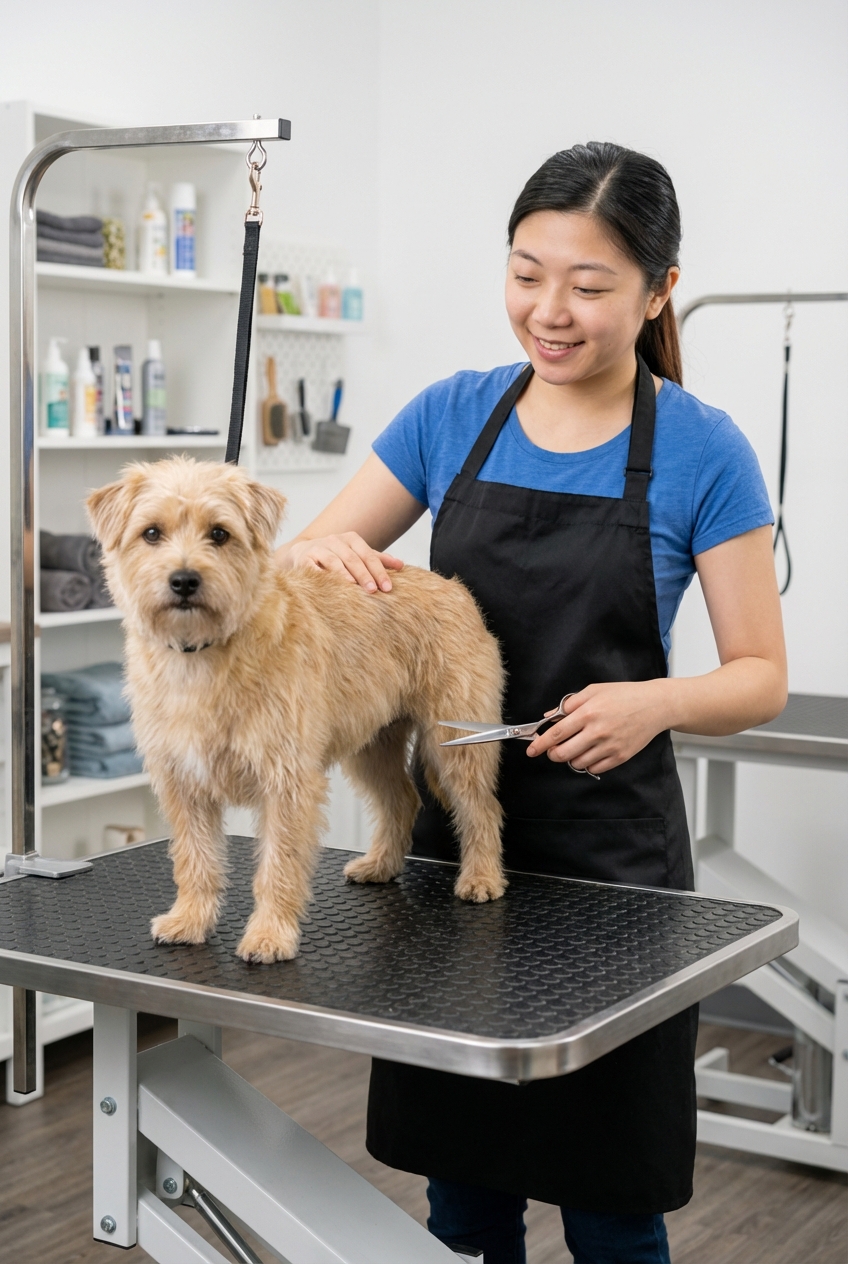
Grooming and hygiene for long coats
Hair and debris trapped around the anus can increase irritation and licking. For fluffy mixes, a sanitary trim can make a real difference.
Do not overdo expressions at home
I know videos online make it look simple, but improper expressing can cause bruising and irritation. In some cases, it can worsen inflammation and potentially increase infection risk. If your dog truly needs routine expressions, let your veterinary team or an experienced groomer do it, and make sure you have a long-term plan to reduce how often it is needed.
What your vet may recommend
Treatment depends on whether the sacs are simply full, impacted, infected, or abscessed.
- Manual expression (external or internal, depending on the dog)
- Cytology (checking the fluid under a microscope) if infections recur
- Antibiotics and anti-inflammatory medication for infection or abscess
- Pain control when needed
- Diet or fiber plan for chronic soft stool
- Allergy management (diet trial, medication, or immunotherapy depending on the case)
If an abscess is present, many dogs also need local care such as warm compresses, flushing or drainage, and sometimes sedation for proper treatment. Your vet will guide you based on what they see on exam.
About surgery
Anal sacculectomy (removal of anal sacs) is usually reserved for severe, repeated infections or other complications. It can be life-changing for some dogs, but it is not a first step and should be discussed carefully with your veterinarian.
Quick at-home checklist
- Track stool consistency for 7 days
- Note scooting, licking, odor, and frequency
- Check for redness or swelling (do not squeeze)
- Call your vet if symptoms last more than 24 to 48 hours or worsen quickly
- Ask about diet, fiber, and allergy evaluation if this keeps happening
Most dogs do not have anal sac issues “out of nowhere.” When we improve stool quality and reduce inflammation, many pets get long-lasting relief.
Common questions
Do worms cause anal sac problems?
Intestinal parasites can cause diarrhea or irritation that leads to scooting, which can look like anal sac trouble. It is worth a stool test if your dog is having GI signs.
Why does my dog scoot but the sacs are not full?
Scooting can also be caused by allergies, anal irritation, matted hair, diarrhea residue, parasites, skin infection, posture-related pain, or less commonly a growth near the anus. If expressions are repeatedly “normal,” ask your vet what else could be driving the itch.
How often should sacs be expressed?
Many dogs never need it. For dogs that do, the best interval is the one that keeps them comfortable while you address the underlying cause. Needing expression very frequently is a sign to investigate diet, stool quality, and inflammation drivers such as allergies.
Friendly reminder: This article is educational and not a substitute for veterinary diagnosis. If your dog is painful, swollen, bleeding, has a new lump, or suddenly changes behavior, please call your veterinarian.