Tired of constant dog hair? Learn evidence-based home steps to cut shedding: brushing routines, bath upgrades, omega-3s, better nutrition, parasite control, ...
Article
•
Designer Mixes
What Causes Dog Shedding

Shari Shidate
Designer Mixes contributor
Dog shedding can feel like a mystery until you realize it is usually your pup’s body doing exactly what it was designed to do. Hair growth cycles, seasonal changes, coat type, nutrition, stress, parasites, allergies, and underlying medical issues can all change how much fur ends up on your couch.
Below is a practical, vet-informed guide to the most common causes of dog shedding, what is normal, what is not, and what you can do today to help.
Normal shedding vs. abnormal shedding
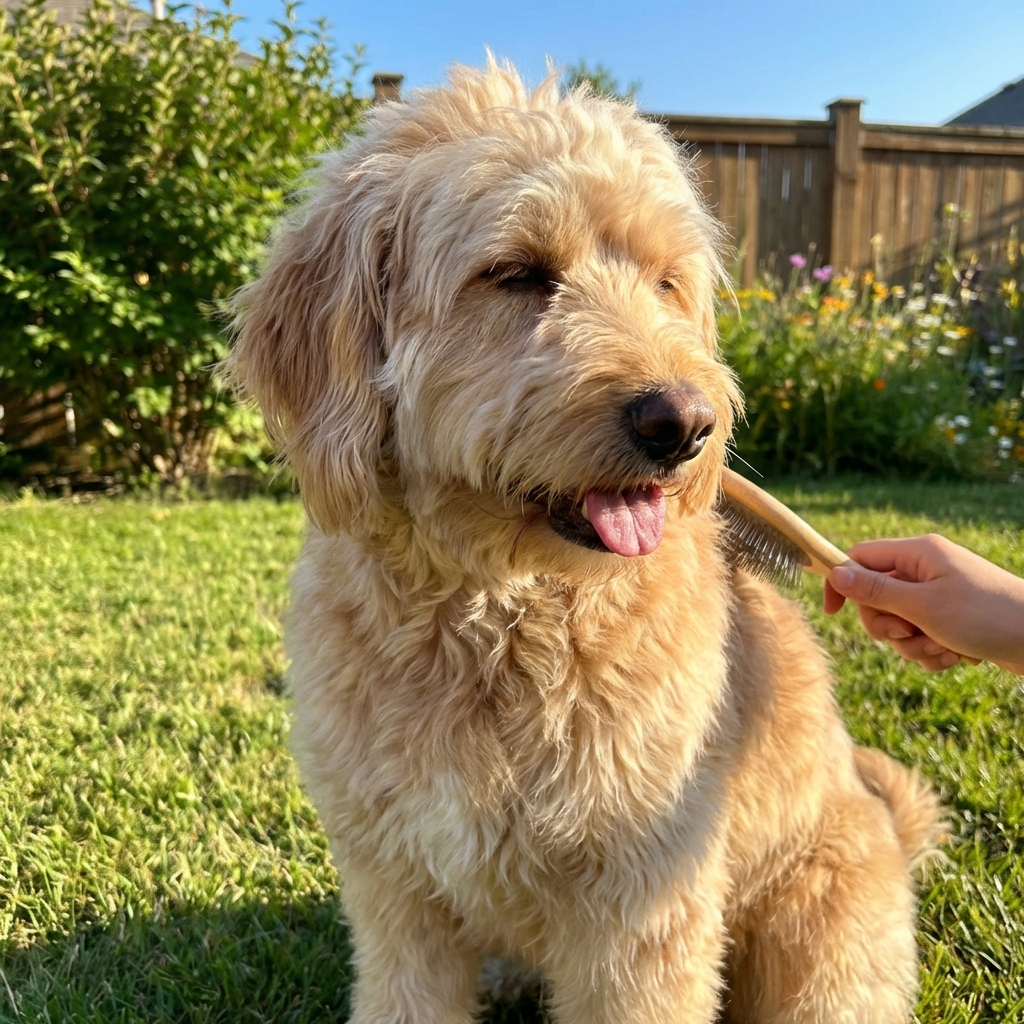
All dogs shed at least a little, even many dogs marketed as “non-shedding.” What varies is how much, how noticeable it is, and whether the skin stays healthy.
Shedding is often normal when
- The coat looks shiny and even.
- The skin is not red, scabby, or smelly.
- Your dog is not itchy, chewing, or rubbing.
- Hair comes out evenly (not patchy bald spots).
- It happens more during spring and fall.
- Puppies are transitioning from a puppy coat to an adult coat.
Shedding is more concerning when
- You see bald patches, thin spots, or broken hair.
- There is intense itching, redness, bumps, or dandruff.
- There are frequent ear infections or paw licking.
- The coat suddenly changes texture (dry, dull, greasy).
- Your dog seems tired, hungrier than usual, or gains/loses weight without a clear reason.
If you are seeing any of the “concerning” signs, it is worth scheduling a vet visit. Skin and coat changes can be the first clue that something internal is going on.
The most common causes of dog shedding
1) Seasonal coat blow
Many dogs shed more as daylight changes, especially double-coated breeds and mixes. A “coat blow” is a short period of heavy undercoat shedding as the coat transitions between seasons. Indoor dogs can shed year-round because constant indoor lighting and steady temperatures can blunt normal seasonality.
What helps: frequent brushing and a de-shedding routine during peak weeks.
2) Coat type and genetics
Genetics is a big driver. Some mixed-breed dogs inherit a Poodle-like coat (more hair growth, less shedding), while others inherit a Lab, Husky, or Shepherd coat (more seasonal shedding). Many land in the middle.
What helps: using grooming tools that match the coat type. A slicker brush, undercoat rake, or de-shedding comb can make a huge difference when used correctly.
Health-related causes of shedding
3) Poor nutrition or an unbalanced diet
Hair growth is “expensive” for the body. If a diet is low in high-quality protein, essential fatty acids, or key vitamins and minerals, the coat can become dry and brittle, and shedding often increases.
From a veterinary assistant perspective, one of the simplest, most practical improvements is making sure your dog is eating a complete and balanced diet that fits their life stage, plus regular hydration.
What helps:
- Choose foods that meet AAFCO nutritional standards for your dog’s life stage.
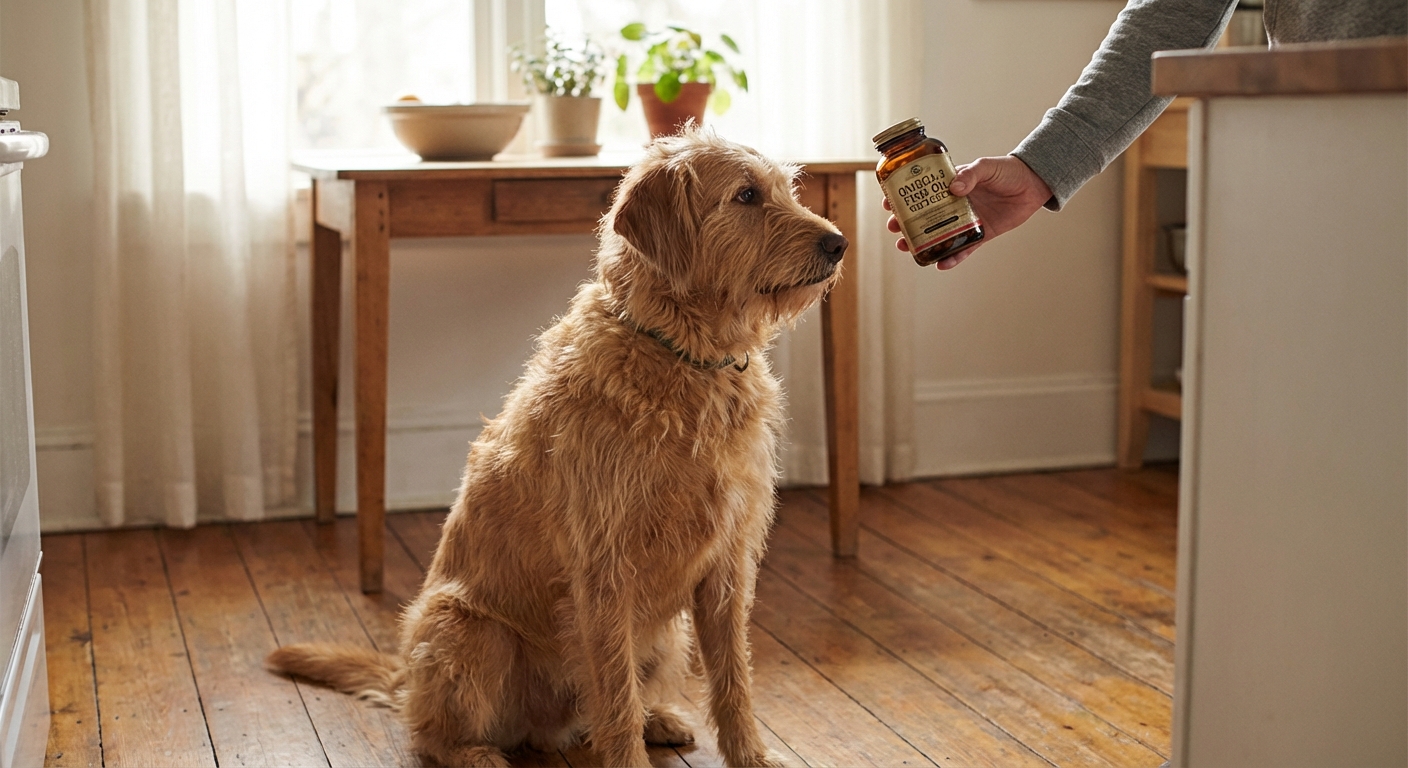
- Ask your vet whether an omega-3 supplement (EPA/DHA) is appropriate for your dog.
- Introduce any diet changes slowly over 7 to 14 days to avoid GI upset.
4) Allergies (environmental or food)
Allergies are one of the biggest causes of itch plus shedding. Dogs can be allergic to pollen, dust mites, molds, grasses, or certain proteins in food. Allergies often show up as paw licking, ear problems, rubbing the face, or recurrent skin infections.
What helps:
- Talk to your veterinarian about allergy testing or an elimination diet trial if food is suspected.
- Wipe paws and belly after outdoor time during high-pollen seasons.
- Use vet-recommended parasite prevention, because flea allergy dermatitis is very common.
5) Parasites: fleas, mites, and ticks
Even a small number of fleas can cause major itching in sensitive dogs. Mites (like sarcoptic mange) can cause intense itchiness and hair loss. Ticks can irritate skin where they attach, but they are less commonly the sole cause of heavy shedding. If your dog seems unwell and you have found ticks, ask your vet about tick-borne disease testing since systemic illness can affect skin and coat.
What helps: consistent, veterinarian-approved flea and tick prevention, plus a skin exam if your dog is scratching or losing hair.
6) Skin infections (bacterial or yeast)
Hot spots, superficial bacterial infections, and yeast overgrowth can all cause hair to fall out. You might notice a musty odor, greasy coat, red skin, scabs, or oozing patches.
What helps: a veterinary visit for diagnosis. Many cases need prescription shampoo, topical medication, or oral treatment.
7) Hormonal and medical conditions
Some medical issues change the hair growth cycle and lead to thinning or shedding, often without much itching.
- Hypothyroidism can cause thinning hair, weight gain, low energy, and recurrent skin issues.
- Cushing’s disease can cause thinning coat, pot-bellied appearance, increased drinking/urination, and panting.
- Reproductive hormone shifts can affect shedding after heat cycles or pregnancy. Coat changes after spaying can happen in some dogs, especially certain coat types, but it is not universal.
What helps: a physical exam and basic lab work. Depending on the pattern, your vet may recommend screening tests (like a thyroid test) or more specific follow-up testing. The good news is that many of these conditions are manageable once diagnosed.
Stress, grooming, and the home environment
8) Stress shedding
Dogs can shed more during stressful changes like moving, boarding, grooming visits, new pets, or household schedule shifts. Stress can also lead to licking or chewing, which breaks hair and inflames skin.
What helps: predictable routines, gentle enrichment, and calming support guided by your vet if needed.
9) Over-bathing or the wrong shampoo
Frequent bathing with harsh shampoos can strip oils and make the skin dry and itchy. That can lead to more shedding and more scratching, which becomes a cycle.
What helps: use a dog-specific shampoo, bathe only as often as your dog truly needs, and ask your vet about medicated shampoos if there is itch, odor, or dandruff.
10) Dry air and low humidity
In winter, indoor heating dries the air, and some dogs develop dry skin and flaking that increases shedding.
What helps: a humidifier, regular brushing, and evaluating diet and omega-3 intake with your vet.
What you can do right now to reduce shedding
Build a simple weekly routine
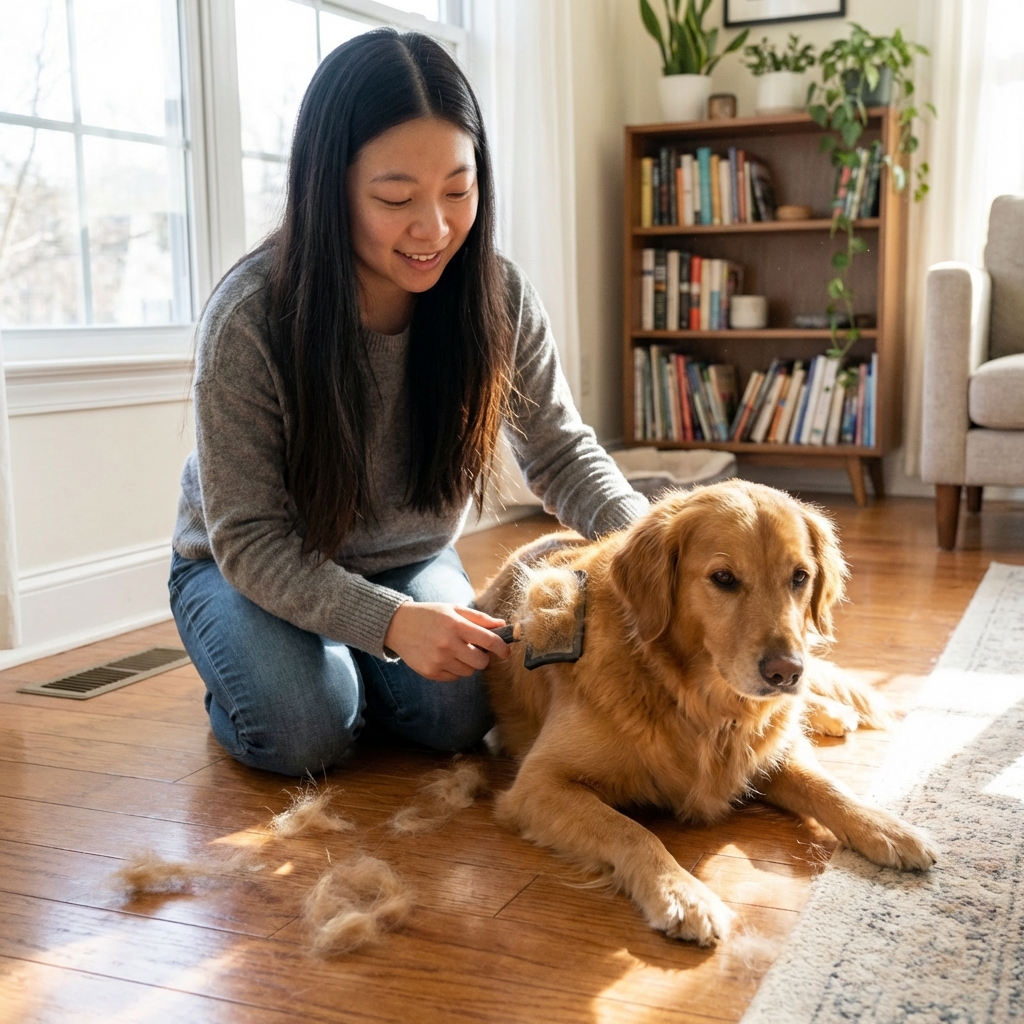
- Brush: 3 to 5 times per week for heavy shedders; 1 to 3 times for moderate shedders.
- Bath: every 3 to 6 weeks for many dogs, unless your vet recommends otherwise.
- Check skin: look for redness, bumps, odor, scabs, and ear irritation.
- Parasite prevention: stay consistent year-round, especially in warmer climates or areas with persistent fleas.
Quick note on brushing: more is not always better. Over-brushing or using de-shedding tools with too much pressure can irritate skin and break hair. If you notice redness, dandruff, or your dog avoids brushing, scale back and switch tools.
Use the right tools
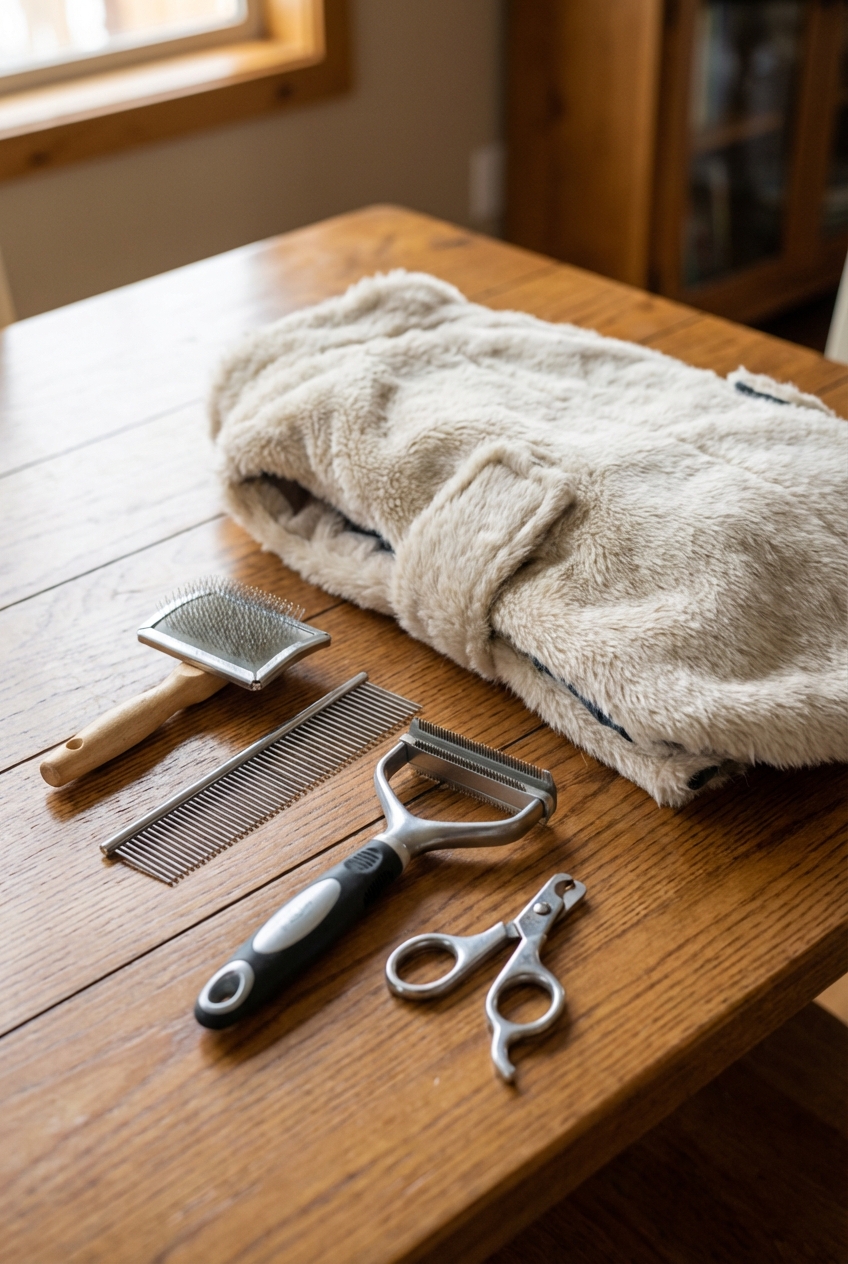
For many mixed-breed dogs, coat type can vary even within the same litter. Tools that commonly help:
- Slicker brush for tangles and general maintenance.
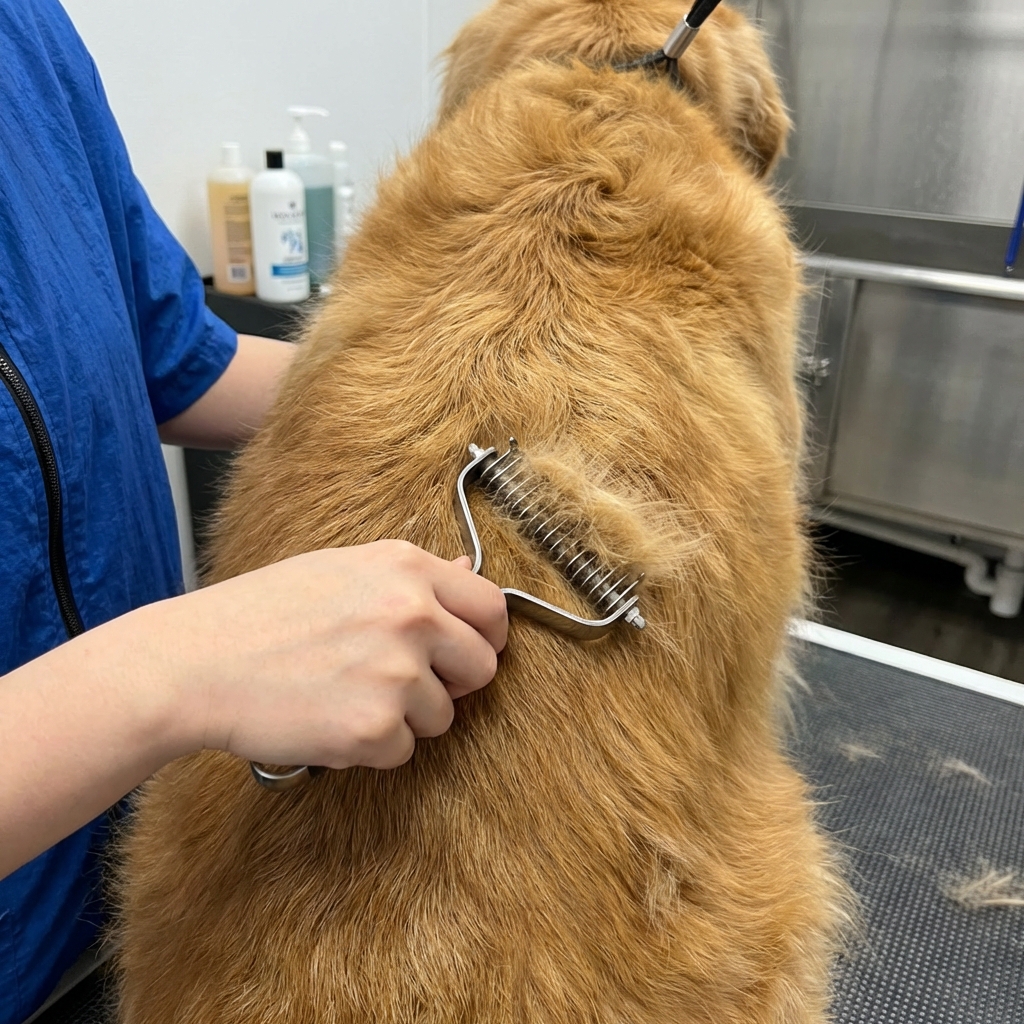
- Undercoat rake for double coats and seasonal undercoat shedding.
- De-shedding comb for loose undercoat near the skin.
- Metal comb to check for remaining tangles after brushing.
When to see the vet
If shedding is paired with itching, skin changes, odor, or bald spots, it is time to get a professional opinion. A vet can check for parasites, infection, allergy patterns, and hormonal issues. Common next steps may include flea combing, a skin scrape to look for mites, skin cytology to check for yeast or bacteria, a fungal test if ringworm is suspected, bloodwork, or a diet trial.
When it is urgent
- Rapidly spreading redness, swelling, or oozing lesions
- Severe itch that will not let your dog rest
- Lethargy, fever, not eating, or signs of pain along with skin changes
If you are ever unsure, bring a few clear photos of the skin and coat changes, plus a list of foods, treats, and supplements. It makes the appointment so much more productive.
Quick answers to common shedding questions
How much shedding is normal?
It depends on coat type and season. A little hair on bedding or the floor can be normal. A sudden increase, visible thinning, or shedding with itch, odor, or sores is a sign to investigate.
Do “hypoallergenic” dogs shed?
Many shed less, but no dog is truly non-shedding. Allergy symptoms in people are often triggered by dander and saliva proteins, not hair alone.
Can switching food stop shedding?
If shedding is driven by poor nutrition, food sensitivity, or skin inflammation, diet changes can help. If shedding is seasonal or genetic, it will not disappear, but coat quality can still improve.
Is shaving a shedding dog a good idea?
For many double-coated dogs, shaving can interfere with coat function and regrowth. If matting is severe or there is a medical reason, work with a professional groomer and your veterinarian.