A practical 24–72 hour diet and hydration plan for mild dog diarrhea, with bland food options, safe add-ons like probiotics, foods to avoid, and clear red ...
Article
•
Designer Mixes
What Causes Dog Diarrhea

Shari Shidate
Designer Mixes contributor
Dog diarrhea is one of the most common reasons pet parents call a clinic, and I get it. It is messy, stressful, and it can feel urgent. The good news is that many cases are mild and short-lived. The important part is knowing what might be causing it, what to do first, and when it is time to get your vet involved.
First, what counts as diarrhea?
Diarrhea means stool that is looser than normal, more frequent than normal, or both. It can look like soft-serve, pudding, watery stool, or mucus-coated stool. Some dogs also strain, have accidents indoors, or suddenly need to go out at odd hours.
Acute vs. chronic
- Acute diarrhea starts suddenly and typically lasts less than about 14 days.
- Chronic diarrhea lasts more than about 3 weeks or keeps coming back.
Note: Definitions vary a bit by source. Your vet will also consider how severe it is and whether it is recurring.
Step-by-step: common causes
Think of diarrhea as a symptom, not a diagnosis. Here are the most common categories veterinarians see, in a practical order that matches real life.
Step 1: Diet-related causes
Dogs have sensitive guts, and the GI tract reacts quickly when something does not agree.
- Diet change too fast: Switching foods abruptly can disrupt the gut microbiome and lead to loose stool.
- Dietary indiscretion: Trash, table scraps, greasy foods, compost, cat food, or “mystery snacks” on walks.
- Too many treats: High fat treats, new chews, bully sticks, and rich training treats can overwhelm digestion.
- Food intolerance or sensitivity: Often shows up as recurring diarrhea, gas, soft stool, or itchy skin.
- Milk and dairy: Many dogs are lactose intolerant and get diarrhea after cheese, ice cream, or milk.
Step 2: Parasites
Parasites are especially common in puppies, newly adopted dogs, dogs who visit dog parks, and dogs who like to drink from puddles.
- Giardia: Often causes soft, pale, foul-smelling stool and can come and go.
- Roundworms, hookworms, whipworms: May cause diarrhea, weight loss, poor coat, and sometimes blood or mucus.
- Coccidia: More common in puppies and can cause watery stool and dehydration.
If your dog has recurring loose stool, a fecal test is one of the most helpful first steps. Many parasites are not visible to the naked eye.
Step 3: Bacterial or viral infections
Some infections are mild, but others can be serious, especially in puppies or unvaccinated dogs.
- Clostridium (and similar bacteria): Certain bacteria, including Clostridium perfringens, can be associated with acute diarrhea and colitis. Many dogs can carry these organisms without illness, so diagnosis often depends on the full picture (signs, testing, and sometimes toxin testing).
- Parvovirus: A true emergency, often with vomiting, lethargy, lack of appetite, and bloody diarrhea.
- Canine enteric coronavirus: Typically mild in adult dogs and not the same virus as human COVID-19.
Step 4: Stress and anxiety
Stress diarrhea is real. Boarding, moving, storms, guests, schedule changes, new pets, and travel can trigger loose stool. Some dogs get a “nervous tummy” and do best with supportive care and routine.
Step 5: Medications, supplements, and toxin exposure
- Antibiotics: Commonly disrupt gut bacteria and lead to loose stool.
- NSAIDs and other medications: May irritate the stomach and intestines.
- New supplements: Fish oil, magnesium, or high-dose vitamins can loosen stool in some dogs.
- Toxins and unsafe foods: Xylitol, grapes or raisins, chocolate, onions or garlic, macadamia nuts, certain mushrooms, household chemicals, rodenticides, and some medications can cause GI upset and potentially serious illness. Signs vary by toxin, so call a vet or poison hotline if you are not sure.
Step 6: Pancreatitis and high-fat meals
Pancreatitis is inflammation of the pancreas and can range from mild to life-threatening. A common trigger is a fatty meal or rich treats. Symptoms can include vomiting, abdominal pain, decreased appetite, and diarrhea.
Step 7: Chronic GI disease and systemic illness
If diarrhea is persistent or recurring, your veterinarian may consider deeper causes:
- Inflammatory bowel disease (IBD)
- Food allergy
- Exocrine pancreatic insufficiency (EPI)
- Endocrine disorders like Addison’s disease
- Liver or kidney disease
- Cancer especially in older dogs
Clues in the stool
Veterinary teams pay attention to stool details because they can hint at where the problem is happening.
- Large volume, watery stool: Often suggests small intestinal involvement.
- Frequent small amounts with mucus: Often suggests large intestinal involvement (colitis).
- Bright red blood: May come from the lower GI tract or straining. It still deserves a call to your vet, especially if it is more than a streak.
- Black, tarry stool: May indicate digested blood (melena) and should be treated as urgent.
- Greasy, pale stool with weight loss: May suggest malabsorption or pancreatic issues.
What to do at home first
If your dog is otherwise acting normal, is drinking, and does not have significant vomiting, you can often start with conservative care while you monitor closely. When in doubt, call your veterinarian for guidance.
1) Hydration comes first
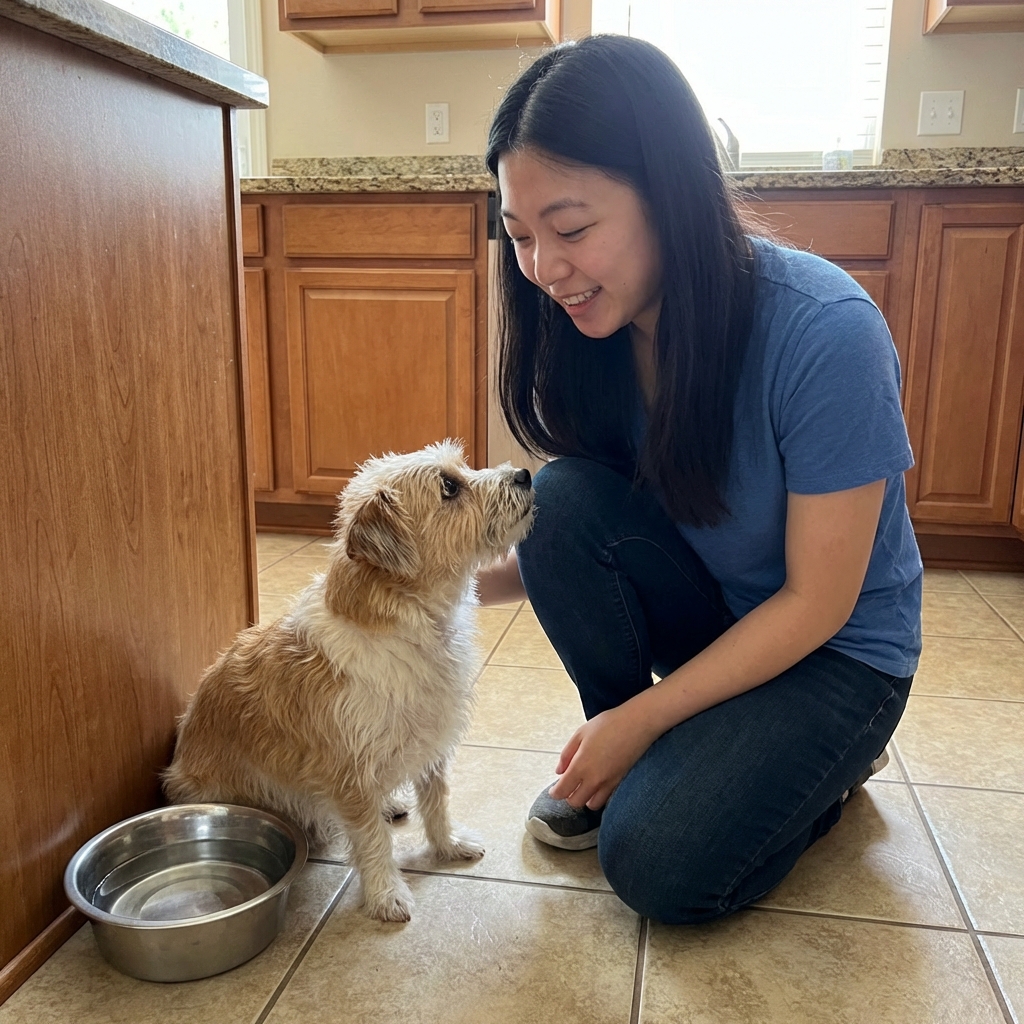
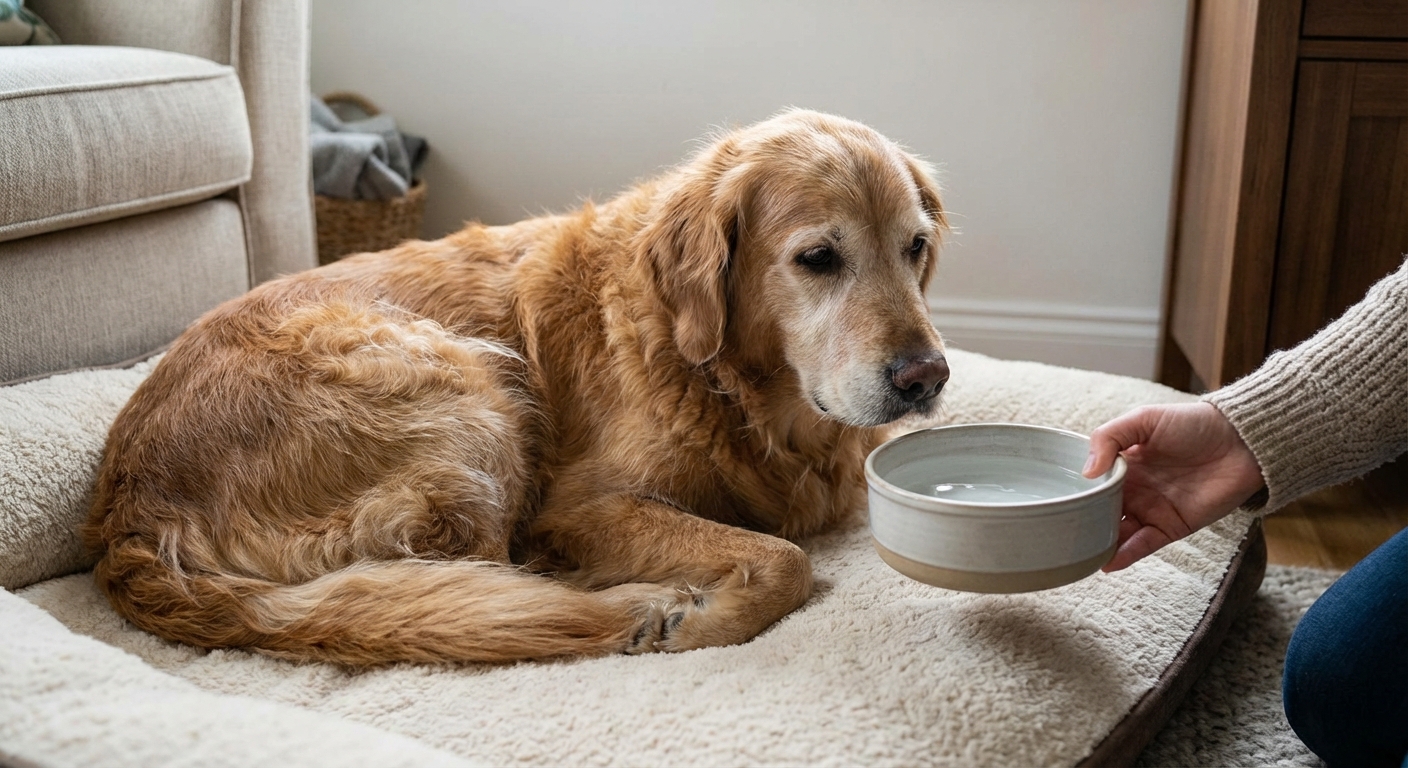
Diarrhea can lead to dehydration quickly, especially in small dogs and puppies. Offer fresh water.
- If your dog is not drinking, seems weak, or has sticky gums, call your vet promptly.
- Some dogs do better with a vet-approved oral rehydration option. Ask your clinic what they recommend.
- Avoid human electrolyte drinks unless your vet specifically approves them. Some “sugar-free” products contain xylitol, which is dangerous for dogs.
2) Stop extras
Pause all new treats, chews, and people food. No table scraps, no rich snacks, no surprises.
3) Try a bland, low-fat diet
Many vets recommend a bland diet for 24 to 48 hours for mild cases. Good options include:
- Boiled skinless chicken breast with plain white rice
- Lean ground turkey with rice
Feed small portions more often. Once stool firms up, transition back to regular food slowly over several days.
Important: If your dog has diabetes, a history of pancreatitis, is a very small toy breed, is on multiple medications, or is a puppy, check in with your vet before making diet changes. These dogs can need a more customized plan.
4) Pumpkin (optional)
Plain canned pumpkin (not pie filling) may help some dogs thanks to its fiber, but it can worsen diarrhea in others. If your vet says it is appropriate, a common starting point is:
- Small dogs: 1 to 2 teaspoons
- Medium to large dogs: 1 to 2 tablespoons
5) Ask your vet about probiotics
Evidence supports specific veterinary probiotics for helping restore gut balance during acute diarrhea. Use products made for dogs, and confirm dosing with your clinic, especially for puppies or dogs on medications.
6) Track symptoms like a pro
- When it started
- How many episodes per day
- Any vomiting
- Energy level and appetite
- Any blood or black stool
- Recent diet changes, new treats, boarding, dog park visits
What not to give at home
This is a big one. Well-meaning home medications can make things worse or mask a serious problem.
- Do not give human anti-diarrheal meds (like loperamide/Imodium) unless your vet tells you to. It can be risky for certain dogs, especially herding breeds with MDR1 sensitivity, and it is not appropriate if infection, toxin exposure, or obstruction is possible.
- Do not give Pepto-Bismol (bismuth subsalicylate) without veterinary guidance. It can interfere with tests, can be inappropriate for some dogs, and the salicylate component can be harmful in certain situations.
- Do not use leftover antibiotics or random “GI meds” from a previous illness.
When to call the vet right away
Please do not “wait it out” if you notice any of the following. These can signal dehydration, hemorrhagic diarrhea, obstruction, toxin exposure, or infectious disease.
- Puppy, senior dog, or immunocompromised dog
- Repeated vomiting or unable to keep water down
- Lethargy, weakness, collapse, or signs of pain
- Diarrhea that is profuse, very watery, very frequent, worsening, or lasting more than 24 hours
- Blood in stool (especially more than a streak) or black, tarry stool
- Bloated belly, repeated unproductive retching, or suspected obstruction
- Known or suspected toxin ingestion
- Diarrhea plus fever, pale gums, or rapid breathing
If you are unsure, call your veterinarian or an emergency clinic. It is always okay to ask, “Is this an emergency?”
Contagious concerns
Some causes of diarrhea can spread to other dogs (and a few can potentially affect people too). If your dog has diarrhea and you have other pets at home, play it safe until you know more.
- Pick up stool promptly and dispose of it.
- Clean soiled areas thoroughly.
- Limit dog park visits and close contact with other dogs until stools are normal.
- Wash hands after cleanup.
What your vet may recommend
At the clinic, the goal is to identify the cause, prevent dehydration, and protect the gut lining.
- Fecal testing: Checks for parasites like Giardia and worms.
- Parvo test: For puppies or unvaccinated dogs with concerning symptoms.
- Bloodwork: Checks hydration status, infection, organ function, and inflammation.
- X-rays or ultrasound: Helpful if obstruction, pancreatitis, or chronic disease is suspected.
- Fluids: Oral or injectable to correct dehydration.
- GI medications: Chosen based on symptoms and suspected cause.
- Prescription diets: Highly digestible diets can give the gut a break while healing.
How to prevent diarrhea
You cannot prevent every episode, but you can reduce the odds.
- Transition foods slowly: Over 7 to 10 days, mix small amounts of the new food into the old.
- Keep treats under control: Aim for treats to be under 10 percent of daily calories.
- Use parasite prevention: Ask your vet about routine deworming and monthly preventives.
- Limit scavenger opportunities: Use a basket muzzle for chronic scavengers and practice “leave it.”
- Support gut health: If your dog is sensitive, ask your vet whether a consistent diet and periodic probiotics make sense.
- Be careful with people food: Especially fatty leftovers, bones, and heavily seasoned foods.
If your dog has a sensitive stomach, consistency is kindness. Sudden changes, rich treats, and surprise snacks are the top triggers I see day to day.
Quick checklist
- Acting normal? Hydrate, bland low-fat meals, pause treats, monitor closely.
- Puppy or senior? Call sooner. Dehydration happens fast.
- Blood, black stool, vomiting, or weakness? Seek veterinary care now.
- Recurring episodes? Ask for fecal testing and discuss diet trials with your veterinarian.