Mild cat diarrhea often improves with hydration, small bland meals, pumpkin, and cat-specific probiotics. Learn red flags, what not to give, and when to see ...
Article
•
Designer Mixes
What Causes Diarrhea in Cats

Shari Shidate
Designer Mixes contributor
As a veterinary assistant in Frisco, Texas, I can tell you this: cat diarrhea is common, but it is never something to ignore. Sometimes it is a short-lived tummy upset. Other times, it is your cat’s body waving a clear red flag that something deeper is going on.
The good news is that with a little detective work and a few smart steps, you can often help your cat feel better fast. Let’s walk through the most common causes, what you can safely do at home, and when it is time to call your veterinarian.
First, what counts as diarrhea?
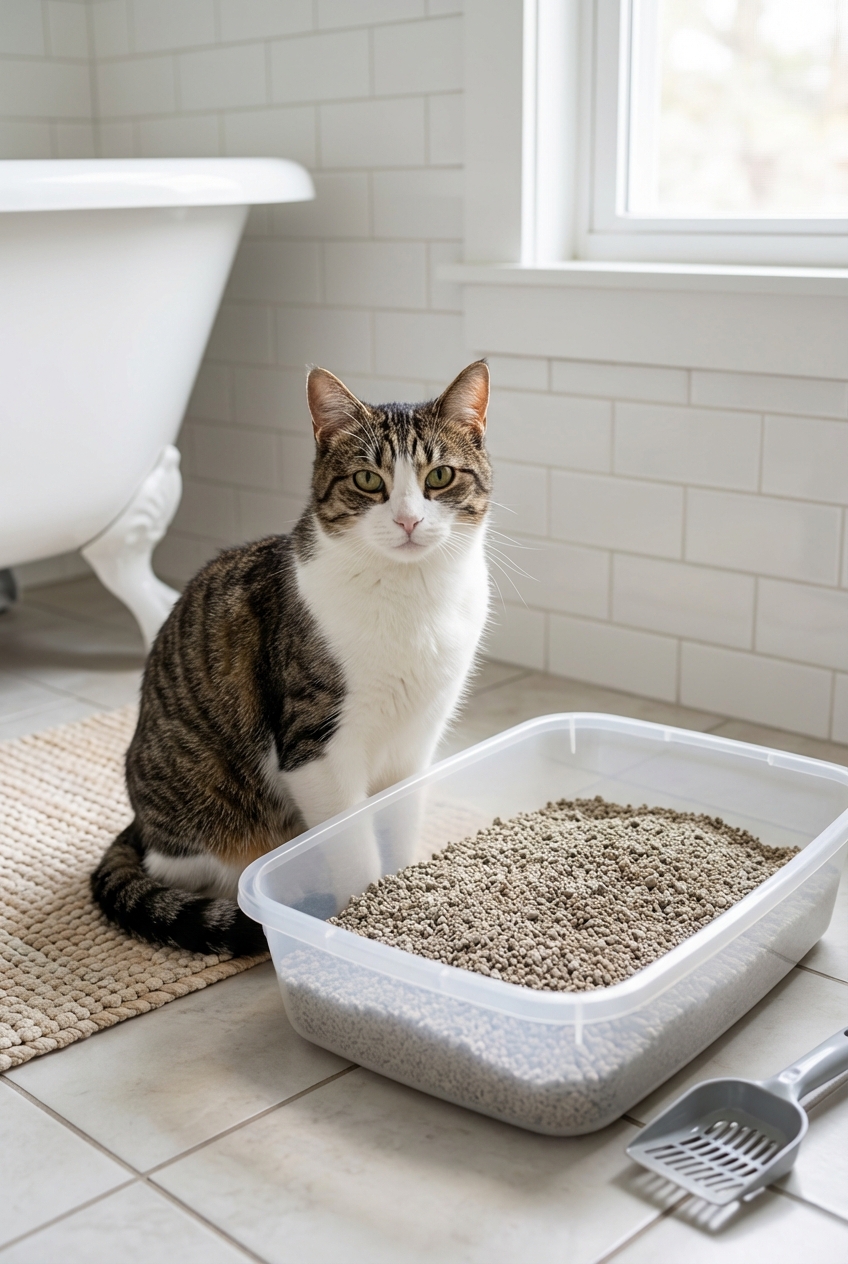
Diarrhea means loose or watery stools, often with a stronger odor than usual. You might also notice:
- More frequent trips to the litter box
- Urgency or accidents outside the box
- Mucus (a slimy coating) on the stool
- Fresh red blood streaks (can happen with colon irritation)
- Straining or discomfort
Quick tip: If your cat has long hair, diarrhea can also show up as messy fur around the tail, even if you do not immediately see loose stool in the box.
Clues from the stool
Not all diarrhea looks the same. These patterns can help your vet narrow down where the irritation is happening:
- Small-bowel diarrhea often means larger volumes of watery stool and may come with weight loss or vomiting.
- Large-bowel (colon) diarrhea is often more frequent, smaller amounts, with mucus, fresh red blood, and straining.
Either way, ongoing diarrhea is worth a call.
Common causes of diarrhea in cats
1) Food changes or dietary “oops”
Cats have sensitive digestive systems. Sudden diet changes, new treats, rich human food, dairy, and raiding the trash can all trigger diarrhea.
- Sudden switch between brands or formulas can upset the gut
- Too many treats can throw off digestion
- Milk and cheese often cause diarrhea because many cats are lactose intolerant
2) Food intolerance or food allergy
Some cats develop chronic soft stool from intolerance to certain proteins (like chicken or beef) or ingredients. This is different from a one-time upset stomach and tends to recur.
Clues can include: itchy skin, frequent ear debris, vomiting, and diarrhea that comes and goes.
3) Parasites
Intestinal parasites are a big cause of diarrhea, especially in kittens, outdoor cats, and newly adopted cats. Common culprits include roundworms, hookworms, coccidia, and Giardia.
Even indoor-only cats can get parasites. They can be brought in on shoes or contaminated surfaces, through fleas or other intermediate hosts, from new pets in the home, or from previous exposure that flares up later.
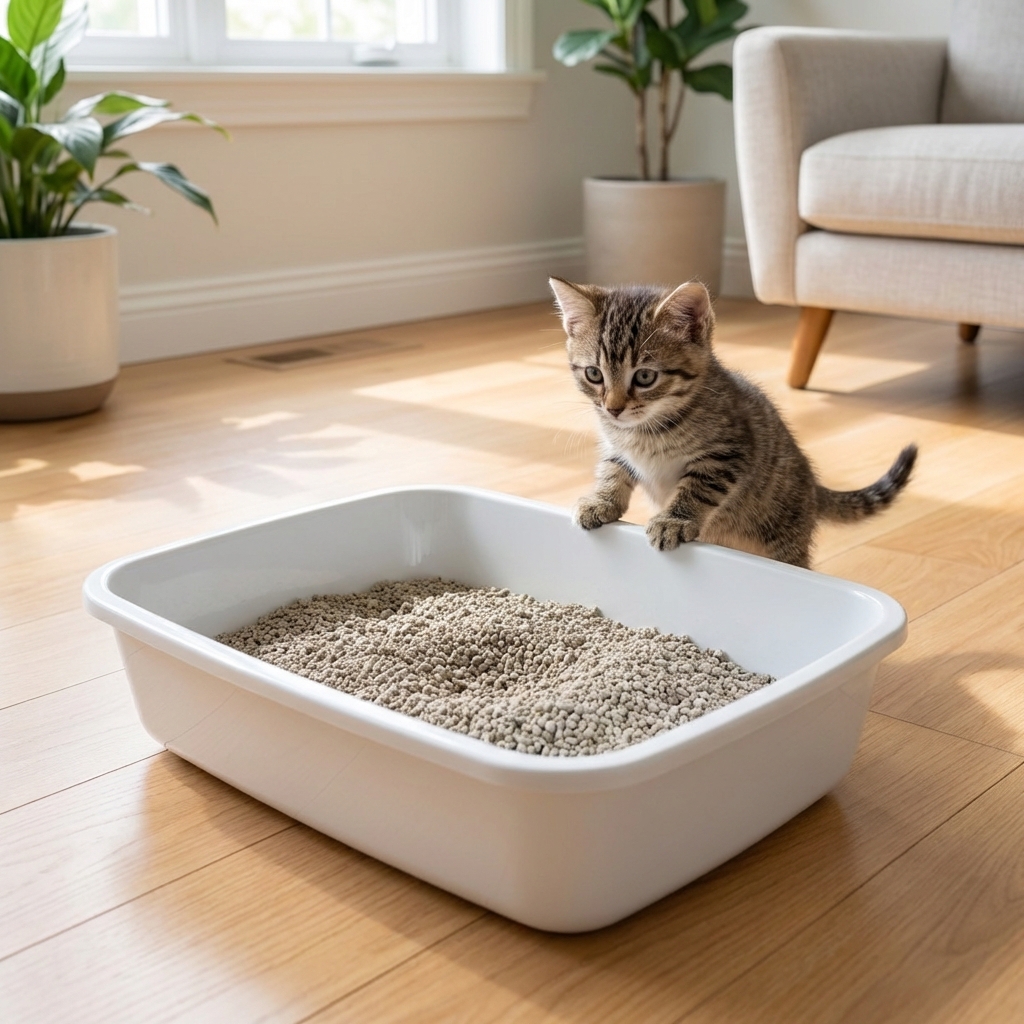
4) Infection (viral or bacterial)
Some infections cause diarrhea directly or by disrupting the normal balance of gut bacteria. Your veterinarian may consider infectious causes more strongly if there is fever, lethargy, vomiting, or multiple pets in the home are sick.
In kittens or unvaccinated cats, certain viral illnesses (such as panleukopenia) can be especially serious and need urgent veterinary care.
5) Stress and routine changes
Yes, cats can have stress-related diarrhea. Moving, new pets, loud guests, boarding, schedule changes, and even a new litter box location can trigger it.
Stress can also worsen underlying issues like inflammatory bowel disease.
6) Inflammatory bowel disease (IBD)
IBD is a chronic condition where the intestinal lining becomes inflamed. It can cause:
- Long-term diarrhea and/or vomiting
- Weight loss
- Picky appetite or decreased appetite
IBD requires veterinary guidance and often improves with diet changes and medication.
7) Medications and supplements
Antibiotics, some pain medications, dewormers, and new supplements can cause diarrhea. Never stop a prescribed medication without checking in with your vet, but do call to report the side effect.
8) Toxins and unsafe foods
Some toxins and human foods can irritate the GI tract or cause more dangerous symptoms. If your cat ate something suspicious, call your vet or pet poison support right away.
Examples to take seriously: lilies, rodent poison, essential oils, onions and garlic, chocolate, alcohol, antifreeze.
Note: Xylitol is especially dangerous for dogs. The risk in cats is less clear, but it is still smart to treat exposure as urgent and contact a professional right away.
9) Underlying disease
Persistent diarrhea can be linked to conditions such as hyperthyroidism, pancreatitis, liver disease, kidney disease, and intestinal cancers. This is one reason we take “ongoing diarrhea” seriously in adult and senior cats.
What to do at home
If your cat seems bright, is still eating, and the diarrhea is mild and recent, you can take a few gentle steps while you monitor closely.
What I consider “mild” at home: one or two loose stools, normal appetite, normal energy, no vomiting, and no blood.
Step 1: Support hydration
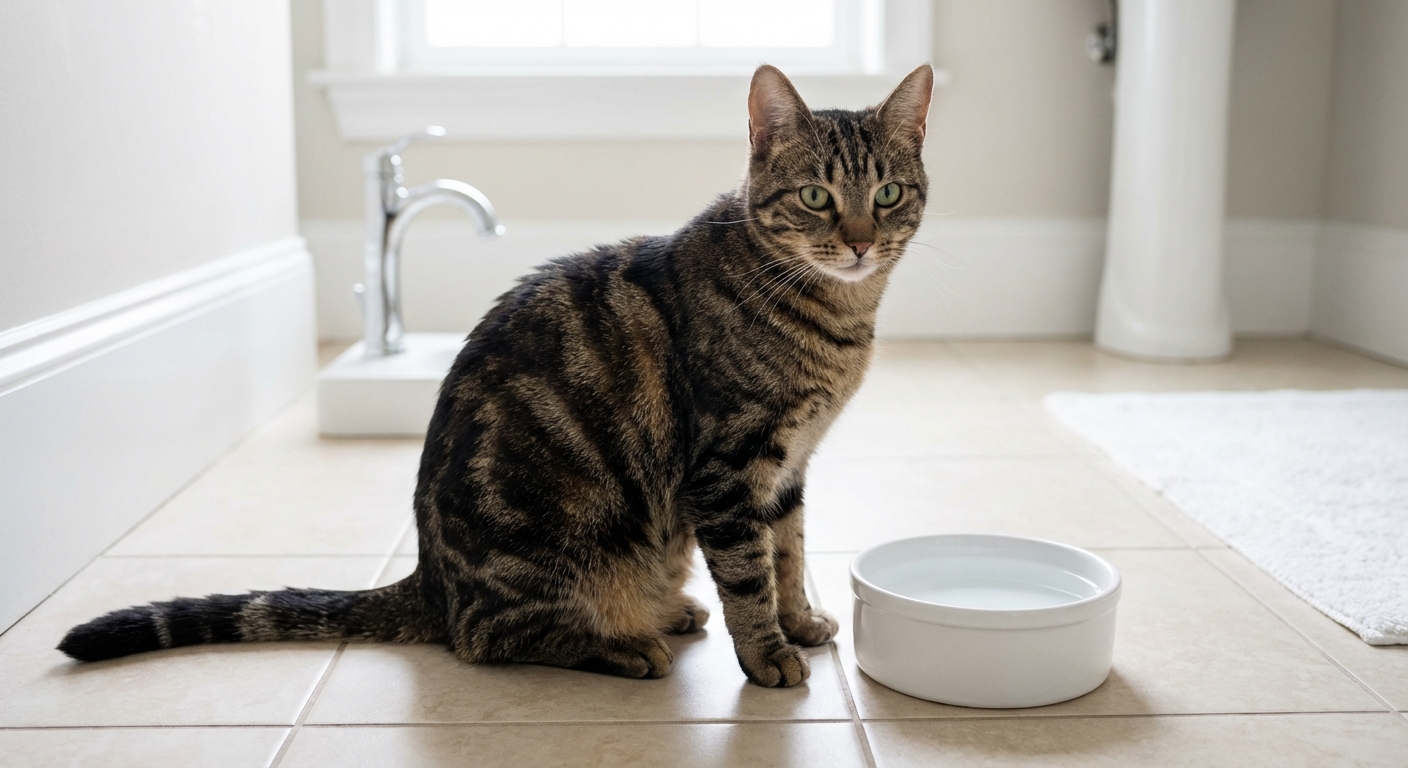
Diarrhea pulls water out of the body. Encourage fluids with:
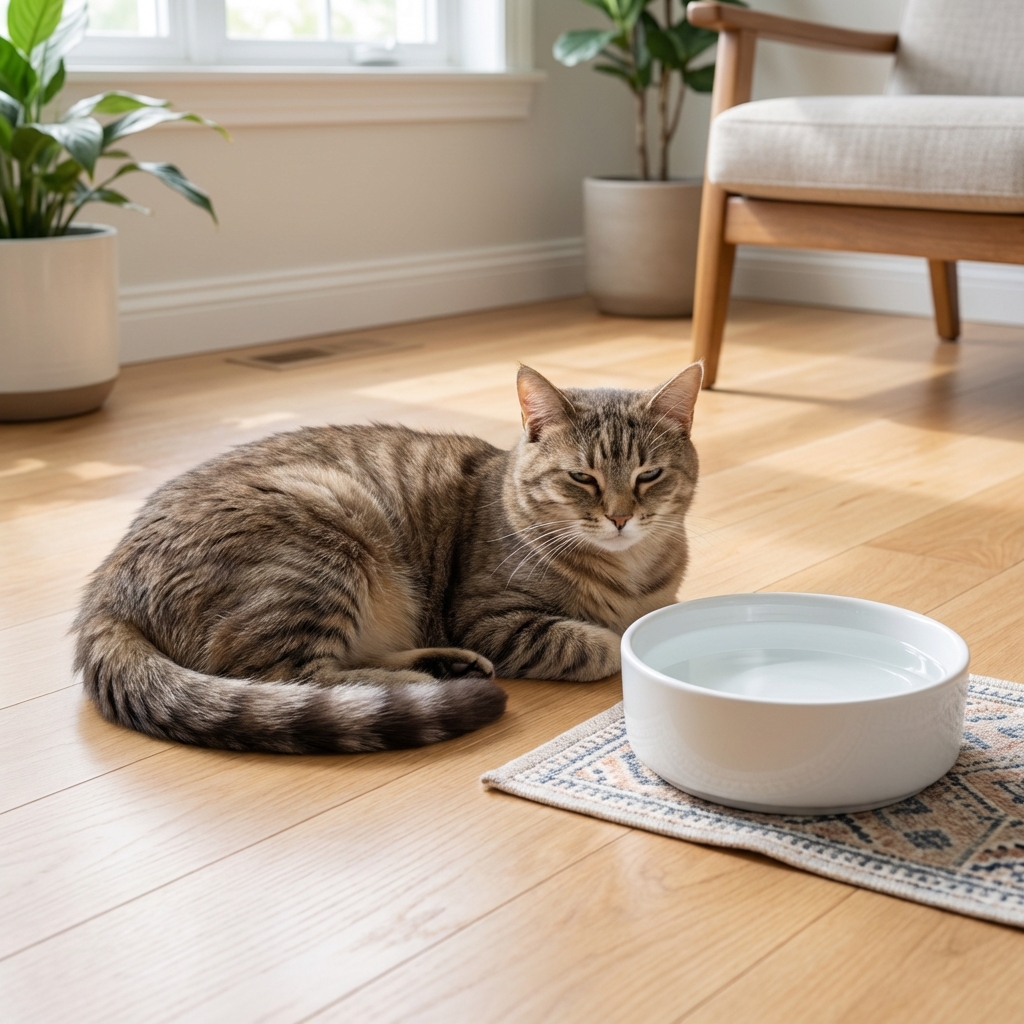
- Fresh water in multiple spots
- A pet fountain (many cats drink more from moving water)
- Adding water to wet food
Important: Do not force water into your cat’s mouth. If your cat will not drink, that is a reason to call your veterinarian.
Also important: Sudden, severe watery diarrhea can dehydrate even adult cats quickly. If it is profuse, frequent, or your cat seems “off,” do not wait it out.
Step 2: Pause treats and rich extras
Keep meals simple. Avoid milk, broth with onion or garlic, fatty foods, and new treats.
Step 3: Consider a veterinary bland diet
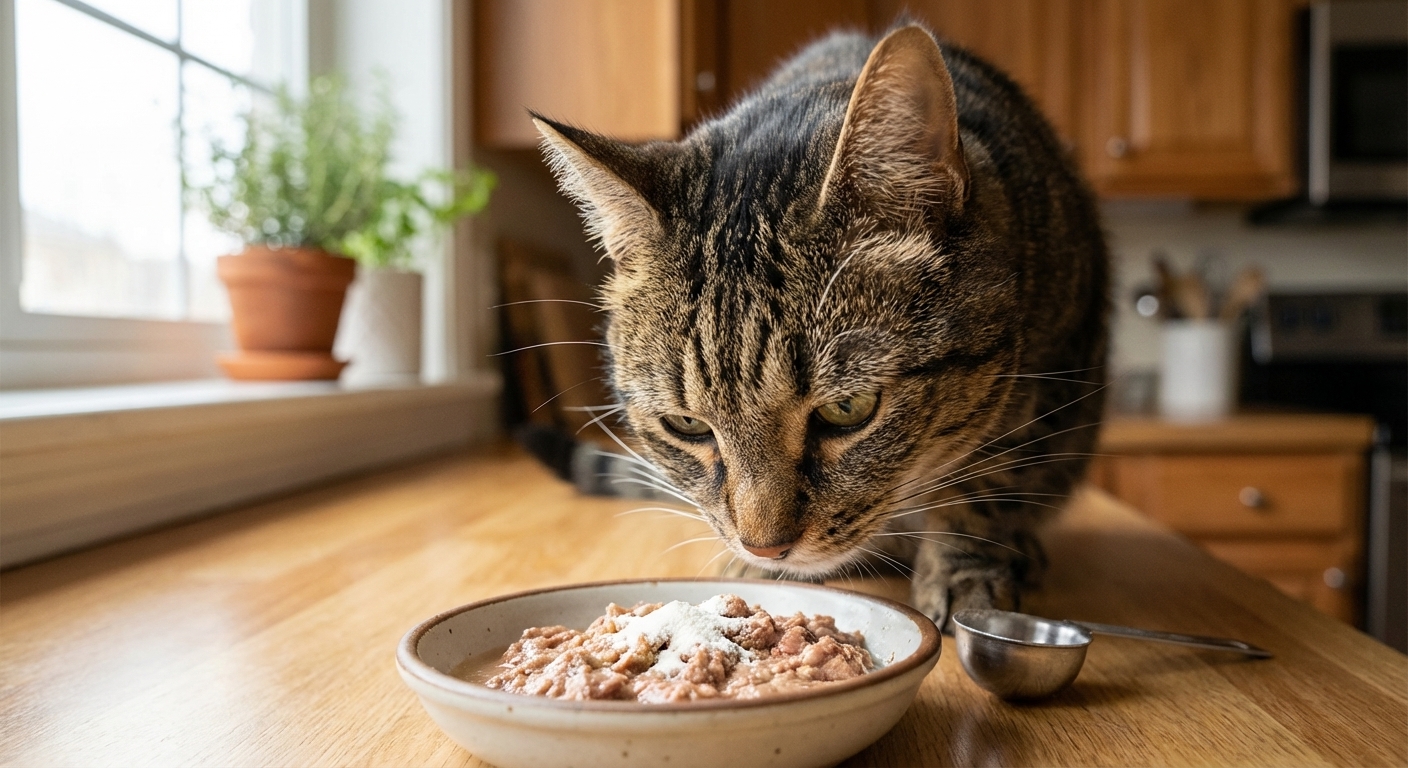
Many vets recommend a GI-support diet (often prescription) because it is formulated to be gentle and complete. If you cannot get that immediately, ask your vet what short-term bland option is best for your cat’s age and health status.
Note: Unlike dogs, cats should not be fasted for long periods. Cats can develop serious metabolic issues when they do not eat, especially if they are overweight. If your cat is refusing food, call your vet.
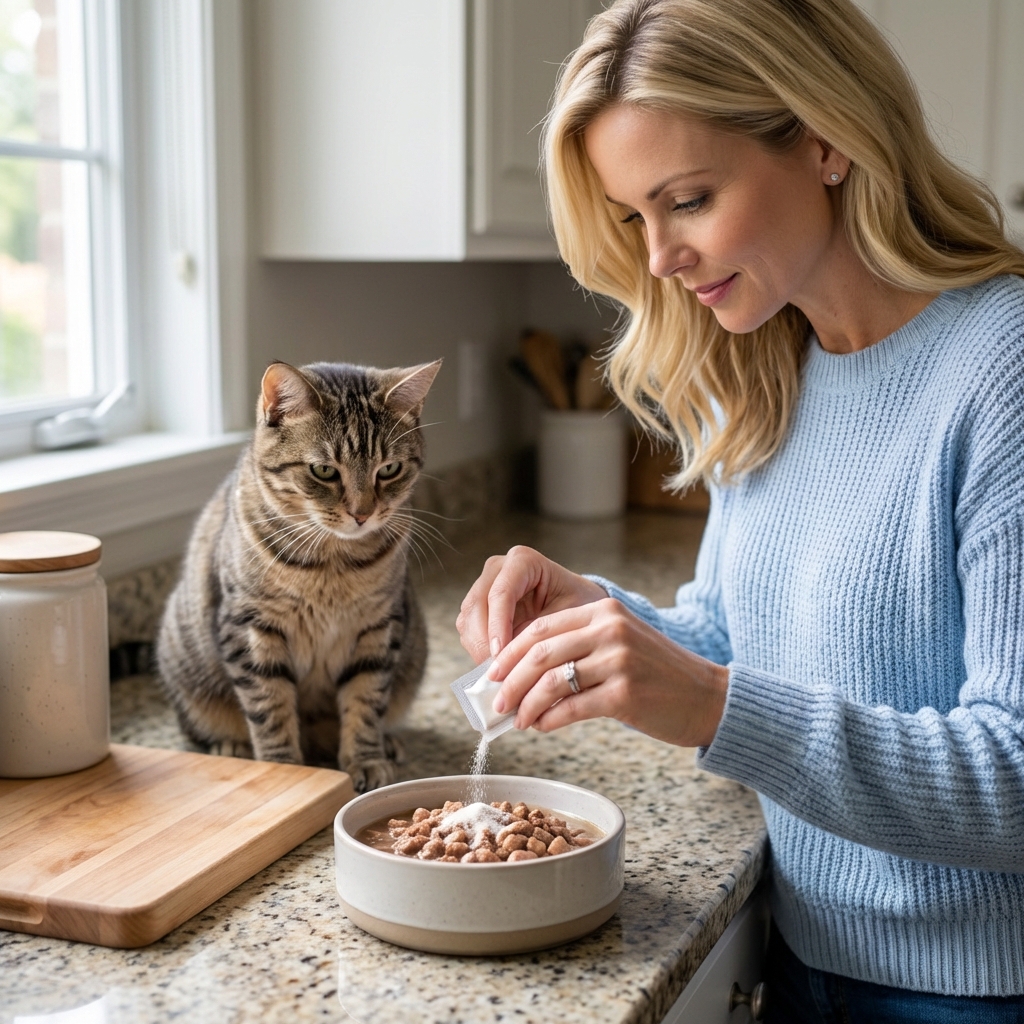
Step 4: Probiotics made for cats
Some veterinary probiotics may help improve stool quality in certain diarrhea cases, especially when stress or antibiotics are involved. Choose a product labeled for cats and follow dosing directions. If your cat has immune issues or is very ill, ask your vet first.
What not to do
- Do not give human anti-diarrheals (like loperamide/Imodium or bismuth/Pepto-Bismol) unless your veterinarian specifically tells you to. These can be unsafe for cats or mask a more serious problem.
- Do not change foods repeatedly trying to “find something that works” in a single day. Rapid switching often makes diarrhea worse.
- Do not ignore the full picture. Appetite, energy, vomiting, and hydration matter as much as the stool.
When to call the vet urgently
In general, call your veterinarian if diarrhea lasts more than 24 to 48 hours or sooner if any red flags apply.
Please contact your veterinarian urgently or go to an emergency clinic if you notice any of the following:
- Diarrhea lasting more than 24 to 48 hours, especially in adult cats
- Kittens with diarrhea (they dehydrate quickly)
- Repeated vomiting or inability to keep water down
- Blood in stool (more than a small streak) or black, tarry stool
- Lethargy, weakness, collapse, or hiding more than usual
- Signs of dehydration: tacky gums, sunken eyes, not peeing, skin not snapping back
- Suspected toxin exposure or foreign object chewing
- Known chronic illness (kidney disease, diabetes, hyperthyroidism) and new diarrhea
If your gut says “this isn’t my cat’s normal,” trust that instinct. You know your cat best.
How your veterinarian may diagnose the cause
To get to the root of diarrhea, your vet may recommend:
- Fecal testing (for parasites like Giardia and worms)
- Bloodwork (to check organ function, inflammation, thyroid levels, and hydration)
- Diet trial (often a novel protein or hydrolyzed diet for several weeks)
- Imaging like X-rays or ultrasound if obstruction or disease is suspected
- Additional GI testing for chronic cases
Bring a fresh stool sample if possible. It can save time and help your vet choose the right treatment sooner.
Prevention tips
Transition foods slowly
When changing diets, mix the new food in gradually over 7 to 10 days (sometimes longer for sensitive cats).
Keep up with parasite prevention
Ask your veterinarian which deworming and prevention schedule fits your cat’s lifestyle. Indoor cats often still benefit from routine screening.
Reduce stress where you can
- Stick to consistent feeding times
- Offer safe hiding spots and vertical space
- Use pheromone diffusers if your cat is anxious
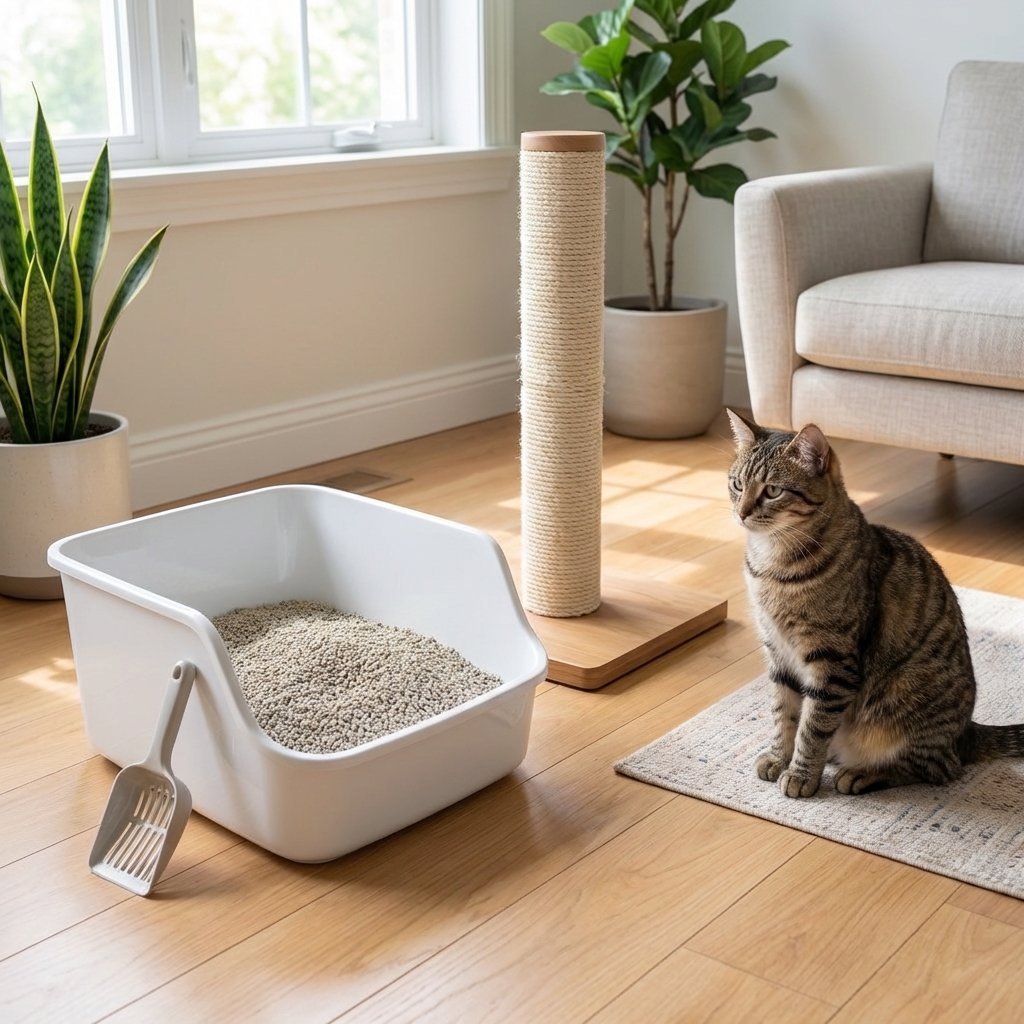
- Keep litter boxes clean and easy to access (especially for seniors)
Choose cat-safe enrichment
Chewing string, ribbon, hair ties, and small toys can lead to intestinal upset or dangerous blockages. Keep tempting items out of reach and choose sturdy, cat-safe toys.
A simple poop log
Veterinary teams love clear details. If diarrhea is ongoing, track:
- Date and time
- Stool texture (soft, watery, pudding-like)
- Color (brown, yellow, green, black)
- Mucus or blood present
- Vomiting, appetite, energy level
- Any new foods, treats, plants, medications, or stressors
This information can speed up diagnosis and help your vet choose the most effective next step.
Bottom line
Cat diarrhea usually has a cause we can identify and manage, whether it is a simple diet slip-up, parasites, stress, or an underlying medical condition. Start with hydration and gentle support, keep a close eye on your cat’s overall behavior, and do not wait too long to call your veterinarian if things are not improving.
Your cat depends on you to notice the subtle changes. With timely care, most cats bounce back nicely.