Learn how to support dogs with bladder stones using hydration-first homemade meals, low-purine protein options, urine pH basics, treat pitfalls, and foods to...
Article
•
Designer Mixes
What Causes Bladder Infections in Dogs

Shari Shidate
Designer Mixes contributor
Bladder infections in dogs are common, uncomfortable, and usually treatable, but they can become serious if ignored. In the clinic, we often see pups who start with a small change like a few extra potty trips and end up with a painful urinary tract infection (UTI). The good news is that once you understand what causes bladder infections in dogs, you can spot early signs and lower the odds of repeat infections.
First, what is a bladder infection?
A bladder infection is typically a bacterial infection of the urinary bladder. Many people call it a UTI, although technically a UTI can involve the bladder, urethra, prostate (in male dogs), or kidneys. Most uncomplicated UTIs in dogs (meaning an otherwise healthy dog with no known structural or functional urinary issues) involve the bladder and are called bacterial cystitis.
When bacteria get into the lower urinary tract, they can multiply in urine and irritate the bladder lining. That irritation triggers classic symptoms like urgency, frequent small urinations, and discomfort.
Quick language note: in this article, when I say “UTI,” I am usually talking about a bladder infection (bacterial cystitis), unless I specify kidney or prostate involvement.
What causes bladder infections in dogs?
Most bladder infections happen when bacteria from the skin or GI tract travel up the urethra into the bladder. That is why female dogs, who have a shorter urethra, tend to get UTIs more often than males. But there is usually more to the story than bacteria alone. Here are the most common causes and contributing factors.
1) Bacteria entering the urinary tract
E. coli is the most common culprit, but other bacteria can cause infection too. Normal grooming, a dirty coat around the rear end, or diarrhea can increase bacterial exposure. In some dogs, frequent moisture and contamination around the rear end can also raise risk.
2) Urine holding and not emptying the bladder fully
When dogs hold their urine too long, bacteria have more time to multiply. Some dogs also do not empty their bladder all the way, which leaves urine behind and creates a better environment for bacterial growth.
- Busy household schedules can mean fewer potty breaks.
- Senior pets with mobility pain may avoid asking to go out.
- Anxiety or changes at home can cause some dogs to “hold it.”
3) Bladder stones or urinary crystals
Stones and crystals can irritate the bladder lining and make infections more likely. Certain stone types can also form because of infection, creating a frustrating cycle. If your dog has recurrent UTIs, your veterinarian may recommend X-rays or ultrasound to check for stones.
4) Anatomy, hygiene, and moisture
Anything that traps moisture or bacteria near the vulva or prepuce can raise risk. Examples include:
- Dogs with skin folds that stay damp.
- Long-coated dogs who get urine on their hair.
- Dogs with vulvar conformation issues, like a recessed vulva.
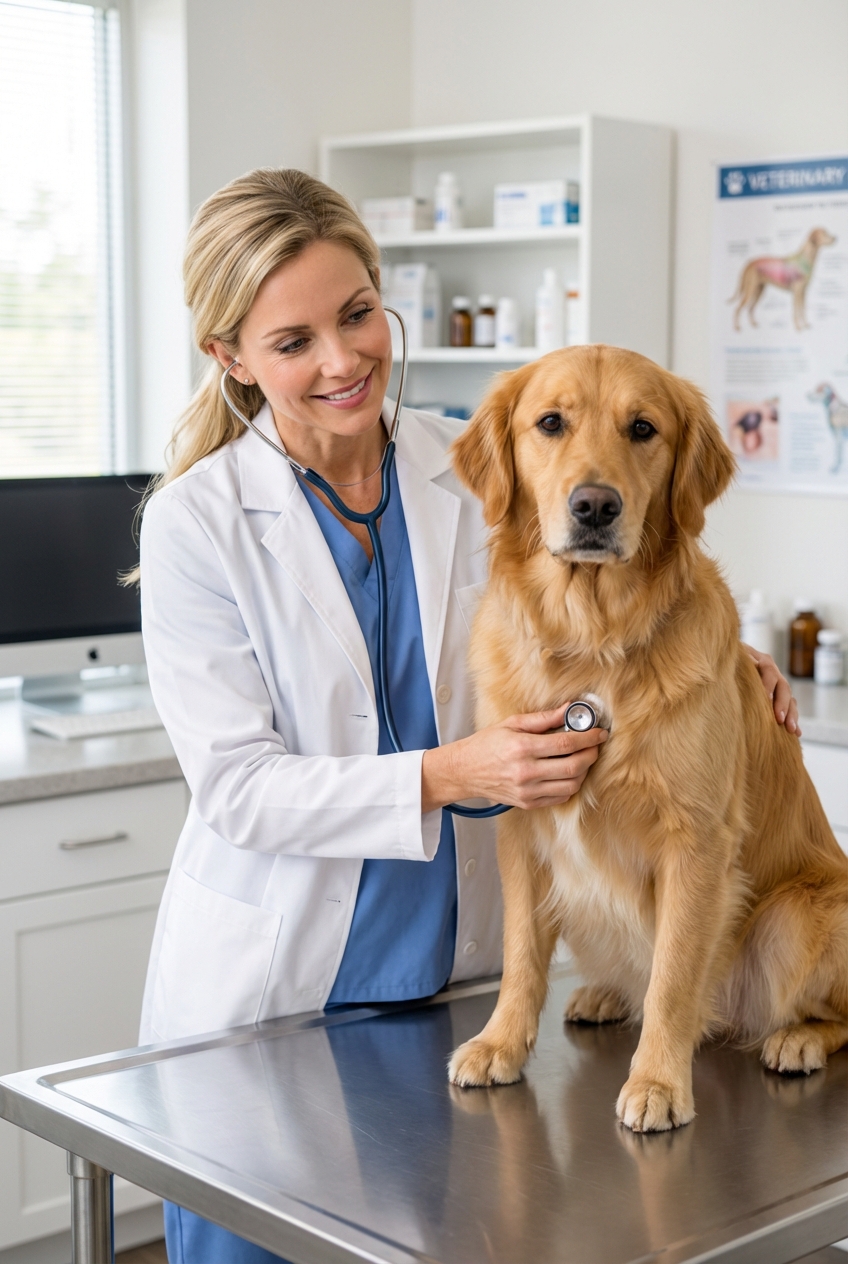
Signs your dog may have a bladder infection
Call your vet if you notice any of the following:
- Frequent trips outside with little urine produced
- Straining or discomfort while urinating
- Blood-tinged urine
- Urine that can smell foul or unusually strong
- Accidents in the house, especially in a previously housetrained dog
- Excessive licking of the genital area
- Cloudy urine
Urgent red flags: if your dog cannot pass urine at all, seems very painful, vomits, is lethargic, or has a swollen belly, treat it as an emergency. Urinary obstruction is life-threatening, especially in male dogs.
Key facts to know
- Not every “UTI symptom” is a UTI. Straining, frequent attempts, or accidents can also be caused by bladder stones, inflammation without infection, prostate issues, urinary incontinence, or even pain from arthritis that makes squatting uncomfortable. Rarely, dogs can have sterile cystitis (inflammation without infection). It is much more common in cats than dogs, but it can happen.
- Urine can look normal and still be infected. Many dogs with UTIs do not have obvious blood in the urine.
- Female dogs are at higher risk, but males can get UTIs too. In males, a UTI can signal something more complicated like prostate problems or stones, so vets often recommend more testing.
- A urinalysis is helpful, but a urine culture is the gold standard. Culture confirms a bacterial UTI and identifies which antibiotics are most likely to work. It is especially important for recurrent infections, complicated cases, and when the first treatment does not fully resolve signs.
Medical conditions that raise UTI risk
When a dog gets infections repeatedly, we look for an underlying reason. Some common medical contributors include:
Diabetes mellitus
Extra glucose in urine can feed bacteria. Dogs with diabetes may also drink and urinate more, and they are more prone to infections in general.
Cushing’s disease
High cortisol levels can suppress normal immune defenses, making infections easier to develop and harder to clear.
Kidney disease or kidney infection
Lower urinary infections can sometimes ascend, and kidney involvement is more serious. Dogs may seem more ill, run a fever, or have back pain.
Immune suppression
Some medications (like steroids) or conditions that dampen immune response can increase risk.
Prostate disease in male dogs
Intact male dogs can develop prostate infections that look like recurrent UTIs. This is one reason urine culture and deeper diagnostics matter for repeat cases.
Incontinence and bladder emptying problems
Urine dribbling (often in spayed females) can keep the vulvar area damp and increase bacterial exposure. Neurologic disease or weak bladder function can also reduce bladder emptying, which increases risk.
Congenital issues in younger dogs
Some dogs are born with urinary tract differences, like ectopic ureters, that can contribute to infections and ongoing urinary accidents.
Vet diagnosis: what to expect
In a veterinary setting, diagnosis usually starts with a history and exam, then:
- Urinalysis to look for white blood cells, bacteria, blood, crystals, and urine concentration.
- Urine culture and sensitivity to confirm infection and choose the most effective antibiotic.
- Imaging like X-rays or ultrasound if stones, tumors, or anatomical issues are suspected.
- Bloodwork if there is concern for diabetes, kidney disease, or systemic illness.
Urine can be collected in a few ways:
- Free-catch (caught midstream) is easy, but it is more likely to be contaminated, which can make culture results harder to interpret.
- Catheter collection can be useful in some cases, but it still may introduce or pick up bacteria.
- Cystocentesis (a small needle into the bladder) is often recommended for culture because it is the least contaminated option. It sounds scary, but it is quick and commonly done.
Treatment basics
If a bladder infection is confirmed, treatment typically involves:
- Antibiotics chosen based on urine culture when appropriate (especially for recurrent or complicated cases).
- Pain relief or anti-inflammatory support in some dogs, since cystitis can be very uncomfortable.
- Follow-up testing in certain situations, like recurrent infections, complicated infections, or persistent signs. Your vet may recommend a repeat urinalysis or culture after treatment.
If stones, diabetes, Cushing’s disease, incontinence, or bladder emptying problems are part of the picture, long-term success depends on addressing that root cause, not just treating the infection.
Pet-friendly tips to help prevent bladder infections
These are practical, realistic steps that help many families lower recurrence risk. They are not a substitute for veterinary care, but they can support urinary health.
Help your dog pee more often
- Offer more potty breaks, especially for puppies, seniors, and small dogs.
- Add a short “last call” potty break right before bedtime.
Increase water intake safely
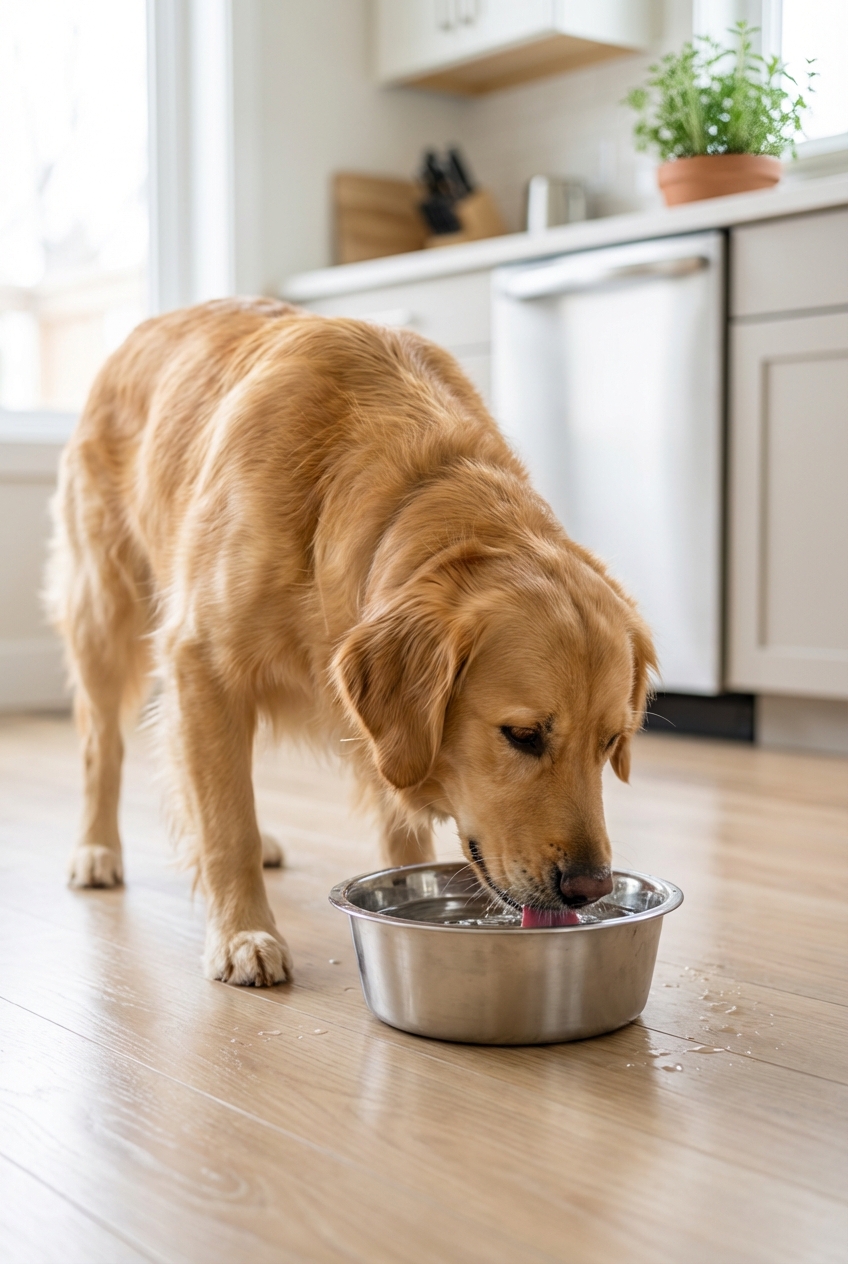
- Keep fresh water available and wash bowls daily.
- Consider a pet water fountain if your dog loves running water.
- Add water or low-sodium broth to meals if your vet says it is appropriate.
- Feed some moisture-rich food (wet food or balanced homemade meals) when feasible.
Keep the rear end clean and dry
- Trim long hair around the vulva or prepuce if it traps urine.
- Wipe the area after messy potty trips, especially after diarrhea.
- Address chronic skin fold moisture with your vet’s guidance.
Support a healthy weight and mobility
Overweight dogs may have more skin folds and may move less, which can reduce potty frequency. Gentle daily walks and weight management support urinary and overall health.
Consider diet and bladder stones risk
If your dog has a history of stones or crystals, diet matters a lot. Work with your veterinarian on the right approach, because the “best” diet depends on the stone type (for example, struvite versus calcium oxalate).
Common myths
Myth: “I can treat a UTI at home with cranberry.”
Cranberry products may help some humans reduce bacterial adherence, but evidence in dogs is limited and mixed, and dosing is not straightforward. More importantly, cranberry will not treat an active bacterial infection that needs antibiotics. Cranberry may also be a poor fit for some dogs with certain stone risks, so do not assume it is harmless. If you suspect a UTI, get a urinalysis and ask your veterinarian whether cranberry is appropriate as a prevention tool for your specific dog.
Myth: “If symptoms improve, we can stop the antibiotics.”
Stopping early can allow bacteria to rebound and may contribute to antibiotic resistance. Follow your vet’s instructions and ask whether a recheck urine test is recommended, especially for repeat infections.
Myth: “Accidents mean my dog is being stubborn.”
Sudden house-soiling is often a medical clue. Bladder infection, pain, cognitive changes, and hormone-related incontinence are all common in adult and senior dogs.
When bladder infections keep coming back
Recurrent UTIs usually mean one of three things:
- The infection never fully cleared, or the antibiotic was not the right match.
- There is an underlying issue like stones, diabetes, incontinence, bladder emptying problems, or anatomy concerns.
- The bladder is being re-infected repeatedly due to hygiene, holding urine, or other exposures.
If your dog has multiple infections in a year, ask your veterinarian about a urine culture, imaging, and screening for endocrine disease. The goal is not just to treat the infection, but to find the reason it keeps happening.
If your dog is peeing more often, straining, or having accidents, trust your gut and get it checked. The sooner we address urinary issues, the easier they are to treat and the better your dog feels.
Quick takeaway
Bladder infections in dogs are usually caused by bacteria entering the bladder, but they are often encouraged by factors like urine holding, poor bladder emptying, stones, moisture around the vulva or prepuce, incontinence, or underlying conditions like diabetes or Cushing’s disease. Prevention is very doable: more water, more potty breaks, good hygiene, and prompt vet testing when symptoms appear.