
Understand the top reasons dogs shiver—from cold and excitement to pain, nausea, fever, toxins, and neurologic issues. Get a quick home check and emergency...
Article
•
Designer Mixes
What Causes a Dog to Shiver

Shari Shidate
Designer Mixes contributor
Shivering can look scary, especially when it comes out of nowhere. As a veterinary assistant here in Frisco, Texas, I have seen shivering mean everything from “I’m cold” to “I need a vet today.” The good news is that many causes are simple and fixable. The key is knowing what to watch for and when to act.

What shivering can mean
Shivering is a rapid, involuntary muscle movement. Dogs may do it to generate heat, respond to stress, or because the body is reacting to pain, nausea, toxins, or illness. People often use “shaking” and “shivering” interchangeably, but a few clues can help you describe what you are seeing to your veterinarian.
- Shivering often looks like a fine tremble, especially through the legs, belly, or back.
- Tremors can be more rhythmic and persistent, sometimes involving the head.
- Seizures often include loss of awareness, paddling, drooling, or loss of bladder control, and they usually do not stop just by comforting your dog.
Common and usually harmless causes
1) Cold and low body fat
Small dogs, puppies, seniors, and short-haired breeds can get chilled quickly. If your dog stops shivering once warmed up, cold is a likely culprit.
- Offer a blanket, a sweater, or move your dog away from drafts.
- Keep baths short and dry the coat well afterward. Gently towel-dry the outer ears and paws.
2) Excitement
Some dogs shake when they see the leash, hear the treat bag, or greet a favorite person. This is usually brief and paired with loose body language and a happy face.
3) Stress and noise fear
Thunderstorms, fireworks, vet visits, or a new environment can trigger shaking. Stress-related shivering may come with panting, pacing, tucked tail, hiding, yawning, or lip licking.
Actionable tip: Create a calm safe zone with white noise, dim lighting, and a cozy bed. If noise phobia is significant, talk with your veterinarian about behavior plans and safe medications.

Hidden causes owners miss
4) Pain
Dogs often hide pain. Shivering can show up with back pain, neck pain, abdominal discomfort, arthritis flare-ups, dental pain, or injuries.
- Look for: reluctance to jump, stiffness, limping, hunched posture, guarding the belly, or flinching when touched.
- Do not: give human pain relievers. Many are toxic to dogs.
5) Nausea or stomach upset
Dogs can shiver when they feel nauseated. This is common with car sickness, gastritis, sudden diet changes, eating something rich, or early GI illness.
- Look for: drooling, lip smacking, gulping, burping, grass eating, or decreased appetite.
6) Low blood sugar
This is most common in toy breeds, puppies, and very small dogs that skip meals, play hard, or are sick. Low blood sugar can start as shivering and progress to weakness, wobbliness, and even seizures.
Urgency: Call your vet right away if you suspect low blood sugar, especially in a puppy.
7) Fever or infection
Dogs with a fever may shiver while their body tries to regulate temperature. Fevers can come from infections, inflammation, tick-borne illness, or other medical conditions.
Tip: If your dog is lethargic, not eating, and shivering, schedule an exam. A normal rectal temperature is generally about 100.5 to 102.5°F, but confirm what is normal for your individual dog with your veterinarian.
8) Toxin exposure
Trembling and shivering can be early signs of poisoning. Common culprits include xylitol (in some sugar-free gum, peanut butters, and also some OTC oral care products or gummies), chocolate, rodent bait, marijuana products, certain insecticides, slug bait, and some human medications.
Urgency: If toxin exposure is possible, call your veterinarian or pet poison support immediately. Bring packaging if you have it.
9) Neurologic and tremor disorders
Some dogs develop tremors from neurologic disease, age-related changes, or breed-associated conditions. One example owners often read about is generalized tremor syndrome (sometimes called white shaker syndrome), which can cause full-body tremors. Other issues, like idiopathic head tremor episodes or vestibular (inner ear balance) disease, can also look like shaking.
Good to know: Many cases respond well once diagnosed and treated, but diagnosis matters. A short video of the episode can be extremely helpful to your veterinarian.
After vaccines or anesthesia
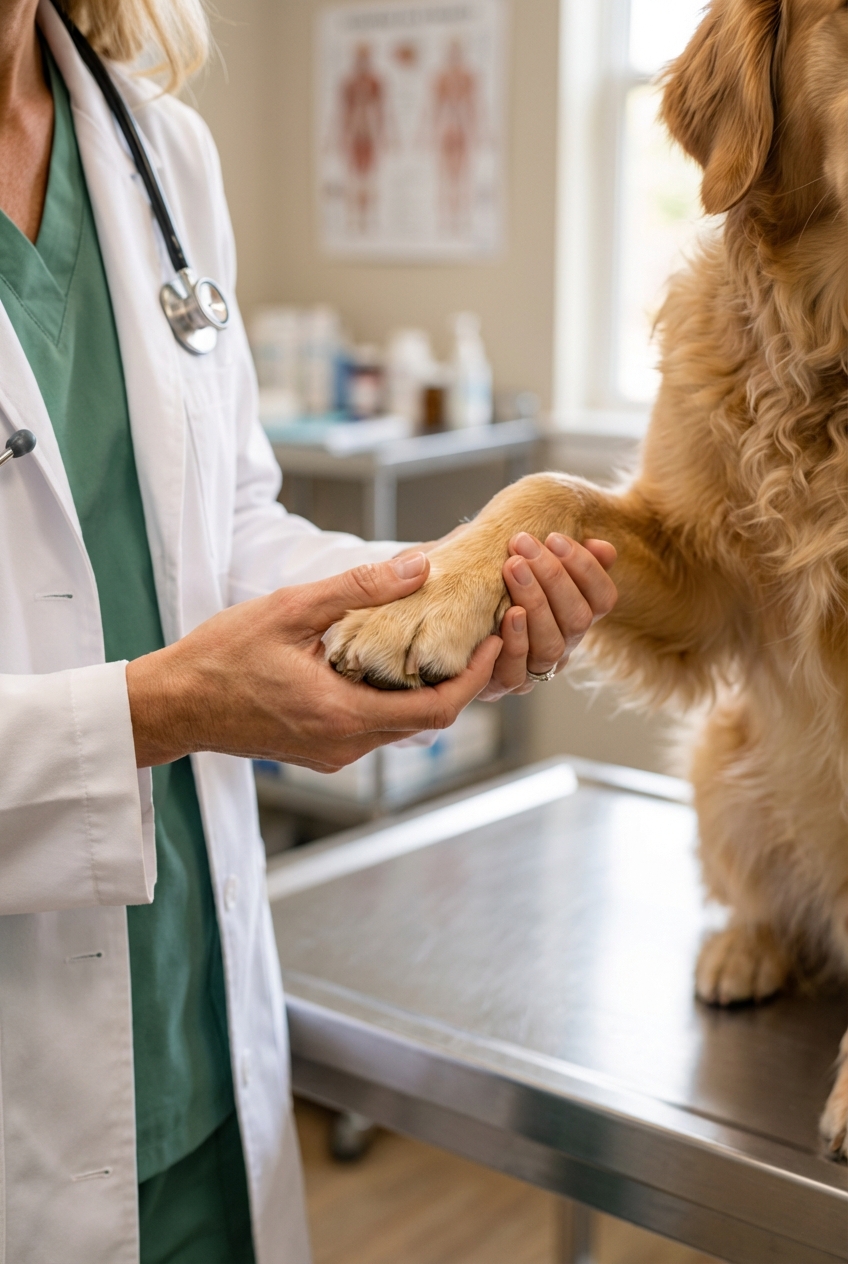
It is not unusual for dogs to shiver after a vaccine visit (stress, mild fever, or soreness) or after anesthesia or sedation (temperature dips, grogginess, or medication effects). These episodes are often short-lived, but you should call your clinic if shivering is intense, lasts more than a few hours, or comes with vomiting, facial swelling, hives, trouble breathing, extreme lethargy, or collapse.
When it is an emergency
Trust your instincts. If something feels off, it is always appropriate to call an emergency clinic. Seek urgent care if shivering is paired with any of the following:
- Collapse, extreme weakness, or trouble standing
- Difficulty breathing, blue or very pale gums
- Repeated vomiting, bloated abdomen, or unproductive retching
- Signs of severe pain, crying out, or a rigid hunched posture
- Seizure activity or altered awareness
- Possible toxin ingestion
- Signs of overheating or heatstroke (heavy panting, drooling, vomiting or diarrhea, collapse, very high temperature, or abnormal gum color)
- Severe chilling that does not improve with gentle warming
- A puppy, senior dog, or dog with chronic illness who is shivering and not themselves
What you can do now
Step 1: Quick calm check
- Temperature and environment: Is your dog wet, in cold air, or on a chilly floor?
- Body language: Relaxed, or tense and uncomfortable?
- Eating and drinking: Any sudden changes?
- Bathroom habits: Diarrhea, straining, or accidents?
- Mobility: Limping or reluctance to move?
Step 2: Warmth and comfort
Move to a warm, quiet room. Offer a blanket. If your dog tolerates it, gentle pressure like a snug wrap can calm some dogs.
Step 3: Record it
A 10 to 20 second video helps your vet distinguish shivering from tremors or seizures. Note the time it started, how long it lasted, and what was happening right before it began.
Step 4: Call your veterinarian
Even if your dog seems mostly okay, repeated episodes deserve a checkup. In clinic, your veterinarian may recommend an exam, bloodwork, parasite screening, x-rays, or other testing based on your dog’s history and symptoms.
What not to do
- Do not give human medications unless your veterinarian specifically tells you to.
- Do not force-feed a nauseated or weak dog.
- Do not use heating pads directly on your dog. Burns can happen quickly. Use blankets and a warm room instead.
- Do not wait it out if symptoms escalate or your gut says something is wrong.
Prevention tips
- Keep meals consistent for small dogs and puppies to reduce low blood sugar risk.
- Transition foods slowly over 7 to 14 days to help prevent GI upset.
- Use weather protection like sweaters, booties, and towel drying after rain.
- Reduce toxin risks by storing medications securely and checking labels for xylitol.
- Support joint health with weight management, appropriate exercise, and vet-approved supplements if needed.
If you remember one thing: shivering is a symptom, not a diagnosis. When it is new, intense, or paired with other changes, it is worth a call to your veterinarian.