A practical 24–72 hour diet and hydration plan for mild dog diarrhea, with bland food options, safe add-ons like probiotics, foods to avoid, and clear red ...
Article
•
Designer Mixes
What Can You Give Your Dog for Diarrhea?

Shari Shidate
Designer Mixes contributor
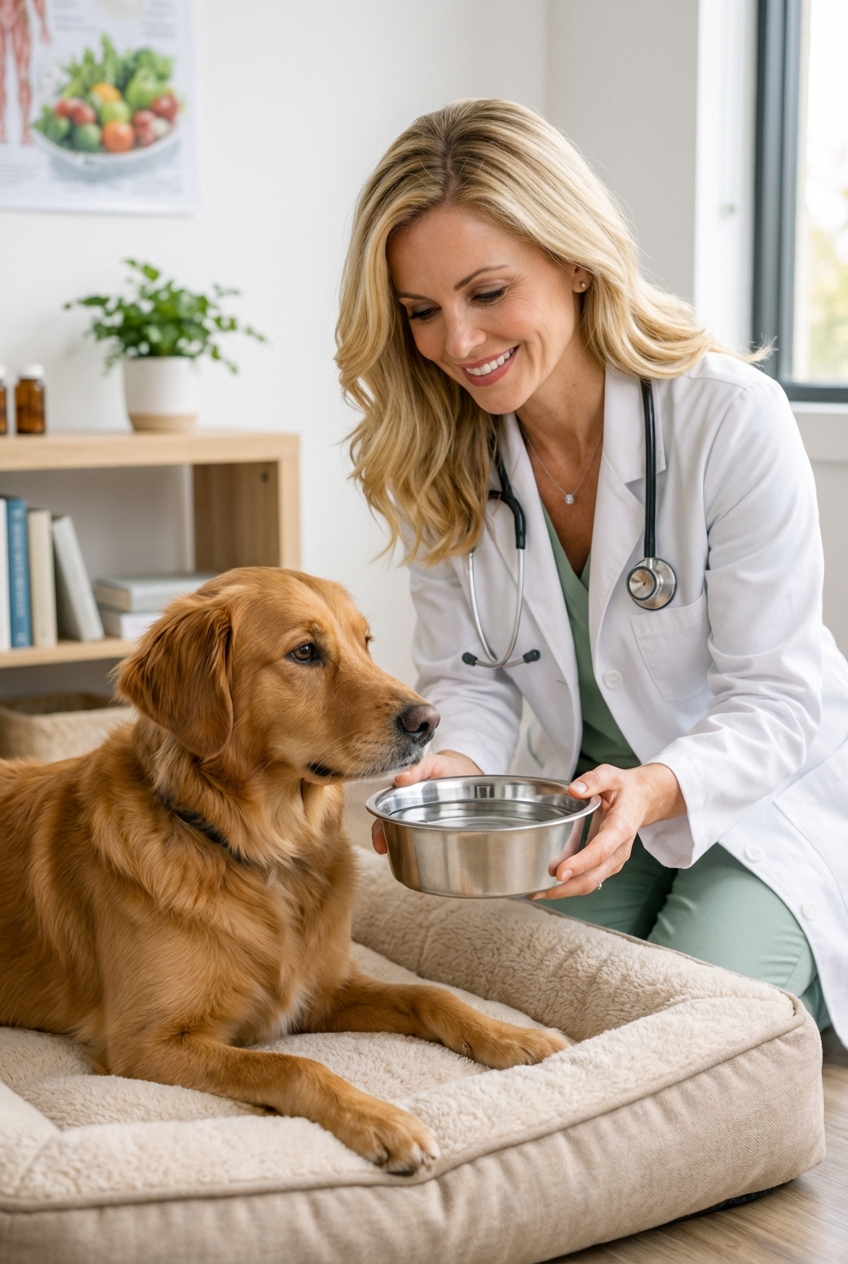
Diarrhea is one of the most common reasons pet parents panic, and I get it. A sudden change in stool can feel scary. The good news is that some mild cases improve within a day or two with the right at-home support. The key is knowing what is safe to try, what to avoid, and when you need a veterinarian right away.
First, check for red flags
Before you change food or add anything, take a moment to assess your dog. These signs mean you should call your vet urgently or go to an emergency clinic:
- Young puppy (especially under 6 months), senior, or medically fragile dog (kidney disease, heart disease, diabetes, Cushing’s, cancer, on steroids, etc.)
- Blood in stool (bright red) or black, tarry stool (can be digested blood)
- Repeated vomiting or can’t keep water down
- Severe lethargy, weakness, collapse, pale gums, or signs of pain
- Bloated abdomen or unproductive retching
- Possible foreign body (chewed toys, socks, bones, corn cobs) or straining to poop with little coming out
- Known toxin risk (garbage, compost, medications, chocolate, xylitol, grapes or raisins, rodent poison, etc.)
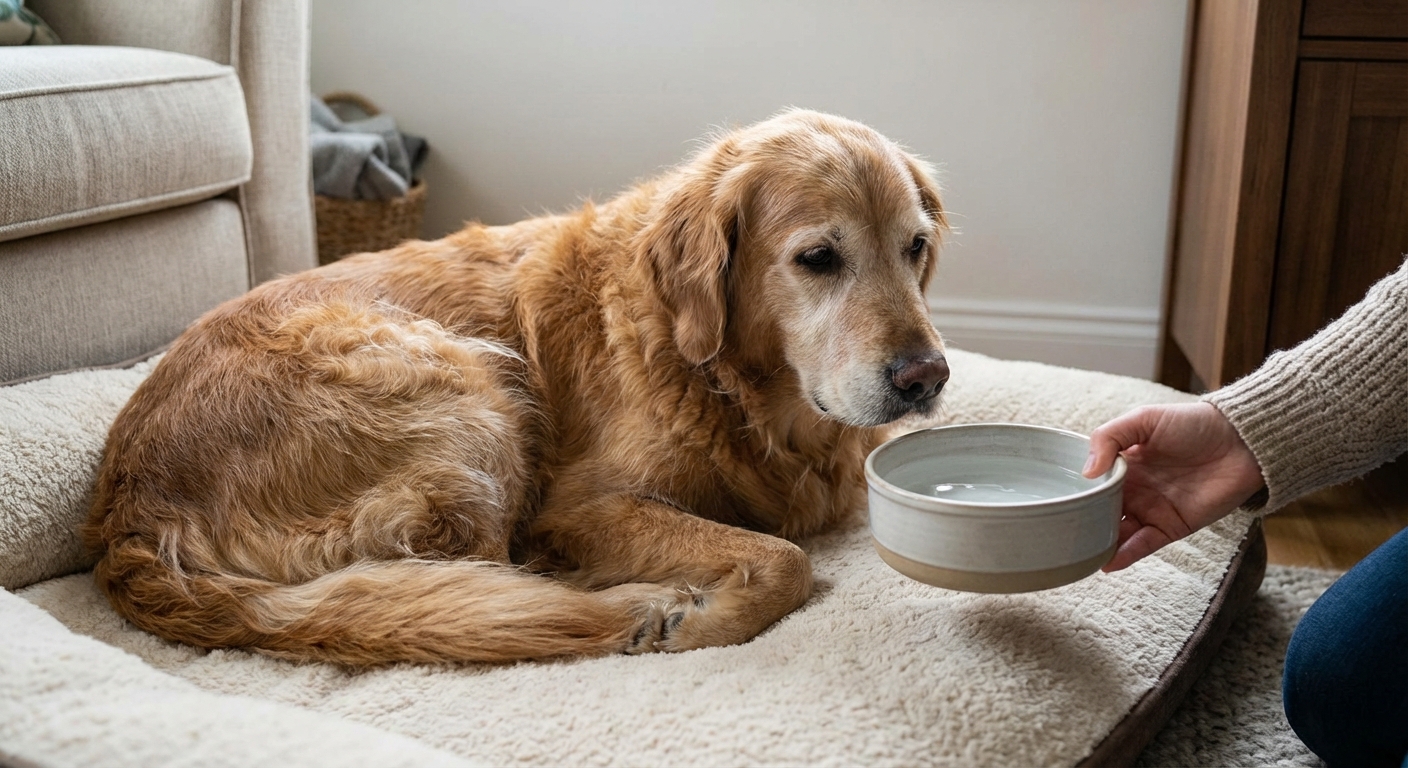
- Dehydration (sticky gums, sunken eyes, skin stays “tented” when gently lifted)
- Diarrhea lasting more than 24 to 48 hours, or sooner if worsening
If none of these apply and your dog is otherwise bright, alert, and drinking, at-home care can be appropriate for a short window.
What you can give your dog today
1) Water, plus smart hydration
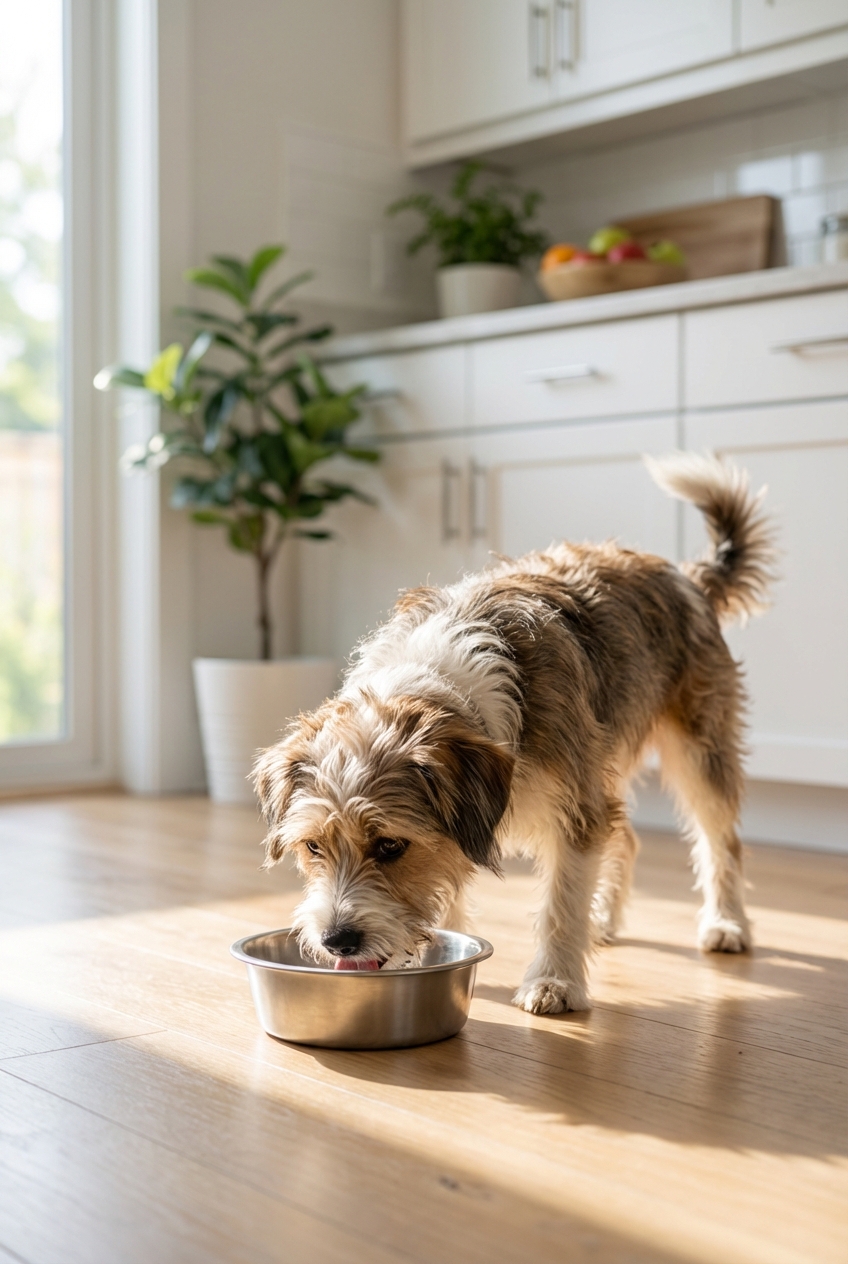
Diarrhea pulls water and electrolytes out of the body. Your first job is hydration.
- Fresh water at all times. Encourage small, frequent drinks.
- Ice chips may help dogs who gulp and then vomit, but stop if it triggers vomiting.
- Unflavored pediatric electrolyte solution (double-check ingredients, no xylitol or other sweeteners) can be used in small amounts for healthy adult dogs if your vet agrees. As a guardrail, only consider this if your dog is not vomiting and does not have heart or kidney disease.
Avoid: sports drinks, flavored electrolyte drinks, anything with xylitol, and seasoned or high-sodium broths.
2) A short bland-diet trial
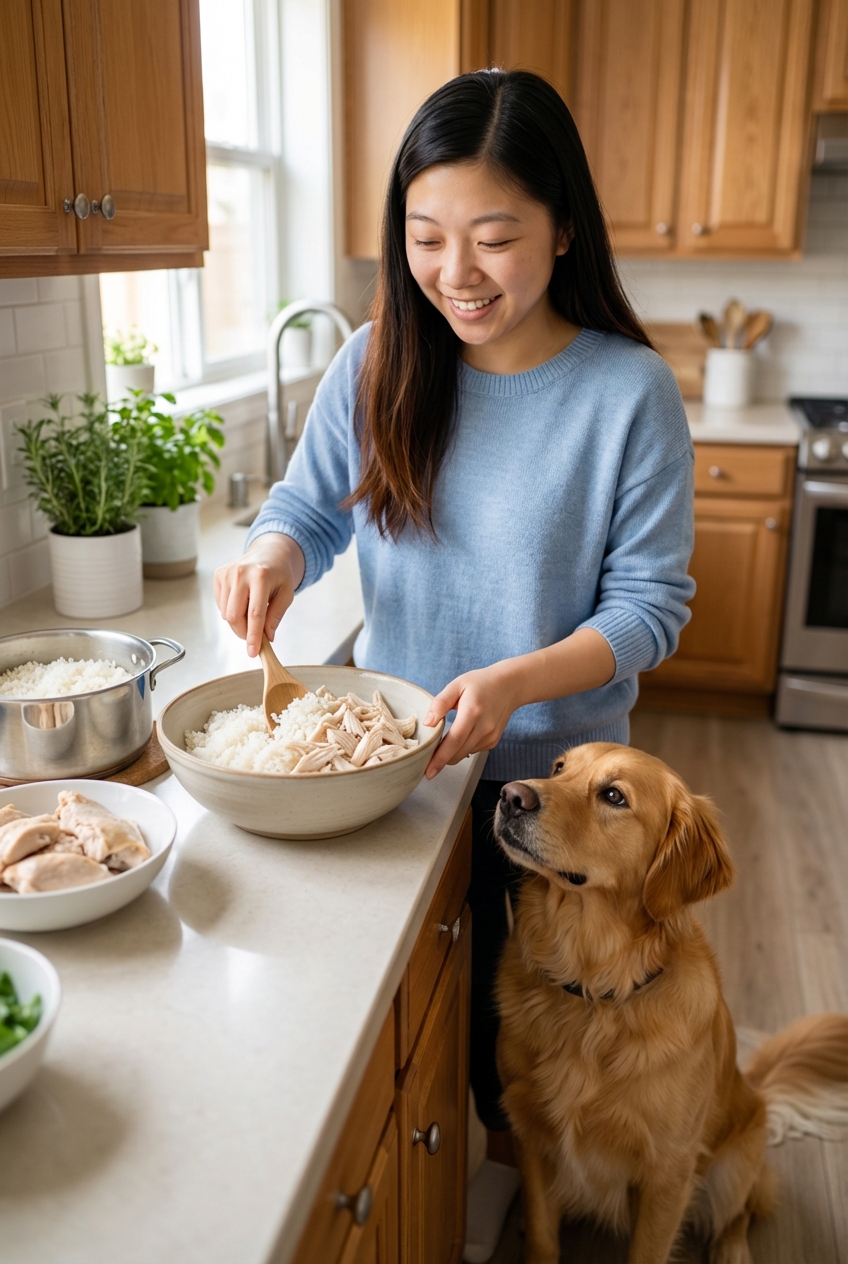
For most healthy adult dogs, a bland diet for 24 to 48 hours is the most reliable home step. Think simple, low-fat, easy to digest. If you already have a veterinary GI diet your vet previously recommended, that is also a great option.
- Boiled skinless chicken breast (shredded) + plain white rice
- Boiled lean turkey + white rice
- Scrambled egg (plain, no butter or oil) + white rice
How much to feed: offer about one-quarter to one-half of your dog’s usual meal size per feeding, and feed 3 to 4 small meals per day. If your dog has a history of pancreatitis or does poorly with fat, keep the protein very lean and talk to your vet about the best choice.
Pause all treats, chews, and table scraps during this window, even “healthy” ones, so you can see what the gut does with simple food.
If your dog improves for 24 hours, you can slowly transition back to their normal food over 2 to 3 days by mixing in increasing amounts.
3) Plain canned pumpkin (the right kind)
100% plain pumpkin (not pumpkin pie filling) is a gentle fiber source that may help firm stool. Fiber can also make some dogs gassier or looser, so start low and stop if it worsens diarrhea.
- Small dogs: start with 1 teaspoon
- Medium dogs: 1 tablespoon
- Large dogs: 1 to 2 tablespoons
Mix it into the bland diet once or twice daily.
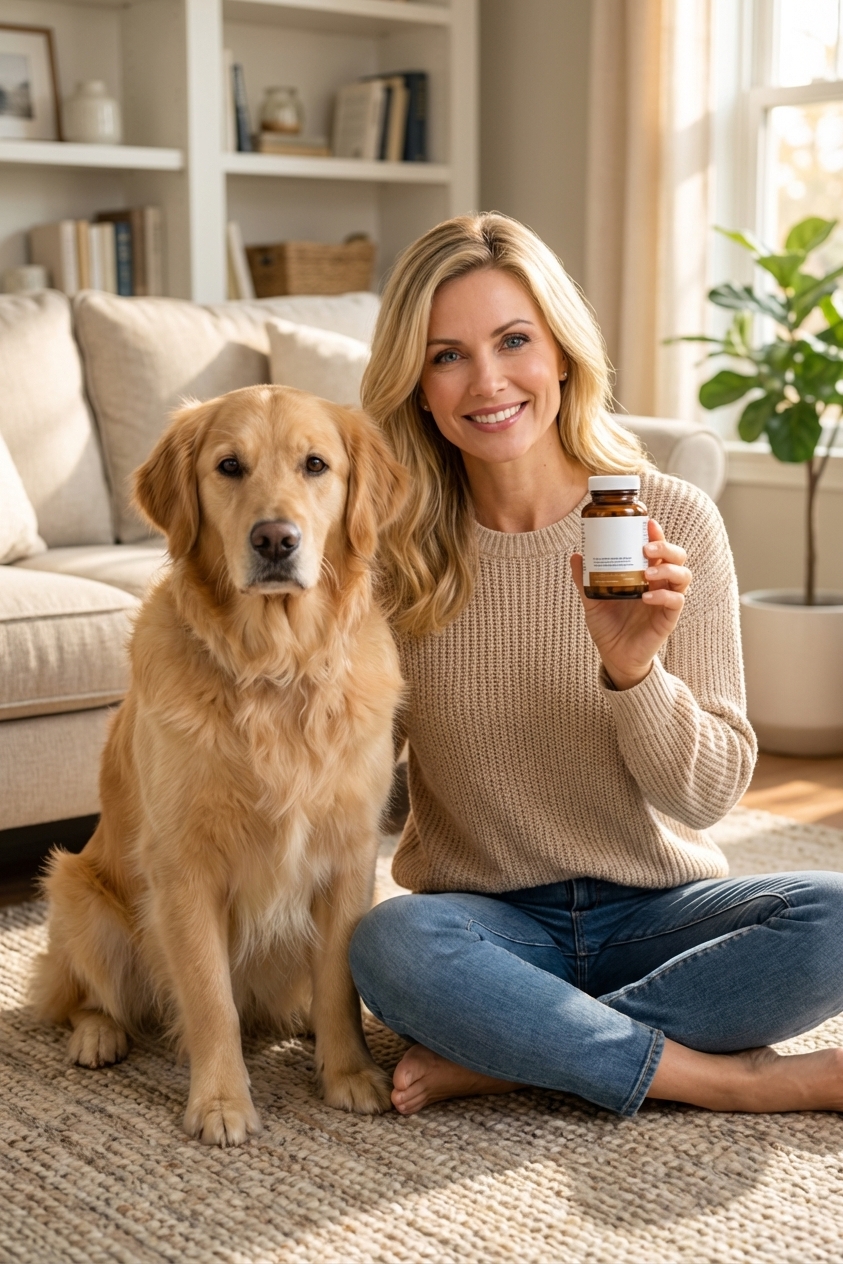
4) A dog-specific probiotic
Probiotics can support the gut microbiome, especially after dietary indiscretion or stress. Look for a dog probiotic with clear strain labeling and dosing instructions.
If you already have a veterinary probiotic at home, this is a good time to use it. If your dog is immunocompromised, ask your vet first.
5) Plain, low-fat yogurt (optional)
Some dogs do fine with a small amount of plain, unsweetened yogurt. Others get worse because many dogs are lactose intolerant, and the probiotic content in yogurt is inconsistent. If you try it, keep it tiny and stop if stool loosens.
- Start with 1 to 2 teaspoons for small dogs, 1 tablespoon for larger dogs.
- Avoid yogurt with artificial sweeteners or added sugars.
What not to give
Well-meaning home treatments can cause bigger problems. Skip these unless your veterinarian specifically instructs you:
- Pepto-Bismol (bismuth can be risky, especially with bleeding concerns, and dosing errors are common)
- Imodium (loperamide) without vet approval (can be dangerous in certain breeds and conditions, and if infection is present)
- Human cold meds, pain relievers, or antibiotics (toxic or inappropriate)
- High-fat foods like hamburger grease, bacon, cheese, or rich treats (can trigger pancreatitis)
- Broths that are salty or seasoned (onion and garlic powders are common and unsafe)
- Herbal “detox” products with unclear ingredients
48-hour care plan
Day 1
- Hydrate: offer frequent water breaks.
- Food: start bland meals in small portions.
- Add-on: consider plain pumpkin and a dog probiotic if tolerated.
- Skip extras: no treats, chews, table food, or new supplements.
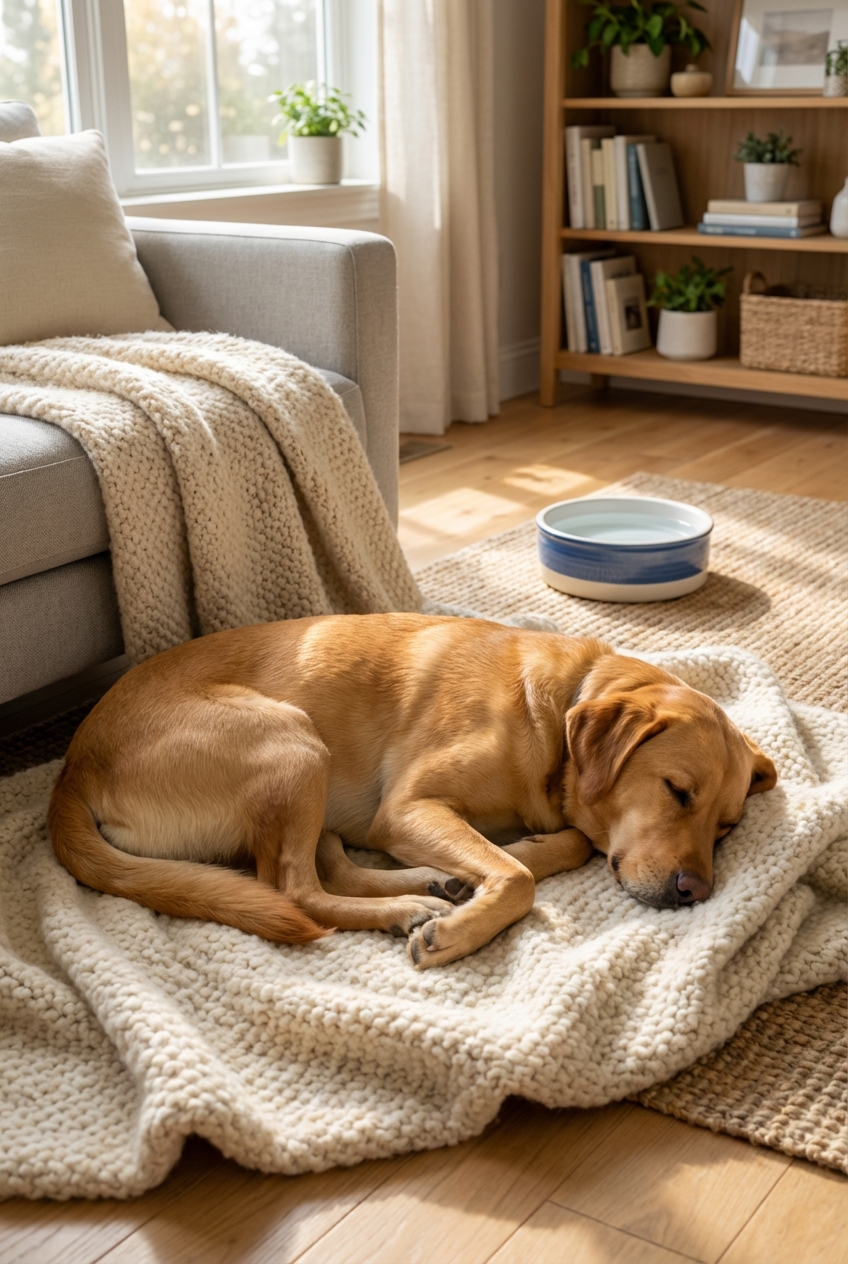
- Rest: skip strenuous exercise and keep things calm.
- Track it: note stool frequency, any vomiting, appetite, and energy.
Day 2
- If stool is improving, continue bland diet and start a gradual transition back to normal food.
- If diarrhea is the same or worse, or your dog seems “off,” call your vet. A fecal test, parasite treatment, or supportive meds may be needed.
Common causes
Knowing the likely trigger helps you prevent the next episode.
- Dietary indiscretion (trash, table scraps, new treats)
- Sudden food change
- Stress (travel, boarding, visitors)
- Parasites (giardia, roundworms, hookworms)
- Bacterial overgrowth or viral illness
- Food sensitivity or intolerance
- Pancreatitis (often tied to fatty foods)
- Foreign body (something stuck in the GI tract)
- Chronic GI disease if it keeps recurring
If diarrhea is persistent or keeps coming back, your vet will often recommend a fecal test to check for parasites like giardia, even if your dog is on monthly prevention.
Prevention tips
- Change foods slowly over 7 to 10 days.
- Keep treats simple and limit rich chews.
- Use a trash can with a locking lid if you have a “counter surfer.”
- Bring a fecal sample to your vet at least yearly, and anytime diarrhea is persistent or recurring.
- Consider a consistent probiotic if your dog has a sensitive stomach, with your vet’s guidance.
If you ever feel torn between “wait it out” and “call the vet,” trust your gut. Diarrhea is common, but dehydration, foreign bodies, and toxin exposure can become serious quickly.
Quick FAQs
Should I withhold food?
For many healthy adult dogs, a brief break from food used to be commonly recommended. Today, many vets prefer small bland meals instead, because the gut often heals better with gentle nutrition. If your dog is vomiting, has other illnesses, has a history of pancreatitis, or is very small, ask your vet before fasting.
How do I know if my dog is dehydrated?
Watch for tacky gums, sunken eyes, weakness, and skin that stays tented when gently lifted. If you suspect dehydration, it is time to call your veterinarian.
When is diarrhea an emergency?
Blood, black stool, repeated vomiting, severe lethargy, pain, bloat, suspected foreign body, toxin exposure, or diarrhea lasting more than 24 to 48 hours are all reasons to seek veterinary care.
What if diarrhea keeps coming back?
Recurring or chronic diarrhea, especially with weight loss, poor appetite, or low energy, needs a veterinary workup. Causes can include parasites, food intolerance, inflammatory bowel disease, endocrine disease, or exocrine pancreatic insufficiency.