A practical guide to helping a constipated cat at home: hydration tips, plain pumpkin, vet-guided Miralax (PEG 3350), fiber, hairball support, red flags, and...
Article
•
Designer Mixes
What Can You Give Cats for Constipation?

Shari Shidate
Designer Mixes contributor
Constipation in cats is relatively common, frustrating, and surprisingly easy to miss until your cat is uncomfortable. As a veterinary assistant, I like to start with a simple truth: many mild cases improve when we fix hydration, add the right kind of fiber, and address hair and stress. But some cases are not mild, and waiting too long can turn a small problem into a painful emergency.
Below are evidence-informed options that are generally safe for many cats, plus fun facts and practical tips to help you choose what to try and when to call your veterinarian.
How to tell if it is constipation
Cats often hide illness. Watch for these common signs:
- Frequent trips to the litter box with little or no stool
- Small, dry, hard stools or stool stuck to fur
- Straining or crying in the box
- Decreased appetite, hiding, or irritability
- Vomiting or lethargy (more concerning)
Important: Straining can also be a sign of urinary blockage, especially in male cats. If your cat is straining and producing no urine, or seems painful, that is an emergency.
What you can give at home
1) Water first
Dehydration is one of the biggest drivers of constipation. Cats are designed to get much of their water from prey, so many cats on dry food run chronically under-hydrated.
- Switch to wet food for a few days, or permanently if your vet agrees.
- Add water to canned food until it looks like thick oatmeal.
- Offer cat-safe broth only if it is free of onion, garlic, and sweeteners (including xylitol). Keep it truly low sodium and plain, since some broths are still salty or heavily flavored. Plain water is always the safest option.
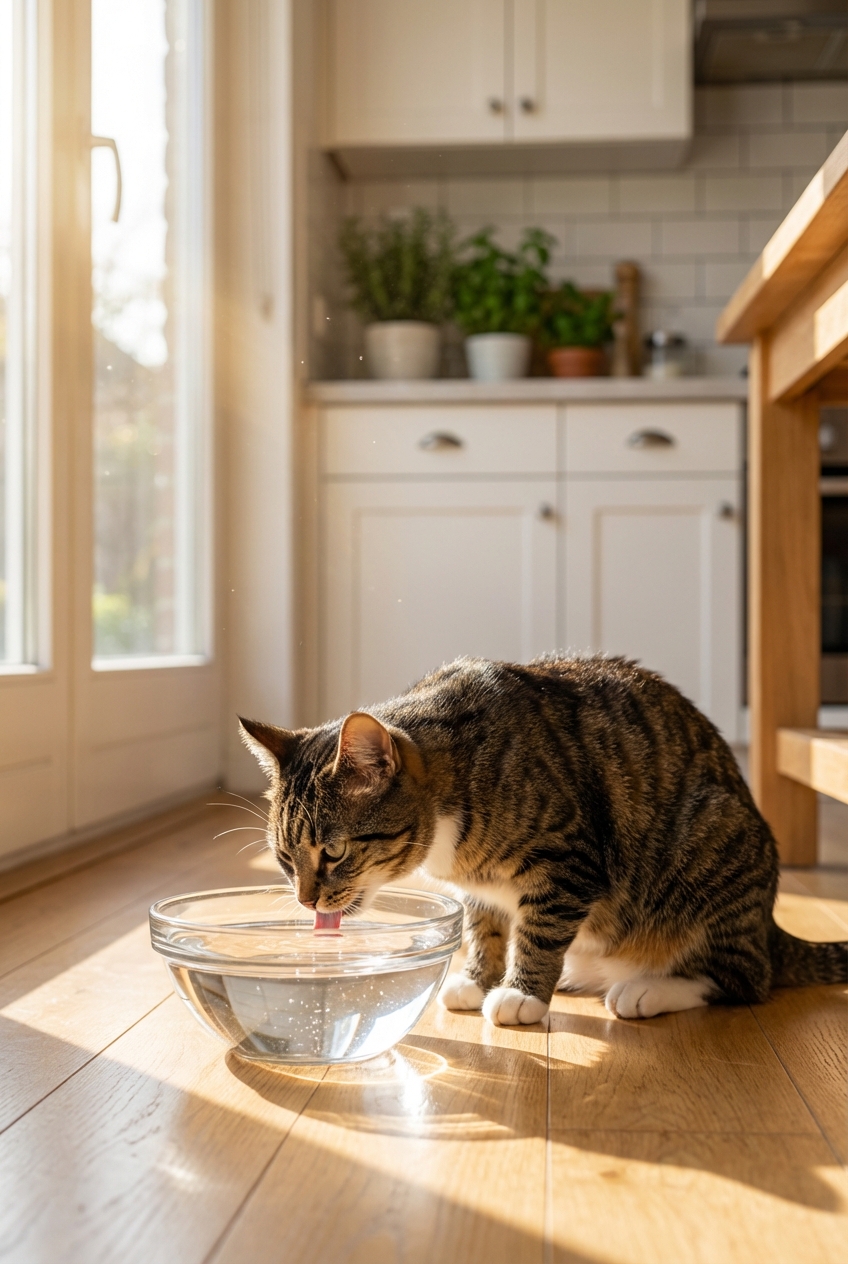
- Try a cat fountain. Many cats drink more from moving water.
2) Pumpkin (plain) for gentle fiber
Plain canned pumpkin can help some constipated cats by adding soluble fiber and moisture. Use only 100% pumpkin, not pumpkin pie filling.
- Typical starting amount: 1 to 2 teaspoons mixed into wet food once daily.
- If your cat refuses it, try a tiny amount first and increase slowly.
Quick caveat: Not every cat does well with added fiber, especially if they are dehydrated or have chronic constipation issues like megacolon. Stop pumpkin and call your vet if stools get drier, your cat seems gassy or uncomfortable, diarrhea starts, or appetite drops.
Fun fact: Pumpkin can help both constipation and mild diarrhea, depending on the cat, because soluble fiber can normalize stool consistency.
3) Psyllium husk (with vet guidance)
Psyllium is a fiber supplement that can help some cats, but it must be paired with adequate water. Too much fiber without enough water can make constipation worse.
- Ask your veterinarian for dosing based on your cat’s size and diet.
- Mix thoroughly into wet food and ensure good hydration.
- If your cat takes medications, ask your vet about timing. Fiber can affect absorption for some meds, so spacing doses may help.
4) Hairball support, when fur is the culprit
Hair in the gut can slow things down, especially in long-haired cats and during shedding seasons.
- Daily brushing during heavy shed
- Consider a hairball gel your veterinarian recommends
- Ask about a hairball-focused diet if this is frequent
5) Vet-used laxatives (do not DIY the dose)
There are cat-safe constipation medications, but dosing matters and some products are not appropriate for certain cats (kidney disease, heart disease, dehydration, or suspected obstruction).
- Polyethylene glycol 3350 is often used by veterinarians for feline constipation.
- Lactulose is another commonly prescribed option.
Please do not start these without your veterinarian’s dosing instructions, especially if your cat is older or has other health issues.
What not to give
- Human enemas, especially those containing sodium phosphate: these can be life-threatening to cats.
- Mineral oil by mouth: aspiration risk if it goes into the lungs.
- Castor oil: can cause severe cramping and dehydration.
- Milk: many cats are lactose intolerant, and it can cause diarrhea and stomach upset.
- Human laxatives or stool softeners without vet guidance (examples: bisacodyl, senna, magnesium products): these can cause dangerous side effects in cats.
- Random “natural” remedies without dosing and safety data for cats.
Try this for 24 to 48 hours
If your cat is bright, eating at least a little, and not vomiting, these steps are a reasonable first approach for mild constipation.
- Switch to wet food and add extra water.
- Offer multiple water stations or a fountain.
- Add 1 to 2 teaspoons plain pumpkin to food.
- Brush your cat and reduce hair ingestion.
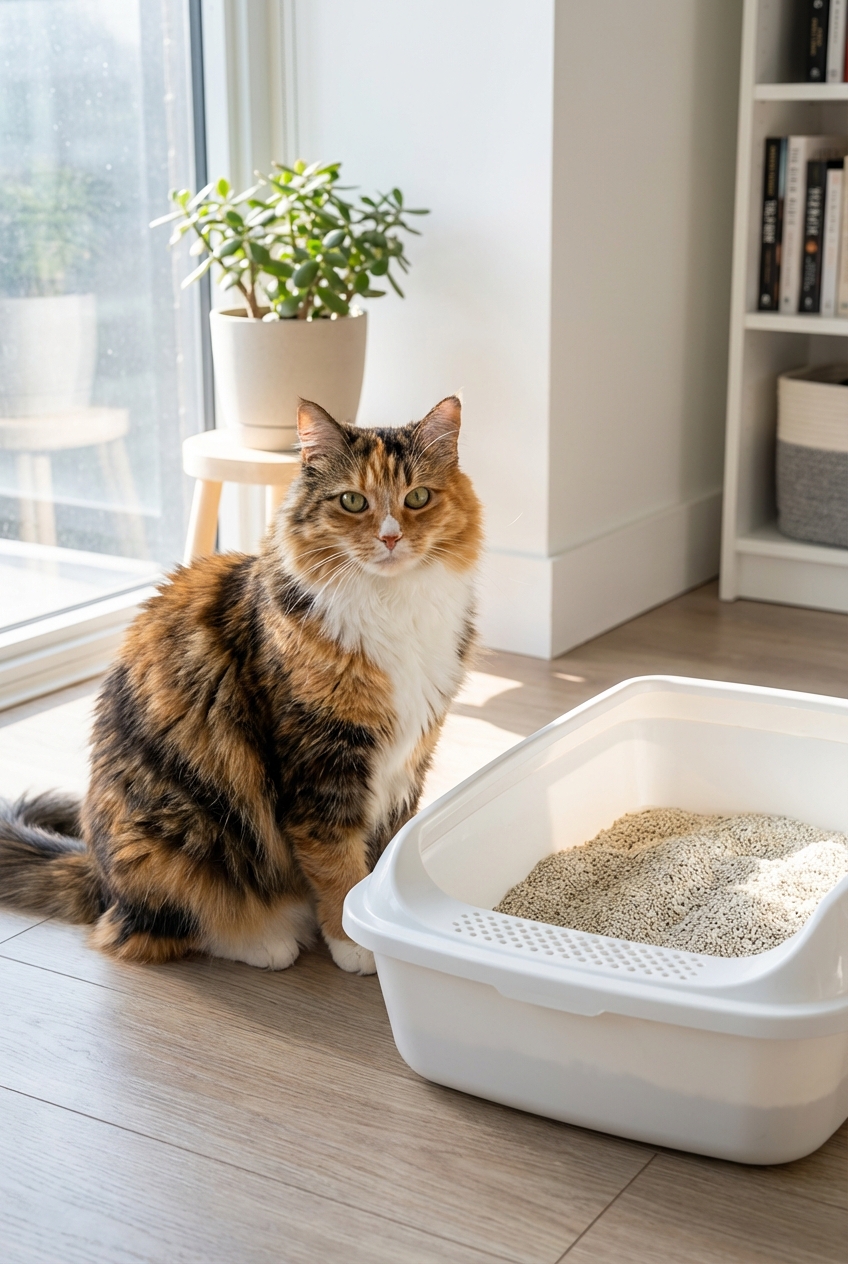
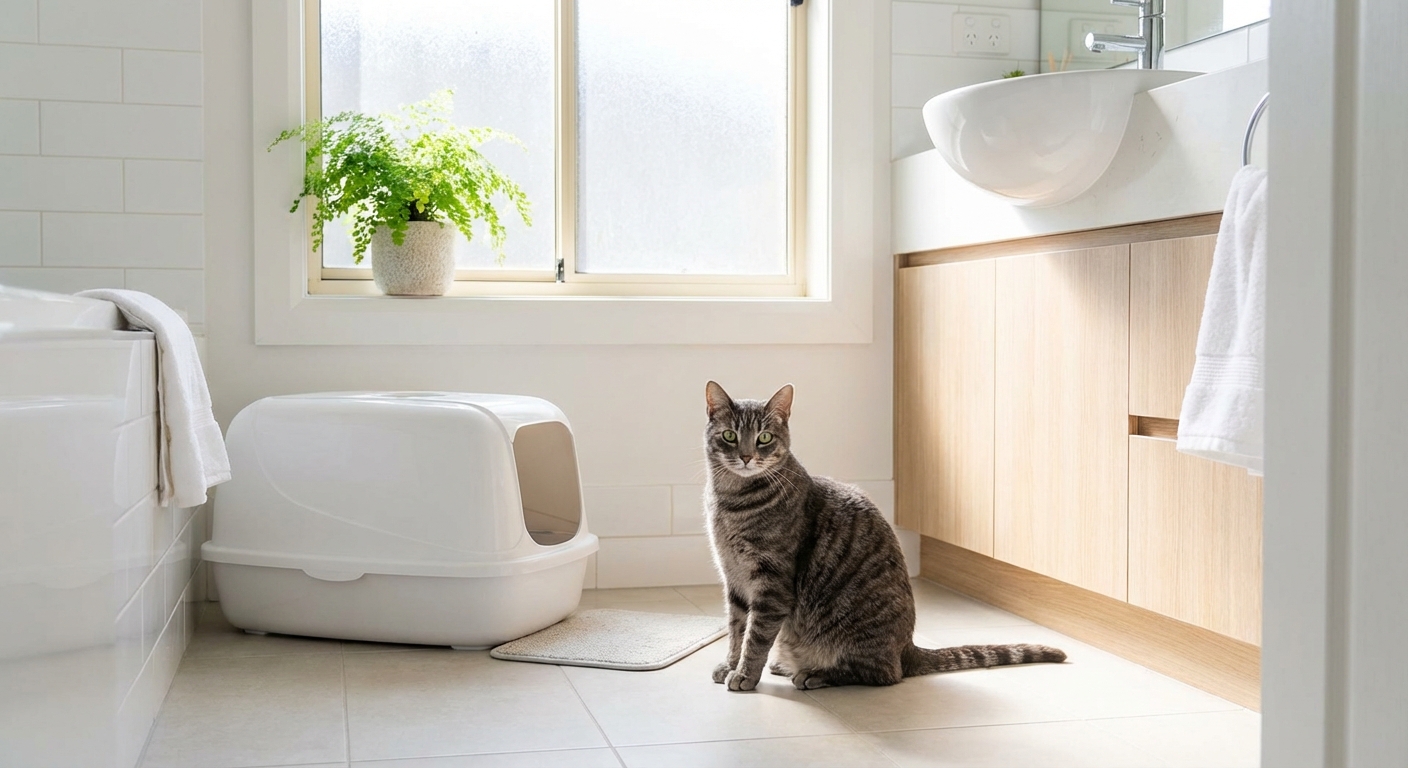
- Make the litter box easy and inviting: clean box, quiet location, enough boxes (1 per cat plus 1), and consider a larger box with easy entry.
If there is no improvement, or your cat worsens, contact your vet. Chronic constipation often needs a tailored plan, not just “more fiber.”
When it is an emergency
Call your veterinarian or an emergency clinic right away if you notice:
- No stool longer than your cat’s normal pattern, especially over 48 hours (sooner for kittens)
- Repeated vomiting, refusing food, or extreme lethargy
- Swollen, painful belly or crying out
- Straining with no urine or very little urine
- History of megacolon, pelvic injury, or previous severe constipation
Also skip home care and call your vet if your cat is very young, has known kidney or heart disease, you suspect they ate something they should not have (string, bones, toys), or their abdomen seems painful.
Constipation can look “simple,” but it can also be a sign of dehydration, pain, arthritis, kidney disease, obstruction, or megacolon. Getting the right diagnosis protects your cat.
Fun facts and tips
Cats are desert animals at heart
Many cats have a naturally low thirst drive. A wet-food diet often improves stool quality simply because it increases total water intake.
Stress can slow the gut
Moves, new pets, travel, loud construction, or even a dirty litter box can trigger constipation. If your cat is anxious, ask your vet about environmental enrichment and calming options.
Arthritis affects the litter box
Older cats may avoid the litter box if stepping in hurts, leading to stool retention and harder stools. A low-entry, roomy box in an easy-to-reach spot can make a big difference.
Preventing constipation long-term
- Hydration first: wet food, added water, fountains
- Healthy body weight: obesity increases constipation risk
- Movement: interactive play supports gut motility
- Grooming: reduce hair ingestion, especially for long-haired cats
- Routine vet checks: catch kidney disease, arthritis, and metabolic issues early (thyroid-related constipation is uncommon, but can happen in rare cases)
If constipation is recurring, your veterinarian may recommend stool softeners, prescription diets, or imaging to rule out obstruction or chronic conditions like megacolon. In simple terms, constipation is trouble pooping. Obstipation is severe constipation where little to no stool can pass. Megacolon is when the colon becomes stretched and weak over time. The goal is comfort, regularity, and preventing painful episodes.
Bottom line
For many cats, constipation improves with better hydration, wet food, and a little plain pumpkin. But if your cat is straining, vomiting, not eating, seems painful, or is going longer than normal without passing stool, do not wait it out. A quick vet visit can prevent a painful and expensive crisis.