Worried about a vomiting dog? Learn when vomiting is an emergency, how to offer small sips safely, and the best bland foods (chicken/rice, turkey, pumpkin, e...
Article
•
Designer Mixes
What Can I Give My Dog for an Upset Stomach?

Shari Shidate
Designer Mixes contributor
If your dog has an upset stomach, you are not alone. In clinic, I see tummy troubles all the time, and many mild cases can be supported at home with a calm plan, the right bland foods, and close observation. The key is knowing what is safe to try and when it is time to call your veterinarian (vet). Also keep in mind that some serious problems can look mild at first.
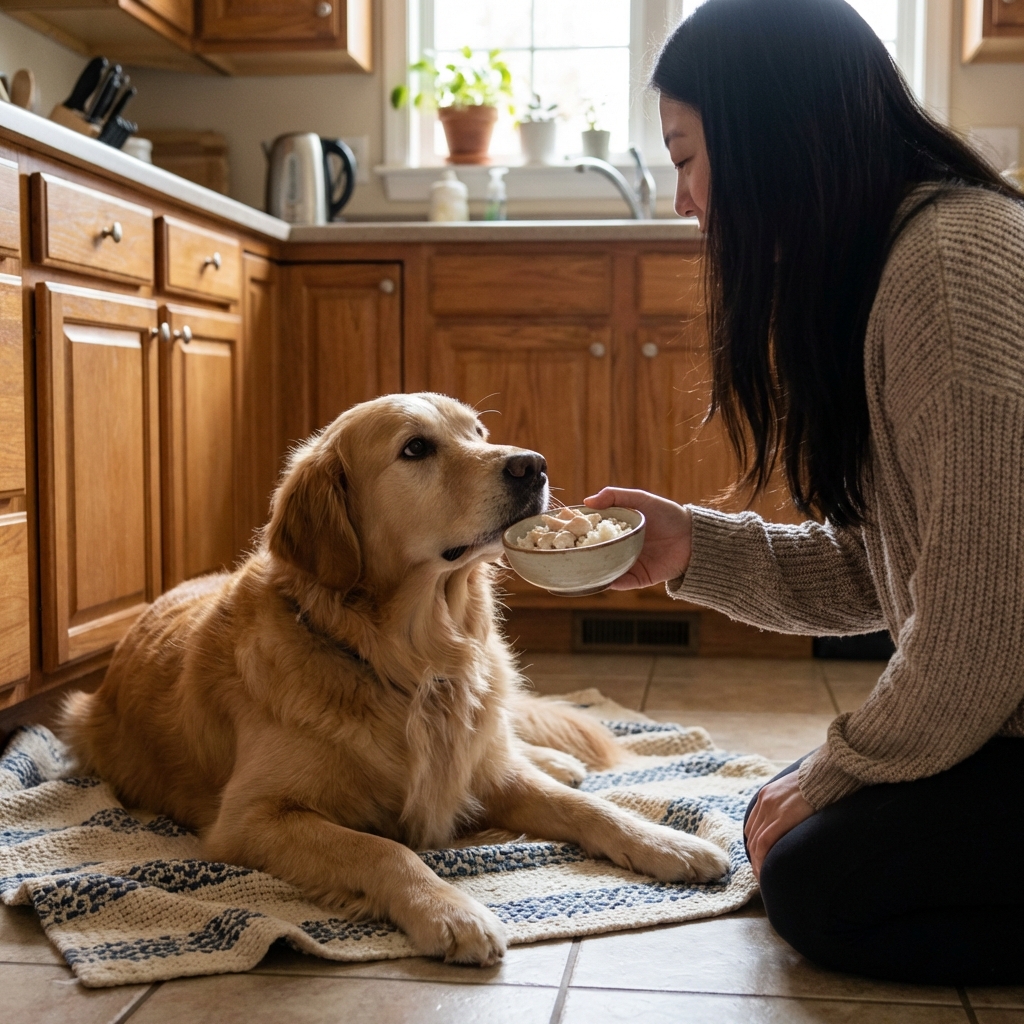
Important note: This article is general education, not a diagnosis. If your dog is very young, very old, pregnant, has chronic disease (like diabetes, kidney disease, or pancreatitis), or is on prescription meds, call your vet before changing diet or giving supplements or over-the-counter medications.
First, decide if this is an emergency
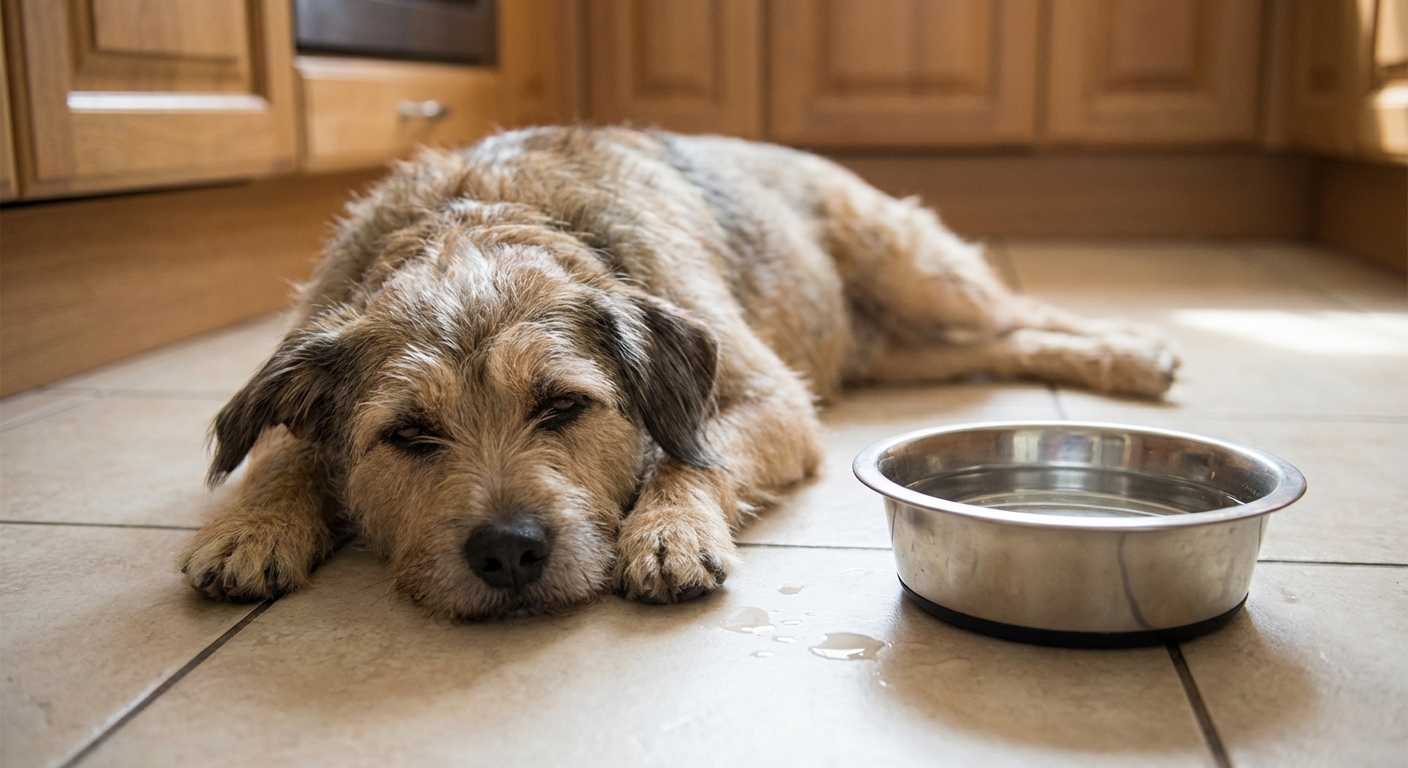
Some upset stomachs are mild. Others can signal poisoning, blockage, pancreatitis, or serious infection. Contact a vet urgently if you notice any of the following:
- Repeated vomiting over several hours, or vomiting that will not stop
- Vomiting with blood, or dark material that looks like coffee grounds
- Diarrhea with blood, black tarry stool, or severe watery diarrhea
- Bloated, tight abdomen, unproductive retching, or obvious pain (possible bloat)
- Extreme lethargy, collapse, pale gums, or trouble breathing
- Known or suspected toxin exposure (xylitol, grapes or raisins, rodent bait, medications, cannabis, etc.)
- Possible foreign body (chewed toy, sock, bones, corn cob), or your dog cannot keep water down
- Signs of dehydration (dry or tacky gums, sunken eyes, weakness). If you are unsure, call
- Puppies: vomiting or diarrhea lasting more than a few hours, or any low energy
If none of the red flags apply and your dog is still fairly bright (alert, responsive, and interested in you or their surroundings), home care is often reasonable for the next 12 to 24 hours.
What you can give at home
1) Water and gentle hydration
Hydration is priority number one. Offer small amounts of fresh water frequently. If your dog gulps water and vomits, give small sips every 10 to 15 minutes instead.
- You can offer ice chips to lick for dogs that vomit after drinking.
- For mild diarrhea, some dogs do well with an unflavored oral electrolyte solution in tiny amounts, but ask your vet first, especially for small dogs or dogs with heart or kidney disease. Dosing matters, and some human products can be too high in sodium for certain dogs.
Avoid: sports drinks, flavored electrolyte drinks, broths with onion or garlic, and anything with xylitol.
2) Food pause (only for some dogs)
For an otherwise healthy adult dog who vomited once or twice and is now settled, many vets recommend a brief break from food (often 8 to 12 hours). Then you reintroduce bland food in small meals. This is not appropriate for puppies, toy breeds prone to low blood sugar, or dogs with certain medical conditions.
If vomiting is ongoing, your dog seems painful, or you are worried about pancreatitis or a foreign body, skip the home experiment and follow your vet’s advice.
If it is diarrhea only (no vomiting): many dogs do better with small, frequent bland meals rather than fasting. A full fast is not always helpful for diarrhea, and it can make some dogs feel worse.
3) Bland diet options
A bland diet is gentle, low fat, and easy to digest. Feed small portions, then gradually increase if your dog keeps it down.
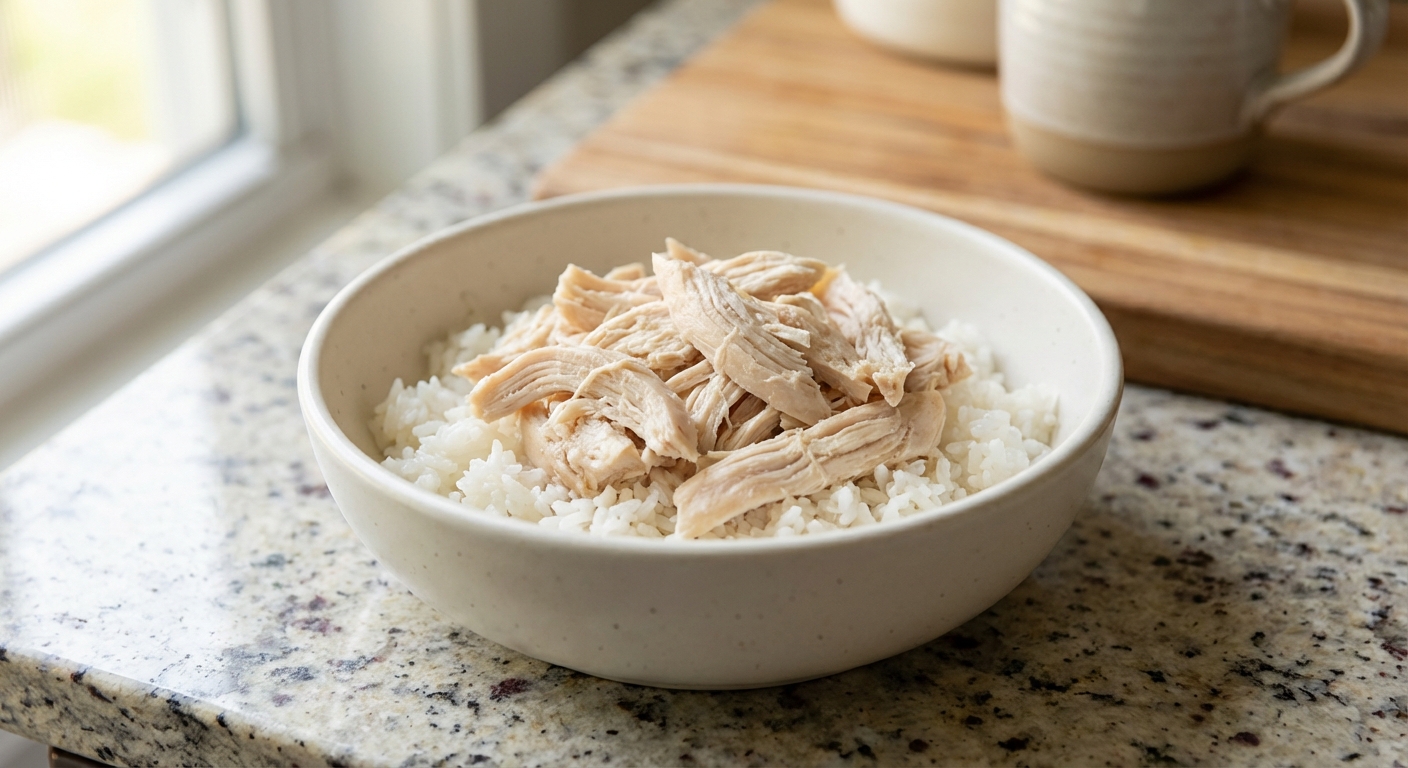
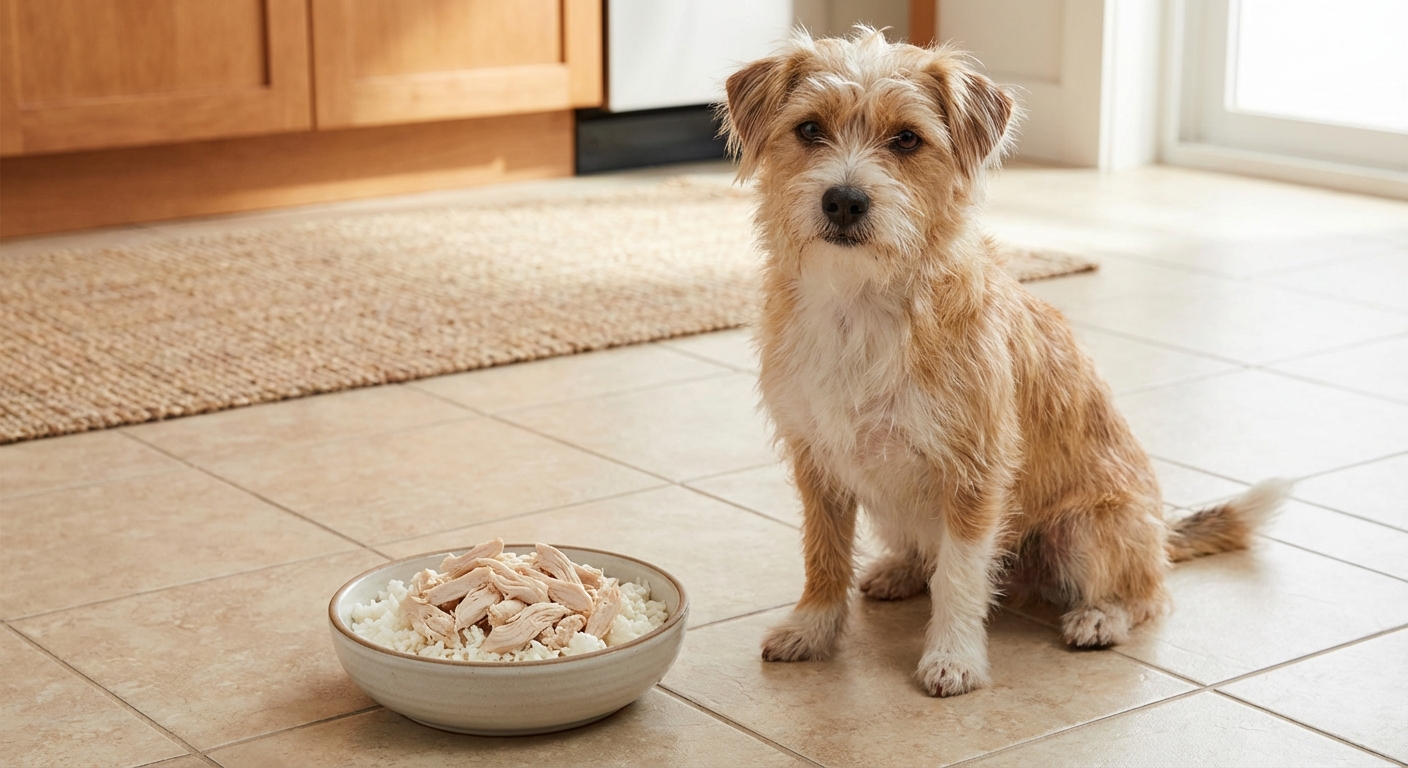
- Boiled skinless chicken breast + white rice (classic and usually well tolerated)
- Boiled turkey + white rice (another lean option)
- Plain scrambled egg (cooked without butter or oil) for short-term use
- Plain canned pumpkin (not pie filling), a small spoonful mixed in may help some dogs with loose stool
Portion tip: Start with a small meal (about 1 to 2 tablespoons for small dogs, 1/4 to 1/2 cup for medium dogs, and up to 1 cup for large dogs), then repeat every 4 to 6 hours as tolerated. Adjust based on your dog’s body size and their usual meal size. The goal is to avoid overloading the stomach.
Fat matters: If your dog has had pancreatitis or is prone to it, choose the leanest option and talk with your vet before feeding any “home remedy.”
4) Probiotics
Canine-specific probiotics can help some dogs recover faster from acute, uncomplicated diarrhea by supporting a healthy gut microbiome. Look for products made for dogs with clear labeling and quality control.
- Use as directed on the label.
- If your dog is immunocompromised or very ill, check with your vet first.
Plain, unsweetened yogurt can work for some dogs, but many dogs are lactose sensitive. I usually prefer a dog probiotic over dairy when a stomach is already upset.
5) Pepto-Bismol and human meds
This is where I want you to be extra careful. Many over-the-counter human medications are unsafe for dogs, or unsafe in the wrong situation.
- Do not give human pain relievers or anti-inflammatories (ibuprofen, naproxen, aspirin, etc.) unless your vet specifically instructs you to. Even “common” NSAIDs can cause serious harm.
- Pepto-Bismol (bismuth subsalicylate) can be risky in certain dogs and can make stool look black, which can confuse the picture if bleeding is a concern. Avoid it if your dog is on steroids or NSAIDs, has a bleeding or clotting disorder, or you suspect GI bleeding. Call your vet before using it.
- Imodium (loperamide) is not appropriate for every dog and can be dangerous for herding breeds (like Collies, Australian Shepherds, and Shelties) with the MDR1 mutation. It should also be avoided if there is suspected toxin exposure, possible blockage, or your dog has systemic signs (like fever, marked lethargy, or significant abdominal pain). Ask your vet first.
- Do not give human anti-nausea medications (like ondansetron) unless they are prescribed for your dog.
What to avoid feeding
When a dog feels nauseous, rich foods and high-fat treats can make things worse fast.
- Greasy meats, bacon, sausage, fried foods
- Milk, cheese, heavy cream
- High-fiber raw veggies that are hard to digest
- New treats, chews, bones, bully sticks
- Table scraps, spicy foods, sauces
- Anything toxic: onions, grapes or raisins, macadamia nuts, chocolate, xylitol
A simple 48-hour home plan
Step 1: Monitor and keep it calm
Reduce excitement and exercise. Stress and heavy activity can aggravate nausea and diarrhea.
Step 2: Offer small water amounts often
Little and frequent is the goal, especially if vomiting has happened.
Step 3: Start bland food
If vomiting has stopped and your dog is interested in food, try 4 to 6 small bland meals per day.
If it is diarrhea only (no vomiting), you can usually start with small bland meals right away and see how your dog responds.
Step 4: Recheck stool, appetite, and energy
If your dog is improving, continue bland food for 2 to 3 days, then slowly mix back in their normal diet over another 2 to 3 days.
Step 5: Call your vet if it is not improving
As a general rule, if diarrhea lasts more than 24 to 48 hours, if vomiting returns, or if your dog seems painful or lethargic, get veterinary guidance. If stool is persistently watery, especially foul-smelling, or your dog has recurrent episodes, ask your vet about fecal testing (parasites like Giardia are a common, treatable cause).
Special situations
Puppies
Puppies dehydrate quickly and can crash faster than adults. If a puppy is vomiting or has diarrhea, especially with low energy, call a vet the same day.
Senior dogs
Older dogs may have underlying issues (kidney disease, endocrine disorders, tumors) that make “wait and see” riskier. When in doubt, check in with your vet early.
Recurring upset stomachs
If your dog has frequent bouts, it is worth discussing diet, parasites, food sensitivities, pancreatitis risk, and inflammatory bowel disease with your vet. Chronic symptoms are a clue, not just “a sensitive tummy.”
Prevention tips
- Keep treats consistent and avoid frequent brand or protein switches.
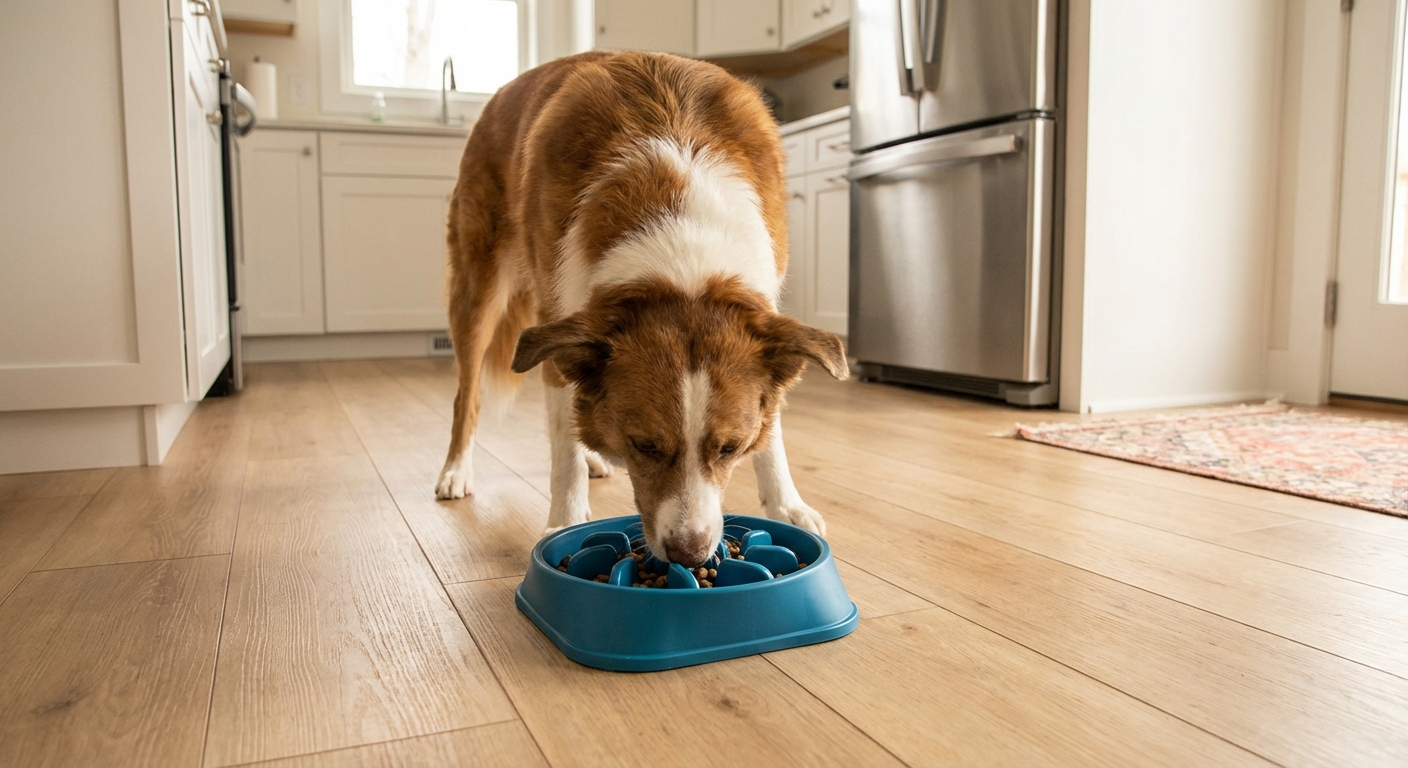
- Use slow feeders if your dog eats too fast.
- Secure trash and toys to prevent foreign body emergencies.
- Transition foods slowly over 7 to 10 days.
- Talk to your vet about parasite testing if diarrhea is common.
Most importantly, trust your instincts. You know your dog. If something feels off, it is always okay to call your vet and ask what they recommend for your dog’s age, size, and symptoms.
Quick checklist
- Offer small sips of water frequently
- Consider a brief food pause for healthy adult dogs with vomiting only
- For diarrhea only, use small, frequent bland meals
- Feed bland, low-fat foods in small meals
- Add a canine-specific probiotic if appropriate
- Avoid human meds unless your vet approves
- Seek care fast for red flags, puppies, or dehydration