
What Can I Give My Cat for Pain? Safe Options and Risks

If your cat seems uncomfortable, it is completely normal to want to help right away. The safest answer is this: do not give your cat human pain medication unless a veterinarian specifically instructs you to. Cats process drugs very differently than people, and even small amounts of certain medications can cause severe poisoning and organ damage.
Medical note: This guide is educational and is not a substitute for veterinary diagnosis or treatment. Always contact a veterinarian before giving any medication to your cat.
In this guide, I will walk you through what is safe (and what is not), what vets commonly prescribe for pain, gentle comfort steps you can do at home, and the red-flag signs that mean your cat needs urgent care.
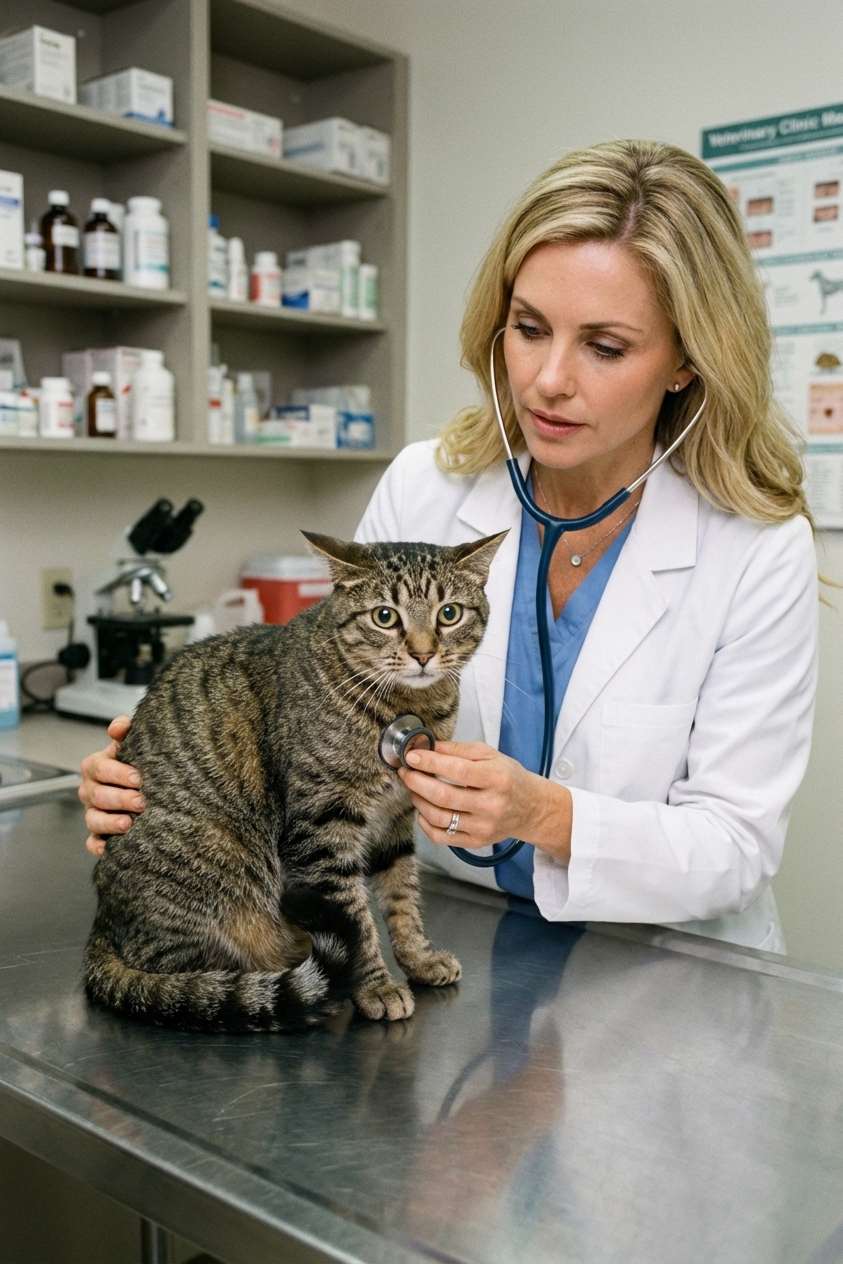
How to tell if your cat is in pain
Cats are masters at hiding pain. Often the signs are subtle, and they look more like behavior changes than obvious limping or crying.
Common signs of pain in cats
- Hiding more than usual or avoiding family members
- Less appetite or stopping eating entirely
- Less grooming, a dull coat, or grooming one spot obsessively
- Changes in posture (hunched, tucked up, tense belly)
- Reluctance to jump, go upstairs, or use the litter box
- Meowing, growling, or hissing when touched
- Litter box changes (straining, accidents, crying in the box)
- Restlessness or, just as often, unusually quiet and withdrawn
If you are unsure, do a quick check: Is your cat eating, drinking, walking normally, and using the litter box without strain? If any of those are off, pain is a possibility.

What not to give: human painkillers can be deadly
This is the most important section. Many medications that are routine for people are toxic to cats because cats lack key liver enzymes needed to safely metabolize certain drugs.
Never give these unless a vet directs you
- Acetaminophen (Tylenol)
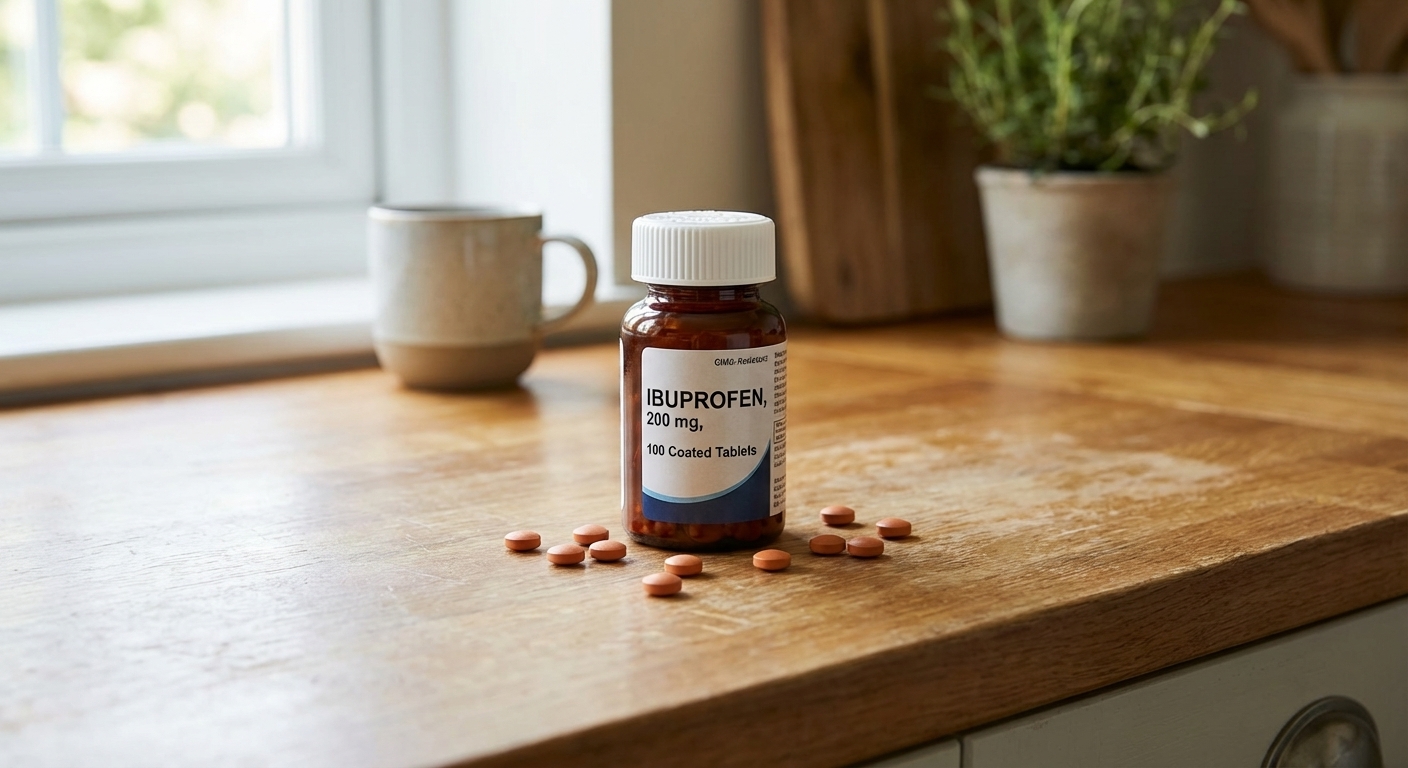
- Ibuprofen (Advil, Motrin)
- Naproxen (Aleve)
- Aspirin (only used in select cases under veterinary direction, and cats metabolize it slowly so dosing intervals are very different than in people)
- Topical pain creams (diclofenac gels, lidocaine products, menthol products): cats can lick them off and ingest a dangerous dose
Also be cautious with combination products. Many cold and flu medications contain multiple ingredients that are unsafe for cats (for example acetaminophen, ibuprofen, pseudoephedrine, decongestants, or antihistamines). If you are not 100 percent sure what is in it, keep it away from your cat and call your vet.
Why acetaminophen is especially dangerous
Acetaminophen toxicity can occur with a single tablet, sometimes even less depending on the cat’s size. It can cause severe damage to red blood cells and the liver, leading to life-threatening oxygen deprivation.
Emergency warning signs after acetaminophen exposure include brown or blue gums, trouble breathing, facial or paw swelling, vomiting, and extreme lethargy.
Why ibuprofen and naproxen are dangerous
These NSAIDs can cause stomach and intestinal ulceration, vomiting, internal bleeding, kidney failure, and neurologic signs. Cats are much more sensitive than people and dogs, and dosing at home is not safe.
If you suspect your cat swallowed any human pain medicine, do not wait for symptoms. Call your veterinarian, an ER clinic, or pet poison control immediately.
What you can give a cat for pain
The safe options are almost always prescription medications from your veterinarian, chosen based on the cause of pain (injury, dental disease, arthritis, urinary issues, surgery recovery) and your cat’s age, weight, and lab work.
Common veterinary pain meds for cats
These medications are frequently used in modern feline pain control. Dosing and suitability must come from a veterinarian.
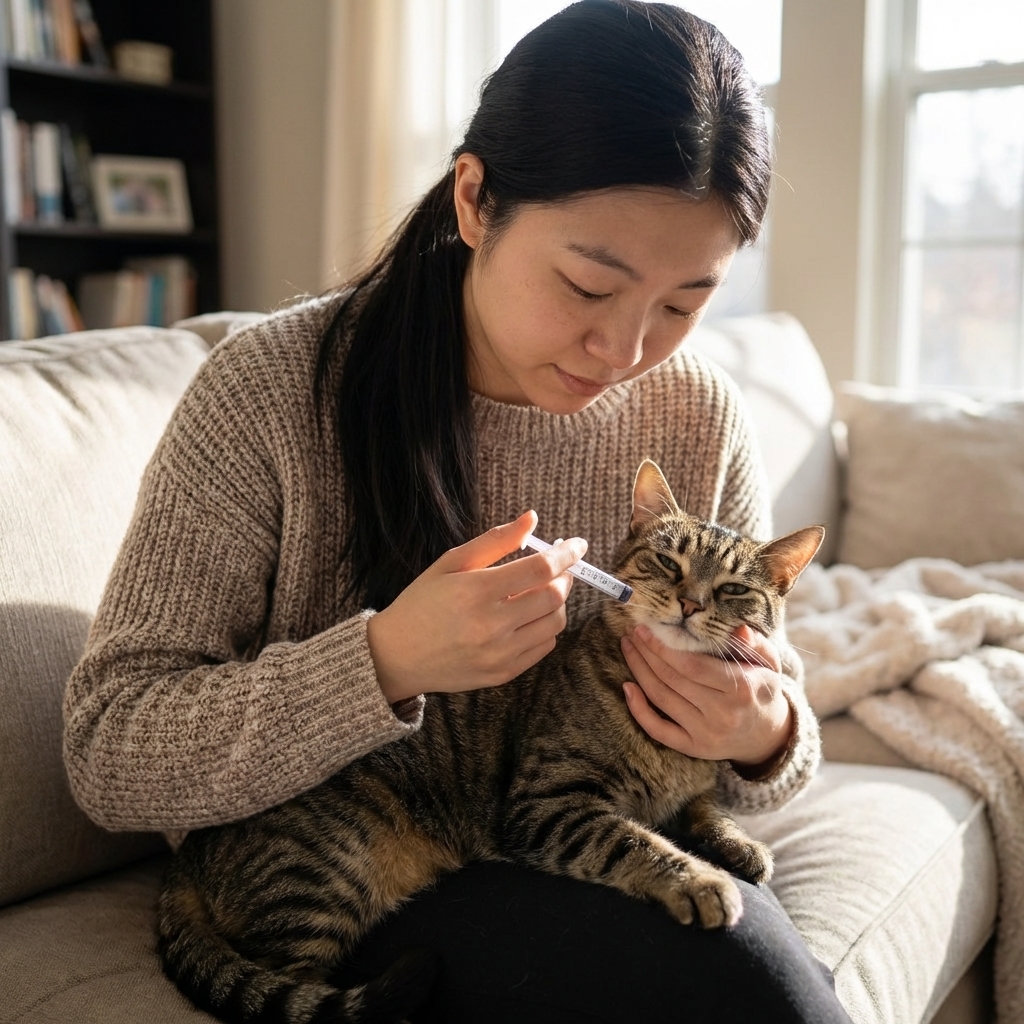
- Buprenorphine: A commonly prescribed opioid for moderate pain. It is often given as a liquid absorbed through the cheek pouch (transmucosal), which is helpful for cats that will not swallow pills.
- Meloxicam: A veterinary NSAID used for pain and inflammation. It is often used short-term. In some countries, certain formulations are labeled for longer-term use in carefully selected cats. In the United States, long-term use is more controversial and many vets are extra cautious due to kidney risks, especially in older cats.
- Gabapentin: Often used for nerve-related pain and chronic pain, and also used to reduce anxiety and stress for vet visits. It can cause sleepiness and wobbliness, which is expected in some cats.
- Robenacoxib (Onsior): A cat-specific NSAID commonly used short-term for pain, including post-surgical pain, under veterinary supervision.
Your veterinarian may also recommend additional tools depending on the situation, including local anesthetics, anti-nausea medication, appetite support, antibiotics (if infection is involved), or fluids.
Non-drug support to ask your vet about
For chronic pain (like arthritis), your vet may also suggest supportive options alongside medication, such as weight management, joint-friendly diets, omega-3s, physical therapy, and simple home setup changes (like steps to favorite spots). These can make a meaningful difference, but the best plan is individualized.
Safe comfort steps at home
If your cat is painful, your goal at home is comfort, safety, and observation, not DIY medicating. These steps can help while you arrange care.
1) Set up a quiet rest area
- Keep your cat in a calm room away from kids, other pets, and noise.
- Provide soft bedding, dim lighting, and easy access to water.
- If jumping hurts, put the bed, food, and litter box on the same level.
2) Limit activity if injury is possible
For limping, falls, or suspected sprains, reduce running and jumping. A small room can be safer than free-roaming the house.
3) Use gentle warmth only when it fits
A warm (not hot) compress can be soothing for muscle soreness, arthritis, or general stiffness. Always wrap heat sources in a towel, test the temperature on your inner wrist first, and limit to 10 to 15 minutes.
Avoid heat if you suspect a fresh injury, active swelling, bleeding, an abscess, or infection. When in doubt, ask your vet first.
4) Make the litter box easy
Painful cats may avoid tall-sided boxes. Consider a low-entry box temporarily, and keep the litter clean so your cat does not hold urine or stool.
5) Track key symptoms
Write down when the signs started, appetite changes, vomiting or diarrhea, urination habits, breathing rate, and what seems to make the pain worse. This helps your vet choose the safest plan quickly.

When to see a vet right away
Some painful conditions are emergencies in cats, especially because they can decline quickly and may stop eating.
Go to urgent care now if you notice
- Straining to urinate, crying in the litter box, or frequent trips with little urine (especially in male cats)
- Not eating or eating much less than normal, especially if it persists close to a day, or sooner for kittens and cats with health issues. When in doubt, call the same day.
- Trouble breathing, open-mouth breathing, or very rapid breathing at rest
- Sudden inability to walk, dragging legs, or severe weakness
- Uncontrolled bleeding or a deep wound
- Swollen belly, repeated vomiting, or signs of severe abdominal pain
- Seizures, collapse, or extreme disorientation
- Known or suspected ingestion of acetaminophen, ibuprofen, naproxen, or other toxins
If transport is stressful, place your cat in a carrier with a towel and keep the environment quiet. Stress can worsen pain, especially in cats with urinary issues.
If you already gave human pain medicine
If you already gave a dose, do not panic, but do act fast. Many poisonings can be treated more successfully when addressed early.
- Call your veterinarian or an emergency clinic immediately.
- Do not give another dose of anything.
- Do not try to induce vomiting unless a professional instructs you. Some substances and situations make vomiting risky.
- Have these details ready: medication name, strength (mg), how many tablets or how much liquid, time given, and your cat’s weight.
In the United States, you can also contact ASPCA Animal Poison Control or the Pet Poison Helpline for time-sensitive guidance (fees may apply).
Why vets are careful with pain control
Cat safety comes down to metabolism and organ health. Pain medications that are very effective can also be risky if:
- Your cat is older and has reduced kidney reserve
- Your cat has chronic kidney disease, liver disease, dehydration, or low blood pressure
- Your cat is taking other medications that could interact
- The underlying cause is unclear (for example, abdominal pain, urinary blockage, or toxin exposure)
This is why your vet may recommend an exam and sometimes bloodwork before prescribing, especially for ongoing pain like arthritis.
Quick checklist: safest next step
- Do not give human painkillers.
- Confine your cat to a quiet, comfortable area.
- Offer water and a small amount of favorite food, but do not force-feed.
- Note appetite, litter box use, breathing, and mobility.
- Call your veterinarian for same-day guidance, or go to urgent care if red flags are present.
You are not overreacting by asking for help. In my experience as a veterinary assistant, the cats who do best are the ones whose families act early, especially when a cat suddenly stops eating, starts hiding, or changes litter box habits.