A vet assistant’s guide to feline probiotics: proven strains like SF68 and S. boulardii, safe food options, dosing tips, how long they take, and red flags ...
Article
•
Designer Mixes
What Can I Give My Cat for Diarrhea?

Shari Shidate
Designer Mixes contributor
When your cat has diarrhea, it can feel urgent and scary, especially if it comes on suddenly or your kitty seems “off.” As a veterinary assistant here in Frisco, Texas, I always tell pet parents the same thing: diarrhea is a symptom, not a diagnosis. The safest “home help” focuses on preventing dehydration, protecting the gut, and knowing when it is time to stop home care and call your veterinarian.
Quick note: This article is general education and not a substitute for an exam and diagnosis. If you are worried, trust your instincts and call your vet.
First, check the red flags
Some cats can be supported at home for a short time, but others need care right away. Please contact your vet or an emergency clinic if you notice any of the following:
- Kittens (under 6 months), senior cats, or cats with chronic disease (kidney disease, diabetes, hyperthyroidism).
- Blood in the stool (bright red or black, tarry stool).
- Repeated vomiting, refusing water, or obvious abdominal pain.
- Lethargy, weakness, collapse, or pale gums.
- Dehydration signs like tacky or sticky gums, sunken-looking eyes, or a very dry nose with low energy. (Skin “tenting” can be less reliable in cats, especially older or overweight cats, so do not use it as your only check.)
- Diarrhea that is frequent or not improving. For a healthy adult cat who is bright, eating, and drinking, you may be able to monitor closer to 48 hours. For kittens, seniors, and cats who seem unwell, 24 hours can be enough to call.
- Foreign body risk (string, ribbon, toys, bones, plants), or you suspect toxin exposure.
These signs can point to problems like intestinal parasites, pancreatitis, infections, inflammatory bowel disease, obstructions, or toxin ingestion, and home remedies are not enough.
What you can do at home
1) Water, plus a hydration plan
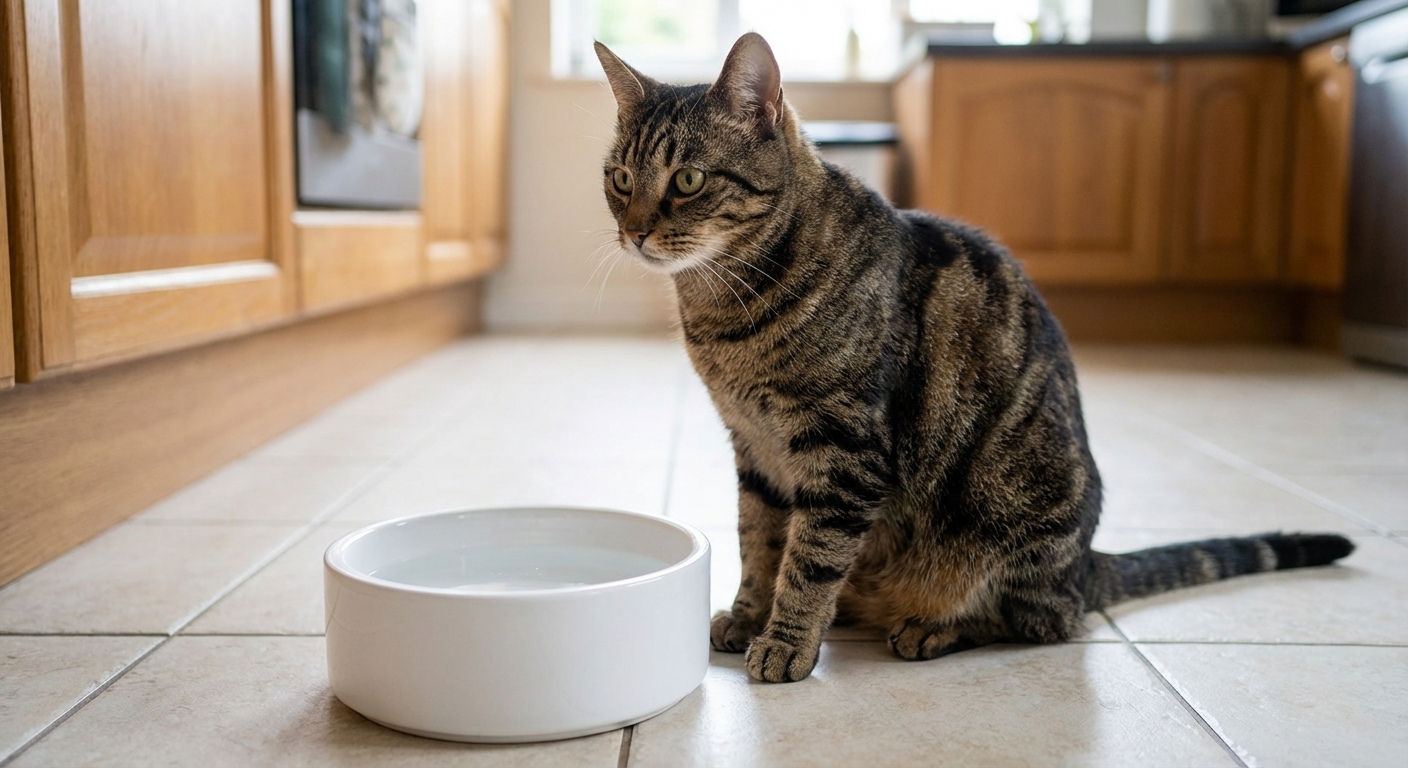
The biggest danger with diarrhea is dehydration. Keep fresh water out, refresh it often, and add extra bowls around the home.
- Switch to wet food temporarily if your cat normally eats dry. Wet food adds fluid.
- Offer pet-safe broth or plain homemade broth (no onion, no garlic, no heavy salt). Avoid human broths and many “bone broths,” since they are often high-sodium or contain onion or garlic. Offer a few teaspoons at a time to encourage drinking.
- Call your vet if your cat will not drink, because cats can decline quickly.
Note: Do not force water by syringe unless your veterinarian has instructed you to. It can cause aspiration if your cat struggles.
2) Feed, do not fast
Many dog diarrhea articles mention fasting, but cats are different. Do not fast your cat without veterinary guidance. Cats can be at risk for serious complications if they stop eating, especially if they are overweight.
3) A short, gentle diet reset
For mild diarrhea in an otherwise bright, eating adult cat, a short bland or highly digestible diet plan for 24 to 48 hours can help calm the gut.
- Best option: a veterinary GI diet (canned) if you can get it quickly. It is designed to be complete and gentle on the stomach.
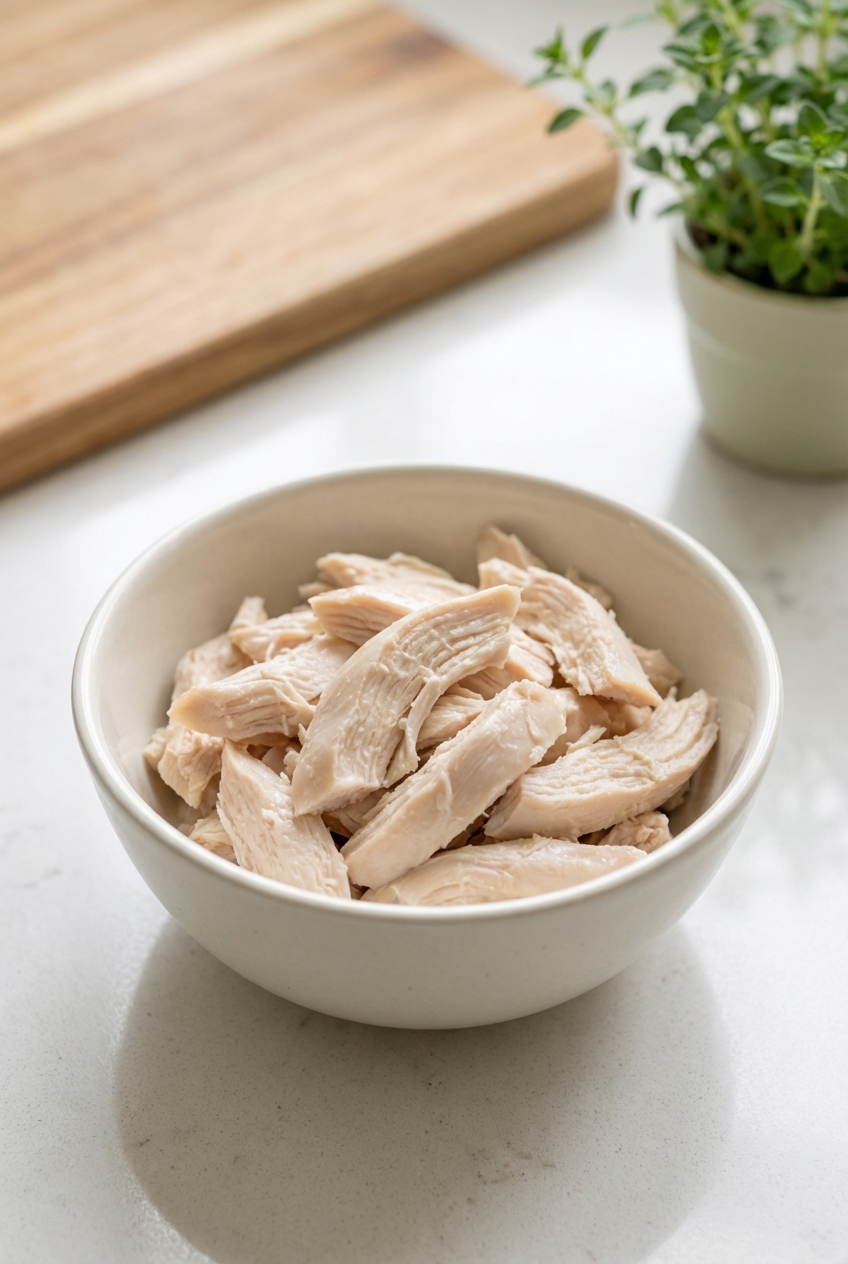
- At-home option: small meals of plain boiled chicken (no skin, no seasoning) with a small amount of plain white rice. Cats often do better with mostly chicken and minimal rice. If your cat seems worse after any diet change, stop and call your vet.
- How much and how often: offer small meals every 4 to 6 hours. Think 1 to 2 tablespoons at a time for an average adult cat, then adjust based on appetite and size.
If diarrhea improves, transition back to your regular food slowly over 3 to 5 days:
- Day 1: 75% bland or GI diet, 25% regular food
- Day 2: 50% bland or GI diet, 50% regular food
- Day 3: 25% bland or GI diet, 75% regular food
- Then: 100% regular food if stools stay normal
Probiotics
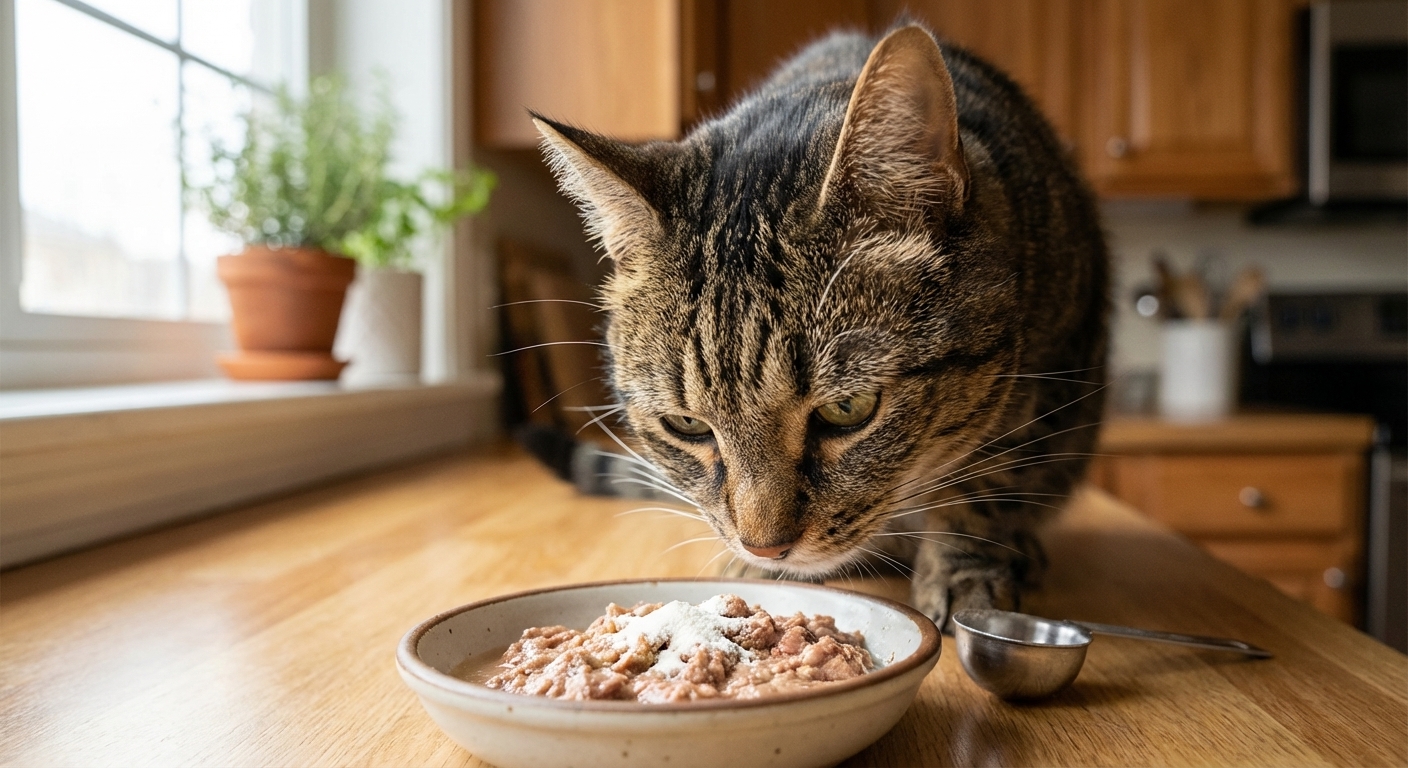
A quality probiotic is often helpful for mild diarrhea, especially if the trigger was stress, a sudden diet change, or antibiotics. Results can vary by strain and product, so pick a reputable veterinary option and follow the label.
- Use a cat-specific probiotic from a reputable company.
- Follow label dosing, and give it with food if possible.
- If you do not see improvement within 1 to 2 days, check in with your vet.
While some people reach for yogurt, many cats are lactose-intolerant, and dairy can make diarrhea worse. A pet probiotic is usually a safer bet.
What not to give
I know it is tempting to try whatever worked “last time,” but a few well-meaning choices can backfire.
- No human anti-diarrheal medications (like loperamide or Imodium) unless your veterinarian specifically tells you to. Cats are more sensitive to side effects, and some causes of diarrhea make these drugs dangerous.
- No Pepto-Bismol (bismuth subsalicylate) unless directed by a vet. Salicylates can be risky for cats.
- No fatty foods (bacon, sausage, greasy scraps). Fat can worsen GI upset and may increase pancreatitis risk in some cats.
- No milk or cream. Many cats cannot digest lactose well.
- No onion or garlic in any form, including broths. They can cause toxic damage to red blood cells.
Clues that help your vet
Cat diarrhea often has a trigger. A few of the most common include:
- Diet change (new food, new treats, getting into trash).
- Stress (moving, new pet, boarding, schedule changes).
- Parasites (especially if outdoor access or new cats in the home).
- Infections (viral or bacterial).
- Food intolerance or inflammatory bowel disease.
- Medications or supplements (including antibiotics, some pain meds, new vitamins, or recent deworming). Always tell your vet what your cat has received and when.
If you can, take a quick photo of the stool and note frequency, any mucus or blood, and whether your cat is eating and acting normally. That information helps your veterinarian decide what testing is needed.
Helpful stool description basics:
- Large bowel signs often include small amounts more frequently, mucus, and straining.
- Small bowel signs often include larger-volume watery stool and weight loss over time.
Hygiene tips
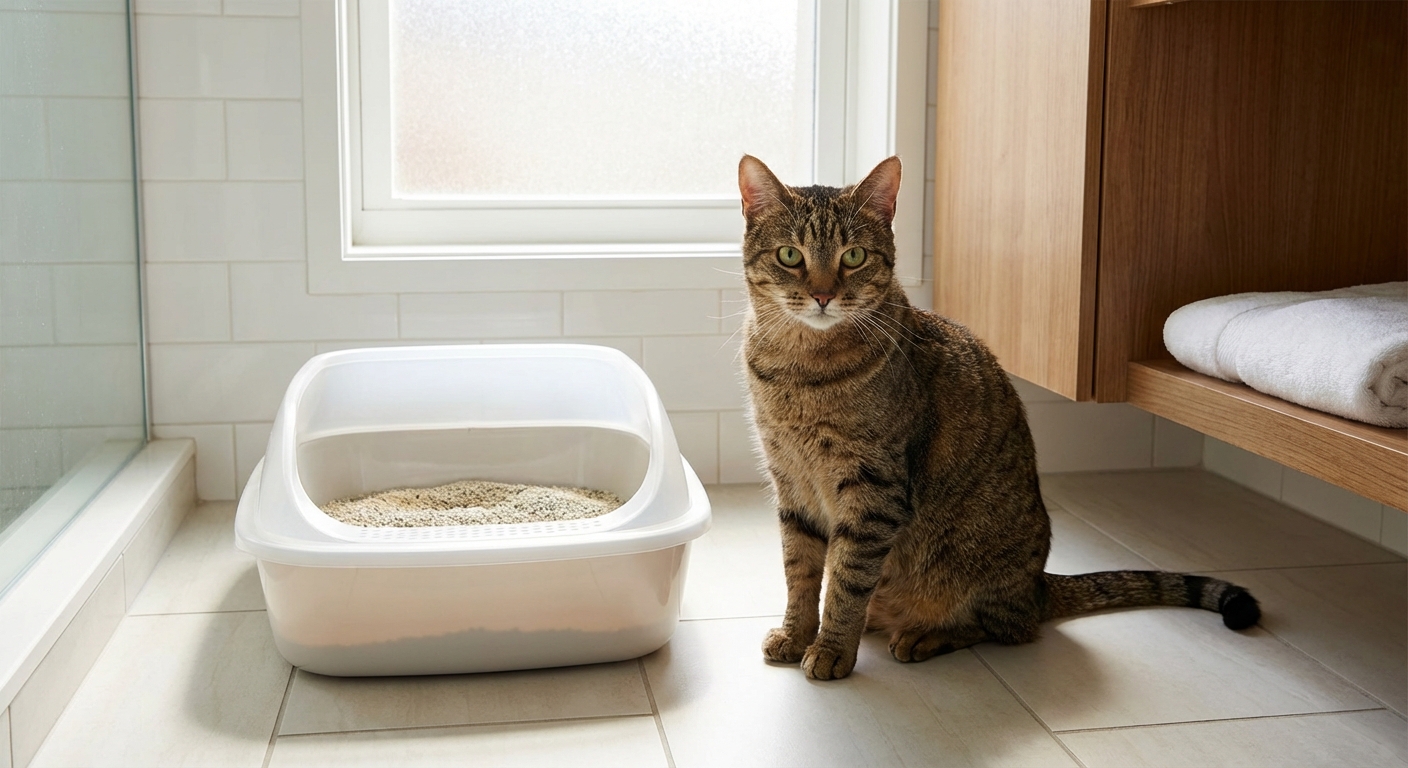
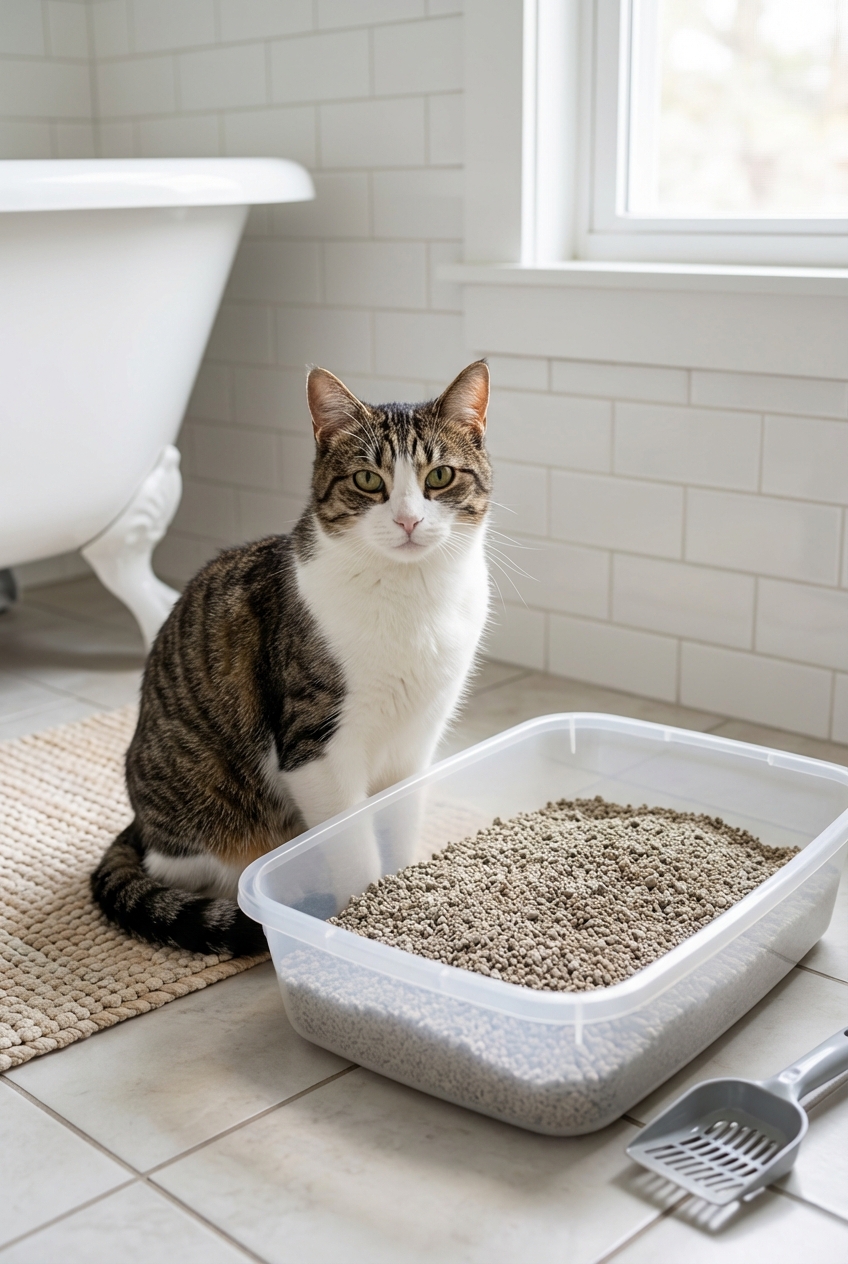
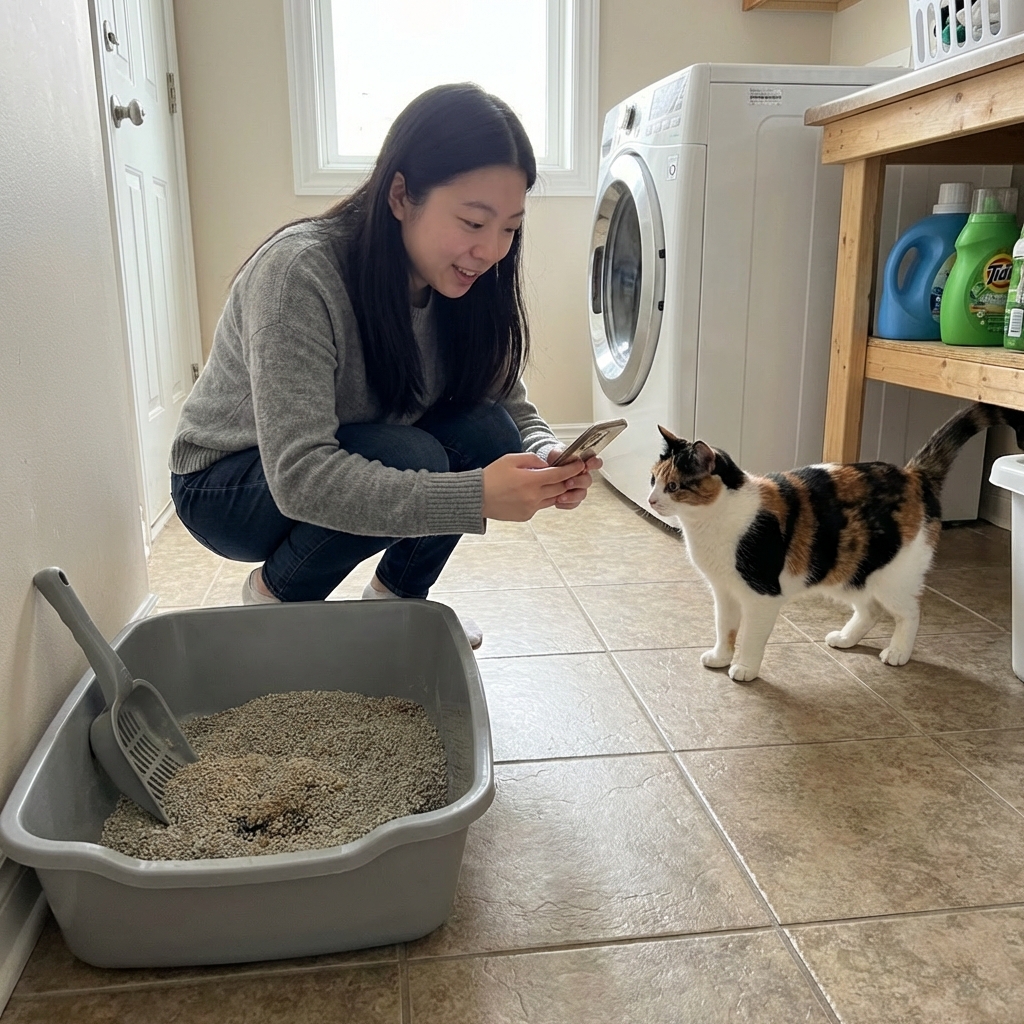
Good litter box hygiene protects other pets and helps you track changes.
- Scoop often and disinfect the box regularly.
- Wash hands after handling litter.
- In multi-cat homes, consider separating the sick cat if possible until stools are normal, especially if parasites are a concern.
When to book a vet visit
Please schedule an appointment if:
- Diarrhea lasts more than 48 hours in a healthy adult cat.
- It lasts more than 24 hours in kittens, seniors, or cats with other health issues, or if your cat seems “off.”
- It keeps returning every few days or weeks.
- Your cat is losing weight, eating less, or the coat looks dull.
- There is mucus or blood, even in small amounts.
- You recently adopted your cat, brought home a new pet, or your cat goes outdoors.
Your veterinarian may recommend a fecal test (for parasites like Giardia), bloodwork, or a diet trial. The goal is not just to stop the diarrhea today, but to protect your cat’s long-term gut health.
At-home checklist
- Keep fresh water available and encourage hydration.
- Do not fast your cat unless your vet instructs you to.
- Feed small, frequent meals of a veterinary GI diet (preferred) or a short bland diet plan for 24 to 48 hours.
- Consider a cat-specific probiotic as directed.
- Clean the litter box frequently and monitor stool changes.
- Call your veterinarian if red flags show up or diarrhea persists.
Gentle support at home is all about hydration, simplicity, and observation. If your instincts say your cat is not okay, trust that and call your vet.