Vet-informed guide to a short-term bland diet for dogs: chicken and rice 1:2 ratio, daily cup ranges by weight, how many meals to split into, and red flags t...
Article
•
Designer Mixes
What Can I Feed My Dog With Diarrhea?

Shari Shidate
Designer Mixes contributor
When your dog has diarrhea, it is easy to feel worried and a little helpless. I get it. As a veterinary assistant here in Frisco, Texas, I have seen how fast a mild tummy upset can turn into dehydration and fatigue, especially in small dogs and seniors.
The good news is that many cases of simple diarrhea improve with rest for the gut (usually meaning smaller, bland meals and avoiding rich foods), smart hydration, and a short-term bland diet. Below, I will walk you through what to feed, what to avoid, when to call your vet, and how to transition back to normal food safely.
Quick note: This article is general education and not a substitute for a veterinary exam or diagnosis.
First, check for red flags
Before you change food, pause and look at the whole picture. Diarrhea is a symptom, not a diagnosis. Sometimes it is just a minor food slip. Other times it needs veterinary care quickly.
Call your vet promptly if you notice any of these
- Puppy (especially under 6 months)
- Senior dog
- Chronic condition (kidney disease, diabetes, Cushing’s, cancer) or immune compromise
- Blood in the stool (bright red or black, tarry stool)
- Repeated vomiting or unable to keep water down
- Lethargy, weakness, collapse, painful belly, or bloating
- Dehydration (tacky gums, sunken eyes, reduced urination, skin not snapping back)
- Suspected toxin exposure (xylitol, grapes/raisins, rodent poison, medications, marijuana products)
- Diarrhea that lasts longer than a day or two, or sooner if it is very frequent, watery, explosive, or your dog cannot settle
- Possible foreign body (toy pieces, socks, corn cobs, bones)
As a general rule, if your dog seems bright, is drinking, and the diarrhea is mild, home care is often reasonable while you monitor closely.
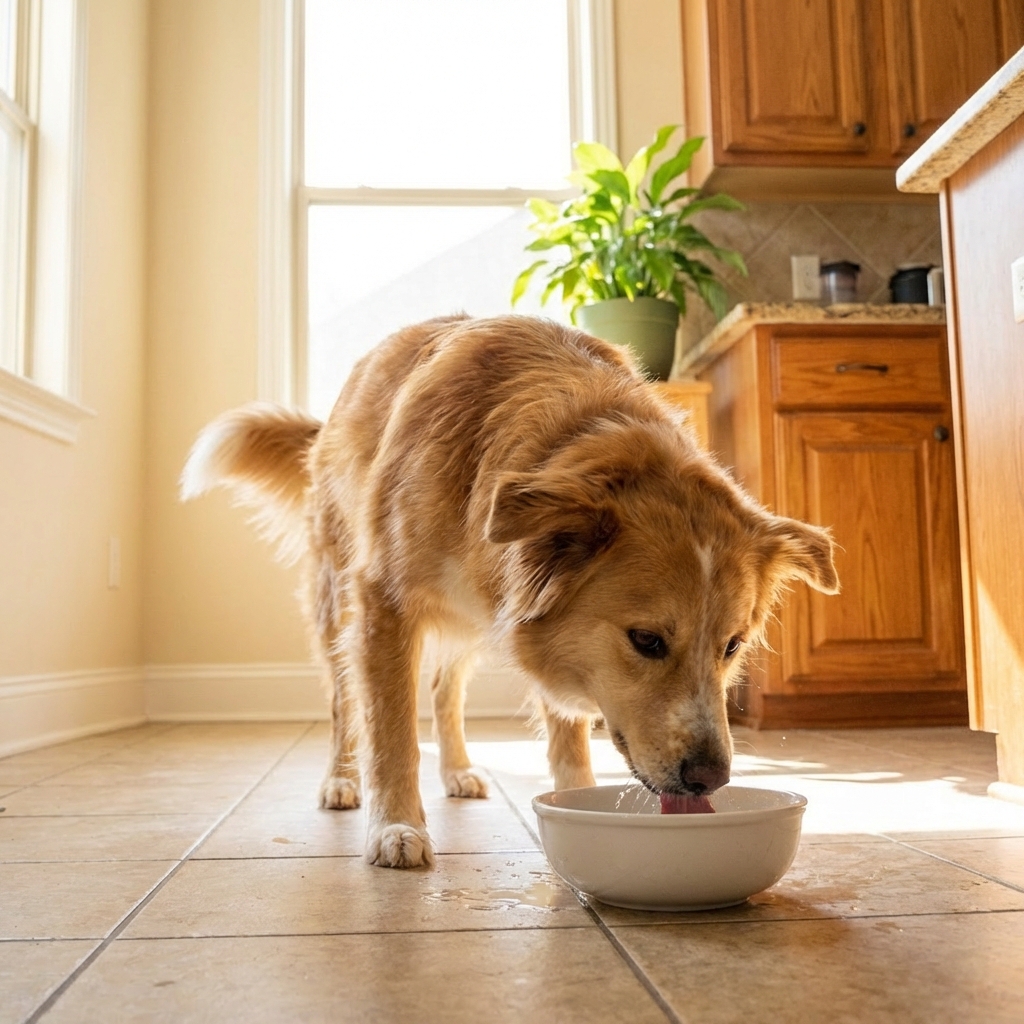
Hydration matters most
Diarrhea can pull water and electrolytes out of the body fast. Keeping your dog hydrated is step one.
What to offer
- Fresh water at all times. Offer small amounts frequently if your dog gulps.
- Ice chips can help some dogs tolerate fluids better.
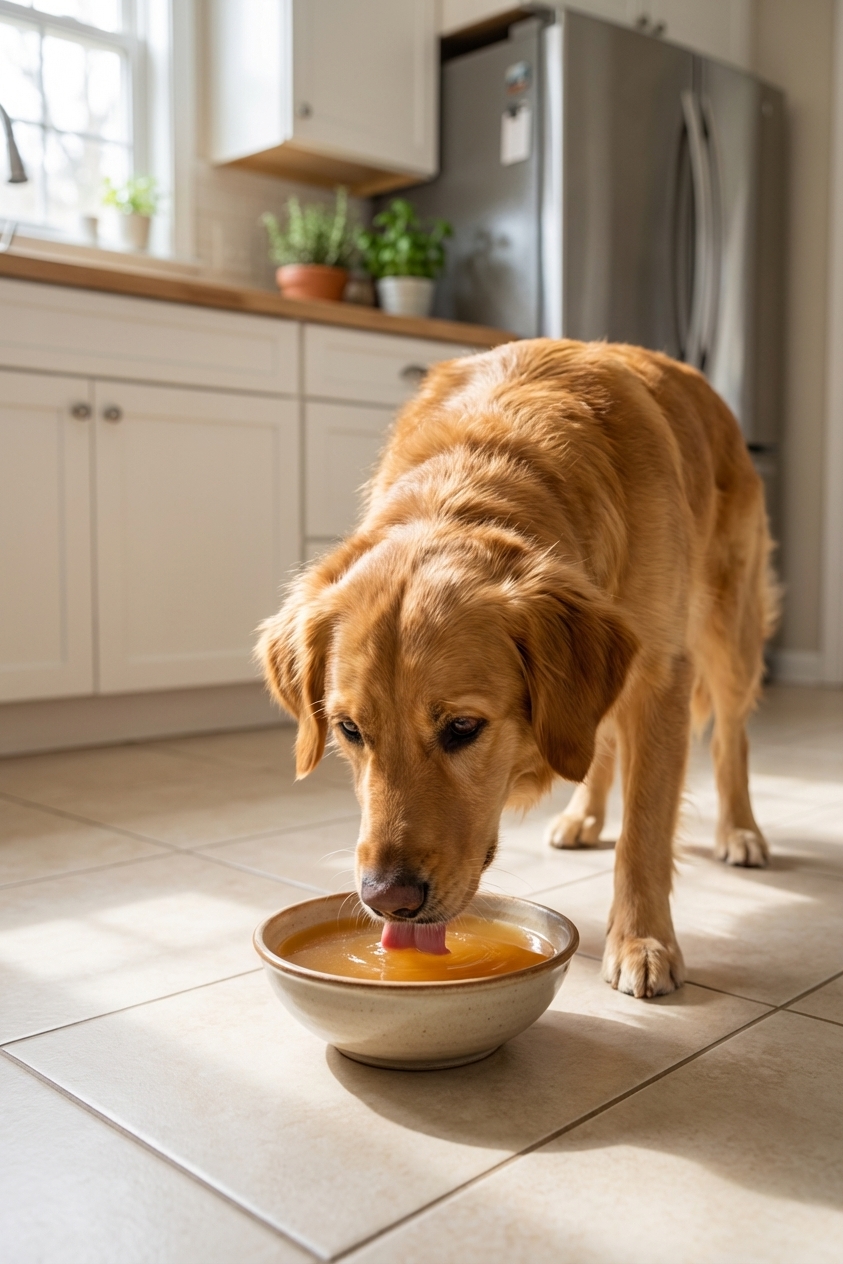
- Low-sodium broth (onion-free and garlic-free) can encourage drinking.
About electrolyte drinks: Do not use sports drinks. If your veterinarian recommends an oral electrolyte solution, follow their product and dosing advice. Many human formulas are not ideal for dogs.
Should you fast your dog?
For many healthy adult dogs with mild diarrhea and no vomiting, some vets may recommend a short rest period for the gut. However, fasting is not right for every dog.
- Healthy adult dogs: Some do fine moving straight to small bland meals. If fasting is recommended, it should be short and guided by your veterinarian.
- Puppies and toy breeds: Avoid fasting unless your vet instructs it. They can develop low blood sugar.
- Dogs with vomiting, diabetes, or other medical issues: Call your vet before withholding food.
If you are unsure, skip the fasting and feed small, bland meals. Gentle nutrition can be easier and safer for many families to manage.
Best bland foods
A bland diet is simple, low-fat, and easy to digest. The goal is to give the intestinal lining a break while still providing calories and easy-to-digest starches.
Go-to options
Pick one protein and one carb:
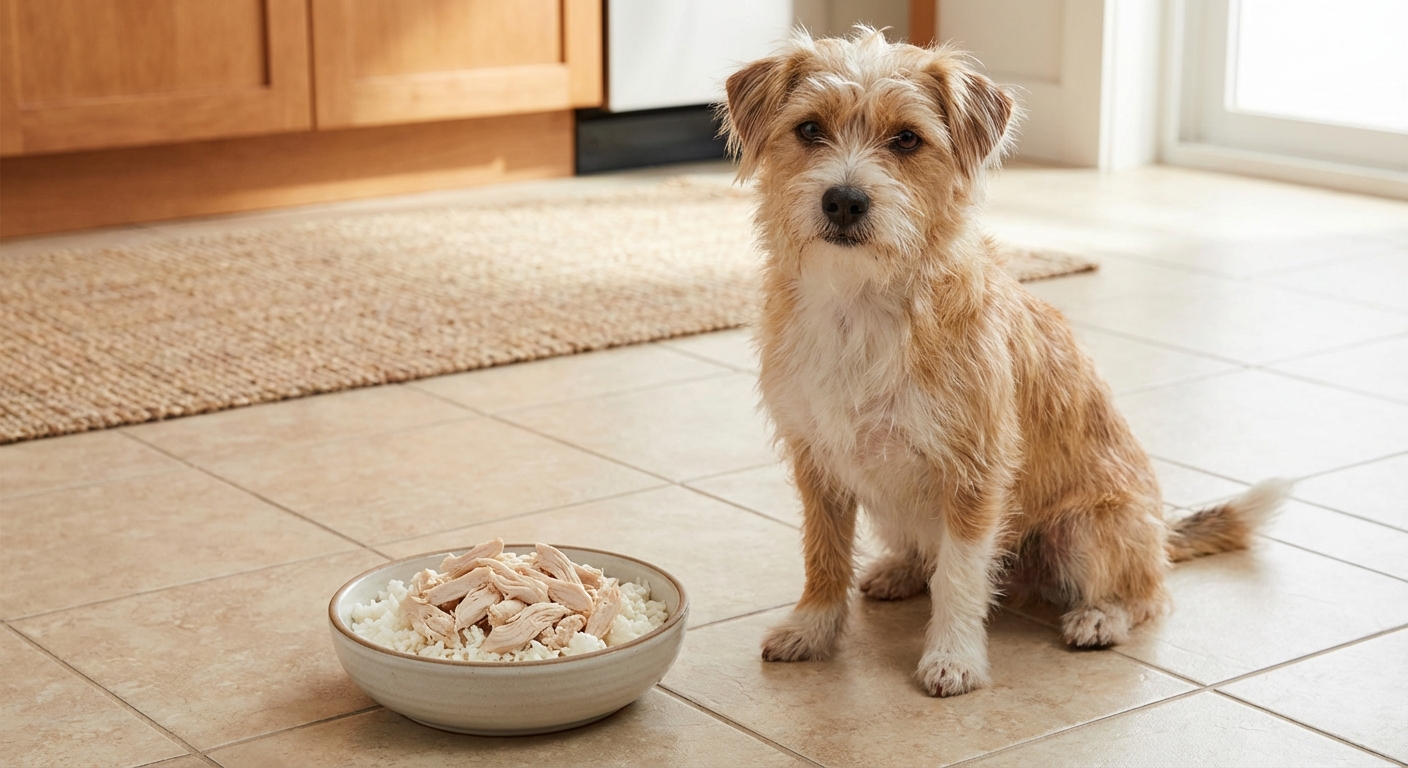
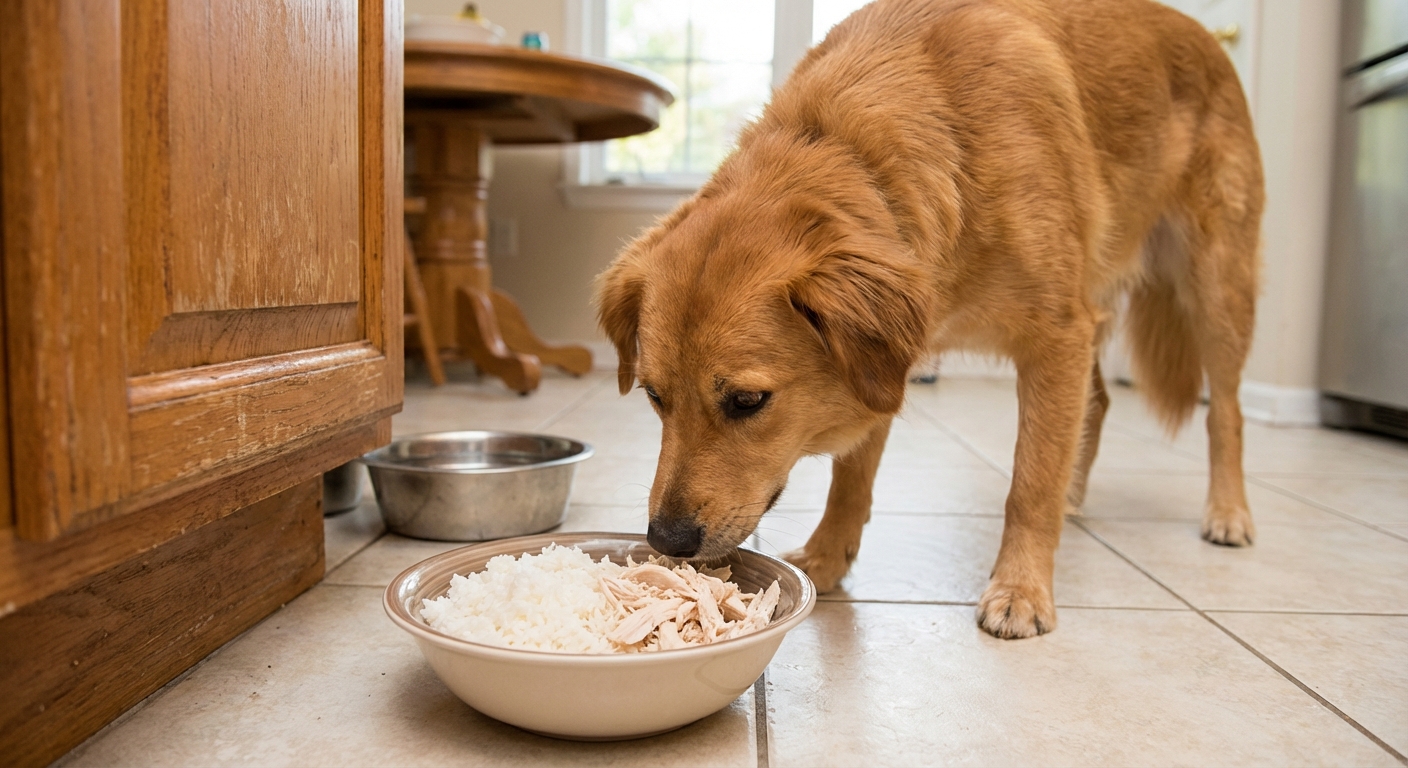
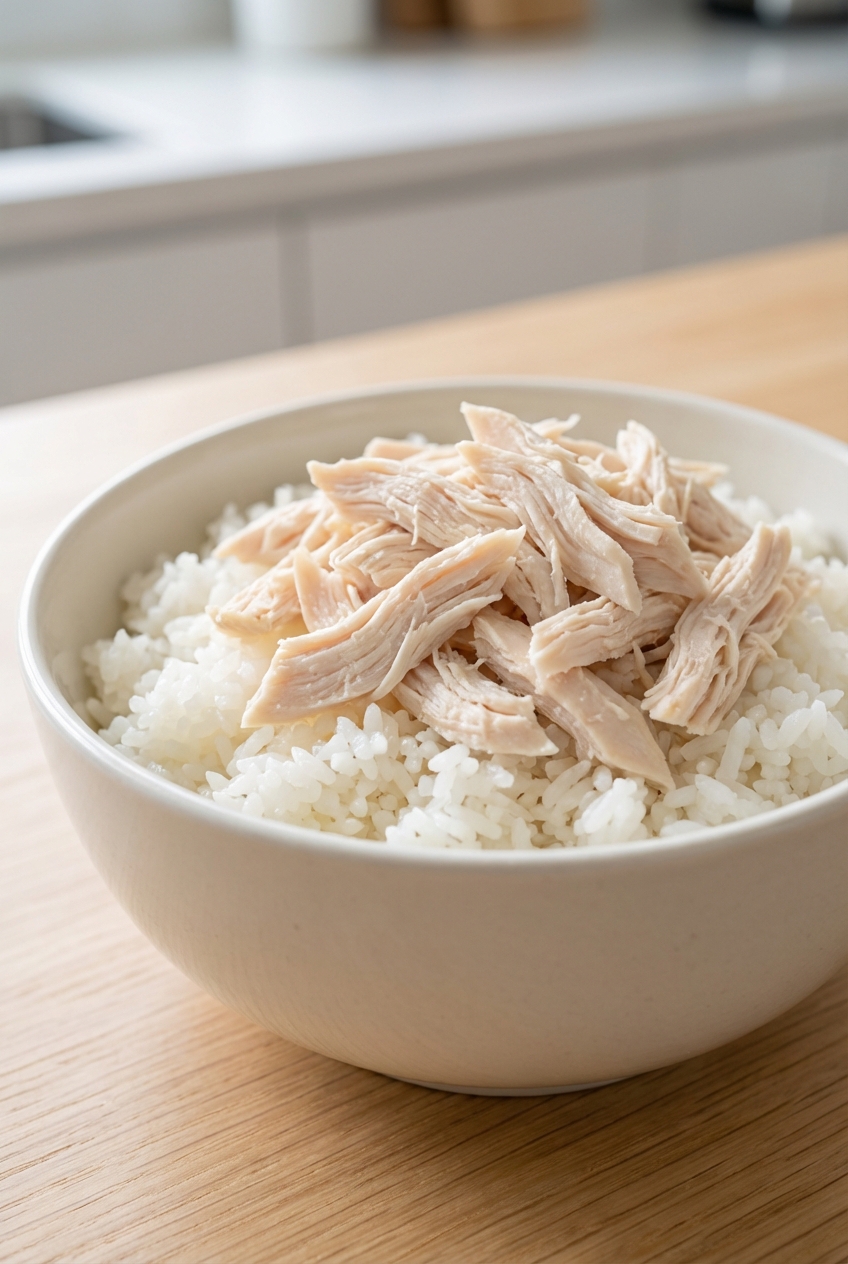
- Boiled, skinless chicken breast (shredded, no seasoning)
- Boiled turkey (lean, no skin, no seasoning)
- Cooked white rice (a classic for a reason)
- Plain canned pumpkin (100% pumpkin, not pie filling)
- Boiled sweet potato (plain, no butter)
Simple starting ratio
For most dogs, start around 1 part protein to 2 parts carb for a day or two. Keep it low-fat and unseasoned.
How much and how often
Feed small meals to avoid overwhelming the gut:
- Offer 3 to 6 small meals per day
- Start with a small portion (about 25 to 50% of their usual meal size) and increase slowly if stools improve
Warm tip from my clinic experience: if your dog is hungry and acting normal, that is often a reassuring sign. Still, keep portions small until stools firm up.
Pumpkin for diarrhea
Plain pumpkin contains both soluble and insoluble fiber. It may help some dogs by absorbing extra water in the intestines and supporting more formed stools. (It can also help some dogs with constipation, which is why many people call it a “stool normalizer.”)
Basic serving sizes
- Small dogs: 1 to 2 teaspoons mixed into food
- Medium dogs: 1 to 2 tablespoons
- Large dogs: 2 to 4 tablespoons
Start low and increase slowly. Too much fiber can cause gas or looser stool in some dogs.
What about probiotics?
Some evidence suggests certain veterinary probiotics can help shorten episodes of acute diarrhea, especially when the cause is stress, a diet change, or mild intestinal imbalance.
Best practice
- Use a veterinary-formulated probiotic when possible.
- Avoid random “human probiotics” because strains and dosing are not always appropriate for dogs.
- If your dog is immunocompromised or very ill, ask your vet before starting any supplement.
If you already have a probiotic your veterinarian has recommended in the past, this is often a good time to use it.
Foods to avoid
When the intestines are irritated, certain foods can make things worse quickly.
- Fatty foods (bacon, sausage, greasy meats)
- Dairy (many dogs are lactose intolerant when their gut is upset)
- Spicy or seasoned foods
- Rich treats and chewies
- Raw diets during active diarrhea (higher risk of bacterial complications)
- High-fiber sudden changes (big bowls of raw veggies)
- Toxic foods: onions, chives, grapes/raisins, chocolate, xylitol, macadamia nuts
Also skip bones and hard chews until stools are normal. Sudden diet changes can worsen diarrhea, so keep things simple and consistent while your dog is recovering.
Parasites and infection
If diarrhea is frequent, watery, or keeps returning, it is time to think beyond “simple tummy upset.” In clinic we often recommend a fecal test when diarrhea is persistent or a dog has exposure risks.
Higher-risk situations
- Dog parks, daycare, boarding, grooming facilities
- Drinking from puddles or shared water bowls
- New puppy or newly adopted dog
- Multi-dog households
Giardia and other intestinal parasites are common and treatable, but they require the right medication and hygiene plan.
Helpful practical tip
If your vet asks for a stool sample, bring one that is as fresh as possible (same day is ideal). Use a clean bag or container, and wash your hands afterward.
Hygiene at home
Diarrhea can spread germs, especially in multi-dog households.
- Pick up stool promptly.
- Wash hands after cleanup.
- Clean food and water bowls daily, and avoid shared water bowls while your dog is sick.
- If your dog has a parasite like Giardia, ask your vet about cleaning surfaces and bathing plans to reduce reinfection.
How long to feed bland food
Many mild cases improve within 24 to 48 hours on a bland diet. If stools are forming and your dog is energetic, keep the bland diet for another day, then transition back slowly. If the diarrhea is not improving, is very frequent, or you are seeing other symptoms, contact your veterinarian sooner.
How to transition back
- Day 1: 75% bland, 25% regular
- Day 2: 50% bland, 50% regular
- Day 3: 25% bland, 75% regular
- Day 4: 100% regular
If diarrhea returns during the transition, step back to the previous ratio and call your veterinarian if it does not improve. Another quick clinic note: going slow here prevents a lot of repeat flare-ups.
Simple meal plan
Here is a simple example for a healthy adult dog with mild diarrhea and no vomiting.
Day 1
- Morning: small portion of boiled chicken + white rice
- Midday: chicken + rice, add a small spoon of pumpkin
- Evening: chicken + rice
Day 2
- Continue small meals
- If stool is improving, slightly increase portion size
- Optional: continue probiotic if recommended
Keep treats minimal. If you need training rewards, use tiny bits of the boiled chicken you are already feeding.
Medication caution
Many human anti-diarrheal medicines are not safe for dogs, or they may mask a serious condition. Some may be used in specific cases, but only under veterinary direction. If your dog is on other medications or has any underlying condition, call your veterinarian before giving anything over-the-counter.
Bottom line
If your dog has mild diarrhea but is otherwise acting normal, you can usually start with hydration support and a bland, low-fat diet such as boiled chicken and white rice, plus a small amount of plain pumpkin. Keep meals small, watch energy level, and monitor stool quality closely.
And please trust your instincts. If something feels off, or the diarrhea is intense, very frequent, or bloody, it is always okay to call your vet. Early support can prevent dehydration and help your dog feel better faster.