A practical 24–72 hour diet and hydration plan for mild dog diarrhea, with bland food options, safe add-ons like probiotics, foods to avoid, and clear red ...
Article
•
Designer Mixes
What Can Give a Dog Diarrhea: Vet-Informed Causes and Care Tips

Shari Shidate
Designer Mixes contributor
Diarrhea is one of the most common reasons pet parents call a veterinary clinic, and I get it. It is messy, stressful, and it can come on fast. The good news is that many cases are mild and short-lived. The not-so-good news is that diarrhea can also be an early warning sign of dehydration, parasites, pancreatitis, or other illnesses that need medical care.
Below, I will walk you through vet-informed causes of diarrhea in dogs, what you can do at home, and when it is time to call your vet right away.
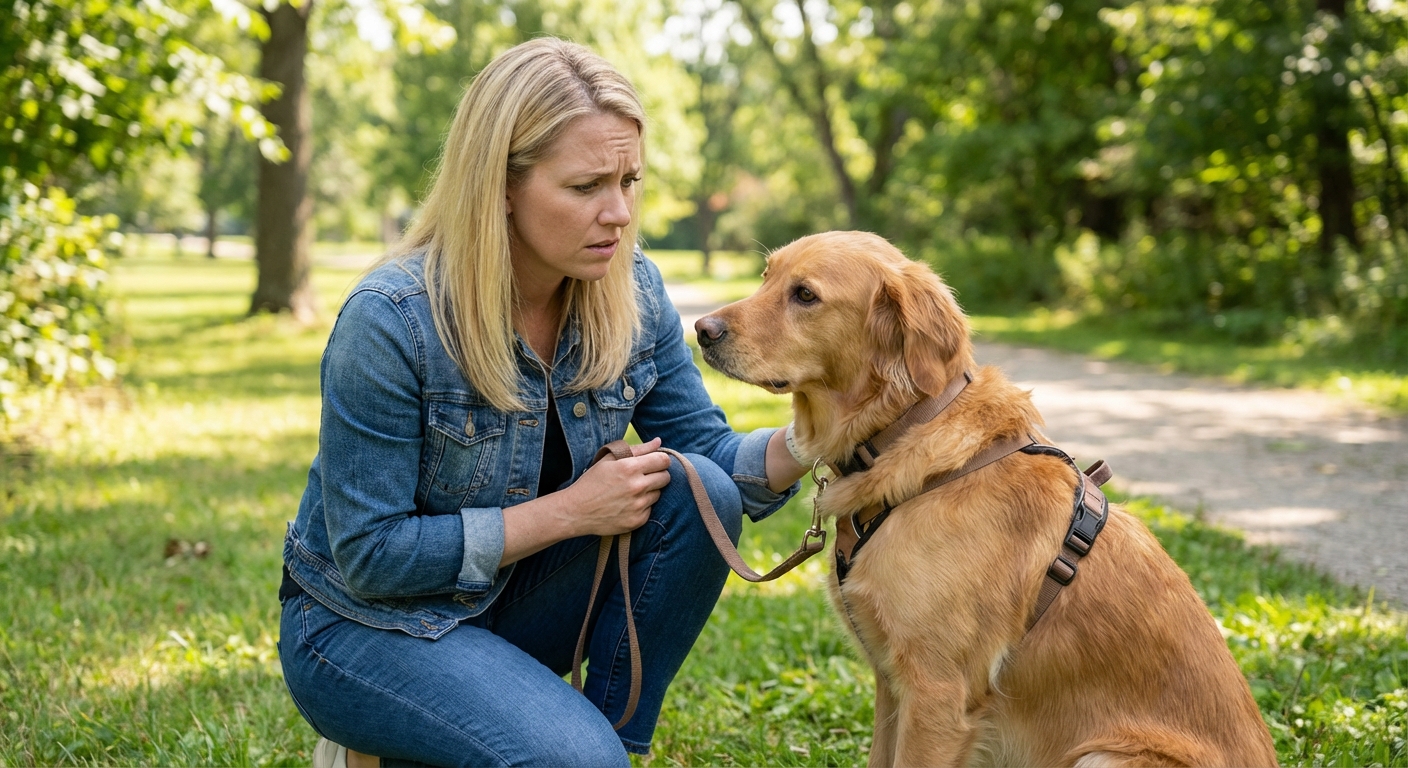
First, what counts as diarrhea?
Diarrhea is loose, watery stool, often happening more frequently than normal. You may also notice urgency, accidents in the house, straining, mucus, or blood.
Small intestine vs. large intestine clues
- Small intestine diarrhea: larger volume stools, watery, may include weight loss or vomiting.
- Large intestine diarrhea (colitis): frequent small amounts, straining, mucus, and sometimes fresh red blood.
These clues do not replace a diagnosis, but they help your vet narrow down the cause.
Common causes of dog diarrhea
Most diarrhea cases fall into a few big buckets: diet, infection, parasites, stress, or an underlying medical condition. Here are the most common triggers we see in practice.
1) Diet changes and garbage gut
Sudden diet switches, rich treats, table scraps, getting into the trash, eating greasy foods, or chewing on non-food items can irritate the gut. Even a new bag of the same food can sometimes cause trouble if the formula or fat content changed.
2) Food intolerance or food allergy
Some dogs do not tolerate certain proteins (like chicken or beef) or ingredients (like dairy). This can cause recurrent diarrhea, gassiness, and sometimes itchy skin or ear infections.
3) Parasites
Intestinal parasites are very common, especially in puppies, dogs who visit dog parks, or dogs who like to snack on mystery things outside.
- Giardia: can cause soft stool that may be greasy or mucousy and foul-smelling, and it can wax and wane.
- Roundworms, hookworms, whipworms: can cause diarrhea, mucus, and weight loss.
Many parasites are not visible to the naked eye, so a fecal test is important even if you do not see worms.
4) Viral or bacterial infections
Dogs can pick up infections through contaminated water, feces, shared bowls, boarding facilities, or contact with infected animals. Some infections can be mild, while others can be serious, particularly in puppies or unvaccinated dogs.
5) Stress and routine disruptions
Boarding, travel, a new pet, moving homes, fireworks, or even a change in schedule can trigger stress colitis. This often shows up as frequent urgency, mucus, and small amounts of stool.
6) Medications and supplements
Antibiotics are a big one because they can disrupt healthy gut bacteria. NSAIDs, some dewormers, and new supplements can also cause loose stool in sensitive dogs.
7) Pancreatitis
Pancreatitis can occur after high-fat foods, especially in prone dogs. Signs often include vomiting, painful belly, refusal to eat, lethargy, and diarrhea. This is not a “wait and see” situation.
8) Hemorrhagic diarrhea syndrome (AHDS)
Some dogs develop sudden, severe diarrhea with a lot of fresh blood, sometimes with vomiting, even if they seemed fine earlier that day. This can become serious quickly because of dehydration and shock risk. If you see a large amount of blood or your dog seems weak, treat it like an urgent problem.
9) Underlying medical conditions
Chronic or recurring diarrhea can be linked to:
- Inflammatory bowel disease (IBD)
- Exocrine pancreatic insufficiency (EPI)
- Liver disease
- Addison’s disease
- Other endocrine disorders (hyperthyroidism is rare in dogs)
- Intestinal tumors, especially in older dogs
Red flags: when diarrhea is an emergency
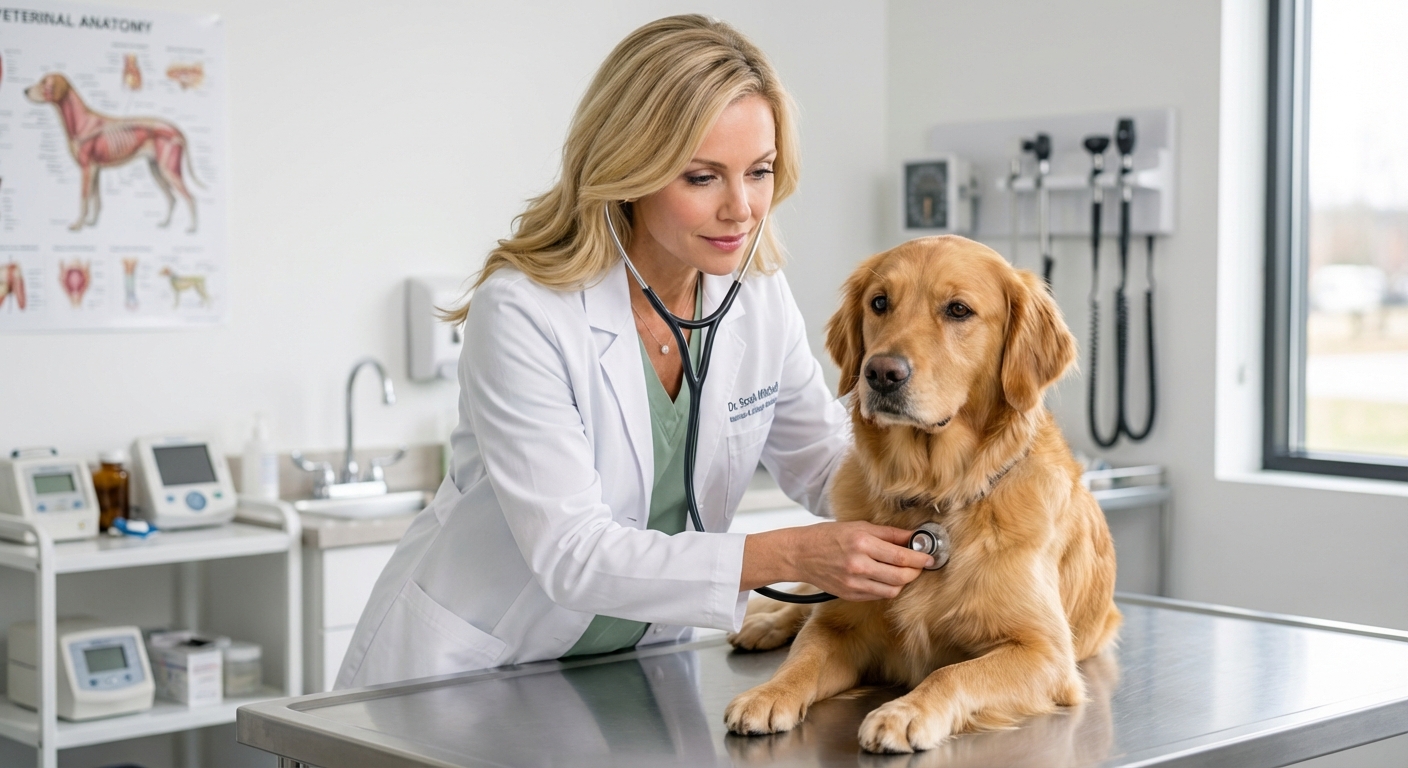
Please call your veterinarian or an emergency clinic promptly if you notice any of the following:
- Blood in stool (especially large amounts, black tarry stool, or worsening bleeding). Black, tarry stool can mean digested blood from higher up in the GI tract.
- Repeated vomiting or inability to keep water down
- Signs of dehydration (sticky gums, sunken eyes, weakness)
- Severe lethargy, collapse, or pale gums
- Diarrhea in a puppy, senior dog, or immunocompromised dog
- Known toxin exposure (xylitol, grapes or raisins, rodenticide, toxic plants, etc.)
- Suspected foreign body (toy pieces, socks, bones) or painful belly
- Diarrhea lasting more than 24 to 48 hours without improvement
When in doubt, call. A quick conversation can prevent a small issue from turning into a big one.
Vet-approved home care for mild diarrhea
If your dog is bright, alert, drinking water, and otherwise acting normal, mild diarrhea can sometimes be managed at home for a short time. These steps are commonly recommended in clinics, but your vet may tailor advice to your dog’s age, size, and medical history.
Important: Puppies, very small dogs (toy breeds), and dogs with chronic illnesses can get dehydrated quickly. If that is your dog, it is safer to call your vet early rather than trying to manage it at home.
Step 1: Pause the extras
Stop all treats, chews, table scraps, and flavored supplements for now. Keep it simple so the gut can calm down.
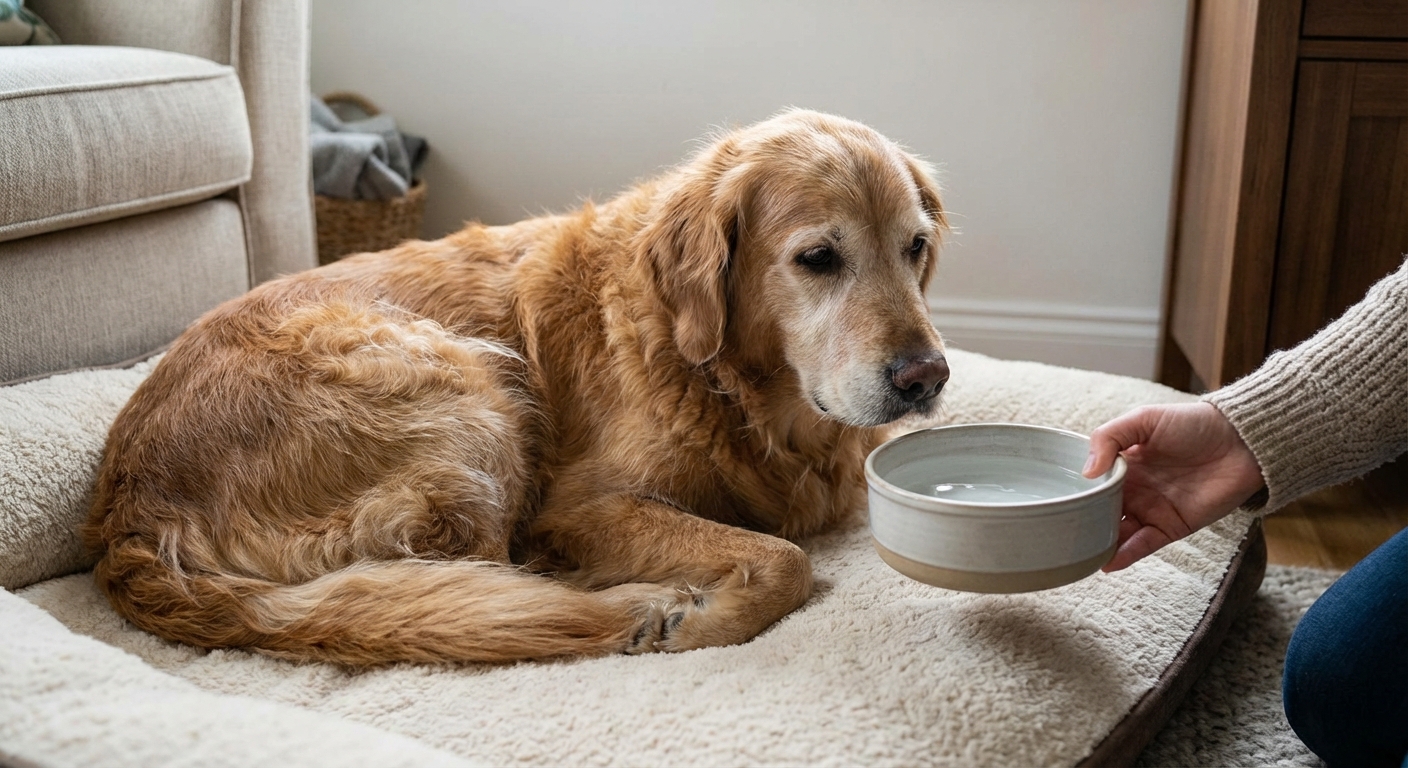
Step 2: Hydration is the priority
Offer fresh water. If your dog will not drink, call your vet. Dehydration is one of the biggest risks with diarrhea.
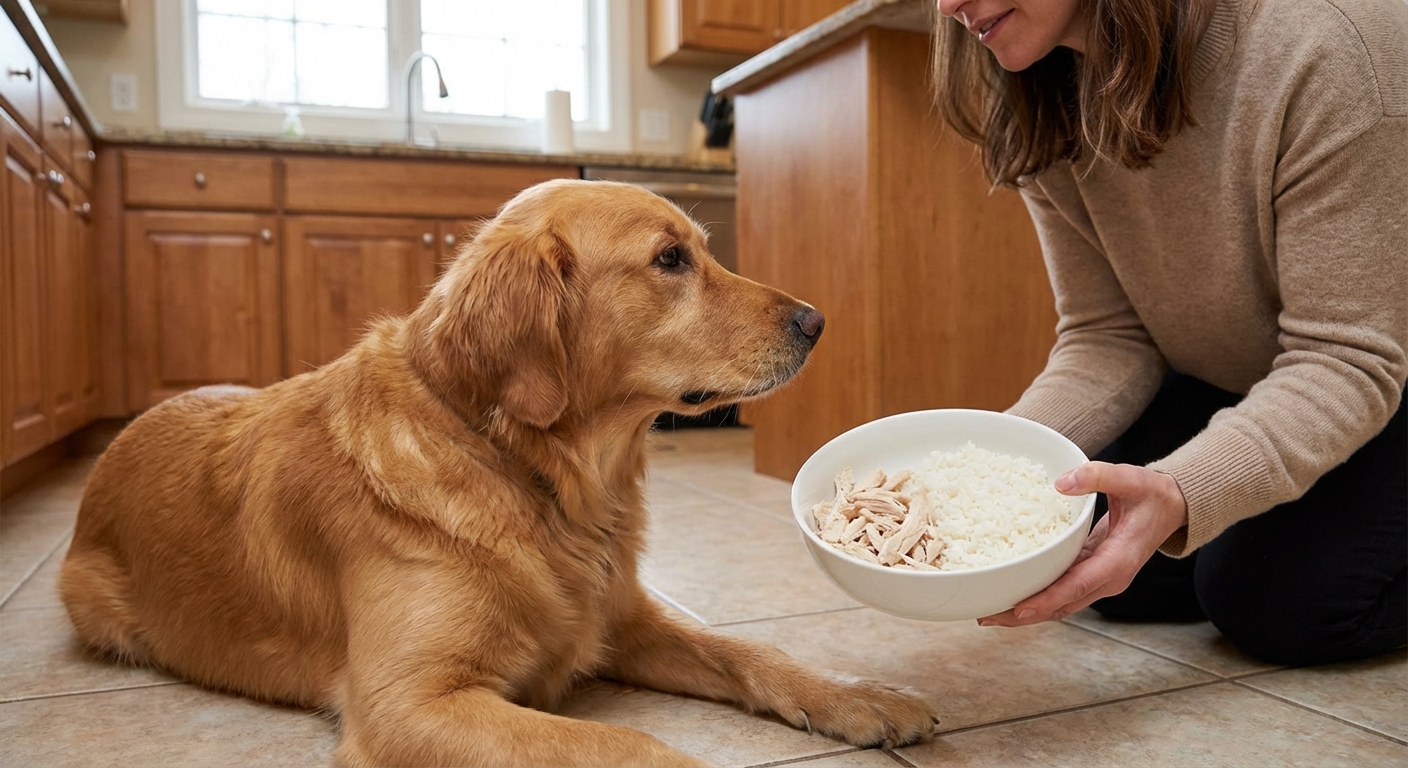
Step 3: Consider a short bland diet
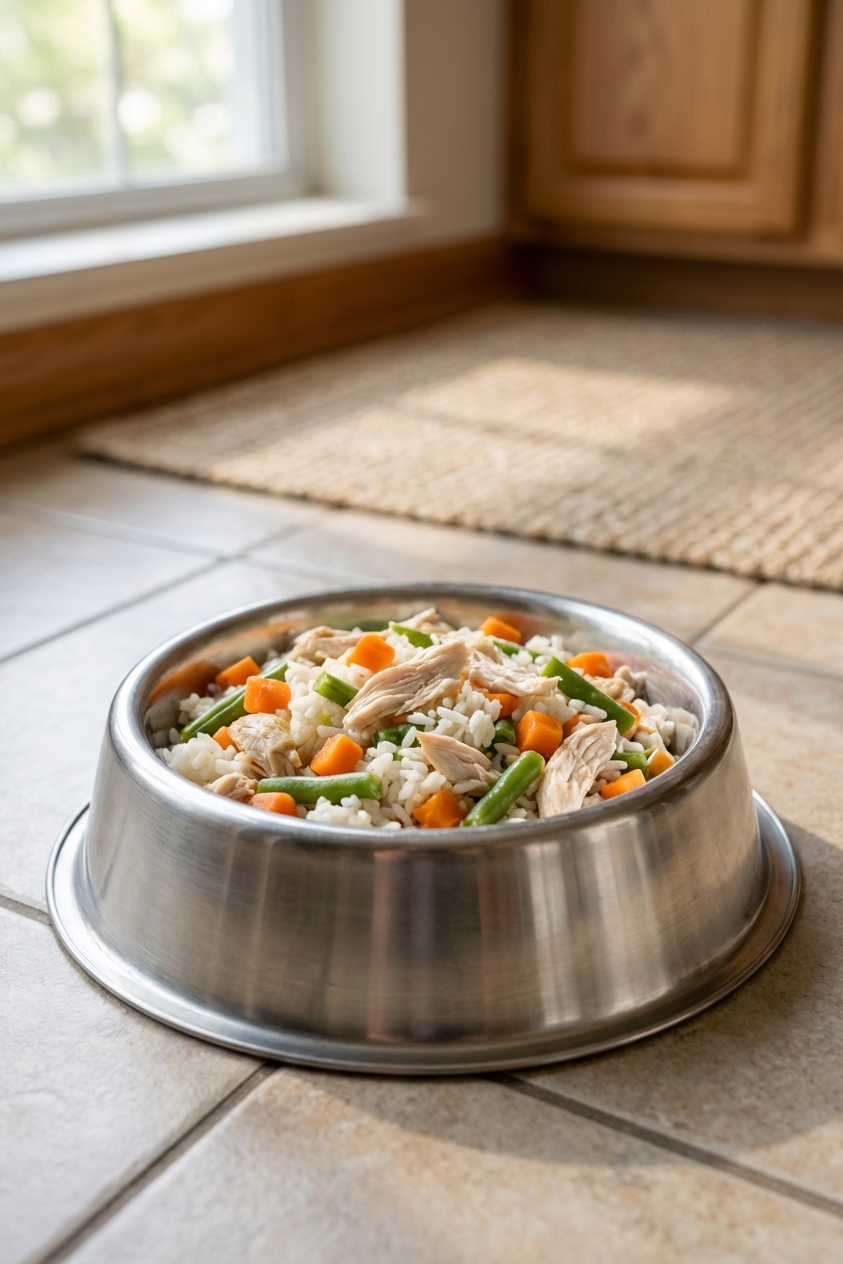
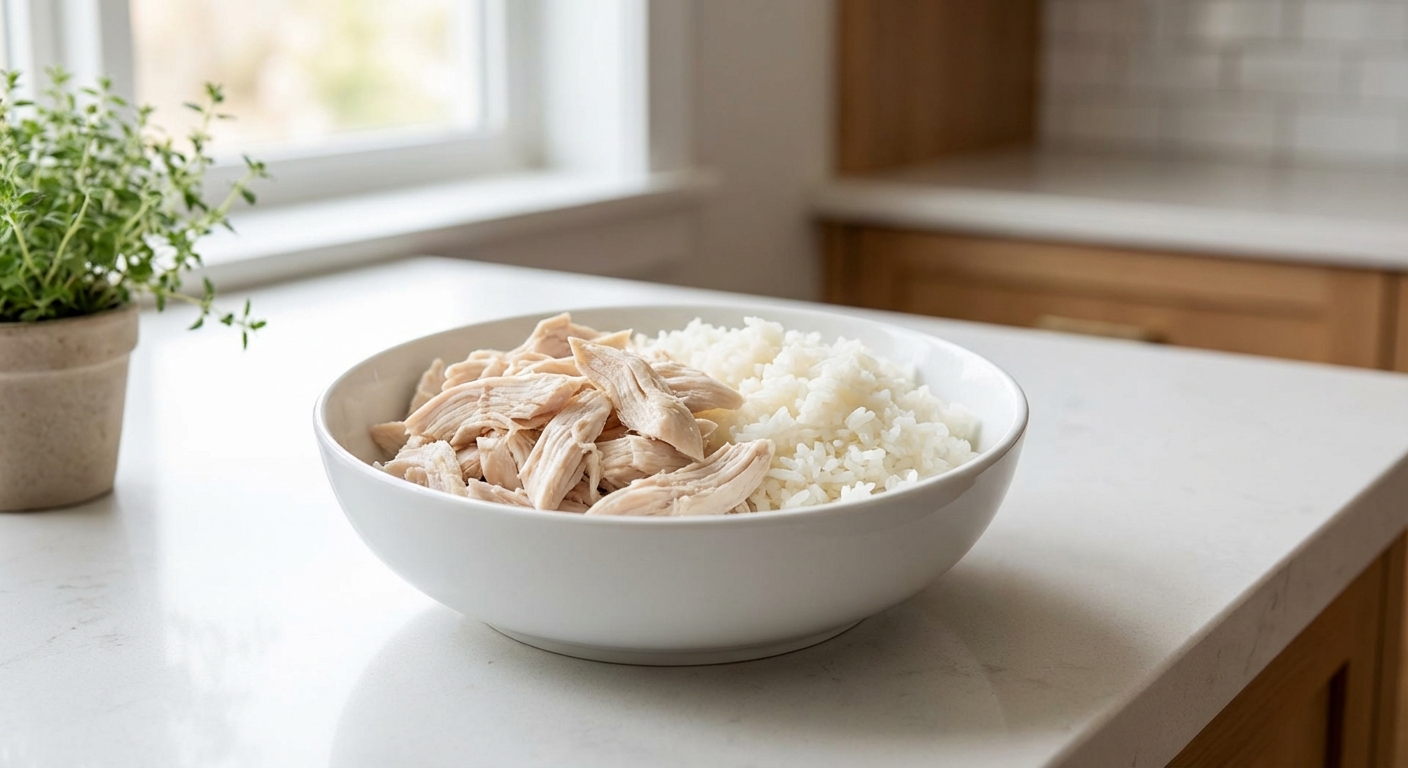
Many vets recommend a bland, low-fat diet for a couple of days, then a slow transition back to regular food.
- Common option: boiled skinless chicken breast and plain white rice
- Alternative proteins: turkey or very lean ground beef (drained well)
Feed small meals, more often. Large meals can overwhelm an irritated gut.
Step 4: Ask your vet about probiotics
Veterinary probiotics can help restore healthy gut flora, especially after stress or antibiotics. Use products made for dogs, and follow your veterinarian’s instructions.
Step 5: Add fiber if your vet approves
Plain canned pumpkin (not pumpkin pie filling) is often used for gentle fiber support. Fiber can help firm stool in some cases, but it is not right for every dog. If your dog has vomiting, belly pain, or you suspect pancreatitis, call your vet first.
When to stop home care and call
Call your vet if the diarrhea is worsening, your dog develops vomiting, stops drinking, seems painful, or becomes lethargic. Also call if there is no clear improvement within 24 to 48 hours.
What not to do
- Do not give human anti-diarrhea medications unless your veterinarian specifically instructs you. Some can be dangerous, especially if there is infection, toxin exposure, or certain breed sensitivities (for example, MDR1 gene-related sensitivities in some herding breeds).
- Do not give fatty foods like bacon, sausage, or greasy leftovers. These can worsen diarrhea and can trigger pancreatitis.
- Do not delay care if your dog is a puppy, very small, elderly, or has other health conditions.
How vets diagnose diarrhea
If diarrhea is ongoing or severe, your veterinarian may recommend:
- Fecal testing for parasites and Giardia
- Parvovirus testing for puppies or unvaccinated dogs
- Bloodwork to assess hydration, inflammation, pancreas and organ function
- Abdominal X-rays or ultrasound if a foreign body or obstruction is suspected
- Diet trials for food sensitivities, often using a hydrolyzed or novel protein diet
Bringing a fresh stool sample can be extremely helpful. If you can, collect it in a clean container and keep it cool until your appointment.
Preventing diarrhea in the future
Some diarrhea is unavoidable, but these habits can reduce the odds of repeat episodes:
- Transition foods slowly over 7 to 10 days.
- Keep treats limited, with 10 percent of daily calories as a common rule of thumb, and avoid rich, fatty treats.
- Stay current on fecal tests and parasite prevention as recommended by your vet.
- Use caution at dog parks and avoid letting your dog drink from communal water bowls or puddles.
- Secure the trash and keep risky items like bones, corn cobs, and strings out of reach.
- Support gut health with vet-approved diets and probiotics when indicated.
Protect your household
Some causes of diarrhea are contagious (like Giardia and parvovirus). Practice good hygiene: pick up stool promptly, wash your hands after cleanup, and disinfect soiled areas. If you have other pets, ask your vet whether they should be tested or treated too.
A quick checklist for pet parents
If you are standing there wondering, “Do I watch this or call the vet?” here is a simple gut-check.
Watch closely at home for a short time if:
- Your dog is acting normal and playful
- No vomiting
- No blood in stool
- Good appetite or only mildly decreased
- Diarrhea started within the last day
Call your vet today if:
- Diarrhea is not improving within 24 to 48 hours
- Your dog seems painful, weak, or very tired
- There is blood, black stool, or lots of mucus
- Your dog is very young, very small, or elderly
You know your dog best. If something feels off, trust that instinct and reach out for help.
Friendly reminder: This article is educational and does not replace veterinary care. If you are concerned about dehydration, blood in stool, toxin exposure, or your dog’s overall behavior, please contact your veterinarian right away.