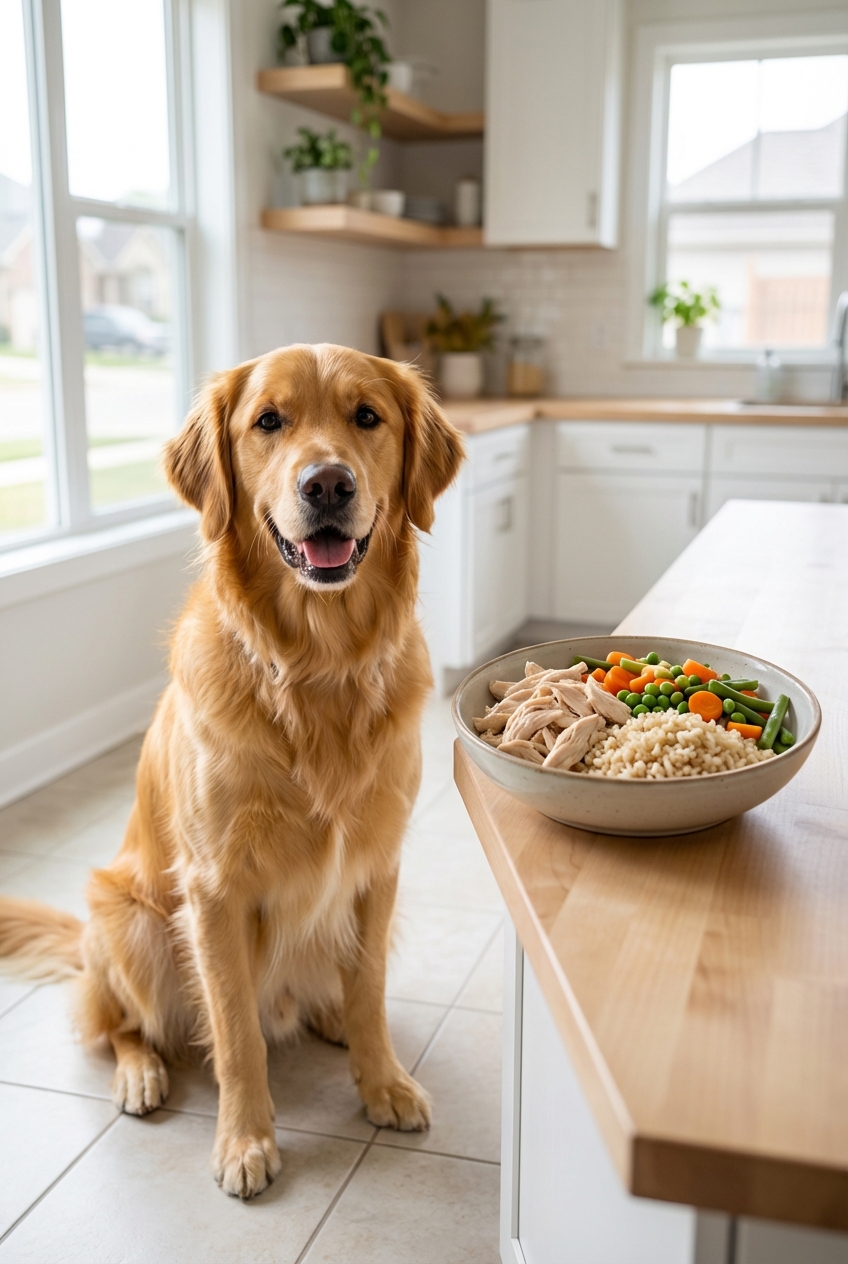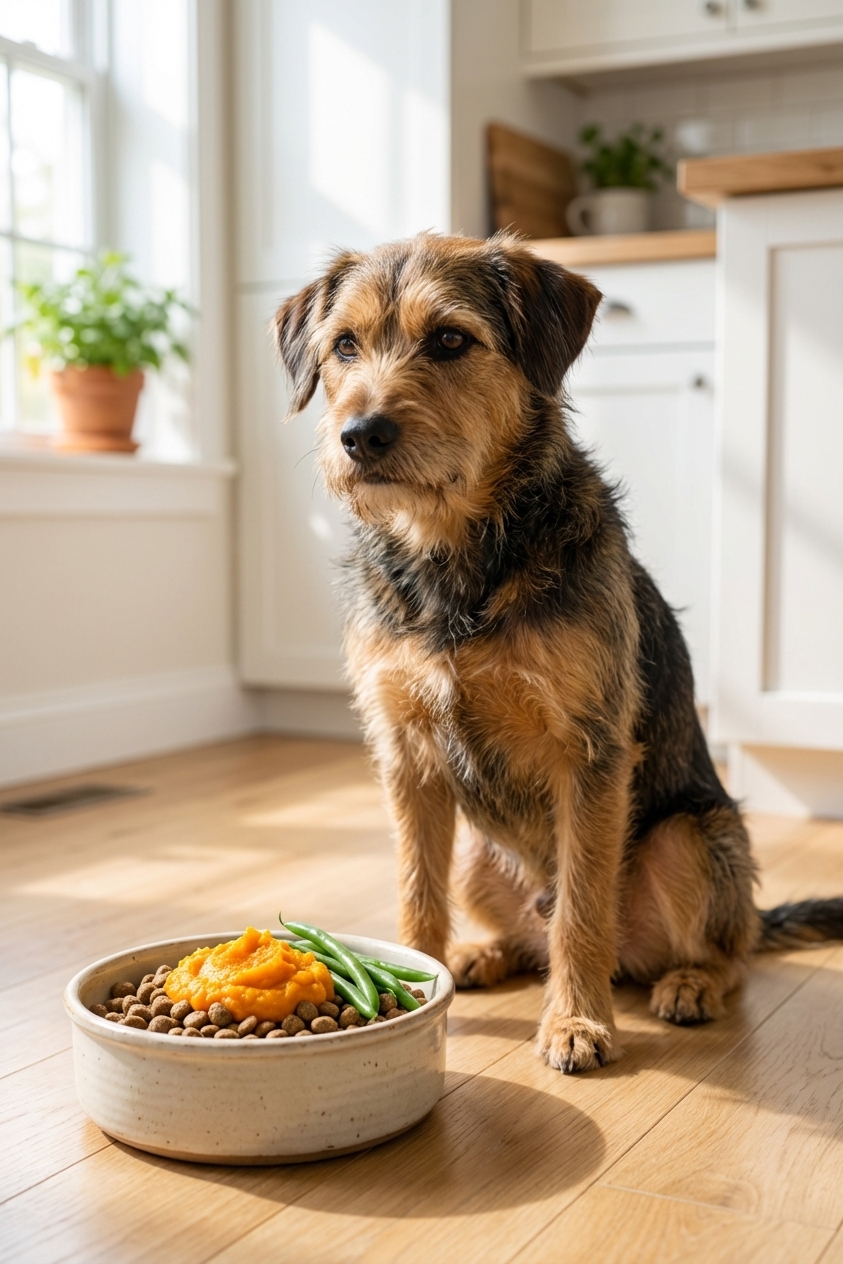
Make meals more tempting and nutritious with simple dog food toppers: bone broth, cooked eggs, sardines, pumpkin, and steamed veggies—plus portions, storag...
Article
•
Designer Mixes
What Can Dogs Eat? Safe Foods, Toxic Foods, and Everyday Care

Shari Shidate
Designer Mixes contributor
As a veterinary assistant here in Frisco, Texas, I get this question all the time: “What can my dog eat safely?” The honest answer is that many human foods can be healthy for dogs, but a few common ingredients can be surprisingly dangerous. This overview will help you choose safe options, avoid the biggest risks, and build feeding habits that support long-term health.
Quick note: This is general education, not a substitute for veterinary advice. If your dog has conditions like diabetes, kidney disease, pancreatitis, or food allergies, check with your veterinarian before adding new foods.
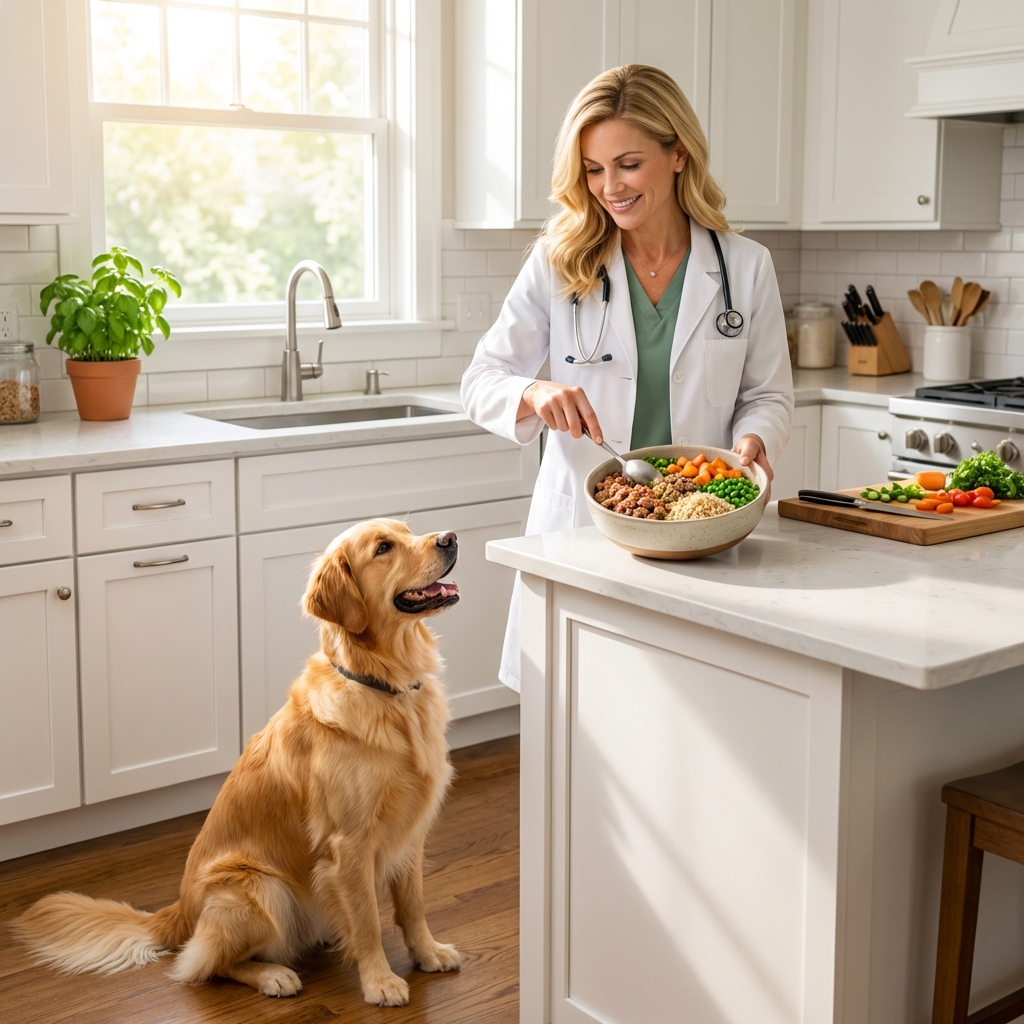
Top picks and top risks
Top 5 dog-safe add-ins (plain, small portions)
- Cooked chicken or turkey (no skin, no seasoning)
- Green beans (plain, no salt)
- Carrots (raw or cooked)
- Plain canned pumpkin (small amount)
- Blueberries (easy treat size)
Top 5 toxic foods to avoid
- Xylitol (in some sugar-free products, some peanut butters)
- Grapes and raisins
- Onions, garlic, chives, leeks
- Chocolate (especially dark and baking chocolate)
- Alcohol
Quick rule of thumb
If you remember one thing, remember this: keep the core diet complete and balanced, and keep extras simple and plain. That means your dog’s regular, complete dog food should be the foundation unless your veterinarian or a veterinary nutritionist formulates a fully homemade diet.
Most trouble starts with rich, fatty foods, heavy seasoning, added sugar, xylitol, or “just a bite” of something toxic.
- Keep it plain: baked, boiled, or steamed (skip butter, oils, garlic, onion powder, and sauces)
- Go slow with new foods: introduce one item at a time to watch for tummy upset or allergy signs
- Keep portions tiny: for small dogs, think pea-sized tastes; for larger dogs, start with a bite or two
- Treat rule: keep toppers and treats to 10 percent or less of daily calories unless your veterinarian guides you differently
- When in doubt: call your veterinarian or a pet poison helpline before waiting for symptoms
Dog-safe foods
These are commonly recommended in veterinary settings as lower-risk options when prepared correctly. Portion sizes matter, especially for smaller dogs.
Proteins
- Chicken, turkey, lean beef: cooked, unseasoned, no skin, no fatty scraps
- Fish (salmon, sardines): cooked and deboned, avoid heavy oils and salty seasonings
- Eggs: fully cooked for best safety
- Peanut butter: can be fine in tiny amounts, but only if it is xylitol-free and not heavily sweetened or salted
Avoid cooked bones of any kind. They can splinter and cause choking, intestinal injury, or obstruction.
Vegetables
- Carrots: raw or cooked, great crunchy option
- Green beans: plain, cooked or canned with no added salt
- Sweet potato: cooked thoroughly, no butter, no sugar
- Pumpkin (plain canned): may help some dogs with mild stool issues in small amounts. If your dog has diabetes or a history of pancreatitis, ask your vet first.
- Broccoli and cauliflower: small amounts only, can cause gas in some dogs
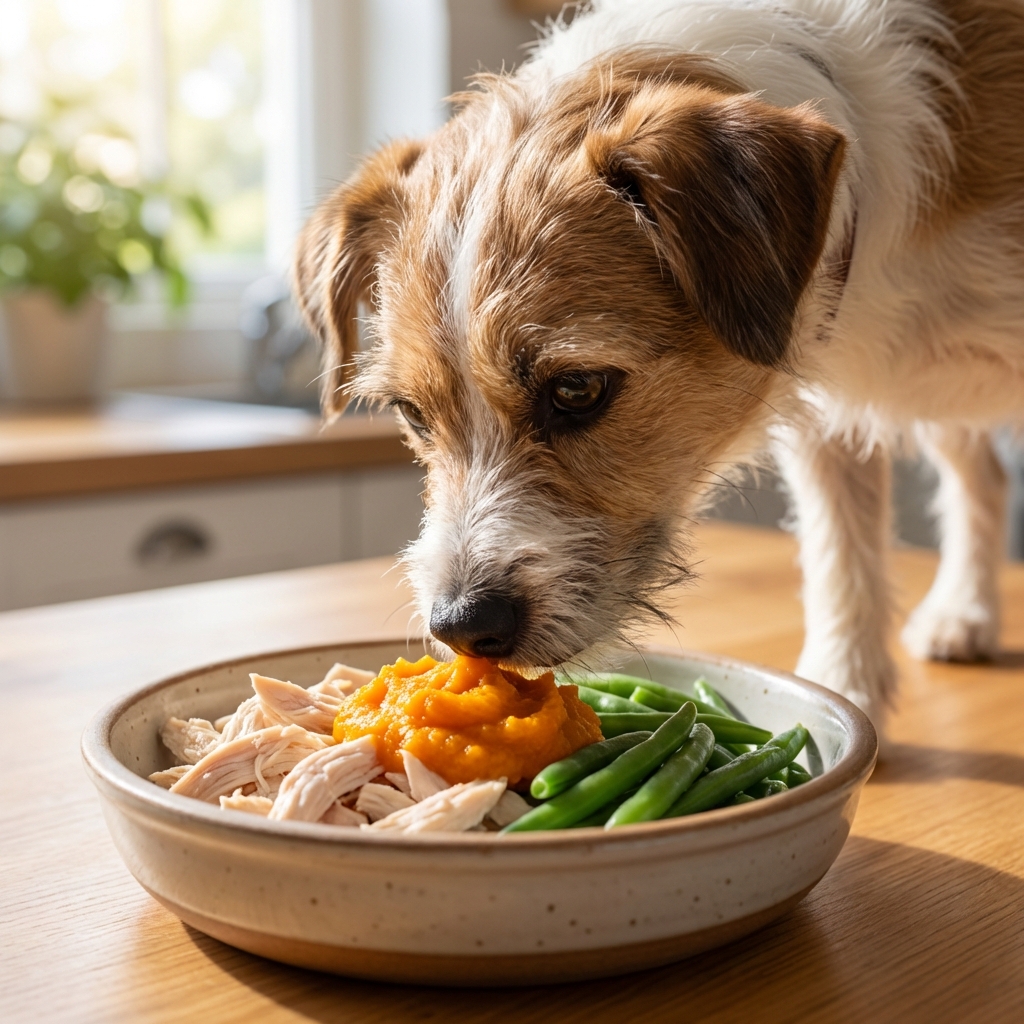
Many dogs do better with lightly cooked vegetables. Cooking softens fiber and can make them easier to digest.
Fruits
- Blueberries: easy treat size
- Apples: no seeds or core, sliced for safer chewing
- Banana: small amounts, higher in sugar than most people realize
- Watermelon: seedless and rind removed
Safety reminder: remove pits and large seeds from stone fruits (peach, plum, cherry). Pits can cause choking or blockage, and broken pits can be a bigger problem.
Carbs and grains
- White or brown rice: plain, useful for bland meals in some cases
- Oatmeal: plain, cooked, no sweeteners
- Quinoa: rinse well and cook thoroughly, offer small servings (some dogs get gas or loose stool)
Not every dog needs grains, but many tolerate them very well. If your dog has chronic itching, ear infections, or recurring digestive issues, talk with your veterinarian before making big diet changes.
Foods to avoid
These are the items that most often lead to emergency calls. Some cause mild stomach upset, while others can be life-threatening.
High-risk toxic foods
- Xylitol (birch sugar): found in many sugar-free gums, candies, baked goods, some peanut butters, and some medications. It can cause dangerously low blood sugar and liver injury. Because dose and product vary, any exposure warrants urgent guidance.
- Grapes and raisins: can cause acute kidney failure in some dogs. There is no reliably safe amount.
- Onions, garlic, chives, leeks: can damage red blood cells and lead to anemia, especially with larger amounts or repeated exposure.
- Chocolate: dark chocolate and baking chocolate are especially dangerous due to theobromine and caffeine.
- Alcohol: even small amounts can cause serious neurologic and metabolic problems.
- Macadamia nuts: can cause weakness, vomiting, and tremors.
- Caffeine: coffee, espresso drinks, energy drinks, and caffeine pills can be very dangerous for dogs.
Common troublemakers
- Fatty meats, bacon, greasy leftovers: can trigger pancreatitis in susceptible dogs (we see this a lot after holiday meals)
- Table scraps with seasoning: salt, onion powder, and rich sauces often cause GI upset
- Cooked bones and skewers: splintering and puncture risk
- Yeast dough: can expand in the stomach and produce alcohol as it ferments
- Avocado: often causes vomiting or diarrhea in dogs, and the pit is a choking and obstruction hazard
- Nutmeg: can cause neurologic signs and stomach upset
- Very salty foods: can worsen dehydration and may be dangerous in large exposures
- Wild mushrooms: some are highly toxic, and it is not safe to guess which are which
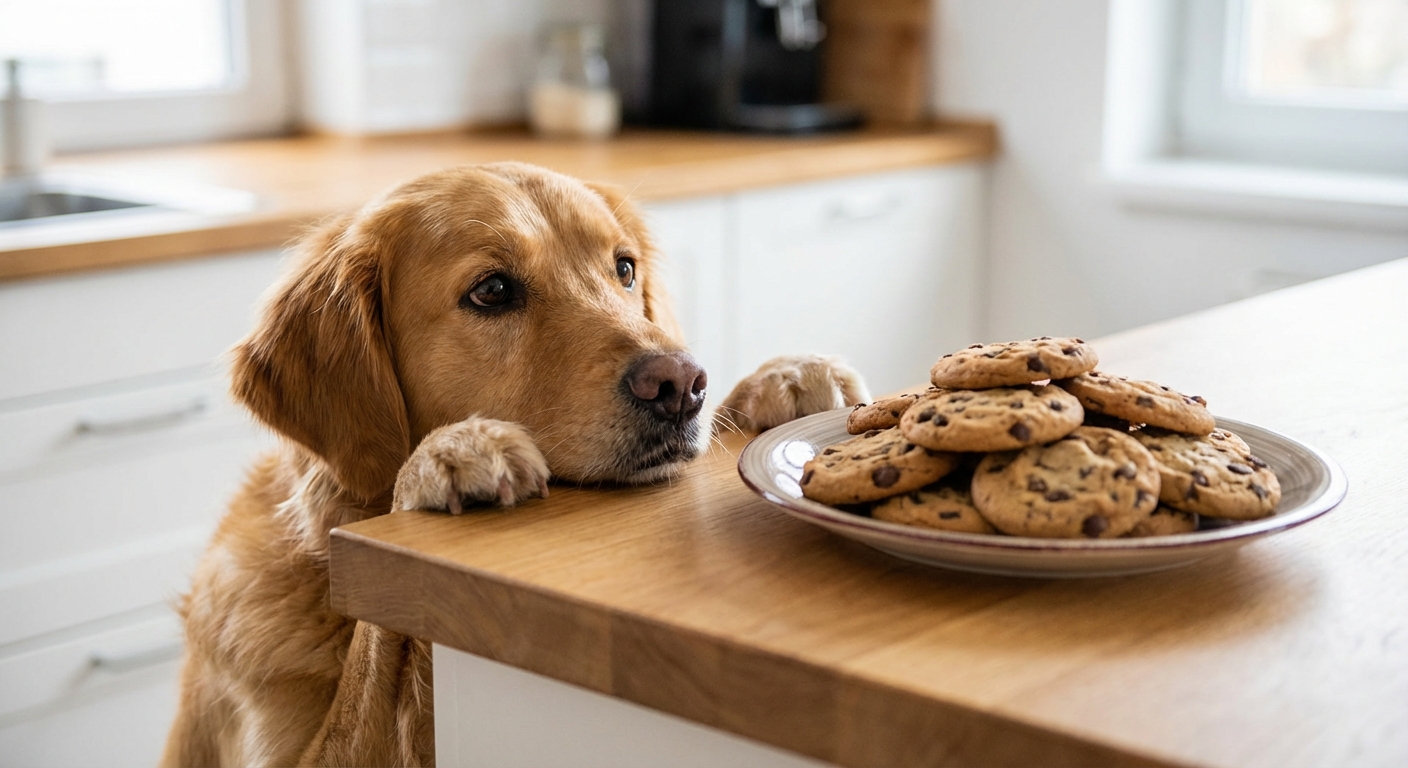
Choking and blockage hazards
- Corn cobs: a classic cause of intestinal blockage
- Fruit pits and large bones: choking and obstruction risk
- Dental chews that are the wrong size: choose the right size for your dog and supervise, especially power chewers
Raw diet notes
Some families ask about feeding raw. In clinic, the biggest concerns are bacteria (like Salmonella), parasites, and higher risk for immunocompromised people and pets in the household. Raw eggs also carry bacterial risk, and some raw fish can interfere with vitamin B1 over time. If you are considering raw or homemade as a main diet, do it with veterinary guidance.
If you suspect your dog ate something toxic
Call your veterinarian or an emergency clinic right away. If you can, have these details ready:
- What your dog ate and how much
- Your dog’s weight and age
- When it happened
- Current symptoms (vomiting, tremors, lethargy, diarrhea, drooling)
Do not induce vomiting unless a veterinarian tells you to. For some toxins or situations, vomiting can cause additional harm.
Poison help (US): ASPCA Animal Poison Control at 888-426-4435 (fee may apply) or Pet Poison Helpline at 855-764-7661 (fee may apply).
Balanced feeding
Many pet parents want to add fresh foods but feel overwhelmed. You do not have to switch to 100 percent homemade overnight to see benefits. Even adding small amounts of safe whole foods can improve variety and enjoyment, as long as your dog’s main diet stays complete and balanced.
Fresh topper plan
- Start with your dog’s current complete and balanced diet
- Add a small portion of one safe food (like cooked chicken or green beans)
- Keep toppers to 10 percent or less of daily calories unless your veterinarian guides you differently
If you want to cook more
Homemade diets can be wonderful, but they must be nutritionally complete. Deficiencies in calcium, essential fatty acids, and key vitamins and minerals are common when recipes are improvised long-term. If you want to feed homemade as the main diet, ask your veterinarian about a recipe formulated by a board-certified veterinary nutritionist (or a reputable formulation tool your vet trusts).
Healthy treat ideas
Treats are part of bonding, training, and joy. The goal is to keep them simple, small, and consistent.
- Frozen blueberries for a quick cool snack
- Baby carrots for crunch
- Plain yogurt in small amounts if your dog tolerates dairy. Choose unsweetened, ideally low-fat, and double-check the label for sugar substitutes (avoid xylitol).
- Single-ingredient dehydrated treats with no added salt or sugar

Tip: If your dog has a sensitive stomach, keep a “safe list” of two or three treats and rotate only within that list.
Everyday care
Food choices matter, but so do the daily basics. In clinic, I see a big difference in dogs who have consistent routines, especially around busy seasons when snacks and leftovers show up everywhere.
- Fresh water always available
- Measured meals to prevent gradual weight gain
- Regular exercise appropriate for your dog’s age and joints
- Dental care including brushing and vet-approved chews
- Parasite prevention as recommended by your veterinarian
If you are not sure whether your dog is at a healthy weight, ask your vet team about a body condition score. It is one of the most helpful, evidence-based tools we have to guide feeding.
Signs a food is not working
Dogs cannot tell us “my stomach hurts,” so we watch their bodies. Call your veterinarian if you notice:
- Vomiting more than once, or vomiting with lethargy
- Diarrhea lasting longer than 24 hours
- Itchy skin, ear infections, or frequent licking after diet changes
- Excess gas, bloating, or painful belly
- Sudden refusal to eat, especially with other symptoms
For puppies, seniors, and dogs with chronic conditions like kidney disease, diabetes, pancreatitis, or heart disease, always check with your veterinarian before adding new foods or supplements.
Bottom line
Most dogs can enjoy a variety of fresh, whole foods when they are prepared plainly and offered in sensible portions. Keep a complete and balanced dog food as the foundation, use toppers thoughtfully, avoid the known toxins, and introduce changes slowly. If you want to move toward a more homemade approach, do it with a plan so your dog gets complete nutrition for the long haul.
When you feed well, you are not just filling a bowl. You are supporting energy, comfort, and longevity, and that is something every pet lover can feel good about.