A family-friendly handbook to kennel cough (CIRDC): classic signs, how it spreads, when to see the vet, treatment options, safe home care, recovery time, and...
Article
•
Designer Mixes
What Can Cause a Dog to Cough

Shari Shidate
Designer Mixes contributor
Hearing your dog cough can be startling. Sometimes it is harmless throat irritation that passes quickly. Other times, coughing is your dog’s way of telling you their airway, lungs, or even heart needs attention. As a veterinary assistant here in Frisco, Texas, I always tell pet parents the same thing: the pattern of the cough matters just as much as the cough itself.
This guide walks you through the most common reasons dogs cough, what the cough can sound like, what you can do at home, and when it is time to call your veterinarian.
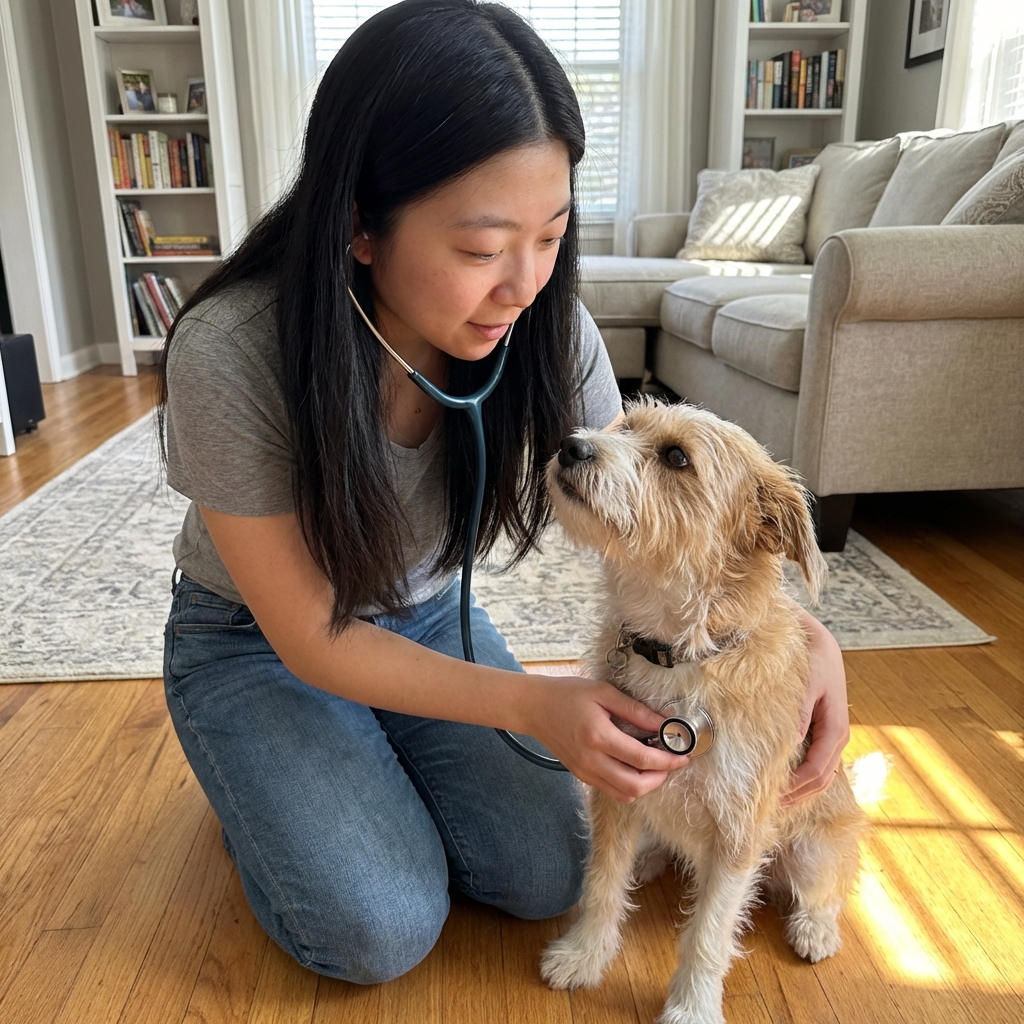
First, what does your dog’s cough sound like?
Different causes often create different cough styles. You do not need to diagnose your dog at home, but noticing these details can help your veterinarian narrow things down faster.
- Dry, hacking cough: often seen with contagious respiratory infections (like kennel cough), airway irritation, or chronic bronchitis.
- Gagging or retching after coughing: common with kennel cough, collapsing trachea, or post-nasal drip.
- “Goose honk” cough: classic for collapsing trachea (especially small breeds and mixes).
- Moist-sounding or “phlegmy” cough: may suggest pneumonia, fluid in or around the lungs, or infection. Many dogs swallow mucus, so you might not see them cough anything up.
- Coughing mostly at night or when resting: can be seen with heart-related fluid buildup or some airway conditions.
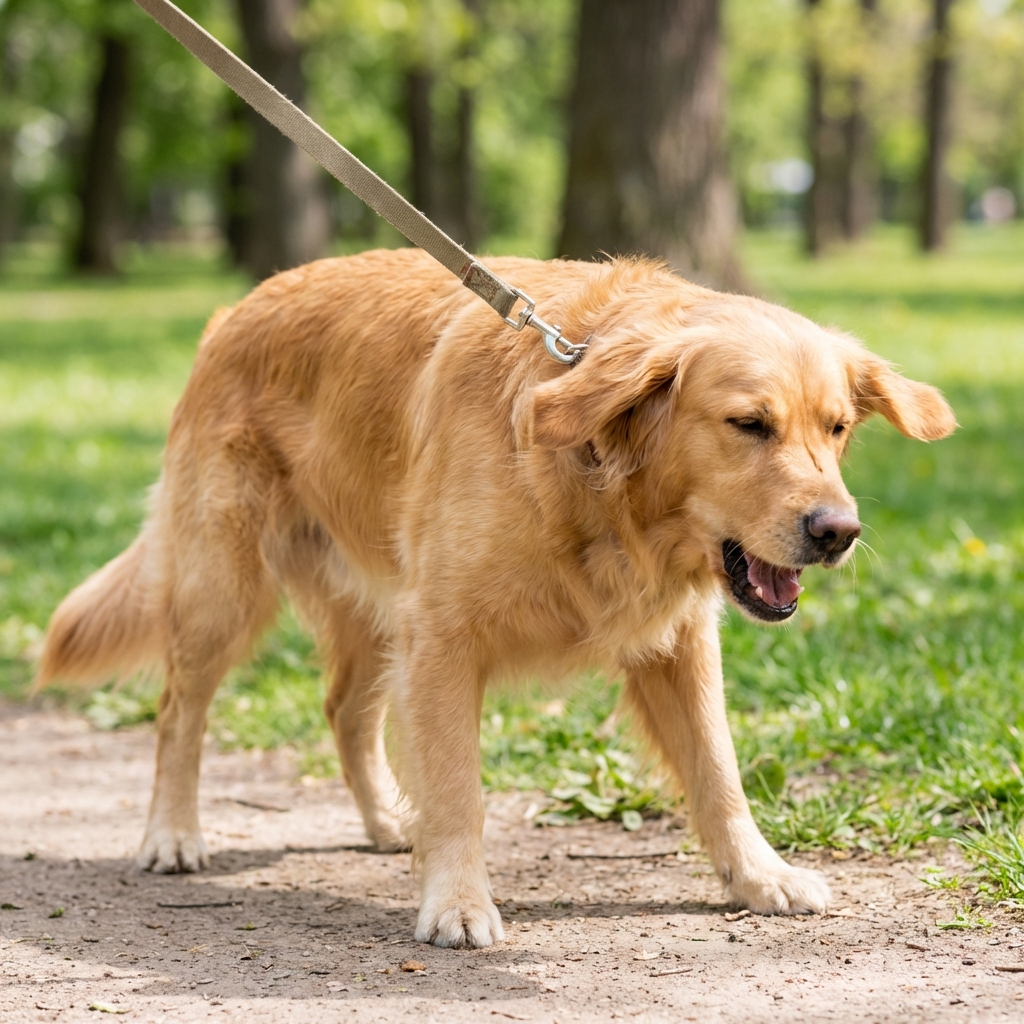
- Cough triggered by excitement, pulling on leash, or pressure on the neck: often points toward tracheal irritation or collapse.
Tip: If you can safely do it, take a short video of the cough on your phone. It is one of the most helpful “tools” you can bring to the appointment.
Common causes of coughing in dogs
1) Kennel cough and other contagious respiratory infections (CIRDC)
“Kennel cough” is a common term for what many clinics now call canine infectious respiratory disease complex (CIRDC). It is a group of contagious respiratory infections that can involve bacteria and viruses, including Bordetella bronchiseptica, canine parainfluenza virus, canine adenovirus-2, canine respiratory coronavirus, and in some cases canine influenza.
Dogs can pick it up in places where dogs share close airspace, especially indoors, such as grooming, boarding, daycare, training classes, or a busy vet lobby.
What owners often notice: a sudden dry, hacking cough, sometimes followed by a gag or retch, and it can sound dramatic even when the dog seems otherwise bright and hungry.
Why it matters: most cases are mild, but puppies, seniors, and immunocompromised dogs can develop more serious illness. Also, contagious cough spreads easily.
Practical tip: If you think it may be contagious, call your clinic before you arrive. Many hospitals will do “car check-in” or bring you through a separate entrance to help protect other patients.
2) Allergies and environmental irritation
Just like people, dogs can cough from inhaled irritants and allergies. In North Texas, seasonal pollen, dust, and rapid weather swings can be rough on sensitive airways.
- Allergies can cause post-nasal drip, throat irritation, and intermittent coughing.
- Irritants like smoke, strong fragrances, dusty cleaning products, construction dust, aerosols, and diffusers can trigger coughing or throat clearing.
Clue: coughing that comes and goes, plus sneezing, watery eyes, or licking paws can point toward an allergy component.
3) Collapsing trachea
Collapsing trachea happens when the cartilage rings that help keep the windpipe open weaken over time. It is most common in smaller dogs (and many small-breed mixes), and coughing is often triggered by excitement or pulling on a collar.
What it can sound like: a “goose honk” cough, often dry and repetitive.
What helps: using a harness instead of a neck collar, weight management if needed, and veterinarian-guided medications for flare-ups.
4) Chronic bronchitis (chronic inflammatory airway disease)
Chronic bronchitis is long-term inflammation of the airways. It is more common in middle-aged and senior dogs, and the cough often lasts two months or longer.
What owners often notice: a persistent dry cough, sometimes worse with activity or excitement.
Diagnosis typically involves an exam and chest imaging, and treatment may include anti-inflammatory medications and environmental changes.
5) Heart disease and fluid buildup
Not every cough is “just a cough.” Some dogs cough due to heart disease, most often when fluid backs up into the lungs (congestive heart failure) or when an enlarged heart puts pressure on nearby airways. Many dogs with early heart disease do not cough, so a new cough still deserves a careful look.
Clues that raise concern:
- coughing at night or while resting
- reduced stamina on walks
- rapid breathing at rest
- fainting episodes or weakness
- a pot-bellied look from fluid retention in advanced cases
Heart-related breathing changes need prompt veterinary evaluation, because early treatment can greatly improve comfort and longevity.
6) Pneumonia (bacterial, aspiration, or fungal)
Pneumonia can cause a deeper, often moist-sounding cough and may come with fever, lethargy, decreased appetite, and faster or more difficult breathing. Aspiration pneumonia can happen if a dog inhales vomit, reflux, or liquids, including in some dogs with swallowing problems.
Fungal pneumonia is less common but can occur depending on geography and exposures.
Bottom line: pneumonia is not a “wait and see” situation. It requires veterinary care.
7) Parasites and heartworm disease
Some parasites can contribute to coughing, including lungworms (in certain regions and exposures). Heartworm disease can also cause coughing, exercise intolerance, and weight loss as it progresses.
Prevention matters: consistent heartworm prevention is one of the simplest, most evidence-based steps you can take to protect your dog.
8) Throat irritation, something stuck, or reverse sneezing
Dogs explore the world with their mouths. A piece of grass, a foxtail, or irritation in the throat can cause coughing, gagging, or repeated swallowing.
Another common event that sounds scary is reverse sneezing, where a dog rapidly inhales with a snorting sound. Reverse sneezing is usually harmless and brief, but if it starts suddenly, happens very frequently, or comes with one-sided nasal discharge, nosebleeds, or facial discomfort, it can occasionally be linked to nasal mites, a foreign body, or other nasal disease and should be checked out.
9) Brachycephalic airway issues
Flat-faced breeds like French Bulldogs, English Bulldogs, Boston Terriers, and Pugs can have airway anatomy that makes them prone to noisy breathing, gagging, and coughing, especially with excitement, heat, or exercise. If your brachycephalic dog is coughing and also struggling to recover after activity, talk with your veterinarian sooner rather than later.
10) Laryngeal paralysis (often older large breeds)
Laryngeal paralysis affects how the voice box opens during breathing. It is more common in older, larger dogs and can cause a hoarse bark, gagging, noisy breathing (especially on inhalation), and coughing that worsens with heat or exercise. This can become serious quickly, so it is worth addressing promptly.
11) Tumors or growths in the airway or lungs
Masses in the lungs, trachea, or throat can cause chronic coughing, especially in older dogs. Your veterinarian may recommend chest X-rays or additional imaging if the cough is persistent, worsening, or unexplained.
12) Reflux, regurgitation, or esophageal disease (cough look-alikes)
Some dogs are not truly coughing. They may be gagging, regurgitating, or clearing their throat due to reflux or esophageal issues. If episodes happen around meals, drinking water, or first thing in the morning, mention that to your veterinarian because it can change the diagnostic plan.
When a cough is an emergency
Please seek urgent veterinary care if you notice any of the following:
- labored breathing or noticeable abdominal effort when breathing
- blue, gray, or very pale gums
- collapse, extreme weakness, or fainting
- coughing up blood or large amounts of fluid
- choking signs with distress, pawing at the mouth, or inability to settle
- rapid breathing at rest that is new or worsening
If your dog is coughing and also struggling to breathe, it is safer to treat it as an emergency. Coughing can be noisy, but breathing trouble is the biggest red flag.
What you can do at home (safe, supportive steps)
You do not want to mask symptoms that your veterinarian needs to evaluate, but you can absolutely make your dog more comfortable while you monitor or wait for an appointment.
- Switch to a harness if your dog coughs on a collar.
- Avoid irritants: smoke, aerosols, heavy perfumes, dusty cleaning products, and essential oil diffusers. (Many diffusers and oils can be irritating, and some can be toxic to pets.)
- Keep activity gentle until you know the cause.
- Use humidity: a humidifier can help some dry, irritated airways.
- Track the cough: how often, moist-sounding vs dry, triggers, and any changes in appetite or energy.
- Keep them away from other dogs if you suspect something contagious.
Avoid giving human cough medicine unless your veterinarian specifically tells you to. Many over-the-counter products can be dangerous for dogs, and suppressing a cough is not always appropriate.
When to call your veterinarian
It is time to call if the cough lasts more than a day or two, is getting worse, or is paired with low energy, poor appetite, fever, or faster breathing.
Call sooner (often same-day) for puppies, seniors, dogs with known heart or lung disease, brachycephalic breeds, or any dog who seems “off” in addition to coughing.
What your veterinarian may recommend
Depending on your dog’s age, breed mix, history, and exam findings, your veterinarian may suggest:
- Physical exam with careful listening to heart and lungs
- Chest X-rays to evaluate lungs, airway, and heart size
- Heartworm test if not current
- Respiratory PCR testing for infectious causes (often under the CIRDC umbrella)
- Trial therapy when appropriate (for example, anti-inflammatory airway medication)
- Echocardiogram if heart disease is suspected

Quick cough log
If your dog has been coughing more than a day or two, jot down these details to share with your clinic:
- When did it start?
- How many coughing episodes per day?
- Dry vs moist-sounding? Honking vs hacking?
- Any gagging, vomiting, regurgitation, or foam?
- Triggers: excitement, exercise, lying down, eating, drinking, leash pulling
- Any nasal discharge, fever, appetite changes, lethargy
- Exposure: grooming, daycare, boarding, dog park, new dogs
- Preventives: heartworm and vaccines up to date?
The takeaway
A dog cough can mean anything from mild irritation to a condition that needs prompt medical care. The most important steps are to notice the cough’s sound and triggers, watch for breathing difficulty, and involve your veterinarian early if the cough is persistent, worsening, or paired with low energy, poor appetite, fever, or fast breathing.
You know your dog best. If something feels off, trust that instinct and reach out.