Wondering when your puppy will be full grown? See toy-to-giant growth timelines, month-by-month milestones, mixed-breed size clues, and vet-backed tips for h...
Article
•
Designer Mixes
What Age Is a Puppy Full Grown?

Shari Shidate
Designer Mixes contributor
One of the sweetest parts of puppyhood is watching that tiny body turn into a real, sturdy dog right in front of you. But it can also be confusing. One week your puppy looks “all legs,” and the next they seem broader, heavier, and more grown up overnight.
So, what age is a puppy full grown? The best evidence suggests: it depends mostly on adult size, breed genetics, and whether we mean height, weight, or mental maturity. Let’s walk through the real timeline, plus the subtle signs that your puppy is crossing into adulthood.
The quick answer (by size)
Most puppies get close to their adult height before they are fully filled out in muscle and body condition. These are typical ranges commonly shared by veterinary hospitals and breed resources, but there is plenty of individual variation:
- Toy breeds (under 10 lb adult): often around 8 to 10 months
- Small breeds (10 to 25 lb adult): often around 10 to 12 months
- Medium breeds (25 to 50 lb adult): often around 12 to 15 months
- Large breeds (50 to 90 lb adult): often around 15 to 18 months
- Giant breeds (over 90 lb adult): often around 18 to 24 months, and some individuals may keep filling out closer to 2.5 years
That is the big picture answer. Now let’s get into what catches owners off guard and makes them say, “Wait, I thought my puppy was done growing!”
What “full grown” can mean
1) Adult height (often first)
Many dogs reach most of their adult height earlier than people expect. It’s common for a dog to look tall and lanky, then spend months adding muscle and filling out their chest and hips.
2) Adult weight and body shape (often later)
Even after height stabilizes, your dog may continue to gain healthy weight as they mature. This is especially true for athletic breeds, many working lines, and a lot of mixes that inherit a lean adolescent stage.
3) Mental maturity (often last)
Behavioral “adulthood” can lag behind physical growth. Many dogs still act like puppies well past their first birthday, especially high-energy breeds and larger dogs.
In real life: a small dog might be adult height by about 9 to 12 months and emotionally mature by 1.5 to 2 years. Many medium and large dogs may hit adult height around 10 to 14 months, keep filling out through 14 to 24 months, and feel mentally “grown” closer to 2 to 3 years.
Growth plates and why size matters
Puppy bones have soft areas called growth plates (physes). These plates gradually close as your puppy matures. Smaller dogs tend to have earlier growth plate closure, while large and giant breeds often take longer.
This matters because repetitive forced impact (like lots of hard-surface jumping, long runs, or intense repetitive fetch) and overfeeding can stress a developing skeleton. At the same time, developmentally appropriate exercise is healthy. Think frequent short play sessions, sniffy walks, and skill-building rather than endurance workouts.
If your puppy is expected to be large, talk with your veterinarian about:
- Appropriate exercise for age (plenty of play, less repetitive impact)
- Keeping a lean body condition during growth
- Using a large-breed puppy diet when appropriate, since it is formulated to support controlled growth
Designer mixes and mixed breeds
In our experience with doodles, poodle blends, and other popular crosses, growth can be harder to predict because adult size is influenced by:
- Parent sizes (including the size range within each parent breed)
- Generation (F1 versus multigenerational)
- Which parent your puppy takes after in bone structure and metabolism
If you know the adult weights of both parents, you can usually estimate a reasonable range. If you do not know parent size, your veterinarian can help by tracking weight trends over time and comparing them to typical growth curves.
Signs your puppy is close
Here are practical, observable clues that many puppies are getting close to adulthood.
Physical signs
- Height slows noticeably over a month or two
- Paws look more proportional to the body (less “clown feet”)
- Body fills out, especially chest and hindquarters
- Fewer “string bean” phases where they suddenly look extra lanky
Behavior signs
- Better impulse control with consistent training
- Less frantic biting and mouthing as teething ends (often around 6 months, sometimes a bit later)
- Energy becomes more predictable, though adolescents still have big feelings
One gentle reminder: a calmer dog is not always a “grown” dog. Sometimes a puppy seems calmer simply because they are under-exercised or not feeling well. If energy drops suddenly, check in with your vet.
Growth by month
0 to 4 months
Rapid growth, fast learning, and frequent meals. This is also when early socialization matters most.
4 to 6 months
Many puppies look leggy. Teething peaks. Appetite can be huge, but this is also when owners can accidentally overfeed.
6 to 12 months
Most small dogs are close to adult size by the end of this window. Medium to giant breeds may still have a lot of growing to do.
12 to 24 months
Large and giant dogs continue filling out. This is also when joint support, lean body condition, and smart exercise choices pay off long-term.
Helpful tracking tools
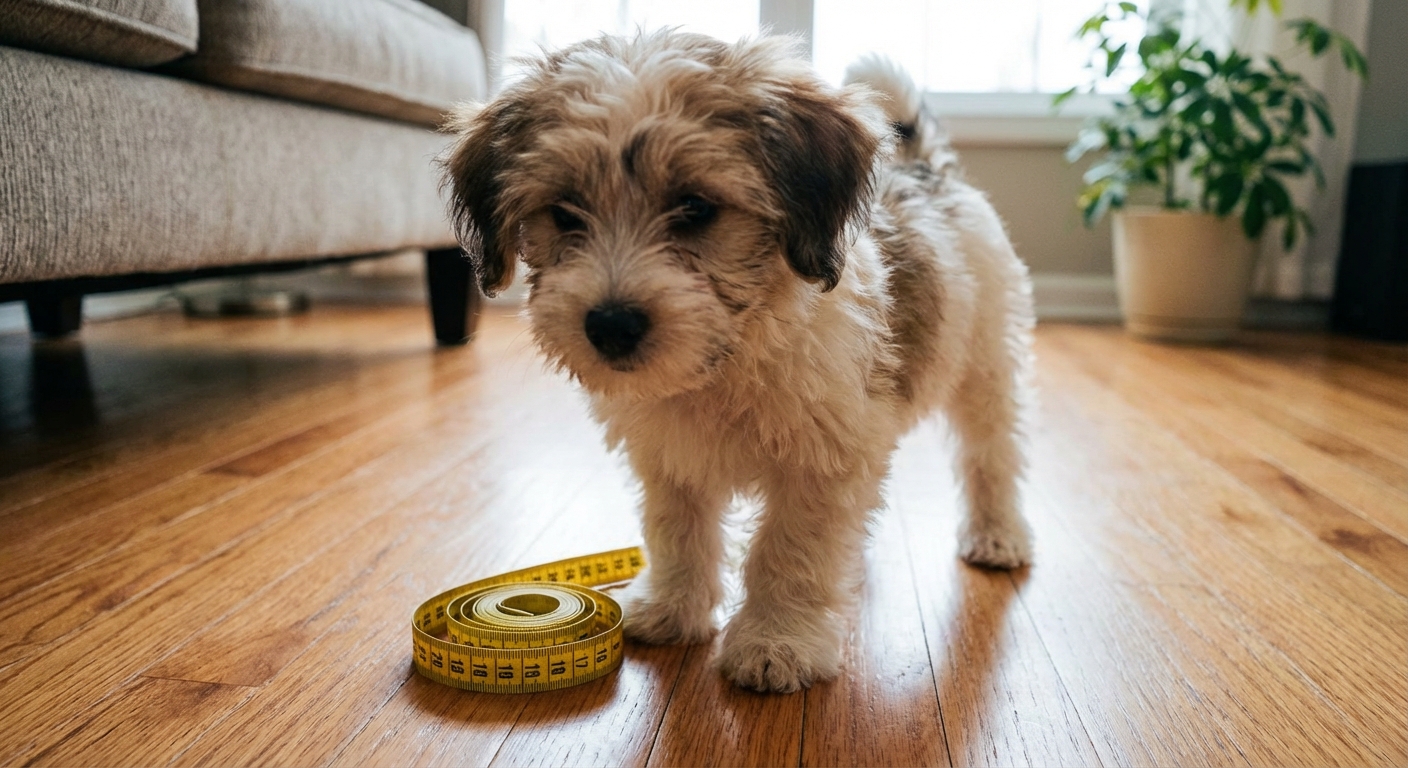
If you want a more accurate, real-world sense of where your puppy is on the growth curve, try this:
- Weekly weigh-ins (same scale if possible)
- Monthly photos from the side and from above
- Body condition score (BCS) checks, using a vet-approved chart, so “gaining weight” does not accidentally turn into “gaining too much”
Your veterinary team can help you interpret BCS and set a healthy target, especially for large-breed puppies.
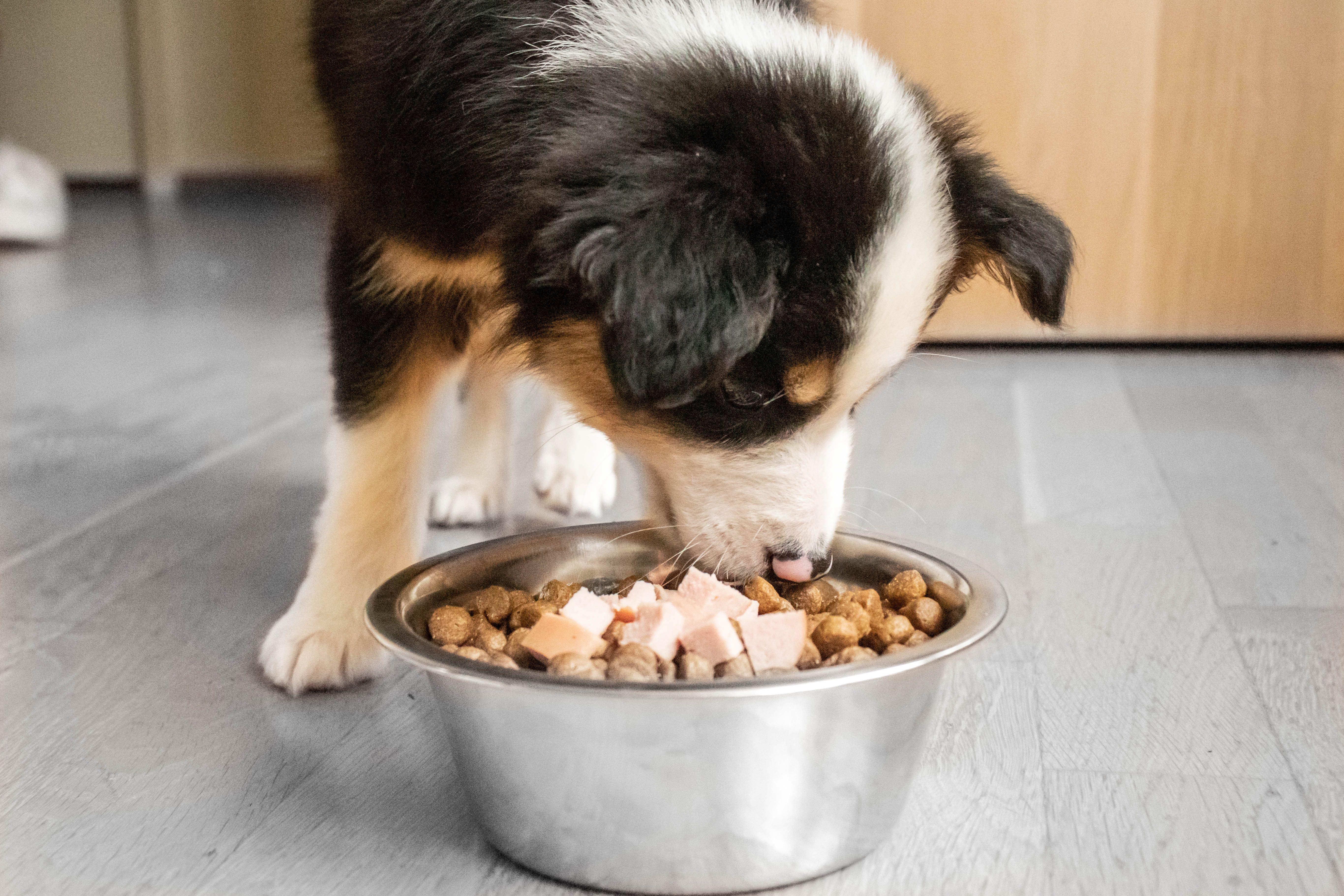
Nutrition for steady growth
As a veterinary assistant, one of the most common growth-related issues I see is not “too slow” growth. It is too fast growth in puppies that are expected to be big.
Here are evidence-based, owner-friendly guidelines:
- Choose a life-stage appropriate diet: puppy formula for most puppies, and large-breed puppy formula for large-breed pups when recommended by your veterinarian.
- Keep your puppy lean: you should be able to feel ribs easily with a light fat cover. A lean puppy is not “too skinny.” It is often healthier for joints.
- Avoid calcium supplements unless your vet instructs it. This warning is about adding extra calcium on top of a complete and balanced puppy diet, which can be harmful in growing large-breed dogs.
- Use treats strategically: training treats count as calories. Try tiny pieces and keep treats under about 10 percent of daily intake.
Do males and females grow differently?
Sometimes. The overall timeline is usually similar, but males may fill out a bit later and carry more muscle once mature. Females may look “finished” sooner, especially in smaller breeds. Breed and individual genetics still matter more than sex alone.
Spay and neuter timing
It can play a role. Evidence suggests early sterilization can delay growth plate closure in some dogs, which may slightly increase final height. The relationship between timing and orthopedic disease risk is nuanced and can be breed-dependent.
The best step is simple and actionable: ask your veterinarian for a recommendation tailored to your puppy’s breed mix, projected adult size, and lifestyle. If you have a large or giant breed puppy, your vet may discuss timing more carefully.
When to worry
Most puppies grow in spurts and look awkward sometimes. That is normal. What is not normal are signs that suggest pain, illness, or nutritional imbalance. Call your veterinarian if you notice:
- Limping that lasts more than 24 to 48 hours
- Reluctance to walk, jump, or play
- Swollen joints or obvious pain on touch
- Frequent vomiting or diarrhea that affects appetite or weight gain
- Sudden weight loss or failure to gain weight over time
Bottom line
Most puppies are “full grown” somewhere between 8 months and 2 years, with smaller dogs finishing earlier and larger dogs taking longer. And the biggest takeaway is this: full grown is not just one milestone. Your pup’s height, weight, and maturity each follow their own timeline.
If you want the most accurate estimate for your specific puppy, bring their weight history to your veterinarian and ask about their expected adult size and ideal body condition. That single conversation can prevent years of joint stress and help your dog thrive.