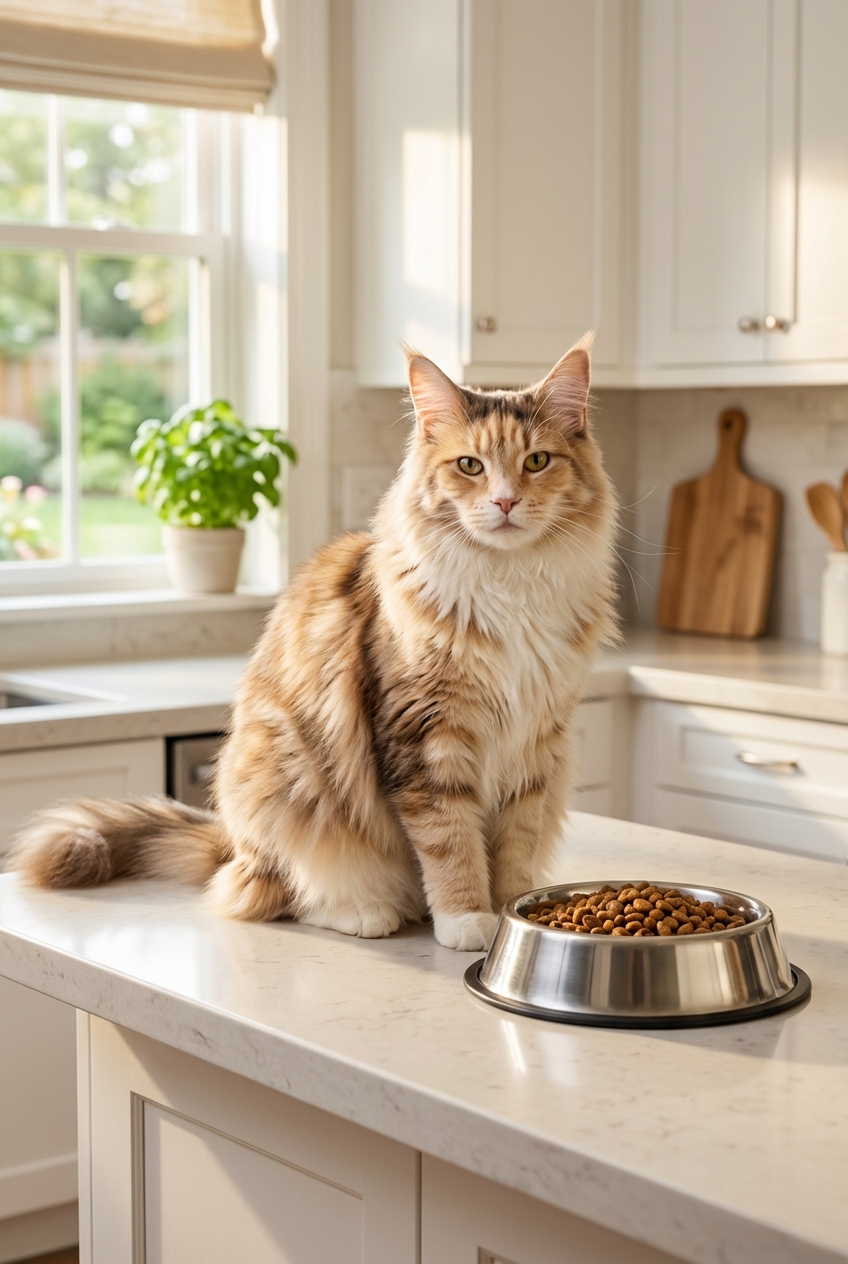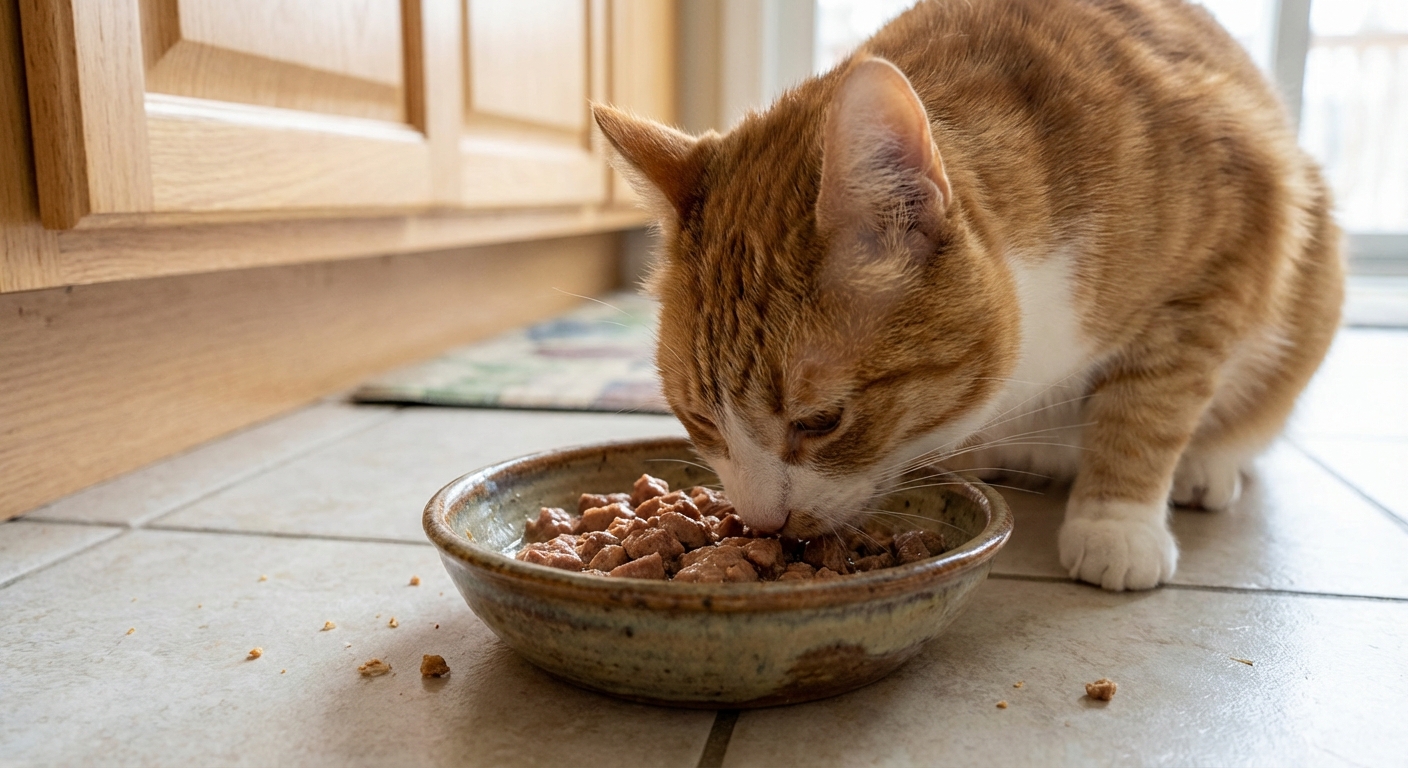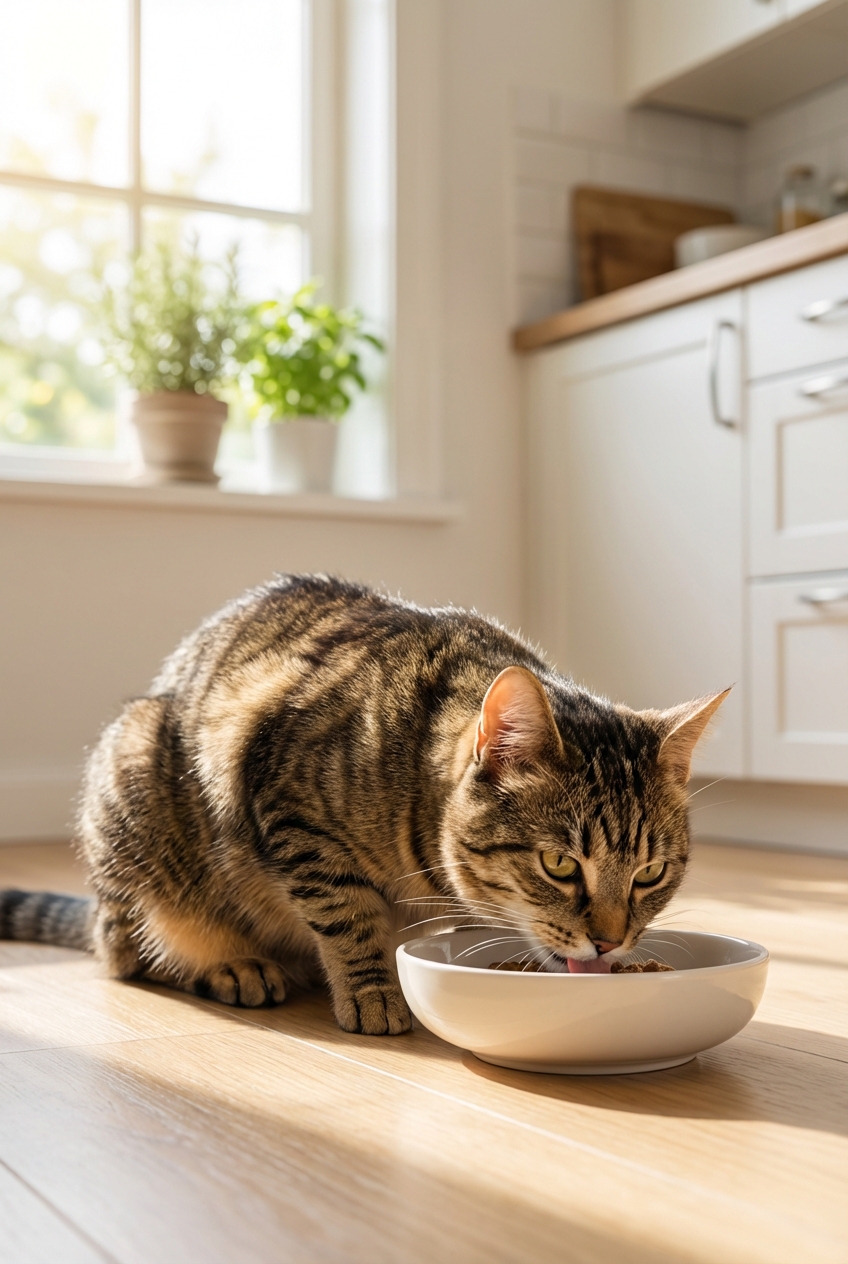
Cats are obligate carnivores. Learn how protein, fat, and moisture affect weight, skin and coat, digestion, and urinary health—plus label tips and wet vs d...
Article
•
Designer Mixes
Wet vs Dry Cat Food: Which Is Better?

Shari Shidate
Designer Mixes contributor
As a veterinary assistant, I hear this question all the time: Is wet food or dry food better for cats? The most evidence-based answer is: it depends on your cat, your budget, and your household routine. But for many cats, wet food can have a meaningful health edge, mainly because it boosts water intake and often (though not always) comes in lower-carbohydrate formulas.
Let’s walk through the real pros and cons of each, what veterinarians worry about most, and how to choose a plan you can actually stick with.
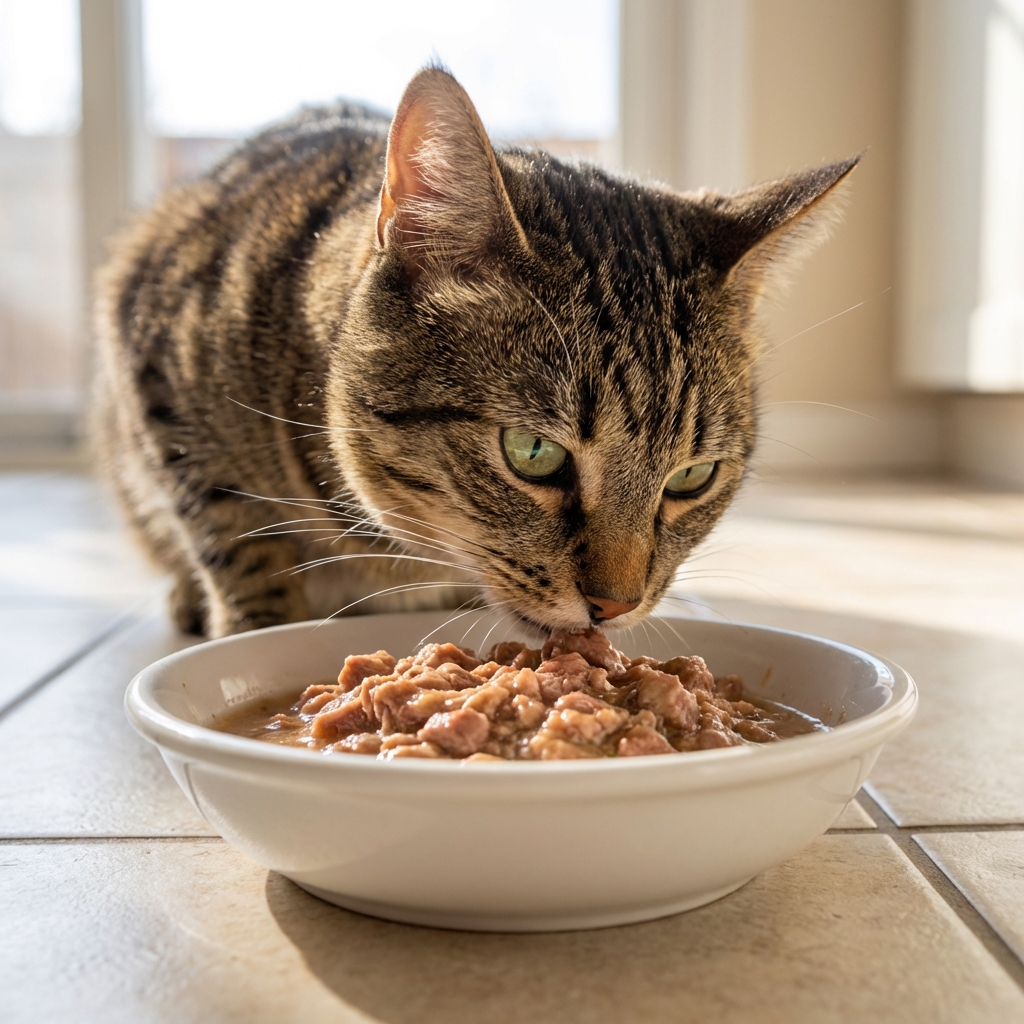
The biggest difference: water
Cats are naturally low-thirst animals. Their ancestors evolved to get much of their water from prey. That matters today because many cats do not drink enough from a bowl, especially if they eat mostly dry food.
Why hydration matters
- Urinary health: Higher water intake generally supports more dilute urine, which may help reduce flare-ups in some cats prone to urinary issues. If your cat has a history of crystals or urinary blockage, the specific diet (minerals and urine pH targets) matters too, so follow your veterinarian’s plan.
- Kidney support: Cats with kidney disease often benefit from strategies that support hydration. Food is one of the easiest ways to do that.
- Constipation: More moisture in the diet can help some cats who struggle with firm stool.
Wet food often contains about 70% to 80% moisture, though it varies by brand and formula. Dry kibble is usually around 6% to 10%. That gap is a big reason many veterinary teams lean wet when possible.
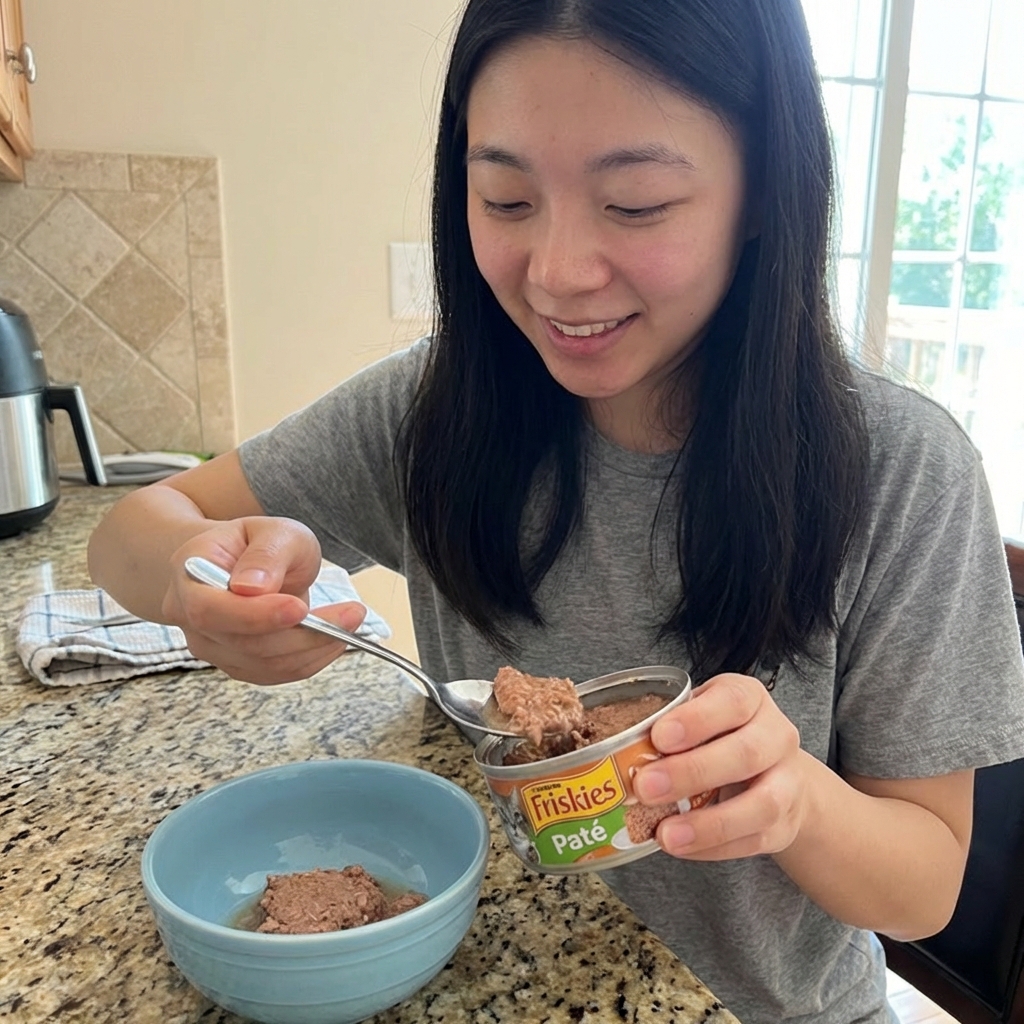
Wet cat food: pros and cons
Pros
- More moisture to support hydration and urinary tract health.
- Often higher protein and lower carbohydrates than many kibble formulas, which can be helpful for weight management and blood sugar control in some cats. (Not universal, so label-reading matters.)
- Very palatable, especially for picky eaters and senior cats with reduced appetite.
- Easier to chew for cats with dental pain, missing teeth, or arthritis in the jaw.
Cons
- Cost: Usually more expensive per calorie than dry food.
- Spoils faster: You cannot leave it out all day without risking bacterial growth and drying out. As a general rule, discard wet food after 1 to 2 hours at room temperature (sooner in warm rooms), and refrigerate leftovers promptly.
- Dental myths: Wet food does not “cause” dental disease, but it also does not provide meaningful tooth-cleaning. Dental health still requires intentional care.
Dry cat food: pros and cons
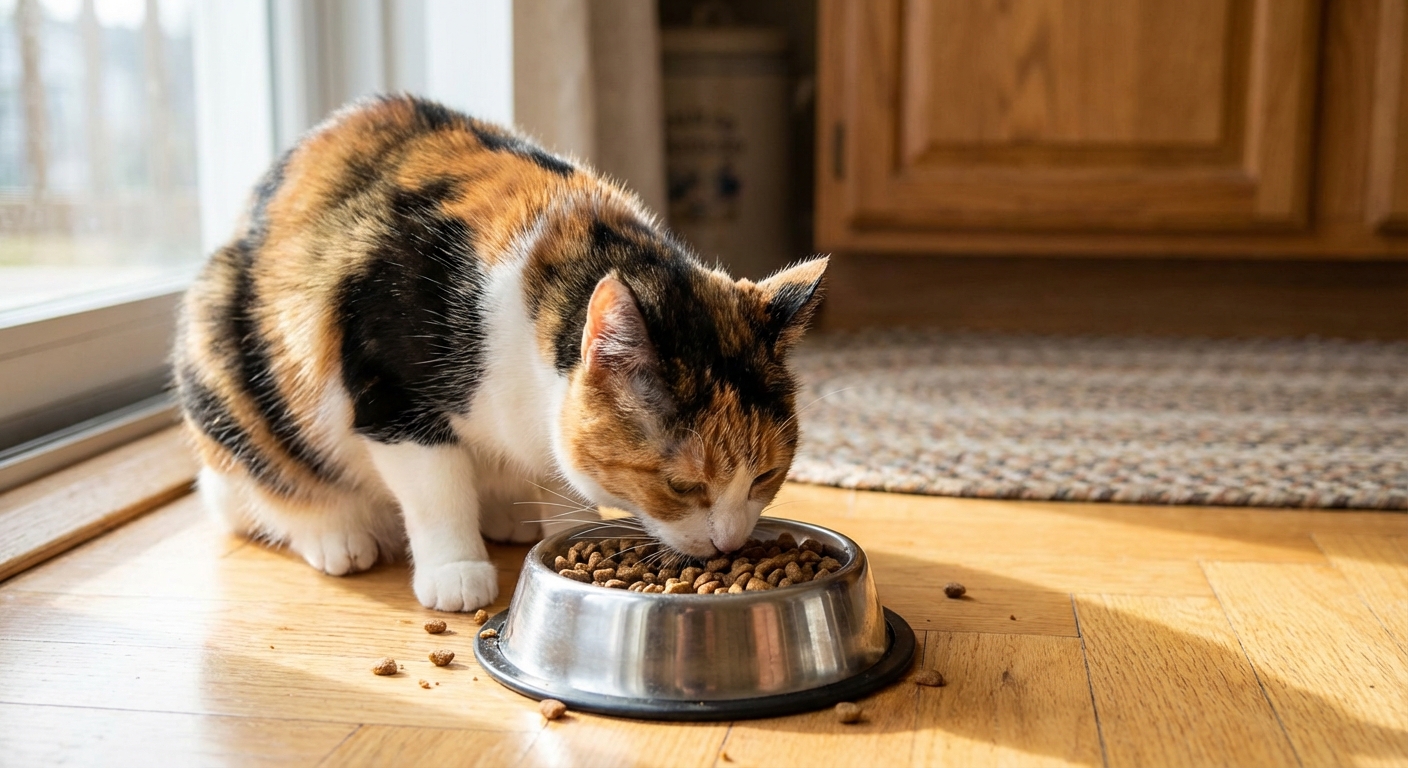
Pros
- Convenience: Easy to portion, store, and use with automatic feeders.
- Budget-friendly: Often less expensive per calorie.
- Long shelf life: Less mess and less waste for some households.
Cons
- Low moisture: Cats eating primarily kibble may not drink enough to compensate.
- Calorie density: It is easy to overfeed, especially with free-feeding.
- Carbohydrate levels: Many dry foods are higher in carbs due to the manufacturing process. This is not automatically “bad,” but it can matter for some cats, especially those prone to weight gain or diabetes. Some dry foods are lower-carb, so compare formulas instead of assuming.
- Dental benefit is limited: Many cats do not chew kibble enough for it to “clean” teeth, and plaque forms below the gumline where food cannot help. Dental disease is common in cats regardless of food type.
So which is better for your cat?
Here are practical, vet-aligned guidelines that work well for most cats.
Wet food is often a better choice if your cat:
- Has a history of urinary crystals, cystitis, urinary blockage, or frequent urinary problems (ask your vet if a therapeutic urinary diet is indicated)
- Is prone to constipation
- Is overweight or constantly begging for food (wet is often more filling per calorie because of water content, but calories still vary by formula)
- Is a senior cat, or has kidney disease (follow your veterinarian’s plan)
- Does not drink much water
Dry food can be a reasonable choice if:
- Your cat maintains a healthy weight and hydration status
- You rely on timed feeders because of your schedule
- Wet food is not financially sustainable right now
Best of both worlds: For many families, a combo plan is the sweet spot. Even one wet meal a day can increase daily water intake compared to kibble-only diets.
What about dental health?
This is a big one, because “kibble cleans teeth” is one of the most common beliefs I hear in clinic.
In reality, many cats swallow kibble pieces with minimal chewing, and plaque still forms below the gumline where food cannot help. If dental disease is a concern, consider:
- Veterinary dental cleanings when recommended
- Tooth brushing with cat-safe toothpaste, even a few times per week helps
- VOHC-accepted dental diets or treats (these are designed specifically for dental benefit)
How to pick a good food
Instead of focusing only on wet versus dry, also look at nutritional completeness and whether the food fits your cat’s life stage and health needs.
Quick checklist
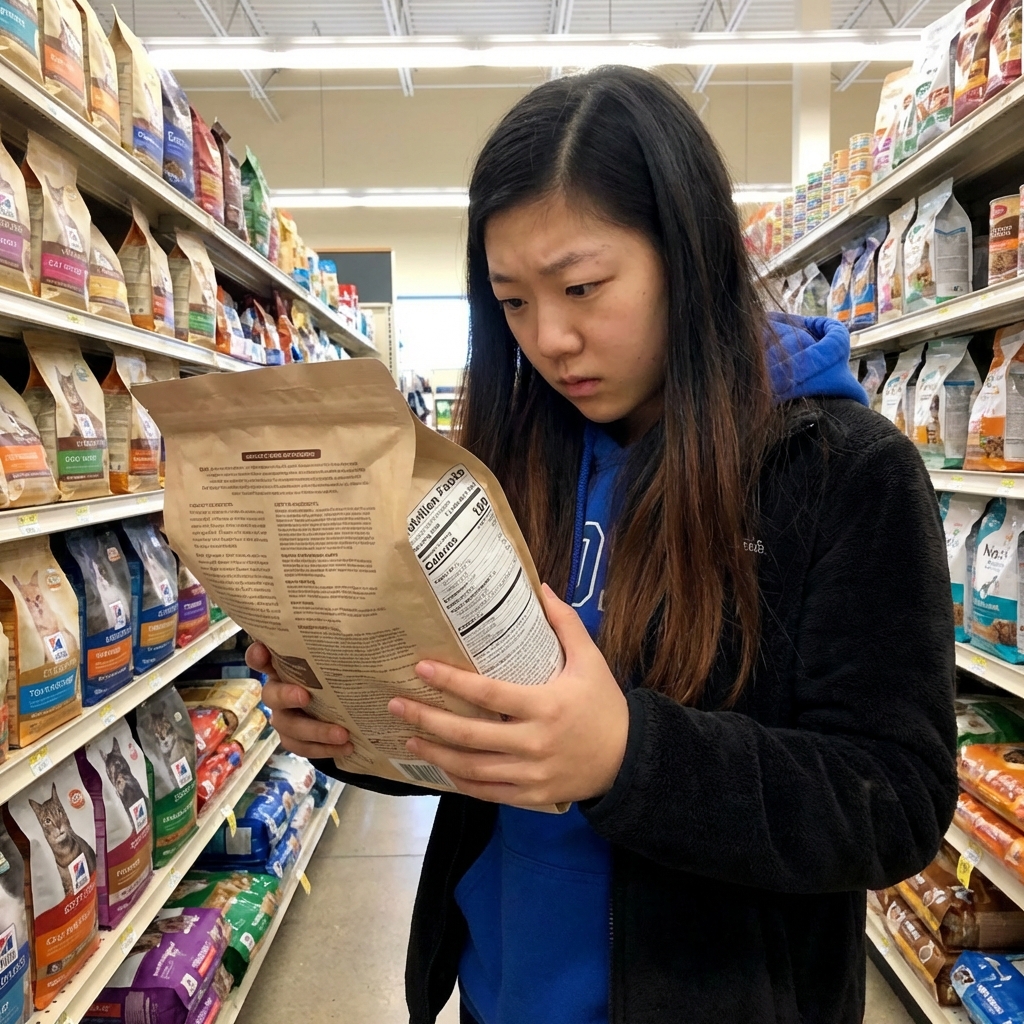
- Look for an AAFCO statement indicating the food is complete and balanced for your cat’s life stage (kitten, adult, or all life stages).
- Feed based on calories, not just “a can” or “a scoop.” Use the kcal information on the label and ask your vet about a target daily calorie range and body condition score goals.
- Ask your vet if your cat needs a therapeutic diet for urinary, kidney, allergy, GI, or weight management issues. If your cat is on a prescription diet, do not mix it with other foods unless your veterinarian says it is okay.
- Make sure kittens and pregnant or nursing cats are on an appropriate life-stage diet.
- Transition slowly over 7 to 10 days to avoid tummy upset.
Simple feeding plans
Plan A: Mostly wet
Two to four small wet meals per day. This can help with hydration and satiety. Great for cats prone to urinary issues or weight gain.
Plan B: Combo feeding
Wet food morning and evening, with a small measured portion of dry food midday (or in puzzle feeders). This is a very realistic routine for many households.
Plan C: Mostly dry, hydration boosted
If dry is your mainstay, add hydration support:
- Use a cat water fountain
- Offer multiple water stations around the home
- Add a little water to wet treats or occasional wet meals
- If your cat likes it, you can try adding a small amount of water to kibble, but do not leave moistened food out for long because it can spoil quickly
- Use measured portions, not free-feeding, especially for indoor cats
The bottom line
If you are choosing purely on health benefits, wet food is often the better default for many cats because it increases moisture intake and frequently aligns well with a cat’s natural nutritional needs.
But the “best” food is the one that is complete and balanced, fits your cat’s medical needs, and is consistent for your household. To make your next vet visit as productive as possible, bring your cat’s age, weight, lifestyle (indoor or indoor-outdoor), what you currently feed (brand and amount), and any health history like urinary issues or dental disease, then ask your veterinarian which wet, dry, or combo approach makes the most sense for your cat.