West Highland White Terriers, or Westies, are bright little dogs with big terrier confidence. That sturdy build and crisp white coat are part of the charm, but they also come with a reality many Westie families discover early: grooming is not optional, and skin care often needs extra attention.
As a veterinary assistant, I like to keep Westie care simple and grounded in everyday veterinary best practices. If you focus on a consistent coat routine, early itch control, and daily outlets for terrier energy, most Westies thrive as loving, hilarious family companions.

Coat and grooming cadence
A Westie has a double coat: a harsh, wiry topcoat and a softer undercoat. That texture helps protect the skin, but it can also trap debris and allergens close to the body. The goal is to keep the coat clean, dematted, and properly maintained without over-bathing or irritating the skin.
These ranges are typical for many pet Westies, but the “right” schedule varies with coat type, activity level, age, and any skin disease.
At-home schedule many Westies do well with
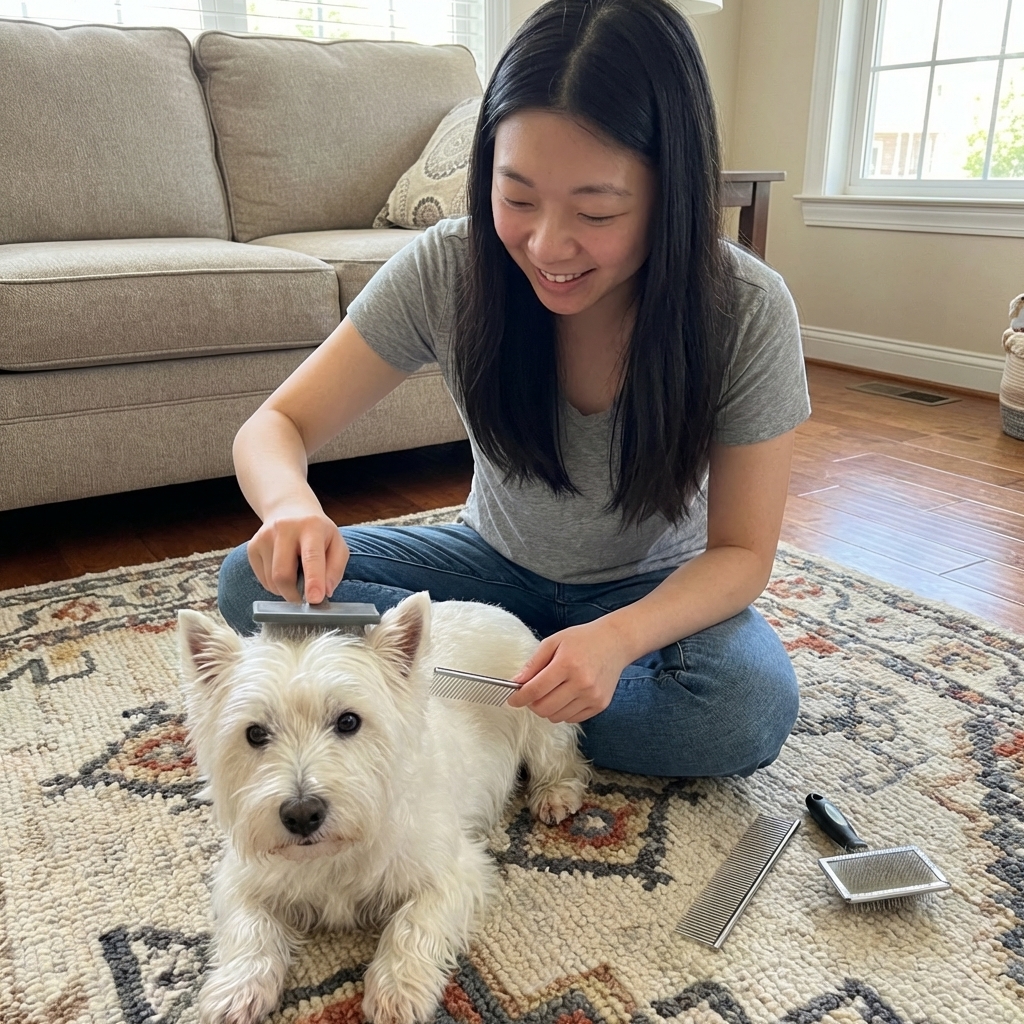
- Brush 2 to 4 times per week to prevent mats and lift dirt from the undercoat. Many Westies need daily brushing during seasonal shedding or if they wear a harness that rubs.
- Comb check 1 to 2 times per week using a metal greyhound-style comb to catch tangles early, especially behind the ears, in armpits, and around the collar area.
- Bath every 3 to 6 weeks for many dogs, using a gentle dog shampoo. If your Westie has skin disease, your veterinarian may prescribe a medicated shampoo and a specific bathing frequency.
- Professional groom every 6 to 8 weeks to maintain shape and coat health. This may include trimming, hand stripping, or a combination, depending on coat quality and your preferences.
- Nails every 2 to 4 weeks. If nails click on the floor, it is time. Long nails can change gait and worsen paw discomfort.
Tools and technique
- Slicker brush plus comb: A slicker brush does the bulk of the work, and the comb confirms you got all the way down to the skin.
- Line-brushing: Brush in small sections, starting at the legs and working upward, so you do not skim over hidden mats.
- Skip human shampoo: Human products are more likely to irritate canine skin and disrupt the skin barrier.
Hand stripping vs clipping
Many Westies have coats that stay more weather-resistant and crisp with hand stripping, which removes dead hair from the topcoat so healthy hair can regrow. Clipping is faster and common in pet grooming, but it can soften the coat over time and may change how it sheds and how it holds debris and moisture near the skin. Neither option is “bad,” but if your Westie has frequent skin flare-ups, talk to your groomer and your veterinarian about what seems to help your individual dog.
Skin health basics
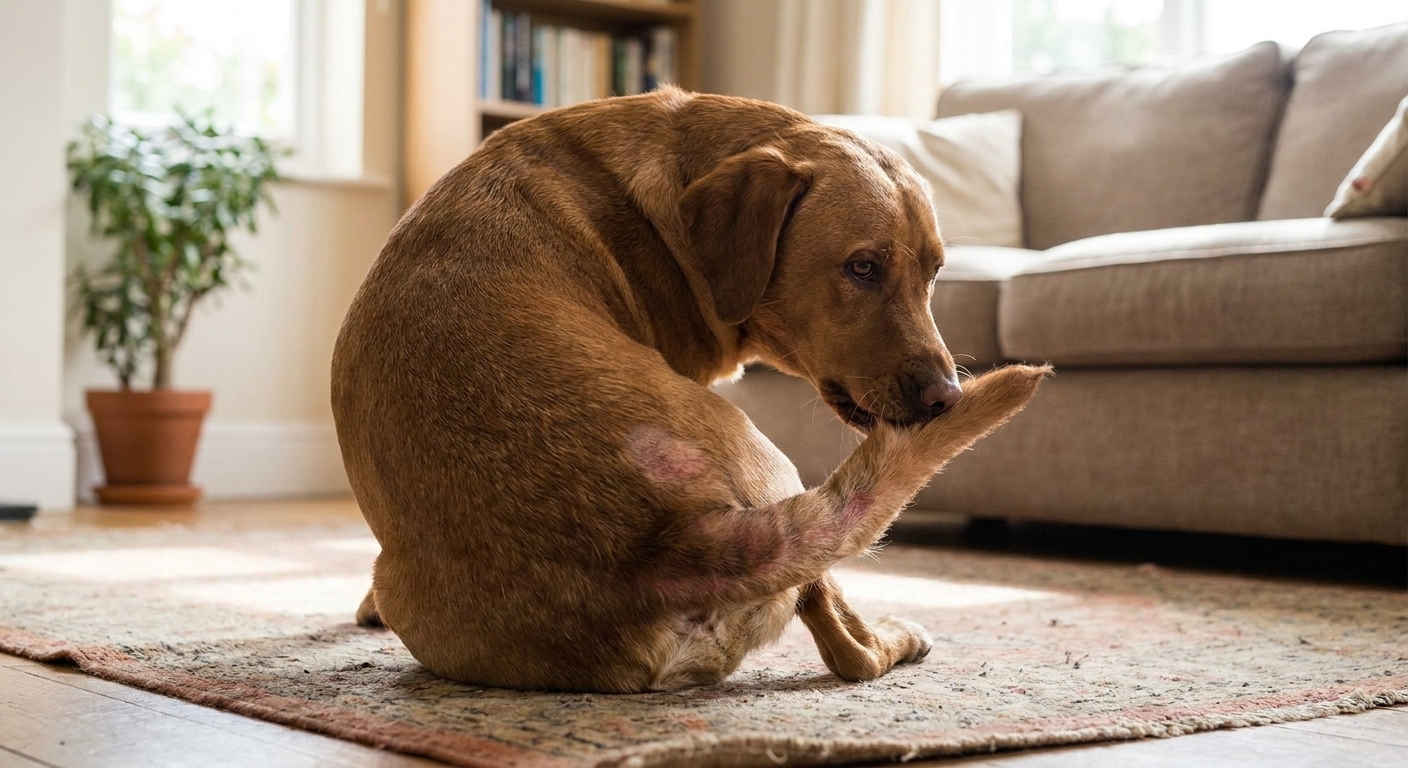
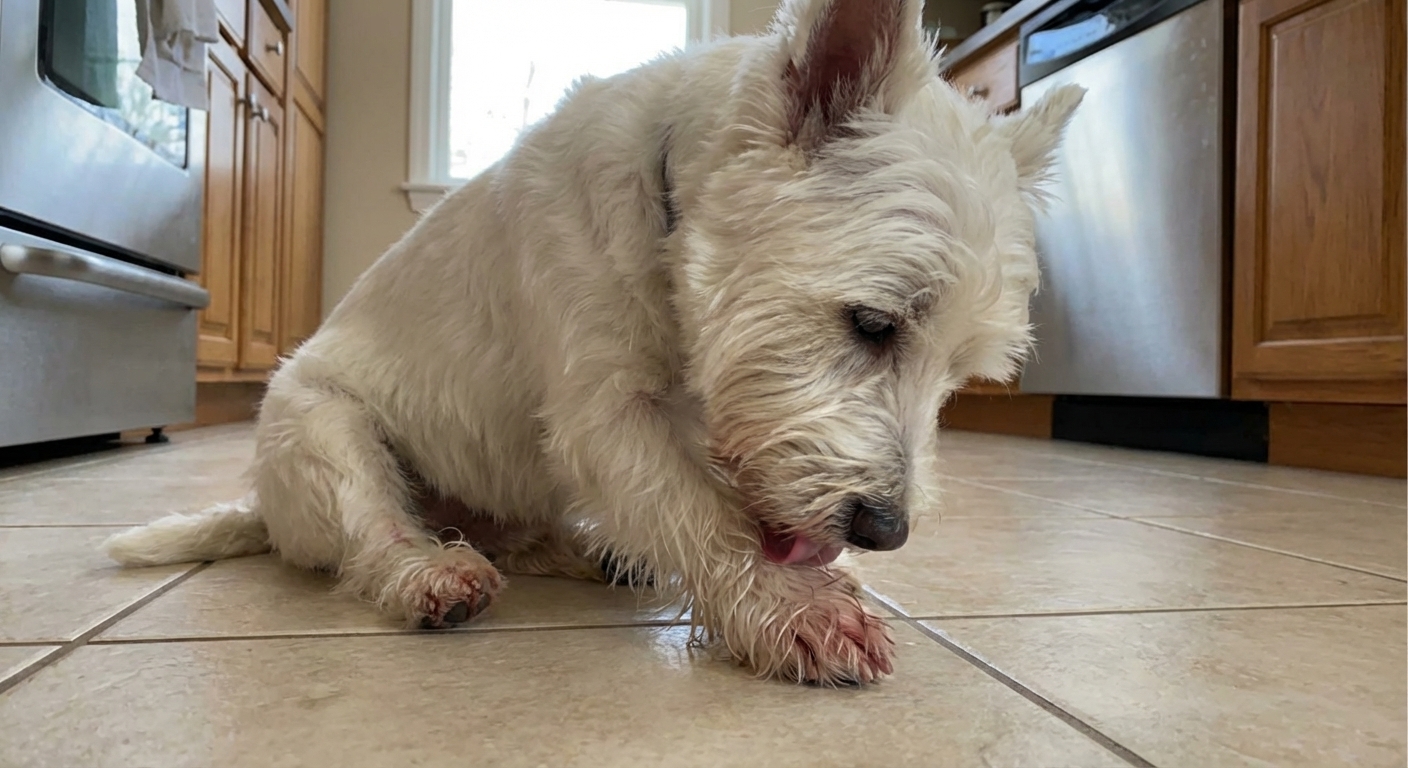
Westies are well known for itchy skin. In many cases, the root cause is allergic skin disease, often triggered by environmental allergens, fleas, or less commonly food. Some Westies also experience yeast or bacterial overgrowth on the skin, which can intensify itch and odor.
Common early signs
- Itching, licking, or chewing, especially paws, belly, and armpits
- Redness on the belly, ears, or between toes
- Ear infections that keep coming back
- Hair thinning from self-trauma
- Musty or “corn chip” odor that can be associated with yeast or bacterial overgrowth, especially if paired with redness, greasy skin, or recurrent paw licking
- Scabs, pimples, or hot spots that may indicate bacterial infection
What helps most, most of the time
Think of skin care as a simple stack. You do not have to do everything at once, but consistency matters.
- Reliable flea prevention: Flea allergy dermatitis is one of the easiest itch triggers to miss. Even one bite can set off intense scratching in sensitive dogs.
- Skin-supportive bathing: For allergy dogs, routine bathing can physically remove allergens from the coat. Your vet may recommend chlorhexidine, antifungal, or anti-inflammatory shampoos depending on what is happening.
- Quick rinse after outdoor time: A fast paw and belly rinse, or a wipe with a damp cloth, can reduce pollen and grass residue without overdoing full baths.
- Diet that is nutritionally complete: If you are feeding homemade or fresh food, make sure it is balanced for long-term use. If food allergy is on the list, your veterinarian may recommend a diet trial. Food allergy is less common than environmental allergy, but a strict trial can still be very useful in the right dog.
- Omega-3 fatty acids: Many dogs benefit from veterinary-recommended omega-3s for skin barrier support and inflammation modulation. Choose a veterinary product, watch for GI upset and extra calories, and ask your vet for a dose based on your dog’s weight and the specific product.
- Prompt treatment of infections: Yeast and bacteria can turn “a little itch” into constant misery. Treating secondary infections is often what finally brings relief.
If your Westie is itchy, do not assume it is “just dry skin.” Dry skin alone is an uncommon primary cause of significant itch. Itch usually points to inflammation, allergy, parasites, infection, or a combination.
Ear care
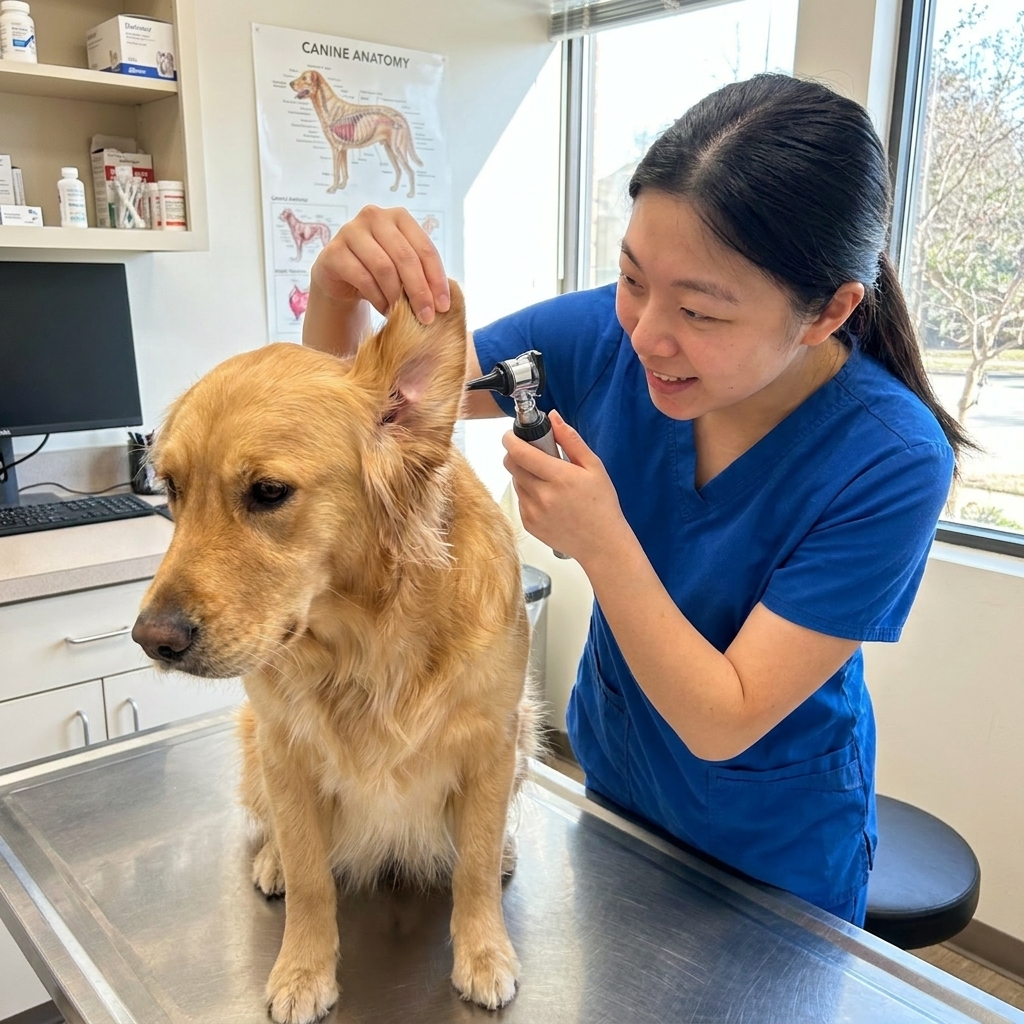
Westies with allergies often battle recurring ear inflammation. A little routine maintenance can help, but painful ears need an exam.
- Check ears weekly: Look for redness, odor, swelling, or dark debris.
- Clean only when needed: Use a vet-recommended ear cleaner, and stop if your dog seems painful.
- Avoid random drops: Do not use leftover or over-the-counter ear meds if the ear looks angry, your dog is head-shaking nonstop, or there is significant odor. Ear infections can involve yeast, bacteria, or both, and some conditions require specific prescriptions.
Temperament with families
Westies are classic terriers: bold, curious, and surprisingly tough for their size. Many are affectionate and playful with their people, but they also like to have opinions. In a family setting, the best Westie experience usually comes from clear routines and kind, consistent boundaries.
What families tend to love
- Confident and cheerful: Westies often act like they are much larger dogs.
- Fun with older kids: They can be great playmates for respectful children who understand dog body language.
- Alert companions: Many Westies will bark at noises and strangers. With training, they can learn when to stop.
Challenges to plan for
- Prey drive: Small pets, squirrels, and birds can trigger chase behavior. A secure leash and fenced yard matter.
- Independence: They are smart, but not always motivated to “perform.” Short, upbeat training sessions work best.
- Terrier assertiveness: Some Westies can be selective with other dogs. Early socialization and supervised introductions help.

Exercise needs
Westies are small, but they are not fragile. Most need daily activity to stay happy and to prevent boredom behaviors like digging, barking, or chewing. Exact needs vary with age and health.
Simple weekly routine
- Daily walks: About 30 to 60 minutes total per day for many adult Westies, split into two walks if needed.
- Short play sessions: Tug, fetch down a hallway, or a flirt pole session can be great energy outlets.
- Brain work: Puzzle feeders, sniffing games, and basic training drills help tire out that terrier mind.
- Safe social time: If your Westie enjoys other dogs, controlled play can be excellent exercise. If not, focus on solo enrichment.
For Westies with skin allergies, remember that grass, weeds, and pollens can be triggers. You do not need to avoid the outdoors. You just want a plan: rinse or wipe paws and the underside after walks, and stay consistent with grooming.

Other health issues to know
Skin and ears are the big day-to-day topics for many Westies, but there are a couple breed-linked conditions worth keeping on your radar.
- Westie lung disease (Idiopathic Pulmonary Fibrosis): This is more often discussed in middle-aged to older Westies. A persistent cough, faster breathing, reduced stamina, or breathing that seems “worked” are reasons to book a veterinary visit.
- Craniomandibular osteopathy (CMO or “Westie jaw”): This tends to show up in growing puppies. Signs can include jaw pain, difficulty eating, drooling, or swelling around the jaw.
These are not diagnoses you can make at home, but knowing the names helps you describe concerns quickly and get your dog evaluated sooner.
When skin issues need a vet
Occasional itch happens. What we worry about is the pattern: recurring flare-ups, infections, and discomfort that disrupt sleep or daily life.
Make an appointment promptly if you notice
- Itching that lasts more than a few days or is getting worse
- Head shaking, ear odor, or dark ear debris
- Hair loss, open sores, scabs, or bleeding
- Strong odor from the skin or paws
- Red, swollen paws or limping
- Hot spots that appear suddenly and spread quickly
- No improvement after a grooming or shampoo change
What your veterinarian may recommend
For chronic Westie skin issues, your vet may do cytology to look for yeast and bacteria, skin scrapings for mites, an ear exam, and a discussion about flea control. If allergies are suspected, the plan may include a prescription itch medication, medicated shampoos, a strict elimination diet trial, or referral for allergy testing and immunotherapy. In many clinics, the general “first pass” is to control parasites, check for infection, and then address the underlying allergy pattern.
Bring helpful details to your visit: when symptoms started, what foods and treats your Westie eats, what flea prevention you use, how often you bathe, and photos of flare-ups. Those details can save time and get relief faster.
Quick home checklist
- Brush several times a week and comb-check for hidden mats.
- Use flea prevention consistently year-round.
- Rinse or wipe paws and the underside after outdoor time if allergies are suspected.
- Keep grooming predictable and avoid random product switching during a flare-up.
- See your vet early if itching, ear problems, or odor keeps returning.
Westies are truly special dogs. With a steady grooming cadence, proactive skin support, and daily exercise, most Westies feel good in their bodies and shine in their personalities.