Understand kennel cough (CIRDC), when symptoms need a vet visit, and supportive care that can ease coughing: humidity, honey guidance, saline, rest, hydratio...
Article
•
Designer Mixes
Wellness Remedies for Dog Coughing

Shari Shidate
Designer Mixes contributor
If your dog is coughing, it can feel scary fast. Many coughs are mild and temporary, but some are early warning signs of contagious illness, airway sensitivity, heart disease, or a problem deeper in the lungs. The goal of this guide is to help you make safe, evidence-based decisions for puppies, adults, and seniors, and to share gentle wellness remedies that support recovery without masking a serious issue.

First, identify the type of cough
The sound and timing of a cough can offer helpful clues. You do not need to diagnose your dog at home, but these patterns can help you describe symptoms clearly to your veterinarian.
- Dry, hacking, frequent cough: common with contagious upper-airway infections, often called kennel cough.
- Honking cough: can happen with tracheal irritation or collapse, especially in small breeds and seniors.
- Gagging or retching after coughing: often seen with kennel cough and throat sensitivity.
- Wet-sounding cough: can suggest fluid or inflammation in the lower airways or lungs. Dogs do not usually cough up mucus like people do, so “wet” often refers to the sound rather than visible sputum, and it deserves veterinary guidance sooner.
- Coughing mainly at night or after lying down: can be seen with heart disease or airway inflammation.
- Cough triggered by pulling on the leash: suggests throat or tracheal irritation.
One more helpful note: reverse sneezing (a sudden, loud snorting or gasping episode) can look dramatic but is often different from a true cough. If you are unsure, a quick video for your vet is extremely helpful.
Red flags: when to seek veterinary care now
Wellness support is great, but some coughing situations should never be managed at home. Contact an emergency clinic or your veterinarian immediately if you notice:
- Difficulty breathing, open-mouth breathing at rest, or belly heaving
- Blue, gray, or very pale gums
- Collapsing, extreme weakness, or sudden lethargy
- Coughing up blood or large amounts of foam
- Possible choking or your dog cannot settle
- Fever, refusal to eat, or dehydration
- Puppies, seniors, or immune-compromised dogs with a new cough
- Cough lasting longer than 7 to 10 days or getting worse
Also call your veterinarian if your dog has a heart murmur, a history of heart disease, collapsing trachea, or prior pneumonia.
Common causes of dog coughing
In the clinic, we see a few usual suspects. Your veterinarian may recommend an exam and possibly chest x-rays, a fecal test (for lungworms in some regions), heartworm testing, or respiratory PCR tests depending on risk and severity.
- Contagious respiratory disease: CIRDC (the kennel cough complex) can involve Bordetella, canine parainfluenza, adenovirus, and other pathogens.
- Other contagious viruses: viruses such as canine influenza can cause similar signs and may circulate in some areas or boarding environments.
- Airway irritation: smoke, strong fragrances, cleaning sprays, dusty litter, seasonal allergens.
- Tracheal collapse: common in small breed mixes, often worse with excitement or leash pressure.
- Heart disease: coughing can occur when fluid builds up in or around the lungs (congestive heart failure), especially in older dogs.
- Parasites: heartworm disease and, in some areas, lungworms.
- Pneumonia: can occur after vomiting (aspiration), inhaling irritants, or severe infection.
- Foreign material in the airway: a sudden cough that starts after outdoor sniffing or chewing (think grass awns or small pieces of plant material) should be discussed with your vet, especially if it is persistent or distressing.
Safe wellness remedies that can actually help
These supportive steps are generally safe for most dogs and can make a real difference, especially for mild upper-airway sensitivity. If your dog is on medication or has chronic conditions, check with your vet before adding supplements.
1) Rest and quiet time
Coughing inflames the airway, and excitement can fuel more coughing. Keep activity gentle for several days: short potty breaks, no running, no dog park, no rough play.
2) Switch from collar to harness
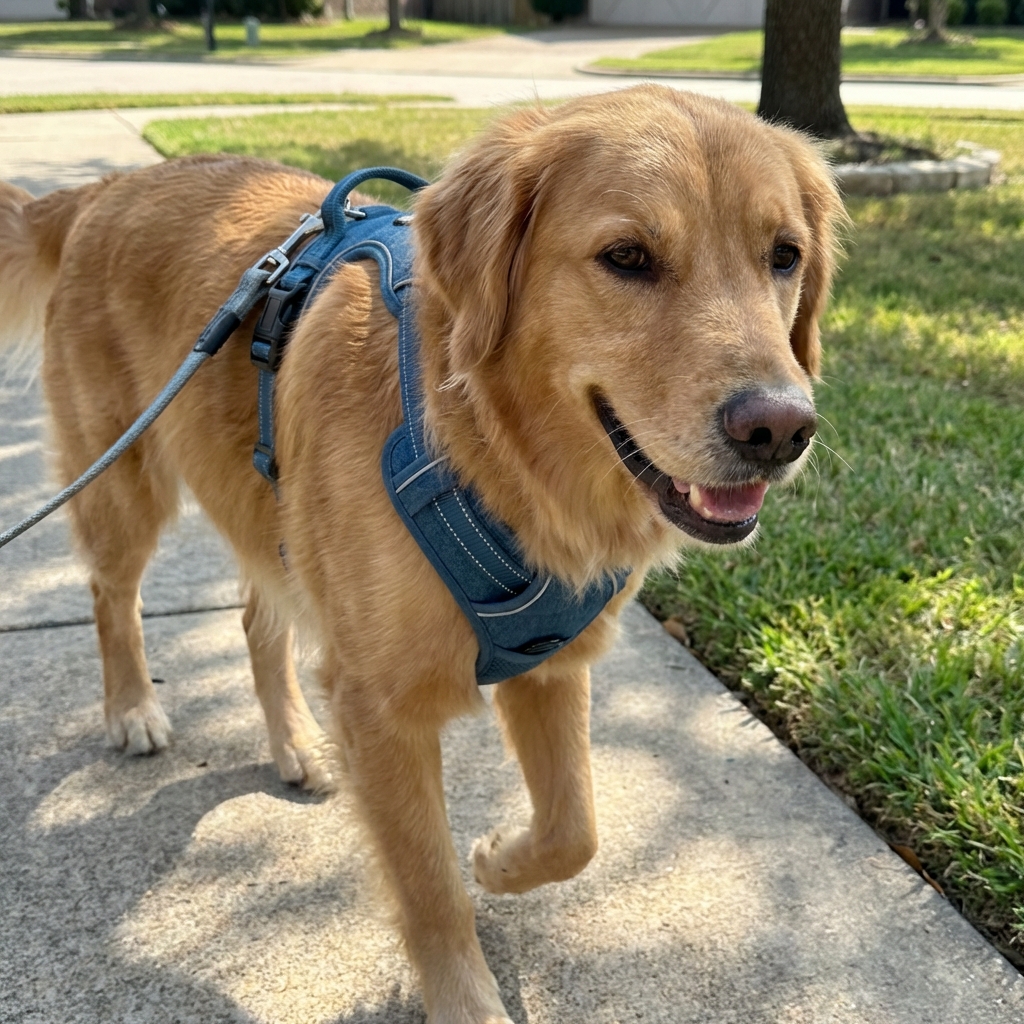
Pressure on the throat can worsen coughing and tracheal sensitivity. Use a well-fitted harness and keep walks calm.
3) Humidity for irritated airways
Moist air can soothe dry, tickly coughs. Options:
- Run a cool-mist humidifier near your dog’s resting area.
- Bring your dog into the bathroom while you run a steamy shower for 10 to 15 minutes, 1 to 2 times daily.
Keep your dog supervised, and skip steam if it causes stress or overheating. Avoid essential oils in diffusers. Many oils can irritate airways and some are toxic to pets.
4) Hydration and warm, aromatic food
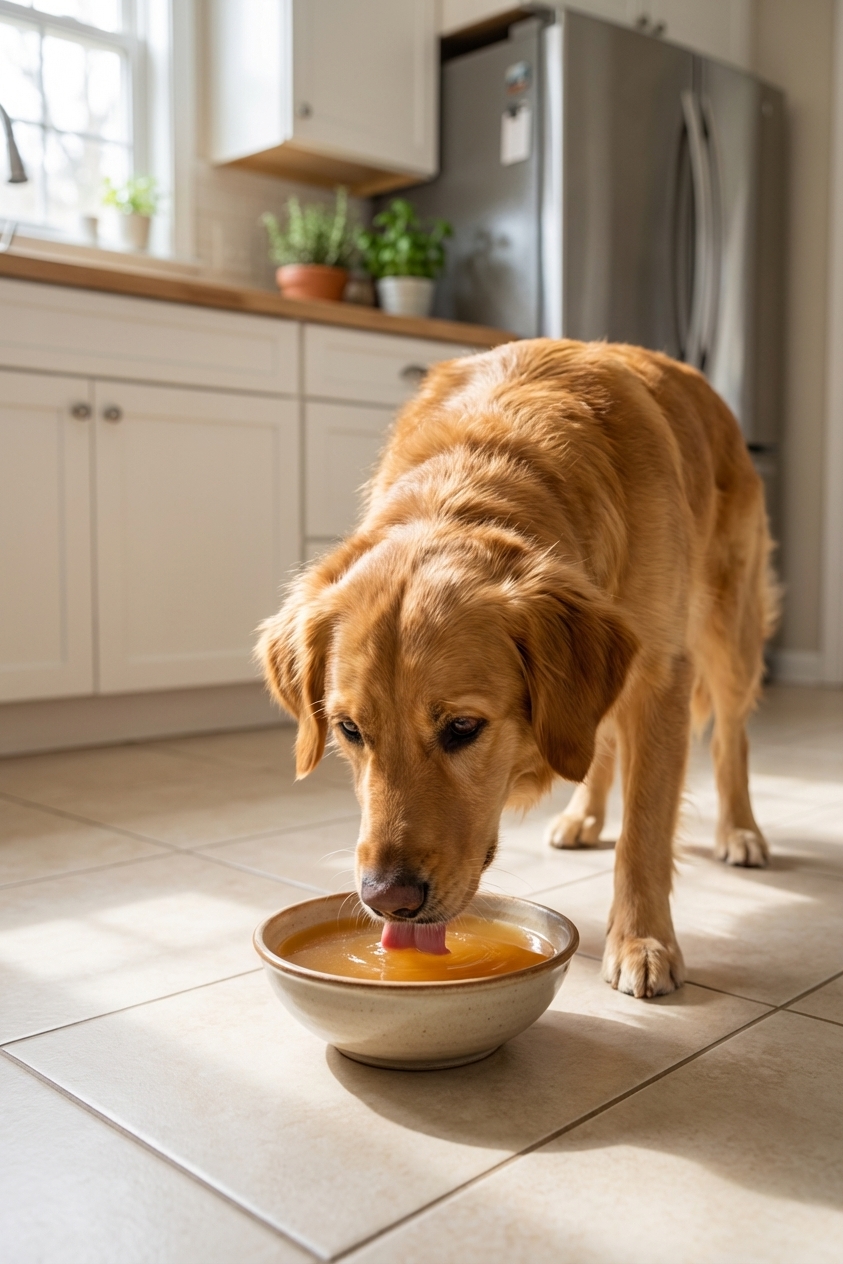
Hydration supports mucus clearance and overall recovery. Encourage drinking with fresh water, ice cubes, or a splash of low-sodium broth. If your dog’s appetite is down, gently warm food to enhance smell and interest.
5) Honey for a mild, dry cough (adult dogs only)
Plain honey can soothe throat irritation in some dogs. A commonly used supportive amount is:
- Small dogs: 1/4 teaspoon
- Medium dogs: 1/2 teaspoon
- Large dogs: 1 teaspoon
You can offer it 1 to 2 times per day for a few days. Do not give honey to very young puppies (and call your vet for guidance), and avoid it in dogs with diabetes unless your veterinarian approves.
6) Clean-air checklist
- No smoke exposure, including fireplaces and vaping
- Avoid aerosol cleaners, strong fragrances, plug-ins, and heavy perfumes
- Vacuum and dust regularly, especially if allergies are suspected
7) Gentle nutrition support
When a dog is fighting a respiratory bug, the body needs quality protein and easy-to-digest calories. A simple, vet-friendly sick-day meal (if your dog can tolerate it) might be:
- Boiled chicken or turkey
- Cooked white rice or sweet potato
- A little warm broth
If your dog is on a prescription diet for a medical condition, stay on it unless your vet advises otherwise.
Age-by-age guidance
Puppies
Puppies can deteriorate faster with respiratory disease, and they are more prone to dehydration. Call your veterinarian early, especially if coughing is frequent, appetite drops, or energy changes. Focus on hydration, humidity, rest, and quick veterinary guidance.
Adult dogs
Adults often do well with a short period of rest and supportive care for mild coughs, but you still want to watch closely. If the cough persists beyond a week, becomes wet-sounding, or your dog seems off, schedule an exam.
Seniors
In older dogs, coughing deserves extra attention because heart disease and chronic airway changes are more common. If your senior coughs at night, coughs after lying down, has reduced stamina, or breathes faster at rest, call your veterinarian promptly. Home remedies should be used only as support, not as the main plan.
What to avoid
Some well-meant remedies can cause real harm. Please avoid:
- Human cough medicines unless your veterinarian prescribes them. Many contain ingredients dangerous to dogs.
- Essential oils in diffusers or rubbed on the body for cough relief.
- Vicks-style rubs or menthol products. They can irritate airways and can be toxic if licked.
- Forced exercise to work it out. Coughing is irritation, not a workout problem.
- Bone broth with onion or garlic. Onions are toxic to dogs. Garlic can be controversial and dosage-sensitive, so do not add it for cough support without veterinary direction.
At-home monitoring that helps your vet
If you end up needing a visit, these details can speed up answers:
- Record a short video of the cough on your phone.
- Track how often it happens, and what triggers it (excitement, nighttime, leash, meals).
- Check resting respiratory rate when your dog is asleep. Many healthy dogs are under about 30 breaths per minute at rest. If you repeatedly count over 30 while asleep or notice a clear upward trend, call your veterinarian for advice.
- Note appetite, water intake, energy, vomiting, diarrhea, nasal discharge, and any exposure to boarding or dog parks.
If coughing is followed by repeated vomiting, if your dog cannot keep water down, or if vomiting appears alongside lethargy and poor appetite, contact your veterinarian. Sometimes dogs retch after coughing, and sometimes nausea triggers gagging, so context matters.
If kennel cough is suspected
Kennel cough is a broad, common term for contagious respiratory illness (often grouped under CIRDC). Many cases are mild, but it spreads easily and can be more serious in puppies, seniors, and dogs with underlying disease.
- Isolate from other dogs until your veterinarian says it is safe.
- Rest, humidify, and use a harness.
- Ask your veterinarian whether your dog needs cough suppressants or antibiotics. Antibiotics are not always needed, depending on the cause.
If your dog has recently been boarded, groomed, or visited dog parks, mention it. Also ask your veterinarian whether your dog is due for any recommended respiratory vaccines (such as Bordetella), since prevention and risk vary by lifestyle and region.
If coughing becomes frequent, harsh, or your dog stops eating, schedule an exam. A wait-and-see approach should never include worsening symptoms.
Quick comfort plan for the next 24 hours
- Keep activity calm and switch to a harness.
- Run a cool-mist humidifier near your dog’s bed.
- Offer water and a warm, appetizing meal.
- Remove irritants like smoke, sprays, and fragrances.
- If your adult dog has a dry cough and is otherwise well, consider a small amount of honey once or twice.
- Video the cough and track triggers.
If you are ever torn between home care and a vet visit, trust your instincts and call. A quick phone chat can prevent a small issue from becoming a big one.