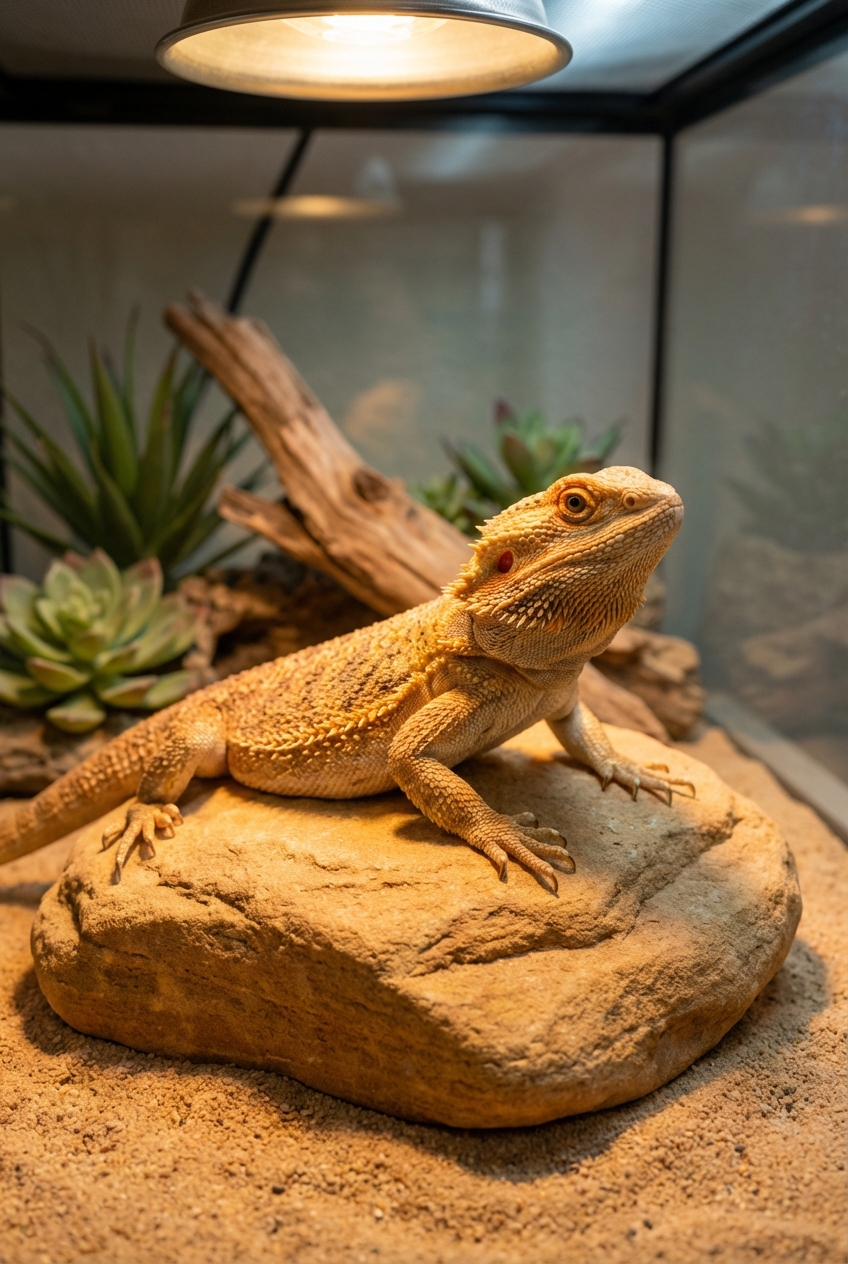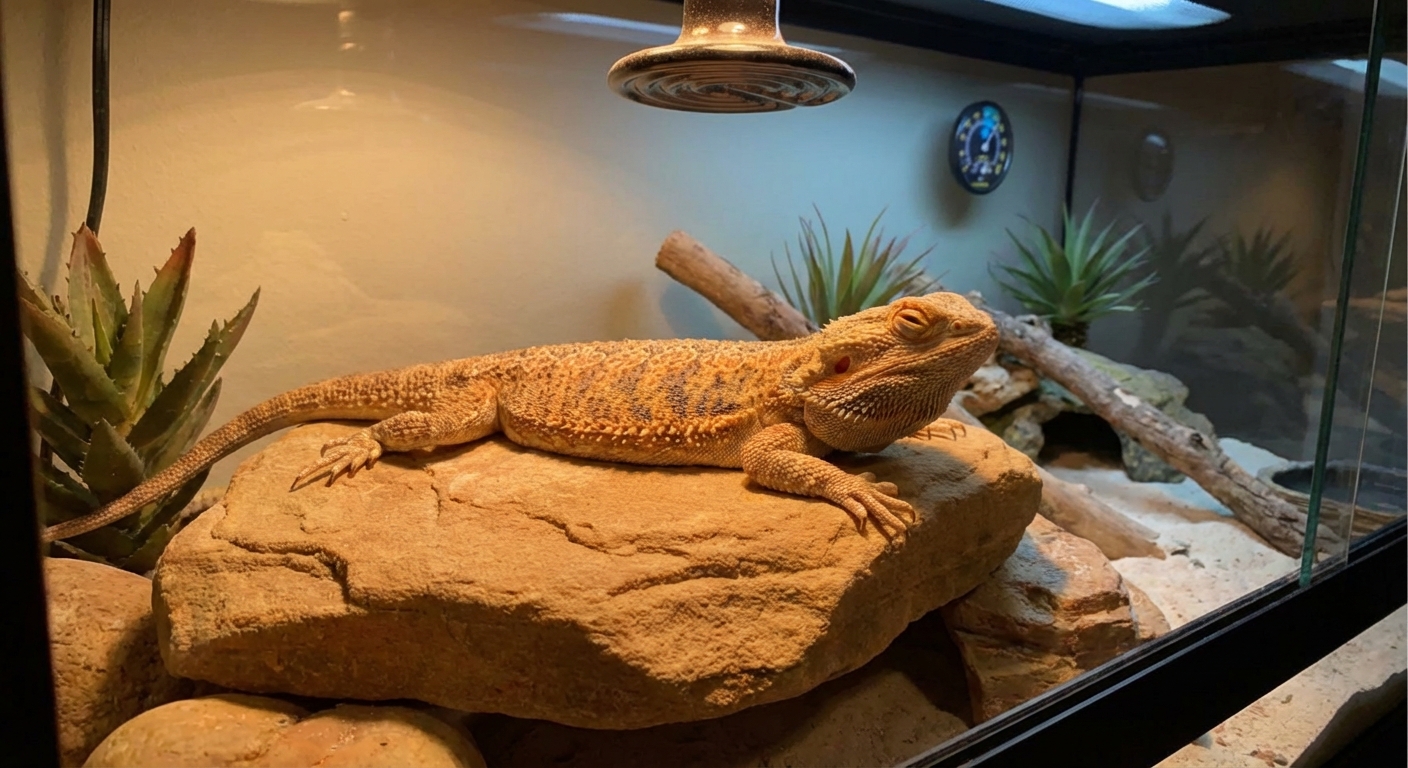
A complete bearded dragon care guide covering habitat setup, safe substrates, UVB and basking temps, feeding by age, supplements, hydration, cleaning routine...
Article
•
Designer Mixes
Wellness Names for Bearded Dragons

Shari Shidate
Designer Mixes contributor
Naming a bearded dragon is fun, but it can also be surprisingly helpful for care. A “wellness name” is a name inspired by the basics that keep beardies thriving: steady heat, strong UVB, hydration through smart feeding, low-stress handling, and a diet that supports healthy bones and organs. The right name becomes a tiny daily reminder of what matters most.
Below you will find wellness-inspired name ideas, plus a simple care guide to match. I work with pets every day, and I love names that make owners feel connected, confident, and consistent. Consistency is where reptile wellness really lives.
What a “wellness name” means
For bearded dragons, wellness is not about one magic supplement or one perfect feeder insect. It is about a handful of environmental needs being met every single day. A wellness name can reflect:
- Light and heat for digestion, activity, and appetite
- UVB exposure so calcium can be used properly
- Hydration mainly through fresh, moisture-rich greens (with soaking only when truly needed)
- Calcium balance (and correct supplementation routines)
- Low-stress routines like gentle handling and predictable feeding
Think of it like a name with a purpose, one that matches the kind of life you want your dragon to have.
Wellness name ideas by theme
Sun and heat
Beardies are solar-powered athletes. These names fit a dragon who loves the basking spot.
- Sol
- Sunny
- Ray
- Helio
- Ember
- Saffron
- Toast
- Blaze
- Radiant
- Summer
UVB and strong bones
UVB and calcium are the backbone of bearded dragon health, literally. These names nod to sturdy structure and steady growth.
- Cal (short for calcium)
- Nova
- Vita
- Lux
- Atlas
- Quartz
- Skye
- Halo
- Beacon
- Stella
Hydration and greens
Many dragons get a significant amount of moisture from produce, especially fresh greens. Names in this group are great for veggie lovers.
- Dew
- Sprout
- Basil
- Sage
- Kiwi
- Okra
- Clover
- Willow
- River
- Mint
Calm and stress-free routines
Some dragons are naturally bold, others need time and patience. These names fit gentle personalities and slow, steady bonding.
- Zen
- Chill
- Harmony
- Serene
- Cozy
- Scout
- Echo
- Meadow
- Olive
- Pax
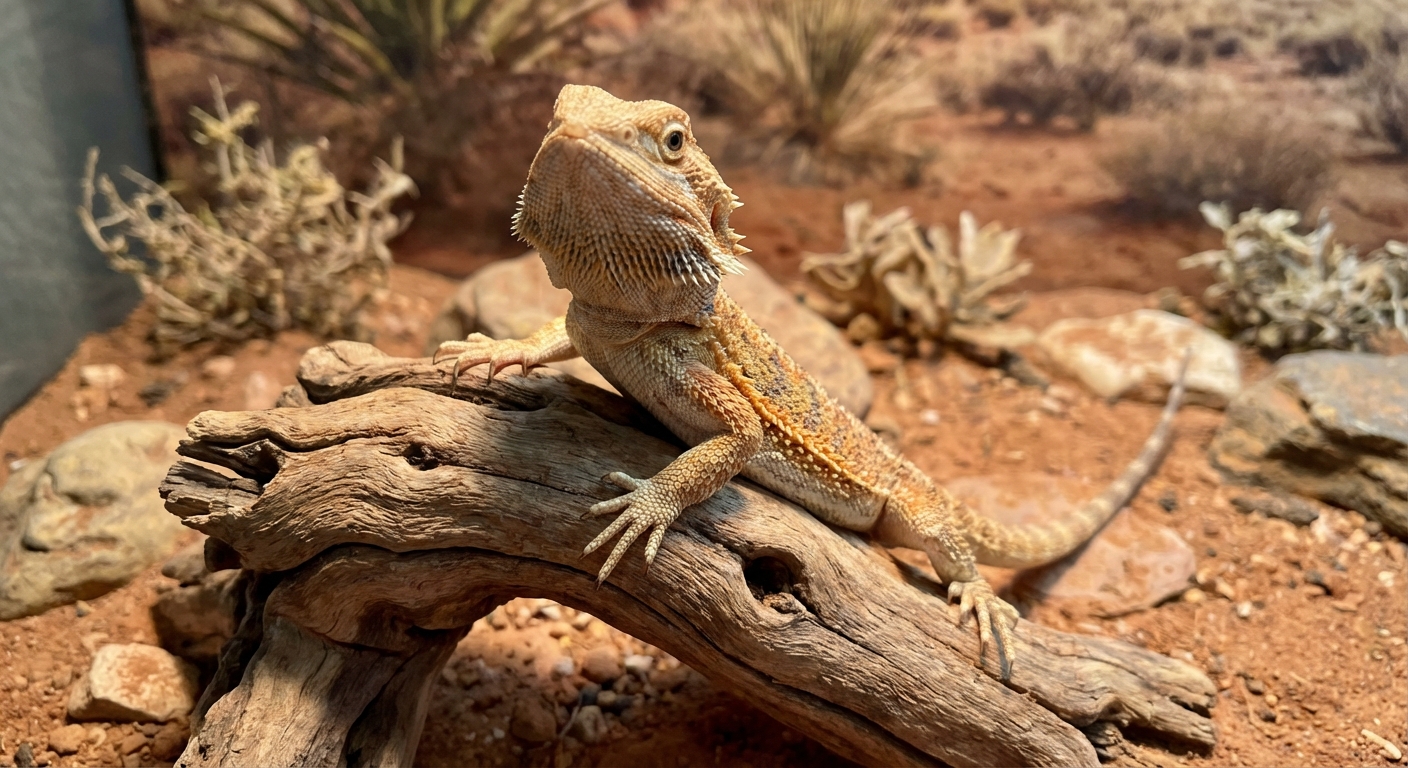
Desert habitat
Bearded dragons are built for arid landscapes. These names feel natural and earthy.
- Dune
- Mesa
- Canyon
- Sonora
- Dusty
- Ridge
- Terra
- Sedona
- Jasper
- Topaz
Quick care guide for true wellness
If you are choosing a wellness-inspired name, it helps to pair it with wellness habits. Here are the big pillars I encourage new owners to dial in first.
Quick specs to get right
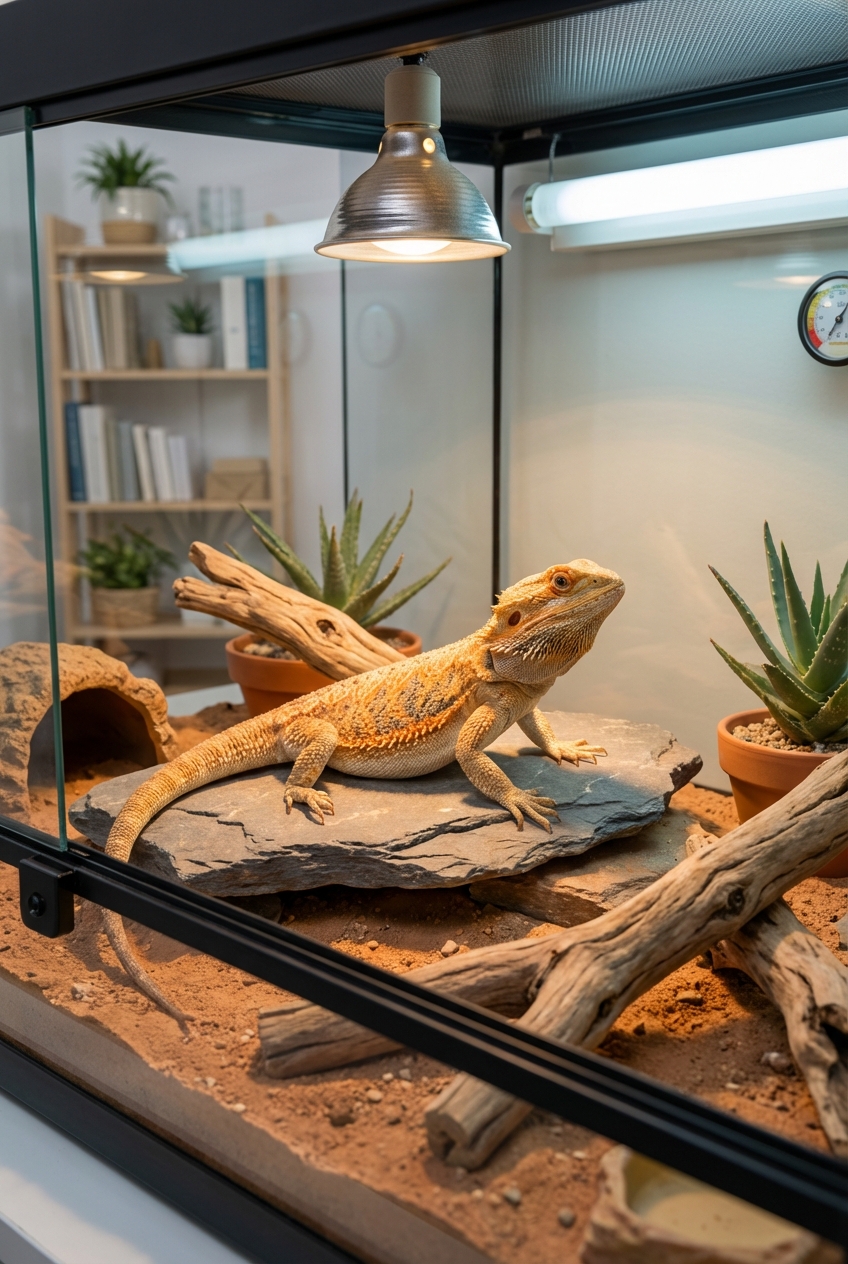
- Adult enclosure size: aim for a minimum of 4x2x2 ft (larger is often better), with climbing options and at least one hide.
- Measure temps correctly: use an infrared temp gun for basking surface temps and digital probe thermometers for ambient air temps on both the warm and cool sides.
- UVB setup matters: use a linear UVB tube and follow a reputable distance chart based on bulb type (T5 HO vs T8), fixture, and reflector. Build a UVB gradient, not a single “hot spot” of UV.
- Lighting schedule: keep a consistent day-night cycle, commonly 12 to 14 hours of light depending on season. Make sure bright basking light and UVB overlap during the day.
- Hydration approach: prioritize fresh greens and proper heat for digestion. Skip routine misting and frequent baths. Use a supervised soak only when truly indicated (for example, constipation or suspected dehydration) and ideally with vet guidance.
- Substrate safety: for many homes, solid options (tile, textured shelf liner, paper) are the easiest to keep clean. Loose substrates require careful setup and husbandry to reduce impaction risk.
1) Set up heat correctly
- Basking surface temperature should be measured with an infrared temp gun, not guessed.
- Adults often do well with a basking surface around 100 to 110°F and a cooler zone in the 75 to 85°F range. Exact targets can vary by age, activity level, and how your dragon behaves, so watch appetite and energy along with the numbers.
- Surface vs ambient: the basking surface will be hotter than the surrounding air. That is why probe thermometers for ambient temps are so useful.
- Night temps can dip lower, but avoid extremes. If your home is cold, use a heat source that does not emit bright light at night.
2) Use real UVB, not just bright light
UVB is essential for vitamin D3 synthesis and calcium metabolism. Without it, dragons are at risk for metabolic bone disease.
- Use a quality linear UVB tube designed for reptiles.
- UVB strength and safe distance depend on bulb type (T5 HO vs T8), whether you have a reflector, and whether the bulb shines through mesh. Follow the manufacturer guidance plus a reputable distance chart, and build a gradient so your dragon can choose the right exposure.
- Replace UVB bulbs on the schedule recommended by the manufacturer, even if they still look bright.
- Provide a basking platform so your dragon can get to the correct distance from the UVB source.
3) Feed a balanced diet (life stage matters)
Diet is one of the most common reasons I see beardies struggle. The right ratio changes as they age.
- Babies and juveniles need more insects for growth, plus daily greens to build good habits.
- Adults typically thrive on mostly greens and vegetables, with insects offered less frequently.
- Staple greens examples: collard greens, mustard greens, turnip greens, and dandelion greens are commonly used staples. Rotate options for variety.
- Offer a variety of appropriately sized feeders and avoid making fruit a daily thing.
- Some greens are better as “sometimes” foods due to oxalates or other factors, so do not rely on one single green forever.
4) Calcium and multivitamin routines
Supplement schedules vary depending on age, diet, and UVB quality, so it is smart to ask your reptile vet for a plan. In general, many owners use:
- Calcium powder on feeders several times per week
- Multivitamin less often than calcium
More is not always better. Overdoing supplements can create problems too, so keep it measured and consistent.
5) Hydration, humidity, and digestion support
- Offer fresh greens daily and remove wilted produce.
- Provide a water dish if your dragon uses it, but do not rely on it as the only water source.
- Avoid routine misting that spikes humidity. Good ventilation and a clean enclosure matter.
- If stools are consistently dry or your dragon seems sluggish, review basking temps and hydration, then check in with your vet.
6) Handle with confidence and calm
- Support the whole body, including the legs and tail base.
- Keep sessions short at first. As a cautious rule, avoid handling right after meals, especially for new or easily stressed dragons.
- Watch for stress signs like gaping, dark beard, or frantic movements.
Brumation note
Some adult dragons slow down seasonally and may sleep more and eat less. Brumation can be normal, but sudden appetite changes should still be taken seriously, especially in juveniles. When in doubt, check your temperatures and lighting first, then talk with a reptile-experienced veterinarian.
Wellness is a routine, not a one-time fix. If your setup is steady, your bearded dragon has the best chance to stay bright-eyed, active, and strong.
Info note: This article is educational and is not a substitute for veterinary care. If you are worried about your dragon, contact a reptile-experienced veterinarian.

How to pick the right name
If you are feeling stuck, here is a simple method that works for most families.
- Pick a theme: sun, greens, calm, desert, or strong bones.
- Say it out loud: you will use this name a lot, especially during feeding and handling.
- Match it to behavior: bold dragons fit names like Blaze or Atlas, gentle dragons fit names like Zen or Willow.
- Choose a name that supports care: for example, naming your dragon Lux can remind you to check UVB timing and bulb replacement.
And if your dragon is brand new, it is okay to wait a week. Once you see their personality, the perfect wellness-inspired name tends to show up on its own.
Red flags for a reptile vet
As a veterinary assistant, I always encourage owners to trust their gut. If something feels off, ask for help. Contact a reptile-experienced veterinarian if you notice:
- Not eating for an extended period (especially in juveniles) or rapid weight loss
- Swollen jaw, soft jawline, tremors, or weak limbs
- Persistent diarrhea, straining, or no stool along with lethargy
- Black beard with ongoing stress behaviors
- Wheezing, bubbling from the nose, or open mouth breathing outside basking
Many issues are fixable when caught early, especially if the enclosure setup is adjusted quickly.