
Help your dog feel better with vet-approved home care for mild kennel cough—rest, harness walks, humidity, fluids, and honey—plus when to stop DIY and ca...
Article
•
Designer Mixes
Wellness Medicines for Kennel Cough

Shari Shidate
Designer Mixes contributor
Kennel cough is one of those illnesses that can sound scarier than it is. It often shows up as a sudden, dry, honking cough that seems to come out of nowhere, especially after boarding, grooming, daycare, dog parks, or any place where lots of noses share the same air. The good news is that many mild cases improve with supportive care and time. The even better news is that there are wellness options that can help your dog feel more comfortable while their airway heals.
As a veterinary assistant, I always like to start with one evidence-based reminder: kennel cough is a syndrome, not a single germ. It can involve bacteria (like Bordetella bronchiseptica) and viruses (like canine parainfluenza, adenovirus, and others). That is why there is no single “perfect” remedy for every dog.
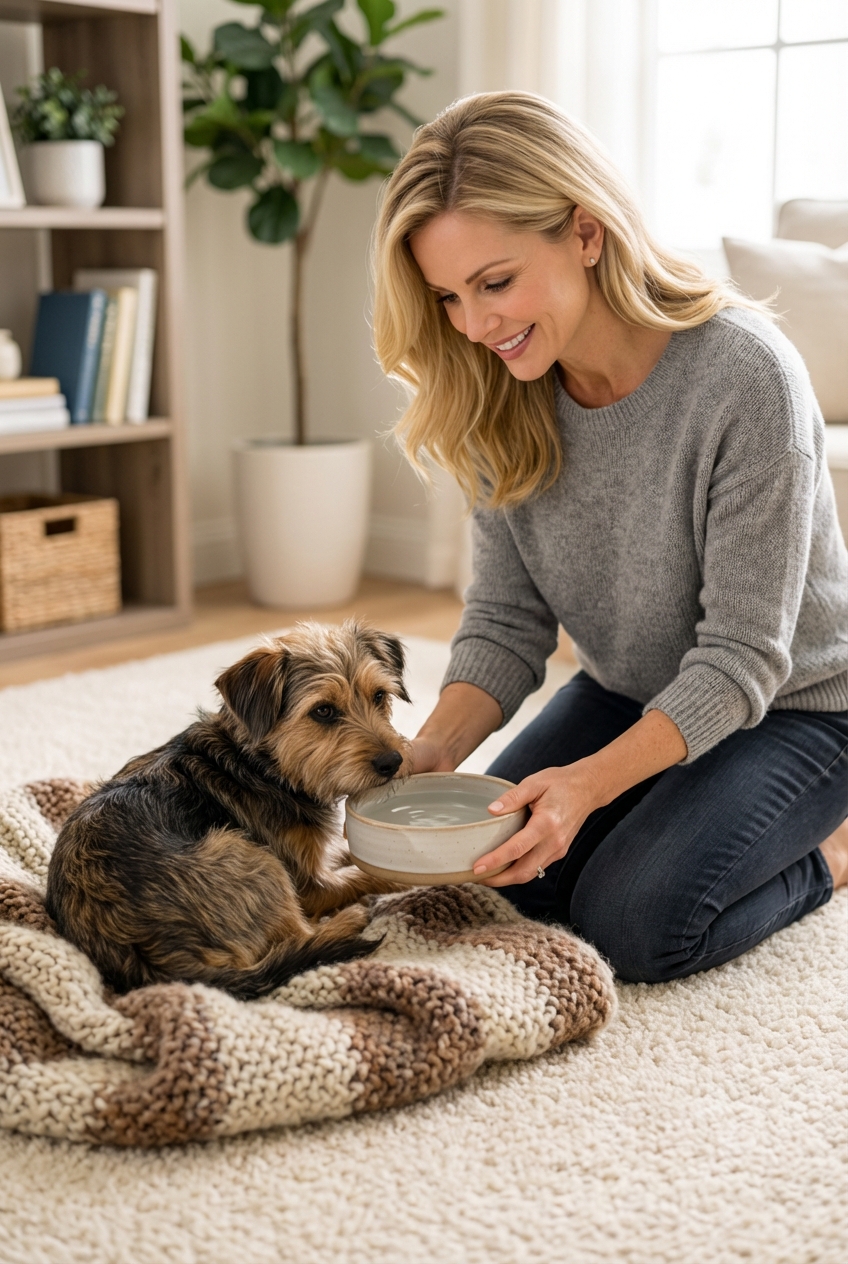
What kennel cough is
Many people use “kennel cough” as a catch-all term for a contagious upper respiratory infection that inflames the airway and makes coughing easy to trigger. In veterinary medicine, these illnesses often fall under the larger umbrella of canine infectious respiratory disease complex (CIRDC). Think of it like a dog version of a contagious cold.
When the airway is irritated, coughing becomes easier to set off. Excitement, pulling on a leash, cold air, and even barking can trigger it.
Did you know?
Dogs can cough so hard with kennel cough that they gag or bring up a little foamy fluid. That looks alarming, but it is often due to throat irritation, not necessarily vomiting.
When home support helps
Supportive at-home care can be helpful for mild kennel cough, especially when your dog is still bright, eating, drinking, and has normal energy. But some dogs need veterinary care and prescription medication right away.
Call your veterinarian promptly if you notice:
- Labored breathing, rapid breathing, or belly effort to breathe
- Blue or pale gums
- High fever, extreme lethargy, or refusal to eat and drink
- Thick nasal discharge, worsening cough, or symptoms lasting more than 7 to 10 days
Also seek care sooner if your dog is high-risk, including puppies, seniors, pregnant females, or dogs with heart or lung disease.
If your dog is coughing and also seems “off,” it is always safer to be seen. Pneumonia can start subtly and is not something to treat at home.
One more important note: a cough is a symptom, not a diagnosis. Some dogs that sound like kennel cough actually have something else going on, like collapsing trachea, heart disease, canine influenza, pneumonia, or (rarely) an inhaled foreign object.
Supportive options that help
Supportive care for kennel cough is about reducing irritation, keeping mucus moving, and helping your dog rest. Here are practical, commonly used options to discuss with your veterinarian.
1) Honey (ask your veterinarian)
For some dogs, a small amount of plain honey can soothe an irritated throat and may reduce coughing for short periods. Honey is not a cure, but it can be comforting.
- Use only plain honey.
- Avoid honey in very young puppies and ask your veterinarian for age guidance.
- Avoid if your dog has diabetes unless your veterinarian approves.
2) Humidity and warm steam
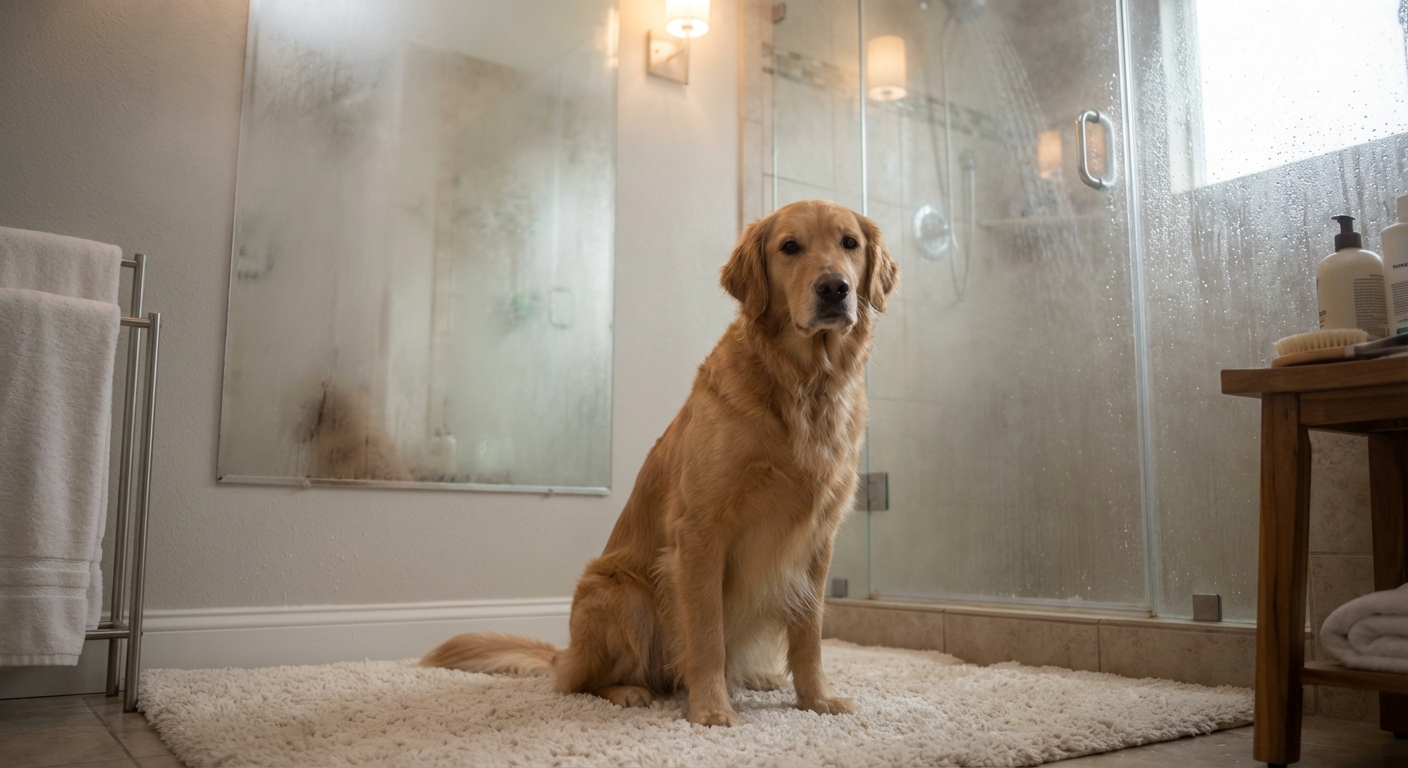
Moist air can ease airway irritation and help loosen secretions. A simple, low-risk trick is a warm, steamy bathroom session.
- Run a hot shower for several minutes to create steam, then sit with your dog in the bathroom for 10 to 15 minutes.
- Keep it calm and supervised, and never let your dog overheat.
3) Saline nasal drops (for mild congestion)
If your dog has mild nasal stuffiness, plain sterile saline drops can sometimes help loosen mucus. This is most useful when the nose is crusty or congested.
- Choose sterile, unscented saline only. Do not use medicated sprays unless your veterinarian instructs you.
- Stop if your dog strongly resists, and never force it. You do not want your dog inhaling liquid.
- If congestion is heavy, foul-smelling, or paired with fever or lethargy, contact your veterinarian. Some causes are not simple “colds.”
4) Harness instead of a collar
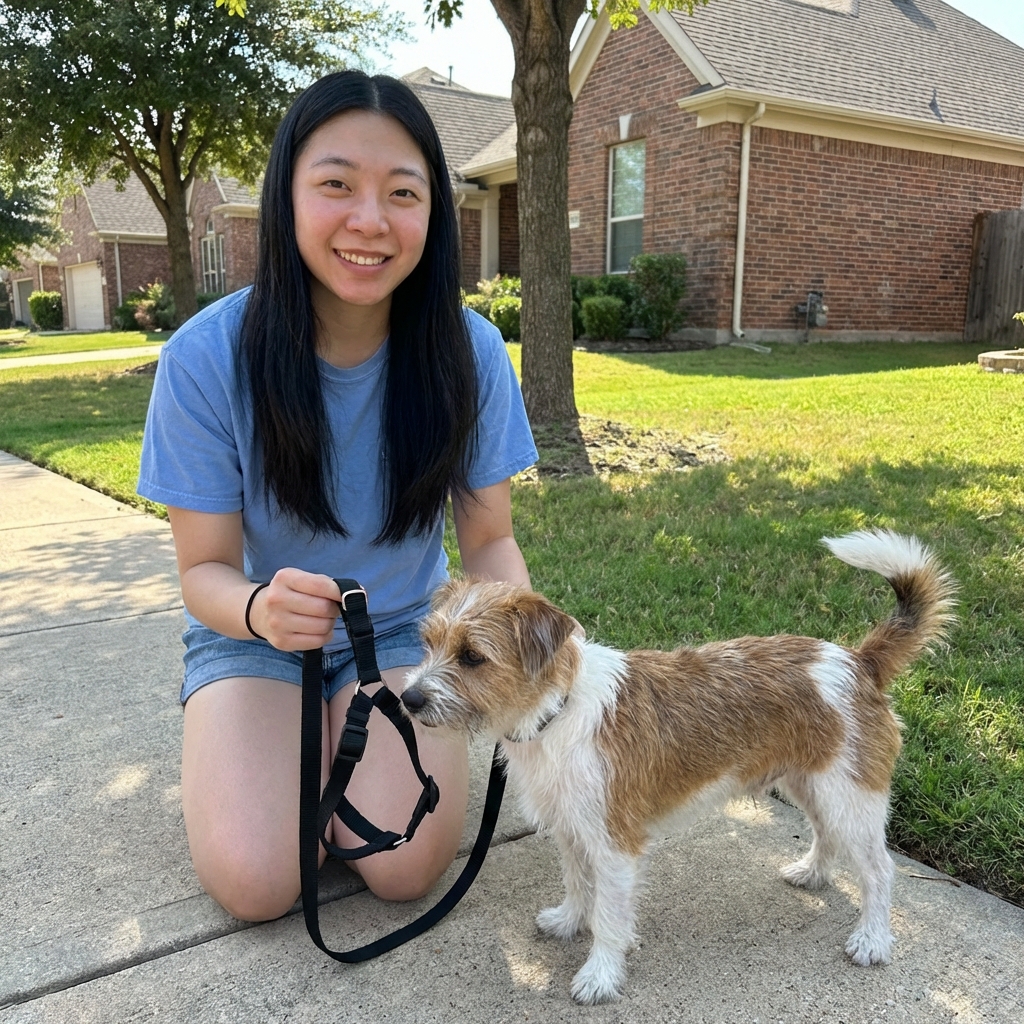
Pressure on the trachea can make coughing worse. Switching to a front-clip harness during recovery is one of the most practical supportive “treatments” there is.
- Use a harness for walks.
- Avoid tugging games and heavy barking triggers for a bit.
5) Rest and low excitement
This one is not glamorous, but it matters. The airway needs time to heal. High activity increases coughing and prolongs irritation.
- Short, calm potty walks only for a few days.
- Use food puzzles that are low-arousal (like a lick mat) rather than high-energy play.
6) Hydration and gentle meals
When a dog is sick, the goal is gentle, hydrating, easy-to-digest food. Warmed food can also encourage appetite and smell.
- Offer fresh water frequently.
- Consider adding warm (not hot) water or veterinarian-approved low-sodium broth to meals.
- If your dog is already on a balanced diet, avoid drastic diet changes while they are actively coughing.
7) Supplements: what to know
Some owners reach for immune supplements right away. A few may be reasonable, but quality varies widely, and “natural” does not always mean safe for dogs. Supplements also will not replace veterinary care if symptoms escalate.
- Probiotics may be useful if your dog is prescribed antibiotics, since antibiotics can disrupt the gut.
- Omega-3 fatty acids can support overall inflammation balance, but they work slowly and are not a quick cough fix.
- Avoid essential oils diffused in the air around a coughing dog. Many are irritating to the airway and some are toxic to pets.
Contagiousness and isolation
Kennel cough spreads easily between dogs. If your dog is coughing, it is smart (and kind) to assume they are contagious until a veterinarian tells you otherwise.
- Skip daycare, boarding, grooming, training classes, and dog parks until your dog is doing well.
- Avoid nose-to-nose greetings on walks.
- Let any facility or playmates know your dog is coughing so others can monitor their dogs.
Isolation timing depends on the cause. A common rule of thumb is to avoid dog-to-dog contact until the cough has resolved and your veterinarian says it is okay to return to normal activities.
What to avoid
This section can prevent an emergency. Many human medications are dangerous for dogs, and coughing can be caused by things that look like kennel cough but are not.
- Do not give human cough medicines (including decongestants) unless your veterinarian specifically instructs you.
- Avoid smoke, heavy fragrances, candles, incense, and aerosols, which can worsen airway irritation.
- Skip hard chew treats if coughing is triggered by throat irritation. Choose softer options temporarily.
- Do not force exercise “to clear it out.” Rest is part of recovery.
Extra notes (helpful)
- Incubation is often about 2 to 14 days, depending on the cause. Your dog may have been exposed a week or two before the first cough.
- Vaccinated dogs can still cough. Vaccines often reduce severity and duration, but they do not create an impenetrable shield.
- Most mild cases improve in 1 to 3 weeks. Some coughs linger longer (sometimes several weeks) because the airway can stay sensitive even after the infection is gone.
- Stress plays a role. Boarding and travel stress can lower immune resilience, making symptoms more likely to show up.
At-home checklist
- Use a harness instead of a collar
- Keep activity calm and low-key
- Offer warm water or veterinarian-approved low-sodium broth to encourage hydration
- Use brief steam sessions if coughing is dry and frequent
- Ask your veterinarian before offering honey, especially for young dogs
- Track symptoms daily: cough frequency, appetite, energy, breathing comfort
- Limit contact with other dogs until your veterinarian gives the all-clear
If anything worsens, or if you are not seeing improvement over several days, get your dog checked. A simple exam can determine whether your pup needs prescription cough suppressants, antibiotics, or further testing.
What your veterinarian may do
Most dogs just need an exam and a plan. If your veterinarian is concerned about pneumonia or another condition, they may recommend chest X-rays, a respiratory PCR test, or medications like a prescription cough suppressant. Antibiotics are typically reserved for cases where bacterial infection is suspected, symptoms are more severe, or there is concern for complications.
Prevention tips
If your dog loves daycare or the dog park, prevention is about smart layers of protection.
- Ask your veterinarian which respiratory vaccines make sense for your dog’s lifestyle (Bordetella, parainfluenza, and canine influenza where recommended).
- Know that Bordetella vaccines may be given by intranasal, oral, or injectable routes. They also take time to kick in, so plan ahead before boarding.
- Avoid crowded dog spaces during known outbreaks in your community.
- Choose facilities that clean well and have good ventilation.
- Give your dog recovery days after high-stimulation events like boarding or travel.
Gentle reminder: A cough is a symptom, not a diagnosis. If your dog’s cough is persistent, severe, or paired with low energy or breathing changes, it is time for a veterinary visit.