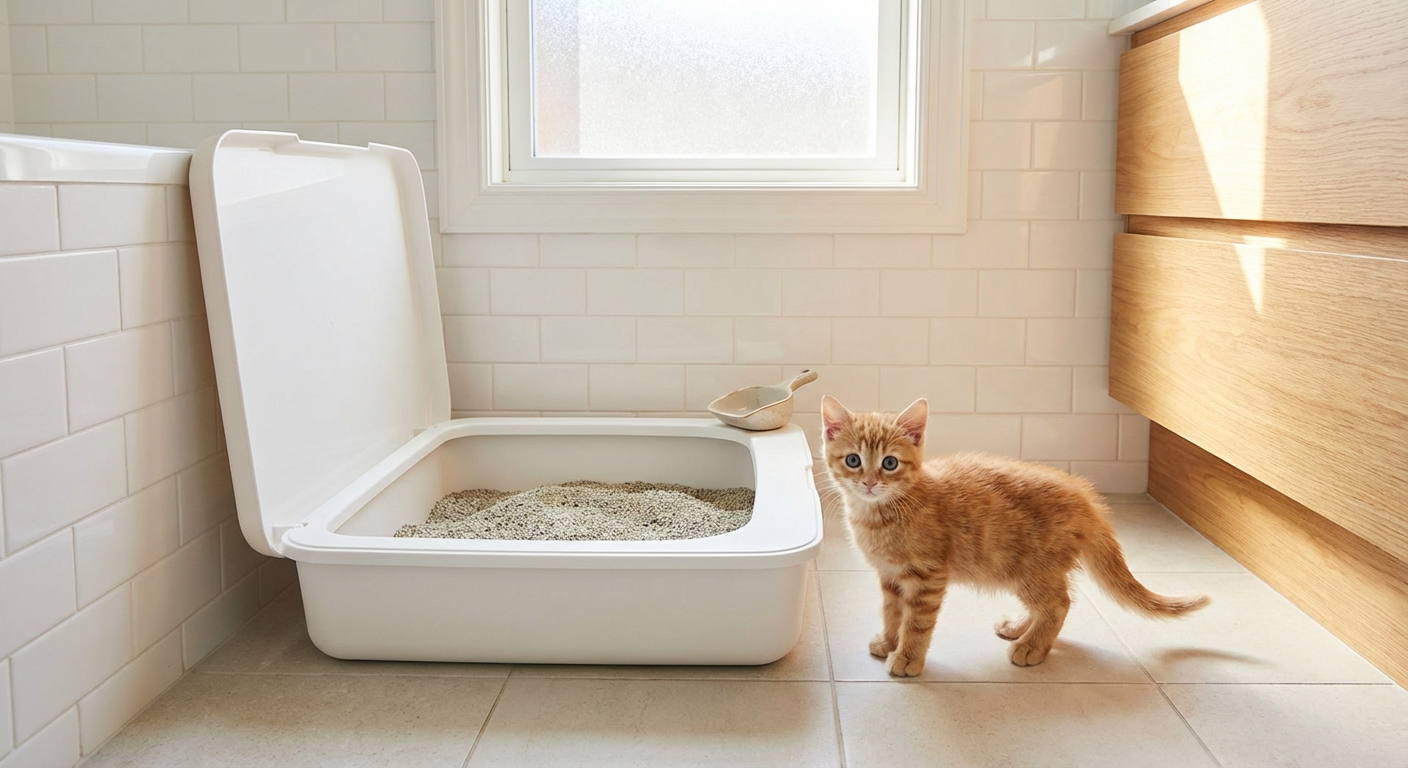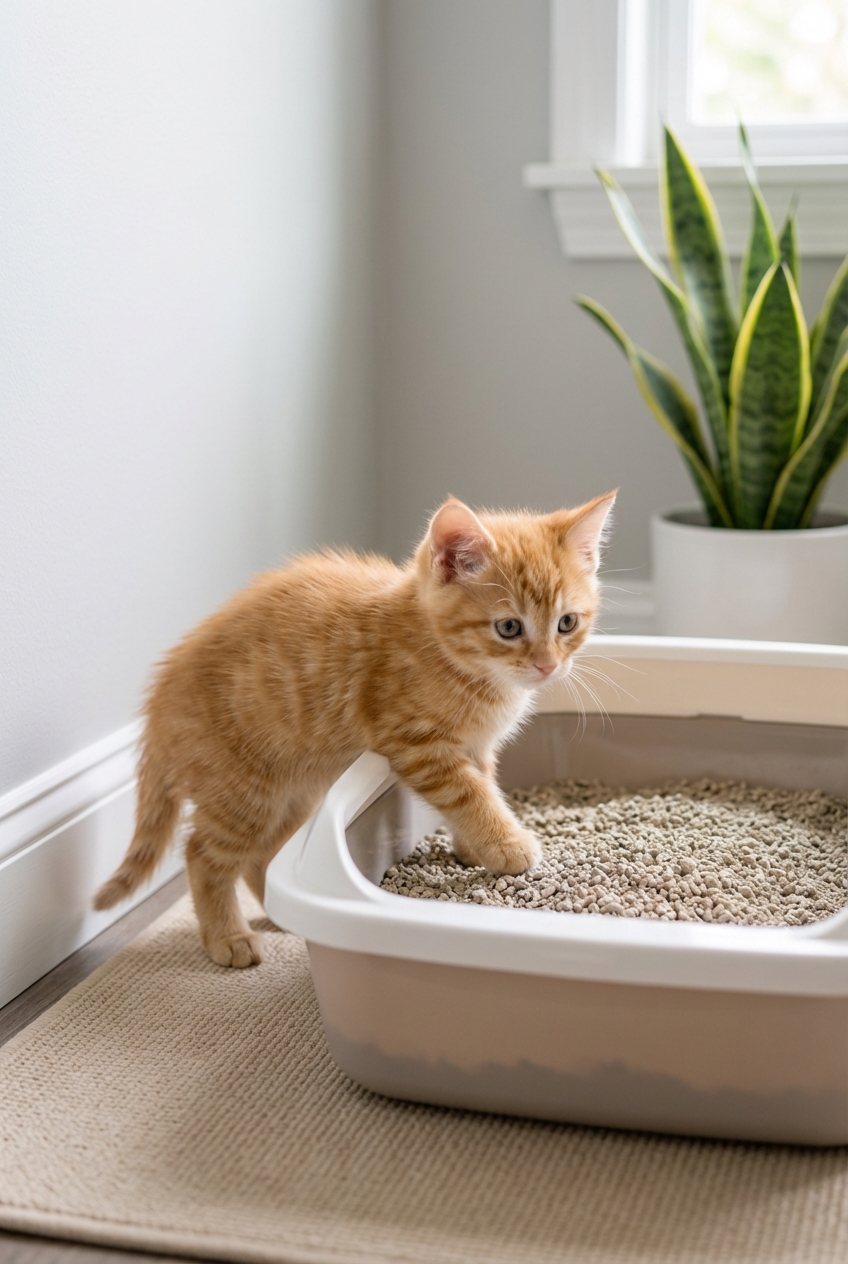
Get your kitten using the litter box quickly with a fast-start checklist, ideal box and litter setup, a 3-day training routine, and simple accident fixes—p...
Article
•
Designer Mixes
Wellness Litter Training Kittens Guide

Shari Shidate
Designer Mixes contributor
Bringing home a kitten is pure joy, until you realize kittens do not come with an instruction manual for the litter box. The good news is that many kittens are naturally drawn to digging and covering. Your job is to set up the environment so using the box is the easiest, most comfortable choice every single time.
As a veterinary assistant in Frisco, Texas, I also want you to know this: litter training is not just a cleanliness issue. Litter box habits are a wellness signal. When a kitten suddenly stops using the box, it can be stress, a setup problem, or an early medical clue that deserves attention. If you are unsure which it is, your vet team can help you sort out environment versus health causes.
Why kittens miss the box
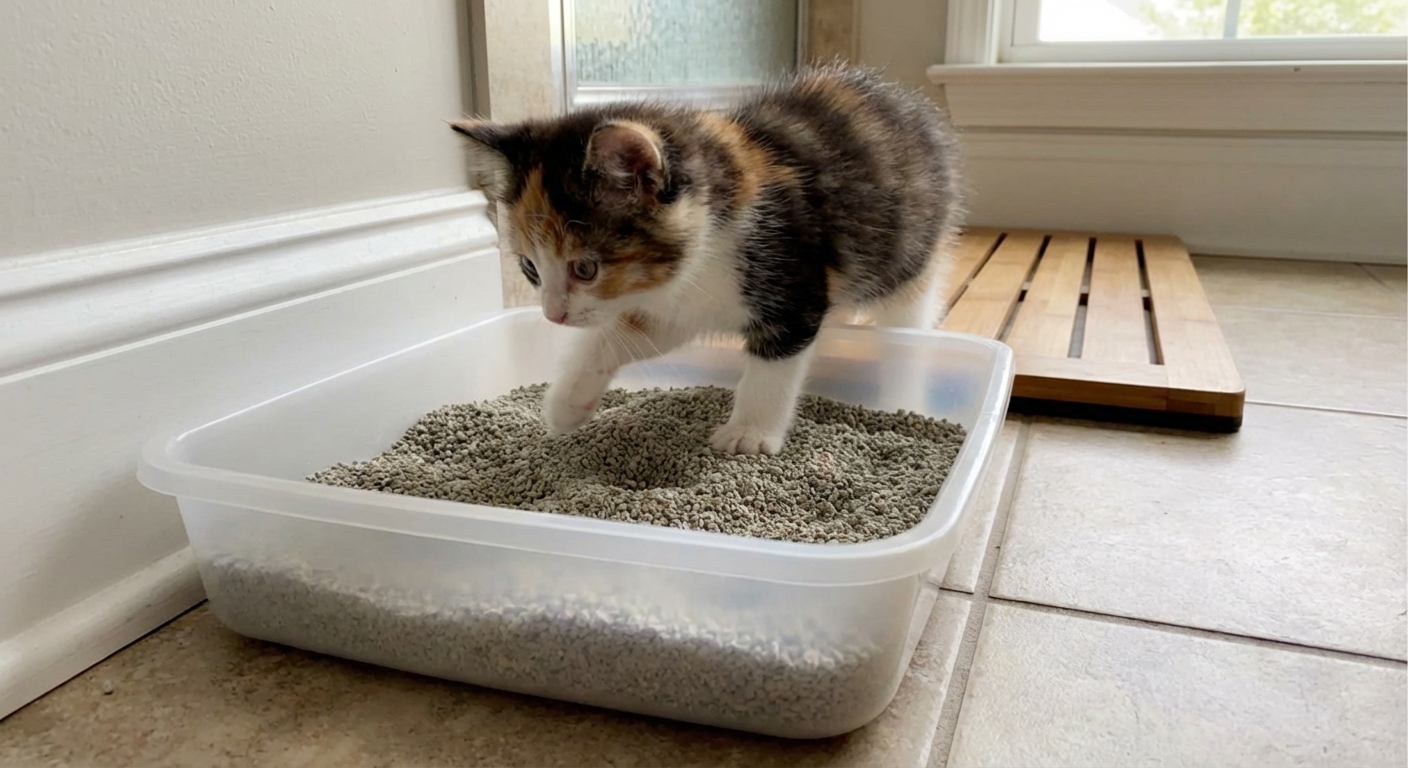
Most litter box problems come down to one of three things: the box is hard to access, the litter feels wrong, or the kitten associates the box with something unpleasant. Kittens have tiny bodies, sensitive noses, and brand-new routines, so small changes can feel like a big deal.
- Access issues: box sides are too tall, box is too far away, or the kitten is confined to a large home with no nearby option.
- Litter preference: strong scent, rough texture, dusty litter, or frequent brand changes.
- Location stress: loud laundry rooms, busy hallways, or being startled while eliminating.
- Not clean enough: some kittens will refuse a box that is even mildly dirty.
- Medical discomfort: diarrhea, constipation, urinary irritation, parasites, or pain can cause avoidance.
Set up for success
Pick the right box
For kittens, choose a low-entry box so they can climb in and out easily. Big, high-sided boxes may be great later, but early on they can cause accidents right at the edge.
- Low sides (or a cut-out entry) are ideal for young kittens.
- Consider starting with an uncovered box. Many kittens do better when odors are not trapped and they can see around them, although some cats prefer covered boxes later on.
- Use a box large enough for turning around comfortably.
Choose kitten-friendly litter
When in doubt, go simple: unscented, fine-grain litter is often the easiest yes. Strong perfumes can be overwhelming. Pellets can be too rough for sensitive paws. If you need to change litter later, do it gradually by mixing small amounts of the new litter into the old.
Safety note: For very young kittens (often under about 8 weeks) or any kitten who is nibbling or eating litter, some veterinarians recommend using a non-clumping litter at first. If you are not sure what is safest for your kitten, ask your veterinarian. Ingesting clumping litter can be risky.
Litter depth
Aim for about 2 to 3 inches of litter so your kitten can dig and cover comfortably. If you notice your kitten struggling to balance or stepping in waste, try a slightly shallower layer.
Location matters
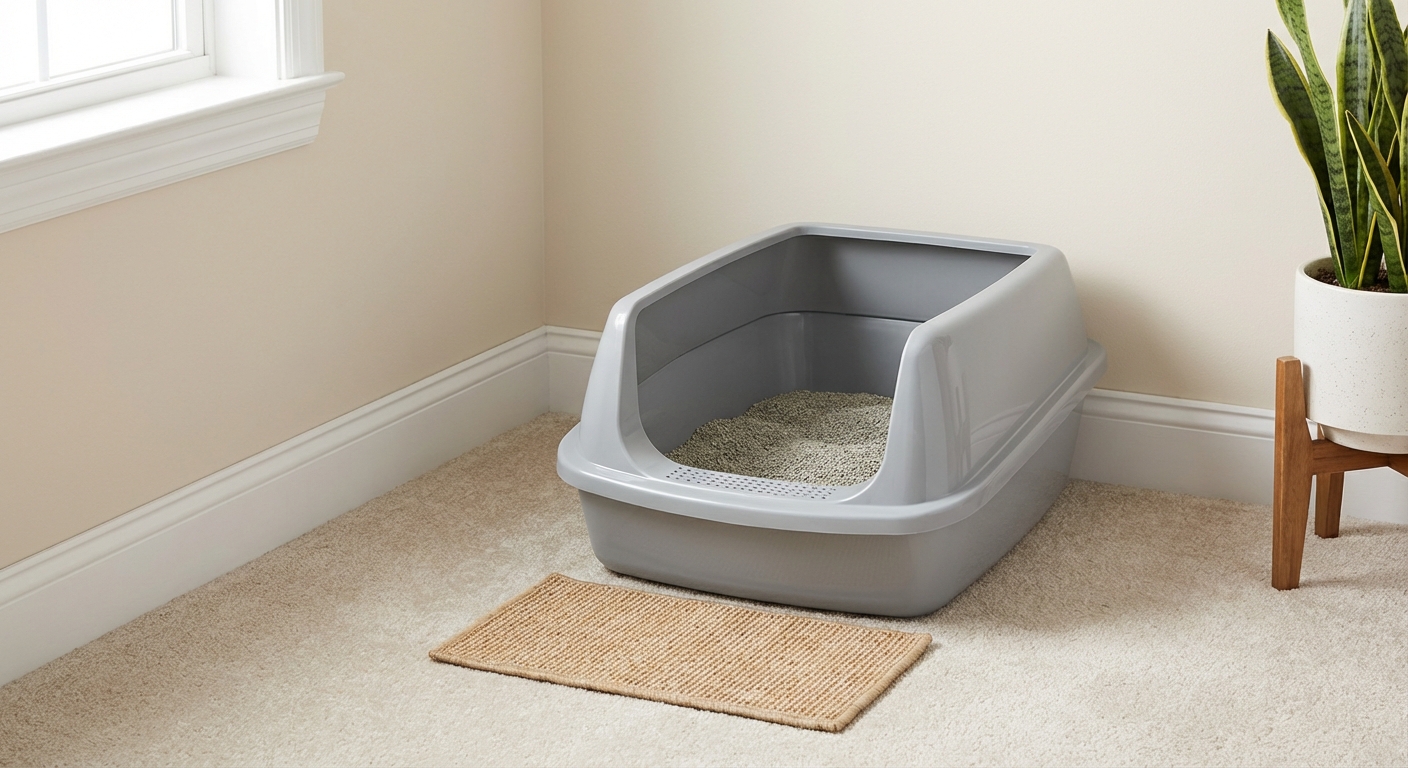
Place the box in a quiet, low-traffic area where your kitten will not be startled. Avoid placing it next to noisy appliances. Keep it away from food and water bowls if possible. If you have a multi-level home, provide a box on each level during training.
How many boxes?
A helpful rule is one box per cat, plus one extra. Even with one kitten, a second box can prevent accidents, especially in larger homes.
Simple training routine
Kittens learn fastest with consistency and gentle repetition. Think of this like building a habit, not correcting “bad” behavior.
Day one plan
- Start small: for the first few days, keep your kitten in one kitten-safe room with the litter box, food, water, and bedding. A bathroom or bedroom works well.
- Show the box: place your kitten in the box after arriving home. Let them sniff and step out on their own.
- Use timed reminders: place your kitten in the box after naps, after play, and about 10 to 15 minutes after eating.
- Praise calmly: when they use the box, soft praise is plenty. Overexcited reactions can startle some kittens.
Extra help for very young kittens
Kittens who are newly weaned or very small often need more support. Use a shallow, low-entry tray, keep the box very close to where they rest and play, and offer more frequent reminders until the habit clicks.
If you catch an accident in progress
Gently scoop your kitten and place them in the box. Do not yell and do not rub their nose in it. That creates fear, and fear slows training.
Clean-up that prevents repeat accidents
Use an enzyme cleaner made for pet urine and stool. Regular cleaners may remove the stain but leave behind scent cues that tell your kitten, “This is the bathroom.” It also helps to avoid ammonia-based cleaners, since ammonia can smell like urine to cats.
Behavior clues
Kittens communicate with patterns. If you notice a trend, it usually points to a fixable cause.
Common patterns
- Accidents right next to the box: box is too dirty, sides are too high, or the kitten dislikes the litter texture.
- Peeing on soft items (beds, laundry): the kitten may be seeking comfort, the box may feel unsafe, or there may be urinary discomfort.
- Pooping outside the box but peeing inside: constipation, painful stool, or litter aversion can be involved.
- Frequent trips with tiny amounts of urine: this can be a medical red flag and should be checked promptly.
If a kitten is straining, crying in the box, lethargic, vomiting, or not eating normally, please call your veterinarian. Litter box changes can be an early sign that something is not right.
Litter training and wellness
Healthy litter box habits are tied to a healthy body and a calm nervous system. Here are wellness basics that support training.
Hydration and nutrition
Dehydration can contribute to constipation and urinary irritation. Many kittens benefit from a mix of wet and dry food, and always-accessible fresh water. Ask your veterinarian what is best for your kitten’s age and health.
Parasite prevention
Intestinal parasites are common in kittens and can cause diarrhea or urgency. Keep up with vet-recommended deworming and fecal testing.
Stress reduction
Stress can trigger accidents. Provide predictable routines, gentle handling, play sessions, and a cozy resting area. If you have other pets, introductions should be slow and supervised.
Troubleshooting checklist
If you are feeling stuck, work through this checklist in order. Most issues resolve when the environment matches your kitten’s needs.
- Is the box easy to enter and big enough to turn around in?
- Is the litter unscented and comfortable on paws, with an age-appropriate choice if your kitten mouths litter?
- Is the litter depth around 2 to 3 inches?
- Are you scooping 1 to 2 times daily?
- Do you dump and replace litter and wash the box about every 1 to 4 weeks (depending on litter type and how many boxes and cats you have)?
- Is the box in a quiet location with an easy escape route?
- Do you have enough boxes for your space?
- Are you using enzyme cleaner on all accident spots and avoiding ammonia-based cleaners?
- If accidents persist, can you temporarily go back to a smaller “home base” room, add an extra box, and track timing and triggers for your vet?
- Has your kitten had a recent vet check, including stool testing and a discussion about urinary health?
When to call the vet
Please reach out to your veterinarian sooner rather than later if you see any of the following:
- Blood in urine or stool
- Straining to urinate or defecate
- Diarrhea lasting more than 24 hours, especially in very young kittens, or any diarrhea with lethargy, vomiting, or signs of dehydration
- Repeated accidents after a week of consistent training and a good setup
- Frequent urination, crying, or sudden behavior changes
- Not eating, vomiting, or low energy
Litter training should feel like a gentle learning curve, not a constant battle. With the right box, the right litter, and a calm routine, most kittens become reliable quickly, and you will gain a daily window into their health at the same time.