Make meals more tempting and nutritious with simple dog food toppers: bone broth, cooked eggs, sardines, pumpkin, and steamed veggies—plus portions, storag...
Article
•
Designer Mixes
Wellness Foods for Dogs

Shari Shidate
Designer Mixes contributor
As a veterinary assistant here in Frisco, Texas, I hear the same question all the time: “What real foods can I add to help my dog feel better?” The encouraging truth is that wellness foods do not have to be complicated. With a few evidence-based choices, you can support your dog’s gut, joints, skin, and energy using ingredients you can recognize and feel good about.
Important note: If your dog has pancreatitis, kidney disease, food allergies, is on a prescription diet, or you are changing more than a small portion of the diet, check with your veterinarian first. Small changes can have a big impact, especially for dogs with medical conditions.
Quick safety rule: Keep toppers and treats to about 10% of total daily calories unless your veterinarian has guided you differently.
What “wellness foods” means
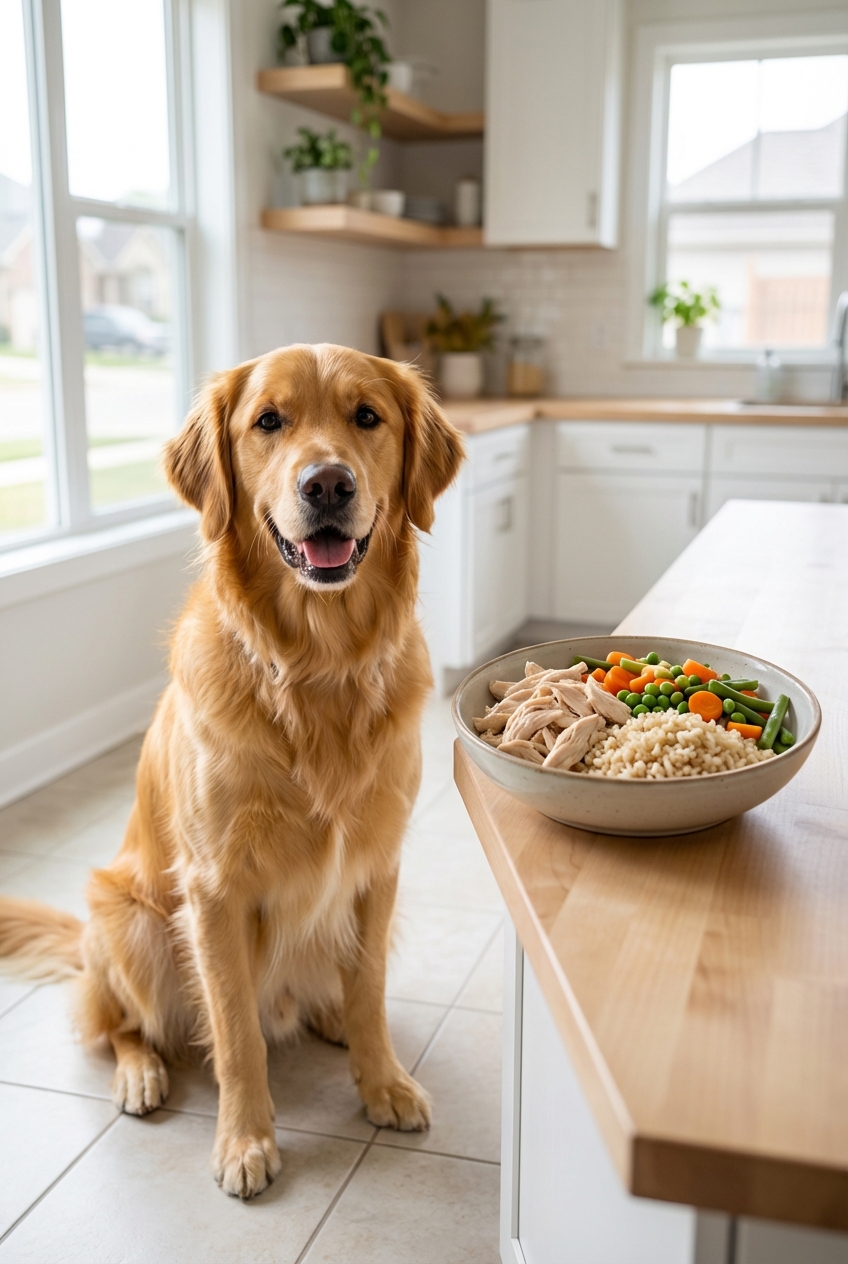
In nutrition, “wellness foods” are simply whole foods that provide functional benefits beyond basic calories and protein. For dogs, that often looks like:
- High-quality protein for muscle, immune function, and recovery
- Omega-3 fats for skin, coat, brain, and inflammation support
- Fiber and prebiotics for gut health and steady stools
- Antioxidants to support healthy aging and cellular protection
- Key minerals like calcium, zinc, and iodine in safe, appropriate amounts
You do not need a trendy ingredient list. You need the right foods in the right portions, introduced slowly.
Top wellness foods for dogs
1) Lean, cooked proteins
Protein is the foundation of most canine diets. One of the simplest upgrades is improving protein quality and digestibility.
- Chicken or turkey (cooked, boneless): gentle for many dogs and easy to portion
- Lean beef: nutrient-dense, often highly palatable
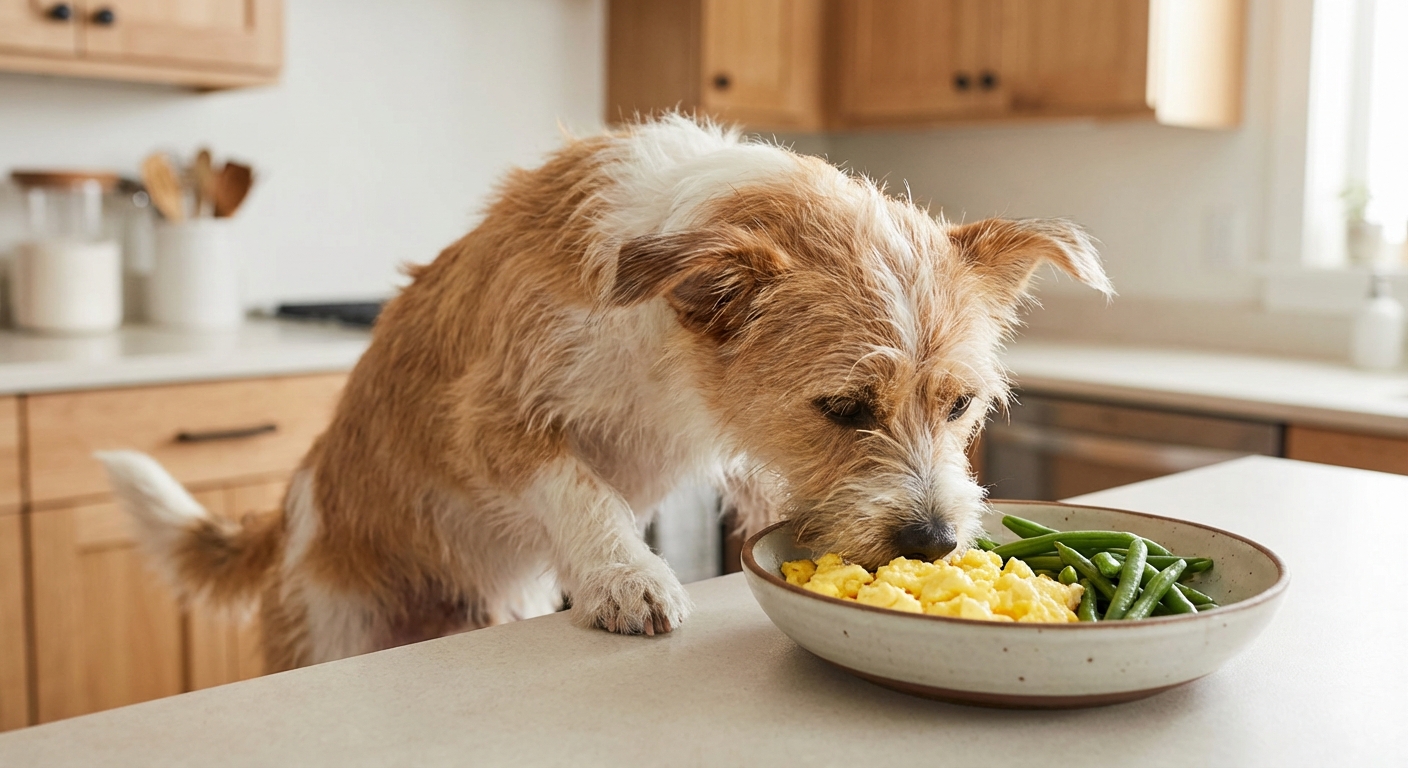
- Eggs (fully cooked): excellent amino acid profile, plus biotin and choline
Tip: Avoid cooked bones and heavily seasoned meats. Simple, unseasoned is best.
2) Oily fish for omega-3s
Omega-3 fatty acids (especially EPA and DHA) are some of the most evidence-supported nutrients for dogs. They are commonly used in veterinary nutrition for skin and coat support and to help manage inflammation.
- Sardines (in water): choose low-sodium or no-salt-added when possible
- Salmon (fully cooked): serve plain and check carefully for bones
- Fish oil supplements can be helpful, but dosing matters, so ask your veterinarian
Safety note: Avoid raw salmonids (salmon, trout, steelhead). In the Pacific Northwest, raw salmon or trout can transmit parasites linked to salmon poisoning disease. Also go easy on oily fish for dogs prone to pancreatitis.
Next up, let’s talk about one of the most common reasons people try toppers in the first place: stool quality and sensitive stomachs.
3) Gut-friendly fiber: pumpkin and more
If you are working on stool quality, fiber is often the missing piece. The goal is a steady, comfortable gut, not just “more fiber.”
- Plain canned pumpkin (not pie filling): may help some dogs with mild constipation or loose stools
- Sweet potato (cooked): gentle carbs plus fiber
- Oats (cooked): soluble fiber that many dogs tolerate well
How much to start: For most dogs, begin with 1 to 2 teaspoons of pumpkin for small dogs, or 1 to 2 tablespoons for medium to large dogs, then adjust slowly. Too much fiber can cause gas or looser stools, so start small and increase only if your dog stays comfortable.

4) Lightly cooked vegetables
Dogs can benefit from vegetables, but most do best when veggies are lightly cooked or pureed to improve digestibility. Think of vegetables as supportive nutrition, not the main course.
- Broccoli and cauliflower (small portions): cruciferous veggies with beneficial plant compounds
- Carrots: beta carotene and crunch, especially lightly steamed (slice or shred to reduce choking risk)
- Green beans: a low-calorie add-in that helps some dogs feel satisfied
- Spinach or kale (moderation): nutrient-rich greens, best cooked
Portion guideline: If you are working with a balanced homemade plan, vegetables are often a small portion of the overall recipe. For many dogs, around 10 to 15% can be a reasonable starting range, but needs vary by recipe and medical conditions. When in doubt, keep veggie add-ins small and focus on overall balance.
5) Probiotic foods
A healthy gut microbiome is connected to digestion, immune health, and even skin. Some dogs do well with food-based probiotics, while others need a veterinary probiotic product.
- Plain yogurt (unsweetened): read labels carefully and avoid added sugars and any artificial sweeteners (especially xylitol); watch for lactose sensitivity
- Kefir (plain): often tolerated better than milk
One quick clarification: Yogurt and kefir can contain live cultures, but strains and amounts vary widely. Veterinary probiotics are formulated with specific strains and doses, which is helpful for dogs that need more targeted support.
Start tiny: 1 teaspoon for small dogs, 1 tablespoon for larger dogs, and increase only if stools stay normal.
6) Blueberries and other safe fruits
Fruit is not required, but small amounts can add antioxidants and hydration.
- Blueberries: easy, low-calorie training add-on
- Apples (no seeds, no core): serve in small, bite-sized pieces
- Watermelon (seedless, no rind): a hydrating warm-weather treat
Keep fruit small: Roughly 5 to 10% of total intake, especially for dogs that gain weight easily.
Foods that are risky for dogs
This is where I see the most accidental tummy troubles, and sometimes true emergencies.
- Grapes and raisins: can cause kidney injury
- Onions (and onion powder): can damage red blood cells
- Xylitol (common sweetener): can cause dangerous low blood sugar and liver injury
- Alcohol, caffeine, chocolate: toxic
- High-fat table scraps: common trigger for pancreatitis in sensitive dogs
If you are ever unsure, treat it like a medication question and ask your veterinary team before offering it.
How to add foods safely
Dogs thrive on consistency, so transitions should be slow and measured.
- Start with one new food at a time for 3 to 5 days
- Use small topper amounts at first, ideally 10% or less of daily calories
- Watch stool, itchiness, and ear irritation (redness, discharge, head shaking), which can signal sensitivity
- Keep a simple note on your phone of what you added and how your dog did
If stools soften, do not panic. Pause the new ingredient, return to the normal diet, and restart more slowly or try a different food.
One more reminder: These add-ins can support wellness, but they do not replace medical treatment when your dog needs it. And if you use supplements like fish oil, dose with your veterinarian’s guidance to reduce the risk of stomach upset and other side effects.
Easy wellness combos
These are simple, gentle combinations many dogs enjoy. Adjust portions to your dog’s size and calorie needs.
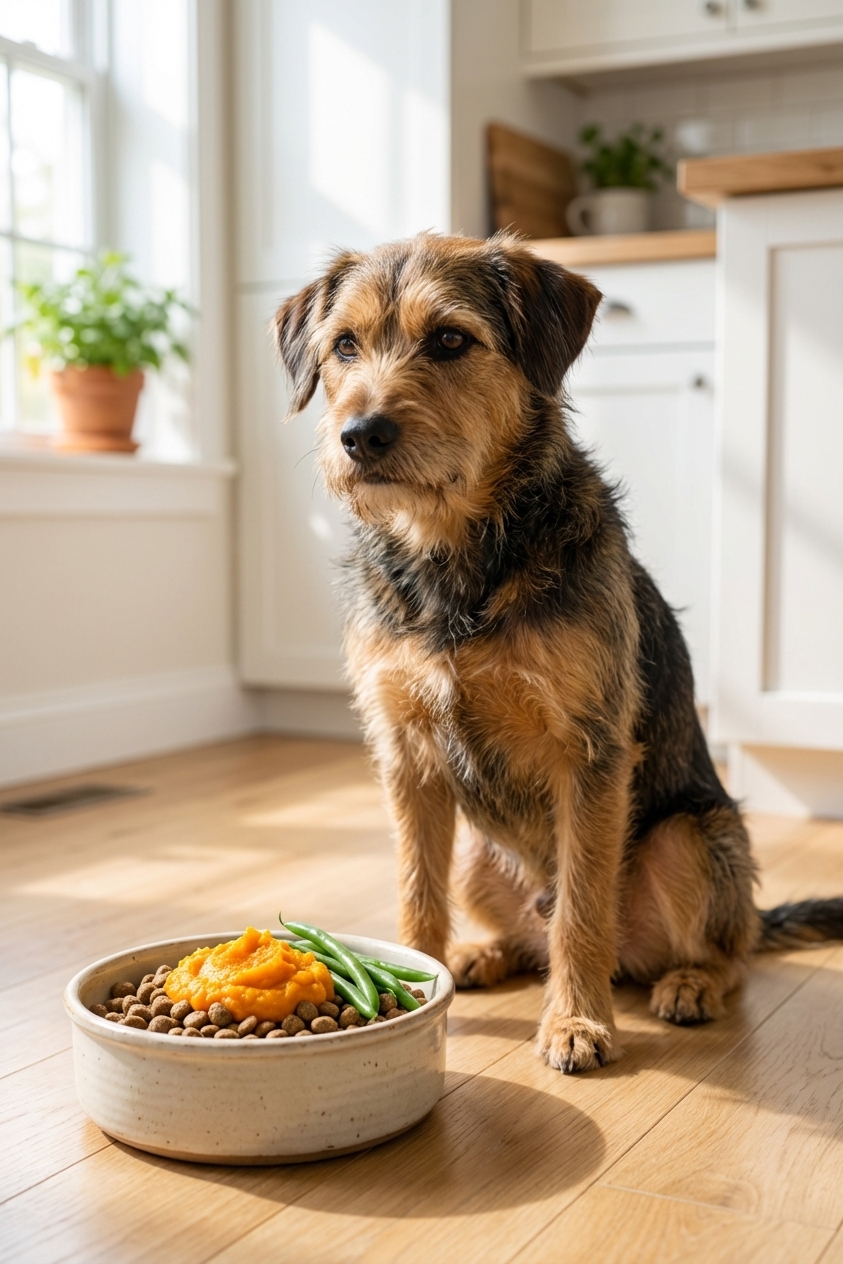
- Gut support topper: 1 to 2 tablespoons plain pumpkin mixed into the regular meal
- Shiny coat bite: a small spoonful of low-sodium sardines in water mixed into food once or twice a week
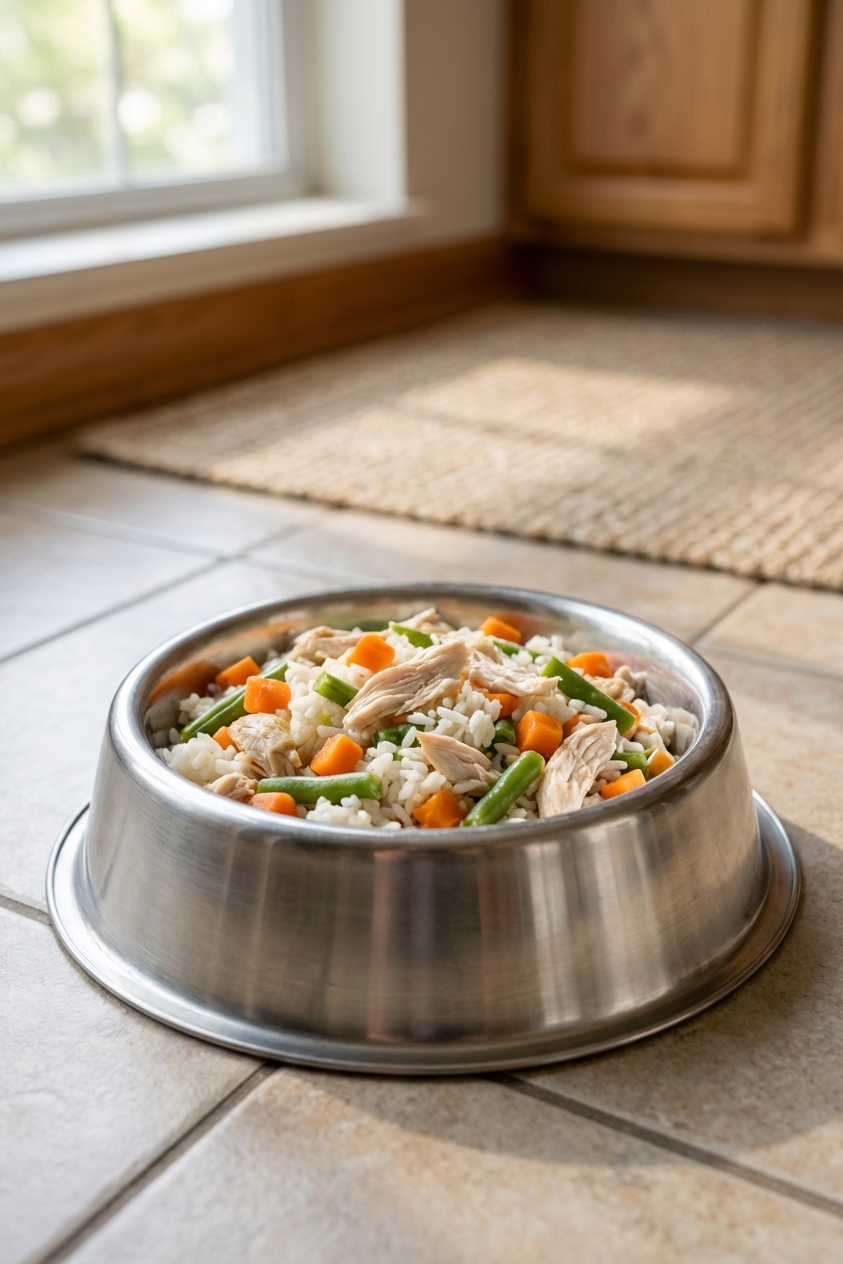
- Easy recovery bowl: cooked turkey, cooked rice or oats, and steamed carrots (small pieces)
- Cool treat: plain kefir frozen in a silicone mold for a warm day

When homemade needs planning
Adding a spoonful of a whole food topper is different from feeding a fully homemade diet. If you want to move toward 50/50 or 100% homemade, it is worth working with your veterinarian or a board-certified veterinary nutritionist to ensure:
- Calcium and phosphorus are balanced
- Essential fatty acids are adequate
- Vitamins and trace minerals are covered consistently
The goal is wellness, not just freshness. Balanced nutrition is what keeps “healthy” from accidentally turning into “deficient.”
Good food supports good energy. And good energy is one of the clearest signs your dog is thriving.