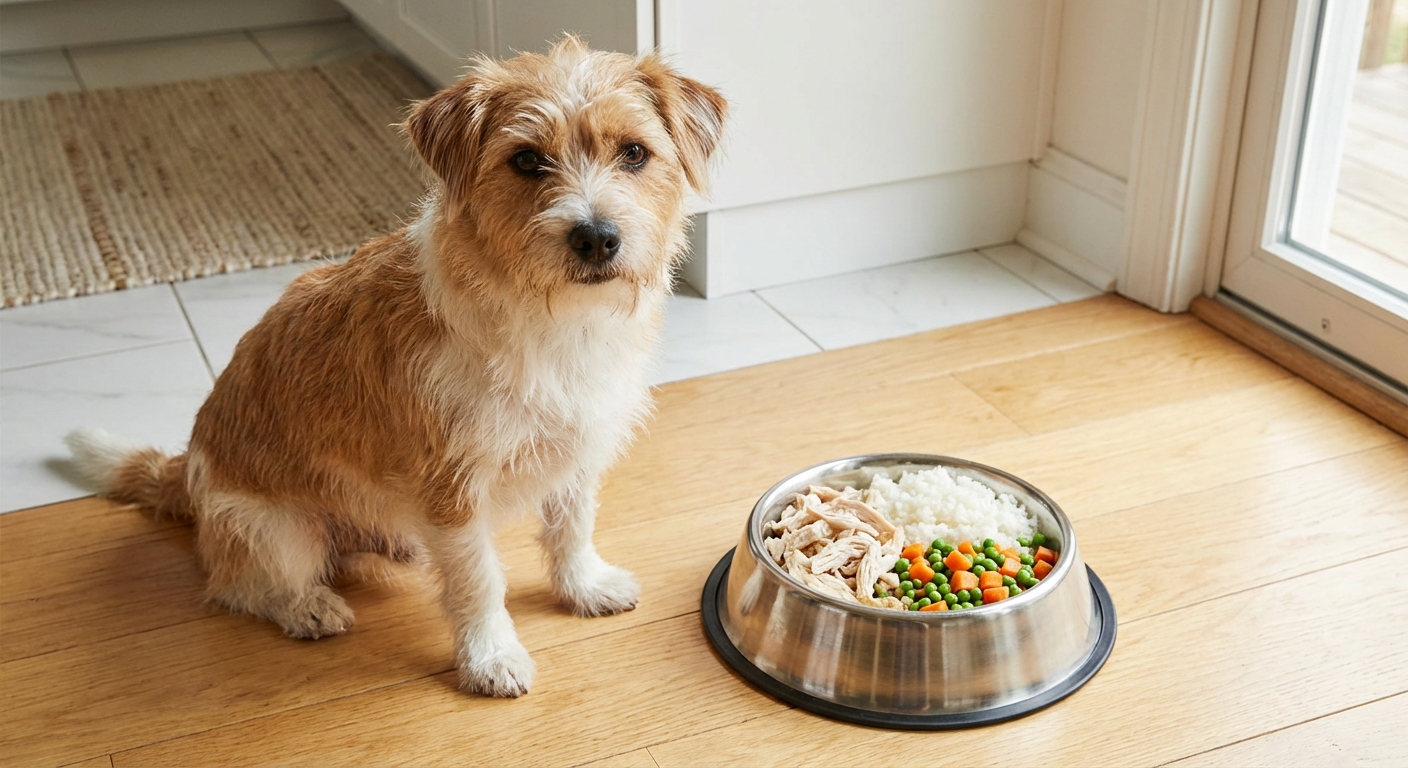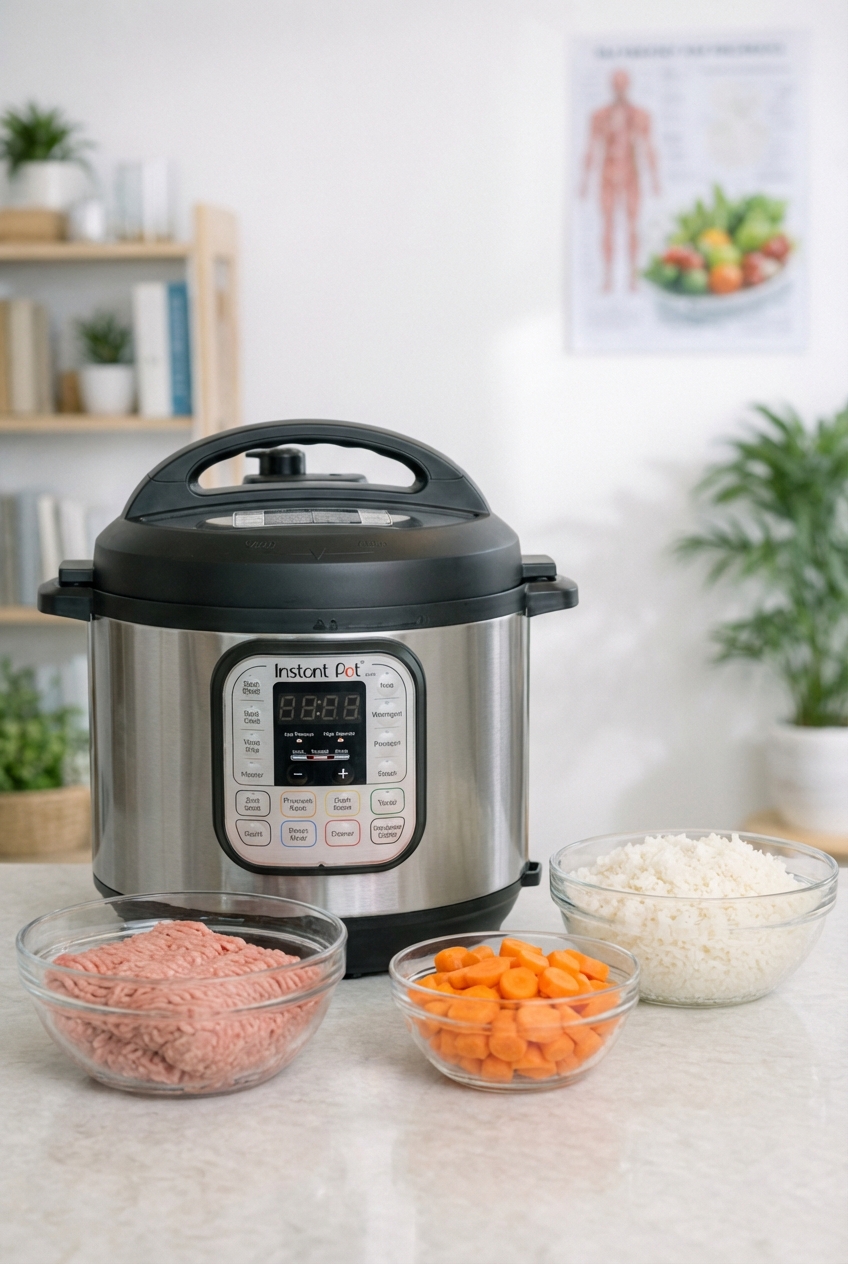
Busy schedule? Cook real dog food in your Instant Pot with a simple turkey, rice, and veggie batch. Get meal-prep, storage, feeding tips, and how to keep hom...
Article
•
Designer Mixes
Wellness Crate Train Dog Guide

Shari Shidate
Designer Mixes contributor
Crate training as a wellness tool
Crate training is not about confinement for convenience. When it is done gently and correctly, a crate can become a dog’s safe, predictable rest space that supports emotional regulation, better sleep, and safer household routines. As a veterinary assistant in Frisco, Texas, I’ve seen how a thoughtfully crate-trained dog often handles life’s stressors more smoothly: vet visits, travel, guests at the door, recovery after surgery, and even thunderstorms.
The goal is simple: your dog chooses the crate because it feels good. That is wellness-focused crate training in a nutshell.
Choosing the right crate setup
Think of the crate like a bedroom. Size, airflow, comfort, and location all matter. A well-matched setup makes training easier and can reduce stress behaviors like whining, scratching, and refusal.
Crate type
- Wire crates provide airflow and visibility and are easy to clean. Many fold flat for travel.
- Plastic airline-style crates feel more enclosed and can help some dogs settle faster.
- Soft crates work best for dogs who are already crate trained and do not chew or paw at fabric.
Crate size
Your dog should be able to stand up, turn around, and lie down comfortably. For puppies, consider a crate with a divider so the space can “grow” with them. Too much room can increase accidents because puppies may potty on one side and sleep on the other.
Comfort and safety basics
- Bed or mat: Start simple. For chewers, use a chew-resistant mat until you trust them with plush bedding.
- Water: For longer crate sessions, many dogs do best with access to water via a crate-mounted bowl. Some dogs are messy drinkers or tip bowls, so choose a spill-resistant option. Avoid routinely restricting water for long periods. Heat, exercise, and certain medical conditions can increase water needs. For young puppies and overnight routines, ask your veterinarian what is appropriate for your dog.
- Chew item: Use safe options like a stuffed food toy. Avoid items that splinter or break into choking hazards. If your dog shreds toys, choose a safer alternative and size appropriately.
- Placement: Pick a calm spot where your dog can still feel part of the household. Many dogs do best near family activity during the day and near the bedroom at night, at least during training.
What good crate training looks like
If crate training is working, you will see these signs over time:
- Your dog enters the crate willingly when you cue them or when they are tired.
- They can relax in the crate without frantic panting, persistent barking, or trying to escape.
- They recover from excitement faster after guests arrive or after a walk.
Normal “I’m not thrilled” behaviors can include a brief whine, a few paw taps, or a short protest bark. Stress signals that mean you should slow down include repeated yawning when not tired, lip licking, trembling, pinned-back ears, wide eyes, pacing, drooling, or frantic scratching.
If your dog is panicking, drooling excessively, breaking teeth trying to get out, or self-injuring, pause the plan and speak with your veterinarian or a credentialed trainer. Severe distress can indicate separation anxiety or a fear response that needs a tailored approach. For some dogs with separation anxiety, crating can make things worse, and a pen or puppy-proofed room may be a better starting point.
Step-by-step crate training
Most dogs do best when we build positive associations in small steps. Think “short and successful” rather than “long and forced.” This is a science-informed approach that aligns with modern, positive-reinforcement behavior guidance.
Step 1: Make the crate a snack station
- Leave the door open.
- Toss high-value treats just inside the doorway, then deeper inside.
- Feed meals near the crate, then gradually place the bowl inside.
Step 2: Add a calm cue
Use a simple phrase like Crate or Bed. Say the cue once, toss the treat in, and let your dog choose to go in. The treat is the message: going in is rewarding.
Step 3: Close the door briefly
When your dog is happily eating inside, gently close the door for 1 to 3 seconds, then open it before they worry. Slowly increase duration over multiple sessions. If you see stress signs, go back to an easier step.
Step 4: Build time with enrichment
Use a stuffed food toy to help your dog settle. This supports relaxation and gives your dog a job. A simple starter is kibble mixed with a spoon of plain canned pumpkin or plain, unsweetened yogurt, then frozen in a durable toy.
Food safety note: Introduce new foods gradually, keep portions small, and avoid sweeteners like xylitol. Some dogs are sensitive to dairy, so choose lactose-free options or skip yogurt if it does not agree with your dog.
Step 5: Add distance and real life
Practice stepping away for a few seconds, then returning calmly. Increase time gradually. Mix in very easy repetitions so your dog keeps confidence.
Wellness tip: Your dog should not learn that the crate only predicts you leaving. Crate them sometimes while you fold laundry, cook dinner, or read a book nearby.
How long can a dog stay in a crate?
There is no one perfect number because age, health, training, and routine matter. In general, shorter is better, and frequent breaks support both physical comfort and emotional wellbeing.
General guidelines
- Puppies: They need more frequent potty breaks and shorter awake crate sessions. A common conservative starting point is about one hour per month of age during the day while awake, but individual needs vary based on house-training progress, activity level, and whether your puppy is sleeping or actively trying to hold it.
- Overnight sleep: Many puppies can sleep longer stretches at night than they can manage during the day. Listen for true potty needs and keep nighttime trips calm and boring.
- Healthy adult dogs: Many can rest in a crate for a few hours when properly exercised and trained, but they still need daily enrichment, movement, and social time.
- Seniors and medical cases: Arthritis, kidney disease, diabetes, and GI issues can require more frequent breaks. If your dog has a condition, follow your veterinarian’s guidance.
If your schedule requires long crating periods, consider a dog walker, doggy daycare, a trusted neighbor, or an exercise pen setup that provides more space and a potty option for very young puppies.
Crate training for better sleep
Quality sleep is a wellness superpower for dogs. A crate can reduce nighttime wandering, prevent unsafe chewing, and help puppies develop a predictable rhythm.
Night routine
- Potty break right before bed.
- Calm time: gentle petting, a short chew session, dim lights.
- Crate near your bed at first so your puppy feels secure.
- If your puppy cries, pause and listen. Some need a potty break. Keep it quiet and low-key, then back to the crate.
Common problems and kind fixes
Whining or barking
- Check needs first: potty, pain, thirst, temperature discomfort.
- Reward quiet: wait for a brief pause, then calmly reward or release.
- Increase exercise and enrichment: many “crate issues” are unmet activity needs.
In clinic, I often hear “they only cry in the crate,” and after a little digging it turns out the dog is either overtired, under-exercised, or the crate routine is moving faster than the dog can handle. Small adjustments usually make a big difference.
Accidents in the crate
- Ensure crate is not too large.
- Increase potty breaks and supervision.
- Clean with an enzyme cleaner to remove odor cues.
Chewing the crate or bedding
- Switch to a safer, simpler mat.
- Provide appropriate chews and food toys.
- Talk to your vet if chewing is frantic or sudden, which can signal anxiety or discomfort.
Refusing to enter
- Go back to door-open treat tosses.
- Use higher-value rewards like small pieces of cooked chicken.
- Never push or drag a dog into the crate. It damages trust and slows training.
Crate safety notes
- Not for punishment: The crate should not be used to scare, isolate, or “teach a lesson.”
- Avoid prolonged daily confinement: Crates are for rest and safety, not for parking a dog all day.
- Remove snag hazards: Take off collars, tags, and harnesses if there is any chance they can catch on the crate. Never crate a dog in a choke chain or prong collar.
- Choose enrichment wisely: Some dogs can safely work on a sturdy food toy in the crate, while others will shred and swallow pieces. If you are unsure, supervise and ask your vet or trainer for recommendations.
Adult and rescue dogs
Adult dogs and rescues can learn to love a crate, but they may need a slower pace. Some have a history of confinement stress, long shelter stays, or a bad experience with a crate. Keep early sessions extra short, use higher-value rewards, and prioritize choice. If your dog shows intense distress, consider starting with an exercise pen or a puppy-proofed room while you build calm skills.
Crate training and whole-body wellness
A calm crate routine supports wellness in ways people do not always expect:
- Stress reduction: predictable rest time can lower arousal and help dogs self-soothe.
- Digestive health: consistent routines often lead to more predictable bowel movements.
- Injury prevention: fewer opportunities for unsafe chewing, trash eating, and household accidents.
- Training success: a well-rested dog learns faster and reacts less.
Pair your crate routine with the other pillars of wellness: balanced nutrition, daily movement, dental care, parasite prevention, and regular veterinary checkups. Small habits add up, and your dog feels the difference.
Quick start checklist
- Pick a properly sized crate with a comfy, safe surface.
- Leave the door open and feed treats inside.
- Close the door for seconds, then minutes, building gradually.
- Use enrichment like stuffed food toys to encourage settling.
- Practice crating when you are home, not only when you leave.
- Keep sessions short, calm, and positive.
If you want help tailoring a plan, ask your veterinarian for trainer recommendations. Look for positive-reinforcement professionals with credentials and a focus on behavior wellness.