See the most common cat allergy symptoms—itching, hair loss, ear debris, vomiting and diarrhea—plus top triggers, vet diagnosis steps, and proven home ca...
Article
•
Designer Mixes
Wellness Cats With Allergies Treatment Handbook

Shari Shidate
Designer Mixes contributor
If your cat is itchy, over-grooming, getting recurring ear infections, or vomiting more than seems normal, allergies may be part of the story. I know how frustrating it can feel, because cat allergies rarely have one simple cause. The good news is that most cats can feel much better with a step-by-step plan that includes smart diagnostics, targeted treatment, and wellness support at home.
This handbook walks you through the most common allergy types in cats, what to ask your veterinarian, and how to create a practical routine that supports your cat long-term.
Cat allergy basics
An allergy is an overreaction of the immune system to something that is usually harmless, like a flea bite, a food ingredient, or pollen. In cats, allergy symptoms most often show up in the skin and ears, and they can also involve the digestive tract.
Common signs
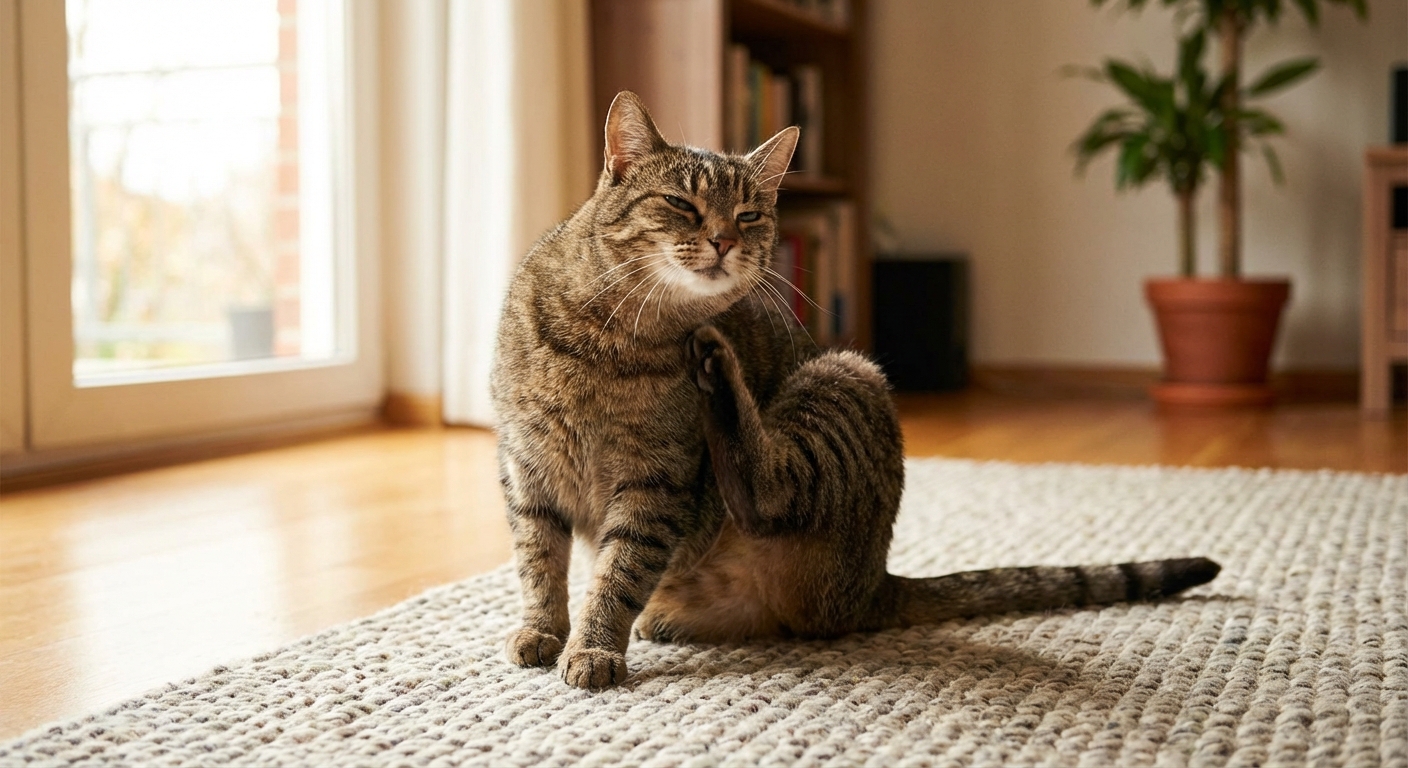
- Itching, licking, chewing, or over-grooming, especially belly, legs, and back
- Hair loss or thinning coat (often from self-grooming)
- Scabs and crusting, often around the neck and back (miliary dermatitis pattern)
- Redness, sores, or scratch marks, especially on face and neck
- Raised, inflamed plaques or lip ulcers (part of the eosinophilic granuloma complex)
- Ear debris, odor, head shaking, or recurring ear infections
- Vomiting, diarrhea, soft stools, or excessive gas (can occur, but is not always due to food allergy)
- Watery eyes, sneezing, or nasal discharge (less common than in people)
Important note: Allergies can look like many other problems, including mites, ringworm, bacterial or yeast overgrowth, hormonal disease, pain, stress-related over-grooming, or inflammatory bowel disease. That is why a methodical approach matters.
Types of allergies in cats
Flea allergy dermatitis (FAD)
This is a very common cause of itch in cats. A cat can be allergic to flea saliva, and even a single bite can trigger days of itching.
Clues: Scabs along the back and near the tail base, intense itching, and seasonal flare-ups. You might not see fleas, especially if your cat grooms them off.
Food allergy or food intolerance
Food allergy is usually a reaction to a protein source, not “grain” by default. Food intolerance can cause similar digestive signs without a classic immune allergy. Both can look identical at home.
Clues: Itching year-round, recurring ear infections, vomiting, diarrhea, or a mix of skin and GI symptoms.
Environmental allergies (atopy)
These are reactions to things like dust mites, pollen, molds, and grasses. Many cats have skin signs, and some have respiratory signs.
Clues: Seasonal pattern, paw chewing, facial itching, recurrent skin or ear flare-ups.
Contact allergies (less common)
Some cats react to certain litters, cleaning products, scented sprays, or fabrics.
Clues: Redness or rash on areas that touch the trigger, like feet and belly.
Start with smart diagnosis
Allergy treatment works best when we identify likely triggers, treat secondary problems, and choose the least intense medication that still gives relief. The exact plan depends on which allergy type is most likely for your cat.
What your veterinarian may recommend
- Full skin and ear exam with otoscopy: Helps your vet see deeper ear issues and look for clues on the skin and coat.
- Skin and ear cytology: Checks for yeast and bacteria that can drive itch and keep flares going.
- Parasite testing: Mites (including ear mites) can mimic allergy symptoms.
- Ringworm testing when indicated: Fungal culture or PCR may be recommended, especially with patchy hair loss or household exposure risk.
- Flea control trial: A strict plan for all pets in the home, even indoor-only cats.
- Food elimination diet trial: The gold standard for diagnosing food allergy.
- Allergy testing: Blood or intradermal testing is mainly used to guide immunotherapy for environmental allergies, not to diagnose food allergies.
Why structured trials are a win
With cat allergies, a structured trial is often the evidence-based path. You are gathering data. The goal is fewer flares, less medication over time, and a happier, more comfortable cat.
Flea allergy treatment
If fleas are part of the problem, you will not get lasting relief until flea control is consistent. Many cats with flea allergy need year-round prevention, and improvement can take time because the itch cycle and skin inflammation need to calm down.
Best practices
- Treat every cat and dog in the home with veterinarian-recommended flea prevention.
- Use products correctly and on schedule. Missed doses can restart the itch cycle.
- Plan on a serious trial: many households need at least 6 to 8 weeks of strict control to see steady improvement.
- Wash bedding regularly and vacuum common areas.
- Talk with your veterinarian before using over-the-counter flea products, especially in multi-pet homes. Some dog-only products are dangerous for cats.
- Safety reminder: Never use dog products containing permethrin on cats.
Food allergy diet trial
If your cat has year-round itch, recurring ear issues, or ongoing GI signs, your veterinarian may recommend an elimination diet trial. It can feel tedious, but it is often the clearest way to get answers.
How the trial works
- Choose a diet: Your veterinarian will usually recommend a veterinary hydrolyzed diet or a novel protein diet.
- Feed only that diet for 8 to 12 weeks: No flavored treats, no table food, no “tiny bites,” and avoid flavored medications when possible.
- Watch for hidden flavor sources: Pill pockets, flavored toothpastes, certain supplements, and some chewable preventives can invalidate a trial. Ask your veterinarian for alternatives that fit the plan.
- Track results weekly: Itch level, stool quality, vomiting, ear debris, and skin lesions.
- Challenge phase: If symptoms improve, your vet may advise reintroducing the old diet or specific ingredients to confirm the diagnosis.
Tips that make it easier
- Use the same diet as treats by setting aside a small portion of the daily food.
- If you have multiple cats, feed separately or use microchip feeders to prevent stealing.
- Ask about non-flavored parasite preventives and medications during the trial.
About homemade diets: Homemade can be an excellent long-term option for some cats, but for an elimination trial, it must be tightly controlled and balanced. If you want to go homemade, ask your veterinarian for a referral to a board-certified veterinary nutritionist so the recipe meets essential nutrient requirements.
Environmental allergies
When environmental allergies are the driver, we typically combine symptom relief, skin barrier support, and trigger reduction. What you choose depends on your cat’s pattern, your home, and your comfort level with medications.
Medications for itch control
- Corticosteroids: Often effective and fast, but long-term use can increase risk of diabetes, skin thinning, and other side effects.
- Cyclosporine: A common long-term option for allergic skin disease in cats. It may cause GI upset in some cats.
- Antihistamines: Can help mild cases, but results vary. Never give human medications without veterinary guidance.
- Topical therapy: Medicated wipes, rinses, and sprays can reduce surface allergens and calm inflammation.
Allergen-specific immunotherapy
This is the closest thing we have to addressing the root cause for environmental allergies. It is customized based on allergy testing. It can take months to see improvement. Some cats improve significantly and need less medication over time, while others still need additional support for flares.
Wellness support
Think of wellness support as lowering the “background inflammation” so your cat is less reactive and heals faster. These steps do not replace veterinary treatment, but they can make your plan work better.
Support the skin barrier
- Omega-3 fatty acids: Fish oil can support skin health and reduce inflammation in some cats. Use a cat-appropriate product and dose from your veterinarian to avoid GI upset and excess calories.
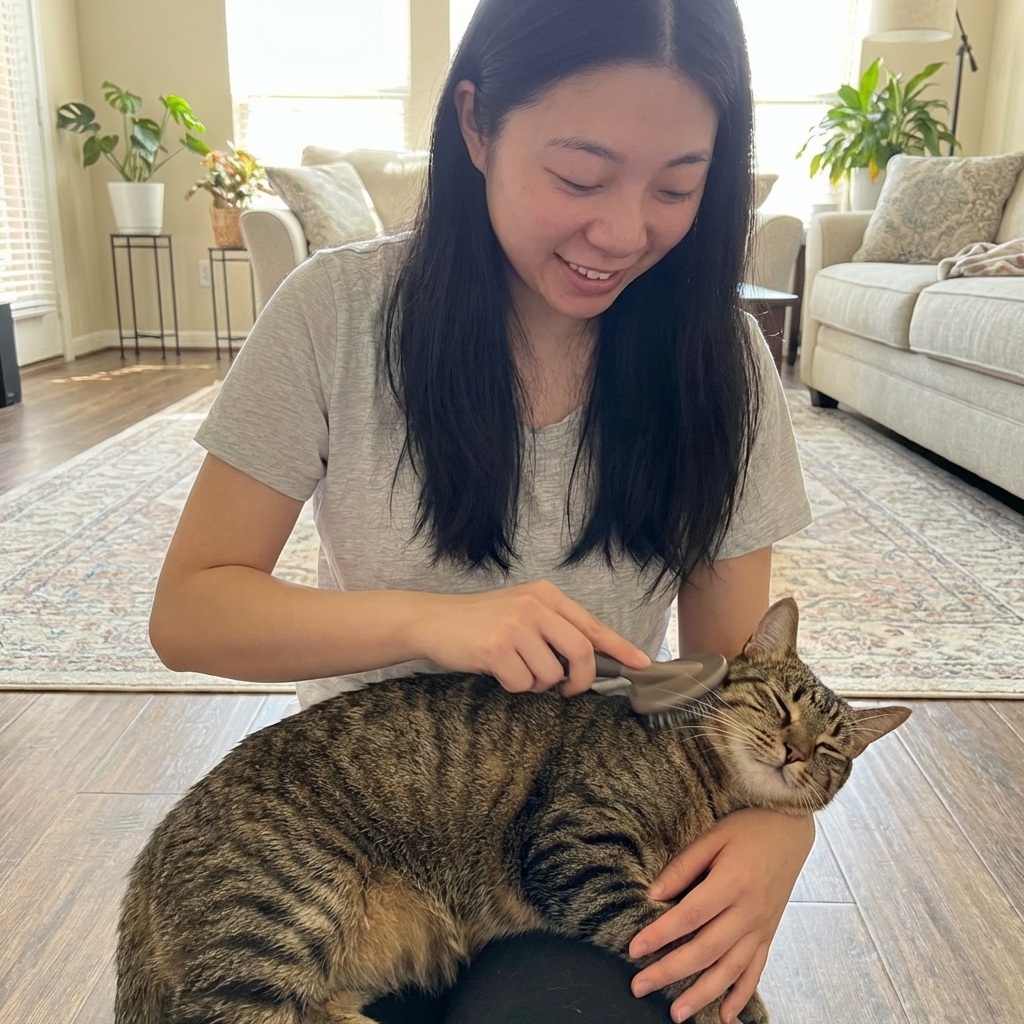
- Gentle grooming: Regular brushing removes allergens and distributes natural oils.
- Medicated bathing when recommended: Some cats tolerate mousse or wipe products better than baths.
Protect the gut
Many allergic cats have sensitive digestion. Your veterinarian may recommend a probiotic, especially if your cat has diarrhea or is on antibiotics for skin infections.
Reduce indoor triggers
- Use unscented litter and avoid strong room sprays or plug-in fragrances.
- Avoid essential oils around cats: “Natural” does not always mean safe, and some oils can be harmful to cats.
- Wash blankets and cat beds weekly in fragrance-free detergent.
- Vacuum frequently and consider a HEPA air purifier in your cat’s favorite room.
- Keep humidity moderate to reduce dust mite growth.
Secondary skin and ear issues
One big reason cats stay miserable is untreated secondary problems. Allergic skin and ears can develop bacterial or yeast overgrowth, and that can make the itching feel intense.
What treatment may include
- Topical ear medication or skin antiseptics
- Oral antibiotics or antifungals when needed
- Follow-up rechecks to confirm the overgrowth or infection is truly gone
If your cat improves with antibiotics but then flares again, that does not mean the antibiotics “failed.” It often means the underlying allergy trigger is still active.
Action plan
If you are ready to move from guessing to a clear plan, here is a simple, practical checklist.
- Book a veterinary visit for skin and ear evaluation, especially if there are sores, scabs, or head shaking.
- Start a symptom log with photos, itch score (0 to 10), vomiting or stool notes, and any new foods or products.
- Confirm flea prevention is up to date for all pets in the household and ask how long to run a strict flea trial in your region.
- Ask if a food trial makes sense and what diet is most appropriate for your cat.
- Discuss itch relief so your cat is comfortable while you investigate the cause.
When it is urgent
Please seek veterinary care promptly if you notice any of the following:
- Open wounds, facial swelling, or hives
- Not eating for more than 24 hours
- Labored breathing or persistent coughing
- Severe ear pain, head tilt, loss of balance
- Repeated vomiting, blood in stool, or signs of dehydration
You do not have to solve cat allergies in one day. With a steady, evidence-based plan, most cats can get real relief and get back to doing what they do best: resting comfortably, playing, and enjoying life at home.