
Water Intoxication in Dogs

On a hot Texas day, it feels like a great way to cool off to let your dog swim, chase a ball in the lake, or bite at the hose. Most of the time, that is true. But there is an uncommon but serious danger many pet parents have never heard of: water intoxication, also called hyponatremia.
As a veterinary assistant, I like to keep safety advice simple and actionable. This is general education, not a diagnosis. If you are worried about your dog after water play, call your veterinarian or an emergency clinic for advice specific to your pet.
Here is what water intoxication is, why it happens, what symptoms to watch for after water play, and when to head straight to the ER.
What it is
Water intoxication happens when a dog swallows too much water too quickly. The excess water dilutes the sodium level in the blood. Sodium is an electrolyte that helps control nerve and muscle function, including brain function.
When sodium drops fast, water shifts into cells. In the brain, that swelling can lead to neurologic signs like wobbliness, confusion, and seizures. This is why water intoxication is not just “an upset tummy from lake water.” It can become life-threatening.
Why it can happen in healthy dogs
Most dogs regulate their drinking just fine. The risk goes up when water play turns into repetitive, high-volume swallowing, especially during intense exercise when a dog is overexcited and not taking breaks.
Common triggers
Water intoxication is most often linked to repetitive water ingestion during play. The biggest culprits I see families mention are:
- Hose biting: Dogs snap at the stream and swallow water nonstop.
- Sprinklers and splash pads: Similar to hose play, just easier to keep going for a long time.
- Fetching balls or bumpers in water: Each retrieve can mean another mouthful of water.
- Swimming with a wide-open mouth: Some dogs gulp water while paddling hard.
- Chasing waves at the beach.
- Water bowl “obsession” after vigorous exercise: some dogs rapidly chug.
Dogs at higher risk include smaller dogs, young and high-drive retrievers, dogs that get intensely focused on toys, and dogs that do not self-limit when they are excited. Any breed can be affected.
Symptoms to watch for
Symptoms can show up during play, immediately afterward, or within a few hours. Early signs can be subtle, and that is what makes this dangerous. If you know your dog just had heavy water exposure, take these signs seriously.
Early symptoms
- Repeated vomiting or retching
- Excessive drooling
- Bloated or distended belly
- Lethargy or “not acting right” after being very energetic
- Restlessness or anxiety
- Appearing spacey, staring, or slow to respond
- Weakness
- Wobbliness or trouble standing
Important: A suddenly distended abdomen can be from swallowed water and air, but it can also be bloat (GDV), which is an immediate emergency. If your dog’s belly looks suddenly enlarged or tight, go to the ER.
Emergency symptoms
- Collapse
- Seizures
- Muscle tremors
- Unresponsiveness
Red-flag emergency signs (any cause)
These are not specific to water intoxication, but after water play they are still “go now” signs because they can signal shock, aspiration, heat illness, GDV, or other emergencies:
- Pale gums
- Labored or abnormal breathing
- Blue-tinged gums or tongue
When to go to the ER
If your dog had heavy water exposure and you notice any of the symptoms below, go to an emergency veterinarian immediately:
- Vomiting with weakness or lethargy
- Wobbliness, disorientation, or acting “drunk”
- Tremors
- Seizure (even one)
- Collapse or trouble staying upright
- Suddenly distended abdomen or repeated unproductive retching
- Any breathing trouble or pale gums
If you are unsure, call anyway. Hyponatremia is one of those situations where early care can prevent a scary spiral.
If you only remember one thing: vomiting plus “not acting right” after swimming, hose play, or water fetch is a reason to call an ER vet immediately.
What to do right now
If you suspect water intoxication, the goal is to get your dog evaluated quickly. Treatment is based on a physical exam and bloodwork to check electrolytes, especially sodium.
At home
- Stop all water play immediately and remove access to hose, sprinklers, pool, lake, or beach water.
- Do not force more water. If your dog wants a small sip, that is different than chugging, but avoid allowing large amounts until a vet has advised you.
- Keep your dog calm and cool. Excitement and heavy activity can worsen symptoms.
- Call an emergency vet and tell them: “My dog may have hyponatremia from excessive water ingestion.” That phrase helps them triage appropriately.
What not to do
- Do not try to treat this with salt at home. Rapid sodium correction can be dangerous. This needs veterinary guidance.
- Do not “wait it out” if symptoms are progressing.
- Do not give human medications unless a veterinarian specifically instructs you to.
How vets treat it
Treatment depends on severity and how low the sodium is. Mild cases may need monitoring, anti-nausea medication, and careful management of fluids. More serious cases may require:
- Electrolyte testing and repeat monitoring
- Targeted sodium correction under close supervision, which may include hypertonic saline in severe symptomatic cases
- Controlled IV fluids to support circulation and correct electrolytes safely
- Medications to control vomiting or seizures
- Hospitalization for neurologic and respiratory monitoring
The reason I emphasize “controlled” is important: the body does not like sodium to swing too fast in either direction. Getting help early is the safest path.
Look-alikes after water play
Not every sick dog after swimming has water intoxication. Some common problems that can look similar, and can also be emergencies, include:
- Heatstroke
- Aspiration or near-drowning (water inhaled into the lungs)
- Blue-green algae exposure (cyanotoxins)
- GI upset from swallowing dirty water
- Bloat (GDV)
This is another reason I am quick to recommend an ER visit when a dog is vomiting and acting off after water fun. A vet team can sort out the cause and start the right treatment fast.
Prevention
The best news is that prevention is very doable. You do not have to eliminate water fun. You simply want to manage intensity and reduce accidental gulping.
Safer water play rules
- Limit sessions: set a timer. Start with 5 to 10 minutes, then take a calm break.
- Build in dry breaks: towel off, walk around, and let excitement come down.
- Avoid direct hose-to-mouth play: if your dog loves the hose, redirect to chasing water on the ground instead of biting the stream. Avoid high-pressure jets.
- Choose smarter fetch: throw the toy to the shoreline or in very shallow water instead of long water retrieves over and over. Consider a set number of retrieves, like 5, then a break.
- Pick toys that reduce frantic gulping: larger floating toys are often safer than small balls that encourage chomping at water.
- Watch mouth style: dogs that swim with an open mouth or snap at water are higher risk. Keep sessions shorter.
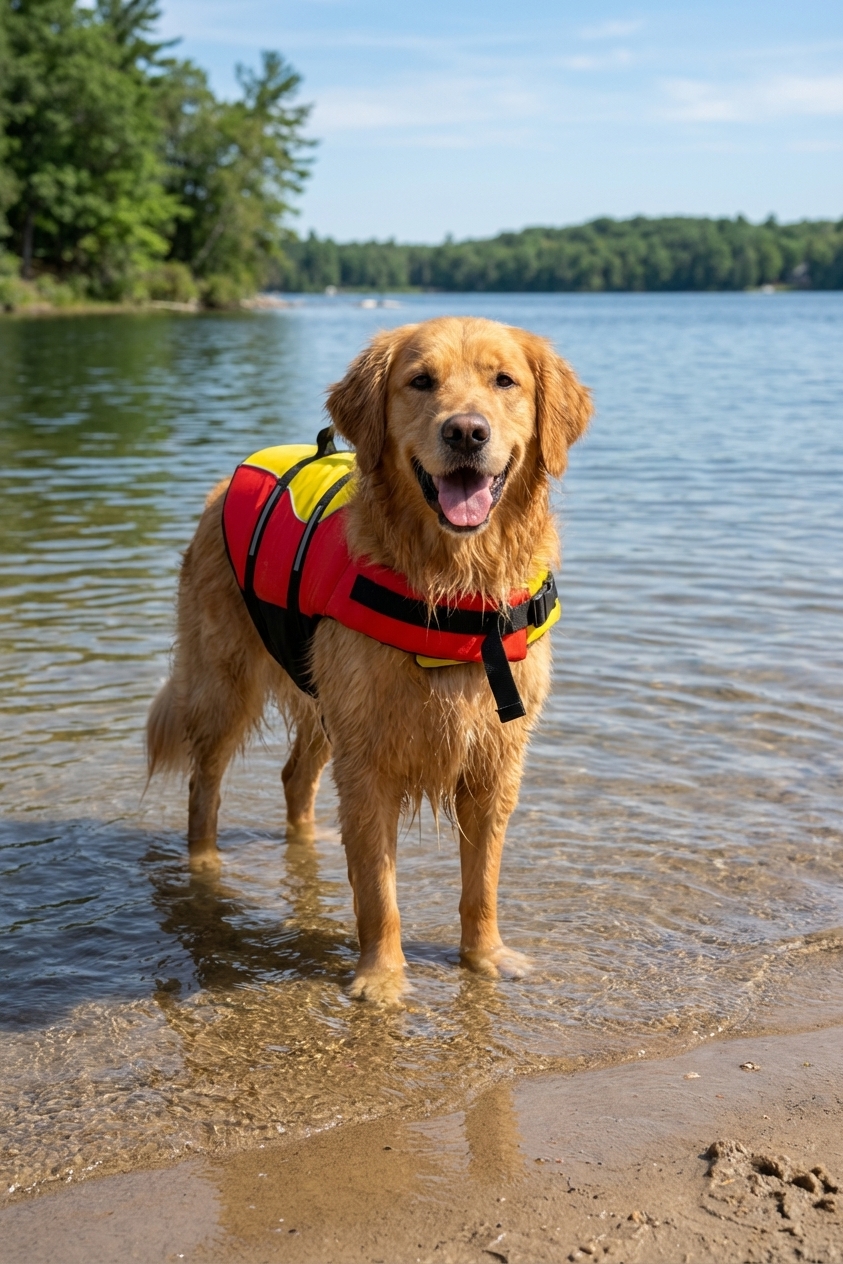
- Use a life jacket for enthusiastic swimmers: it can reduce frantic paddling and may reduce gulping.
- Teach “all done”: reward stopping. A dog that can disengage from the game is much safer.
Extra caution for small dogs and intense retrievers
Smaller dogs can reach a dangerous dose with less water, and retriever types can be so toy-focused they ignore fatigue and nausea. If your dog becomes obsessive, it is okay to be the “fun police.” You are not taking away joy, you are protecting their brain and body.
Quick FAQ
Is water intoxication the same as drinking dirty lake water?
No. Dirty water can cause GI upset or exposure to harmful algae and parasites. Water intoxication is about volume of water lowering sodium levels. A dog can get water intoxication even in a clean pool.
How fast can it happen?
It can happen during intense play or show up shortly after. If your dog has had a long session of repetitive gulping, monitor closely for the next few hours.
Should I restrict water after exercise?
Most dogs should be allowed reasonable access to water. The bigger issue is preventing compulsive gulping during water games. If your dog is chugging excessively or you suspect symptoms, call your vet for guidance rather than trying to manage it alone.