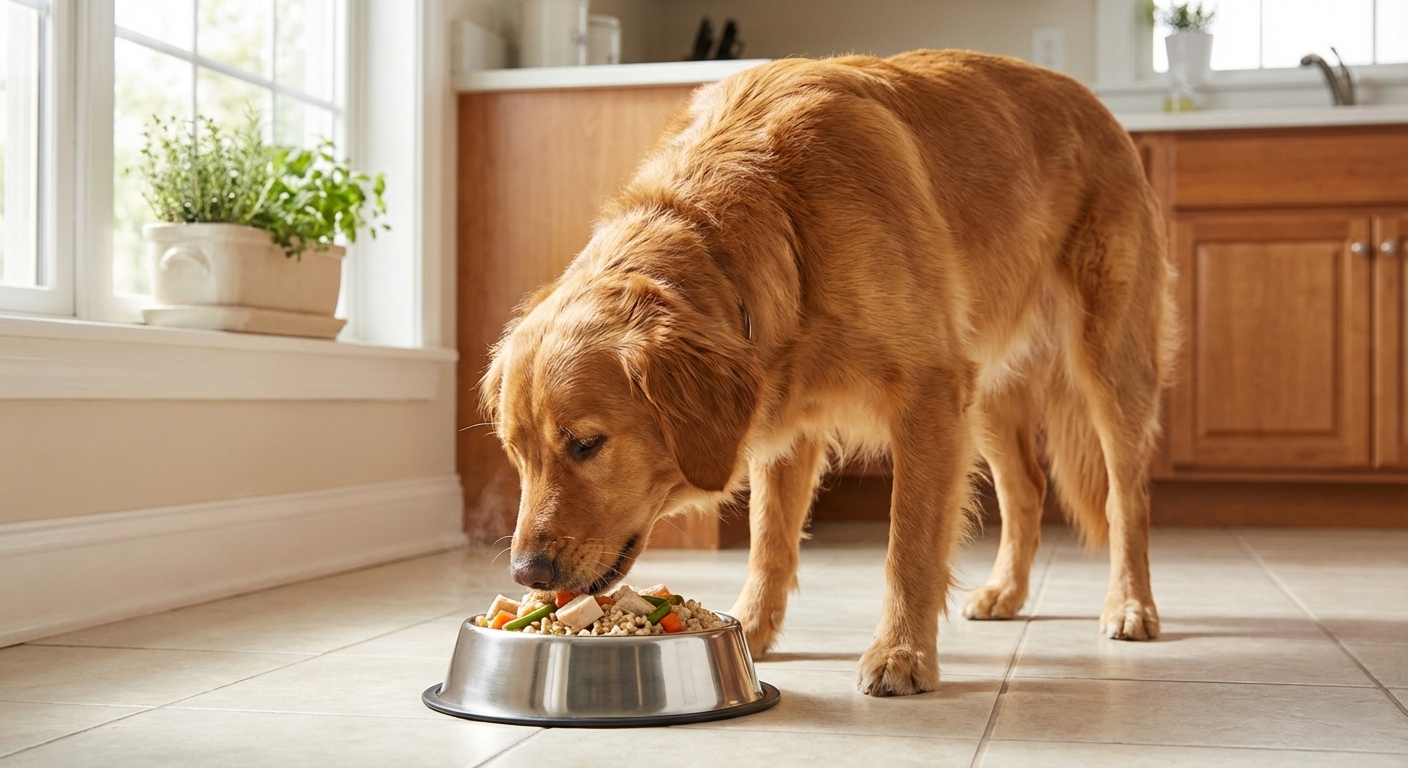
Learn vet-informed homemade meal templates for dogs with IBD, plus novel proteins, gentle carbs, fiber options, foods to avoid, and a step-by-step eliminatio...
Article
•
Designer Mixes
Vitamin B12 Dosage for Dogs

Shari Shidate
Designer Mixes contributor
Vitamin B12, also called cobalamin, is one of those small nutrients that can make a big difference when it is missing. In my work as a veterinary assistant, I have seen how low B12 can show up as low energy, stomach troubles, and a dog that just isn’t acting like themselves.
The good news is that B12 is considered very safe when used correctly, and many dogs respond beautifully once the underlying cause is addressed. Let’s walk through what B12 does, when dogs need it, and practical dosage basics you can discuss with your vet.
What Vitamin B12 does
B12 is a water-soluble vitamin involved in everyday functions your dog depends on, including:
- Red blood cell production (important for oxygen delivery and stamina)
- Nervous system support (including nerve signaling and brain health)
- DNA synthesis and cell turnover (especially in the gut lining)
- Metabolism of certain fats and proteins
Because B12 is closely tied to the gastrointestinal tract, dogs with chronic GI issues are the ones we most commonly see with deficiency.
Signs to watch for
B12 deficiency can look a lot like the disease causing it, so it helps to think of B12 as both a nutrient and sometimes a clue.
Possible signs of low B12
- Low energy or weakness
- Weight loss or poor weight gain
- Ongoing diarrhea or soft stool
- Reduced appetite or a “finicky” appetite
- Less commonly, neurologic changes (your vet will guide this)
Signs of an underlying GI problem
- Repeated vomiting
- Chronic loose stool or large-volume stool
- Ravenous appetite with weight loss (often discussed with EPI)
- Recurring bouts of stomach upset that do not fully resolve
Why dogs become B12 deficient
B12 deficiency is usually not from “not enough B12 in the food,” especially if your dog eats a complete and balanced commercial diet. More often, it is an absorption problem or a disease process affecting the intestines or pancreas.
That said, there are exceptions. A very restricted homemade diet, severe malnutrition, or an unbalanced food plan can contribute, which is one reason diet history matters so much at the vet visit.
Conditions often linked with low B12
- Chronic enteropathy (IBD-like conditions)
- Exocrine pancreatic insufficiency (EPI)
- Small intestinal dysbiosis (bacterial imbalance)
- Intestinal parasites in some cases
- Severe or ongoing diarrhea
If your dog has chronic loose stool, weight loss, a ravenous appetite with weight loss, or repeated vomiting, ask your veterinarian about checking a serum cobalamin level. This simple blood test often gives us a very helpful clue.
Depending on your dog’s signs, your vet may also recommend related testing such as folate, and pancreatic testing (often TLI for suspected EPI and sometimes other pancreatic or GI markers). The interpretation matters, so it is best read in context of your dog’s full case.

B12 dosage basics
Important: The right dose depends on your dog’s weight, lab values, the formulation being used, and why B12 is being given. Always confirm a plan with your veterinarian, especially if your dog has chronic GI disease, EPI, kidney disease, or is on multiple medications.
Common forms
- Cyanocobalamin: very commonly used (especially for injections)
- Hydroxocobalamin: also used in some regions and protocols
Two common ways B12 is given
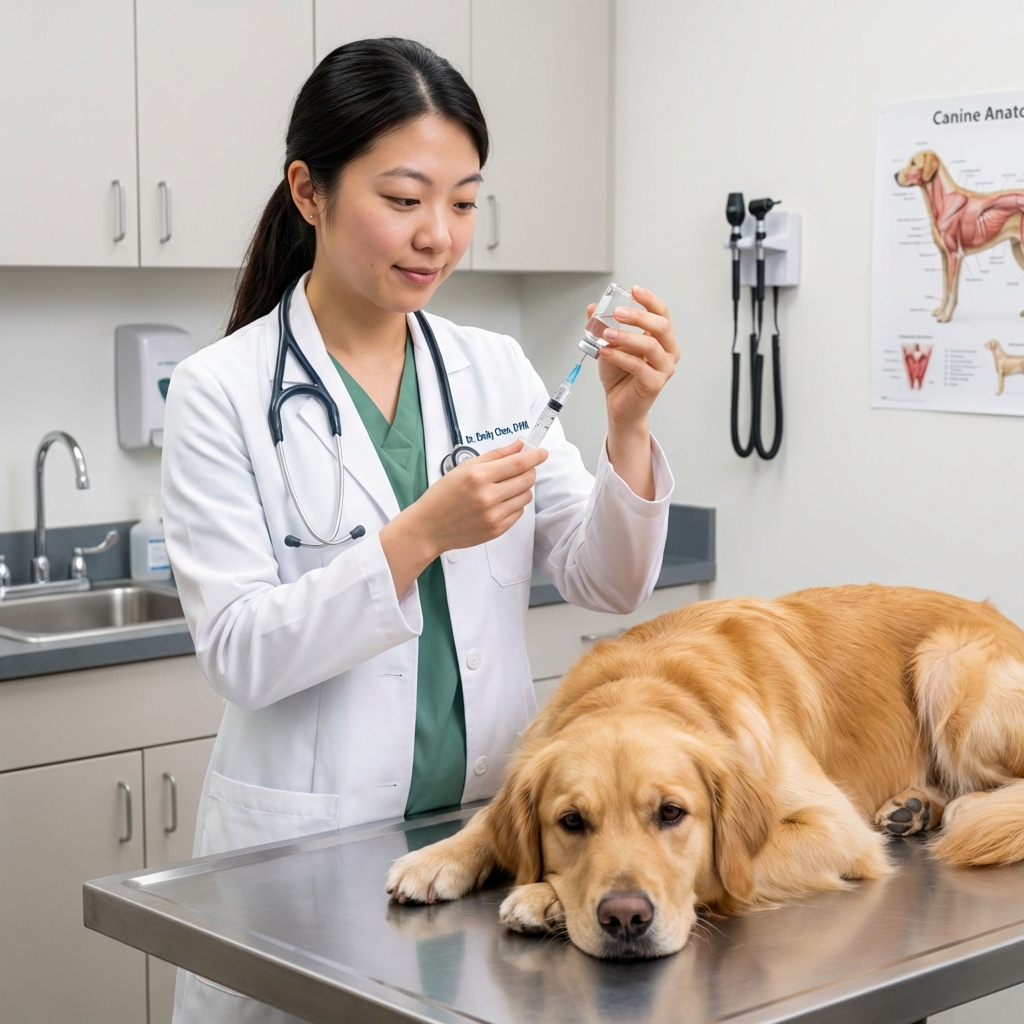
- Injection (often most reliable): Typically given under the skin. This route is often chosen when absorption is poor or deficiency is significant.
- Oral supplement: Sometimes helpful for mild deficiency, diet support, or maintenance once levels are stable.
Typical injection dosing (what you may see)
Veterinary protocols vary widely by clinic, region, and the patient’s diagnosis. Many clinicians use dosing in a range like:
- About 25 to 50 micrograms per kilogram (mcg/kg) per injection
- Often given once weekly for several weeks, then tapered (for example, every other week, then monthly) based on response and retesting
Some practices use simplified weight-band dosing (a set microgram amount for small, medium, and large dogs), and some use different schedules published in different references. Your veterinarian will choose the protocol that best fits your dog’s case and follow-up plan.
Typical oral dosing (when appropriate)
Oral B12 dosing is less standardized because absorption can be the issue. Veterinarians may recommend:
- Daily oral cobalamin in microgram amounts that scale with dog size
- A recheck blood level after a set period to confirm it is working
If your dog’s gut cannot absorb B12 well, oral supplements may not raise levels enough. However, some dogs do respond to higher-dose oral cobalamin, even with GI disease, so it is worth discussing what is realistic for your dog and how you will measure success.
A simple example of how vets plan it
This is not a prescription, just a common way the process is explained in clinic: your vet may calculate a mcg/kg dose, start weekly injections for a few weeks, then either taper injections or transition to oral support. After that, they often recheck cobalamin (sometimes along with other GI labs) to make sure levels are truly improving.
Tips before you supplement
1) Test first when signs are ongoing
It is tempting to guess, but chronic GI signs deserve a real workup. A cobalamin test can be paired with other helpful GI labs (like folate and pancreatic tests), depending on your vet’s plan.
2) Injections can restore levels faster
When a dog is truly deficient, injections bypass the gut and can help rebuild levels more reliably. Many pet parents learn to do the injections at home with guidance, which can be both affordable and low-stress for the dog.
3) Treat the root cause
B12 can support recovery, but if the underlying issue is EPI, chronic enteropathy, parasites, or diet intolerance, you will get the best long-term results by addressing that too.
4) Watch for improvement, then retest
Signs that can improve when B12 deficiency is corrected include:
- Better stool quality
- Improved appetite regulation
- Weight stabilization
- More energy
Still, the most objective way to know you are on track is retesting your dog’s blood level based on your vet’s timing.
5) Choose pet-appropriate products
If you are using an oral supplement, choose a reputable brand and avoid products that combine lots of extra herbs or ingredients unless your veterinarian approves. For injections, use the product and concentration your clinic dispenses so dosing stays consistent.
Is Vitamin B12 safe?
In general, B12 is considered very safe because it is water-soluble and the body can eliminate excess. That said, correct dosing and monitoring still matter because:
- Your dog may need a different plan depending on the underlying disease
- Injections require proper handling and technique
- Some dogs may be sensitive to preservatives in certain formulations
If you notice swelling, hives, vomiting, collapse, or facial itching after any injection or supplement, contact your veterinarian right away. True severe reactions are uncommon, but it is always better to be cautious.
Food sources of B12
B12 is naturally found in animal-based foods. In homemade diets, common sources include:
- Beef, turkey, chicken, and fish
- Eggs
- Organ meats (especially liver, in appropriate amounts)
Food can support overall nutrition, but if your dog has malabsorption, simply adding more B12-rich foods may not correct a true deficiency. That is when targeted supplementation, often injections, becomes so valuable.
When to call your vet
Please reach out to your veterinarian if your dog has any of the following:
- Diarrhea lasting more than 48 hours
- Weight loss, especially with increased appetite
- Repeated vomiting
- Extreme lethargy or weakness
- A diagnosis of EPI or chronic enteropathy and no recent B12 test
B12 can be a simple, high-impact part of a bigger plan, but it works best when we use it based on evidence and your dog’s individual needs.
If your dog’s stomach and stools have been “off” for a while, ask your veterinarian about a cobalamin test. It is one of those small details that can unlock a much clearer path forward.