Vet-informed guide to a short-term bland diet for dogs: chicken and rice 1:2 ratio, daily cup ranges by weight, how many meals to split into, and red flags t...
Article
•
Designer Mixes
Veterinarian-Recommended Food for Dogs With Diarrhea

Shari Shidate
Designer Mixes contributor
Diarrhea is one of the most common reasons pet parents call a vet, and I get it. It is messy, stressful, and it can feel like it came out of nowhere. The good news is that many mild cases improve quickly with the right short-term diet and a little patience. The key is knowing when home care is appropriate and when you need a veterinarian right away.
This guide walks you through foods that are commonly veterinarian-recommended for a sensitive stomach, plus simple routine tips that can help diarrhea resolve faster. I am a veterinary assistant in Frisco, Texas, and I will keep this practical, evidence-based, and doable for a busy home.
First: is it an emergency?
Some diarrhea is mild and self-limiting. Other times it is a sign of dehydration, infection, pancreatitis, toxin exposure, intestinal obstruction, or a flare of a chronic condition. If any of the red flags below apply, do not wait. Call your veterinarian or an emergency clinic.
- Puppy, senior, or dog with a chronic disease (kidney disease, diabetes, Addison’s, cancer)
- Repeated vomiting, inability to keep water down, or severe lethargy
- Blood in stool (bright red or black, tarry stool)
- Signs of dehydration (tacky gums, sunken eyes, weakness), diarrhea that is very watery and frequent, or your dog will not drink
- Abdominal pain, bloating, or repeated straining with little output
- Possible toxin exposure (trash, xylitol gum, medications, grapes/raisins, rodent bait)
- Possible foreign body (strings, toys, socks, corn cobs, bones) or a dog who is trying to vomit but cannot
- Diarrhea that lasts more than 24 to 48 hours or sooner if it is severe, your dog seems unwell, or you are concerned
If your dog is bright, drinking, eating, and only has mild loose stool, supportive care is often appropriate while you monitor closely.
What “vet-recommended” diarrhea food means
When veterinarians recommend food for diarrhea, the goals are simple:
- Highly digestible so the intestines can rest and absorb nutrients
- Lower fat because fatty foods can worsen diarrhea and can contribute to pancreatitis in susceptible dogs
- Simple ingredients to reduce irritation and avoid potential allergens during a flare
- Soluble fiber in the right amount to help stool form and support the gut microbiome
- Hydration support since diarrhea pulls water and electrolytes out of the body
Most dogs do best with a short-term bland diet, then a gradual return to their normal food.
Best bland foods for diarrhea
These are classic options many clinics recommend for short-term use. The right choice depends on your dog’s age, medical history, and what triggered the diarrhea.
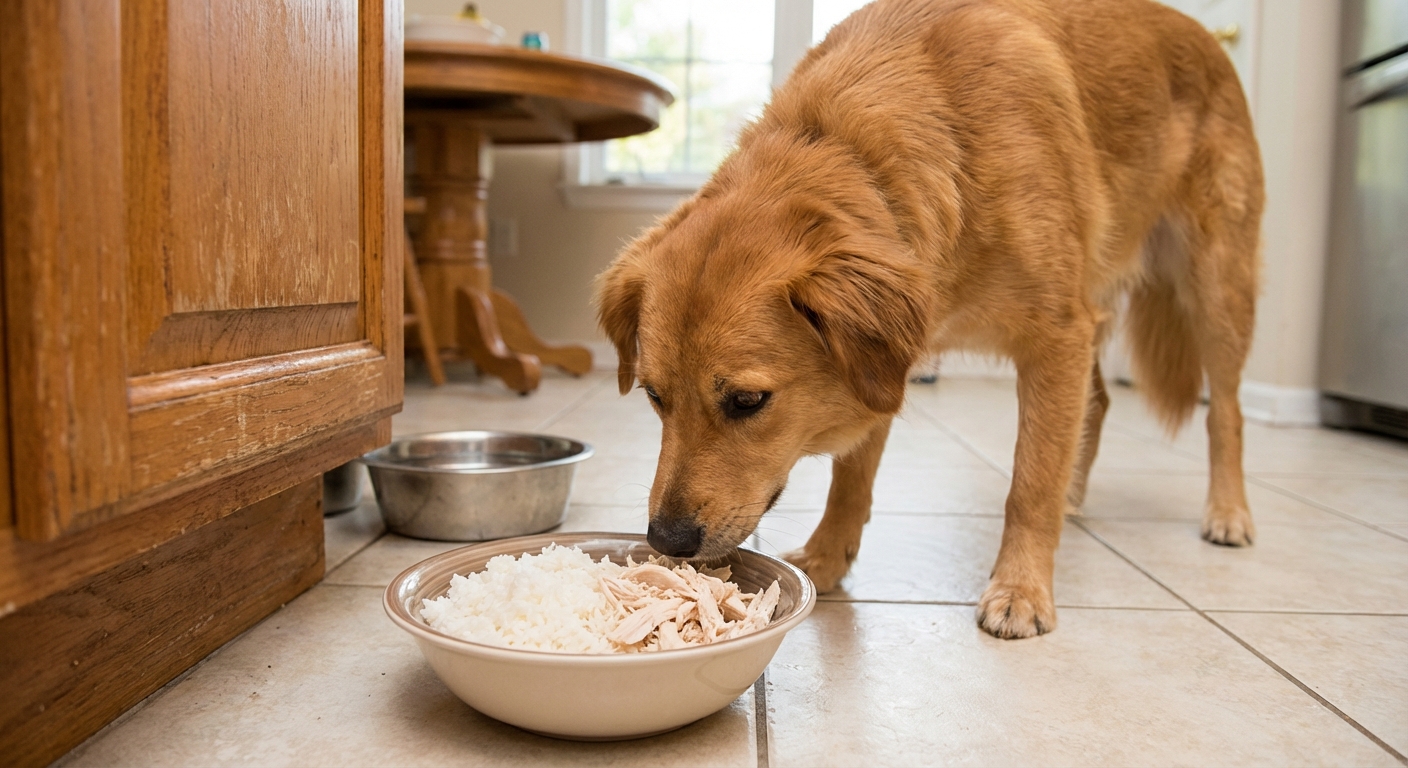
1) Boiled chicken breast and white rice
This is the well-known bland combo for a reason. It is gentle and easy to digest.
- Use skinless chicken breast. Boil it, drain well, and shred.
- Use plain white rice. No butter, oils, or seasoning.
- Common starting ratio: 1 part protein to 2 parts rice for a day or two.
Important: If your dog has a history of pancreatitis, ask your vet before using any meat, even lean options. Some dogs do best with an ultra-low-fat prescription GI diet during or after pancreatitis.
2) Lean ground turkey and white rice
Turkey can be a helpful alternative for dogs who do not tolerate chicken well.
- Choose the leanest turkey you can find.
- Cook thoroughly, then rinse and drain to reduce fat.
3) Boiled white fish and rice
White fish like cod or pollock is very lean and often well tolerated when other proteins are not.
- Bake or boil with no oil.
- Flake and remove all bones.
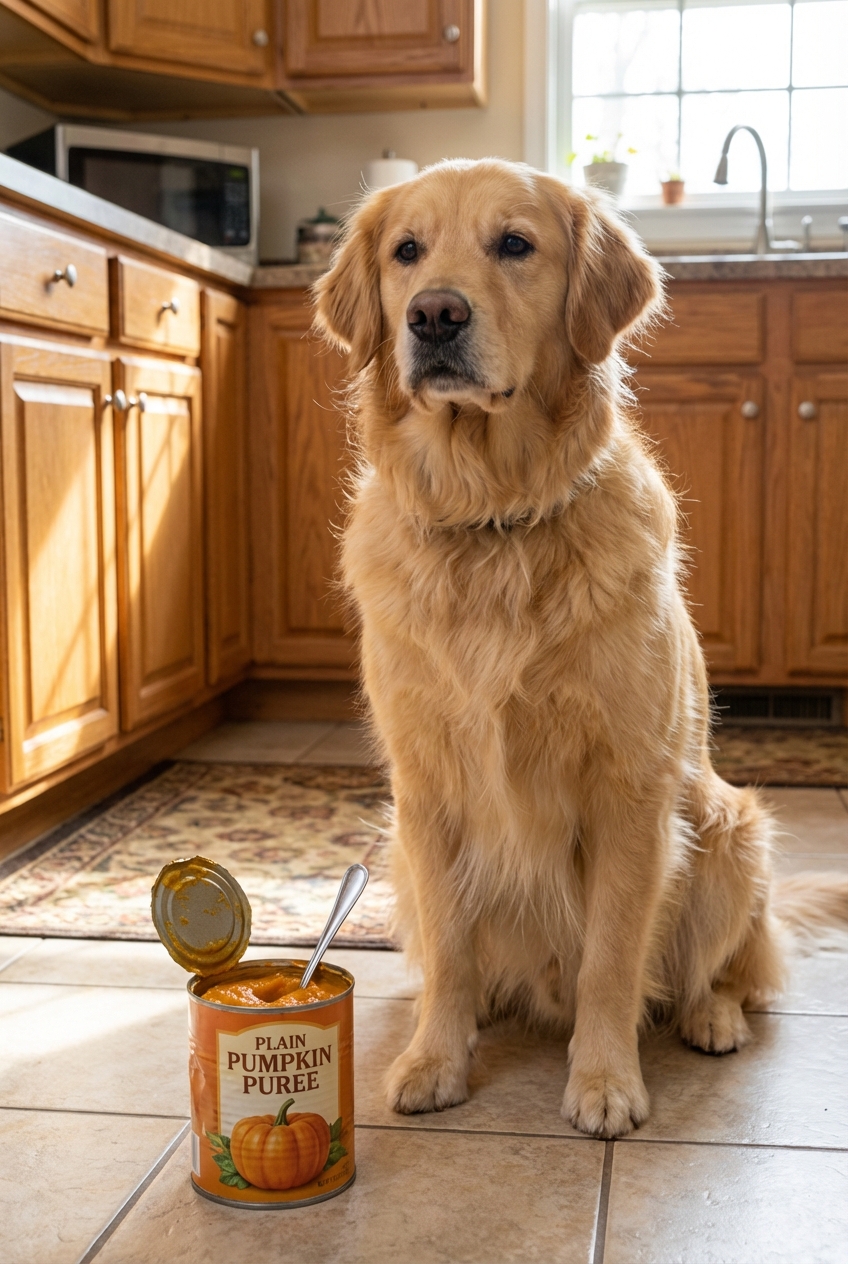
4) Plain canned pumpkin (not pie filling)
Pumpkin is a favorite for a reason. It provides soluble fiber that can help firm up stool and support the gut microbiome.
- Start small. A typical starting range is 1 to 2 teaspoons per 10 pounds of body weight per day, then adjust.
- Too much fiber can cause gas or looser stool, so increase slowly.
5) Prescription gastrointestinal diets
If your dog has recurring diarrhea, a very sensitive stomach, or diarrhea with vomiting, your veterinarian may recommend a therapeutic diet formulated for GI upset. These diets are designed to be highly digestible, include targeted fibers, and support recovery.
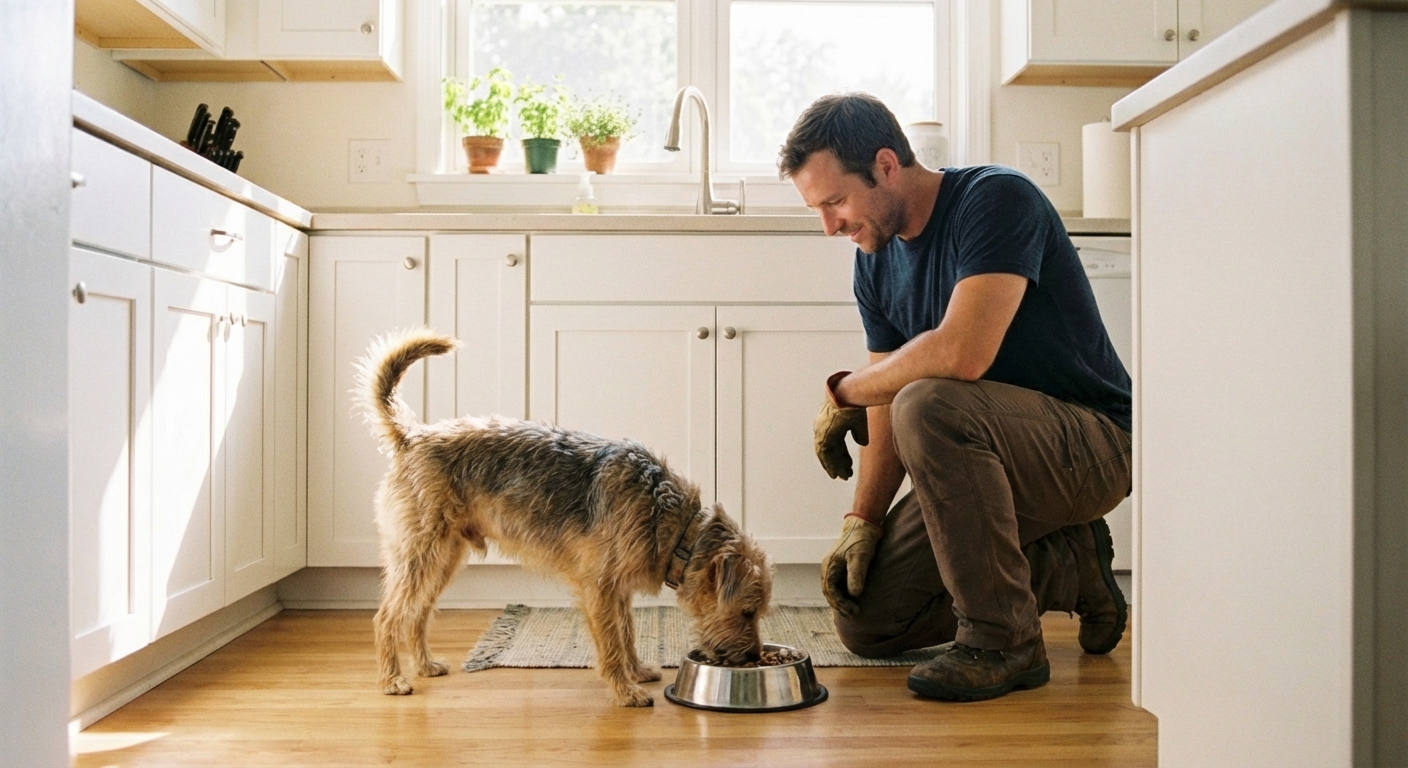
These are especially helpful when you need something consistent and nutritionally complete while the gut heals.
Foods to avoid
Even “healthy” foods can worsen diarrhea when the gut is inflamed. Avoid these until stool is normal again, and then reintroduce cautiously.
- High-fat foods (bacon, sausage, greasy scraps, skin-on poultry)
- Dairy (many dogs become temporarily lactose intolerant during GI upset)
- Rich treats and new chews (especially pig ears and very fatty training treats)
- Raw diets during active diarrhea (higher pathogen risk and harder to troubleshoot)
- Seasonings like garlic powder, onion powder, spicy foods, and salty broths
- Sudden diet changes or “buffets” of many new ingredients at once
How to feed
When a dog has diarrhea, feeding strategy matters almost as much as what is in the bowl.
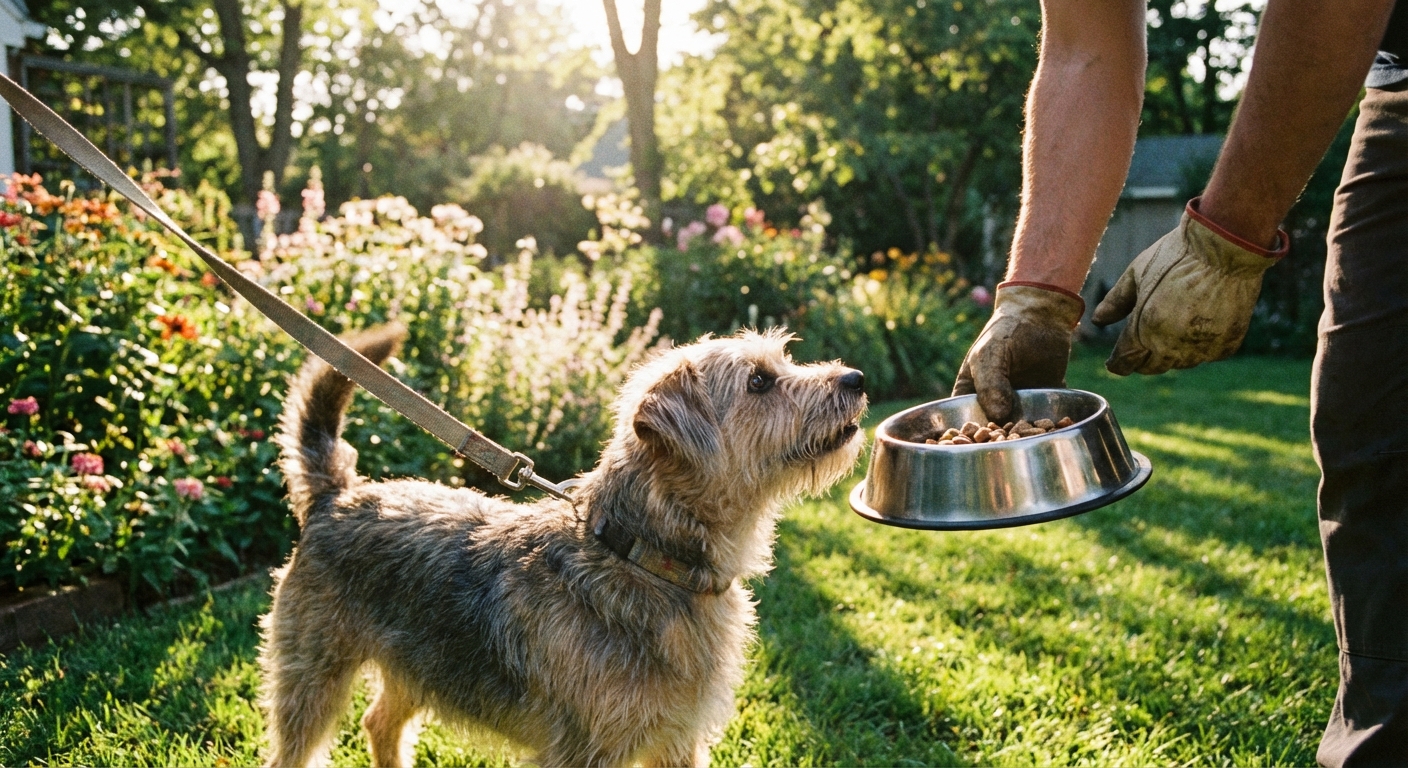
- Small, frequent meals: 3 to 6 small meals per day can be easier on an irritated intestinal tract.
- Go slow: large meals can worsen urgency, even if your dog is acting hungry.
- Water always available: encourage drinking. If your vet approves it, you can offer ice cubes or a small amount of unflavored oral electrolyte solution made for pets. Avoid sports drinks and other sugary beverages.
If your dog refuses food for more than a day, seems nauseated, or cannot keep water down, call your vet.
About fasting: Some people have heard “rest the gut” advice. Do not fast puppies, toy breeds, diabetic dogs, or any dog that seems weak. When in doubt, call your veterinarian for a plan that fits your dog.
Routine tips that help
Diarrhea is not only about food. Stress, excitement, and inconsistent routines can trigger or worsen loose stool. Here are gentle, realistic habits that help.
Keep potty breaks calm
- Take your dog out more often than usual, especially after meals and naps.
- Use a short leash and keep the environment quiet. Overexcitement can speed up gut motility.
- Praise calmly after they go. Skip big celebrations that rev them up.
Pause intense exercise
Hard runs, long hikes, and rough play can aggravate the GI tract and worsen dehydration risk. Stick to easy walks until stool is formed.
Stop treats and scraps
This is the hardest part for many families, but it is one of the fastest ways to get answers. When you remove variables, you can see what is truly helping.
Reduce stress
Boarding, visitors, new pets, thunderstorms, and schedule changes can cause stress colitis in some dogs. If you suspect stress is part of the picture, create a quiet recovery space, use consistent feeding times, and consider vet-approved calming support.
Track what matters
A simple log can save time and money at the vet:
- Number of stools per day
- Stool consistency (pudding-like, watery, formed but soft)
- Any blood or mucus
- Vomiting, appetite changes, energy level
- Diet details and any “snacks” your dog found (trash happens)
Probiotics and meds
Probiotics
Many veterinarians recommend a canine-specific probiotic during diarrhea because it can help restore healthy gut bacteria. Choose a product made for dogs, and follow dosing instructions. If your dog is immunocompromised, ask your vet before starting any probiotic.
Fiber options
For mild diarrhea, small amounts of soluble fiber can help. Pumpkin is the most common. Some dogs do better with a veterinary GI diet that includes targeted fiber blends.
Over-the-counter human meds
Please do not give human anti-diarrheal medications unless your veterinarian specifically instructs you to. Some can be unsafe for certain dogs, can mask serious disease, or can cause sedation, ileus, or toxicity. This is especially important for MDR1 herding breeds (like Collies, Aussies, and Shelties) and for very small dogs where dosing mistakes happen easily. Avoid bismuth products (like Pepto-Bismol) unless your vet directs you, since they can be unsafe and can also turn stool black, which can mask bleeding.
Transition back to normal food
Once stool is normal for 24 to 48 hours, transition gradually. A sudden switch back can restart diarrhea.
- Days 1 to 2: 75% bland diet, 25% regular food
- Days 3 to 4: 50% bland diet, 50% regular food
- Days 5 to 6: 25% bland diet, 75% regular food
- Day 7: 100% regular food
If diarrhea returns during the transition, step back to the previous ratio and call your vet if it does not improve.
If it keeps coming back
Recurring diarrhea is your signal to dig deeper. Your veterinarian may recommend a fecal test (including Giardia testing), diet trials, bloodwork, or imaging. Common causes include parasites, food sensitivities, inflammatory bowel disease, chronic pancreatitis, infections, endocrine disease, and chronic stress colitis.
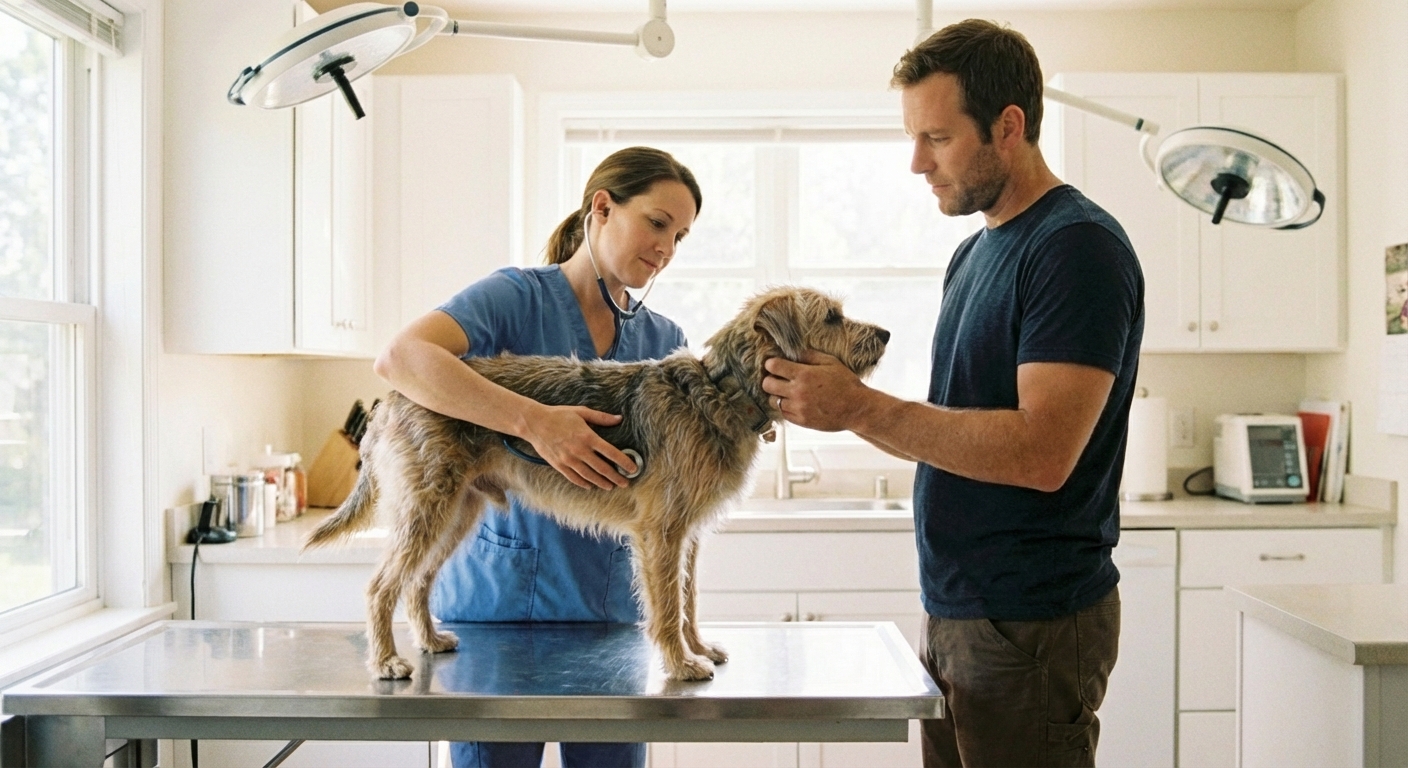
Tip for fecal testing: Bring a fresh stool sample if you can. Ideally collect it the same day, keep it in a sealed bag or container, and refrigerate it if you cannot get to the clinic right away. When in doubt, call your vet and ask what they prefer.
You are not failing if you need help. Many chronic GI cases improve dramatically once you identify the trigger and use a consistent plan.
Quick checklist
- Rule out red flags, call your vet if you see any.
- Use a bland, lower-fat, highly digestible diet short-term.
- Feed small meals, keep water available, and limit exercise.
- Stop treats and extras until stool is normal.
- Transition back to regular food slowly over about a week.
- If it is recurrent, get fecal testing and a structured plan from your vet.
When diarrhea hits, simple and consistent wins. A calm routine, a gentle diet, and close observation often get you back to normal faster than you think.