
Vet-Informed Homemade Dog Food Recipes

If you have ever stood in the pet food aisle reading ingredient labels and thinking, “I just want to feed my dog something real,” you are not alone. I am a veterinary assistant here in Frisco, Texas, and I talk with pet parents every week who want homemade meals but also want reassurance that the food is safe, thoughtfully balanced, and built on veterinary nutrition principles.
Here is the key: many veterinarians will support homemade diets when they are formulated to meet nutrient needs, not just when they “look healthy.” The biggest pitfalls we see in clinic are missing calcium, shorting omega-3s, and leaving out key vitamins and trace minerals. Below, you will find a vet-informed plate template, supplement basics, food safety rules, calorie-first portioning, and 7 practical recipes you can use as templates.
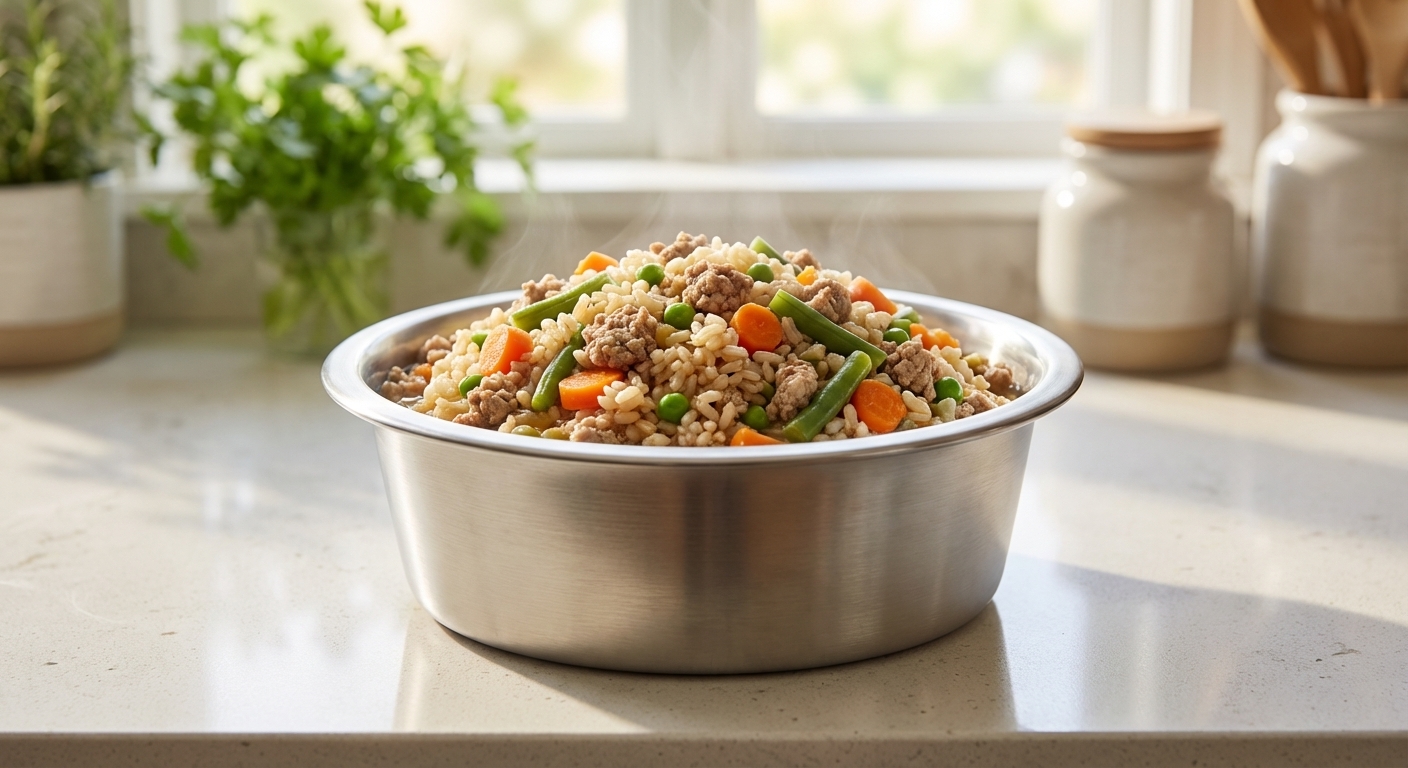
What “vet-approved” means
“Vet-approved” is not a magic label, and it is not a guarantee a recipe is complete. In nutrition terms, it usually means the plan follows evidence-based principles veterinary teams look for:
- Complete and balanced for your dog’s life stage (adult maintenance versus growth or reproduction), ideally aligned with AAFCO nutrient profiles or NRC recommendations.
- Correct calcium-to-phosphorus balance, especially important when you feed boneless meat.
- Essential fatty acids (especially EPA and DHA) plus adequate fat for nutrient absorption.
- Food safety practices that reduce bacterial risk.
Important note: Puppies, pregnant or nursing dogs, and dogs with kidney disease, pancreatitis, diabetes, food allergies, heart disease, or a history of bladder stones should have recipes tailored by your veterinarian or a board-certified veterinary nutritionist (in the US: DACVN; in Europe: ECVCN). Those situations change the “right” nutrients and amounts.
A practical plate template
For most healthy adult dogs, many clinics use a simple “plate” template as a starting point. This is by volume or weight, not by calories, and it is not the same as a formulated, complete diet:
- About 50% protein (cooked meat, poultry, fish, or eggs)
- About 25% carbohydrate (cooked rice, quinoa, oats, potato, sweet potato)
- About 25% vegetables (lightly cooked or pureed for digestibility)
One more clarity point: this is a visual consistency tool, not a veterinary “standard” and not a formulation method. Nutrient balance is determined by nutrient analysis, not by percentages on a plate.
The biggest gap in most homemade diets is still calcium (and often iodine, vitamin D, zinc, and omega-3s). We fix that next.
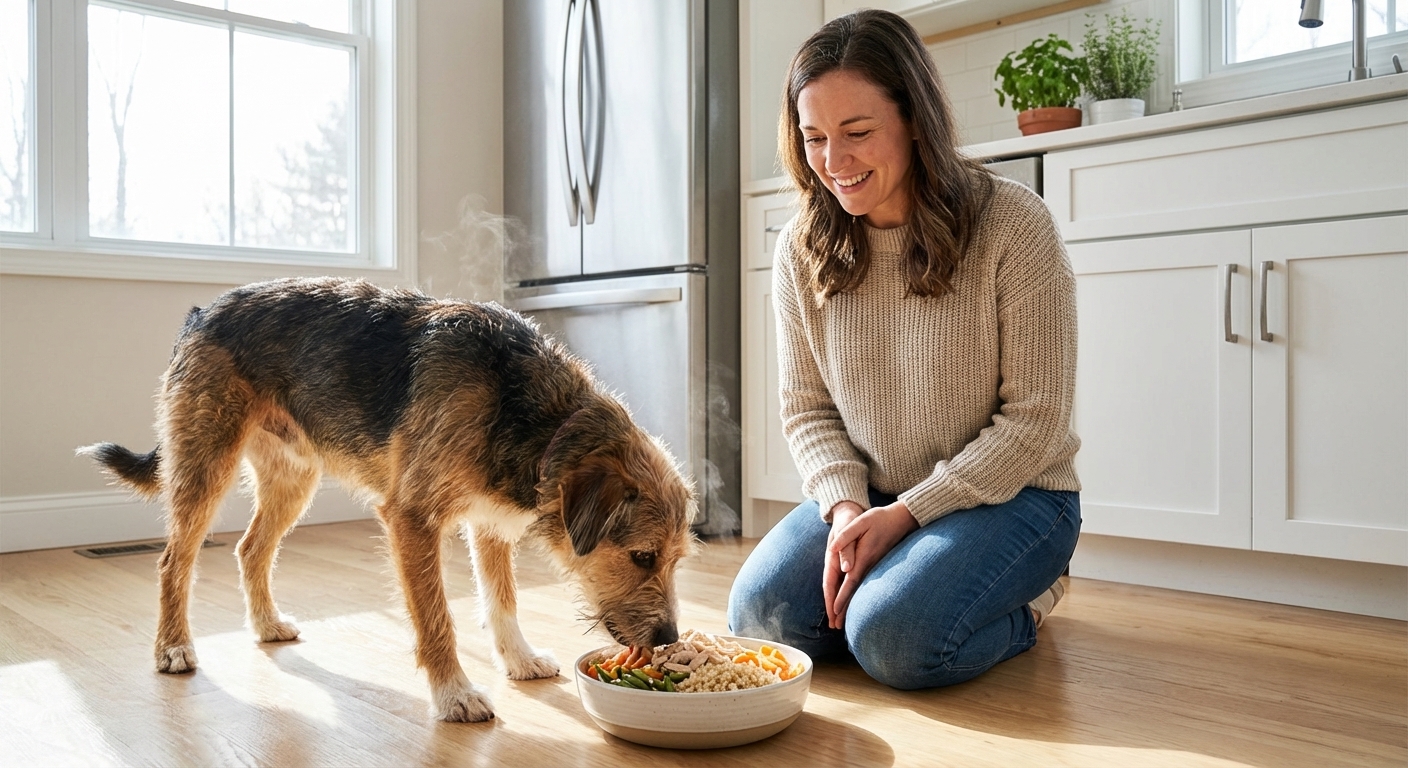
Supplements to plan for
Big clarity before the recipes: the recipes below are templates. They are not complete and balanced on their own unless you add a complete vitamin and mineral supplement made for homemade diets and a reliable calcium source at the correct dose.
How “complete supplements” are dosed
Most complete homemade diet supplements are dosed by calories (for example, per 1,000 kcal fed) or by weight of food (for example, per X grams of cooked food). The safest approach is simple: follow the label exactly for your dog’s daily calories or for the total batch size you made, and do not “eyeball” the scoop.
1) Calcium (non-negotiable with boneless meat)
Meat is high in phosphorus and low in calcium. When calcium is missing long-term, the body pulls calcium from the bones. That is why veterinary teams emphasize calcium balance.
- Most reliable: use a veterinary-formulated complete supplement for homemade diets and follow the label for your dog’s calories or the batch size.
- Known-dose option: calcium carbonate with clearly listed elemental calcium (ask your vet for the right amount for your recipe and dog).
- If you use eggshell powder: treat it as an approximate method unless you can weigh it and you know its calcium content. Volume measures vary a lot with grind size.
Eggshell safety and dosing note (adult dogs): teaspoon dosing is inherently unreliable, so I consider it a temporary, short-term guideline only. Many homemade feeders use about 1/2 teaspoon of finely ground eggshell powder per 1 pound of cooked boneless meat, but it can under-dose or over-dose depending on the powder.
If you want a more measurable approach, talk to your veterinarian about a target in mg of elemental calcium for your dog and recipe. A commonly cited ballpark for boneless-meat based homemade diets is roughly 900 to 1,200 mg elemental calcium per 1 pound (450 g) of cooked boneless meat, then adjust based on the rest of the recipe and your dog’s needs. Use that only as a conversation starter with your vet, not a one-size-fits-all rule.
Sources to review with your vet: AAFCO Dog Food Nutrient Profiles (calcium minimums and calcium to phosphorus ratio ranges by life stage) and NRC Nutrient Requirements of Dogs and Cats (National Academies Press).
2) Omega-3s (EPA and DHA)
Omega-3s support skin, coat, joints, brain health, and inflammation balance. Many homemade diets need additional EPA and DHA.
- Use a fish oil product made for pets or a reputable human-grade brand.
- Dose varies by goal: “maintenance” support is usually lower than “therapeutic” support for inflammation. A commonly referenced clinical range is roughly 20 to 55 mg combined EPA + DHA per pound of body weight per day, but your veterinarian should pick the target for your dog and confirm your product’s concentration.
- Upper-limit caution: too much fish oil can cause diarrhea, add extra calories, and may be a concern for dogs with pancreatitis history. Higher doses can also affect clotting, so check with your vet if your dog is on blood thinners or has a planned surgery.
Sources to review with your vet: WSAVA nutritional guidance for pet owners and veterinary dermatology resources that discuss EPA and DHA ranges for skin and inflammatory support. Your clinic may also reference ACVIM and dermatology consensus guidance when selecting a therapeutic dose.
3) A complete vitamin and mineral base
If you want true “vet-approved” confidence, the most reliable path is a complete supplement designed for homemade diets. These are made to cover common gaps like iodine, vitamin D, zinc, copper, and selenium. Use them as directed, often based on your dog’s daily calories or per batch weight.
If you prefer food-first, you still need to be intentional, and many dogs still come up short without a formulated supplement. Helpful add-ins include:
- Organ meat (like liver) in small amounts for vitamin A and trace minerals.
- Eggs for protein quality and micronutrients.
- Plain yogurt or kefir for probiotics, if your dog tolerates dairy.
Foods to avoid
This is the quick clinic list I wish every homemade feeder kept on the fridge:
- Onion, garlic, chives, leeks (can damage red blood cells)
- Grapes and raisins (kidney risk)
- Xylitol (common in sugar-free gum and peanut butter)
- Macadamia nuts
- Cooked bones (splinter risk). If you use bones at all, talk to your vet first.
- High-salt foods and heavily seasoned leftovers
Food safety basics
- Cook proteins to safe internal temperatures (USDA food safety guidance) and avoid cross-contamination.
- Refrigerate within 2 hours of cooking and use within 3 to 4 days.
- Freeze extra portions in meal-sized containers.
- Thaw in the refrigerator, not on the counter.
- Introduce new foods slowly over 7 to 14 days to prevent GI upset.
Storage and serving
- Fridge: store in a sealed container and use within 3 to 4 days.
- Freezer: portion and freeze for best quality for 1 to 3 months.
- Reheat: warm gently, stir well, and check temperature before serving. Serve plain, with no added salt, butter, oils, garlic, or seasoning blends.
- Supplements: many vitamin and fish oil products are best added after cooking, once the food has cooled a bit. Follow the label.
Portioning by calories
Cups-per-day is tempting, but homemade recipes can vary a lot in calorie density. The most accurate way to portion is by calories and your dog’s body condition.
Step 1: Estimate daily calories
- RER (resting energy requirement) = 70 × (body weight in kg)0.75
- Typical adult maintenance is often about 1.2 to 1.6 × RER (lower for couch potatoes, higher for active dogs)
Estimate note: this math is a starting point. Real-life needs vary with age, activity, neuter status, and health conditions. Your dog’s body condition score is the final judge.
Example: A 30 lb dog (13.6 kg) has an RER around 520 kcal/day. Maintenance is often roughly 625 to 830 kcal/day depending on activity and whether the dog is fixed.
Step 2: Weigh meals when you can
If you can, weigh ingredients with a kitchen scale and use a pet calorie calculator or your veterinarian’s guidance to match the daily calorie target. This is especially helpful for weight loss, weight gain, and small dogs where little differences add up fast.
Step 3: Adjust based on the dog, not the bowl
How to fine-tune: if your dog gains weight after 2 to 3 weeks, reduce daily calories by about 10%. If your dog is losing weight unintentionally, increase by about 10%. Your vet team can help you target a healthy body condition score.
7 homemade recipe templates
Each recipe below follows the practical 50% protein, 25% carb, 25% veg template. They are designed for healthy adult dogs and work best when paired with a complete homemade diet supplement according to its label directions. If you do not use a complete supplement, you must at minimum add a reliable calcium source, and you should talk with your veterinarian about other micronutrients.
Read this before you cook: these batches are not automatically “complete and balanced” unless you add the complete supplement exactly as directed.
Batch tip: Each recipe makes a medium batch you can portion for a few days. Refrigerate what you will use in 3 to 4 days and freeze the rest in meal-sized containers.
Cooking note: cook everything plain. No salt, oils, butter, onion, garlic, or seasoning blends.
Recipe 1: Turkey, brown rice, veggies
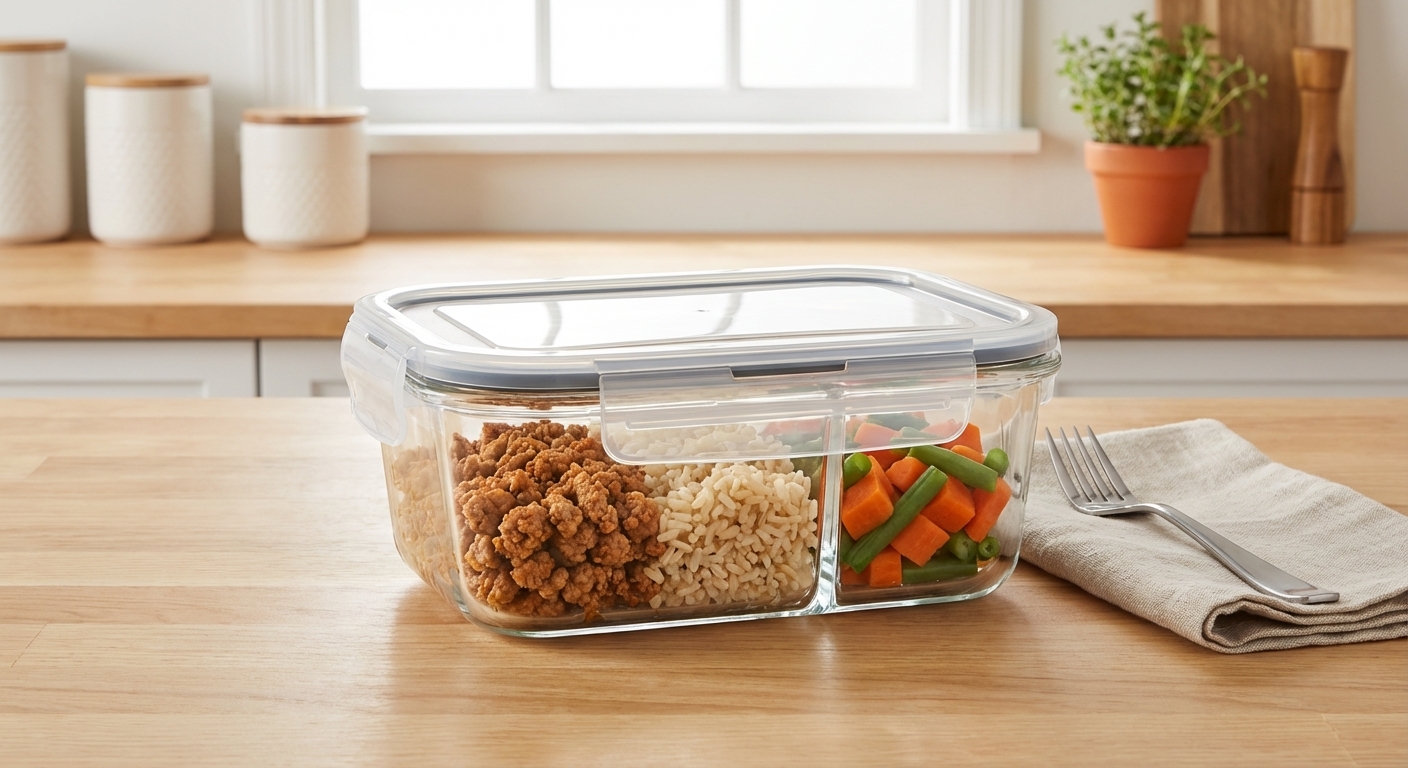
- Protein: 1 lb cooked ground turkey (93% lean)
- Carb: 2 cups cooked brown rice
- Veg: 2 cups steamed carrots and green beans (chopped)
- Optional: 1 to 2 tbsp plain pumpkin for stool support
- Add: complete homemade diet supplement (per label) plus calcium plan if needed, and fish oil if advised by your vet
Recipe 2: Chicken, sweet potato, greens
- Protein: 1 lb cooked chicken thigh meat (skin removed) or chicken breast
- Carb: 3 cups cooked sweet potato (mashed)
- Veg: 2 cups lightly steamed spinach or kale (chopped fine)
- Optional: 1 scrambled egg (helpful for picky eaters)
- Add: complete homemade diet supplement (per label) plus calcium plan if needed
Clinic note: if your dog is prone to pancreatitis, choose chicken breast and keep added fats minimal. Ask your vet for a fat target.
Recipe 3: Beef, quinoa, broccoli
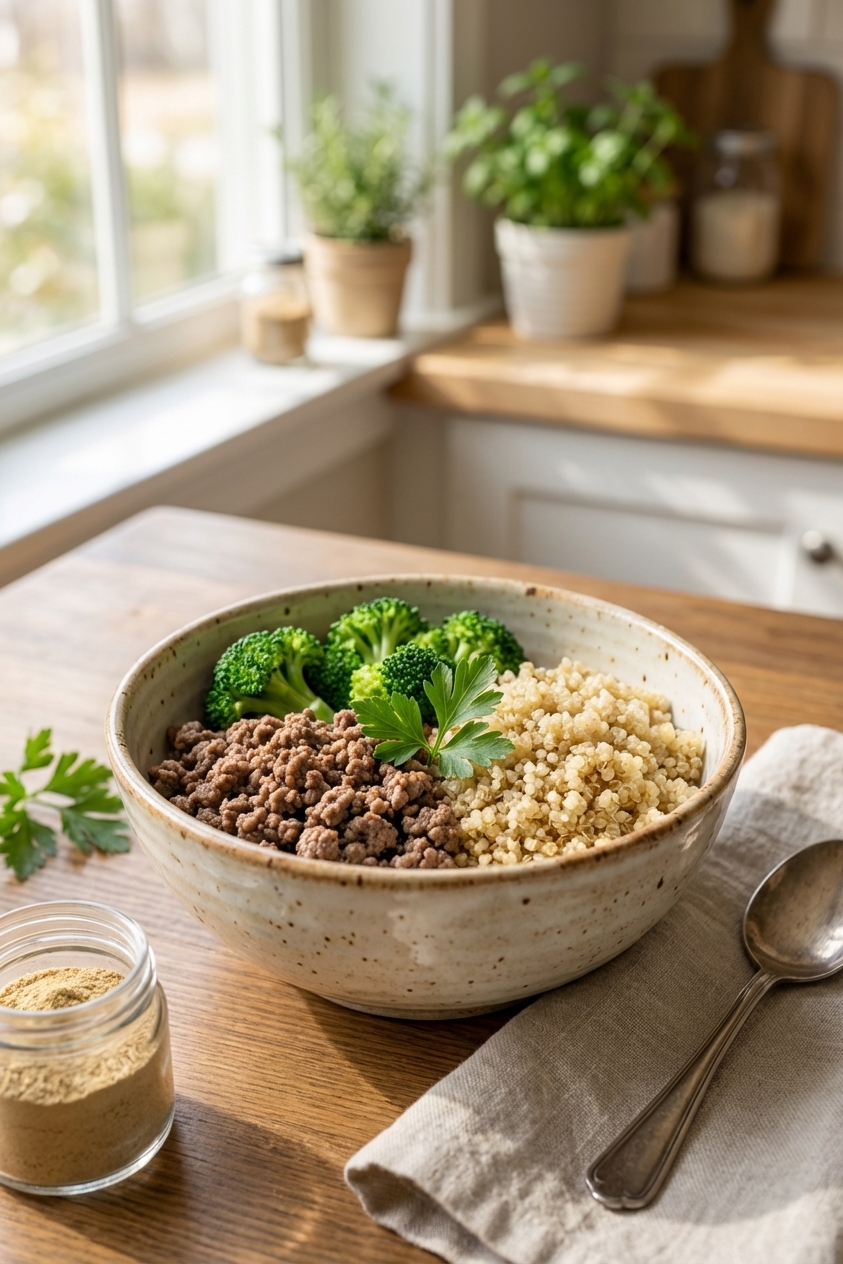
- Protein: 1 lb cooked lean ground beef (drain excess fat)
- Carb: 2 cups cooked quinoa
- Veg: 2 cups steamed broccoli and zucchini (chopped)
- Optional: 1 tbsp chia seeds soaked in water for 10 minutes
- Add: complete homemade diet supplement (per label) plus calcium plan if needed
Tip: introduce quinoa slowly if your dog has a sensitive stomach.
Recipe 4: Salmon, oats, green veg
- Protein: 1 lb cooked salmon (bones removed) or canned salmon in water (no added salt)
- Carb: 2 1/2 cups cooked oats
- Veg: 2 cups steamed peas and chopped asparagus
- Optional: 1 tsp dried parsley
- Add: complete homemade diet supplement (per label) plus calcium plan if needed
Safety reminder: avoid raw salmon. In the Pacific Northwest, raw salmon and trout can carry organisms linked to salmon poisoning disease. Cooking (and proper freezing) reduces risk, but cooking is the simplest choice for most homes.
Recipe 5: Pork, pumpkin, rice
- Protein: 1 lb cooked lean pork loin (chopped)
- Carb: 2 cups cooked white rice (gentler than brown for some dogs)
- Veg: 1 1/2 cups steamed carrots + 1/2 cup plain pumpkin
- Optional: 1 to 2 tbsp plain kefir if tolerated
- Add: complete homemade diet supplement (per label) plus calcium plan if needed
When to use: this is a nice “reset” meal for dogs that get loose stool with richer recipes, but persistent GI issues should always be checked by your vet.
Recipe 6: Eggs and turkey bowl
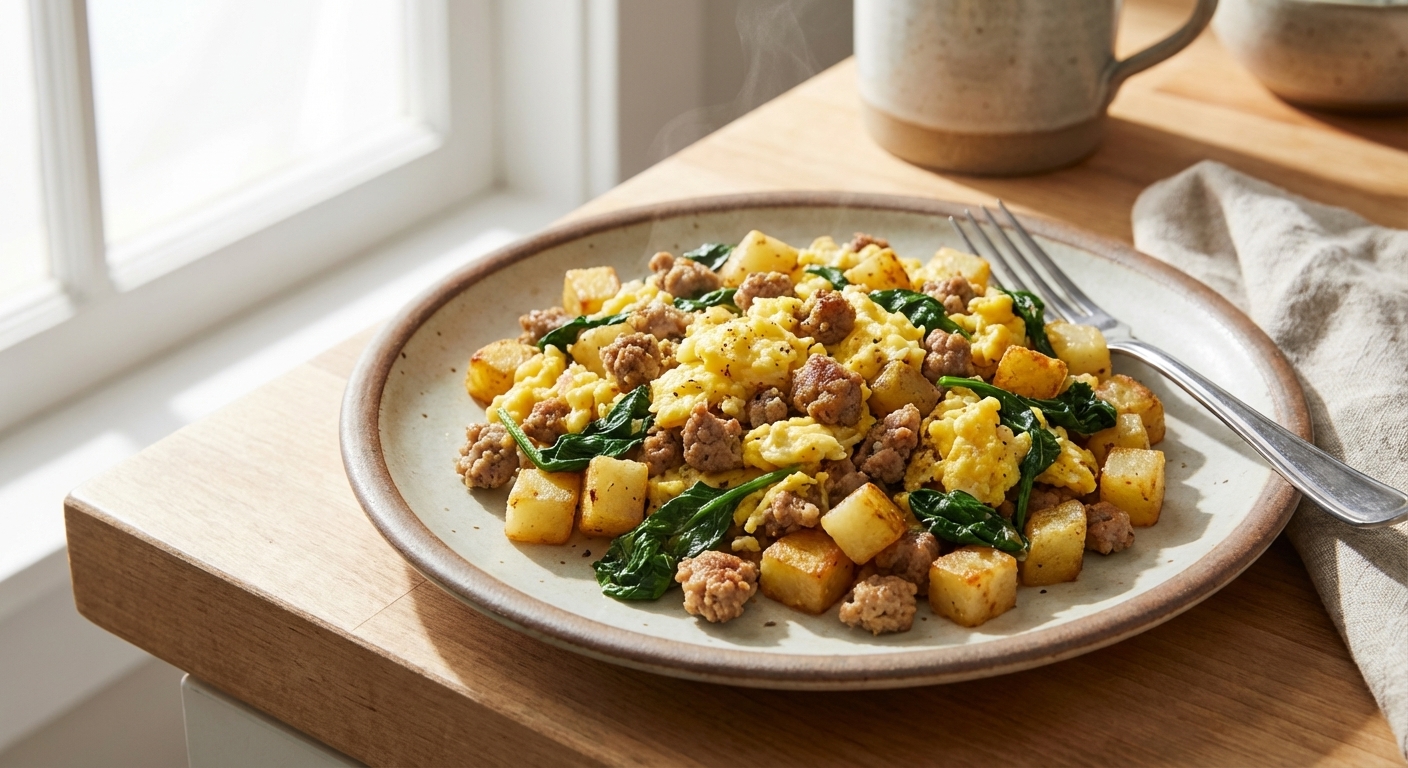
- Protein: 3 large eggs scrambled + 1/2 lb cooked ground turkey
- Carb: 2 cups cooked diced potato or sweet potato
- Veg: 2 cups steamed spinach (chopped) or mixed leafy greens
- Add: complete homemade diet supplement (per label) plus calcium plan if needed
Note: if your dog gets itchy or has recurring ear infections, ask your vet whether food sensitivities are a concern before using eggs frequently.
Recipe 7: Lamb, lentils, veggies
- Protein: 1 lb cooked ground lamb (drain fat well)
- Carb: 1 1/2 cups cooked lentils (well-cooked and rinsed) plus 1 cup cooked rice if needed for tolerance
- Veg: 2 cups steamed cauliflower and carrots (chopped)
- Optional: a small pinch of turmeric, if approved by your vet
- Add: complete homemade diet supplement (per label) plus calcium plan if needed
Digestibility tip: lentils can cause gas in some dogs. Start with a small amount and increase slowly.
Transition tips
Even when the ingredients are healthy, change can be hard on the gut. This is the gentle transition schedule I recommend for most dogs:
- Days 1 to 3: 25% homemade, 75% current food
- Days 4 to 6: 50% homemade, 50% current food
- Days 7 to 9: 75% homemade, 25% current food
- Days 10 to 14: 100% homemade
If stools soften, pause at the current ratio for a few extra days before increasing.
Common clinic questions
Do dogs need vegetables?
Many dogs do well with vegetables included, especially lightly cooked for digestibility. Veggies add fiber and phytonutrients, and they can help some dogs feel satisfied without excess calories.
Can I skip supplements if I rotate recipes?
Rotation helps with variety, but it does not guarantee nutritional completeness. Calcium is the most common gap, and iodine, vitamin D, and certain trace minerals can also come up short. If you want the most reliable, vet-aligned approach, use a complete supplement designed for homemade diets.
What signs tell me portions are off?
- Too much: weight gain, reduced waist definition, sluggishness
- Too little: weight loss, scavenging, low energy
- Needs a tweak: persistent gas, itching, recurrent ear issues, vomiting, chronic loose stool
When to call your vet
Please reach out to your vet before and during the switch if your dog is a puppy, is pregnant or nursing, or has a chronic medical condition. Call promptly if you see vomiting, diarrhea lasting more than 24 to 48 hours, blood in stool, refusal to eat, abdominal pain, or sudden lethargy.
Homemade feeding can be wonderful, but “balanced” is the goal. Start simple, go slow, and build your dog’s plan with your veterinarian or a board-certified veterinary nutritionist so you can feel confident meal after meal.