Feeling overwhelmed by homemade cat food? Get safety basics, key nutrients like taurine and calcium balance, an easy transition plan, and 18 cooked toppers a...
Article
•
Designer Mixes
Vet-Guided Homemade Cat Food

Shari Shidate
Designer Mixes contributor
Homemade cat food can be a beautiful way to support your cat’s health, especially when you do it with your veterinarian’s guidance. Cats are not small dogs. They are true carnivores with specific needs for amino acids (like taurine) , fatty acids, and certain vitamins and minerals that are easy to miss if you are guessing.
As a veterinary assistant, I love the idea of real, recognizable ingredients. I just want you to do it safely and in a way that meets feline nutrition requirements. This guide will walk you through what to ask your vet, what nutrients matter most, and a simple, beginner-friendly path to get started without overwhelming yourself.
Quick note on scope: This article is educational and does not replace individualized veterinary advice. Your cat’s age, weight, and medical history matter.
Why vet guidance matters
Cats have higher requirements for several key nutrients than many people realize, including protein, taurine, arachidonic acid, and preformed vitamin A. They also do not adapt well to shortages over time. The most common homemade diet mistakes I see are not about love or effort. They are about missing nutrients that do not show up until weeks or months later.
Homemade can help, but it must meet requirements
A properly formulated homemade diet may be helpful for:
- Food sensitivities (with a vet-supervised elimination diet)
- Chronic GI upset in some cats, once medical causes are addressed
- Hydration support for cats that struggle to drink enough water
- Picky eaters who do better with warm, aromatic foods
But homemade also comes with real risks if it is not nutritionally complete, including deficiencies, excesses, or unsafe calcium-to-phosphorus ratios that can impact bone health and organ function.
Goal #1 is not “fresh.” Goal #1 is nutritionally complete, consistent, and safely handled.
What to ask your vet
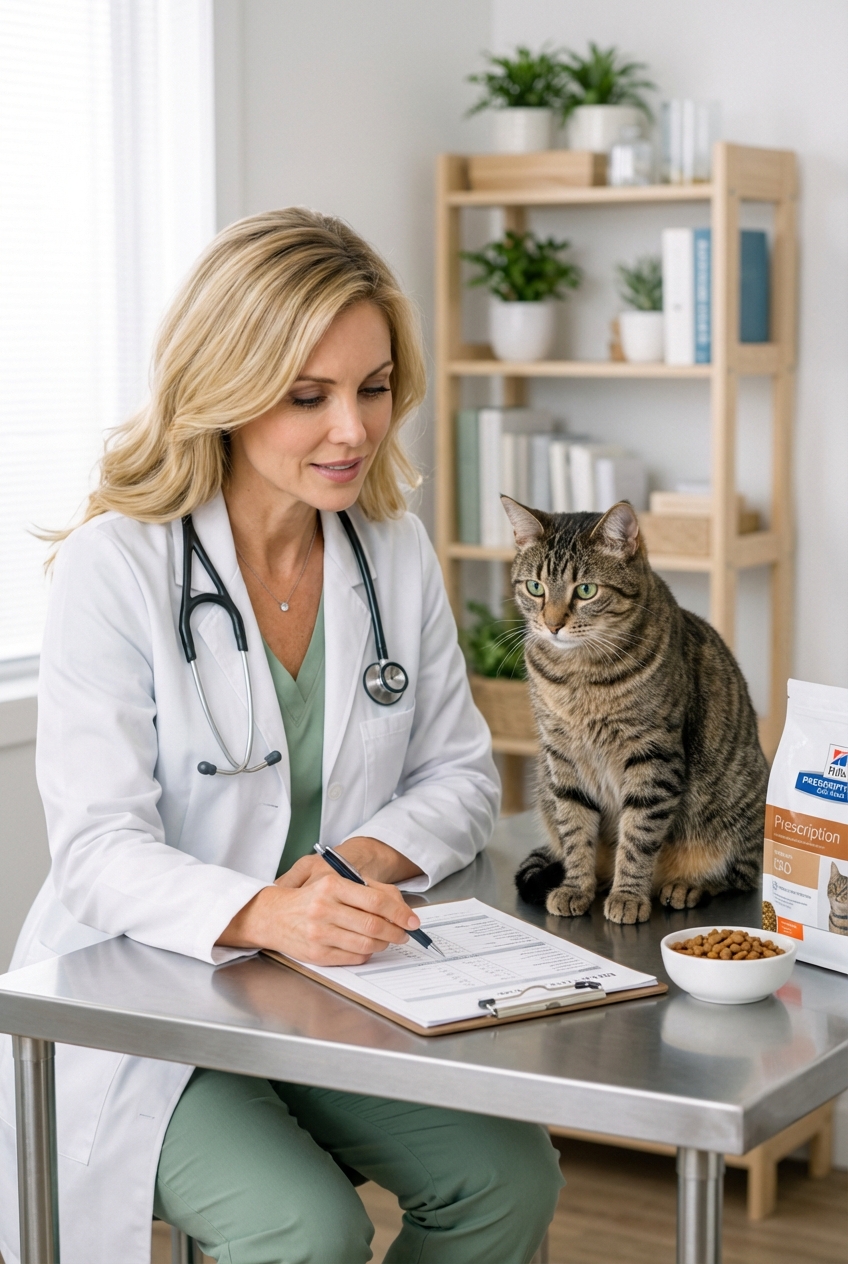
Your vet can help you decide whether homemade makes sense for your cat’s age, weight, and medical history. If your clinic has access to a board-certified veterinary nutritionist, even better.
Bring these questions
- Does my cat have any medical issues that change dietary needs (kidney disease, urinary crystals, diabetes, hyperthyroidism, pancreatitis, allergies)?
- What is my cat’s ideal weight and daily calorie target?
- Should we run baseline labs before changing diets (CBC, chemistry panel, urine testing, thyroid for older cats)?
- Can you recommend a balanced homemade recipe source, or refer me to a veterinary nutritionist?
- Should I use a formulated supplement premix designed for cats?
If your cat is a kitten, pregnant, senior, or has a medical diagnosis, please do not DIY a recipe from social media. Those life stages and conditions are where precision matters the most.
If you want reputable formulation support, ask your vet about a consult with an ACVN (American College of Veterinary Nutrition) or ECVCN nutritionist. You can also look for guidance aligned with recognized standards such as NRC nutrient requirements and AAFCO nutrient profiles, plus practical screening principles like the WSAVA nutrition guidelines.
Key nutrients to get right
Cats thrive on animal-based nutrition. The challenge with homemade diets is not making something your cat will eat. The challenge is meeting nutrient needs consistently.
Taurine
Taurine is essential for cats. Deficiency has been associated with serious health problems, including heart and vision issues. Taurine levels can vary based on ingredients and processing, so formulated diets typically include a reliable taurine source (often via a supplement) to keep levels consistent.
Calcium and phosphorus
Muscle meat alone is high in phosphorus and low in calcium. Cats need an appropriate calcium-to-phosphorus ratio. This is one of the biggest reasons “just chicken and rice” is not a safe long-term plan for cats.
Vitamins A, D, and B
Cats have unique vitamin needs. For example, they require preformed vitamin A (they do not reliably convert beta-carotene), and they have specific requirements for several B vitamins (like niacin). Vitamin D balance also matters, and more is not better. A good recipe hits targets without drifting into excess.
Essential fatty acids
Cats require specific fatty acids found in animal tissues, including arachidonic acid. Fat balance matters for skin, coat, and overall health. Many homemade plans also need a thoughtfully chosen omega-3 source.
Iodine and trace minerals
Minerals like iodine, zinc, copper, selenium, and manganese matter in tiny amounts, but they matter. Homemade diets often miss these unless they are carefully formulated.
What a balanced recipe includes
If you are trying to sanity-check a homemade plan, here is what a balanced, vet-formulated recipe often includes at a high level:
- Animal protein (usually muscle meat as a base)
- Organ in controlled amounts (not “as much as possible”)
- A calcium source to correct the calcium-to-phosphorus balance
- Essential fats (sometimes including an omega-3 source)
- A vitamin and mineral mix or premix designed for cats
This is exactly why I love premixes and veterinary nutritionist recipes for beginners. They remove a lot of the guesswork and help recipes meet recognized nutrient targets (NRC or AAFCO profiles) more reliably.
Raw vs cooked
This is a big topic, and you will see strong opinions online. From a veterinary safety standpoint, cooked diets are often the easiest starting point for beginners because cooking reduces bacterial risk for humans and pets in the home.
Raw feeding can carry added risk, especially in households with:
- Young children
- Pregnant family members
- Older adults
- Anyone immunocompromised
- Cats with chronic disease
If you are interested in raw, talk it through with your veterinarian and be extremely strict about sourcing, storage, sanitation, and cross-contamination prevention.
How to start slowly
You do not have to switch overnight. In fact, most cats do better when change is gradual.
Step 1: Choose a safe foundation
For most beginners, the safest options are:
- Veterinary nutritionist recipe tailored to your cat
- Vet-approved nutritionally complete recipe from a reputable veterinary source
- Commercial complete food plus small amounts of homemade as toppers
If you are not yet working with a formulated recipe, use homemade foods only as a small topper, not the main diet.
Step 2: Transition gradually
- Days 1 to 3: 10% new food, 90% current food
- Days 4 to 6: 25% new, 75% current
- Days 7 to 10: 50% new, 50% current
- Days 11 to 14: 75% new, 25% current
- After day 14: move to 100% only if the recipe is confirmed to meet feline nutrient requirements
If your cat has vomiting, diarrhea, constipation, or stops eating, pause and call your vet. Cats should not go without food. Poor appetite can turn into hepatic lipidosis (fatty liver disease), which can become serious quickly.
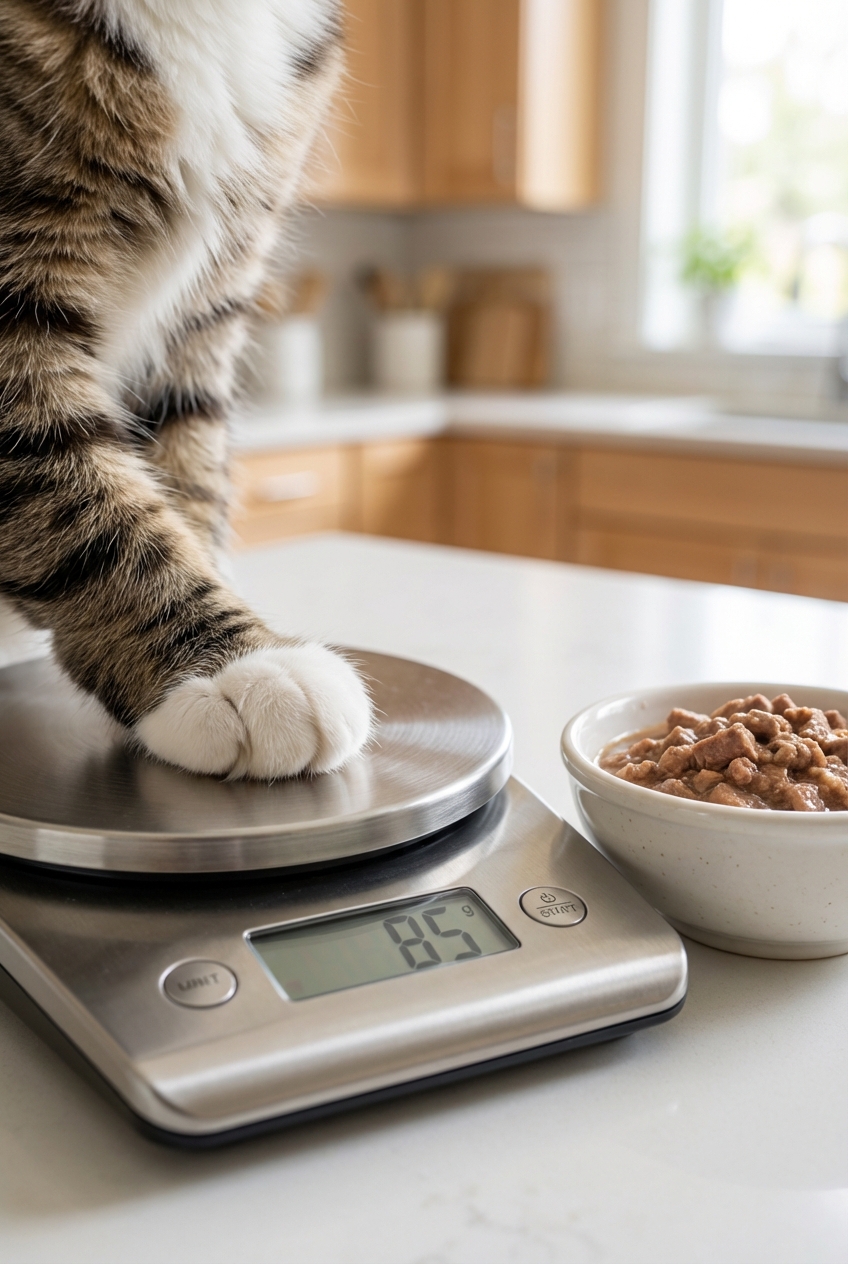
Step 3: Monitor three basics at home
- Weight: weigh weekly at first
- Stool: watch consistency and frequency changes
- Coat and energy: shine, dandruff, shedding, playfulness
Simple add-ins
If you are not ready for a fully homemade diet, you can still add small amounts of wholesome foods to a complete commercial diet for variety and hydration. As a general rule, keep add-ins to about 10% of daily calories unless your vet directs otherwise.
Gentle toppers
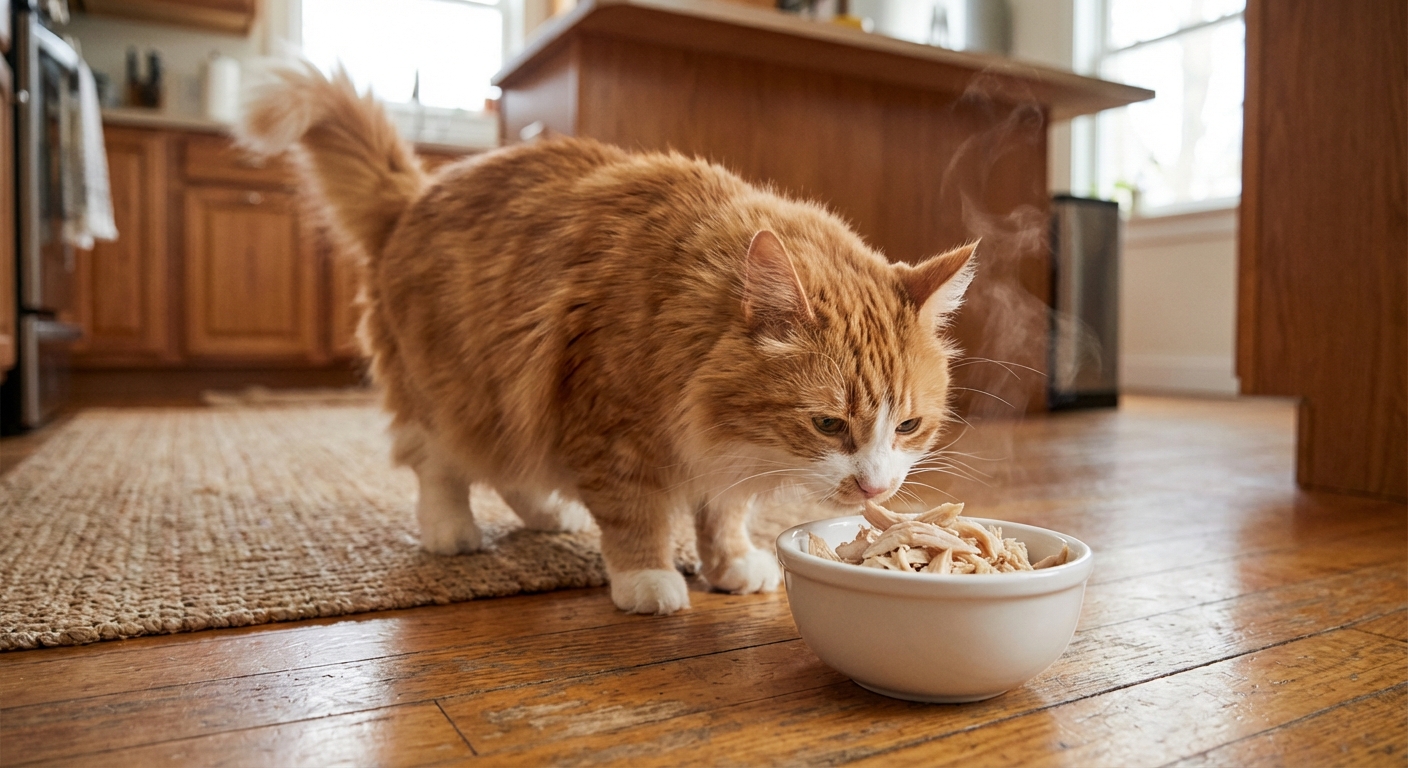
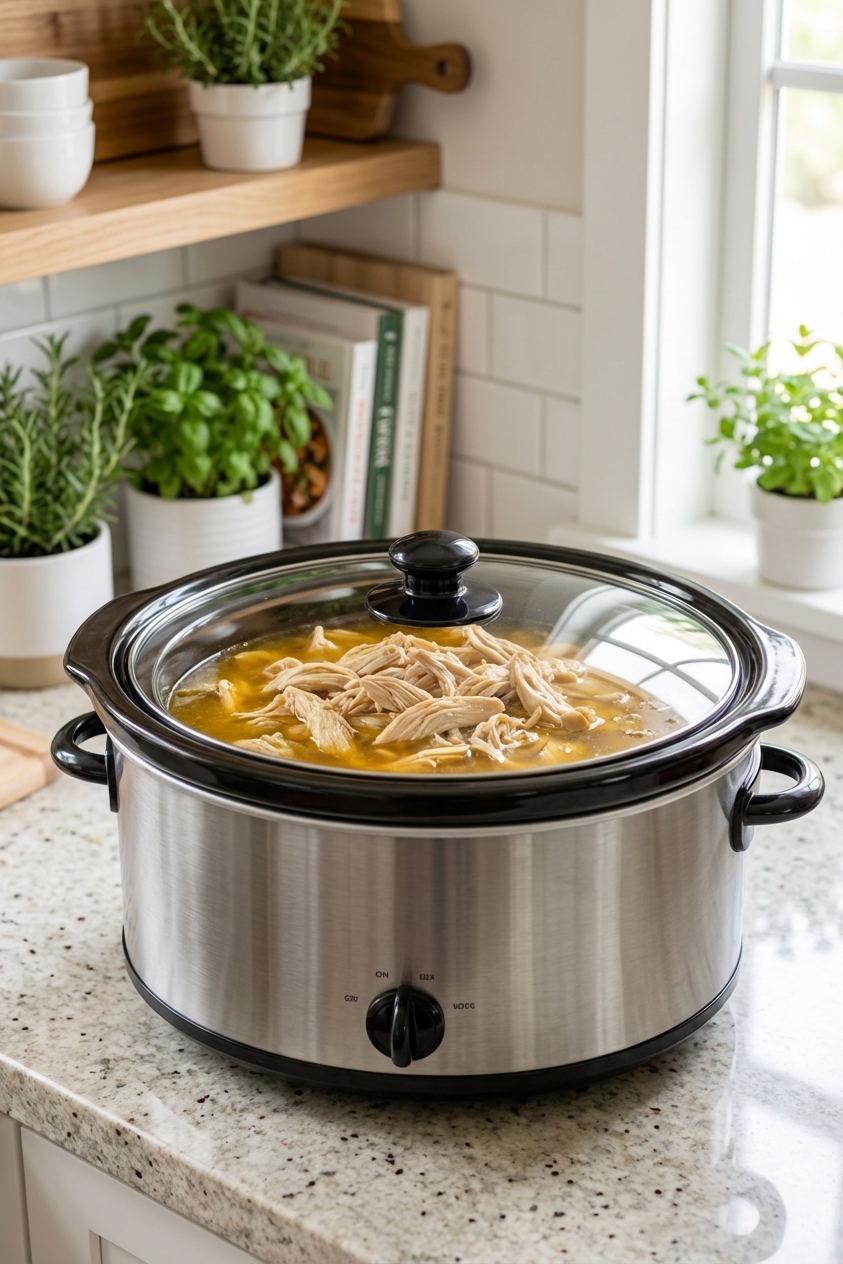
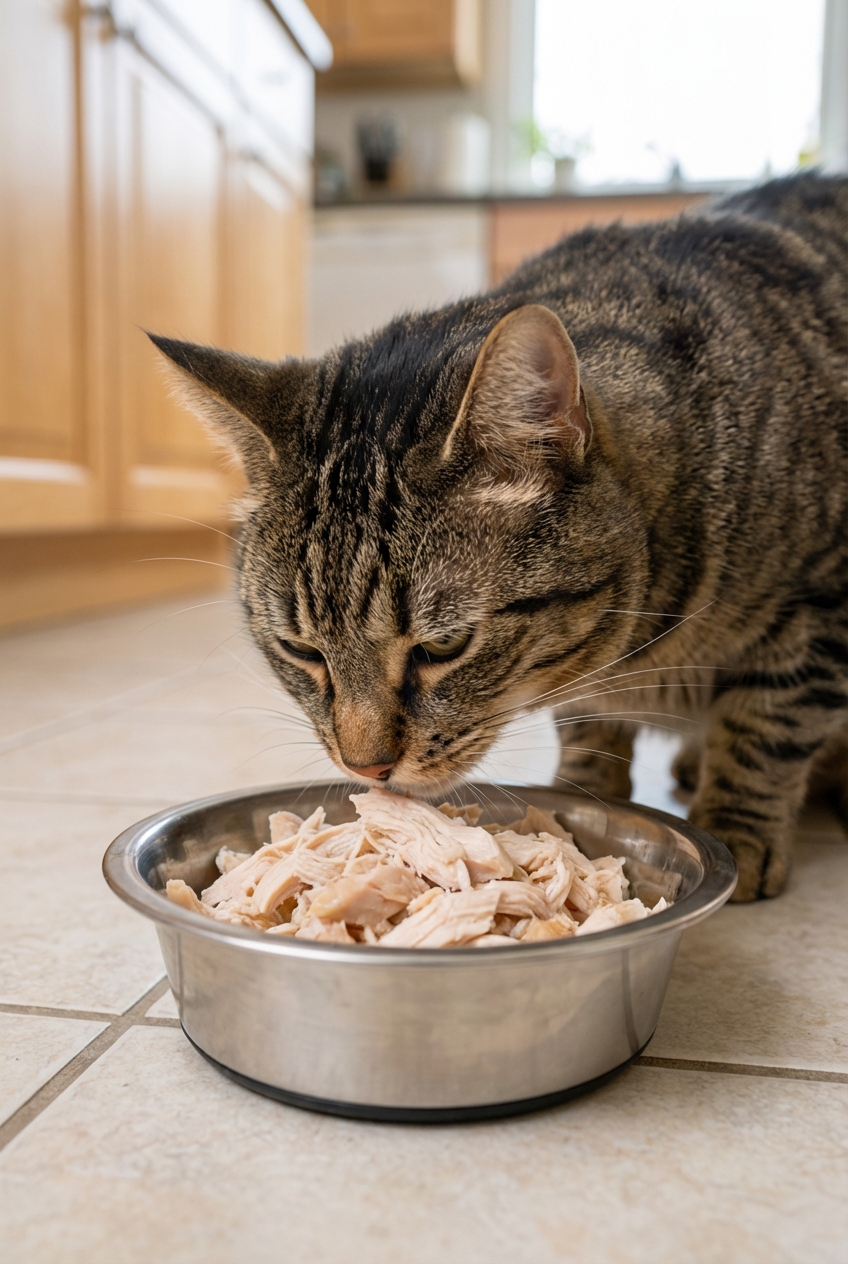
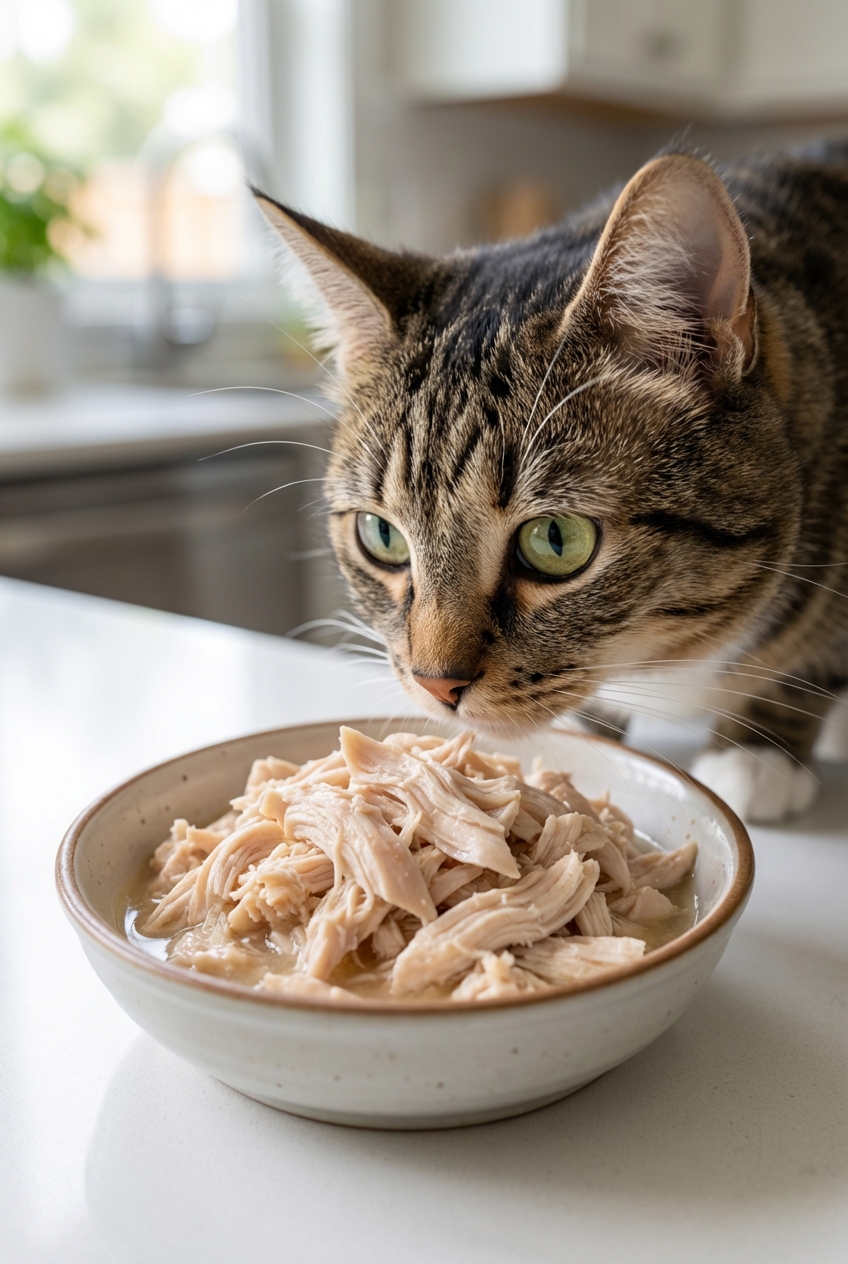
- Cooked plain chicken or turkey (no seasoning, no onion or garlic)
- Cooked egg (plain, fully cooked)
- Sardines in water (tiny amounts, occasional use; watch sodium and choose low-salt when possible)
- Plain pumpkin (may help some cats with stool firmness, but responses vary; use small amounts and keep it vet-guided)
Important: Avoid onion, garlic, chives, grapes, raisins, alcohol, and xylitol. Also be cautious with bones. Cooked bones can splinter and cause serious injury.
Fish note: Fish is not a perfect everyday staple. Some fish can be high in mercury, and certain raw fish contain enzymes that can interfere with thiamine. If you use fish, keep it occasional and discuss frequency with your vet.
Food safety basics
Foodborne illness risk is real, and not just for your cat. Good hygiene protects everyone in the home.
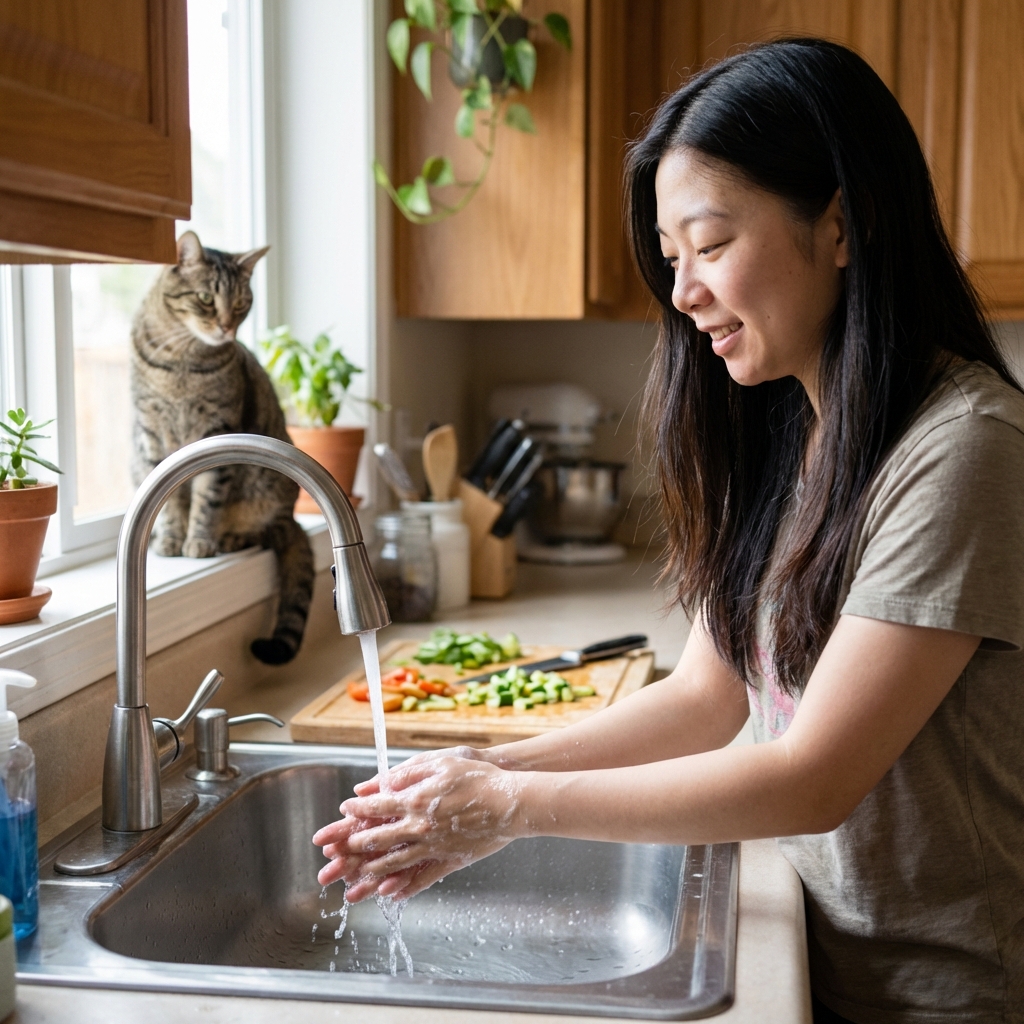
- Wash hands before and after handling ingredients.
- Use separate cutting boards for raw meats.
- Clean bowls promptly, especially if you feed wet or fresh foods.
- Refrigerate portions quickly and follow safe thawing practices.
- Store fresh food in the refrigerator for a short window (often 2 to 3 days) or freeze portions you will not use right away.
- Do not leave wet or fresh food out for long. In many homes, 1 to 2 hours is a reasonable maximum, less in warm rooms.
- When in doubt, throw it out. Cats are small, and a little spoilage goes a long way.
When to call your vet
Some issues are mild adjustment bumps, and some are “call your vet today” signals.
Call your vet if you see
- Refusing food or eating significantly less for more than 24 hours
- Repeated vomiting, especially if your cat cannot keep water down
- Diarrhea lasting more than 24 to 48 hours or any blood in stool
- Straining to urinate, frequent trips to the box, or crying in the box
- Rapid weight loss, weakness, or hiding behavior
If something feels off, trust that instinct and reach out. Nutrition should make your cat feel better, not worse.
Bottom line
Homemade cat food can be done well, but cats require precision. My warmest advice is this: start simple, move slowly, and involve your veterinarian early. You can absolutely bring more whole foods into your cat’s life. Just make sure you are also bringing the nutrients that keep their heart, eyes, skin, and immune system strong.
If you want, ask your vet about a formulated recipe or a cat-specific supplement premix that helps the diet meet recognized nutrient targets. That one step alone can take a lot of stress off your shoulders.