A veterinary assistant’s guide to cat diarrhea: common causes, small vs. large bowel clues, safe home steps, what not to do, and when to call urgent care.
Article
•
Designer Mixes
Vet-Approved Tips for Cat Diarrhea

Shari Shidate
Designer Mixes contributor
Finding diarrhea in the litter box is stressful, especially when your cat seems “mostly fine” otherwise. The good news is that many cases are mild and short-lived in otherwise healthy adult cats. The not-so-good news is that diarrhea can also be an early warning sign of dehydration, parasites, infection, food intolerance, or a more serious medical issue. Kittens and seniors can dehydrate quickly, so they deserve extra caution.
As a veterinary assistant, I always tell pet parents this: your goal is to keep your cat hydrated, support the gut, and know when it’s time to call your veterinarian.
First: What counts as diarrhea in cats?
Diarrhea is loose or watery stool that may happen more often than usual. You might also notice urgency, accidents outside the box, mucus, or a stronger-than-normal smell.
Quick clues from the litter box
- Small amounts, frequent trips, mucus, straining: more consistent with large-bowel irritation (colon).
- Large-volume watery stool, less frequent, weight loss: more consistent with small-bowel issues.
- Black, tarry stool: can indicate digested blood (melena) and needs urgent veterinary attention. (Rarely, some substances like bismuth-containing products can darken stool, but it is still safest to treat this as urgent.)
- Bright red blood: may happen with colitis or anal irritation, but still warrants a call to your veterinarian.
Important: Straining is not always diarrhea
Sometimes cats strain and produce only a small amount of liquid or mucus, and it can look like diarrhea. Straining can also be constipation, or even worse, a urinary blockage.
- Male cats who repeatedly go to the box, strain, cry, or produce little to no urine need same-day emergency care.
Common causes (and why they matter)
Diarrhea is a symptom, not a diagnosis. These are some of the most common triggers veterinarians see:
- Diet changes (new food, new treats, sudden switch, fatty or seasoned table foods)
- Food sensitivity or intolerance (certain proteins, dairy, high-fat foods)
- Parasites (roundworms, hookworms, Giardia, coccidia), especially in kittens and multi-cat homes
- Infection (viral or bacterial)
- Stress (moving, guests, new pet, boarding)
- Inflammatory bowel disease or other chronic gut inflammation
- Medication effects, including some antibiotics
- Toxins (plants, human meds, spoiled food)
- Foreign material (especially string, ribbon, hair ties, and other swallowed objects)
If diarrhea lasts more than a day or two, or keeps returning, it’s time to look for the underlying cause rather than repeatedly “resetting” the diet.
Next, here’s how to tell when you can monitor at home versus when it’s time to get help right away.
Red flags: When diarrhea is an emergency
Please contact your veterinarian the same day (or go to urgent care) if you notice any of the following:
- Kitten, senior, or medically fragile cat (kidney disease, diabetes, hyperthyroidism)
- Lethargy, weakness, hiding, or refusal to eat
- Repeated vomiting or can’t keep water down
- Possible dehydration (dry or tacky gums, very low urine output, worsening weakness). If you are unsure, call your veterinarian for guidance. (Skin tenting is often unreliable in older or overweight cats.)
- Blood in stool (bright red) or black tarry stool
- Possible toxin exposure (human medications, lilies, rodent bait, essential oils)
- Severe watery diarrhea that is frequent or explosive
- Abdominal pain (crying, tense belly, hunched posture)
- String or ribbon exposure, or you see string at the mouth or anus (do not pull it)
If you are ever unsure, call your veterinarian. Early support can prevent dehydration and turn a scary situation into a manageable one.
What you can do at home
These steps are commonly veterinarian-recommended and generally cat-safe for mild diarrhea in an otherwise bright, eating adult cat.
1) Keep hydration front and center
Dehydration is the biggest short-term risk from diarrhea. Encourage water intake in cat-friendly ways:
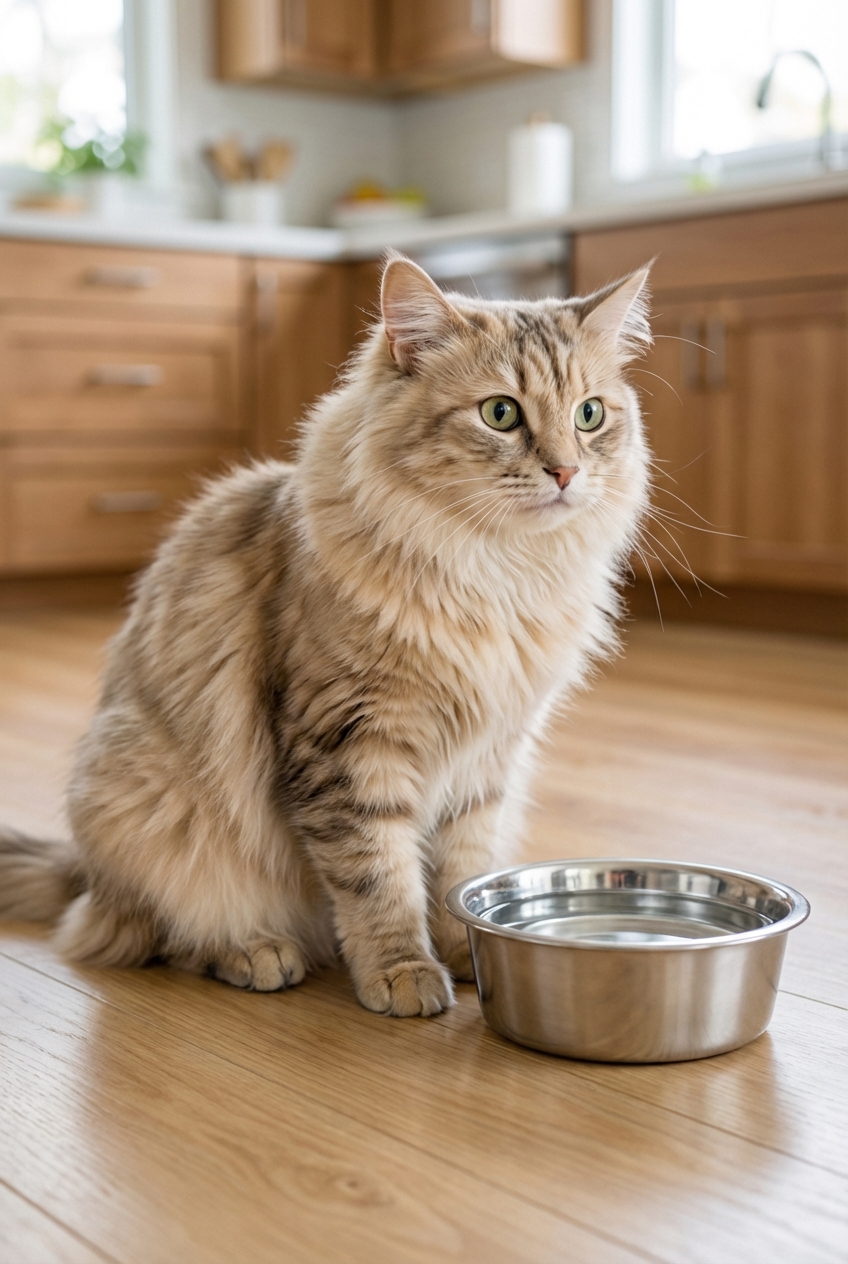
- Offer fresh water in multiple bowls around the home.
- Try a pet water fountain if your cat prefers moving water.
- Add a little water to wet food to boost moisture.
- Offer unseasoned, onion-free, garlic-free, low-sodium broth made for pets. Avoid human broths and many bone broths, which often contain onion, garlic, and too much salt.
2) Feed small, gentle meals
For many cats with mild diarrhea who are otherwise bright and eating, veterinarians often recommend a short course of a highly digestible diet. Options include:
- Veterinary therapeutic gastrointestinal diets (most reliable, balanced choice)
- If your veterinarian says it’s appropriate: a bland, simple diet for a short time
Important: Cats should not be fasted the way dogs sometimes are. Going without food can be risky for cats, especially overweight cats, due to the risk of hepatic lipidosis (fatty liver disease). Even 24 to 48 hours of not eating can become concerning. If your cat refuses food, call your veterinarian.
3) Consider probiotics made for cats
Veterinary probiotics can help restore a healthier gut microbiome, especially after stress or antibiotics. Ask your veterinarian which product and dose fits your cat’s age and health status. Avoid “human” probiotic gummies or products with xylitol or sweeteners.
4) Stop the extras
While your cat’s gut is irritated, simplify everything:
- Pause new treats, dairy, table scraps, and rich foods.
- Avoid sudden diet switches unless your veterinarian directs you to do so.
- Do not give over-the-counter anti-diarrheal medications unless your veterinarian specifically instructs it. Some human products can be dangerous for cats.
5) What not to do
- Do not give Pepto-Bismol or other bismuth products unless your veterinarian tells you to. Some ingredients can be unsafe for cats, and it can also make stools look very dark.
- Do not pull string if you see it hanging from your cat’s mouth or anus. Keep your cat calm and contact your veterinarian urgently.
- Do not use essential oils on or around your cat to “settle the stomach.” Many are irritating or toxic to cats.
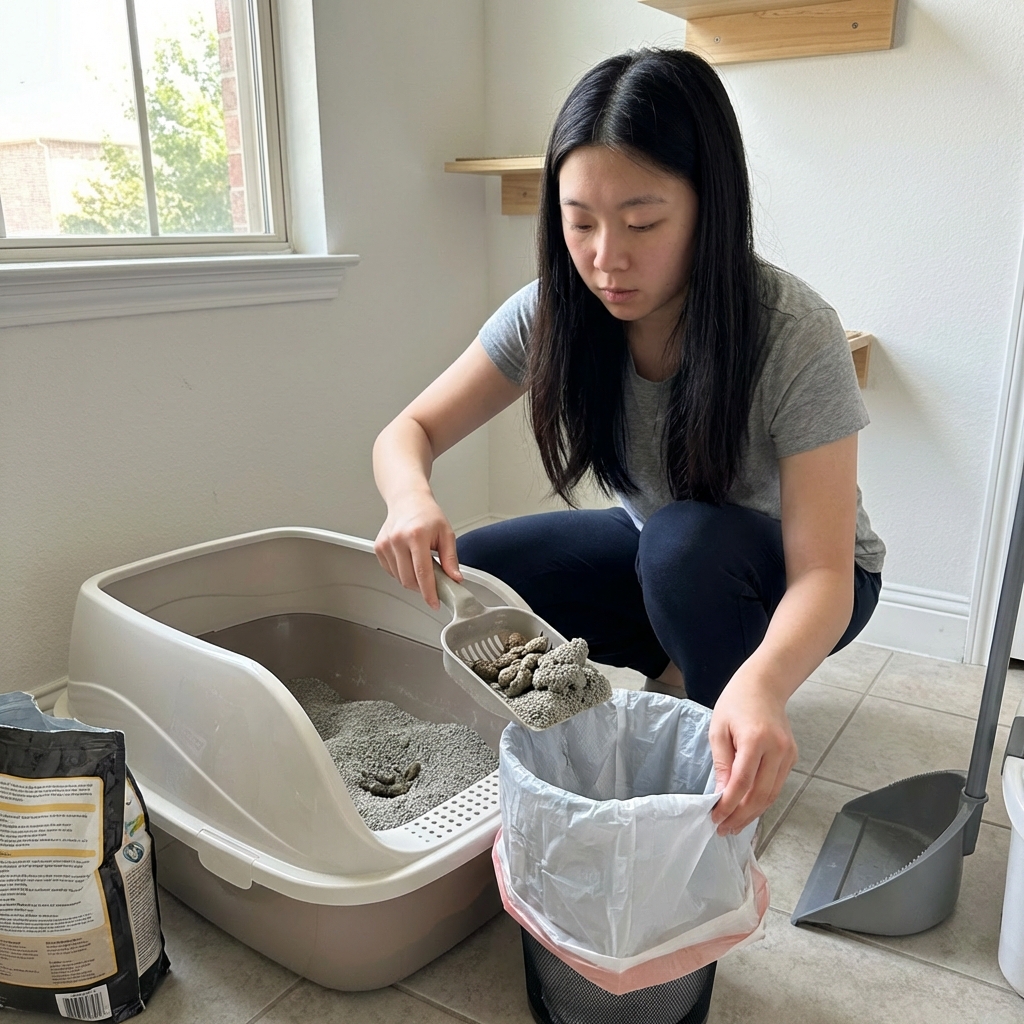
6) Keep the litter box spotless (and count what you see)
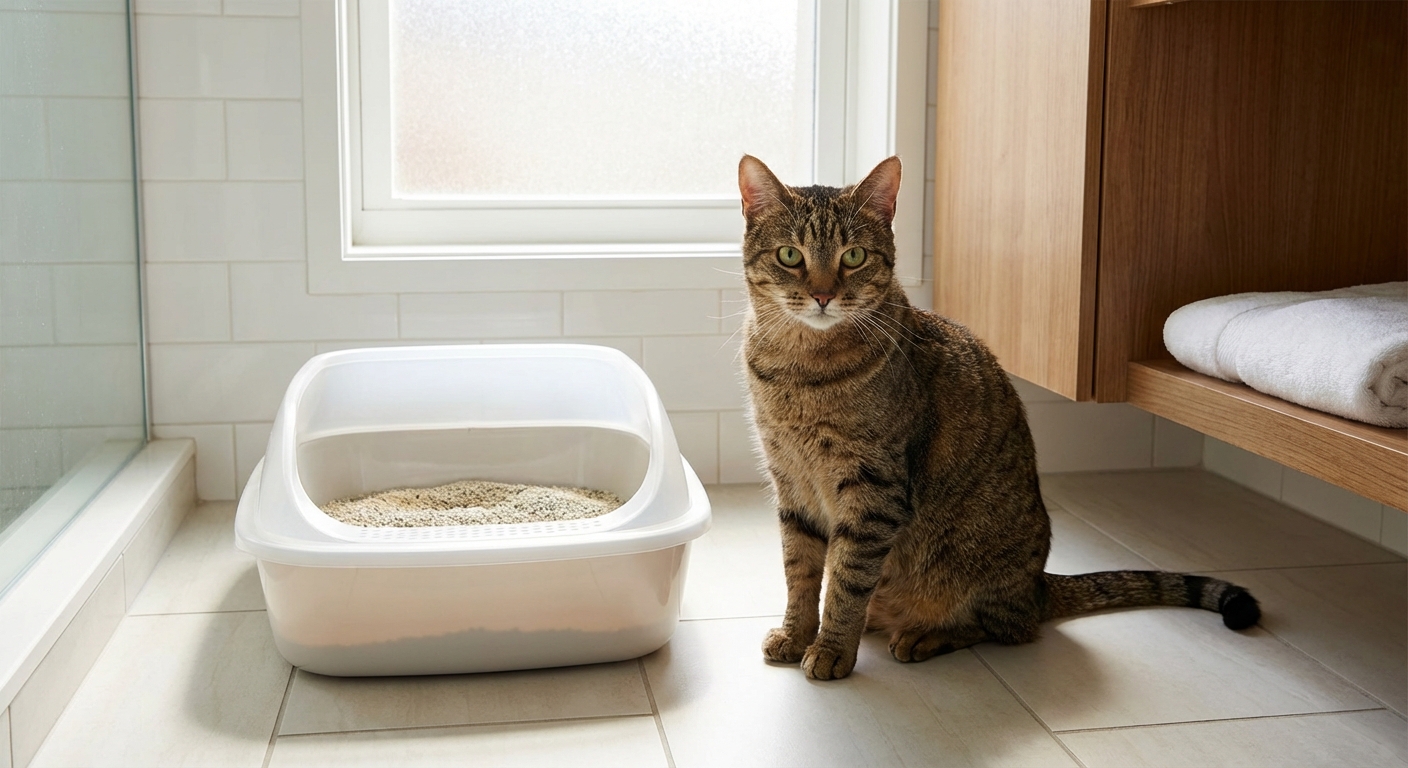
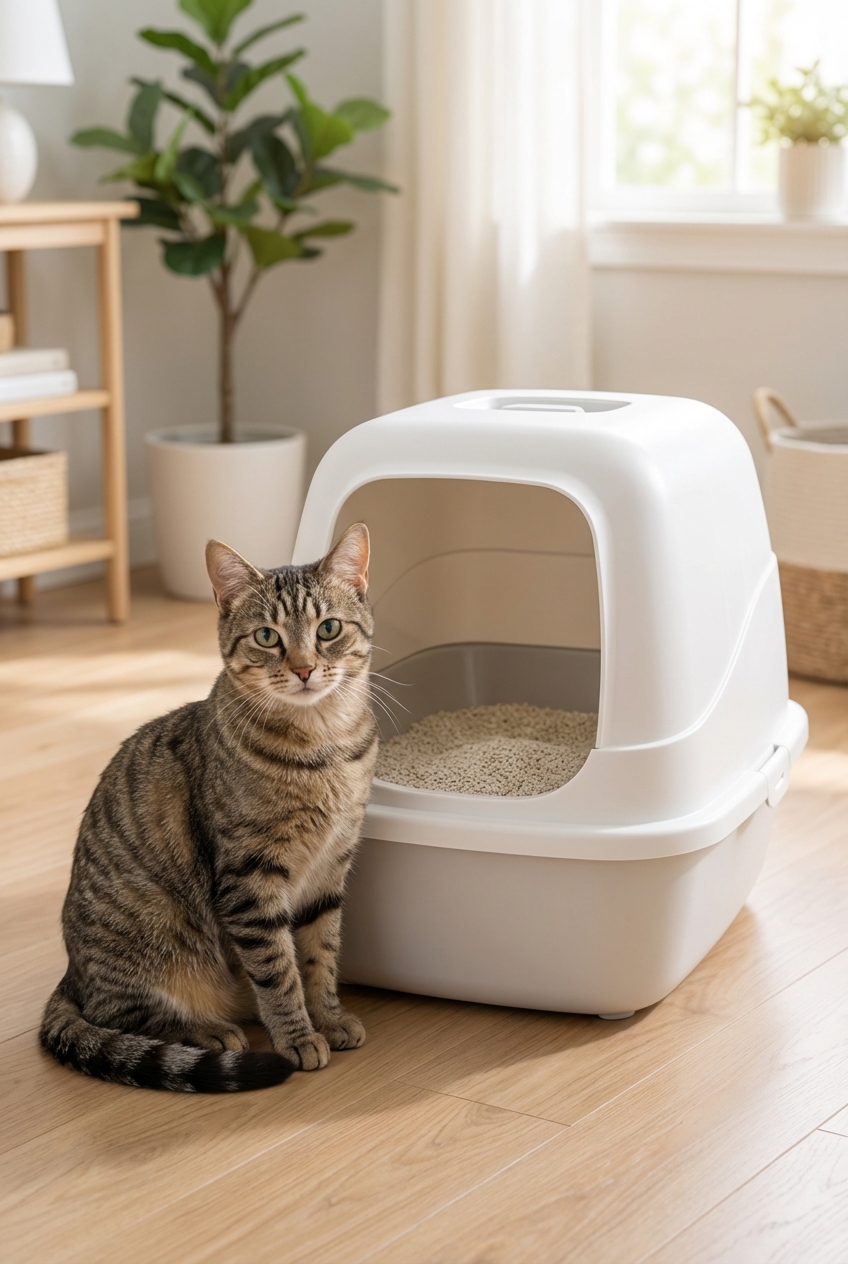
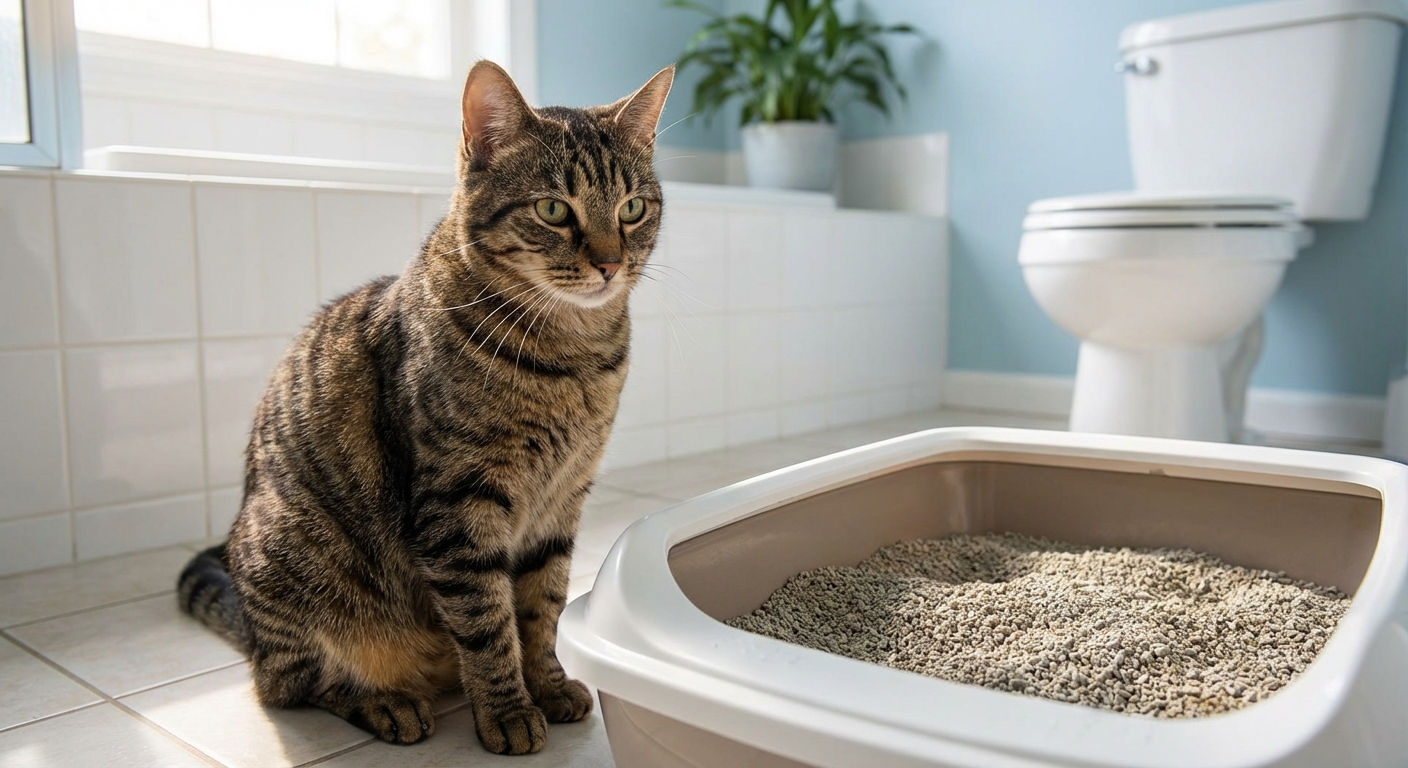
Clean, easy-to-monitor litter boxes help you track frequency and volume. In multi-cat homes, consider temporarily separating cats if you can so you know who is having symptoms.
Hygiene tip: Some diarrheal illnesses can spread between pets. Wash hands after cleaning the box, scoop promptly, and disinfect surfaces as needed.
What to track before you call the vet
If you call your clinic with these details ready, you will get better guidance faster:
- How long diarrhea has been going on
- Frequency and approximate volume
- Any vomiting, appetite change, or behavior change
- Blood or mucus present
- Diet details: brand, flavor, wet vs dry, recent changes, treats
- Any new meds or supplements
- Exposure risks: new pets, boarding, outdoor access, hunting, trash
- Parasite prevention status and last deworming (especially for kittens)
Pro tip: If possible, take a clear photo of the stool.
Stool sample basics
- Use a clean container with a tight lid.
- If you cannot bring it in right away, many clinics recommend refrigerating it and delivering it within 12 to 24 hours. Do not freeze unless your clinic instructs you to.
- Ask your clinic what they prefer, since testing methods vary.
Testing and treatment your veterinarian may recommend
There is no one-size-fits-all treatment. Your veterinarian will tailor the plan based on your cat’s age, exam findings, and risk factors. Common steps include:
- Fecal testing for parasites and protozoa (Giardia and coccidia are common culprits)
- Deworming, especially in kittens or if parasite exposure is likely
- Diet trial with a highly digestible or novel-protein diet
- Fluids (subcutaneous or IV) if dehydration is present
- Vitamin B12 (cobalamin) support in some chronic GI cases
- Medication targeted to the cause (antiparasitic, antibiotic only when appropriate, anti-nausea support)
Preventing future flare-ups
Make diet changes slowly
Many cats need a gradual transition over 7 to 10 days (sometimes longer for sensitive cats). Mix a small amount of the new food into the old, then increase slowly.
Keep parasites on your radar
Even indoor cats can be exposed through new pets, shared litter areas, or contaminated shoes and objects. Follow your veterinarian’s recommendations for fecal checks and prevention.
Lower stress where you can
Stress-related diarrhea is real. Helpful strategies include predictable routines, extra hiding spots, pheromone diffusers, and slow introductions to new pets.
Bottom line
Mild diarrhea that lasts less than 24 to 48 hours in an otherwise bright, eating adult cat may improve with hydration support, diet simplification, and a veterinarian-approved probiotic. But if you see blood, vomiting, lethargy, dehydration, straining without producing normal stool, or you have a kitten or senior cat, don’t wait it out. Call your veterinarian and get guidance tailored to your cat.