Turkey can be a gentle protein for sensitive cats, but meat alone isn’t complete. Learn what nutrients are missing, how to use a completer, portions, stora...
Article
•
Designer Mixes
Vet Approved Homemade Cat Food Starter Plan

Shari Shidate
Designer Mixes contributor
If you have ever looked at a pet food label and thought, “I just want something simpler and healthier for my cat,” you are not alone. As a veterinary assistant here in Frisco, Texas, I meet loving cat parents every week who want to do better, but feel nervous about doing homemade “wrong.” That concern is valid because cats have very specific nutritional needs.
This starter plan is designed to be vet-friendly, practical, and safe. It helps you begin with a balanced approach, start slowly, and know when to bring your veterinarian into the loop. You do not have to be perfect on day one. You just need a smart plan.
What “vet approved” means
When veterinarians talk about a “complete and balanced” diet for cats, they mean it meets established nutrient profiles (like AAFCO or FEDIAF) for your cat’s life stage. Cats are obligate carnivores, which means they require animal-based nutrients that are difficult to supply with guesswork.
One quick clarity point: most veterinarians will not truly “approve” a homemade diet unless it comes with a formulation and nutrient analysis, or it is created by a qualified veterinary nutrition professional.
A homemade diet can be a wonderful option, but the safest path is:
- Use a recipe formulated by a board-certified veterinary nutritionist (an ACVN diplomate in the U.S., or an ECVCN diplomate in Europe) or a veterinary nutrition service that provides a nutrient analysis.
- Use the supplements the recipe specifies. For cats, supplements are often not optional.
- Transition slowly to protect your cat’s digestive system and reduce food refusal.
Important: Never use a dog-food recipe for a cat. Cats have higher protein needs and require nutrients like taurine and preformed vitamin A in specific amounts.
Before you start
Call your vet first if your cat has any of these
- Kidney disease, urinary crystals, or a history of blockages
- Diabetes or pancreatitis
- Inflammatory bowel disease, chronic vomiting, or chronic diarrhea
- Heart disease
- Is a kitten, pregnant, nursing, or a senior cat
Food safety basics (non-negotiable)
- Wash hands and surfaces after handling raw meat.
- Refrigerate promptly and discard food left out longer than 2 hours (or 1 hour if it is very warm).
- Freeze extra portions in meal-sized containers.
- Do not feed cooked bones. They can splinter and cause serious injury.
- Avoid toxic foods: onions, garlic, chives, grapes, raisins, chocolate, xylitol, alcohol, and most seasoning blends.
Nutrients to get right
This is where cats differ from people and even dogs. A “fresh” diet is not automatically balanced. The most common homemade-cat-food problems I see in practice are calcium deficiency, taurine deficiency, and imbalances from organ meats or fish.
Key nutrients that need special attention
- Taurine: Essential for heart, vision, and reproduction. Cats cannot make enough on their own.
- Calcium to phosphorus balance: Meat is high in phosphorus and low in calcium. Cats need calcium added correctly to protect bones and overall health.
- Preformed vitamin A: Cats need animal-based vitamin A, not plant beta-carotene.
- Arachidonic acid: A fatty acid found in animal fats, required by cats.
- Vitamin D: Cats do not make enough vitamin D from sunlight and must get it from diet.
That is why “just chicken and rice” is not an appropriate long-term diet for cats. It can be used as a short-term bland diet only under veterinary guidance, but it is not complete for everyday feeding.
Starter plan overview
If you want the most realistic, vet-friendly path, start with a partial homemade plan and build from there. Many cats do beautifully with 25 to 50% homemade while you learn their preferences and your routine.
Step 1: Pick your foundation
- Best option: Use a veterinary nutritionist recipe (complete and balanced) and follow it exactly.
- Next best option: Use a reputable, vet-reviewed recipe source that provides a complete supplement mix designed for that recipe.
- Avoid: Social media recipes without a nutrient analysis, or those that skip a calcium source and taurine.
Step 2: Choose a protein your cat tolerates
For most cats, start with one of these plain, unseasoned proteins:
- Chicken thigh or breast
- Turkey
- Lean beef
Avoid seasoning blends, garlic or onion powders, salty broths, and fatty drippings. Those are common triggers for GI upset, and extra fat can be risky for cats prone to pancreatitis.
If your cat has suspected food allergies or chronic GI issues, do not rotate proteins quickly. Work with your vet on an elimination diet plan.
Step 3: Keep it simple for 2 weeks
Use one protein, one vetted recipe, and one supplement routine until stools and appetite are stable.
Two-week transition
Cats can be very sensitive to change. A slow transition protects the gut and also reduces the risk your cat refuses the new food completely.
- Days 1 to 4: 10% homemade, 90% current food
- Days 5 to 7: 25% homemade, 75% current food
- Days 8 to 11: 50% homemade, 50% current food
- Days 12 to 14: 75% homemade, 25% current food
- After day 14: Increase to 100% only if your recipe is complete and balanced and your cat is doing well
Watch the litter box. Mild stool softness during a transition can happen, but persistent diarrhea, vomiting, straining, blood, or constipation means you should pause and call your veterinarian.
Food refusal matters: cats can develop hepatic lipidosis (fatty liver) if they do not eat. If your cat is eating significantly less than normal or goes without food for about 24 hours, contact your veterinarian right away.
Simple daily routine
Instead of giving you a random recipe that may not meet your cat’s requirements, here is a safe starter routine that still moves you toward homemade.
Daily routine for week 1
- Meals: Keep your cat’s current complete-and-balanced food as the main diet.
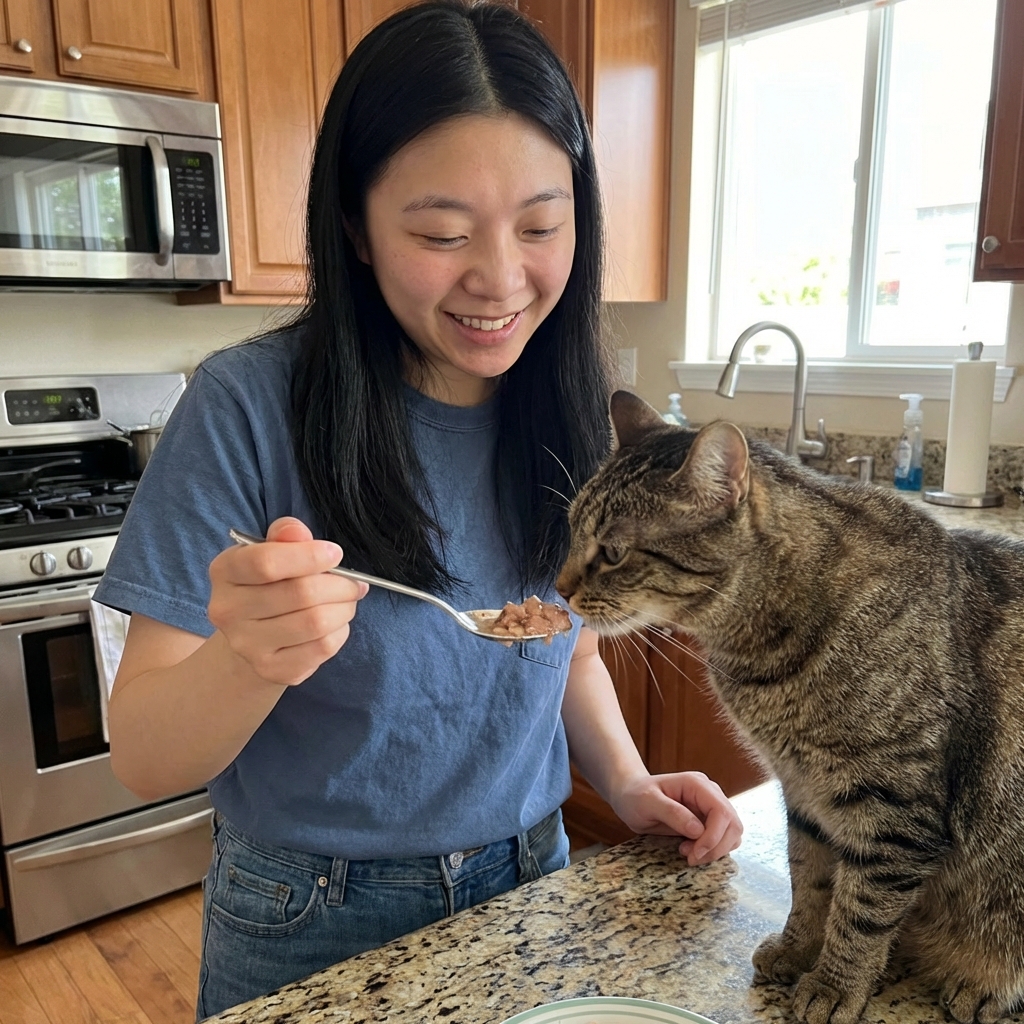
- Add-on: Introduce one small portion of your chosen homemade recipe (complete and balanced) once daily.
- Hydration boost: Add 1 to 2 tablespoons of warm water to each meal if your cat accepts it.
Daily routine for week 2
- Split homemade portions into two smaller servings per day (many cats do better with smaller, more frequent meals).
- Keep portions consistent and measure food while you learn your cat’s ideal calorie intake.
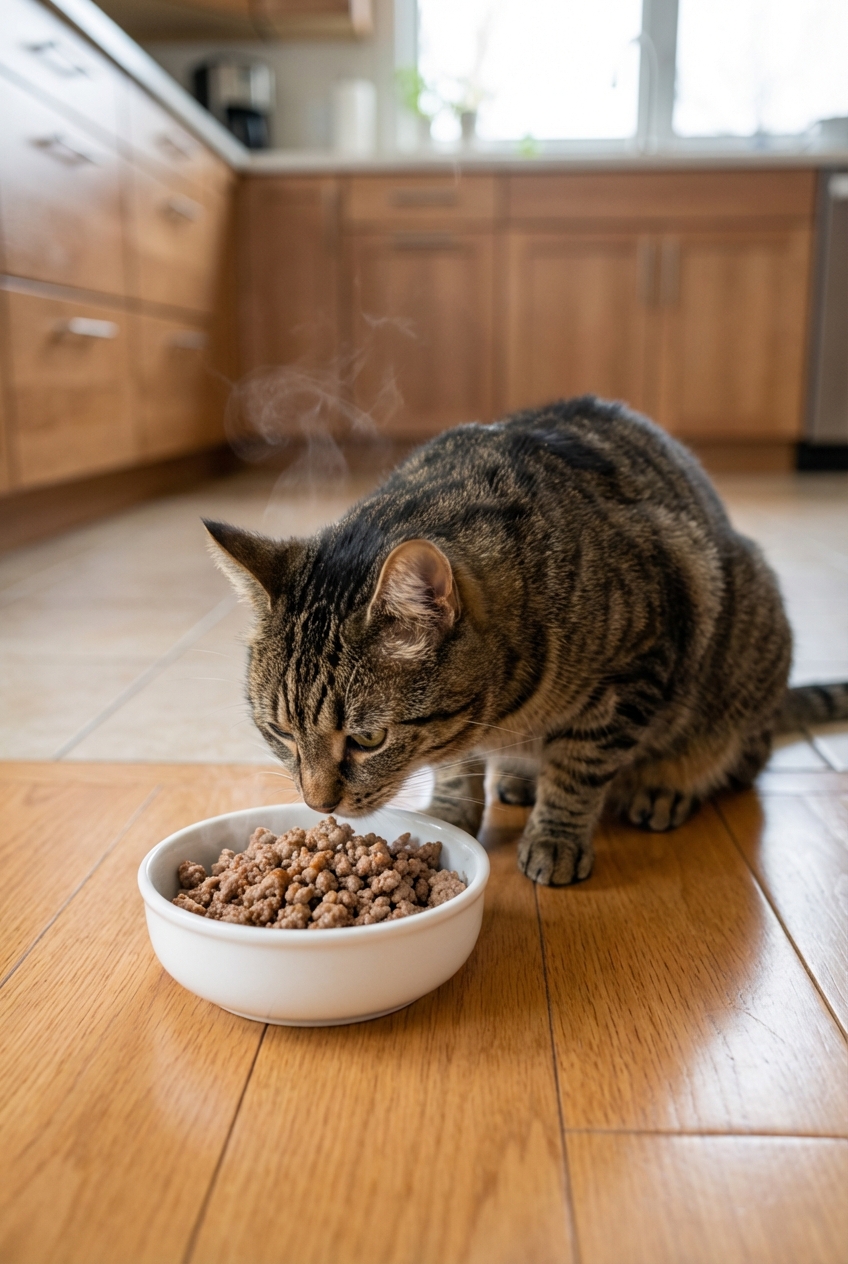
If your cat is very picky, try warming the food slightly to enhance aroma. Cats often respond to scent more than taste.
Portioning and storage
Batch cooking
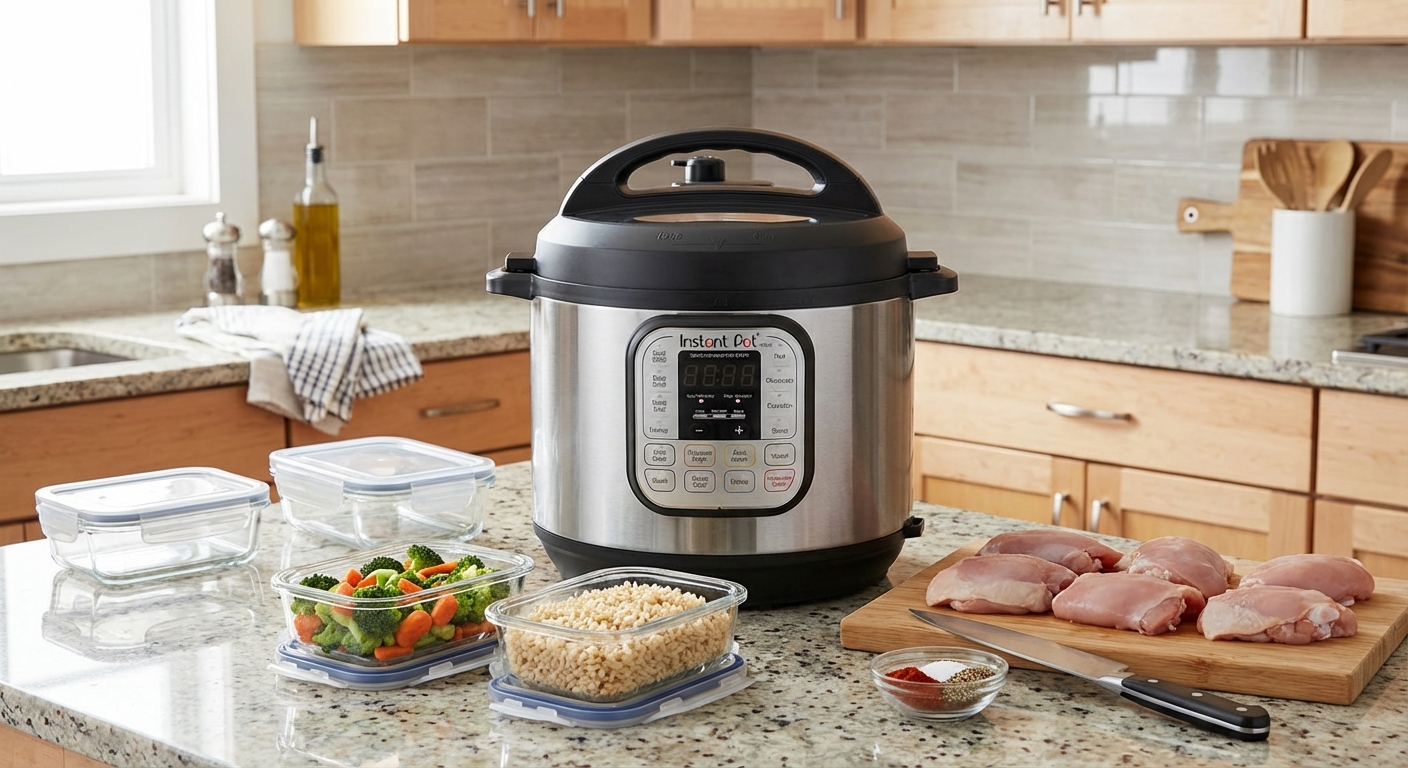
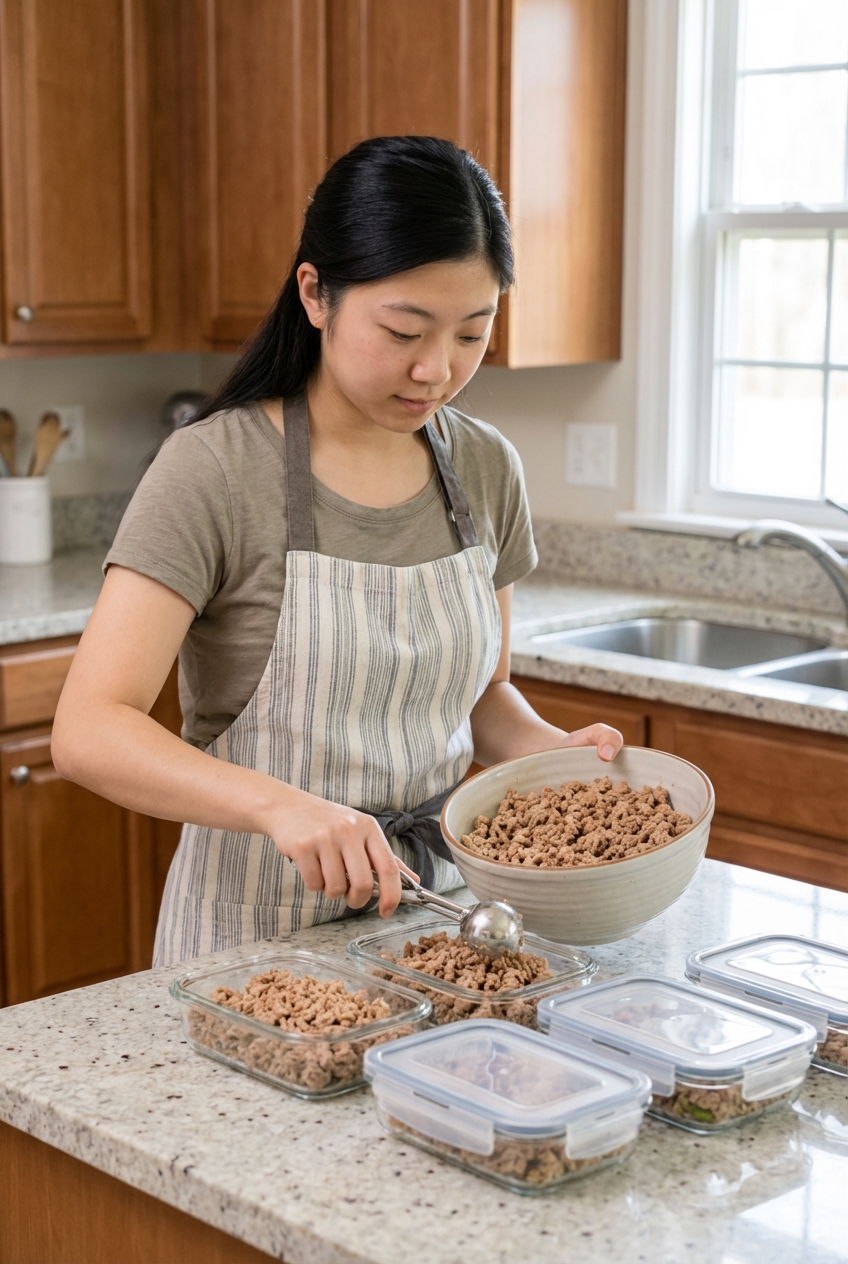
- Prepare 3 to 5 days at a time if refrigerating, or 2 to 4 weeks if freezing.
- Freeze in single-meal containers so you can thaw only what you need.
Safe thawing
- Thaw in the refrigerator overnight.
- If you warm food, warm gently and stir well to avoid hot spots.
Texture matters
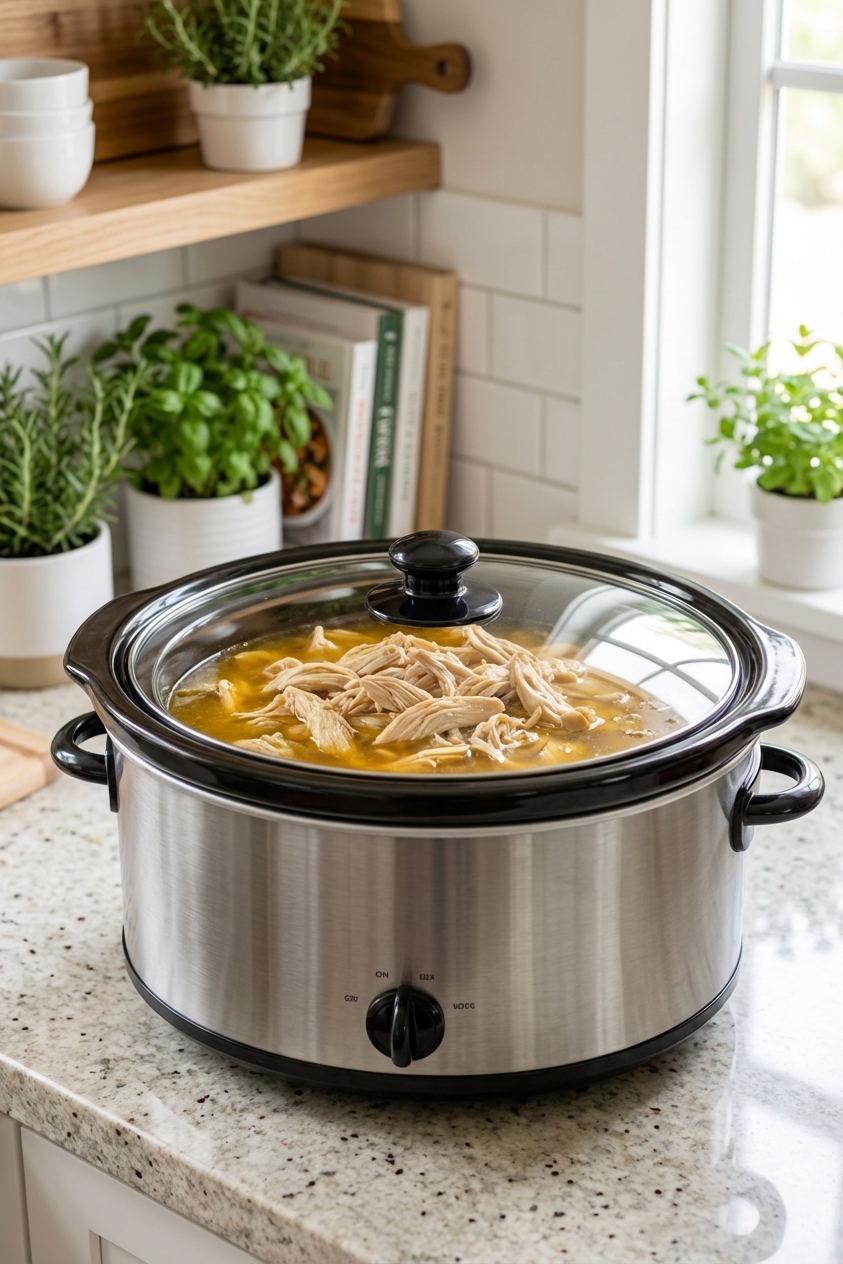
Some cats prefer pâté textures; others prefer shredded. You can use a fork, food processor, or a little warm water to adjust consistency while keeping the recipe intact.
Common mistakes
- Skipping taurine or using an unverified amount.
- No calcium source or “calcium from eggshell” without correct measurement.
- Too much liver (vitamin A toxicity risk). Liver is powerful, and the dose matters.
- Fish-heavy diets without balancing the full recipe. Depending on the fish and how it is prepared, risks can include thiamine issues (especially with some raw fish), iodine and thyroid concerns, heavy metals (like mercury), and fatty acid and vitamin E imbalances.
- Changing too many things at once, which makes it hard to identify what caused GI upset.
If you remember one thing: homemade can be amazing, but cats are not the species to “wing it.” Balanced is best.
When to get help
If you want a truly individualized plan, ask your veterinarian about a referral to a board-certified veterinary nutritionist (ACVN or ECVCN). A nutritionist can help with:
- A complete formulation for your cat’s life stage and medical needs
- Calorie targets based on ideal weight and body condition
- Exact supplement selection and amounts (and brand options)
- Recheck adjustments if weight, stools, or lab work changes
You can also ask your veterinarian:
- “Can you help me calculate my cat’s daily calories based on ideal weight?”
- “Does my cat need a urinary-health diet or specific moisture targets?”
- “What baseline labs (if any) should we check before a diet change, and when should we recheck?”
Simple monitoring at home
- Get a baseline weight and body condition score from your clinic if possible.
- Weigh your cat weekly during the transition (a baby scale works well).
- If your cat is losing weight unintentionally, vomiting, or having ongoing diarrhea, pause the change and call your veterinarian.
For many healthy adult cats, periodic weight checks and body condition scoring are enough. For seniors and cats with chronic conditions, your vet may recommend bloodwork or urine checks after diet changes.
Quick FAQ
Can I feed homemade cat food raw?
Some households choose raw, but it carries additional bacterial (and sometimes parasite) risks. The real-world risk varies by protein source, handling, and household factors, especially if there are immunocompromised people, young children, or seniors in the home. If you are considering raw, involve your veterinarian and follow strict hygiene and a well-designed recipe plan.
Do cats need carbohydrates?
Cats do not have a dietary requirement for carbohydrates. Some balanced recipes include small amounts for structure or calories, but the core of a cat’s diet should be animal-based protein and fat with the correct micronutrients.
Will homemade help my cat drink more water?
Often, yes. Homemade diets are typically higher in moisture than kibble, which can support hydration. Hydration needs vary, especially in cats with urinary or kidney issues, so talk with your vet about your cat’s specific goals.
Final encouragement
You do not have to flip a switch overnight. Start with a balanced recipe, transition slowly, and keep your vet in the loop. Even moving from 0% to 25% thoughtfully chosen, complete-and-balanced homemade meals can be a meaningful step toward better hydration, better ingredient control, and a diet you truly understand.
If you would like, tell me your cat’s age, weight, and any medical history, and I can help you draft a practical questions-to-ask list for your veterinarian and a transition plan you can discuss together.