Confused by cat food labels? Learn the non-negotiable homemade cat food basics—taurine, calcium balance, organ portions, completers, safety, storage, and s...
Article
•
Designer Mixes
Vet-Approved Homemade Cat Food Basics

Shari Shidate
Designer Mixes contributor
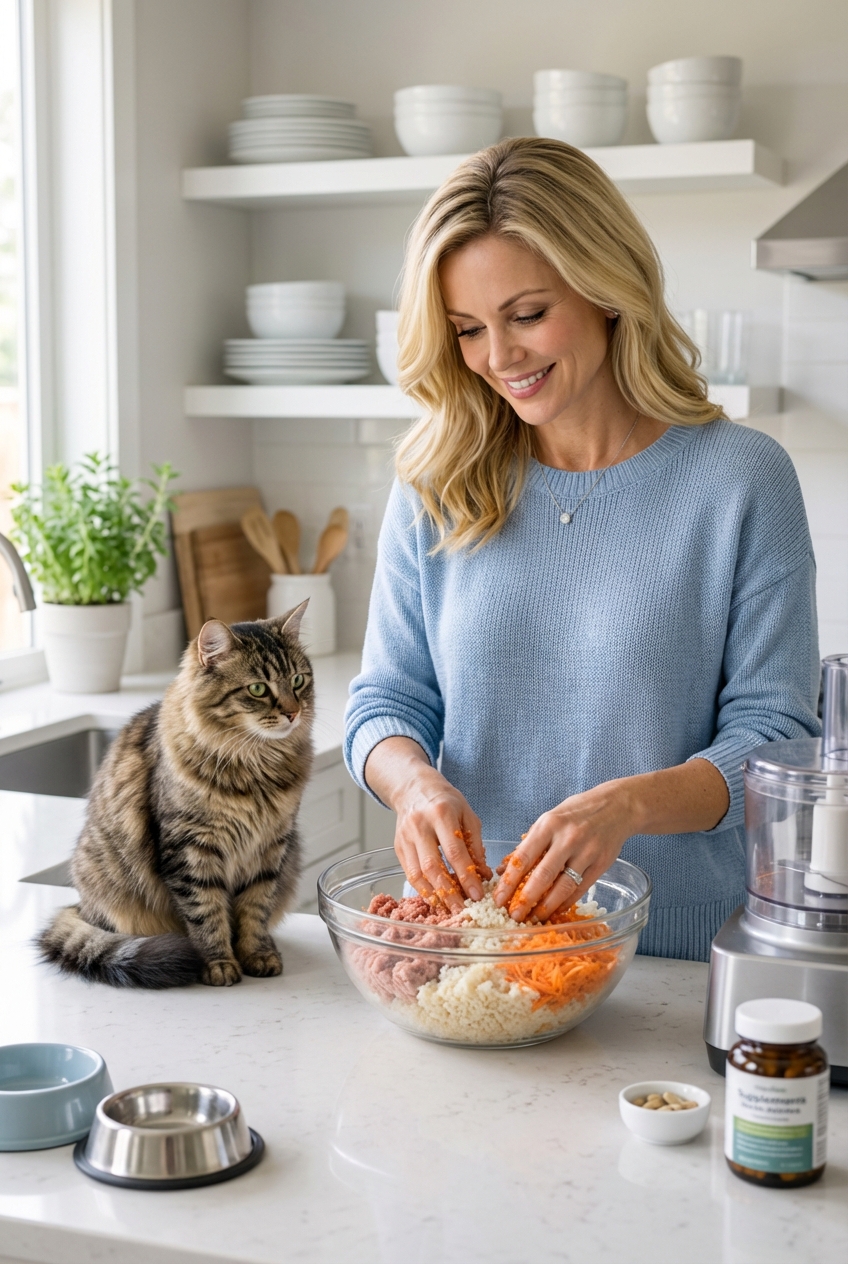
If you have ever looked at a cat food label and thought, “I am not even sure what half of this is,” you are in good company. As a veterinary assistant in Frisco, Texas, I talk with cat parents every week who want to feed better, but also want to do it safely. Homemade cat food can absolutely be done, but cats are not small dogs. They have very specific nutrient requirements, and small mistakes can add up over time.
This article covers veterinarian-guided basics, including what must be in the bowl, what to avoid, and a simple starting recipe framework you can bring to your veterinarian for final approval.
Before you start: what “vet-approved” means
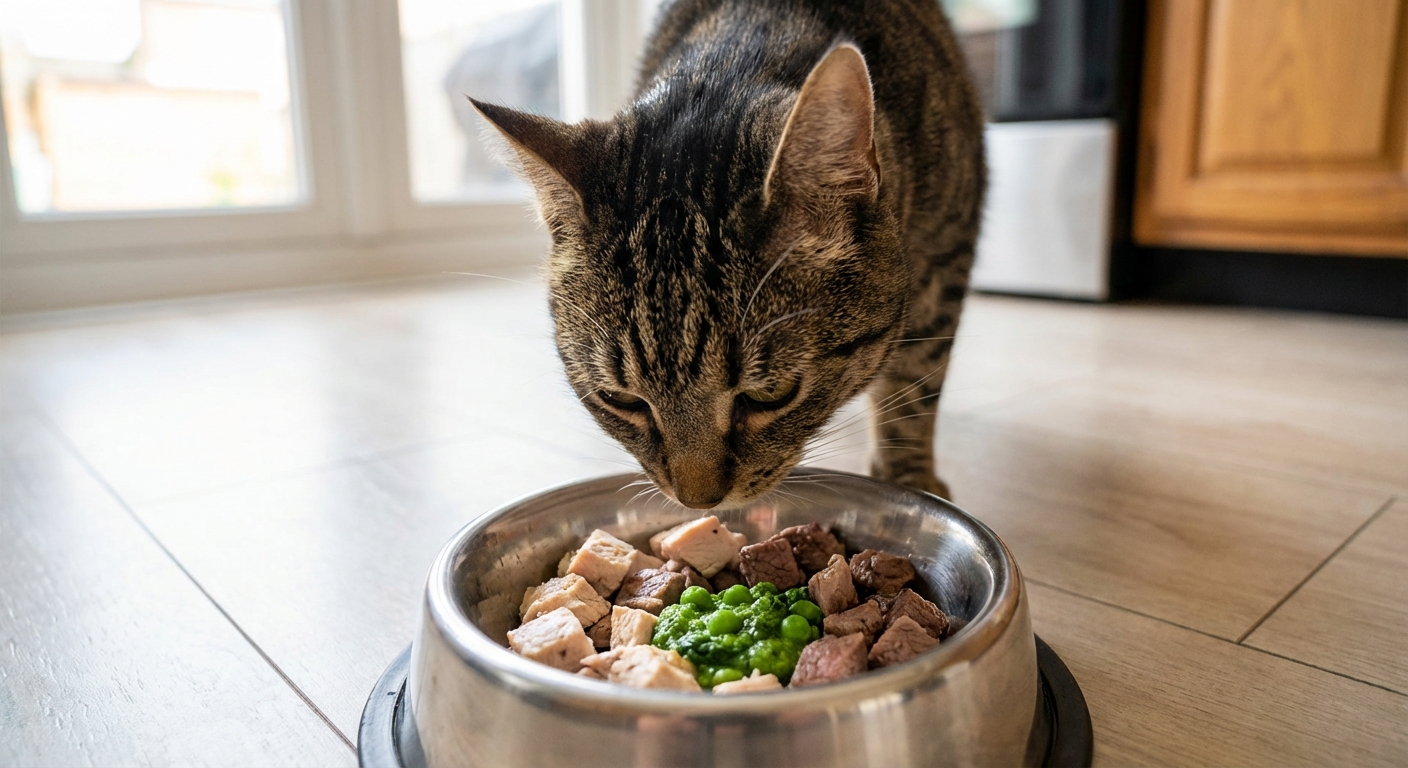
“Vet-approved” should mean more than a quick thumbs-up. Ideally, your veterinarian (or a board-certified veterinary nutritionist) reviews the recipe for nutrient completeness, your cat’s life stage, and any medical needs like urinary crystals, kidney disease, diabetes, allergies, or gastrointestinal sensitivity.
A helpful goal is to use recipes that align with AAFCO nutrient profiles for cats (the standard used in the U.S. for complete and balanced diets). Your vet may also recommend a reputable supplement mix designed specifically for homemade feline diets.
Homemade can be a wonderful option, but for cats, the “balanced” part is not optional.
Life stage matters
Kittens, adults, and seniors do not have identical needs. Growth, pregnancy, nursing, and certain medical conditions often require tighter nutrient targets and more frequent monitoring.
- Kittens and nursing cats: higher energy and very specific calcium, phosphorus, and DHA needs. This is not a “guess and adjust” stage.
- Healthy adults: often the easiest candidates for a well-formulated homemade plan.
- Seniors: may need adjustments for kidney health, digestion, and maintaining lean muscle.
If you are feeding a kitten or a cat with a chronic condition, I strongly recommend getting a veterinarian or veterinary nutritionist to review the exact recipe before you start.
Cat nutrition basics (non-negotiables)
Cats are obligate carnivores. That means their bodies are built to thrive on animal-based nutrition, and they cannot safely “wing it” with a general human meal plan.
1) Animal-based protein is the foundation
Cats require high levels of animal-based protein to support muscle, organ function, and long-term health. Common options include chicken, turkey, rabbit, and beef.
One important note: muscle meat alone is not a complete diet. Without the right calcium and micronutrients, “just meat” can cause serious imbalances over time.
2) Fat is a major energy source
Cats often get a substantial portion of their calories from fat, and that is normal. Fat improves palatability and helps provide efficient energy. Essential fatty acids also support skin, coat, and inflammation control. Your vet may recommend a specific omega-3 source (like fish oil) depending on your cat’s needs.
3) Taurine is essential
Taurine is a critical amino acid for cats. Deficiency can lead to serious issues including heart disease (dilated cardiomyopathy) and vision problems. Taurine is naturally found in animal tissues, especially heart and dark muscle meat, but amounts can vary with grinding, storage, and cooking.
Many homemade plans include a taurine supplement to be safe, especially when food is cooked.
4) Calcium to phosphorus balance matters
Meat is high in phosphorus and low in calcium. In nature, cats eating prey consume bones, which supply calcium. In a homemade diet, you need a safe calcium source (commonly eggshell calcium or a veterinary-formulated calcium supplement) to keep the calcium-to-phosphorus ratio in a healthy range.
Important safety note: do not try to “add bones” at home to fix calcium. Cooked bones are dangerous (they can splinter and cause choking or intestinal injury), and bone content is hard to dose correctly without a formulated plan.
5) Vitamins and minerals must be complete
Even if your ingredients are high quality, a diet can still be incomplete in nutrients like iodine, vitamin D, vitamin E, and certain B vitamins. This is where a feline-specific supplement mix often becomes the difference between homemade and homemade done right.
Avoid using human multivitamins (or random “pet vitamins”) as a shortcut. Doses can be wrong for cats, and some nutrients can become toxic when oversupplied. Use only veterinarian-recommended, cat-appropriate supplements designed for homemade diets.
6) Fish: fine, but not as the main plan
Fish can be used in moderation for variety and palatability, but it should not be the only protein long term. Some fish can contain higher levels of heavy metals, and some raw fish contain thiaminase, an enzyme that can contribute to thiamine (vitamin B1) deficiency if fed frequently. If you love the idea of fish, ask your vet how to use it safely in your rotation.
Raw vs cooked
Some cat parents are drawn to raw feeding. The concern many veterinarians have is pathogen risk (like Salmonella, Listeria, and Campylobacter) for both cats and people in the home, especially children, seniors, and anyone immunocompromised.
One key point: cats can sometimes carry and shed these organisms without looking sick, which still creates household risk.
If you want the safest starter lane, many vets prefer gently cooked homemade diets using a recipe that is formulated to meet feline nutrient needs.
Homemade recipe basics (vet-friendly)
Instead of guessing, use a consistent structure and then have your veterinarian help you fine-tune amounts and supplements for your cat’s weight, age, and health.
The basic bowl formula
- Animal protein (primary): cooked or raw per your vet’s guidance
- Animal fat: naturally present in the meat, plus optional vet-recommended omega-3s
- Organ meat (small, planned amount): commonly liver for vitamin A and other nutrients (too much is not safe)
- Calcium source: eggshell calcium powder or a veterinary calcium supplement
- Vitamin and mineral support: a feline-specific supplement mix (often the easiest path)
- Water and moisture: added water or broth (no onion or garlic) to support hydration
Vegetables are optional for many cats and should be used in very small amounts if at all. Cats do not require veggies the way humans do, and too much plant matter can reduce protein and energy density.
A simple cooked starter recipe (bring to your vet)
This is a starter framework, not a complete “no-check-needed” formula. The safest way to use it is to ask your veterinarian which supplement blend and calcium source they want you to use, then follow those label directions precisely.
Ingredients (batch prep friendly)
- Boneless meat: chicken thighs or turkey (dark meat tends to be more palatable)
- Optional organ: a small, measured amount of chicken liver (vet-guided)
- Water: to add moisture after cooking
- Calcium: eggshell calcium powder or vet-approved calcium supplement
- Feline vitamin and mineral supplement: vet-approved, added after cooking when food is cool
Steps
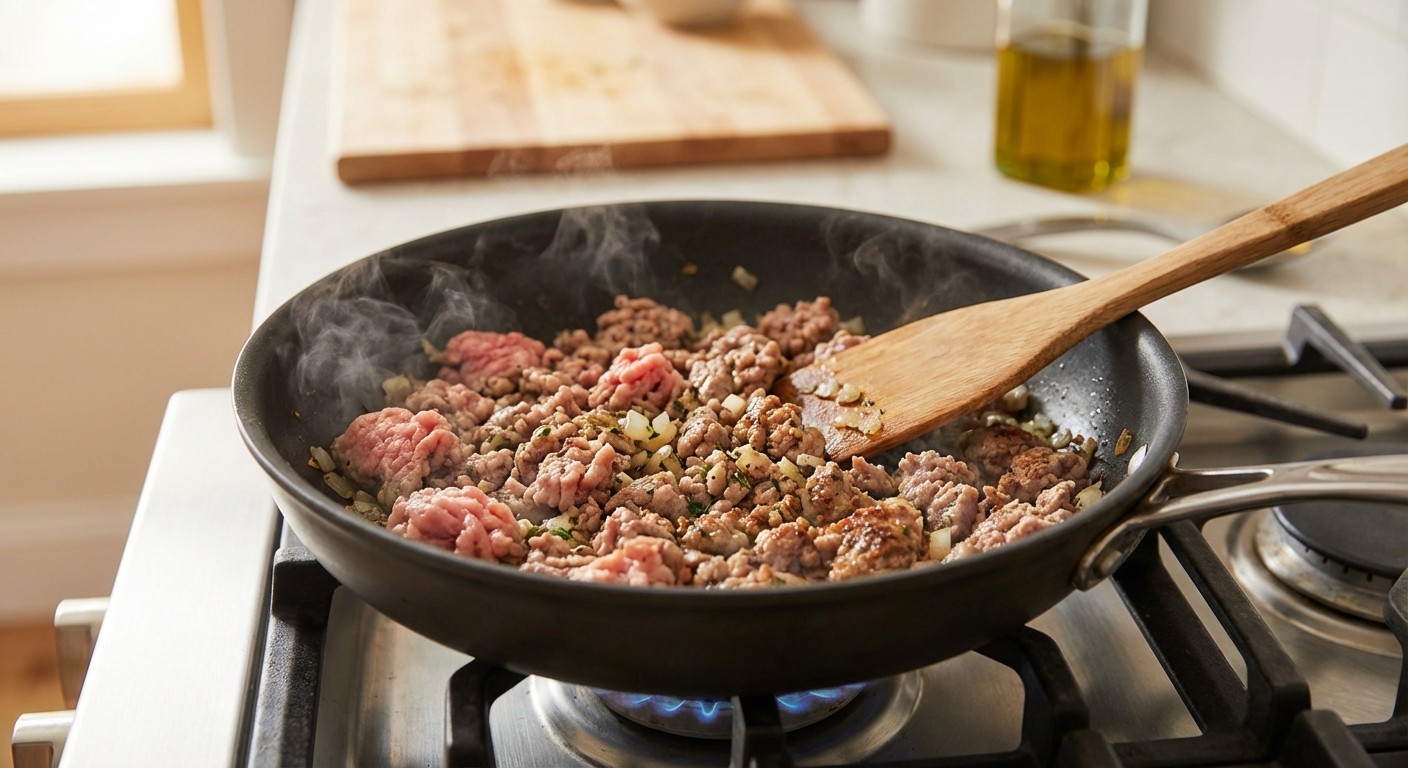
- Cook the meat gently to a safe internal temperature. A practical target is 165°F / 74°C for poultry and 160°F / 71°C for ground meats, unless your veterinarian gives different instructions. Then cool.
- Chop or grind to your cat’s texture preference.
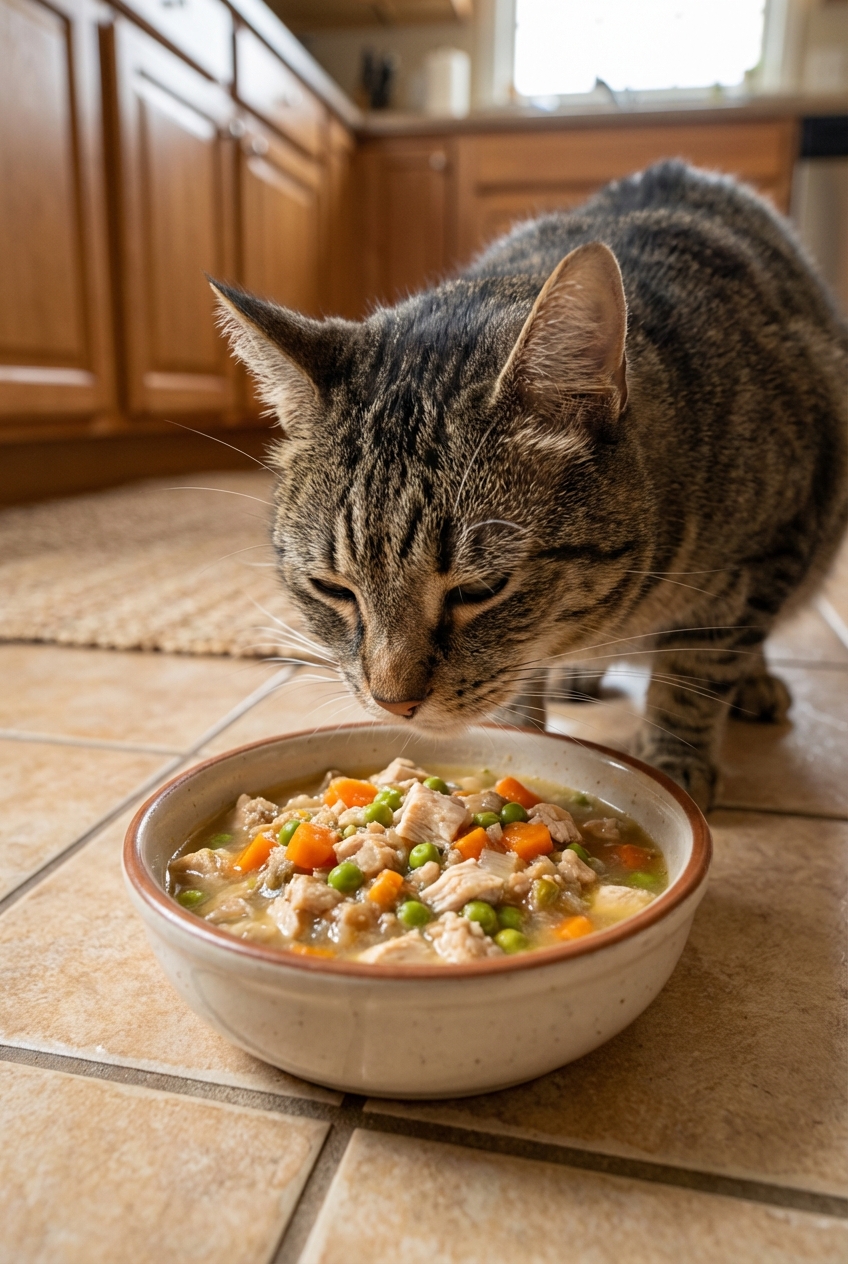
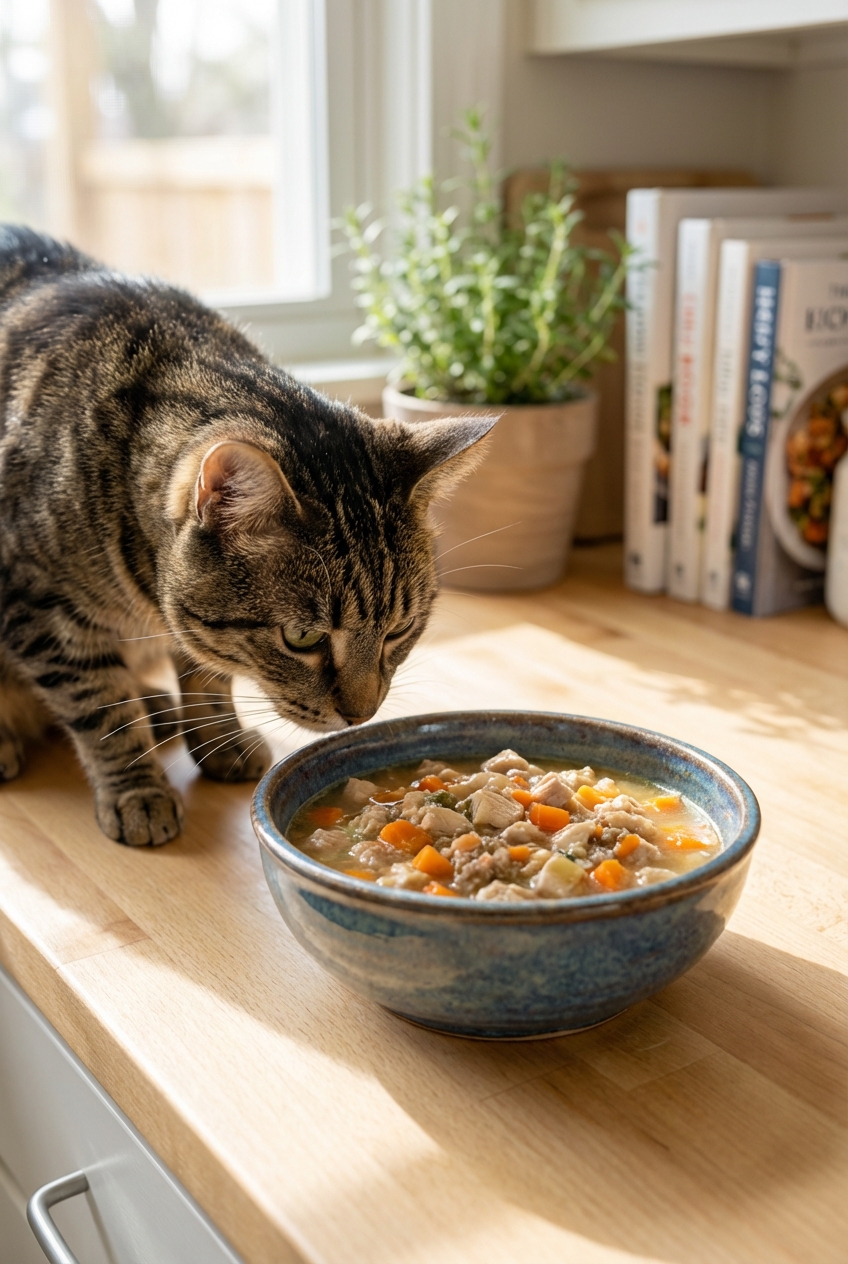
- Add water to reach a moist, pâté-like consistency (many cats do better with extra moisture).
- Mix in supplements only after the food is cool to protect nutrient potency.
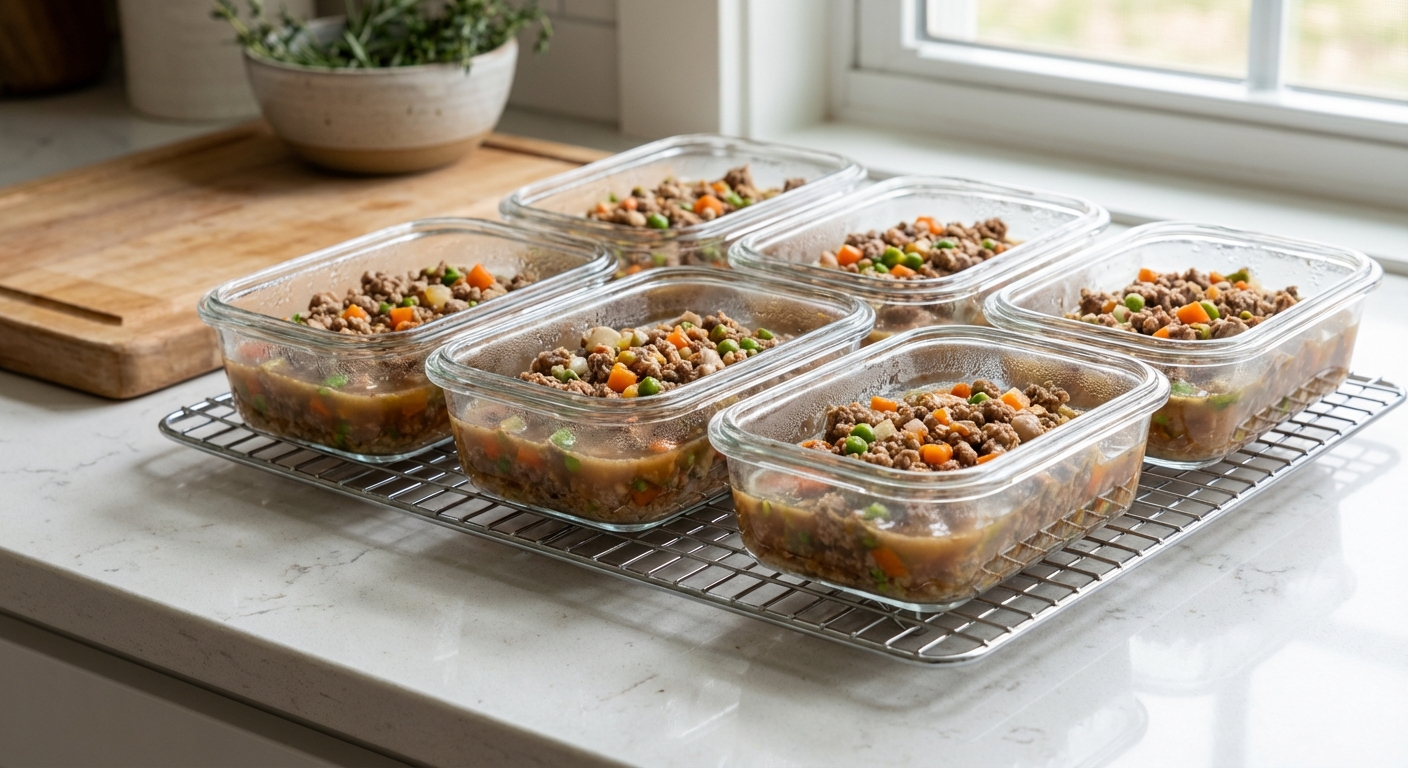
- Portion and store: refrigerate 2 to 3 days worth, freeze the rest in meal-sized containers.
Important: Do not add onions, garlic, scallions, or chives. Avoid products containing xylitol. Skip heavily seasoned meats, sauces, and deli meats. If you are tempted to add table salt, do not. Ask your vet first, especially for cats with heart or kidney concerns.
Also avoid: cooked bones, “bone shards,” or leftover rotisserie chicken bones. They are not a safe calcium plan.
Food safety and storage
Safe handling matters for homemade diets, whether you cook or feed raw.
- Clean prep: wash hands, bowls, utensils, and surfaces after handling meat.
- Refrigerate promptly: do not leave prepared food out longer than about 2 hours (less in warm rooms).
- Thaw safely: thaw frozen portions in the refrigerator, not on the counter.
- When in doubt, throw it out: if it smells off, looks off, or your cat refuses it suddenly, discard and reset.
Transitioning to homemade (go slow)
Cats can be sensitive to sudden diet changes, and some will refuse new textures at first. A slow transition protects the stomach and gives you time to spot problems early.
- Days 1 to 3: 10 to 25% homemade mixed into the current diet
- Days 4 to 6: 25 to 50% homemade
- Days 7 to 10: 50 to 75% homemade
- Days 11 to 14: 100% homemade if stools and appetite stay normal
Monitor appetite, energy, vomiting, stool quality, and litter box habits. If your cat stops eating, contact your vet promptly. Many clinics prefer you call within 24 hours, and sooner (often 12 to 24 hours) for overweight cats, kittens, seniors, or any cat that is ill. Cats can develop hepatic lipidosis (fatty liver disease) if they go without food.
Common mistakes (and how to avoid them)
- Feeding “just meat”: it sounds natural, but it is not nutritionally complete without calcium and micronutrients.
- Using internet recipes without a balancing supplement: many are incomplete, even if they look wholesome.
- Too much liver: liver is nutrient-dense, but excess can cause vitamin A toxicity.
- No taurine plan: relying on guesswork can be risky, especially with cooked diets.
- Copying dog recipes: cats have different needs, particularly for taurine, arachidonic acid, and vitamin A.
- Skipping follow-up: ask your vet about weight checks and periodic lab work, especially if homemade becomes long-term.
When homemade may not be best
Homemade diets can be life-changing for some cats, but there are times it is better to use a high-quality commercial therapeutic food instead, at least temporarily. Examples include cats with complex kidney disease, recurrent urinary obstruction, pancreatitis, or cats that are extremely picky and at risk of not eating.
If you still want the homemade feel, ask your vet about mixing a small amount of veterinarian-approved homemade topper into a complete commercial base.
Checklist for your veterinarian
- My cat’s age, weight, body condition score, and any diagnoses
- The exact ingredients and brands I plan to use
- Whether I plan to cook or feed raw
- Which feline supplement mix you recommend for complete and balanced nutrition
- How much to feed per day and how to adjust for weight goals
- When to recheck weight and whether baseline labs are recommended
If you want to feed homemade cat food, you do not have to do it perfectly on day one. Start small, do it safely, and let your veterinarian be your partner. Your cat deserves food that supports energy, vitality, and a long, comfortable life.