Hands-off slow cooker dog food for busy owners: 3 easy recipes (chicken/rice, turkey/sweet potato, beef/pumpkin) plus calcium guidance, safe ingredients, por...
Article
•
Designer Mixes
Vet-Aligned Ways to Show Your Dog You Love Them

Shari Shidate
Designer Mixes contributor
As a veterinary assistant here in Frisco, Texas, I get to see something sweet every day: dogs are incredibly good at reading us. They do not need fancy gifts to feel loved. They need consistency, safety, and a few daily habits that meet their emotional and physical needs.
Below are science-informed, vet-aligned ways to say “I love you” in a language your dog understands. Small actions, done regularly, are where the magic lives.
Quick note: This article is general education and not a substitute for veterinary care. If your dog has pain, anxiety, sudden behavior changes, or medical concerns, your veterinarian should be your first call.
1) Consent and choice
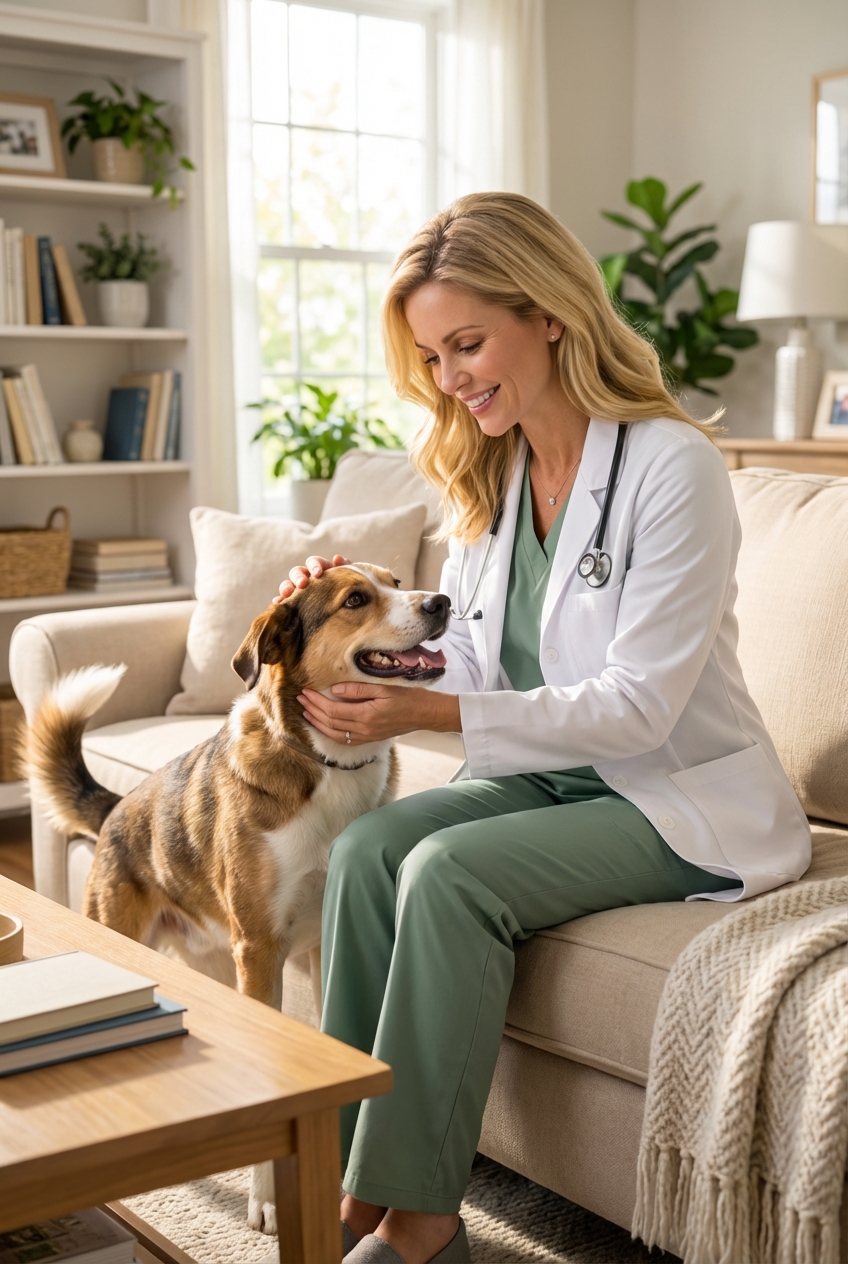
One of the most loving things you can do is respect your dog’s comfort level. Many dogs enjoy petting, hugging, and close contact. Others feel stressed by it, especially with unfamiliar people or in busy environments.
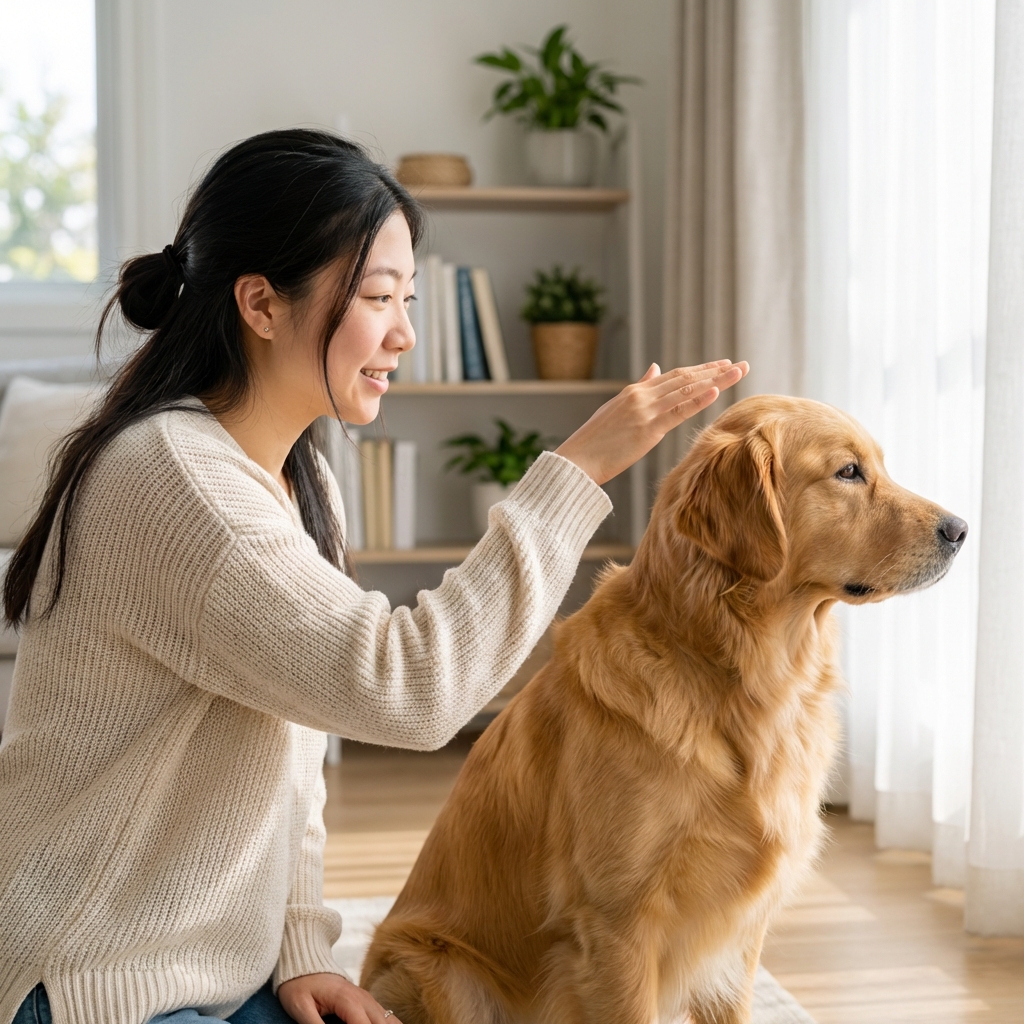
Try a 3-second consent check
This is a practical guideline used by many trainers and behavior teams. It is not a formal standardized test, and individual dogs vary.
- Pet your dog for about 3 seconds, then stop.
- If they lean back in, nudge your hand, or stay close, that is a “yes.”
- If they turn away, lick their lips, yawn, stiffen, or move off, that is a “no” or “not right now.”
Respecting that “no” builds trust quickly. In the clinic, that trust shows up as calmer handling, easier exams, and a dog who feels safe with their person.
2) Predictable routines
Dogs thrive on patterns. A predictable schedule for meals, potty breaks, walks, and quiet time can lower stress because your dog does not have to guess what happens next.
If your household is busy, create a simple daily rhythm your dog can count on:
- Morning potty break and a short walk
- Breakfast, then rest time
- Midday enrichment or play
- Evening walk and dinner
- Wind-down routine before bed
This is especially helpful for rescues, puppies, and sensitive dogs.
3) Walks that feel like dog time
We humans often think exercise equals love. Dogs do need exercise, but many dogs benefit just as much from decompression. A slow, sniffy walk is not lazy. It is mentally nourishing.
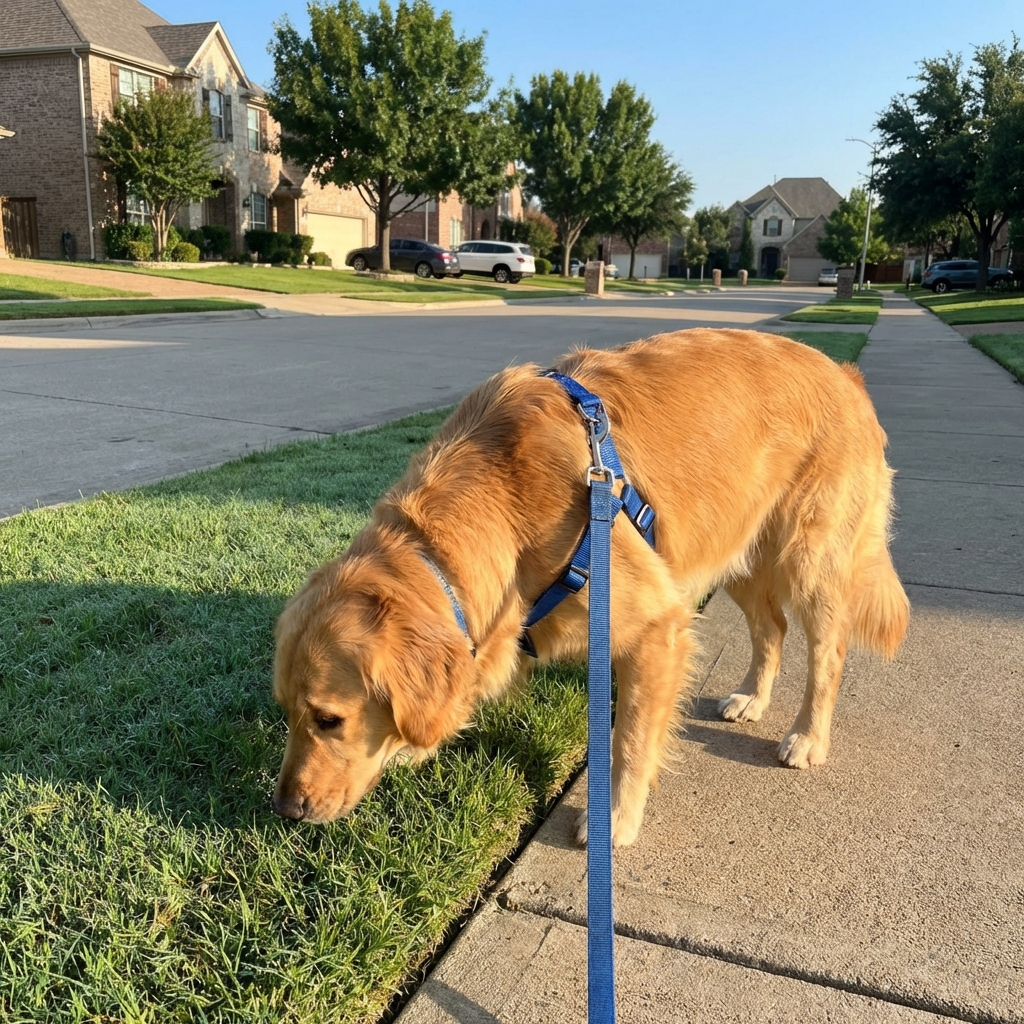
Make one walk per day a sniffari
- Use a comfortable harness and a longer leash if safe to do so.
- Let your dog choose the pace and pause to sniff.
- Avoid constant pulling toward your agenda.
Sniffing is natural enrichment and may help many dogs settle and regulate. For a lot of dogs, it is the highlight of the walk.
Texas safety add-ons
- Heat: In Frisco summers, aim for early morning or late evening. If it is hot for you, it is hot for them.
- Pavement: If you cannot hold your hand on the sidewalk for about 5 to 7 seconds, it is too hot for paws.
- Hydration: Bring water for longer walks and take breaks in shade.
4) Feed for the long run
Food is love, but it is also health. One of the most vet-aligned “I love you” moves is keeping your dog at a healthy body condition. Excess weight increases the risk of arthritis, diabetes, breathing issues, and can shorten lifespan.
Simple nutrition habits
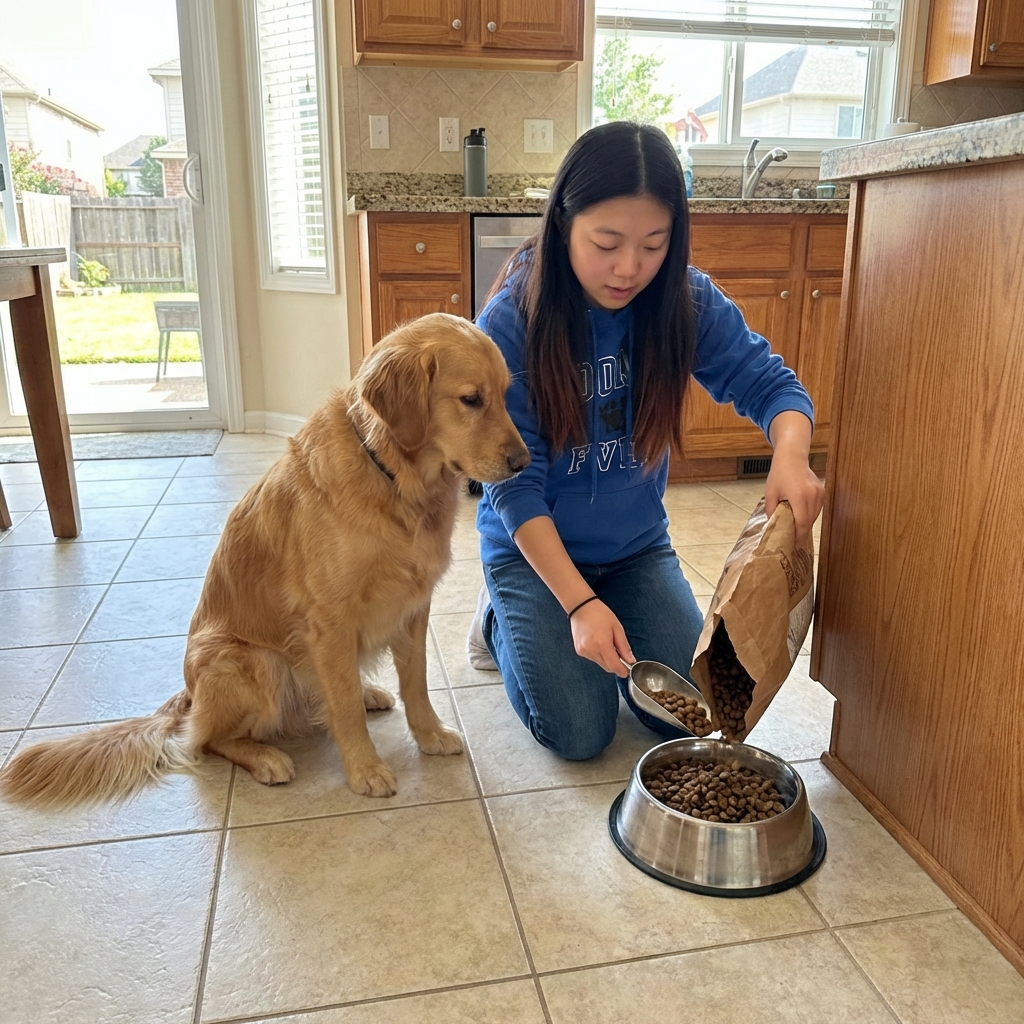
- Measure meals instead of free-pouring.
- Keep treats to about 10% of daily calories.
- Use some of your dog’s kibble as “treats” during training.
- Ask your veterinarian about your dog’s Body Condition Score (BCS) and target weight.
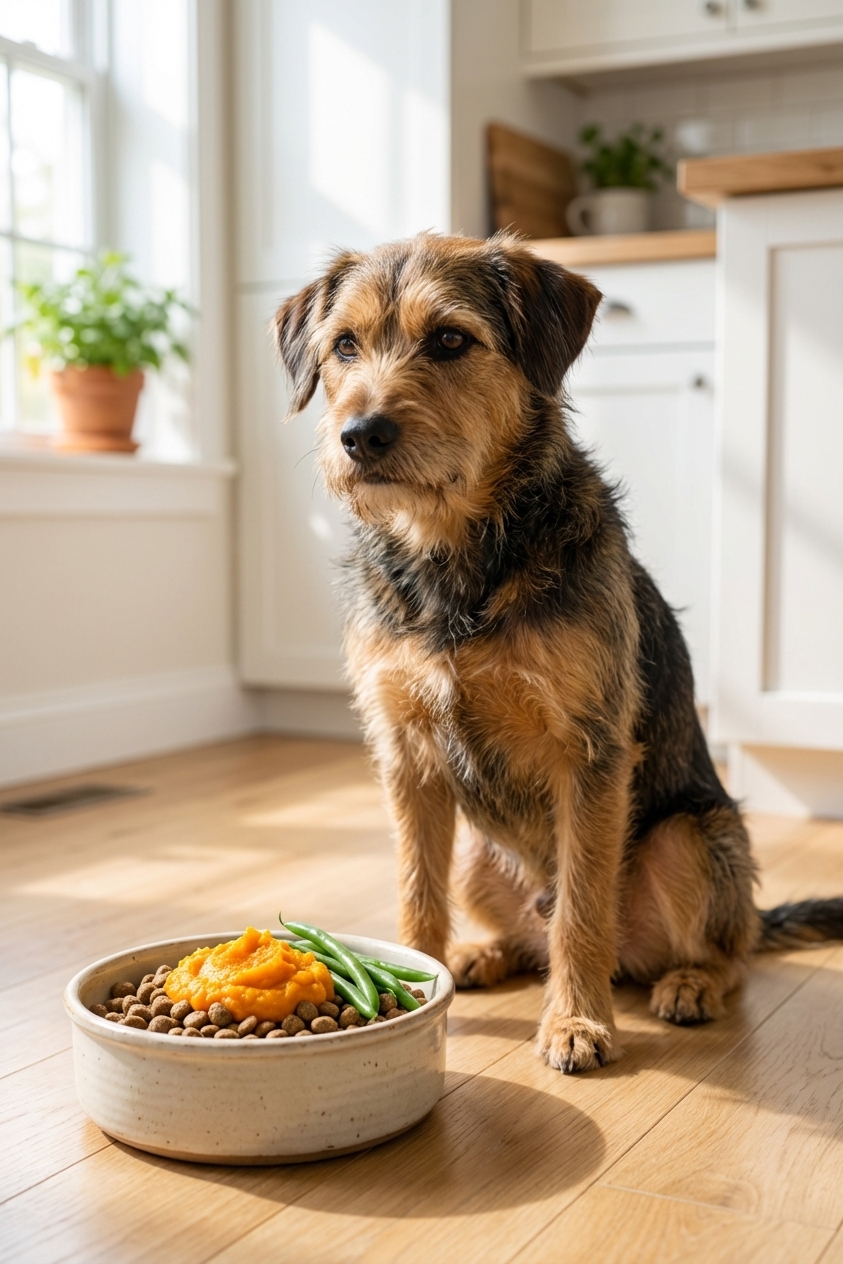
If you want to add whole foods, start slow and keep it plain. A spoonful of plain pumpkin or a little cooked, unseasoned lean protein can work for some dogs. Avoid onion, garlic, heavy seasoning, and fatty foods. Always check first if your dog has a history of pancreatitis, GI disease, allergies, or a sensitive stomach.
5) Kind training in 5 minutes
Positive reinforcement training is more than manners. It is communication, confidence-building, and relationship glue. Your dog learns, “When I try, good things happen with my person.”
Easy daily training ideas
- Hand target: teach your dog to touch their nose to your palm.
- Settle on a mat: reward calm behavior on a bed or mat.
- Loose-leash skills: reward when the leash is slack, even for one step.
Keep sessions short, upbeat, and end on a win. If either of you gets frustrated, take a break. Love is not a drill sergeant, it is a teammate.
6) Enrichment is affection
Many young, high-energy, or highly social dogs (including plenty of popular mixes) need mental outlets as much as physical ones. Without enough enrichment, you may see barking, chewing, digging, or restlessness. That is not “being bad.” It is often unmet needs.
Vet-friendly enrichment options
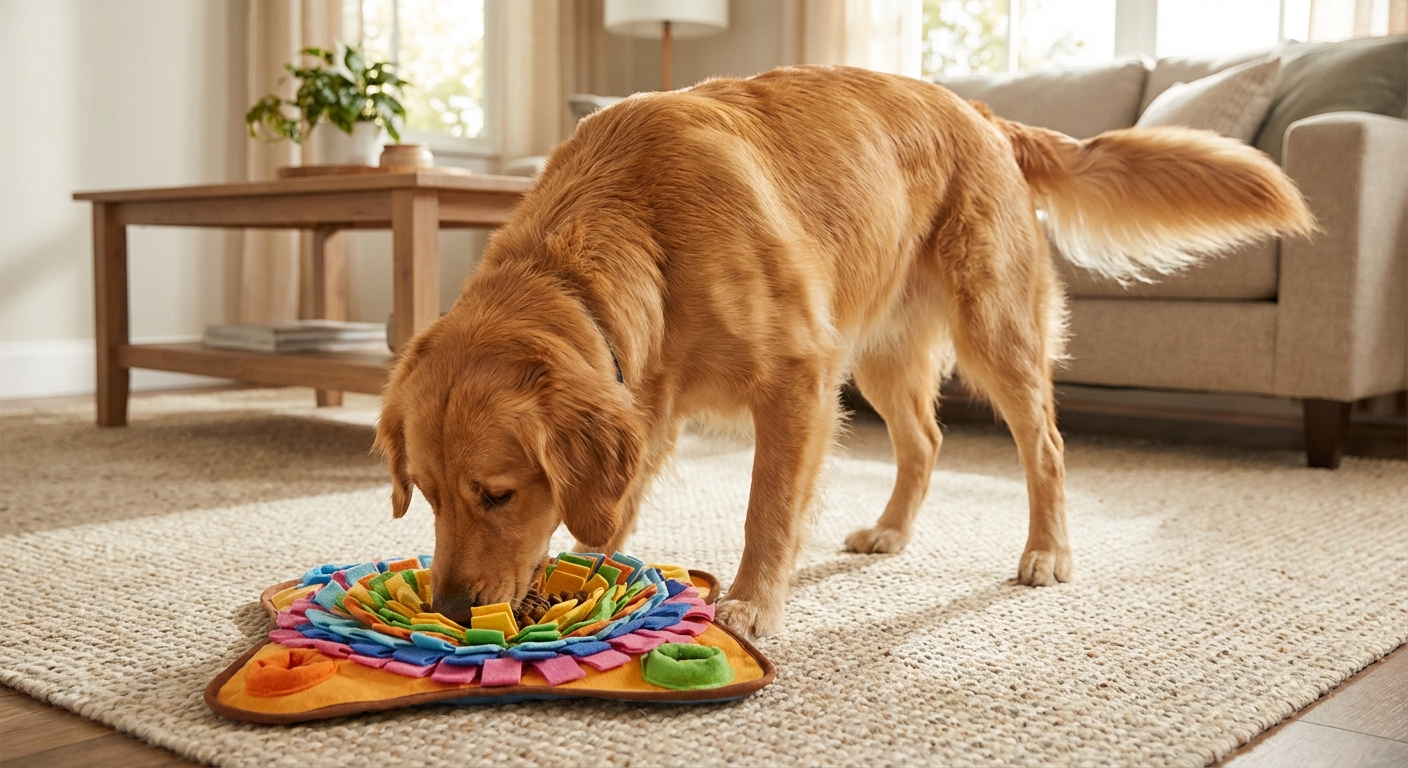
- Food puzzles and snuffle mats
- Scatter-feeding in the yard
- Frozen stuffed KONG-style toys (use dog-safe ingredients)
- Rotate toys weekly so they feel new
- Teach a new trick once a week
Toy and chew safety
- Choose size-appropriate toys and chews.
- Supervise new chews, especially if your dog is a power chewer.
- If it can splinter, break into sharp pieces, or is small enough to swallow, skip it.
- If your dog has a history of GI upset or obstruction, ask your vet what is safest.
Think of enrichment as preventative care for the brain.
7) Rest and a calm home base
Sleep is when your dog’s body recovers and their nervous system resets. Adult dogs often sleep about 12 to 14 hours per day, sometimes more depending on age, breed, and activity level. Puppies and seniors usually need even more.
How to support better rest
- Provide a quiet, draft-free bed area.
- Use a crate or pen if your dog relaxes there, never as punishment.
- Protect nap time from constant interruptions, especially from kids.
A well-rested dog is typically a calmer dog, and calmer dogs learn and bond more easily.
8) Touch they actually enjoy
Many dogs prefer gentle, steady touch over excited pats. In general, aim for areas dogs commonly like: chest, shoulders, and along the side of the neck. Many dogs dislike hands coming over the top of the head, especially from strangers.
Signs your dog is enjoying touch
- Soft eyes and loose body
- Leaning into you
- Relaxed mouth
- Choosing to stay close
Signs to pause or stop
- Whale eye (showing the whites of the eyes)
- Lip licking, yawning, turning away
- Stiff posture or tucked tail
- Moving away
Affection should feel good to your dog. If they opt out, you can always offer love in other ways like play, a sniffari, or a food puzzle.
9) Preventive care
This one is not glamorous, but it is deeply loving. Preventing pain and illness is one of the most powerful gifts you can give.
Core essentials
- Yearly wellness exams, or twice yearly for seniors (your clinic can define “senior” for your dog’s size and breed mix)
- Parasite prevention appropriate for your region and lifestyle
- Heartworm prevention: especially important in Texas, ask your vet what schedule is right for your dog
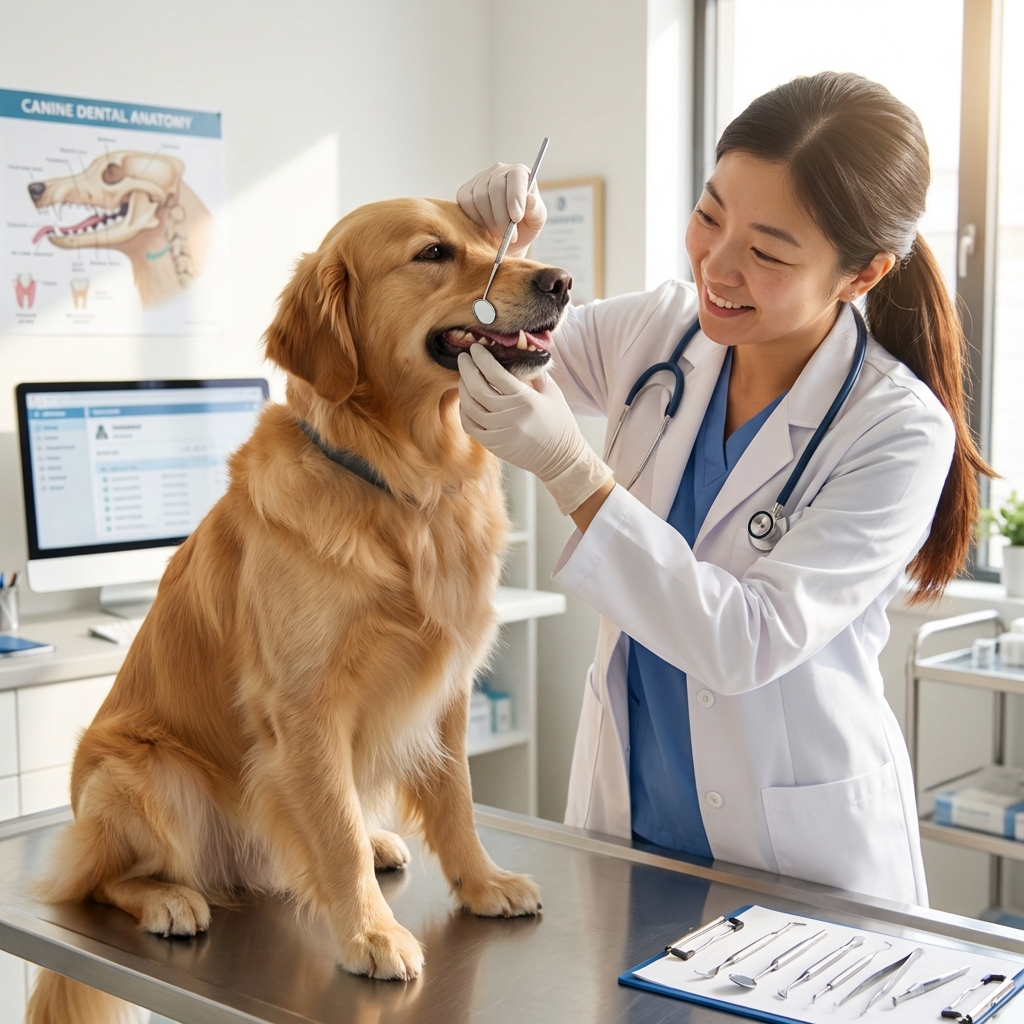
- Dental care: brushing, dental diets, and professional cleanings when recommended
- Nail trims to support healthy posture and joints
- Vaccines based on your dog’s risk and your veterinarian’s guidance
- Microchip and ID tags with up-to-date contact info
- Spay or neuter discussion based on your dog’s health, age, and lifestyle
If money is tight, ask your clinic what matters most for your dog right now. Most teams are happy to help you prioritize.
10) Be emotionally steady
Dogs are tuned in to our energy. One of the most meaningful ways to show love is to be a safe, predictable presence, especially during scary moments like storms, fireworks, vet visits, or new places.
- Speak softly and move slowly when your dog is unsure.
- Reward brave behavior with treats and praise.
- Do not force greetings or interactions.
- Advocate for your dog. If they are overwhelmed, create distance.
Your dog does not need you to be perfect. They need you to be their steady.
The real secret is that love is not one big gesture. It is a hundred small choices that help your dog feel safe, understood, and healthy.
Quick checklist: 7 ways today
- Take a sniffy walk.
- Do a 3-minute training game with treats.
- Offer a food puzzle or scatter-feed a meal.
- Brush your dog’s coat or teeth if they tolerate it.
- Offer a consent-based cuddle.
- Check the water bowl and refresh it.
- End the day with a calm routine and a quiet goodnight.
If you try just two of these daily, you will likely notice a happier, more relaxed dog in a surprisingly short time.