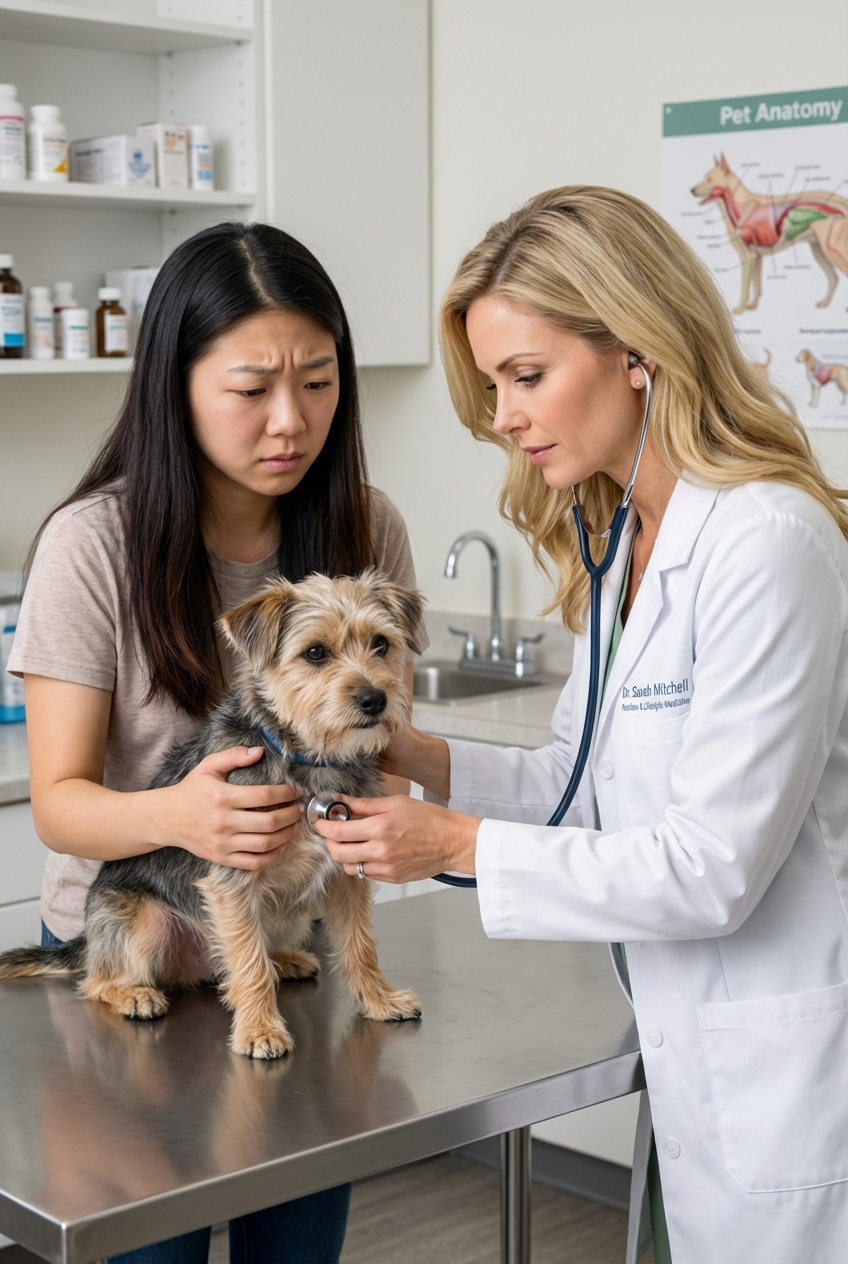
Spot sudden stroke-like signs in dogs—head tilt, wobbliness, one-sided weakness, nystagmus, confusion, collapse or seizures. Learn what to do fast, how vet...
Article
•
Designer Mixes
Vestibular Disease in Dogs Treatment Explained

Shari Shidate
Designer Mixes contributor
If your dog suddenly starts stumbling, tilting their head, or acting like the room is spinning, it is scary in a way that is hard to describe. As a veterinary assistant here in Frisco, Texas, I have watched many families walk in worried they are seeing a stroke. The good news is that many of these dogs are actually dealing with vestibular disease, and with the right support, a lot of them improve significantly. Strokes and other serious neurologic issues can still happen in dogs, though, so it is important to get your dog checked promptly.
This guide explains what vestibular disease is, what treatment usually looks like, what you can do at home to keep your dog safe, and when it is time to treat it as an emergency.

What vestibular disease is
The vestibular system is your dog’s built-in balance and orientation system. It involves the inner ear, nerves, and parts of the brain that coordinate eye position and body movement. When this system is disrupted, dogs can look suddenly dizzy, nauseated, and unsteady.
Common signs you might see
- Head tilt to one side
- Loss of balance, falling, or walking in circles
- Nystagmus (eyes flicking side-to-side or up-and-down)
- Nausea: drooling, lip licking, vomiting
- Reluctance to stand or seeming panicked when they try to walk
These signs often come on fast, which is exactly why vestibular episodes can be mistaken for a stroke. Your veterinarian’s job is to rule out emergencies and determine whether the cause is likely peripheral (inner ear related) or central (brain related).
Why it happens
Vestibular disease is not one single diagnosis. It is a syndrome, meaning a group of signs with multiple possible causes. Your dog’s treatment plan depends on the underlying reason.
Common causes
- Idiopathic vestibular disease (often called “old dog vestibular syndrome”): sudden onset, no clear cause found, tends to improve with time
- Inner ear infection (otitis interna or media)
- Ear trauma, polyps, or masses
- Ototoxic medications (uncommon): certain medications can damage the inner ear, including some aminoglycoside ear medications if the eardrum is not intact
- Central causes such as inflammation, tumors, or vascular events affecting the brainstem
Because treatment is different for each cause, the kindest first step is not guessing at home. It is getting a proper veterinary exam.
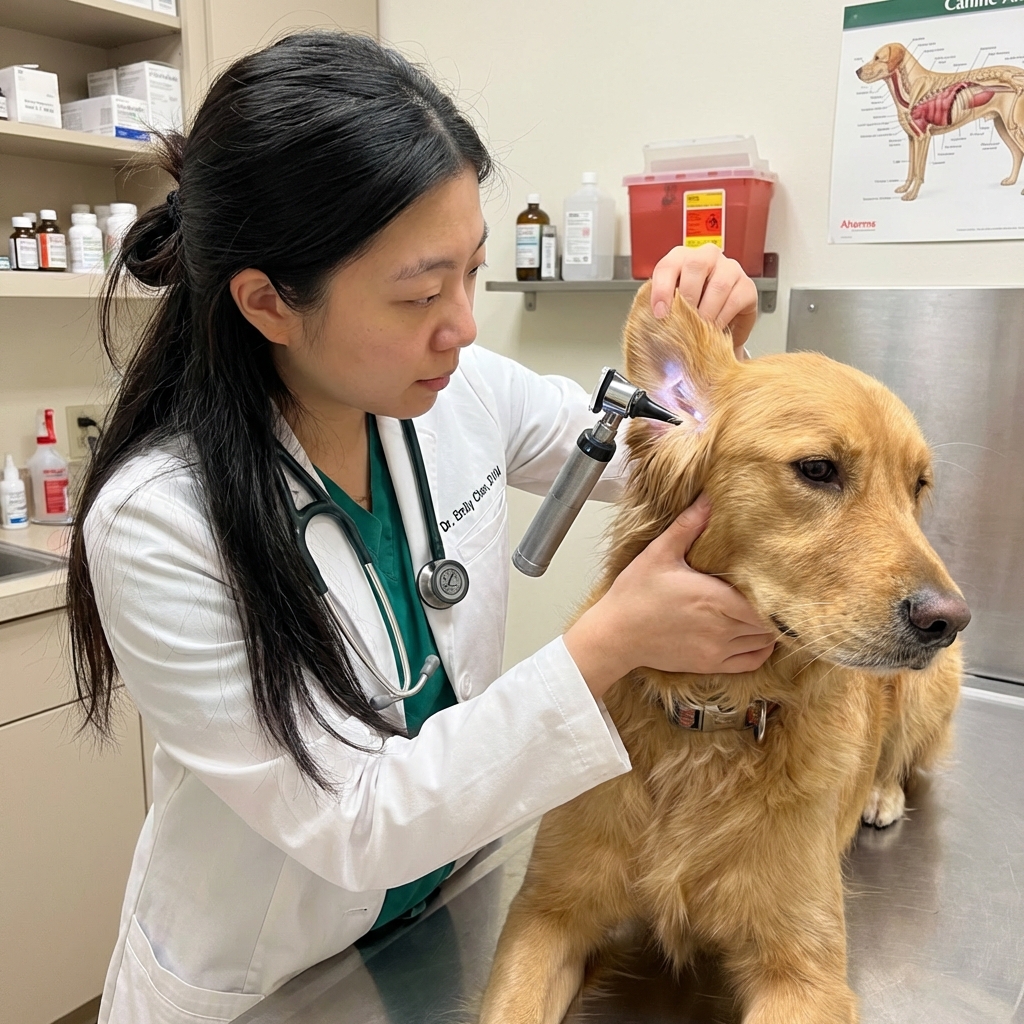
Peripheral vs central
This distinction matters because it helps guide testing, urgency, and what recovery may look like.
- Peripheral vestibular disease usually involves the inner or middle ear. Dogs can look dramatic but often stay bright and responsive otherwise.
- Central vestibular disease involves the brainstem or cerebellum. It is more likely to come with additional neurologic changes and may require imaging and specialist care.
Patterns like vertical nystagmus can be more suggestive of central disease, but it is not absolute. Nystagmus direction and type need to be interpreted along with the full neurologic exam.
When it is an emergency
If your dog suddenly cannot walk, seems extremely disoriented, or is vomiting repeatedly, contact an emergency clinic right away. Vestibular disease itself is not always life-threatening, but dogs can become dehydrated, injure themselves, or have a more serious neurologic problem that looks similar.
Go in urgently if you notice
- True weakness in one or more limbs, knuckling, or inability to bear weight (not just wobbliness)
- Facial paralysis (drooping lip, inability to blink) especially if it is new
- Seizures or loss of consciousness
- Severe lethargy or abnormal mentation (not recognizing you, extreme confusion)
- Persistent vomiting or inability to keep water down
- Vertical nystagmus or rapidly worsening eye movements, especially with other neurologic changes
Trust your instincts. If your dog looks “wrong” in a way you cannot explain, that is enough reason to be seen.
How it is diagnosed
Your veterinarian will start with a full history and physical exam, followed by a focused neurologic and ear exam. The goal is to determine whether the issue is more likely peripheral or central and to look for treatable causes such as infection.
Testing your vet may recommend
- Ear exam and sometimes ear cytology
- Bloodwork to assess overall health and rule out metabolic contributors
- Blood pressure check, especially in seniors
- Advanced imaging (CT or MRI) if central disease is suspected or if signs are not improving as expected
- Referral to a veterinary neurologist or internal medicine specialist in complicated cases
Not every dog needs every test. Many idiopathic cases are diagnosed after the exam supports vestibular disease and no red flags are present.
Treatment: what helps most
Treatment usually falls into two categories: supportive care to help your dog stay safe and comfortable while the body recalibrates, and targeted therapy when there is an underlying condition such as infection.
Supportive care
Supportive care is not “doing nothing.” It is active nursing care that reduces nausea, prevents injury, and keeps your dog hydrated and nourished.
- Anti-nausea medication: medications such as maropitant are commonly used to control vomiting and nausea.
- Motion sickness support: medications like meclizine may be prescribed in some cases to reduce vestibular signs and nausea. Use only what your veterinarian recommends for your dog.
- Fluids: if your dog is dehydrated or cannot keep water down, subcutaneous or IV fluids may be needed.
- Appetite support: once nausea is controlled, many dogs start eating again. Sometimes temporary appetite stimulants are used.
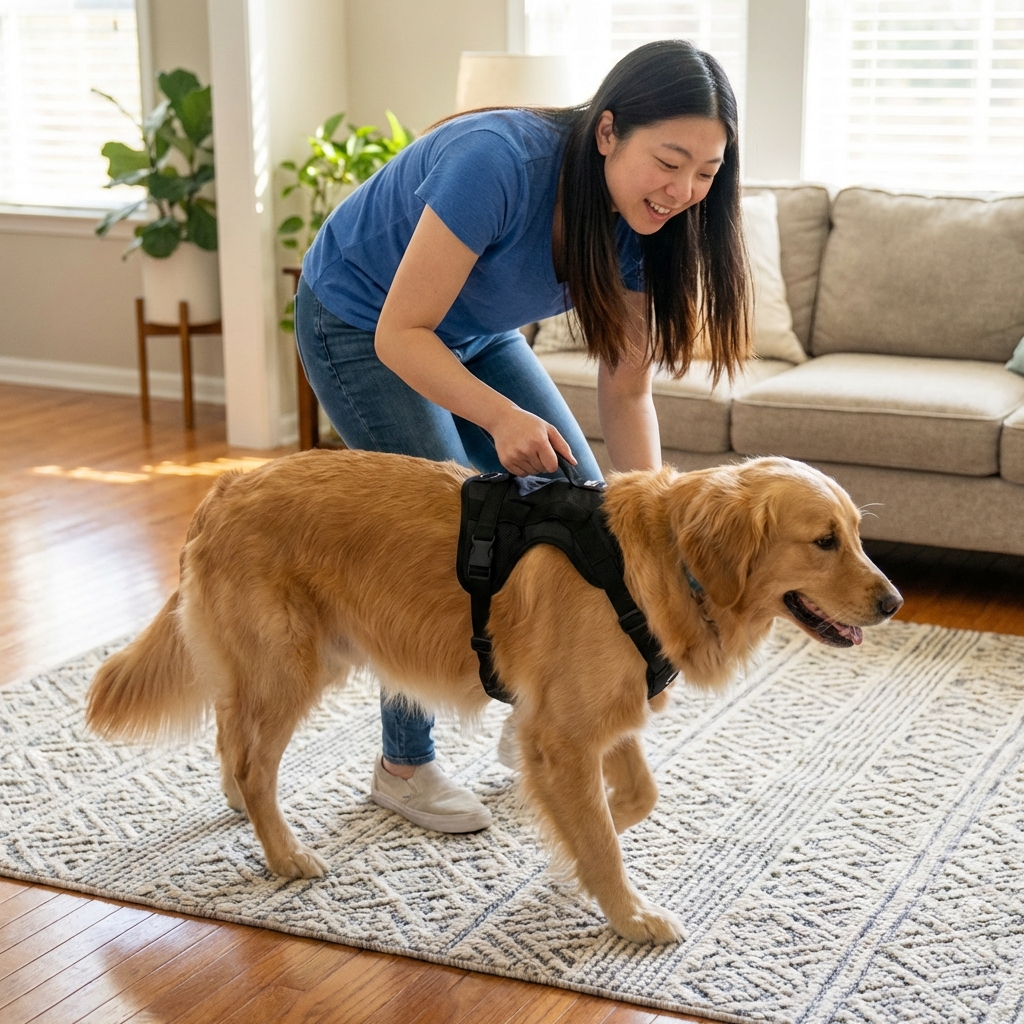
- Assisted mobility: slings, harnesses, or towels under the belly help dogs potty safely without falling.
Targeted treatment
- Ear infection: treatment may include systemic antibiotics or antifungals, pain control, and careful ear management. Otitis media or interna often requires longer treatment and rechecks, and some cases need culture and imaging.
- Inflammatory or central causes: these may involve neurologic consultation, advanced imaging, and specific medications based on the diagnosis.
- Medication review: if ototoxicity or a drug reaction is suspected, your veterinarian will adjust medications safely.
Many idiopathic vestibular cases often begin improving within 24 to 72 hours, with continued improvement over 1 to 3 weeks. Some dogs take longer, especially if nausea is severe or if there is an underlying ear problem. A mild head tilt can linger, and some dogs keep a small tilt permanently while feeling totally normal otherwise.
Home care
Home care is where you make the biggest day-to-day difference. Your goal is to prevent falls, reduce stress, and help your dog meet basic needs while their balance returns.
Set up a recovery zone
- Confine to a small area with non-slip flooring. A large crate or a small room works well.
- Add traction with yoga mats, rugs, or non-slip runners.
- Block stairs and keep furniture access limited so your dog cannot jump and fall.
- Keep the area calm and well-lit enough for safe footing, especially at night.
Help with walking and potty breaks
- Use a harness, not just a collar, for better control and comfort.
- Support with a sling under the belly if your dog is wobbly.
- Short, frequent potty trips are better than long walks.
Feeding and hydration tips
- Small meals can be easier than one big meal.
- Warming food slightly and hand-feeding can help some dogs once nausea is controlled.
- Elevate bowls slightly if bending down makes your dog lose balance.
- Go slow: if your dog is extremely wobbly, offer small amounts at a time and follow your veterinarian’s guidance to reduce the risk of choking or aspiration.
- Monitor water intake and call your vet if vomiting continues or your dog refuses fluids.
Safety notes: Do not give human motion sickness medications unless your veterinarian specifically directs you. Also, do not put any drops, cleaners, or home remedies in your dog’s ear unless your veterinarian has examined the ear and confirmed it is safe. If the eardrum is damaged, certain products can make things worse.
If your dog is mostly down, use soft bedding and help them change sides a few times a day to reduce pressure sores. Keep them clean and dry if accidents happen.
What recovery looks like
Vestibular recovery is rarely a straight line. Many dogs have a dramatic first day, then small daily improvements. Others improve quickly, then hit a plateau. This is normal.
Common milestones
- First 1 to 3 days: nausea improves with treatment, vomiting decreases, your dog may still be very wobbly.
- Days 4 to 7: steadier walking, more interest in food, less circling.
- Weeks 2 to 3: most dogs can navigate the home safely again. Head tilt may remain.
Follow your veterinarian’s recheck plan. In general, if your dog is not clearly improving within 72 hours, seems to be getting worse, or develops new signs, call your vet right away. Central causes are less common, but we never want to miss them.
Can it be prevented?
You cannot always prevent vestibular episodes, especially idiopathic cases. But you can lower risk and improve outcomes by staying proactive about overall health.
- Address ear infections early and follow through with rechecks. Chronic ear disease can progress to middle or inner ear involvement.
- Keep regular wellness visits, especially for seniors, including blood pressure checks when recommended.
- Maintain a healthy weight. Mobility is harder when a dog is overweight, especially during dizzy spells.
- Support joint and muscle health with vet-approved exercise and nutrition so your dog has better stability overall.
Questions to ask your veterinarian
- Do you think this is peripheral or central vestibular disease, and why?
- Do you see evidence of an ear infection or deeper ear involvement?
- What medications are you prescribing, and what side effects should I watch for?
- When should I expect improvement, and when do you want a recheck?
- Do you recommend imaging or a referral if my dog does not improve?
Takeaway
Vestibular disease looks dramatic, but many dogs recover beautifully with time, nausea control, hydration, and a safe environment. Your steady presence matters. Keep routines simple, help your dog stay safe on their feet, and celebrate the small improvements. They add up.
If you are in the middle of an episode right now, you are not alone. Call your veterinarian, set up a cozy recovery zone, and take it step by step.