
Vestibular Disease in Cats

If your cat suddenly develops a head tilt, walks as if intoxicated, or starts darting their eyes back and forth, it can be terrifying to watch. I want to reassure you right away: feline vestibular disease often looks dramatic, but many cats, especially those with peripheral (inner ear) causes, improve quickly with supportive care and guidance from your veterinarian.
Vestibular disease is a problem with the balance system. In cats, it typically affects either the inner ear (peripheral vestibular disease) or the brainstem and cerebellum (central vestibular disease). The signs can look similar at home, but the causes, next steps, and urgency can be different.
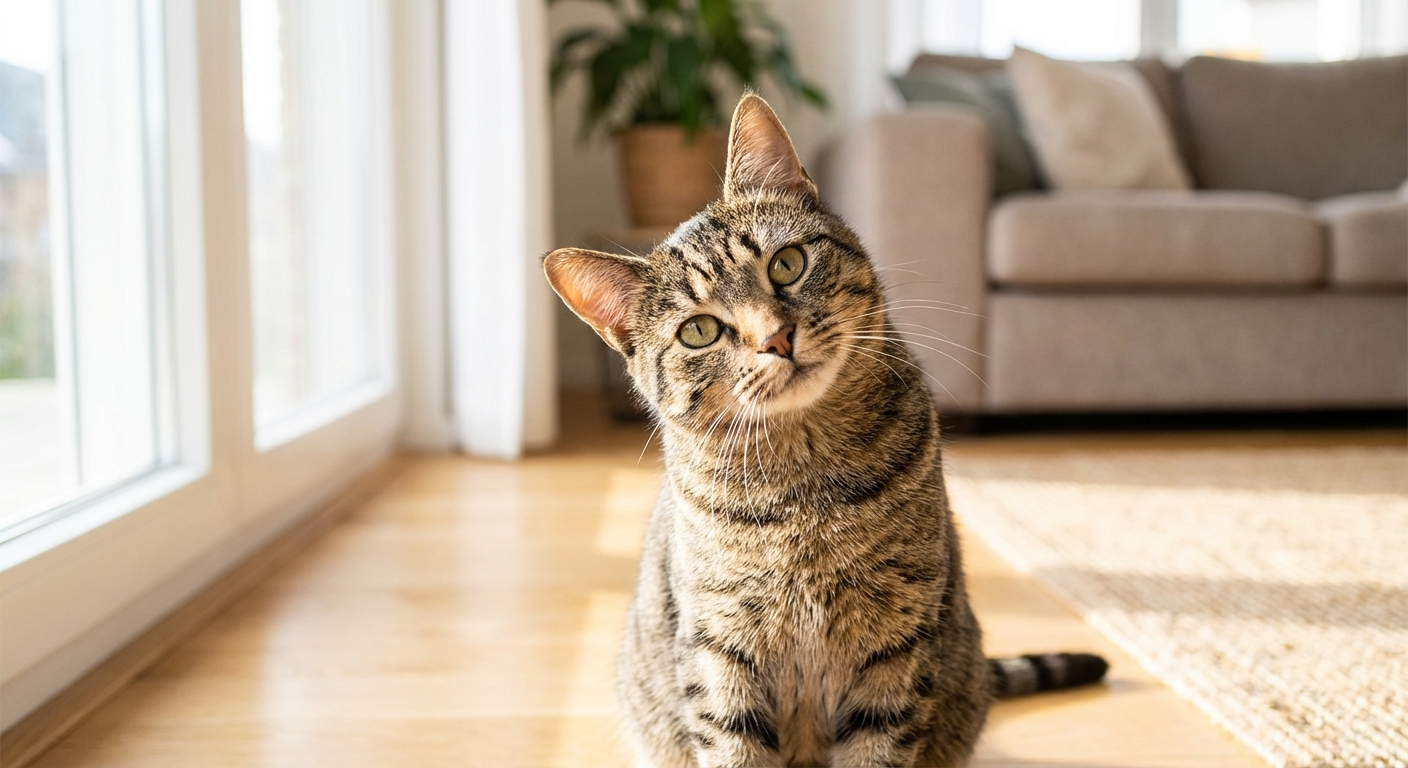
Common signs of vestibular disease in cats
The classic vestibular picture is sudden and intense. Many cats are normal one moment and very unsteady the next.
- Head tilt to one side
- Loss of balance, stumbling, falling, or standing with feet wide apart
- Nystagmus, which is rapid, involuntary eye movement (often side to side)
- Circling or drifting to one side
- Signs of nausea (drooling, lip smacking, vomiting, reduced appetite)
- Disorientation or seeming “spacy” because the room feels like it is spinning
Some cats also vocalize, hide, or act unusually clingy. Those behaviors are often stress and vertigo rather than pain, but your vet should still evaluate them.
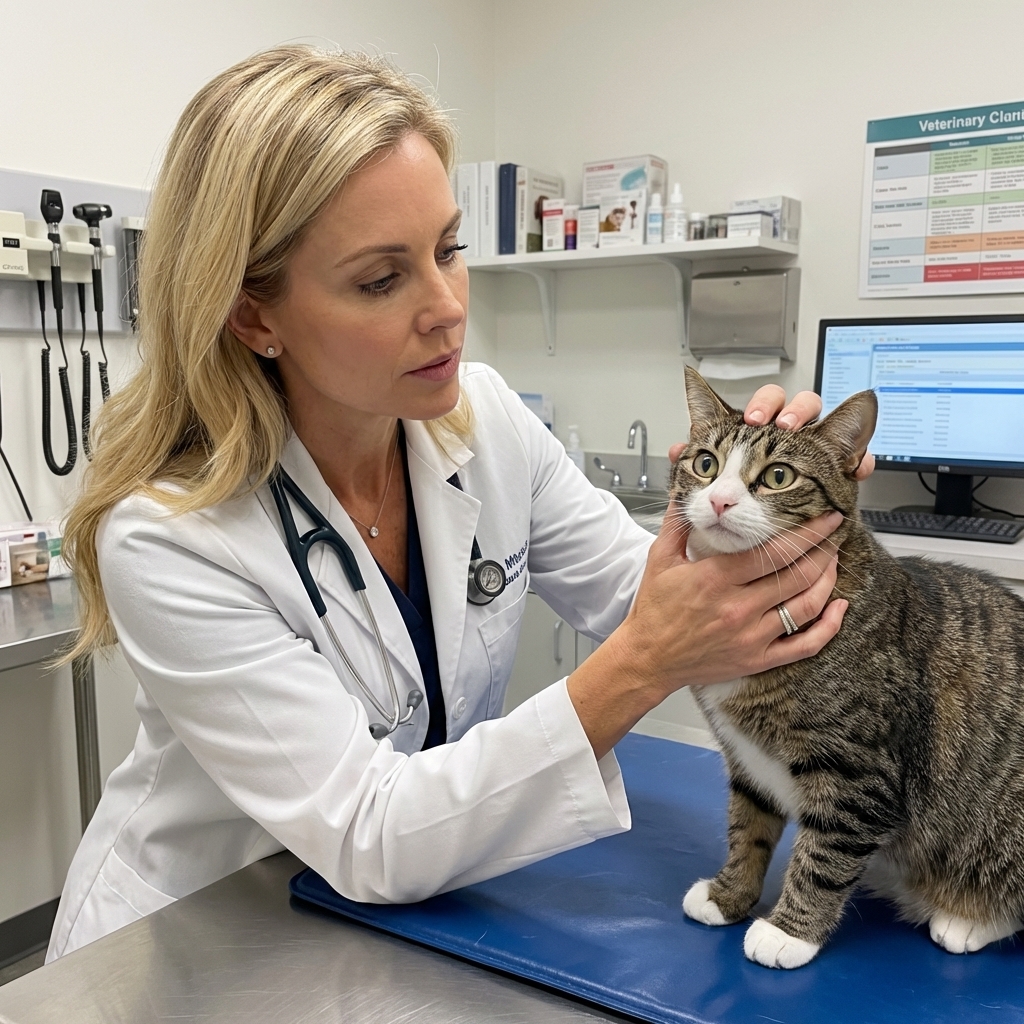
Vestibular disease vs. stroke or seizure
Pet parents often worry about a stroke, and that is understandable. Vestibular episodes can look neurological and urgent. While strokes can happen in cats, they are generally less common than peripheral vestibular problems such as inner ear disease. A veterinary exam is the only way to sort out what is going on.
Go to an emergency vet now if you notice any of the following:
- Seizure activity or collapse with stiffening and paddling
- Severe lethargy, unresponsiveness, or trouble waking up
- Weakness on one side of the body, facial droop, or inability to use a limb
- New confusion plus abnormal pupils or sudden vision changes
- Persistent vomiting that risks dehydration
- Known toxin exposure (including some flea and tick products not labeled for cats)
- Recent head trauma or a fall
Even if the signs seem “mild,” a same-day vet visit is a smart move for any new vestibular episode, especially in seniors.
What causes vestibular disease in cats?
Veterinarians typically divide causes into idiopathic (meaning no clear cause found), ear-related, and central neurologic causes. This categorization matters because it affects what tests your vet recommends, which treatments are safest, and what recovery usually looks like.
It is also important to know that a few problems can mimic vestibular disease, including some toxins, metabolic issues (like low blood sugar), and severe dehydration. That is one reason vets often recommend basic lab work, especially for older cats or cats that are vomiting.
Idiopathic vestibular disease
Idiopathic vestibular disease is a diagnosis made after your vet rules out more concerning causes. It is best known in dogs, but cats can develop a similar sudden-onset vestibular syndrome.
- Often starts abruptly
- Can look severe for 24 to 72 hours
- Many cats improve noticeably within a few days
- A mild head tilt may linger longer
The key point is that idiopathic vestibular disease is usually self-limiting, meaning it resolves with time and supportive care.
Inner ear inflammation or infection (otitis media or interna)
Problems in the middle or inner ear are a common reason for vestibular signs. These cases are often inflammatory, and infections are commonly bacterial or related to infection extending inward from the outer ear. (Yeast is a frequent player in otitis externa, but it is less often a primary cause of middle or inner ear disease.)
- Your vet may see redness, debris, or a damaged ear drum on exam
- Some cats have ear pain, scratching, odor, or discharge
- Horner’s syndrome can occur in some ear cases (droopy eyelid, small pupil, and sunken-looking eye on one side)
- Some cats may develop hearing changes or facial nerve issues (such as facial droop) with deeper ear disease
Treatment may include ear medications, oral medications (such as antibiotics or anti-inflammatories), nausea control, and sometimes imaging or a culture if the case is stubborn.
Safety note: Ear cleaning and many ear medications can be risky if the ear drum is ruptured. Only put products in the ear that your veterinarian has approved after examining the ear drum.
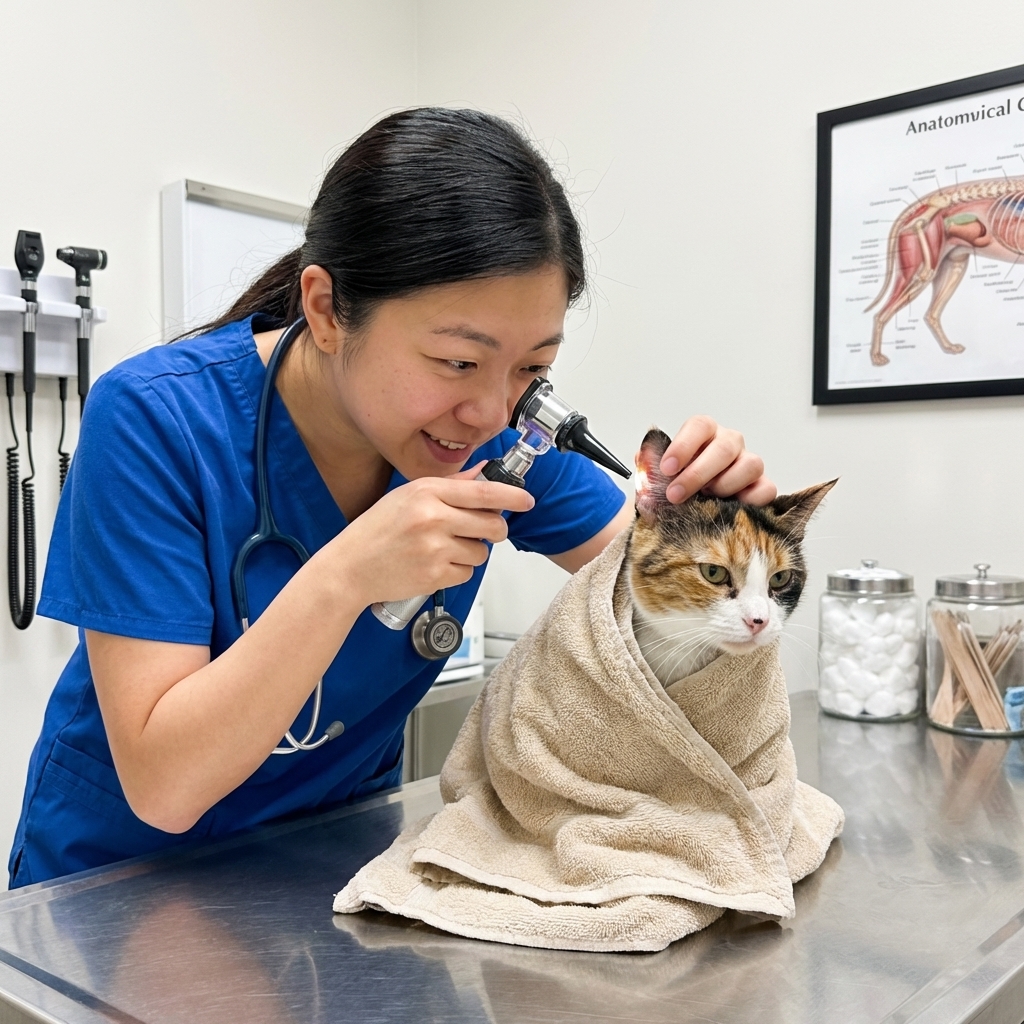
Polyps (often in younger cats)
Inflammatory polyps can grow in the middle ear or nasopharynx, particularly in younger cats. These can cause head tilt, balance problems, and sometimes noisy breathing or swallowing changes.
Polyps often require removal, and your veterinarian may recommend referral for advanced imaging or surgery depending on where the polyp is located.
Tumors or central nervous system disease
When the vestibular system in the brain is affected, cats may show additional neurological signs beyond classic vertigo. Central causes can include tumors, inflammation, infection, vascular events, or other neurologic conditions.
Clues that can raise concern for a central cause include:
- Changes in mentation (very dull, confused, or not acting like themselves)
- Weakness or proprioception deficits (knuckling, dragging feet)
- Vertical nystagmus or direction-changing (gaze-evoked) nystagmus
- Cranial nerve abnormalities (facial paralysis, swallowing issues)
If your vet suspects a central cause, they may discuss bloodwork, blood pressure evaluation, infectious disease testing, and potentially advanced imaging such as MRI or CT.
How veterinarians diagnose vestibular disease
Diagnosis starts with a careful history and a hands-on neurologic and ear exam. Helpful details to share include when the signs started, whether they came on suddenly, any vomiting, any recent ear issues, and any medications or toxin exposures.
Your vet may recommend:
- Full physical and neurologic exam
- Otoscopy and possibly ear cytology (looking at debris under the microscope)
- Bloodwork to check for metabolic issues, dehydration, infection markers
- Blood pressure testing, especially in older cats
- Imaging (CT or MRI) if an inner ear mass, polyp, or brain disease is suspected
In some cases, sedation is needed for a thorough ear exam. That is especially true if the ear is painful or the cat is too dizzy to safely handle.
Common treatments your vet may use
The right treatment depends on the underlying cause, but your veterinarian may prescribe a mix of supportive care and targeted therapy.
- Anti-nausea medication to control motion sickness and help your cat eat and drink (for example, maropitant)
- Fluids if your cat is dehydrated from vomiting or not drinking well
- Appetite support if nausea and poor intake persist
- Pain control when an ear problem is painful
- Ear and systemic medications if infection or inflammation is suspected (for example, antibiotics or anti-inflammatories as appropriate)
If your cat has an ear condition, your vet will also decide whether ear cleaning is safe. If the ear drum cannot be confirmed as intact, certain products should be avoided.
Recovery timeline
One of the hardest parts for families is that the first day or two can look so severe. The good news is that many cats show meaningful improvement fairly quickly, especially with peripheral or idiopathic vestibular disease.
Typical recovery in idiopathic cases
- First 24 to 72 hours: often the worst vertigo, nausea, and stumbling
- Days 3 to 7: steadier walking, improved appetite, less circling, eye movements may settle
- 1 to 3 weeks: many cats are close to normal; a head tilt can linger longer
Some cats keep a slight head tilt permanently, even after they feel fine otherwise. That can be more cosmetic than harmful.
If the cause is an ear issue or polyp
Improvement can still be fast once treatment starts, but full recovery may take longer, and some cats need follow-up exams to confirm the ear is truly resolved. If a polyp or severe middle ear disease is present, your vet may discuss surgical options.
If a central cause is suspected
The timeline varies widely. Central vestibular disease can be more serious and may not follow the quick “better in a few days” pattern. That is why prompt evaluation is so important.
Home care during the dizzy phase
As a veterinary assistant, I have seen how much the right home setup can help. The goal is to prevent falls, control nausea, and reduce stress while your cat’s balance system recalibrates.
Create a safe space
- Choose a small, quiet room with dim lighting if your cat seems overstimulated
- Block access to stairs, balconies, and high furniture
- Use non-slip surfaces like yoga mats, bath mats, or carpet runners
- Consider a large dog crate or playpen for cats who keep falling
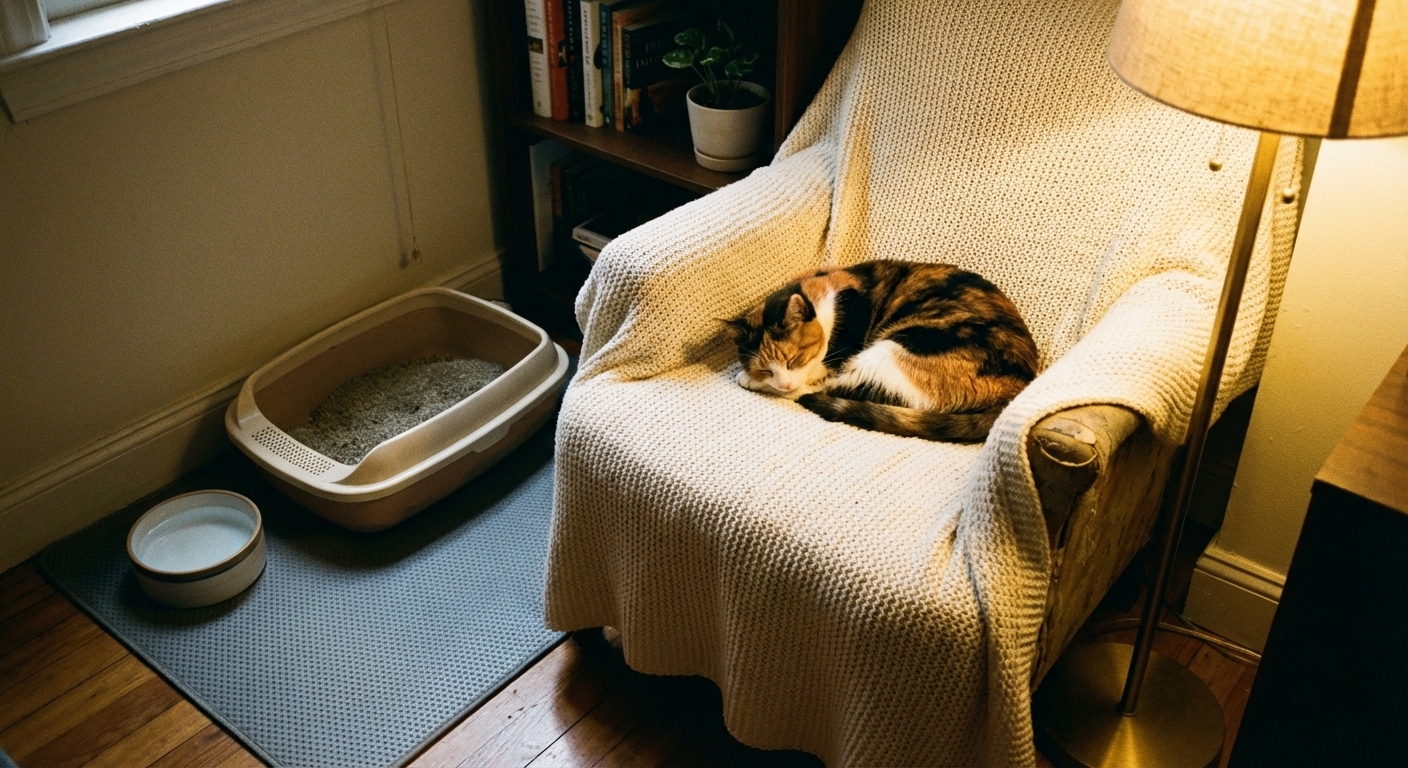
Make food, water, and litter easy
- Offer water in a wide, shallow bowl so your cat does not have to lean far
- Feed small, tempting meals. Warmed wet food often helps
- Use a low-entry litter box or even a shallow tray temporarily
Ask your vet about nausea control
Vertigo can cause true motion sickness. Many cats benefit from veterinarian-prescribed anti-nausea medication. Do not give human motion sickness medications unless your veterinarian specifically instructs you to, because cats are extremely sensitive to many drugs.
Help with comfort
- If your cat cannot groom well, gently wipe the face and paws with a soft damp cloth
- Keep bedding clean and dry, especially if vomiting occurs
- Assist your cat to the litter box if they seem willing but unsteady
Limit handling
Many dizzy cats feel safer when you sit quietly nearby. Avoid picking them up unless necessary, and if you do, keep them snug against your body to reduce the sensation of spinning.
How to prevent setbacks
- Finish all medications exactly as prescribed, especially for ear infections
- Do not put anything in the ear unless your veterinarian has looked at the ear drum and approved the product
- Schedule rechecks if your vet recommends them, because ears can look improved while deeper infection remains
- Keep seniors monitored for blood pressure, thyroid disease, and kidney disease, which can complicate neurologic signs
When to call the vet during recovery
Contact your veterinarian promptly if:
- Signs are not improving at all within 48 to 72 hours
- Your cat stops eating for more than 24 hours, especially if they are overweight (risk of hepatic lipidosis)
- Vomiting continues or your cat cannot keep water down
- You notice new neurological signs like weakness, seizures, or extreme behavior change
- The head tilt or balance suddenly worsens again after initial improvement
Many peripheral vestibular episodes are more frightening than they are dangerous. Still, because central causes can be serious, any sudden head tilt or loss of balance deserves prompt veterinary attention.
Frequently asked questions
Is vestibular disease painful for cats?
The vertigo itself is not usually painful, but the cause can be. Ear infections can hurt, and nausea can make cats miserable. If your cat seems painful, hides, growls when touched, or will not let you near their head, tell your veterinarian.
Can vestibular disease come back?
It can. Recurrence is more likely when there is an underlying issue such as chronic ear disease, polyps, or another neurologic condition. If your cat has repeat episodes, your vet may recommend deeper diagnostics.
Can my cat eat and drink normally?
Many cats need a day or two of encouragement and nausea control. Offer wet food, small frequent meals, and easy access to water. If your cat is not eating, do not wait too long. Cats can get sick quickly when they stop eating.
Is this contagious to other pets?
Vestibular disease itself is not contagious. If the cause is an infection, it is usually an ear infection rather than something that spreads pet to pet. Your veterinarian can clarify the likely cause for your cat.