Worried your dog has Valley fever? Learn common and subtle symptoms, signs of spread, who’s at risk, what tests vets run, treatment basics, and when to see...
Article
•
Designer Mixes
Valley Fever in Dogs: Symptoms and Tips

Shari Shidate
Designer Mixes contributor
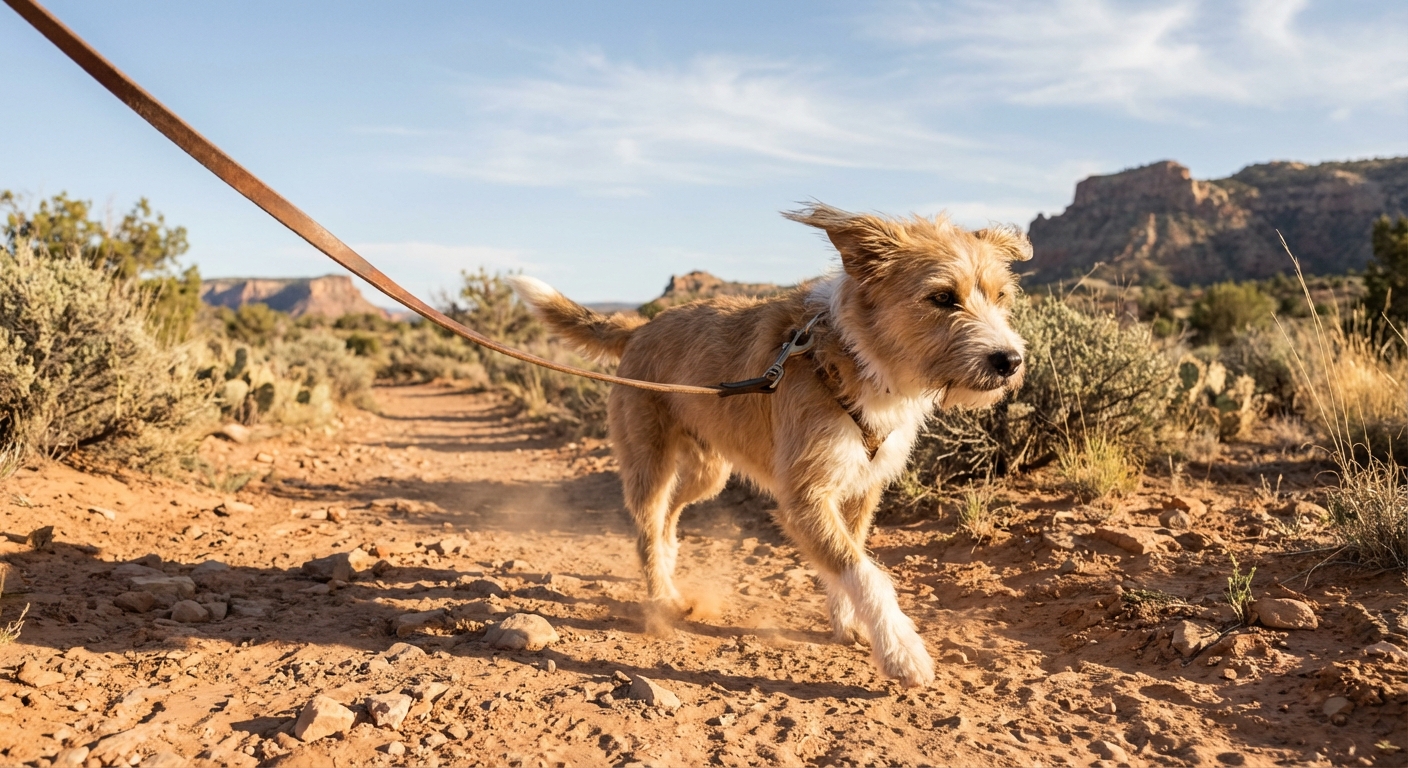
Living in Texas (or traveling through the Southwest) means we have to think about a few regional health risks our dogs can face. One important one is Valley fever, also called coccidioidomycosis. It is caused by a fungus (Coccidioides) that lives in dry, dusty soil. Dogs become infected when they inhale fungal spores, usually after digging, running, or simply breathing dusty air.
The tricky part is that Valley fever can start out looking like a basic respiratory illness and then, in some dogs, spread beyond the lungs. If you know the common early symptoms and the red-flag signs that can suggest it has disseminated, you can get help faster.
Valley fever is primarily picked up from the environment and is not typically spread from dog to dog in normal household settings.
What Valley fever is
Valley fever is caused by inhaling spores from soil in arid regions. In the U.S., it is most common in south-central Arizona and parts of California (including the Central Valley and southern California), with cases also seen in pockets of New Mexico, Nevada, Utah, and west Texas. Dogs are natural sniffers and diggers, which puts them close to the ground where spores can be kicked up.
Many exposed dogs never get noticeably ill, but others develop symptoms within about 1 to 3 weeks, and sometimes it can take months. In some cases, the infection can spread from the lungs to bones, joints, skin, eyes, or the nervous system.
Who is at higher risk?
Any dog can be affected, but risk tends to be higher for dogs who spend a lot of time in dusty outdoor environments, especially if they love to dig or run.
- Young, active dogs who are outdoors a lot
- Hiking, hunting, and working dogs
- Dogs around construction, dry lots, or disturbed soil
- Dogs that dig or nose around rodent holes
Common symptoms
These are the most common ways Valley fever may show up at home. Not every dog will have every symptom, and the signs can come and go, which is one reason it is often missed early.
Early or lung-focused symptoms
- Cough that does not resolve or keeps returning
- Lethargy or “just not themselves” energy
- Fever (may be intermittent and hard to detect without a thermometer)
- Decreased appetite and possible weight loss
- Rapid or labored breathing, especially after mild activity
- Less common: eye or nose discharge
Signs it may be spreading (disseminated disease)
These symptoms matter because they can point to a deeper infection that needs prompt veterinary attention and longer treatment. They are not diagnostic on their own, but they are worth taking seriously.
- Lameness, limping, or stiffness (sometimes it may seem to shift from leg to leg)
- Swollen joints or pain when touched or when rising
- Back or neck pain, reluctance to jump, or a hunched posture
- Skin lesions such as non-healing sores, draining tracts, or lumps
- Enlarged lymph nodes (you may notice swelling under the jaw, in front of shoulders, or behind knees)
- Eye inflammation (redness, squinting, cloudiness, sensitivity to light)
- Neurologic signs like stumbling, head tilt, seizures, or behavior changes
When it is an emergency
Valley fever is often treatable, but some presentations require immediate care. Seek urgent veterinary help if your dog has:
- Difficulty breathing, open-mouth breathing, or blue-tinged gums
- Collapse or severe weakness
- Seizures or sudden disorientation
- Severe pain (crying out, unable to settle, unable to walk)
- Eye pain with squinting or sudden vision changes
Help your vet connect the dots
One of the most helpful things you can do is walk into the appointment prepared. Valley fever can mimic kennel cough, pneumonia, arthritis, or even some cancers. Your notes can speed up the right testing.
1) Share travel and dust exposure
- Have you visited or lived in arid areas of the Southwest?
- Has your dog been digging, hiking, running in dusty parks, or around construction?
- Any recent windstorms or dust storms?
2) Track symptoms with a timeline
- Date cough started and whether it improved with any meds
- Appetite changes and weight changes
- Limping: which leg, when it is worse, whether it seems to move around
- Fever episodes (if you have a thermometer, note temps)
3) Ask about diagnostics
Your veterinarian will decide what is needed, but common tools include:
- Blood tests and a Valley fever antibody titer
- Chest X-rays to evaluate lungs
- Joint or bone imaging if limping is present
- Cytology or biopsy of skin lesions or enlarged lymph nodes in some cases
A helpful nuance: titers can be negative early, so your vet may recommend repeat testing if suspicion stays high. Depending on the situation, clinics may also use other tests (such as antigen testing, fungal culture, or special lab evaluation of tissue). Your vet will choose what fits your dog’s symptoms and risk.
Testing matters because treatment decisions and length of therapy depend on how severe the infection is and whether it has spread.
What treatment can look like
Valley fever is most commonly treated with antifungal medications prescribed by your veterinarian. Many dogs need treatment for months, not days, and some dogs with disseminated disease require longer courses.
In some mild cases, a veterinarian may recommend monitoring rather than starting medication right away. On the other end of the spectrum, severe cases (especially disseminated disease or nervous system involvement) can require more intensive treatment, hospitalization, and very long courses of medication. Some dogs relapse and may need treatment restarted.
Here are practical tips that make a real difference:
- Give meds exactly as directed. Missing doses can slow progress.
- Keep recheck appointments. Your vet may repeat titers or bloodwork to monitor response and medication tolerance.
- Limit intense exercise if your dog is coughing or painful. Gentle leash walks are often safer during recovery.
- Support appetite and hydration. If your dog is not eating well, ask your vet about nausea control, appetite support, or temporary diet changes.
If you are feeding a homemade or partially homemade diet, it is worth discussing it with your veterinarian so your dog stays nutritionally balanced while healing. Good nutrition supports the immune system, but it should never replace antifungal therapy when it is indicated.
What not to do
- Do not use leftover antibiotics or old prescriptions “just to try something.” Valley fever is fungal, and the wrong meds can delay real help.
- Do not wait out worsening cough, breathing changes, or a new limp that is getting worse.
- Do not stop antifungal medication early just because your dog seems better, unless your vet tells you to.
Prevention tips
There is no perfect way to prevent Valley fever in endemic regions, but you can reduce risk, especially for dogs that love to dig and sprint through dust.
- Avoid heavy dust exposure on windy days and near construction zones.
- Discourage digging in dry, dusty soil. Use a designated sand box or dig area with slightly dampened soil if needed.
- Stick to grassier trails when possible and keep dogs on-leash in very dusty areas.
- Rinse paws and coat after dusty outings (this does not prevent inhalation exposure, but it helps overall hygiene and comfort).
- Know your dog’s baseline. When you notice a cough plus fatigue or a new limp, you can act faster.
Prognosis and follow-up
Many dogs do very well with timely diagnosis and consistent treatment. The key is follow-through. Valley fever can be stubborn, and some dogs can relapse, especially if medication is stopped too soon or if disease has spread. If symptoms return after treatment, it is worth calling your veterinarian promptly.
Quick symptom checklist
If you want a simple mental checklist, think: cough + tired + not eating + weight loss, and then watch for limping or bone and joint pain. Those combinations, especially in a dog who has lived in or traveled through dusty parts of the Southwest, deserve a Valley fever conversation with your veterinarian.
If something feels off and it is not improving the way a typical cold or cough would, trust your gut and get your dog checked. Earlier diagnosis often means a smoother recovery.