I’m Shari, a veterinary assistant in Frisco, Texas, and one of the most alarming calls I get is some version of: “My dog is in heat and there’s a pink donut coming out of her.” If you’re seeing a round, swollen ring of tissue protruding from your dog’s vulva, you are right to pause and take it seriously.
That “donut” can be vaginal hyperplasia, a hormone-related swelling of vaginal tissue that happens most commonly around the heat cycle. It is different from the normal puffy vulva most dogs get in heat, and it can lead to drying, trauma, infection, and in some cases urinary problems.
One quick caution from the phone-triage side of my job: I cannot diagnose your dog from a description alone. A few different problems can look similar at home, so if you see tissue protruding, it is smart to call your veterinarian the same day.
What it can look like
With vaginal hyperplasia, tissue from inside the vagina swells and can bulge outward through the vulva. Owners often describe it as:
- A smooth, pink to red mass coming out of the vulva
- Donut-shaped or a thick ring, especially when swelling is on both sides
- Sometimes tongue-like or lobed tissue rather than a perfect ring
The size can change through the day, and it often becomes more obvious when your dog is excited, straining, or licking.
What it is not: sometimes families confuse this with a rectal prolapse (tissue from the anus), a growth, or other vulvar issues. Because location matters, a vet exam is the safest way to confirm what you are seeing.
Normal heat swelling vs hyperplasia
It is completely normal for a dog in heat to have a vulva that looks larger and softer than usual. Normal heat swelling is usually external vulvar puffiness.
Vaginal hyperplasia is different because it involves vaginal tissue pushing outward. Here are practical ways to tell the difference at home.
Important: appearance alone can be misleading, especially early on. A veterinary exam is the only way to know for sure.
Normal heat swelling usually looks like:
- The vulva is enlarged, but no internal tissue is protruding
- Mild licking is common
- Discharge may be present depending on the stage of heat
Vaginal hyperplasia often looks like:
- A distinct pink or red mass that is not normally visible
- A ring or donut appearance, or a fleshy bulge
- More intense licking, irritation, or the tissue rubbing on the ground
If you are unsure which you are seeing, call your veterinarian the same day for guidance, especially if tissue is out and exposed to air.
Why it happens
Vaginal hyperplasia is most often linked to estrogen-related hormonal changes around proestrus and estrus (the heat cycle stages when swelling and discharge occur, and when your dog may become receptive to mating). Some dogs are simply more sensitive to these hormonal shifts.
It can happen in any intact female, but it tends to be seen more often in young females and may recur in future heat cycles once it has happened once.
How severe can it be
Not every case looks like a big “donut.” Some dogs have swelling that stays mostly inside, while others have tissue that protrudes and dries out quickly.
Many veterinarians talk about vaginal hyperplasia in grades or types, ranging from milder swelling to more pronounced protrusion. The more tissue that is exposed, the higher the risk for drying, ulceration, and injury, and the more urgent it is to get help.
Keeping it protected at home
If tissue is protruding, your immediate goals are simple: prevent drying, prevent trauma, and reduce licking until your dog can be evaluated or until your veterinarian tells you the next steps.
Do this right away
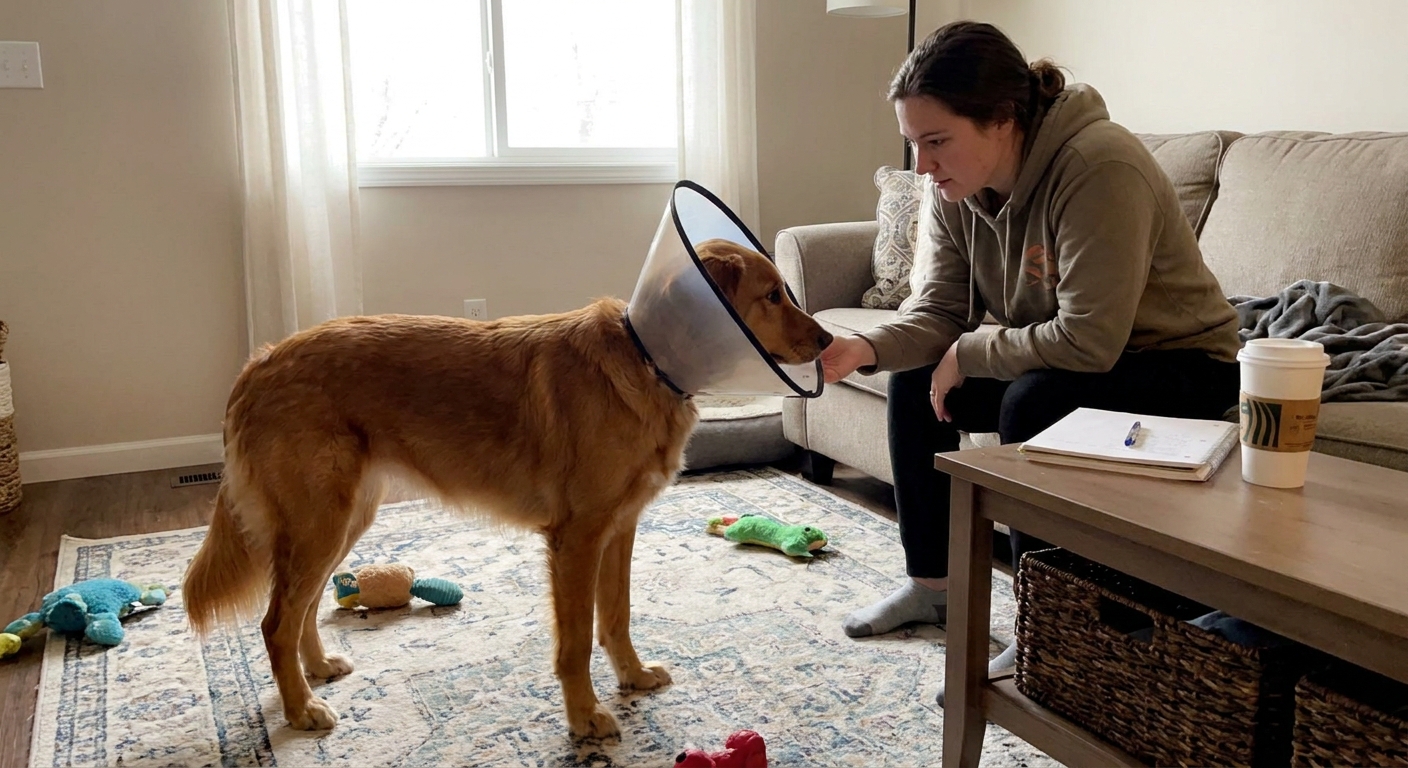
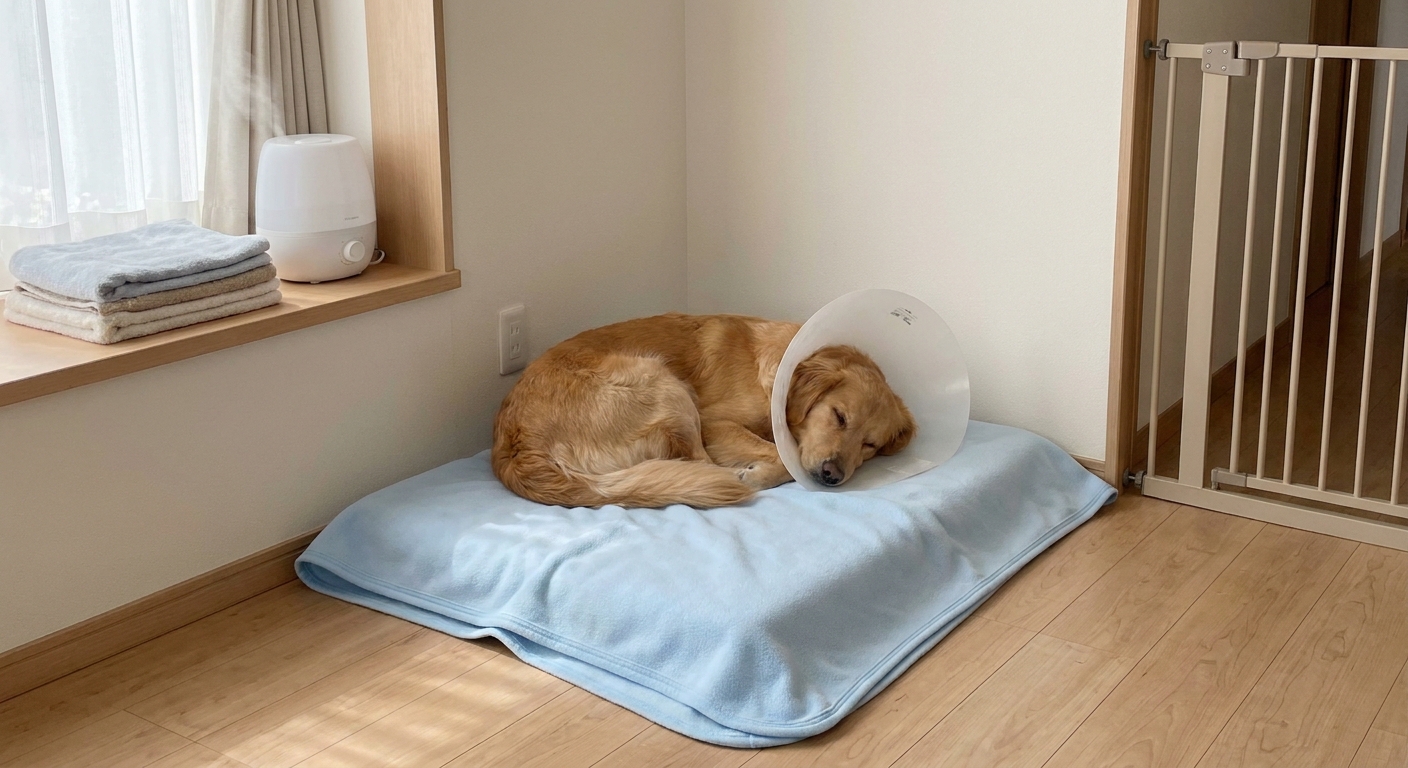
- Prevent licking: Use an e-collar (cone) or inflatable collar if your dog will tolerate it.
- Keep her indoors and calm: Avoid running, jumping, rough play, and anything that increases pressure or straining.
- Gently rinse off debris: If the exposed tissue is dirty, rinse with sterile saline if you have it, or lukewarm clean water. Do not scrub.
- Dry only the surrounding area: Pat the surrounding fur and skin dry. Try not to rub the exposed tissue itself, since friction can damage it.
- Keep exposed tissue moist: Exposed tissue dries out fast. Call your veterinary clinic and ask what lubricant they recommend. Many clinics suggest a plain, water-based lubricant for short-term moisture, but you should confirm first because products vary.
Avoid these mistakes
- Do not try to push the tissue back in unless your veterinarian has specifically instructed you how to do that for your dog. For the wrong case, or done the wrong way, it can tear tissue or introduce contamination.
- Do not apply antibiotic ointments, steroid creams, or home remedies without veterinary guidance. Some ingredients can irritate mucosal tissue, and licking is hard to prevent.
- Do not leave it exposed and dry while you “wait and see” for days.
What your vet may do
Veterinary treatment depends on how severe the swelling is, whether the tissue is healthy or traumatized, and whether your dog can urinate normally.
Your veterinarian may:
- Confirm the diagnosis and check whether this is hormone-related swelling versus a more extensive prolapse or another issue
- Assess the tissue for drying, abrasions, ulceration, or infection
- Check for urinary obstruction or straining
- Provide pain relief or anti-inflammatory medications if needed
- Clean and lubricate the tissue professionally
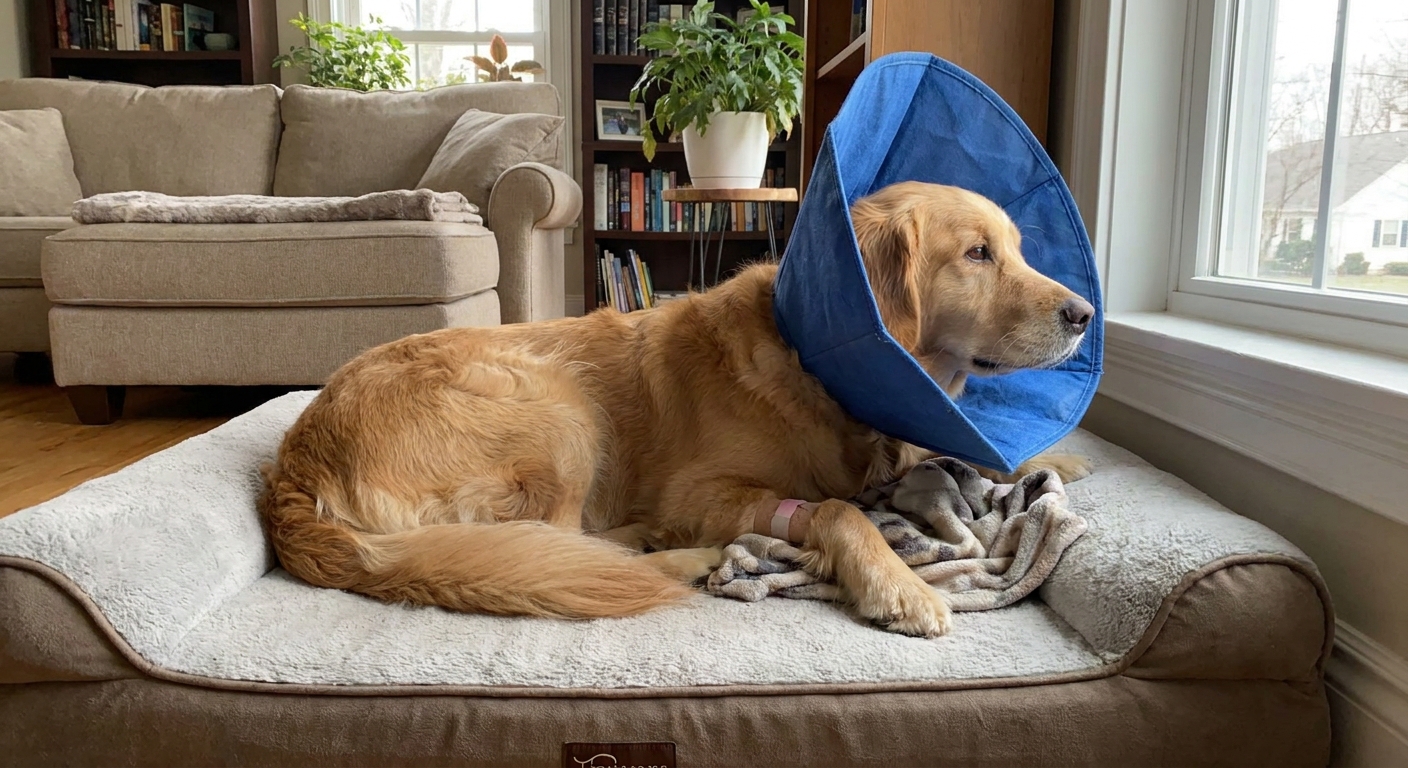
- Reduce the protrusion when appropriate, then recommend strict rest and a cone
- Discuss longer-term prevention, including spaying once it is safe to do so
In more serious cases, surgery may be recommended. If the problem is recurring, many veterinarians will talk about spaying as the most definitive way to prevent repeat episodes.
Breeding considerations
This is the part many families do not expect: vaginal hyperplasia can complicate breeding, and it can also raise safety and ethics questions.
Key points to know
- Mating can worsen swelling and trauma. Increased friction can damage exposed tissue.
- Natural breeding may be unsafe if tissue is protruding, irritated, or bleeding more than expected.
- Recurrence is common. A dog who develops hyperplasia once may develop it again in future heat cycles.
- A heritable component is suspected in some lines. Because recurrence and severity can be significant, many veterinarians advise against breeding females with severe or recurrent episodes.
If breeding is on your mind, talk directly with your veterinarian and, if needed, a reproductive specialist. The safest plan depends on severity, timing within the heat cycle, and whether the tissue can be protected from injury.
When to seek care today
I want you to trust your instincts here. If you are seeing tissue protruding, it is reasonable to call your veterinary clinic that day. If any of the signs below are present, treat it as same-day urgent.
- The tissue is dark red, purple, gray, or black
- Bleeding seems heavy, persistent dripping, or bleeding that is not consistent with her usual heat discharge
- She cannot pee, strains to urinate, or only passes a few drops
- Obvious pain, or frantic licking you cannot stop
- The tissue looks dry, cracked, or ulcerated
- Foul odor, pus-like discharge, or feverish behavior (lethargy, not eating)
- The mass grows quickly over hours
- Your dog seems weak, pale, or distressed
If your regular clinic is closed, an emergency veterinarian can help protect the tissue and check for urinary obstruction.
While you wait for the vet
If you have an appointment later today, these steps can help your dog arrive in better shape:
- Use a cone to stop licking.
- Limit activity and keep her on leash for potty breaks.
- Keep bedding clean and dry with a freshly washed blanket or towel.
- Avoid dirt and grass where debris can stick to moist tissue.
- Take a clear photo for your veterinarian if the size changes before you arrive.
FAQ
Will it go away on its own?
Mild cases sometimes improve as hormones shift later in the heat cycle. But if tissue is protruding and exposed, “wait it out” can be risky because it can dry out, crack, or be injured. Your veterinarian should guide you on whether home management is appropriate.
Is it the same as vaginal prolapse?
People use these terms interchangeably online, and veterinary terminology can vary by clinic. Many veterinarians use vaginal hyperplasia for hormone-driven swelling of vaginal tissue, and vaginal prolapse for more extensive protrusion. Either way, if tissue is protruding, it deserves prompt veterinary attention.
Can my dog still go on walks?
Short, calm leash potty breaks are usually fine, but skip long walks, dog parks, running, and play until you have veterinary advice. Excitement and activity can increase swelling and the risk of injury.
Will spaying prevent it?
Spaying removes the hormonal cycling that typically triggers vaginal hyperplasia, so it is often the most reliable prevention for recurrence. Timing depends on the situation. Many veterinarians prefer to spay when a dog is out of heat, but if tissue cannot be protected or there are complications, your vet may recommend a different plan.
The bottom line
Normal heat swelling is common. A donut-shaped ring of tissue protruding from the vulva is not something to ignore. Keep your dog from licking, protect the tissue from drying and injury as directed by your veterinarian, and get guidance the same day, especially if the tissue changes color, looks damaged, or your dog has any trouble urinating.