Bone broth can support hydration, appetite, and comfort for picky, senior, or recovering dogs. Get a plain, dog-safe recipe, serving amounts, storage tips, a...
Article
•
Designer Mixes
UTI Symptoms in Dogs: Family-Friendly Care Tips

Shari Shidate
Designer Mixes contributor
When a dog has a urinary tract infection (UTI), the whole household usually notices. There may be sudden potty accidents, frequent trips outside, or a dog that seems uncomfortable and clingy. As a veterinary assistant in Frisco, Texas, I have seen how stressful urinary issues can feel, especially when you are trying to figure out what is normal and what is an emergency.
The good news is that many UTIs are treatable, and there are simple steps you can take at home to support your dog while you get the right veterinary care. Let’s walk through what to watch for, what to do next, and how to help prevent repeat infections.
Quick note: This article is educational and not a substitute for veterinary diagnosis or treatment.
What a UTI is and why it matters
In dogs, the most common “UTI” people are referring to is a bacterial infection of the bladder (also called bacterial cystitis). Bacteria typically travel up through the urethra into the bladder, which causes inflammation and discomfort.
Less commonly, infection can involve the upper urinary tract (the kidneys). Not every episode of frequent urination or straining is a true infection, which is why testing matters.
UTIs can happen to any dog, but they are more common (or more likely to recur) in:
- Female dogs (shorter urethra makes it easier for bacteria to enter)
- Senior dogs
- Dogs with diabetes, Cushing’s disease, bladder stones, or other conditions that affect normal urinary defenses
- Dogs that lick the genital area a lot or have ongoing skin irritation around the rear end (this can increase contamination and inflammation)
It matters because untreated infections can become painful, lead to blood in the urine, and in some cases move upward toward the kidneys. Kidney infections are more serious and can require more intensive treatment.
Common UTI symptoms in dogs
UTI signs can be subtle at first. In many households, the first clue is a house-trained dog having accidents or asking to go out more often.
Watch for these signs
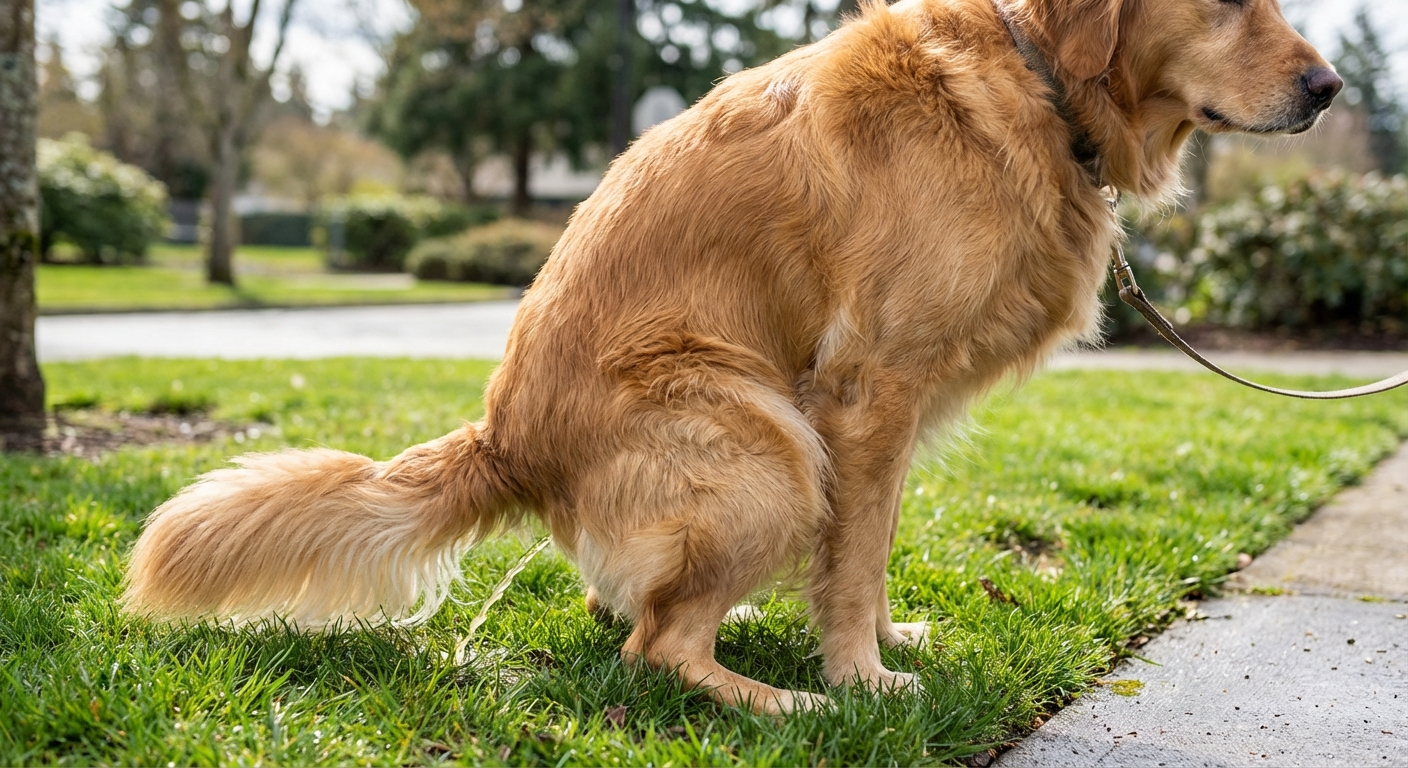
- Frequent urination, often only producing small amounts
- Straining to pee or taking longer than usual to finish
- Accidents in the house, even in well-trained dogs
- Blood-tinged urine or urine that looks darker than normal
- Strong or unusual odor to the urine
- Licking the genital area more than usual
- Discomfort such as restlessness, hiding, or vocalizing when trying to urinate
- Low energy or decreased appetite (can happen, especially if infection is worsening)
UTI or something else?
Many conditions can mimic a UTI. This is one reason a vet visit and a urine test are so important instead of guessing.
- Bladder stones: Can cause blood in urine and straining. Vets often confirm with X-rays or ultrasound.
- Bladder inflammation without infection: Inflammation can look like a UTI even when bacteria are not the cause. This is less common in dogs than in cats, but it can happen.
- Prostate issues (in unneutered males): Can cause straining and urinary changes. Your vet may recommend a rectal exam, ultrasound, and urine testing.
- Vaginitis or irritation around the vulva (especially in puppies): Can look like urinary problems and may need an exam and sometimes lab testing.
- Urinary blockage (emergency): Particularly in male dogs, straining with little or no urine can be life-threatening and may require immediate imaging and catheterization.
- Constipation or pain: Straining may be from difficulty pooping instead of peeing, which is another reason details and an exam are important.
If your dog is straining and producing little to no urine, treat it like an emergency and seek veterinary care right away.
When to call the vet
Some urinary signs can wait for a same-day or next-day appointment, but others should be treated as urgent.
Seek urgent care if you notice:
- No urine coming out or only drops despite repeated attempts
- Vomiting, severe lethargy, or collapse
- Swollen or painful abdomen
- Fever (often over 103°F/39.4°C) or your dog feels unusually hot and is acting unwell
- Puppy, senior dog, or dog with chronic illness showing urinary signs
- Possible kidney involvement such as back pain, fever, and loss of appetite
If symptoms are mild, call your veterinarian and describe exactly what you are seeing. Mention how often your dog is trying to urinate, whether urine is actually coming out, and whether there is blood.
What your vet may do
Most dogs with urinary symptoms need a urinalysis at minimum. Many also benefit from a urine culture and sensitivity, especially if infections keep coming back or if your dog has been on antibiotics recently.
How urine is collected
Clinics may collect urine in a few ways, and the method matters (especially for culture):
- Free-catch: Collected mid-stream during a walk or potty break. This can be useful for screening but may be more likely to pick up contaminants.
- Catheter sample: Collected with a sterile catheter. This may be used in some cases, especially in male dogs.
- Cystocentesis: A sterile sample taken directly from the bladder with a small needle. Many clinics prefer this for culture because it reduces contamination.
Common diagnostics
- Urinalysis: Looks for blood, white blood cells, crystals, pH changes, and signs of bacteria.
- Urine culture: Identifies the exact bacteria and which antibiotic works best.
- Imaging (X-rays or ultrasound): Helps check for stones, tumors, or anatomical issues.
- Bloodwork: May be recommended for seniors, or if kidney involvement or endocrine disease is suspected.
Common treatments
- Antibiotics when a bacterial infection is confirmed or strongly suspected
- Pain relief or anti-inflammatory medication when appropriate
- Follow-up testing, especially for recurrent UTIs
One important tip: if your vet prescribes antibiotics, give the full course exactly as directed, even if your dog seems better after a couple of days.
At-home care tips
Home care does not replace veterinary treatment, but it can keep your dog more comfortable and help you gather useful information.
1) Encourage hydration
More water helps dilute urine and can reduce irritation.
- Offer multiple fresh water bowls around the house.
- Add water to meals if your dog eats kibble.
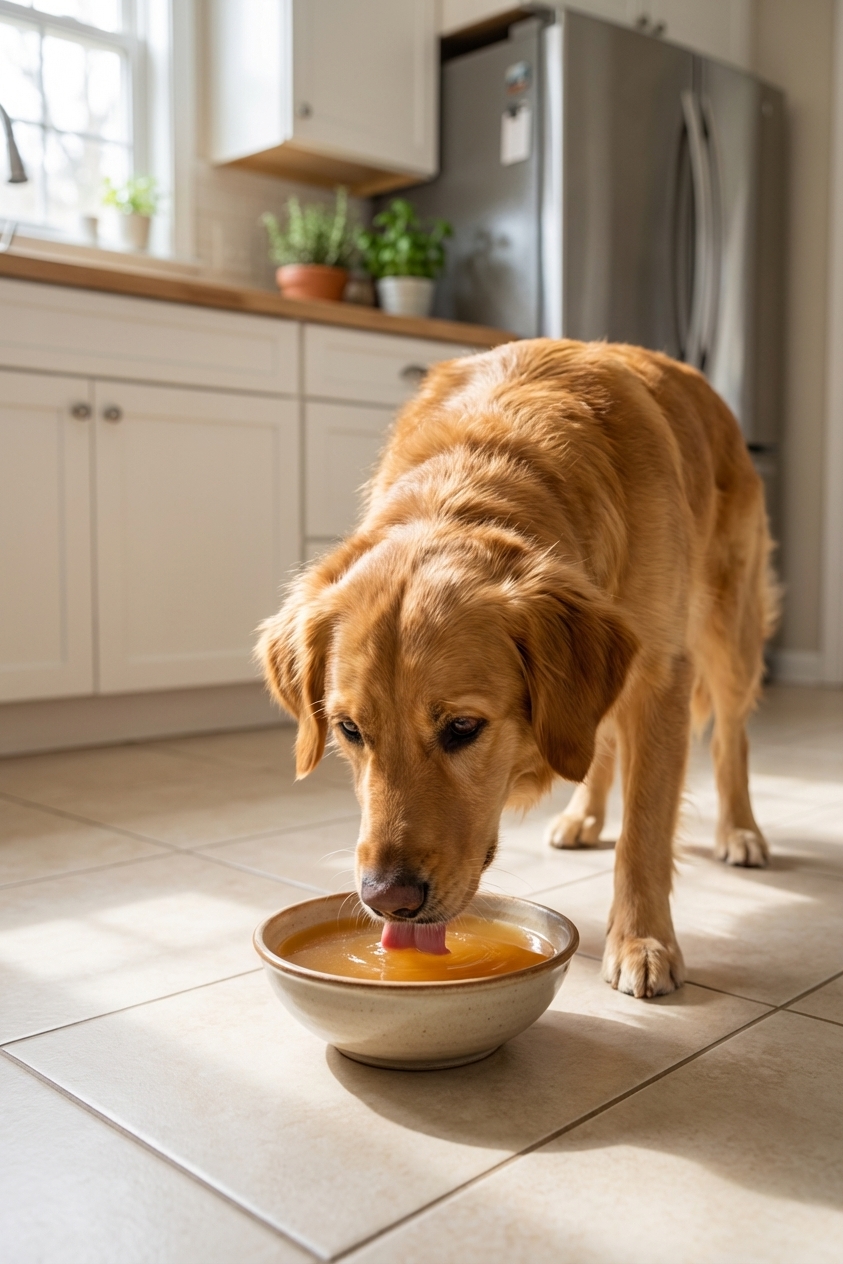
- Ask your vet if low-sodium broth is appropriate for your dog, especially if your dog has heart or kidney disease.
2) Take more frequent potty breaks
Let your dog out often so they do not have to “hold it.” For many dogs, every 2 to 3 hours during the day is helpful until you get answers.
3) Keep the area clean and reduce licking
Gentle hygiene can help reduce irritation. Use a soft damp cloth to wipe the area if your dog has urine drips. Avoid scented wipes, soaps, or harsh cleaners on skin.
If your dog cannot stop licking, an e-collar or recovery cone can prevent further inflammation until the vet visit.
4) Track symptoms clearly
Households do best when they bring clear notes. Consider writing down:
- How often your dog tries to urinate
- Whether urine is normal volume, small amounts, or none
- Any blood seen and when
- Accidents in the house
- Changes in appetite, thirst, or energy
5) Avoid leftover antibiotics or human medicines
Please do not give antibiotics you have at home or pain medications meant for people. Many human medicines are dangerous for dogs, and the wrong antibiotic can worsen resistance and delay the right treatment.
Nutrition and supplements
Food and supplements can support urinary health, but they should be tailored to your dog’s situation. A bacterial UTI is not solved by diet alone, but good nutrition can support your dog’s immune system and hydration habits.
Cranberry products
Cranberry may help prevent bacteria from sticking to the bladder wall in some cases, but it is not a reliable standalone treatment for an active infection. The research in dogs is limited and mixed, and dosing and product quality matter, so check with your veterinarian before starting.
Prescription urinary diets
If bladder stones or crystals are involved, a specific urinary diet can be a game changer. Do not switch diets randomly without guidance, because different stone types require different strategies.
Probiotics
Some dogs do well on veterinarian-recommended probiotics, especially if they are prone to digestive upset during antibiotics. Ask your vet which product is appropriate.
Homemade food note
I love whole-food nutrition, but with urinary issues, the “best” recipe depends on the diagnosis. If you want to use homemade meals, talk with your vet or a veterinary nutritionist so the diet supports hydration and stays balanced.
Preventing UTIs
Not every UTI is preventable, but many households can reduce risk with consistent routines.
- Prioritize water intake: Wet food, added water, and accessible bowls help.
- Regular potty breaks: Dogs that hold urine for long periods may be more prone to infection.
- Weight management: Extra weight can contribute to inflammation and hygiene challenges.
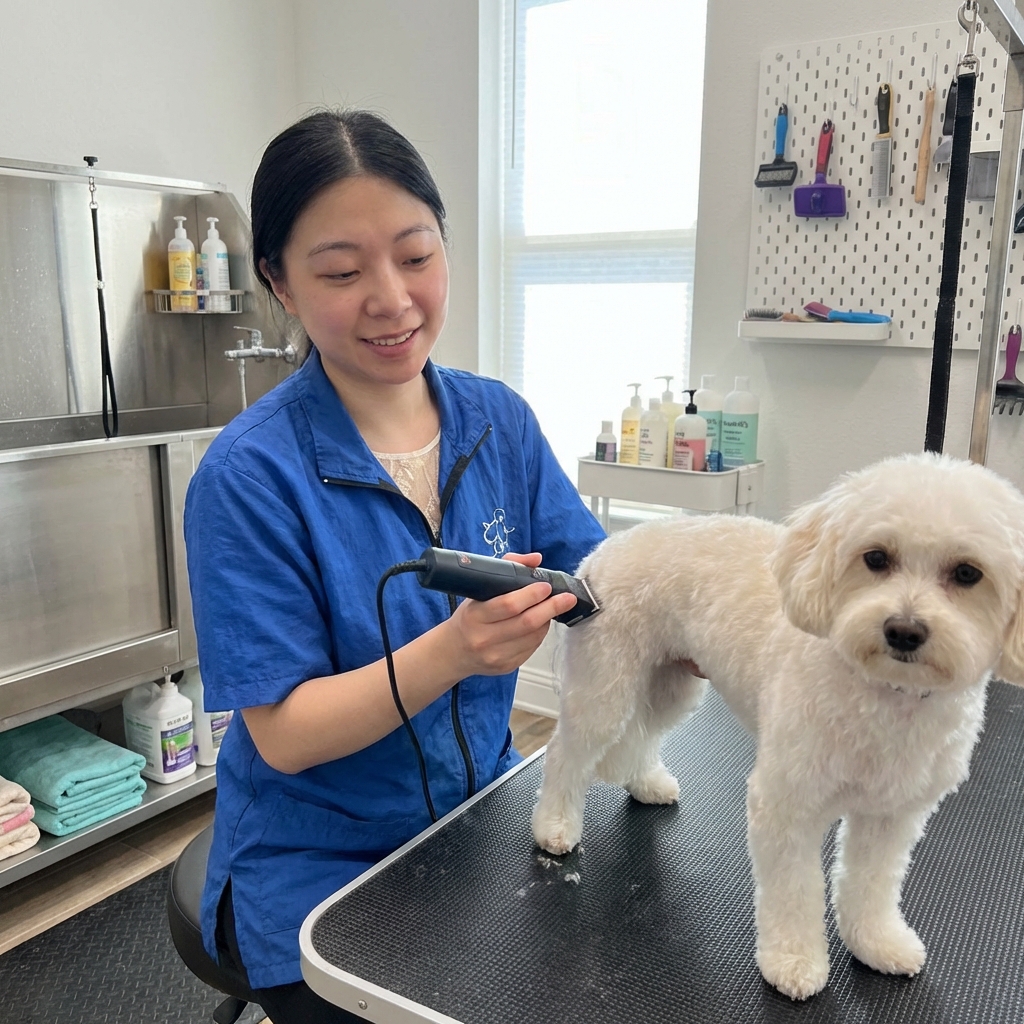
- Grooming and hygiene: Keep long hair trimmed around the genitals, especially for doodles and other fluffy mixes.
- Address allergies: If your dog’s skin is itchy and they lick constantly, treating the underlying allergy can help reduce irritation.
- Follow-up testing: For recurrent UTIs, culture and recheck tests can prevent repeated cycles.
Repeat infections
If your dog keeps getting UTIs, it is worth slowing down and looking for the “why,” not just treating the symptoms again.
Common underlying causes your vet may check for
- Bladder stones or crystals
- Hormonal or metabolic disease (like diabetes or Cushing’s)
- Vulvar conformation issues, skin folds, or chronic irritation
- Incomplete bladder emptying (sometimes neurologic or age-related)
- Anatomical concerns (less common, but important to rule out)
In recurrent cases, many veterinarians recommend a urine culture, imaging, and sometimes additional bloodwork to guide a long-term plan.
Tips for busy households
If you are juggling work, school, and a dog who needs extra potty breaks, these quick strategies can help:
- Create a potty schedule and set phone reminders.
- Use enzymatic cleaner for indoor accidents to reduce repeat marking.
- Choose one adult to manage meds and track doses in a simple checklist.
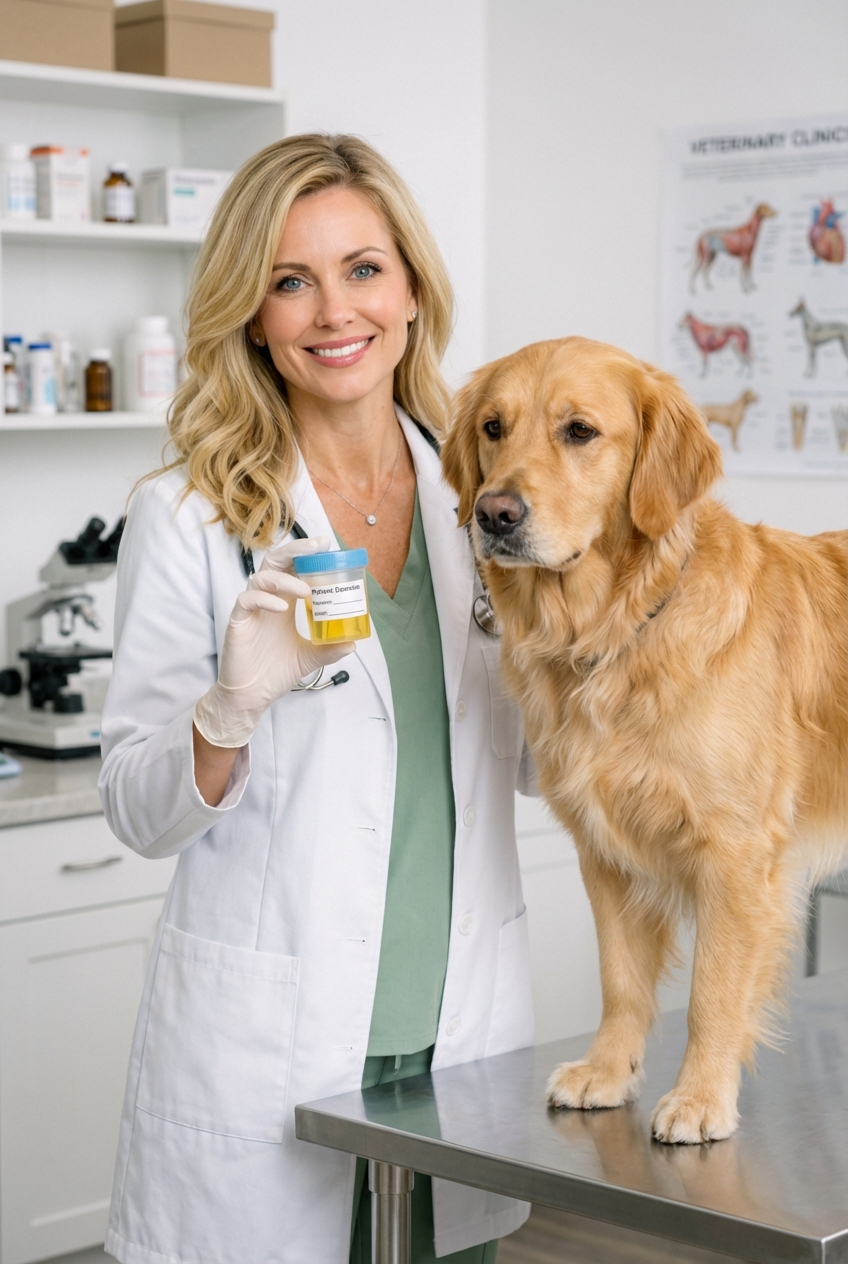
- Bring a urine sample if your clinic requests it. Use a clean container and deliver it promptly. If there is a delay, ask your clinic what they prefer. Many recommend refrigerating the sample and bringing it in within about 4 to 6 hours. If you cannot get one, do not stress, the clinic can often collect a sample.
Bottom line
UTI symptoms in dogs can look like simple potty behavior changes, but they are often your dog’s way of saying, “Something hurts.” With quick veterinary testing and supportive care at home, most dogs feel better fast.
If you are ever unsure, call your veterinarian. You know your dog best, and your careful observations are one of the most powerful tools in getting them comfortable again.