Dog UTI symptoms can mimic stones or other issues. Learn the full treatment plan: urinalysis and culture, correct antibiotics, pain control, hydration, home ...
Article
•
Designer Mixes
UTI Symptoms in Dogs

Shari Shidate
Designer Mixes contributor
As a veterinary assistant here in Frisco, Texas, I can tell you this: urinary tract infections in dogs are fairly common, treatable, and often very uncomfortable. They are especially common in adult female dogs, and less common in young, otherwise healthy male dogs. The tricky part is that many dogs do not act “dramatically sick” at first. They just start doing a few small things differently.
This guide will help you spot subtle, easy-to-miss symptoms of a UTI, understand what is happening in your dog’s body, and know when it is time to call your veterinarian.
What a UTI is, in plain language
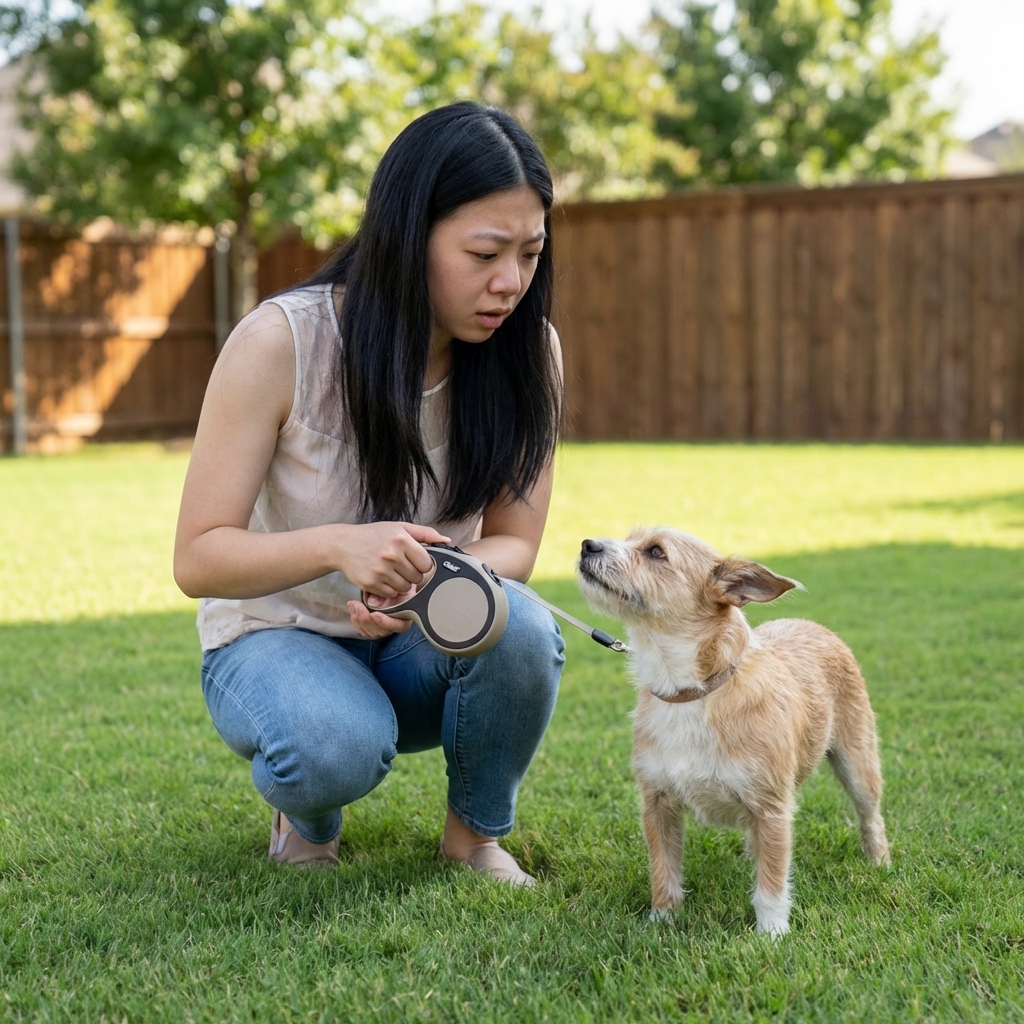
A UTI usually means bacteria have traveled up the urethra into the bladder, causing inflammation and pain. Most UTIs involve the lower urinary tract (the bladder and urethra). Less commonly, infection can travel upward toward the kidneys, which is more serious.
Dogs can get UTIs for several reasons, including anatomy (female dogs are at higher risk), bladder stones, underlying endocrine disease (like diabetes or Cushing’s), prostate disease in males, or anything that makes it harder to fully empty the bladder.
Good news: with the right diagnosis and treatment, most dogs feel better quickly.
Subtle signs pet owners notice first
Many pet parents describe these changes as their dog “asking for help” in quiet ways. If you notice one or more, it is worth paying attention.
1) Asking to go out more often
Your dog may stand by the door, pace, or wake you at night. Frequent urination can happen because the irritated bladder feels full even when it is not.
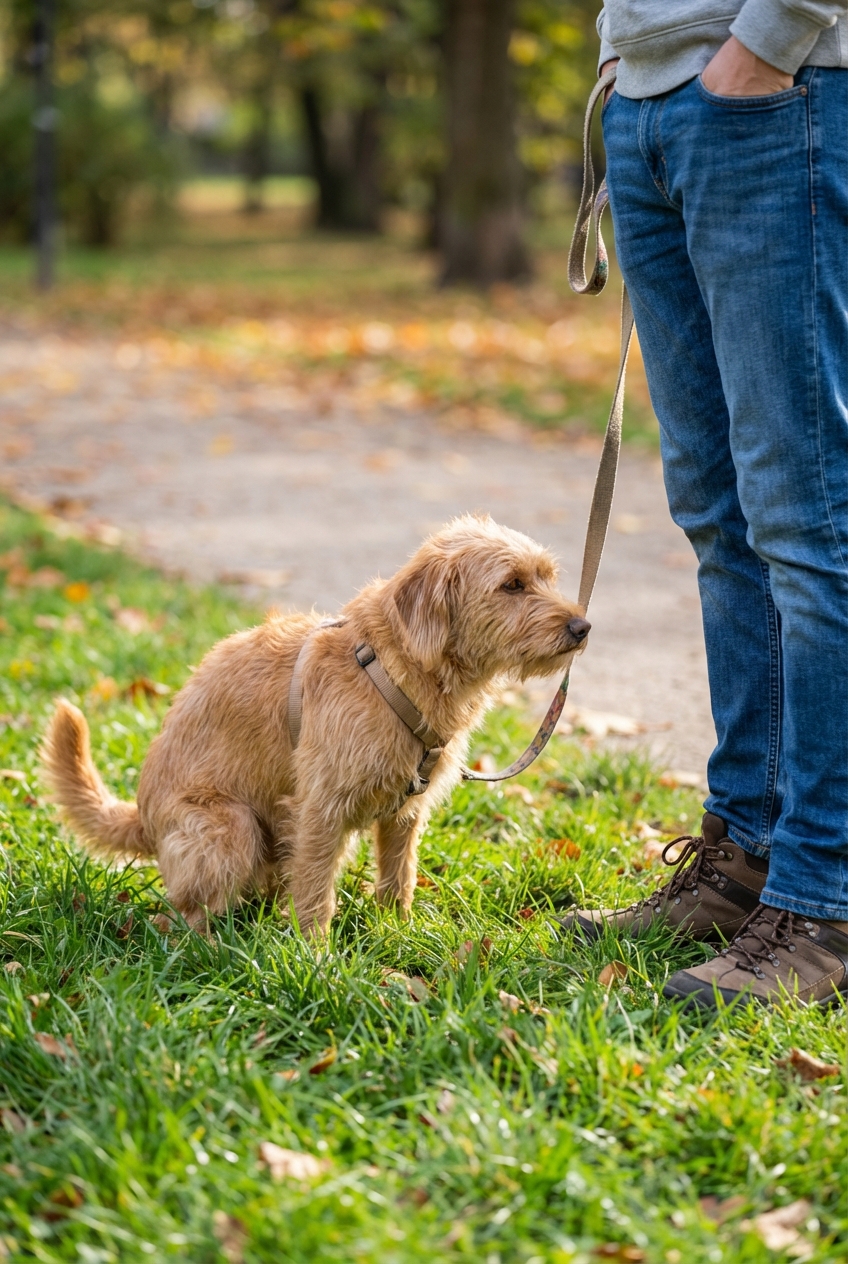
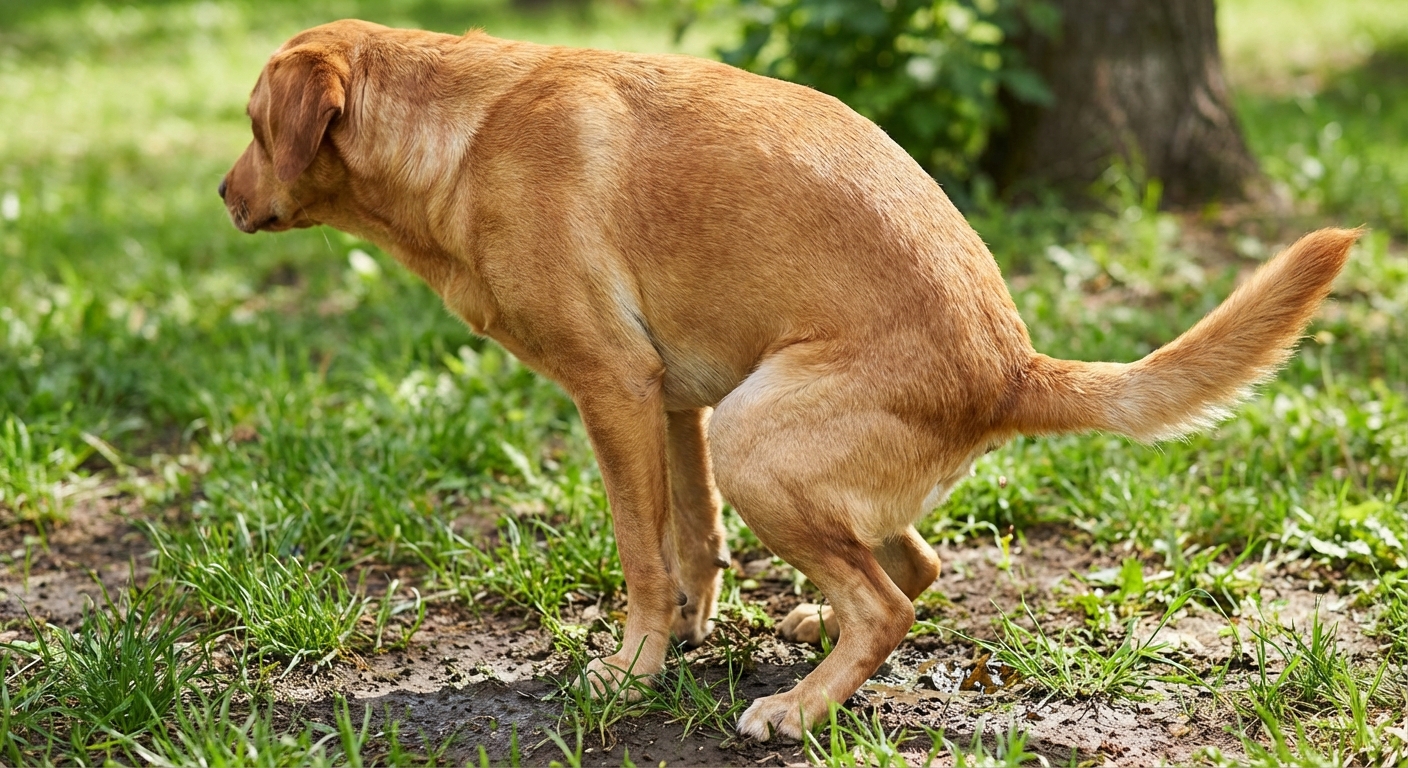
2) Straining or taking longer to pee
You might see your dog squat multiple times, push, or seem frustrated. This is a big clue, especially if it is new.
3) Producing only small amounts of urine
Some dogs try repeatedly but only pass a trickle. This can happen with a UTI because the bladder feels urgently “full,” but it can also be a urinary blockage, especially in male dogs.
4) Accidents in a previously house-trained dog
If your dog has been reliable for months or years and suddenly starts having accidents, do not assume it is behavioral. UTIs are a very common medical reason.
5) Licking the genital area more than usual
Dogs often lick because the tissue feels irritated. You might also notice redness around the vulva or prepuce.
6) Stronger-smelling urine
Some owners notice urine has a more intense or “sharp” odor. This is not a diagnosis by itself, but paired with other symptoms it matters.
7) Seeming a little “off”
Some dogs get quieter, less playful, or more clingy. Others seem restless because they cannot get comfortable.
More obvious symptoms
- Blood in the urine (pink, red, or tea-colored urine)
- Cloudy urine
- Pain signs such as yelping while urinating or avoiding squatting
- Fever (your veterinarian can confirm with a thermometer)
- Decreased appetite
- Vomiting or seeming weak (can suggest a more serious infection or kidney involvement)
If you see blood, it is important to call your vet. Blood can happen with UTIs, but it can also occur with bladder stones, prostate issues, or other urinary tract disease.
UTI or something else?
Several conditions can mimic UTI symptoms. This is why testing matters.
- Bladder stones: can cause blood, straining, and frequent attempts to urinate. Stones can also lead to repeated infections.
- Urinary blockage: an emergency, most common in male dogs. Straining with little to no urine is a red flag.
- Vaginitis or vulvar dermatitis: may cause licking and discomfort without a true bladder infection.
- Incontinence: especially in spayed females, can cause leaking urine without infection.
- Kidney infection (pyelonephritis): may include fever, vomiting, back pain, and lethargy.
If your dog is straining and producing little to no urine, treat it like an emergency until proven otherwise. A blockage can become life-threatening fast.
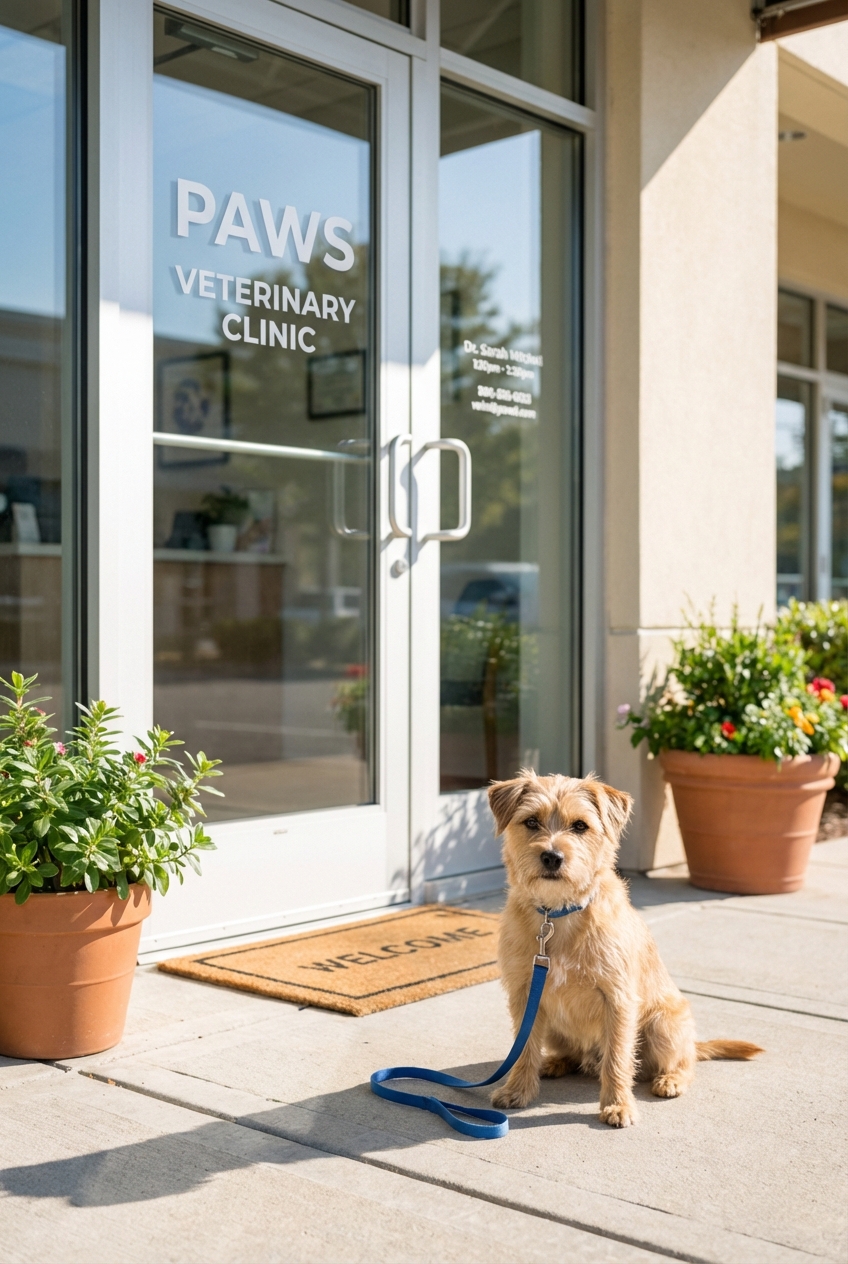
When to call the veterinarian
Call your veterinarian within 24 to 48 hours if you notice:
- Frequent urination, urgency, or new accidents
- Licking plus urinary changes
- Foul-smelling urine plus discomfort
Seek same-day emergency care if you notice:
- Straining with little or no urine
- Repeated squatting with nothing coming out
- Vomiting, collapse, severe lethargy, or fever
- Signs of significant pain
How UTIs are diagnosed
A proper diagnosis helps your vet choose the right treatment and avoid unnecessary antibiotics.
Urinalysis
This checks for inflammation, crystals, blood, and urine concentration. On a sediment exam, it may also show bacteria, but a culture is needed to confirm infection.
Urine culture and sensitivity
This is the gold standard for confirming infection and selecting the most effective antibiotic. It is especially important for recurrent UTIs, male dogs with suspected UTIs, or when symptoms return quickly.
How urine is collected matters
For the cleanest sample, many clinics recommend a cystocentesis sample (a sterile needle into the bladder). It sounds scary, but in most dogs it is quick and well-tolerated, and it reduces contamination that can confuse results. That said, it is not always possible or appropriate in every situation (for example, if the bladder is very small), so your vet will choose the best method for your dog.
Additional testing if UTIs keep coming back
- X-rays or ultrasound to look for stones or anatomical issues
- Bloodwork to screen for diabetes, kidney disease, or other underlying causes
- In male dogs, prostate evaluation if indicated

Treatment
Treatment depends on what your vet finds, but these are common components:
- Antibiotics selected based on testing (especially culture results)
- Pain relief or anti-inflammatory medication when appropriate
- Hydration support to encourage flushing the bladder
- Follow-up testing in some cases, especially with recurrent or complicated infections
One of the most important things you can do is give medication exactly as prescribed and finish the full course unless your veterinarian tells you otherwise.
If your dog has a history of UTIs, stones, or other medical issues, your clinic may recommend a recheck urinalysis and sometimes a recheck culture after antibiotics. This is especially common if symptoms were severe, your dog is male, or infections keep returning.
Home care (safe, supportive steps)
These tips are not a replacement for veterinary care, but they can support comfort while you are getting help.
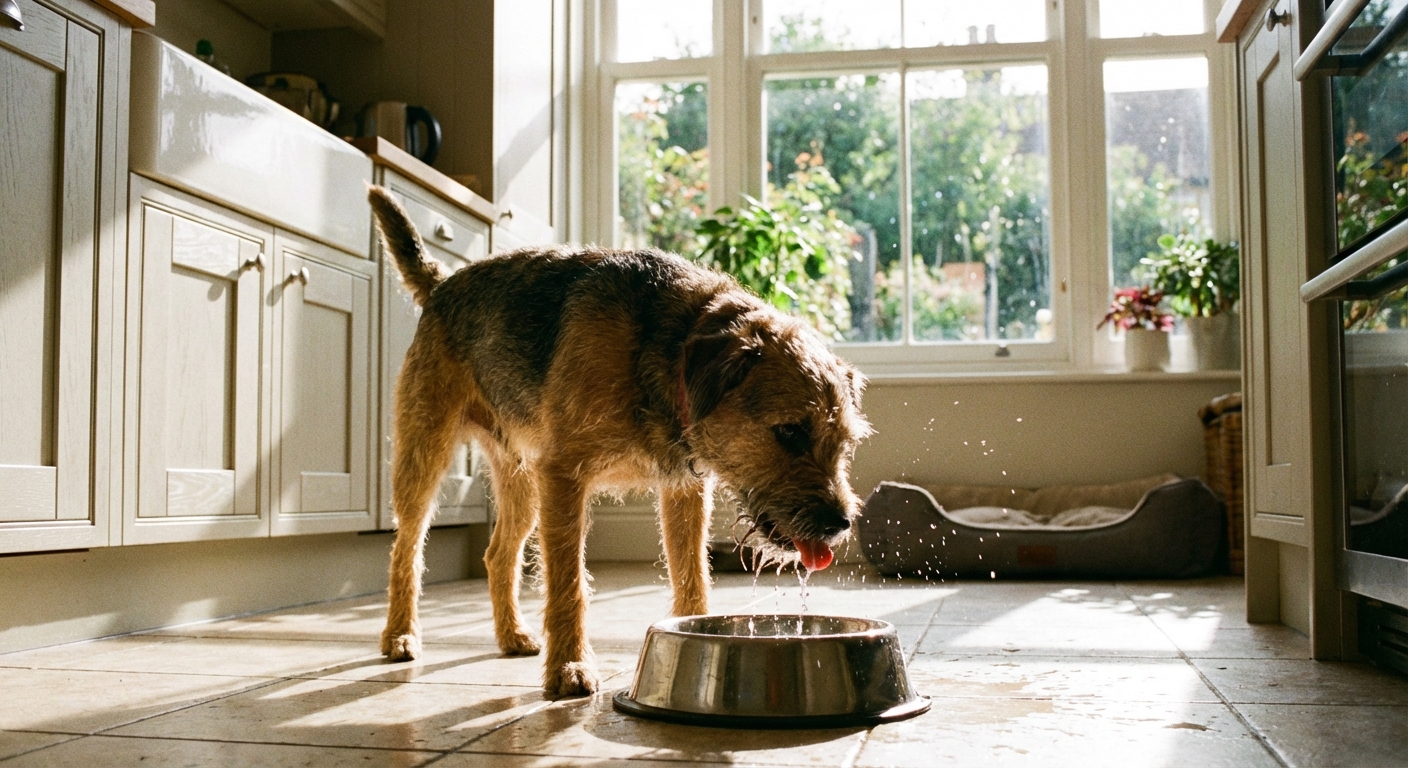
Encourage water intake
- Offer fresh water in multiple spots
- Add a little water or low-sodium broth to meals (ask your vet if your dog has heart or kidney disease)
- Consider a pet fountain if your dog likes running water
More potty breaks
Frequent chances to urinate can reduce discomfort and help prevent accidents.
Keep the area clean
If there is urine dribbling or irritation, gently wipe with a damp cloth and pat dry. Avoid scented wipes that can sting.
Do not give human meds
Many human pain relievers are toxic to dogs. Always ask your vet before giving anything new.
Supplements and “natural” remedies
You may hear about cranberry or D-mannose for urinary health. Evidence is mixed, and these should never replace an exam and antibiotics when an infection is present. If you want to use a supplement, ask your veterinarian first so it fits your dog’s health history.
Prevention and lowering recurrence
Some dogs only get one UTI in their lifetime. Others need a long-term plan. Prevention depends on the cause, but these steps often help:
- Regular bathroom breaks: holding urine for long periods may increase risk in some dogs
- Weight management: excess weight can contribute to hygiene issues and inflammation
- Grooming and hygiene: especially for long-coated dogs and dogs with skin fold issues
- Address underlying disease: diabetes, Cushing’s, stones, and prostate disease can drive repeat UTIs
- Nutrition choices: if stones or crystals are involved, your vet may recommend a specific diet plan
Dogs who are older, have had bladder stones, or have conditions like diabetes are often at higher risk for repeat urinary problems. And because UTIs are less common in male dogs, urinary signs in males sometimes warrant a closer look for contributing issues.
If your dog has recurring UTIs, ask your veterinarian whether a culture is needed each time and whether imaging should be considered to look for stones or structural problems.
Quick checklist
If you suspect a UTI, here is what to note before your appointment:
- When symptoms started
- Any blood seen, and what it looked like
- How often your dog is trying to pee
- Whether your dog is eating and drinking normally
- Any vomiting, fever, or weakness
- Any recent grooming, boarding, new foods, or stressors
- Current medications and supplements
If possible, bring a fresh urine sample in a clean container, but call your clinic first for collection instructions. In many cases, your vet will prefer collecting a sterile sample in-house.
The bottom line
UTIs hurt, but they are very manageable when treated promptly. Trust your instincts. If your dog is suddenly asking to go out constantly, having accidents, licking more, or straining to urinate, that is not “just getting older” or “being stubborn.” It is your dog communicating discomfort.
With quick veterinary support, most dogs bounce back fast and feel like themselves again.