Dog UTI symptoms can mimic stones or other issues. Learn the full treatment plan: urinalysis and culture, correct antibiotics, pain control, hydration, home ...
Article
•
Designer Mixes
UTI in Dogs: Symptoms and Advice

Shari Shidate
Designer Mixes contributor
As a veterinary assistant here in Frisco, Texas, I have seen how quickly a urinary tract infection (UTI) can turn a happy, bouncy pup into an uncomfortable, restless one. The good news is that most UTIs are treatable, especially when you catch them early.
This guide walks you through the most common UTI symptoms in dogs, what to do at home (and what not to do), when it becomes an emergency, and how to help prevent repeat infections.
Quick note: I am not a veterinarian. This article is educational and not a substitute for an exam and testing. If you are worried, your vet is the best next step.
What is a UTI in dogs?
A UTI is an infection in part of the urinary system, most often the bladder. Bacteria typically enter through the urethra and multiply in the bladder. Some infections stay in the lower urinary tract (bladder and urethra), while others can travel upward and affect the kidneys, which is much more serious.
UTIs are fairly common in dogs, and they are seen more often in female dogs. They are important to address because the signs can overlap with other problems, including bladder stones, prostate issues (in male dogs), and even diabetes or Cushing’s disease.
UTI symptoms in dogs
Many pet parents describe it as their dog suddenly acting “off” during potty breaks. Here are the classic signs to watch for.
Common symptoms
- Frequent urination or asking to go outside more often
- Straining to urinate or taking a long time to pee
- Small amounts of urine each time
- Accidents in the house, even if your dog is normally fully housetrained
- Blood in the urine (pink, red, or tea-colored urine)
- Strong or unusual urine odor
- Licking the genital area more than usual
- Discomfort, whining, or seeming tense when trying to pee
Less obvious symptoms
- Restlessness or trouble settling down
- Reduced appetite
- Low energy
- New crankiness, especially if touched around the belly
UTI or something else?
Not every “UTI-like” sign is actually a UTI. A few conditions can mimic it and may require different treatment.
- Bladder stones: Can cause blood in urine and straining. Some stones can contribute to repeated infections.
- Urinary crystals: May irritate the bladder and can be associated with diet, pH changes, or infections.
- Vaginitis or vulvar irritation (female dogs): Can cause licking and discomfort.
- Prostate disease (male dogs): Can affect urination and comfort.
- Sterile cystitis (bladder inflammation without infection): Less common in dogs than in cats, but it can look very similar to a UTI and needs a different plan.
- Urinary obstruction: Especially urgent in male dogs. This is an emergency.
This is why a simple urine test at your vet is so valuable. Treating at home without testing can delay the right care.
When it is an emergency
Please seek urgent veterinary care (same day, emergency clinic if needed) if you notice any of the following:
- Your dog cannot pass urine or only drips a few drops despite repeated attempts
- Vomiting, fever, or extreme lethargy
- Severe pain, crying out, or a hard, tense abdomen
- Blood in urine plus weakness or collapse
- Possible kidney infection signs: fever, back pain, shaking, decreased appetite, dehydration
A dog that cannot urinate may have a blockage. Urinary obstruction can become life-threatening fast, especially in male dogs.
Puppies, seniors, and dogs with other health issues may need faster evaluation, even with milder symptoms.
What your vet will do
For most dogs, diagnosing and treating a UTI is straightforward, but doing it correctly helps prevent repeat infections and antibiotic resistance.
Common tests
- Urinalysis: Looks for bacteria, white blood cells, blood, crystals, and urine concentration.
- Urine culture and sensitivity: Identifies the specific bacteria and which antibiotics will work best. This is especially important for recurrent UTIs.
- Imaging (sometimes): X-rays or ultrasound if stones, tumors, or anatomy issues are suspected.
About sample collection: a free-catch sample (collected mid-stream at home) can be helpful for a basic urinalysis, but for culture many clinics prefer a sterile sample collected in clinic (often by cystocentesis) to reduce contamination and improve accuracy.
Typical treatment
- Antibiotics chosen based on test results (and ideally culture)
- Pain relief if the bladder is inflamed or spasming
- Recheck testing for recurrent cases or complicated infections
If your dog is improving then suddenly backslides, tell your vet. That can happen if bacteria are resistant, medication is stopped too early, or there is an underlying issue like stones.
At-home care
You cannot reliably clear a true bacterial UTI with home remedies alone. Hydration and comfort care can help your dog feel better while you arrange veterinary testing and treatment.
Do this
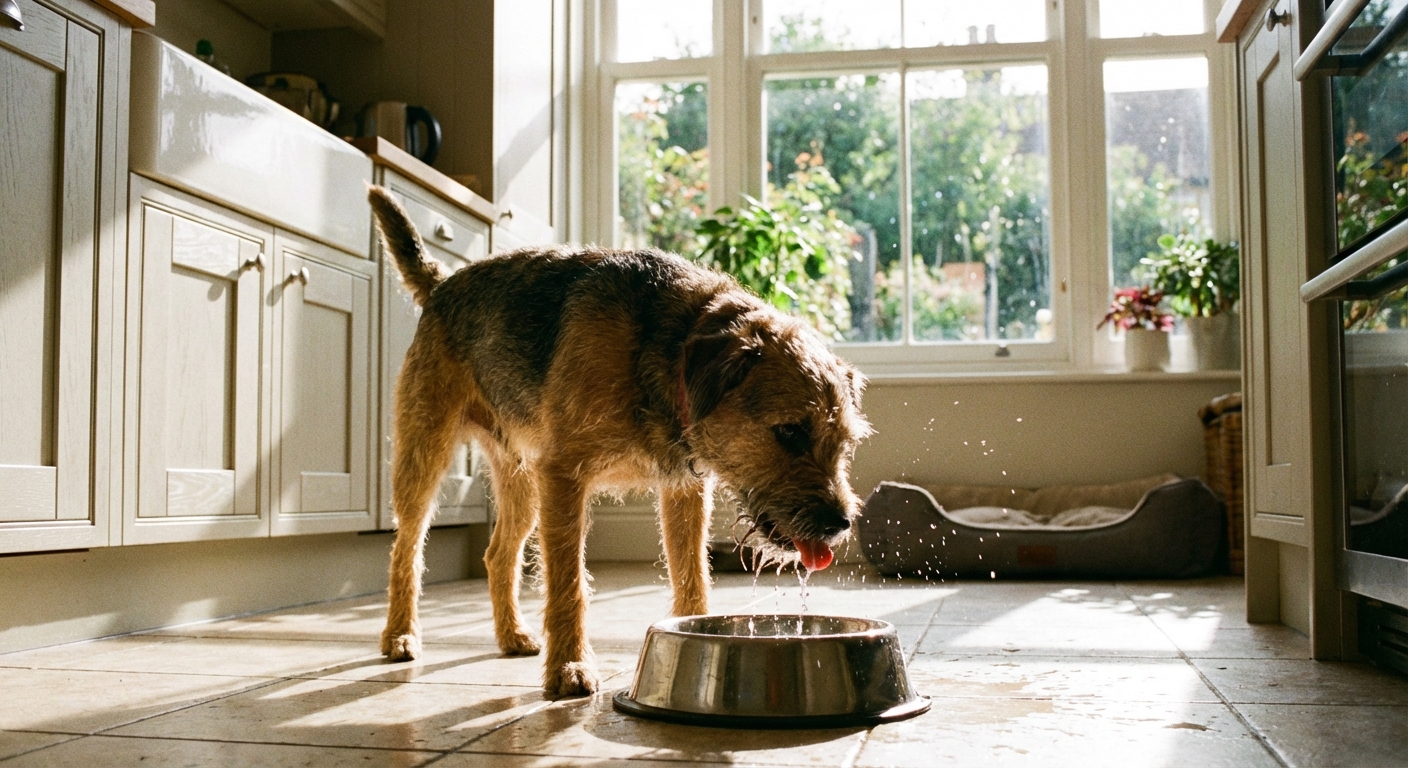
- Increase water intake: Add water to meals, offer ice cubes, or use a pet fountain.
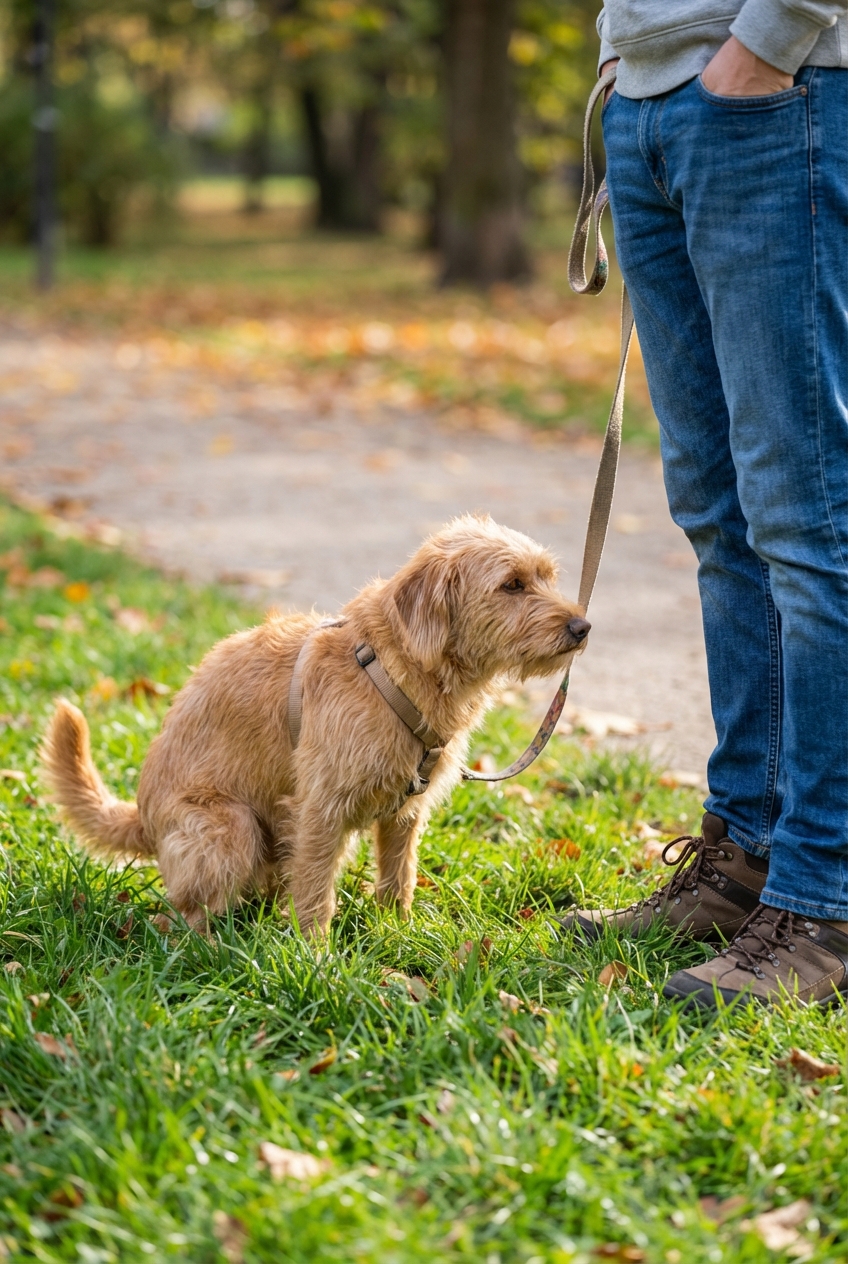
- More potty breaks: Give your dog frequent chances to urinate so the bladder does not stay overfull and irritated.
- Keep the area clean: For dogs with urinary dribbling or discharge, gently clean and dry the fur to prevent skin irritation.
- Give all medication exactly as prescribed: Finish the full course, even if your dog seems better in 24 to 48 hours.
Skip this
- Do not give leftover antibiotics or share meds between pets.
- Do not use human UTI products unless your veterinarian specifically instructs you to.
- Do not restrict water to reduce accidents. That can make things worse.
Why UTIs come back
If your dog keeps getting UTIs, it is worth digging deeper. Repeat infections often have a reason.
- Bladder stones or crystals
- Vulvar anatomy (recessed vulva) or skin folds trapping moisture and bacteria
- Diabetes (extra sugar in urine can feed bacteria)
- Cushing’s disease (immune changes can increase infection risk)
- Incomplete bladder emptying (neurologic issues, pain, or mobility problems)
- Antibiotic resistance when infections are treated without culture or not fully cleared
If your dog has had more than one UTI in a short period, ask your vet about a urine culture and whether imaging is appropriate.
Prevention tips
Not all UTIs are preventable, but these habits can lower risk and support urinary health.
- Hydration helps: A well-hydrated dog urinates more, which helps rinse the bladder.
- Regular potty access: Holding urine for long stretches may increase irritation and could raise risk for some dogs.
- Weight management: Excess weight can affect mobility and hygiene, especially in older dogs.
- Grooming and hygiene: Keep fur trimmed around the genitals, especially for fluffy mixes.
- Talk to your vet about diet if crystals or stones are involved. The best diet depends on the crystal type.
If you only do one thing, make it easier for your dog to drink more water. Hydration supports the entire urinary system.
Checklist for your vet
If you suspect a UTI, these details help your clinic move faster.
- How long symptoms have been happening
- Any blood in urine and when you first noticed it
- Straining, frequent urination, or both
- Any accidents in the house
- Current medications and supplements
- History of UTIs, stones, or crystals
- Changes in drinking, appetite, or energy
If you can safely collect a fresh urine sample, ask your clinic for instructions and a container. Many clinics prefer an in-clinic sample for culture, so calling ahead saves time.
The bottom line
UTIs are common, uncomfortable, and usually treatable. If your dog is peeing more often, straining, having accidents, or you notice blood in the urine, it is time to call your veterinarian. Trust your instincts. You know your dog’s normal, and urinary issues are one area where early care truly makes a difference.
Last reviewed: 2026-02-18