Dog UTI symptoms can mimic stones or other issues. Learn the full treatment plan: urinalysis and culture, correct antibiotics, pain control, hydration, home ...
Article
•
Designer Mixes
Urinary Tract Infection Symptoms in Dogs

Shari Shidate
Designer Mixes contributor
When a dog has a urinary tract infection (UTI), the signs can look small at first. Maybe your pup asks to go outside more often, or you notice a few drips on the floor. But urinary issues can become painful quickly, and in some cases an infection can move upward toward the kidneys. The sooner you spot the symptoms, the sooner your veterinarian can help your dog feel comfortable again.
As a veterinary assistant here in Frisco, Texas, I have seen how fast a simple urinary issue can turn into a miserable week for a dog and a stressful week for their family. The good news is that most uncomplicated UTIs respond very well to proper treatment once we know what we are dealing with. If symptoms keep returning, it is often because an underlying issue needs to be found and addressed.
What a UTI is, in plain language
A UTI usually means bacteria (most often from the skin or gastrointestinal tract) have traveled up the urethra into the bladder. This causes irritation and inflammation of the bladder lining, which can lead to urgency, discomfort, and sometimes blood in the urine.
One important note: not every dog with urinary symptoms has a bacterial infection. Bladder stones, crystals, tumors, incontinence, or sterile (non-infectious) cystitis can look very similar. That is why testing matters.
In veterinary medicine you may hear a few related terms:
- Cystitis: inflammation of the bladder (can be infectious or non-infectious).
- Lower urinary tract disease: a broader category that can include infection, stones, inflammation, and more.
- Pyelonephritis: kidney infection (more serious and can make dogs feel very ill).
Common UTI symptoms in dogs
Some dogs show classic signs, while others are subtle. Here are the symptoms I encourage pet parents to watch for.
Changes in how your dog urinates
- Frequent trips outside with little urine produced.
- Straining or taking a long time to start urinating.
- Accidents in the house, even in a previously house-trained dog.
- Dribbling urine or leaking while resting.
Changes in the urine itself
- Blood in the urine (pink, red, or tea-colored).
- Cloudy urine.
- Strong or foul odor compared to usual.
Signs your dog is uncomfortable
- Licking the genitals more than normal.
- Whining while urinating.
- Restlessness, trouble settling, or acting “off.”
When it may be more than a simple bladder infection
Call your veterinarian promptly if you see:
- Fever, lethargy, or weakness.
- Vomiting or poor appetite.
- Back or side pain when touched (possible kidney involvement).
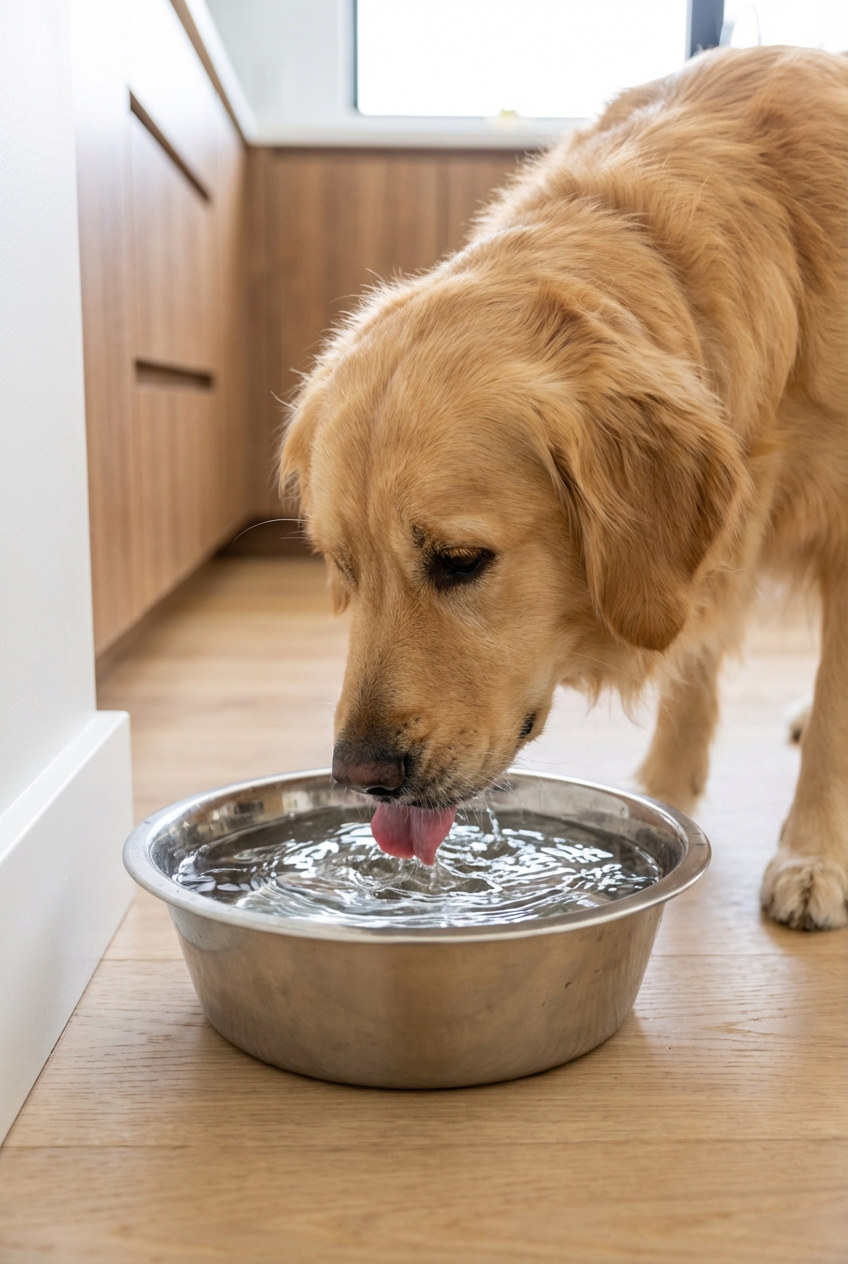
- Increased thirst and urination (this can sometimes point to issues like diabetes or Cushing’s disease, not just a UTI).
Emergency warning signs
Some urinary problems look like a UTI but are actually an emergency, especially in male dogs where obstruction is more common.
- Unable to urinate or only producing a few drops while straining.
- Bloated, painful belly or obvious distress.
- Repeated vomiting with urinary straining.
If your dog cannot pass urine, seek emergency care right away. A urinary blockage can become life-threatening in a short period of time.
Why UTIs happen (and why they come back)
Many UTIs are straightforward. Others are a symptom of something else. If infections keep recurring, it is important to look for an underlying cause rather than repeating antibiotics without a plan.
Common contributing factors include:
- Female anatomy: female dogs are more prone due to a shorter urethra.
- Diabetes: sugar in the urine can encourage bacterial growth.
- Cushing’s disease or steroid use: can weaken immune defenses.
- Bladder stones: can irritate the bladder and harbor bacteria.
- Vulvar skin folds or obesity: can trap moisture and bacteria.
- Prostate disease in intact males.
- Anatomy issues or incontinence, especially in senior dogs.
How veterinarians diagnose a UTI
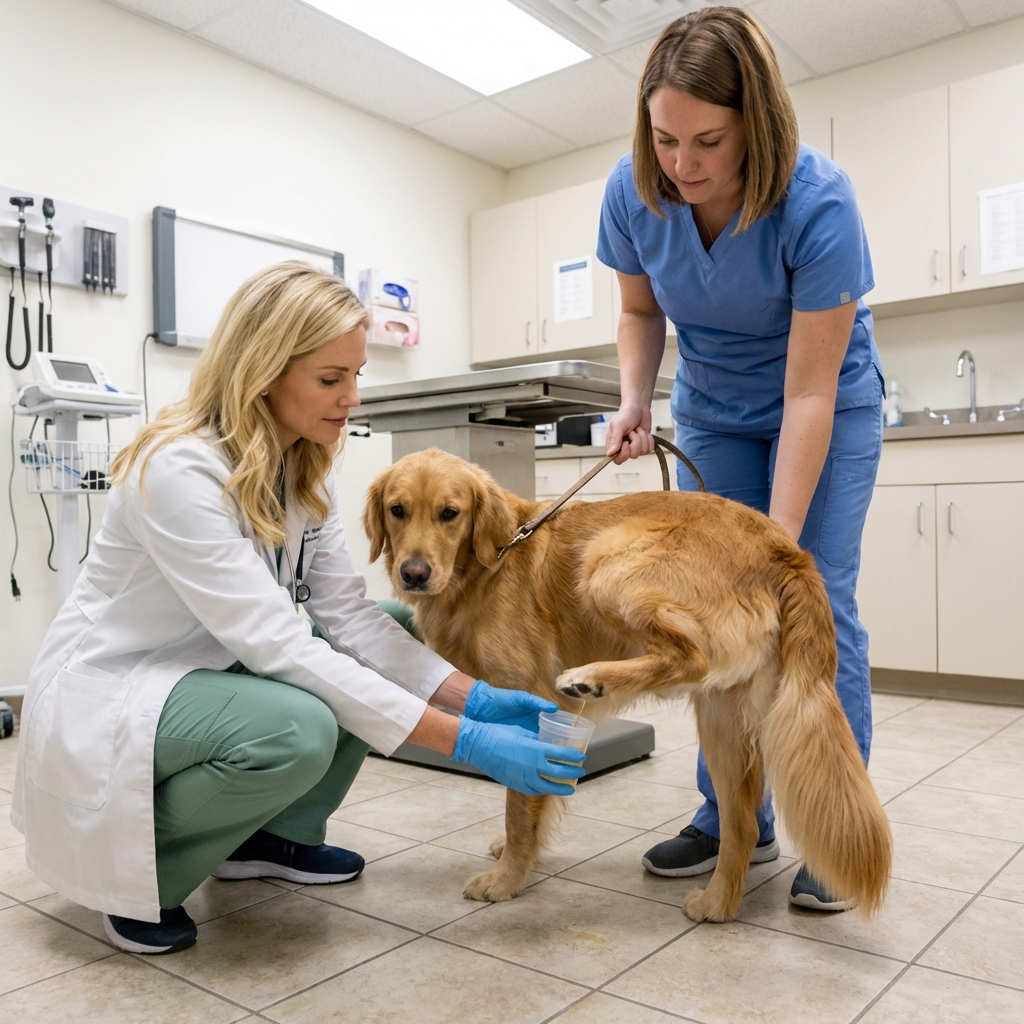
Because several conditions can mimic each other, diagnosis matters. In most cases, your vet will combine symptoms with urine testing. Ideally, we look for evidence of inflammation (like white blood cells) and evidence of bacteria, and then confirm with culture when appropriate. It is also possible for bacteria seen on a urinalysis to be contamination, which is another reason follow-up testing can be important.
Urinalysis
This checks for blood, white blood cells, protein, crystals, urine concentration, and sometimes bacteria.
You may hear terms like:
- Pyuria: white blood cells in urine (inflammation).
- Bacteriuria: bacteria in urine (infection or contamination, depending on how the sample was collected).
- Hematuria: blood in urine.
- Crystalluria: crystals in urine (may or may not be significant depending on type and context).
Urine culture and sensitivity
This is the gold standard for confirming a bacterial UTI, especially if your dog has recurring UTIs, a complicated history, or symptoms that do not resolve. It identifies the bacteria and tests which antibiotics the bacteria are susceptible to in the lab. That helps guide the best choice, although real-world response can still vary based on your dog’s overall health and any underlying problems.
Imaging
If stones or structural issues are suspected, your vet may recommend X-rays or ultrasound.
Treatment options that help
Many dogs feel noticeably better once treatment begins, but it is important to follow the plan completely so the infection does not recur or become harder to treat.
Antibiotics (when a bacterial infection is likely or confirmed)
- Your vet may start an antibiotic based on common bacteria in dogs and then adjust if a culture says otherwise.
- Give every dose as directed and do not stop early even if your dog seems fine.
Pain relief and bladder support
Some dogs need medication to reduce discomfort and bladder spasms. This is especially helpful when frequent urination is keeping everyone awake at night.
Follow-up testing
For recurring or complicated UTIs, your veterinarian may recommend a recheck urinalysis or culture after treatment to confirm the infection is truly gone.
What you can do at home
Home care cannot replace veterinary treatment for a true infection, but it can support healing and comfort.
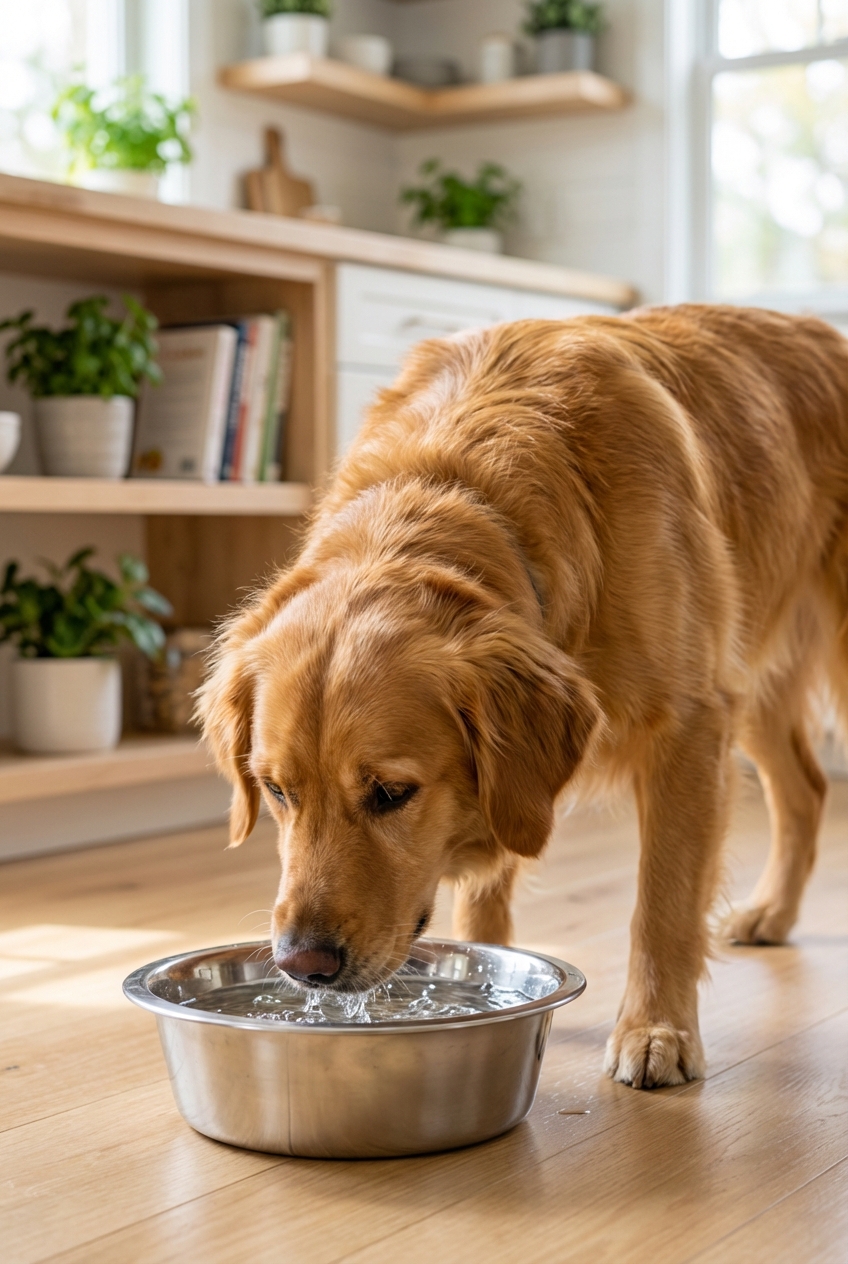
Increase water intake
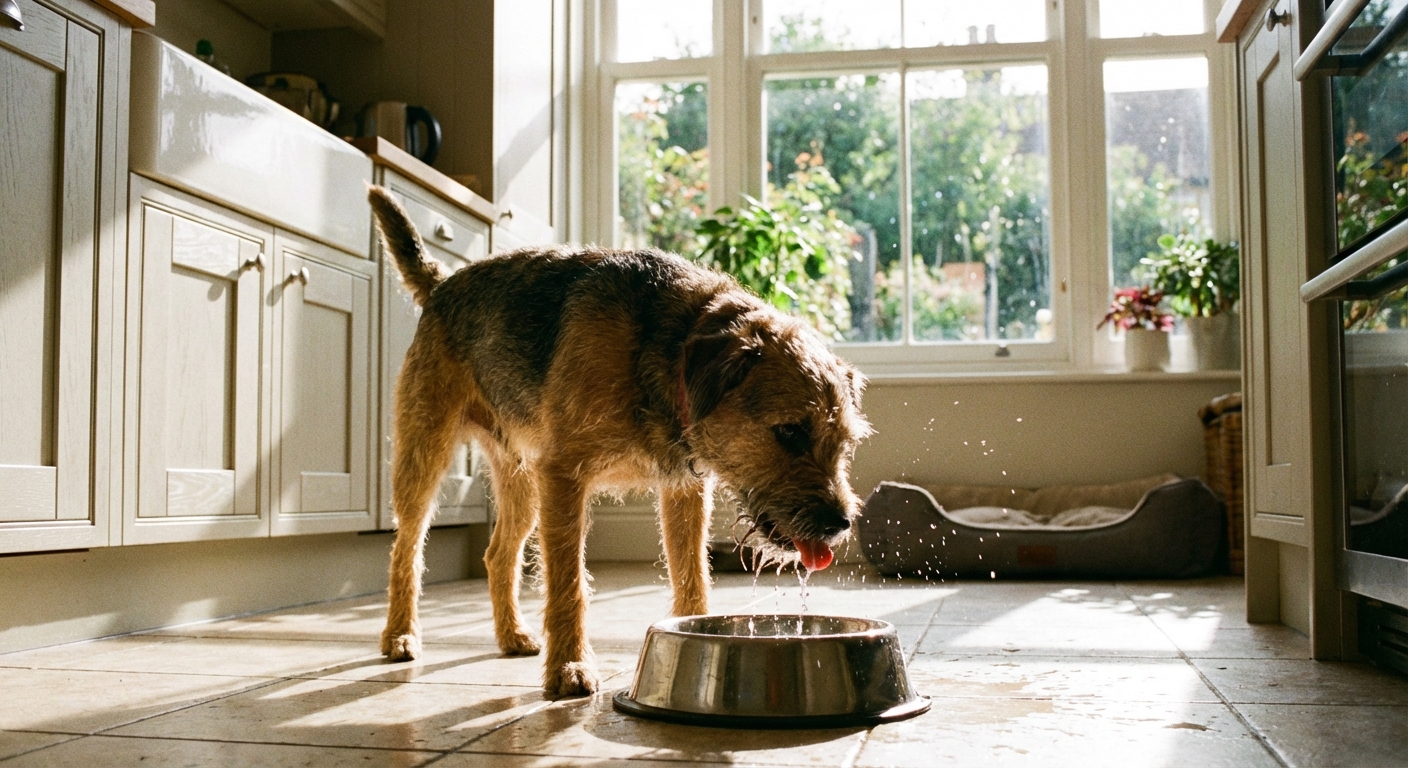
- Offer fresh water in multiple locations.
- Add a little water or low-sodium broth to meals (ask your vet first, and only use broths that are free of onion and garlic).
- Try a pet fountain if your dog prefers moving water.
More potty breaks
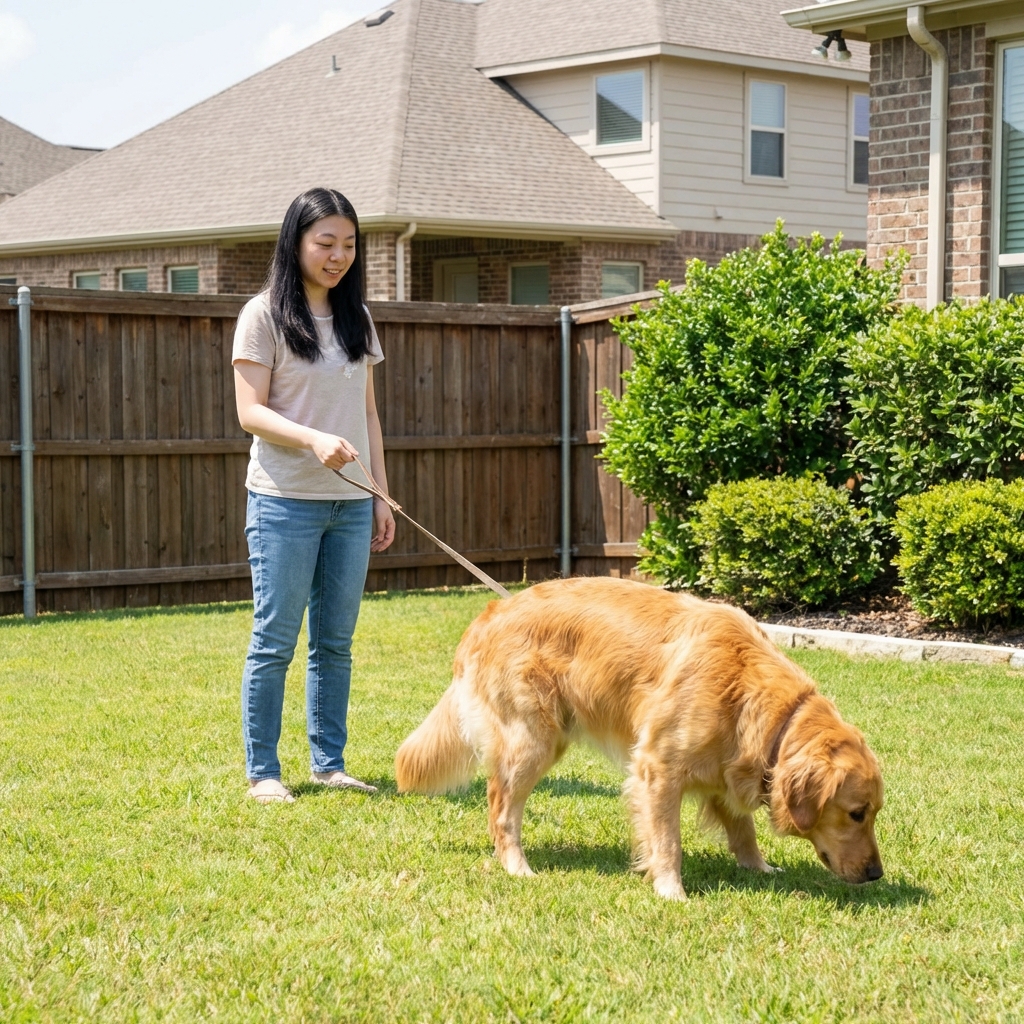
Let your dog out more often so they are not forced to hold it with an irritated bladder.
Keep the area clean
For dogs with longer coats or skin folds, gently clean and dry the area to reduce bacterial buildup.
Skip leftover antibiotics
Please do not use old medications or share prescriptions between pets. The wrong drug, dose, or duration can worsen resistance and delay proper care.
Food and supplements
Diet can play a role in urinary health, especially for dogs prone to crystals or stones. But for infections specifically, supplements should be viewed as support, not a cure.
Cranberry
Cranberry is thought to help reduce bacterial adherence to the bladder wall. Evidence in dogs is limited and mixed, and dosing matters. It is not a replacement for antibiotics if bacteria are present.
Probiotics
Probiotics can be a helpful companion during and after antibiotics to support the gut microbiome, which is important for overall immune health.
Prescription urinary diets
If your dog has certain types of crystals or stones, a veterinary urinary diet can be truly therapeutic. These diets are formulated to adjust urine pH and mineral balance.
If you are feeding homemade or fresh food and your dog has a urinary history, partner with your veterinarian or a board-certified veterinary nutritionist to keep the diet balanced and appropriate for your dog’s specific risk factors.
Prevention tips
- Hydration first: more water usually means more flushing of the bladder.
- Prompt potty access: avoid long stretches of holding urine when possible.
- Healthy weight: reduces skin fold moisture and improves overall health.
- Manage underlying conditions like diabetes with your veterinarian.
- Address recurring infections: if UTIs keep coming back, ask about urine culture, imaging, and a deeper workup.
If your dog is showing UTI symptoms, you are not overreacting by calling the vet. A quick urinalysis can prevent a lot of pain, and it can help you avoid treating the wrong problem at home.
Quick checklist for your appointment
If you suspect a UTI, these details help your veterinary team a lot:
- When symptoms started and whether they are getting worse.
- How often your dog is attempting to urinate.
- Any accidents, blood, odor, or straining.
- Current medications and supplements.
- Past UTIs, stones, or urinary issues.
- Whether your dog is drinking more than usual.
Bringing a urine sample
If your clinic asks for a urine sample, follow their instructions carefully. In general, a sample is most useful when it is fresh and collected in a clean container.
- Avoid contamination: try not to scrape grass, dirt, or floor debris into the cup.
- Timing matters: if you cannot bring it in right away, ask your clinic whether to refrigerate it and how quickly they need it (many clinics prefer it within a few hours).
- Culture samples: for urine culture, many hospitals prefer collecting urine in-house (often by cystocentesis) to reduce contamination and get the most accurate result.